
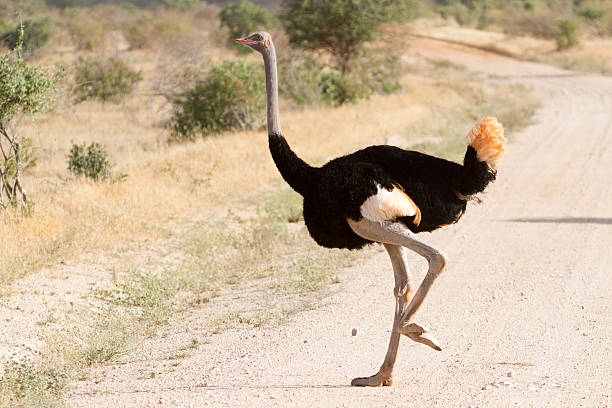

- 796 Views
- 14 Min Read
- (2) Comments
Safari Expeditions from the Kenyan Coast; Kenyan coastline, characterized by the pristine white sands of Diani, the historic charm of Mombasa, and the tranquil marine parks of Malindi and Watamu, serves as an idyllic gateway for travelers seeking to transition from coastal relaxation to the raw, untamed wilderness of East Africa’s premier national parks. For beach holiday makers, the logistical integration of a coastal retreat with a safari to Tsavo, Amboseli, or the Maasai Mara is a well-established practice, facilitated by a robust network of domestic flights and road infrastructure that connects the turquoise waters of the Indian Ocean to the golden plains of the interior.
The Gateway to Safari Expeditions from the Kenyan Coast Departure Points
Travelers based in Diani, Mombasa, Malindi, or Watamu have distinct advantages when planning a safari. Diani Beach, located south of Mombasa, offers direct access to the Shimba Hills National Reserve—a short drive away—but is primarily a hub for fly-in safaris to the larger parks. Mombasa, as the primary coastal city, acts as the central transit point, offering daily flights to the airstrips serving the Maasai Mara and Amboseli, as well as rail connections toward the Tsavo ecosystem.
Malindi and Watamu, situated further north, provide a more secluded atmosphere, with charter flights often available to connect visitors to the interior wilderness areas.
Tsavo: The Land of Giants
Tsavo East and West National Parks are the most accessible wilderness areas from the coast, often referred to as the “Theatre of the Wild.” Covering over 20,000 square kilometers, Tsavo is famous for its vast herds of “red” elephants, colored by the local volcanic soil. A safari from the coast to Tsavo can be accomplished via a short drive or a brief flight, making it the most time-efficient option for beach-goers. The landscape here is dramatic, featuring the Mzima Springs, where millions of gallons of crystal-clear water bubble up from underground lava flows, providing a sanctuary for hippos and crocodiles.
The Safari Odyssey: Bridging Kenya’s Coast and the Tsavo Wilderness
The journey from the sun-drenched shores of the Indian Ocean to the rugged, red-earth interior of Tsavo represents one of the most iconic transitions in East African travel. For the beach holidaymaker, the Kenyan coast—stretching from Diani to Malindi—offers a sanctuary of white sands and turquoise waters, yet it is the proximity to Tsavo that elevates a coastal vacation into a transformative experience. Tsavo, divided into East and West, stands as Kenya’s largest protected wilderness, covering over 23,000 square kilometers of untamed savanna.
The transition from the humid, tropical coastline to the arid, volcanic landscapes of Tsavo provides a dramatic contrast that defines the “Bush and Beach” itinerary, a hallmark of Kenyan tourism that has been documented by explorers and conservationists for over a century.
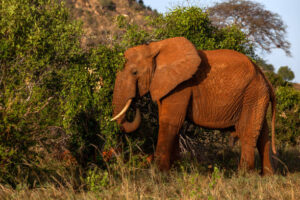
Red African Elephants at Wild making it the best Safari Expeditions from the Kenyan Coast
The Geographic and Historical Significance of Tsavo
Tsavo is not merely a park; it is a landscape of profound historical weight. Named after the Tsavo River, the region became globally infamous during the construction of the Uganda Railway in the late 19th century, when the “Man-Eaters of Tsavo”—two lions that terrorized railway workers—became the subject of Colonel J.H. Patterson’s classic account.
This history adds a layer of mystique to the landscape, which is characterized by the Yatta Plateau, the longest lava flow in the world, and the Mzima Springs, where millions of gallons of crystal-clear water emerge from volcanic rock. For the modern traveler, this history provides a narrative depth that complements the relaxation of a beach holiday. The “red elephants” of Tsavo, so named because of the iron-rich dust they bathe in, are a primary draw, offering a visual spectacle that is unique to this specific ecosystem.
Why Tsavo is the Premier Choice for Beach Holidaymakers in Kenya
The primary advantage of choosing Tsavo for a Safari Expeditions from the Kenyan Coast is accessibility. Unlike the Maasai Mara, which often requires a flight from Mombasa or Nairobi, Tsavo is reachable by road or a short train ride via the Standard Gauge Railway (SGR), making it the most convenient “big game” destination for those based at coastal resorts. This accessibility allows for a seamless integration of leisure and adventure.
A traveler can spend the morning snorkeling in the Kisite-Mpunguti Marine Park and be in the heart of Tsavo by late afternoon, observing lions, leopards, and the iconic red-tusked elephants. Furthermore, the diversity of the landscape—from the lush palm-fringed banks of the Galana River to the stark, volcanic craters of the Chyulu Hills—ensures that the safari experience is as visually varied as the coastal scenery. The vastness of the park ensures that even during peak seasons, visitors can enjoy a sense of solitude and “ancient magic” that is increasingly rare in more crowded tourist circuits.
Conservation and the Future of the Ecosystem
Tsavo’s resilience is a testament to the work of early conservationists and the ongoing efforts of the Kenya Wildlife Service. The park serves as a vital corridor for wildlife, and its protection is essential for the survival of the species that define the East African savanna. For the beach holidaymaker, visiting Tsavo is not just a recreational activity; it is an opportunity to contribute to the local economy and support the preservation of one of the world’s most significant wilderness areas. The combination of the coastal climate, which averages 25∘C to 30∘C, and the slightly cooler, drier air of the Tsavo interior creates an ideal environment for year-round travel.
Amboseli: The Shadow of Kilimanjaro and a great Safari Expeditions from the Kenyan Coast
Located to the west of Tsavo, Amboseli National Park is world-renowned for its iconic views of Mount Kilimanjaro, the highest free-standing mountain in the world. For those traveling from the coast, the transition from sea level to the high-altitude plains of Amboseli offers a striking change in climate and scenery. The park is celebrated for its elephant research and the ease with which visitors can observe large tuskers against the backdrop of the snow-capped peak. The ecological diversity here, ranging from dried-up lake beds to wetlands, supports a high density of wildlife, including lions, cheetahs, and over 400 species of birds.
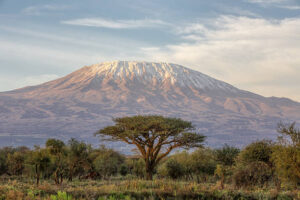
Safari Expeditions from the Kenyan Coast; Mt Kilimanjaro and Acacia – in the morning – The classic view of Mt Kilimanjaro in Tanzania from Amboseli in Kenya
The Journey from the Kenyan Coast to the Shadow of Kilimanjaro
The transition from the azure waters of the Indian Ocean to the arid, wildlife-rich plains of Amboseli National Park represents one of the most diverse travel experiences in East Africa. For travelers seeking a balanced holiday, combining the coastal relaxation of Diani or Malindi with the dramatic, volcanic backdrop of Amboseli offers a perfect synthesis of “sun, sand, and safari.” While the Kenyan coast provides a tropical respite with its coral reefs and Swahili cultural heritage, Amboseli serves as the quintessential terrestrial counterpoint, defined by its iconic views of Mount Kilimanjaro and its world-renowned elephant populations.
The Coastal Prelude: A Gateway to the Interior
The Kenyan coast, particularly the region surrounding Mombasa and Diani Beach, is characterized by its unique blend of Arab, Indian, and African influences. Historically, these coastal towns were vital nodes in the Indian Ocean trade network, a legacy preserved in the architecture of Lamu and the ruins of Gedi. For the modern traveler, the coast is the ideal starting point for a safari.
The infrastructure connecting the coast to the interior has improved significantly, allowing for a seamless transition from the humid, sea-level environment to the high-altitude plains of the Amboseli ecosystem. Travelers often utilize domestic flights from Ukunda or Mombasa to Nairobi or directly toward the Amboseli airstrips, minimizing travel time and maximizing the duration of their wildlife encounters.
Amboseli: The Shadow of Kilimanjaro
Amboseli National Park, situated in the Rift Valley Province, is globally recognized for its spectacular vistas of Mount Kilimanjaro, the highest peak in Africa. Although the mountain is located across the border in Tanzania, the best photographic angles are found within the park’s boundaries. The park is essentially an ancient lake bed, which creates a unique, dusty landscape that provides a stark contrast to the lush, green coastal regions. This environment is particularly famous for its “Big Tuskers”—elephants with exceptionally large tusks—which roam the plains in large family groups.
Why Amboseli is the Premier Choice for Beach Holiday Makers in Kenya
For those spending time on the Kenyan coast, Amboseli is the most logical and rewarding Safari Expeditions from the Kenyan Coast for several reasons:
- Accessibility and Efficiency: Unlike the Maasai Mara, which requires a longer journey from the coast, Amboseli is more compact. Its smaller size allows for a high density of wildlife sightings in a shorter timeframe, which is ideal for travelers who have limited time away from their beach resorts.
- The Aesthetic Contrast: The visual shift from the turquoise Indian Ocean to the golden, dust-swept plains of Amboseli is profound. The sight of elephants walking against the backdrop of the snow-capped Kilimanjaro is a bucket-list experience that complements the serenity of the beach.
- Peaceful Game Viewing: Compared to the high-traffic corridors of other Kenyan parks, Amboseli offers a more intimate experience. The park’s layout allows for quieter game drives, providing a sense of solitude that aligns well with the relaxing nature of a beach holiday.
- Photographic Potential: The unique lighting conditions created by the volcanic dust and the mountain backdrop make Amboseli a photographer’s paradise. The “red elephants” of the region, coated in the park’s iron-rich soil, offer a distinct visual identity that is not found on the coast or in other savannah ecosystems.
Ecological Significance
The ecosystem of Amboseli is a fragile one, heavily dependent on the meltwater from Mount Kilimanjaro, which feeds the underground springs and swamps. These swamps are the lifeblood of the park during the dry season, attracting massive herds of wildlife. Understanding this hydrological cycle is essential for any visitor, as it explains why wildlife congregates in specific areas, making the park so predictable and rewarding for tourists.
The Maasai Mara: The Pinnacle of Safari Expeditions from the Kenyan Coast
The Maasai Mara National Reserve represents the ultimate safari destination, famous for the annual Great Migration, where millions of wildebeest, zebras, and gazelles traverse the Mara River. While the distance from the coast is significant, the “fly-in” safari model allows travelers to depart from Diani or Mombasa in the morning and arrive in the heart of the Mara by midday. The experience of witnessing the predator-prey dynamics in the Mara, combined with the cultural immersion provided by the Maasai people, offers a profound contrast to the leisure-oriented lifestyle of the Kenyan coast.
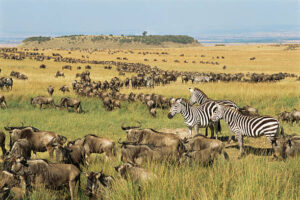
Safari Expeditions from the Kenyan Coast; Wildebeest (Connochaetes taurinus) and common zebra (Equus quagga) migration, Masai Mara National Reserve, Kenya
The Ultimate Kenyan Journey: From Coastal Serenity to the Maasai Mara
The transition from the sun-drenched shores of the Kenyan coast to the vast, golden savannahs of the Maasai Mara represents one of the most diverse travel experiences on the African continent. For the discerning traveler, this journey bridges the gap between the tranquil, turquoise waters of the Indian Ocean—characterized by the Swahili culture and historic sites like Lamu and Mombasa—and the raw, untamed wilderness of the Great Rift Valley.
This “Bush and Beach” itinerary is widely regarded by travel experts as the quintessential Kenyan holiday, offering a perfect balance of relaxation and high-octane adventure.
Why the Maasai Mara is Ideal for Beach Holiday Makers
For those starting their journey on the Kenyan coast, the Maasai Mara provides a necessary contrast to the sedentary nature of a beach holiday. After days spent snorkeling in the Watamu Marine National Park or exploring the historic ruins of Gedi, the sensory shift to the Mara is profound. The accessibility of the Mara from the coast via internal bush flights allows travelers to move from the humid, tropical coastline to the cool, elevated plains of the Mara in a matter of hours, minimizing travel fatigue.
Furthermore, the luxury tented camp culture in the Mara offers a level of comfort that complements the high-end resorts found on Diani Beach, ensuring that the transition between “sand and savannah” remains seamless and indulgent.
Ecological Significance and Biodiversity
The Mara is not merely a tourist destination and a Safari Expeditions from the Kenyan Coast; it is an ecological powerhouse. With over 570 recorded bird species and a complex ecosystem that supports cheetahs, hyenas, and rare antelope species, the reserve serves as a critical laboratory for conservationists. The integration of the Maasai people into the management of the conservancies surrounding the reserve ensures that tourism directly benefits local communities, a model of sustainable development that is increasingly studied in academic circles.
Safari Expeditions from the Kenyan Coast: The Shimba Hills and Mwaluganje Corridor
The coastal hinterland of Kenya, particularly the region southwest of Mombasa, offers a unique ecological experience that contrasts sharply with the sun-drenched beaches of the Indian Ocean. The Shimba Hills National Reserve and the adjacent Mwaluganje Elephant Sanctuary represent critical biodiversity hotspots that have been the subject of extensive conservation study and travel literature. These areas are characterized by a mosaic of coastal rainforest, scrubland, and grassland, providing a vital refuge for species that are increasingly isolated by human encroachment.
For travelers based in coastal resorts, these reserves provide an accessible yet profound immersion into East African wildlife, serving as a primary habitat for the rare sable antelope (Hippotragus niger roosevelti) and a dense population of African elephants (Loxodonta africana).
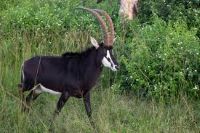
Safari Expeditions from the Kenyan Coast; Sable antelope at Shimba hills national reserve
The Shimba Hills National Reserve, established as a protected area in the mid-20th century, is frequently cited in geographical and zoological literature as a “precious jewel” of the Kenyan coast. Spanning approximately 192 square kilometers, the reserve is elevated, offering cooler temperatures and distinct vegetation compared to the low-lying coastal plains. Academic research emphasizes the reserve’s role in maintaining the genetic diversity of the sable antelope, which is found nowhere else in Kenya in such significant numbers.
Visitors typically engage in game drives that traverse the rolling hills, where sightings of buffalo, giraffe, and various primate species are common, often set against the backdrop of the Sheldrick Falls, a prominent geological feature within the forest canopy.
Adjacent to this reserve lies the Mwaluganje Elephant Sanctuary, a pioneering model of community-based conservation. Established in 1995, the sanctuary was designed to function as a migratory corridor, linking the Shimba Hills with the Mwaluganje Forest Reserve. This initiative was a direct response to the escalating human-wildlife conflict in the region, where elephant populations were frequently raiding local farms. By leasing land from approximately 260 local families, the project transformed agricultural plots into a protected transit zone, effectively mitigating conflict while providing economic incentives to the community through ecotourism.
The landscape of Mwaluganje is notably dramatic, featuring steep cliffs and the Manolo River valley, which serves as a traditional mating and transit ground for elephant herds moving toward the Tsavo ecosystems.
For those planning a safari expedition from the Kenyan coast, the proximity of these sites—often less than an hour’s drive from major beach hotels—makes them ideal for day trips. Unlike the vast, open savannahs of the Maasai Mara, the Shimba-Mwaluganje complex offers a dense, intimate wildlife experience where the focus is on forest ecology and the preservation of migratory paths. Conservationists often highlight that the success of these areas depends on the continued integration of local community interests with wildlife management, a theme central to modern African environmental policy.
Logistical Considerations for the Traveler on Safari Expeditions from the Kenyan Coast
When planning these multi-destination itineraries, travelers should account for the altitude change and the varying climatic conditions. Coastal regions remain humid and tropical, while the interior parks—particularly the Mara and Amboseli—can experience significant temperature drops at night. Utilizing reputable tour operators is essential for navigating the complex logistics of park entry fees, bush-to-beach transfers, and the selection of appropriate safari vehicles, which are typically 4×4 Land Cruisers or specialized safari vans.
Leave a comment:
You must be logged in to post a comment.

Comments (2)
The Ultimate Kenyan Odyssey: Combining Kenya Wildlife Safaris and Coastal Serenity - Astute Africa Safaris,
04 April, 2026[…] arriving or staying on the Kenyan coast have distinct safari opportunities that emphasize the unique ecosystems of the Tsavo region. Tsavo East and Tsavo West […]
Astute Africa Safaris,
05 May, 2026REF: Crafting Your Bespoke African Safari Experience with Astute Africa Safaris
Jambo,
Thank you for your interest in exploring the wonders of Africa with Astute Africa Safaris. We pride ourselves on creating immersive, tailor-made journeys that align perfectly with your personal interests, pace, and travel aspirations.
Because every safari is a unique narrative, we do not believe in “one-size-fits-all” pricing. To ensure we provide you with an accurate and competitive quotation that reflects the specific lodges, wildlife experiences, and logistical arrangements you desire, we invite you to connect with our team for a personalized consultation.
Please contact us at info@astuteafricasafaris.com, Whatsapp +254762663272 or fill the inquiry form with a few details regarding your preferred travel dates, group size, and specific interests (e.g., photography, luxury relaxation, or adventure trekking). Once we have these details, we will curate a comprehensive proposal designed specifically for you.
We look forward to the possibility of helping you plan an unforgettable journey.
Warm regards,
Team Astute Africa Safaris