

- 441 Views
- 7 Min Read
- (2) Comments
Guide: Safari Planning for the Shoulder Months
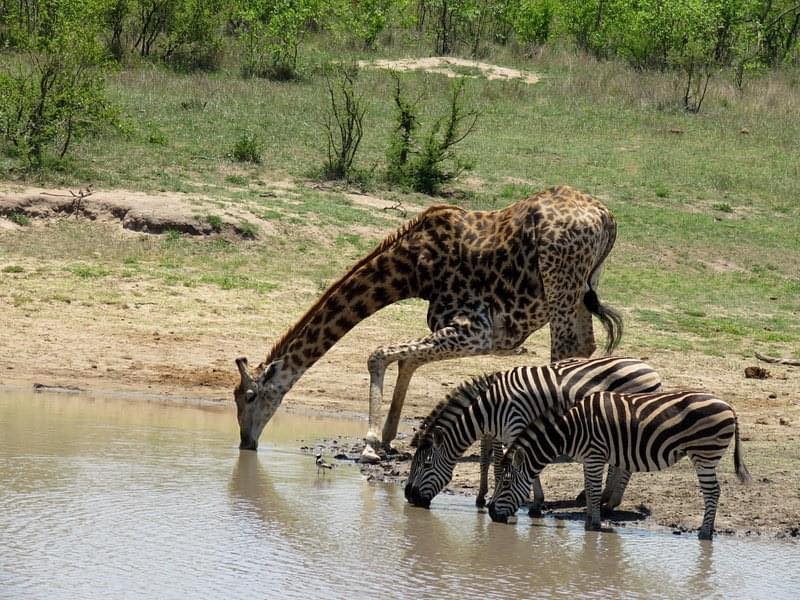
The concept of the “Secret Season” in African safari planning refers to the transitional periods known as the shoulder months—those fleeting weeks between the high-density dry season and the heavy inundation of the wet season. Historically, safari enthusiasts have been conditioned to prioritize the peak dry months (July through October) for wildlife viewing, as thinning vegetation and receding water sources force animals into predictable concentrations.
However, modern ecological studies and seasoned naturalists suggest that the shoulder months—typically April to June and November to early December—offer a more nuanced, vibrant, and exclusive experience. These periods represent a biological “reset” for the African bush, characterized by the arrival of migratory birds, the birth of young herbivores, and a dramatic transformation of the landscape from parched ochre to vivid emerald.
Safari planning during these transitional windows requires a sophisticated understanding of regional microclimates and animal behavior. While the “Big Five” remain present year-round, their movements shift significantly as the first rains trigger the growth of nutrient-rich grasses. For the discerning traveler, the shoulder season is not merely a compromise on weather; it is a strategic choice that balances exceptional photography opportunities, lower tourist densities, and significantly reduced rates at luxury lodges. This guide explores the biological and logistical intricacies of the secret season across the primary safari circuits of East and Southern Africa.
The Ecology of the Shoulder Season
Understanding the transition between seasons plays a key role in safari planning; is governed by the movement of the Intertropical Convergence Zone (ITCZ), a belt of low pressure that dictates rainfall patterns across the continent. In Southern Africa (Botswana, Zimbabwe, Zambia), the shoulder months of May and June mark the end of the summer rains. During this time, the air is scrubbed clean of dust, resulting in extraordinary atmospheric clarity that is highly prized by professional photographers. Conversely, the “short rains” of November in East Africa (Kenya, Tanzania) provide a brief respite from the heat, sparking a second “mini-spring” where the savannah blooms almost overnight.
From a botanical perspective, the shoulder season is a period of intense productivity. The P/E ratio (Precipitation to Evapotranspiration) shifts, allowing for the rapid expansion of woody plants and grasses. While this increased foliage can make spotting predators more challenging than in the sparse dry season, it provides the essential cover required for “lambing season.” In the Serengeti and Maasai Mara, the shoulder months often coincide with the birth of thousands of impala, tsessebe, and warthog piglets, which in turn triggers high levels of predator-prey interaction as lions and leopards take advantage of the vulnerable young.
Regional Highlights in safari planning: Southern Africa’s Transition
In the Okavango Delta of Botswana, the shoulder season of May and June is particularly unique. This period marks the arrival of the annual floodwaters from the Angolan highlands, even though the local rains have ceased. This creates a fascinating paradox: the sky is clear and blue, yet the landscape is transforming into a watery wilderness. Navigating the Delta by mokoro (traditional dugout canoe) during these months allows travelers to witness the arrival of the water before the peak season crowds descend in July.
Zambia’s Luangwa Valley, the birthplace of the walking safari, enters its shoulder phase in late May. As the “Emerald Season” (the wet months) concludes, the tracks become dry enough for vehicle access, but the lagoons remain full, attracting massive pods of hippos and diverse avian life such as the carmine bee-eater. The South Luangwa National Park is renowned for its leopard population, and during the shoulder months, these elusive cats are often found draped over the limbs of mahogany trees, seeking vantage points above the still-lush undergrowth.
Regional Highlights: East Africa’s Short Rains
In East Africa, the shoulder season of November and early December is often overlooked due to the “short rains.” However, these rains are typically brief afternoon thundershowers that do not impede travel. In the Serengeti, this period marks the return of the Great Migration herds from the Maasai Mara as they head south toward the short-grass plains of the Ngorongoro Conservation Area for the calving season. This “reverse migration” offers a chance to see the massive herds without the vehicle congestion characteristic of the river crossings in August.
The Ngorongoro Crater, a UNESCO World Heritage site, maintains a high density of resident wildlife year-round. During the shoulder months, the crater floor becomes a lush garden. The alkaline Lake Magadi at the center of the caldera often sees an influx of lesser flamingos during this time, creating a pink fringe along the water’s edge that contrasts sharply with the green crater walls.
Photography and Light in the Secret Season
For wildlife photographers, the shoulder season is often preferred over the peak dry season. The “Golden Hour”—the period shortly after sunrise and before sunset—is enhanced by the presence of clouds, which act as natural diffusers, softening the harsh African sun. In the peak dry season, the horizon is often obscured by a “dry haze” caused by dust and smoke from bushfires. In contrast, the post-rain atmosphere of the shoulder season offers a crispness that allows for sharp, long-distance landscape shots.
Furthermore, the vibrant green backdrop provides a striking color contrast for animal portraits. A lion’s tawny coat or a leopard’s rosettes pop more vividly against emerald grass than against the washed-out browns of October. The presence of dramatic storm clouds on the horizon also adds a sense of scale and “mood” to wide-angle compositions that is impossible to capture under the cloudless skies of the mid-winter months.
Logistical Advantages and safari Planning Tips
The most tangible benefit of shoulder season travel is the “Value-to-Luxury” ratio. Many premier safari lodges in the Sabi Sands (South Africa) or the private concessions of the Okavango Delta offer “Shoulder Rates” that can be 20% to 40% lower than peak season prices. Additionally, many camps waive the “single supplement” fee during these months, making it the ideal time for solo travelers to experience high-end properties that would otherwise be cost-prohibitive.
During and when safari planning, it is essential to consider the following:
- Malaria Risk: Increased moisture can lead to higher mosquito activity. While most safari areas are in malaria zones, the shoulder months require diligent use of prophylactics and repellents.
- Gear Selection: Waterproofing is essential. Even if heavy rain is not expected, morning dew on tall grass can soak through standard hiking boots. Lightweight, breathable, and waterproof layers are recommended.
- Road Conditions: In more remote parks, such as Katavi in Tanzania or Mana Pools in Zimbabwe, some roads may still be muddy or impassable in the early shoulder season. Utilizing “fly-in” safaris where light aircraft land on all-weather strips can mitigate these ground transport issues.
The Avian Spectacle
The safari planning during shoulder months are the undisputed peak for ornithologists. Between November and April, Africa hosts millions of Palearctic migrants flying south from Europe and Asia. Species such as the European roller, various bee-eaters, and numerous raptors join the resident populations. Many resident birds also display their breeding plumage during this time, and the air is filled with complex territorial songs that are absent during the dormant dry season. In the Chobe River region of Botswana, the shoulder season provides spectacular sightings of African skimmers nesting on sandbanks before the water levels rise too high.
Conclusion
The “Secret Season” challenges the traditional narrative that there is a “best” time to visit and safari planning to Africa. By embracing the shoulder months, travelers gain access to a more intimate, colorful, and ecologically dynamic version of the continent. Whether it is witnessing the first steps of a newborn zebra in the Serengeti or navigating the rising channels of the Okavango, the shoulder season offers a profound connection to the rhythms of the natural world that the crowded peak season often obscures. For those willing to trade the certainty of dust for the vibrancy of the rains, the rewards of safari planning are a safari experience that is both exclusive and deeply authentic.
Leave a comment:
You must be logged in to post a comment.
Comments (2)
Affordable African safari packages - Astute Africa Safaris,
03 March, 2026[…] During the “Green Season“: Visiting during the rainy season (typically April–May in East Africa) can result in […]
African Safari: 25 Essential Tips for Your Journey - Astute Africa Safaris,
04 April, 2026[…] follow these logical steps: First, determine your budget and preferred wildlife focus, as peak seasons vary by region. Second, consult a travel clinic at least three months prior to departure for necessary […]