

- 132 Views
- 6 Min Read
- (0) Comment
The Maasai Mara National Reserve stands as the crown jewel of African tourism, offering an unparalleled wilderness experience that remains unmatched by any other destination on the continent. Located in southwestern Kenya, this vast savanna ecosystem is defined by its rolling grasslands, dramatic river crossings, and an extraordinary density of wildlife that captivates travelers from across the globe. The reserve continues to set the gold standard for conservation and luxury tourism, providing a sanctuary where the raw power of nature meets world-class hospitality. Whether you are a first-time visitor or a seasoned safari enthusiast, the Maasai Mara offers a profound connection to the natural world that is both humbling and exhilarating.
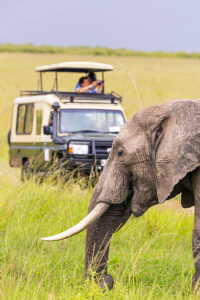
People on a safari viewing an elephant at Maasai Mara
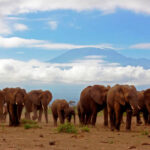
The primary reason the Maasai Mara is considered the best safari destination is its unrivaled concentration of wildlife, particularly the Big Five, and its role as the stage for the Great Migration. The reserve’s unique geography, characterized by the Mara River and expansive plains, creates a perfect habitat for the African lion and the African elephant, ensuring that visitors have a high probability of witnessing iconic predator-prey interactions throughout the year.
The Great Migration: A Natural Spectacle
The migration season, typically occurring between July and October, is the defining event of the Maasai Mara. Millions of wildebeest, zebras, and gazelles traverse the Serengeti-Mara ecosystem in a perilous journey driven by the search for fresh grazing lands. The most dramatic moments occur when these massive herds attempt to cross the Mara River, where they must navigate treacherous currents and hungry Nile crocodiles. This phenomenon is not merely a tourist attraction; it is a vital ecological process that sustains the health of the entire savanna. For those planning a safari in Maasai Mara Kenya, timing a visit during this period offers the highest chance of witnessing the “Greatest Show on Earth.”
Encountering the Big Five
A wildlife safari in the Maasai Mara is synonymous with tracking the Big Five: the African lion, African elephant, leopard, buffalo, and rhinoceros. The reserve is particularly famous for its healthy population of lions, which are often seen in large prides patrolling the grasslands. The African elephant, the largest land mammal, is frequently spotted in the riverine forests, where they play a crucial role in shaping the landscape. Conservation efforts within the Maasai Mara National Reserve have been highly successful, ensuring that these majestic creatures thrive in a protected environment. The sheer density of these animals means that a single game drive can often yield sightings that would take days to find in other African parks.
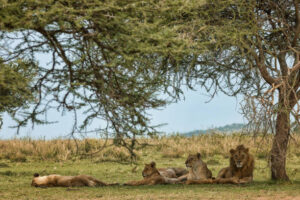
Pride of lions under an acacia tree at Maasai Mara
Luxury Camps and Sustainable Tourism
Beyond the wildlife, the Maasai Mara offers a level of comfort that redefines the safari experience. The region is home to some of the most exclusive luxury camps in the world, which blend seamlessly into the environment while providing five-star amenities. These camps prioritize sustainability, often operating on solar power and supporting local Maasai communities through employment and conservation initiatives. Staying in a luxury tented camp allows guests to fall asleep to the sounds of the African bush, providing an immersive experience that is both sophisticated and authentic. By choosing these high-end accommodations, travelers contribute directly to the preservation of the ecosystem, ensuring that the Maasai Mara remains a pristine wilderness for future generations.
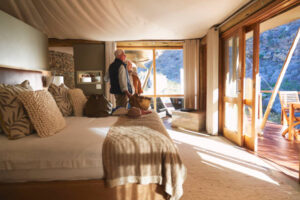
Happy, active senior couple arriving in sunny safari camp at Maasai Mara
Why the Maasai Mara Remains Unrivaled
When analyzing the value of a safari destination, one must consider the accessibility, the quality of guiding, and the consistency of wildlife sightings. The Maasai Mara excels in all these categories. The local guides are among the most knowledgeable in the world, possessing an intimate understanding of animal behavior and the complex dynamics of the savanna. Furthermore, the reserve’s infrastructure is well-developed, allowing for easy access via light aircraft from Nairobi.
As we look at the data for 2026, the Maasai Mara continues to outperform other regions in terms of visitor satisfaction and ecological integrity. The combination of the dramatic migration season, the abundance of the Big Five, and the presence of world-class luxury camps makes it the definitive choice for anyone seeking the ultimate African safari experience.
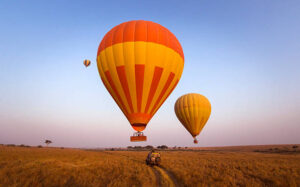
Hot air balloons over the maasai mara, Kenya
For those planning a safari in Maasai Mara Kenya, the experience is defined by the pursuit of the “Big Five”—the African lion, African elephant, leopard, rhinoceros, and Cape buffalo. These animals represent the pinnacle of safari sightings, and the Maasai Mara provides one of the most reliable habitats to observe them in their natural state. The African lion, often found lounging in the shade of acacia trees or coordinating a hunt, remains the most sought-after sighting for visitors. Similarly, the African elephant, which moves in majestic herds across the plains, offers profound opportunities for wildlife photography and observation.
Conservation and Ethical Wildlife Viewing
As we look toward the future of conservation in 2026, the focus remains on protecting the habitat of the African lion and the African elephant. Responsible tourism is the cornerstone of the Maasai Mara National Reserve’s management strategy. Visitors are encouraged to adhere to strict guidelines, such as maintaining distance from wildlife and avoiding off-road driving, which protects the fragile ecosystem. By choosing reputable operators and staying in eco-conscious luxury camps, travelers directly contribute to the funding of anti-poaching units and community-led conservation initiatives that ensure the Big Five sightings remain a reality for decades to come.
Wildlife to Encounter in the Maasai Mara
The reserve is home to an extraordinary array of fauna, most notably the “Big Five”—lion, leopard, elephant, rhino, and buffalo—which were historically categorized by hunters as the most dangerous animals to track on foot. Visitors can expect to see:
- Apex Predators: The Maasai Mara is particularly renowned for its lion population, with estimates suggesting between 850 and 900 lions residing in the reserve and its surrounding conservancies. Cheetahs and leopards are also frequently sighted, often hunting in the open grasslands.
- The Great Migration: From mid-July to October, over 1.5 million wildebeest, accompanied by hundreds of thousands of zebras and gazelles, traverse the plains and brave the crocodile-infested Mara River.
- Other Notable Species: Beyond the Big Five, the reserve hosts vast herds of plains game, including topi, eland, impala, and Thomson’s gazelle, as well as hyenas, jackals, and a diverse array of birdlife.
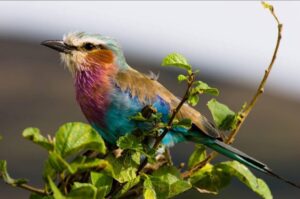
Lilac at Maasai Mara. Did you know its Kenya’s official bird?
Accommodation Options: Budget to Luxury
Choosing where to stay depends on your budget and the type of experience you seek. The main National Reserve generally offers more accessible pricing, while the private conservancies provide exclusive, high-end experiences.
Budget-Friendly Options For travelers looking to minimize costs, staying just outside the reserve boundaries in areas like Sekenani or Talek is recommended. These locations provide access to the park while offering a wider range of affordable lodges and campsites. Many of these operators provide competitive packages that include game drives and park entry fees.
Luxury and Exclusive Options If you prefer an intimate, off-the-beaten-path experience, the private conservancies—such as Mara North, Olare Motorogi, and Naboisho—are the best choice for luxury travelers seeking exclusivity, night drives, and the ability to go off-road to follow wildlife. These areas feature high-end tented camps and lodges that limit vehicle numbers at sightings, ensuring a more peaceful encounter with the bush.
Leave a comment:
You must be logged in to post a comment.