

- 957 Views
- 9 Min Read
- (1) Comment
Planning an African safari is a complex undertaking that requires meticulous preparation to ensure safety, comfort, and an immersive wildlife experience. The travel landscape emphasizes sustainable tourism and digital connectivity, even in remote bush camps. To maximize your adventure, you must consider logistics, health, and ethical wildlife viewing practices. The most critical advice for any traveler is to prioritize booking through reputable, accredited operators and ensure you have comprehensive travel insurance that covers medical evacuation.
To prepare effectively, follow these logical steps: First, determine your budget and preferred wildlife focus, as peak seasons vary by region. Second, consult a travel clinic at least three months prior to departure for necessary vaccinations, such as Yellow Fever, and malaria prophylaxis. Third, pack light, using soft-sided luggage, as small bush planes have strict weight limits, often capped at 15kg per passenger. Fourth, respect the environment by adhering to “leave no trace” principles and maintaining a respectful distance from animals to avoid disrupting their natural behaviors. Finally, ensure your camera gear is protected from dust and that you have extra memory cards, as the photographic opportunities are unparalleled.
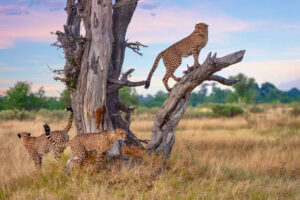
Three male Cheetahs around a dead tree during an African Safari at Maasai Mara, Kenya.
25 Tips for Your African Safari
- Book during the “shoulder season” to save money and avoid crowds.
Understanding Shoulder Season for African Safaris
To plan a cost-effective and enjoyable safari, it is essential to understand the concept of “shoulder season.” This period refers to the months that fall between a destination’s peak travel seasons, offering a strategic window for travelers to balance cost, weather, and wildlife viewing opportunities.
For an African safari, the shoulder season generally occurs between May and November, though specific timing can vary by region and park. Booking during this period allows travelers to secure lower rates on lodging and airfare while avoiding the heavy tourist crowds typical of peak seasons. Because demand is lower than during peak months, you are less likely to compete with other travelers for the best tours, restaurants, or upgraded accommodations, and you will often find that airports and game drives are significantly less congested.
Beyond the financial and logistical benefits, traveling during the shoulder season often provides a more pleasant climate. While peak seasons can sometimes bring extreme heat, humidity, or heavy rains, the shoulder season frequently offers more moderate weather conditions. However, it is important to conduct thorough research, as the trade-off for lower prices can sometimes include variations in wildlife visibility or seasonal weather patterns. For instance, while some months may be considered “off-season” due to rain, early shoulder months like June can offer excellent weather, fewer crowds, and even promotional discounts from operators looking to fill their schedules.
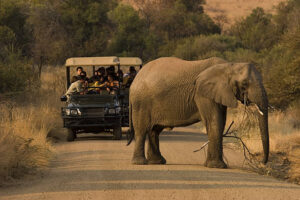
On the road in the Amboseli National park during at African safari game drives.
- Pack neutral-colored clothing (khaki, olive) to blend into the environment.
Why Neutral Colors are Essential for an African Safari
When preparing for an African safari, the primary goal of your wardrobe is to minimize your visual impact on the environment. Animals in the wild are highly sensitive to movement and contrast; therefore, the most effective way to observe wildlife without startling them is to wear neutral, earthy tones such as khaki, olive, tan, and brown, which allow you to blend seamlessly into the natural landscape. By choosing these colors, you ensure that your presence does not draw unnecessary attention to yourself, allowing you to remain a discreet observer of the ecosystem.
- Carry a high-quality pair of binoculars for every traveler.
- Stay hydrated by drinking only bottled or treated water.
- Tip your guides and camp staff appropriately, as this is standard practice. Tipping for guided outdoor experiences, such as hunting or fishing trips, is a discretionary but highly expected practice that serves as a vital component of the income for many service providers. Because many guides and camp staff rely on these gratuities to supplement their base pay, failing to plan for tips can lead to awkward situations at the end of an otherwise successful trip. To ensure you are prepared, it is recommended that you research the standard tipping rates for your specific destination and trip type well in advance.
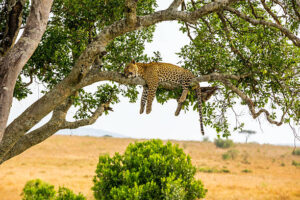
Leopard resting after eating / feeding with full stomach; African safari
- Follow all safety briefings provided by your lodge staff.
- Bring a power bank as electricity can be intermittent in remote areas.
- Use high-SPF sunscreen and wear a wide-brimmed hat.
- Learn basic local phrases to build rapport with your hosts.
- Check visa requirements for your specific destination well in advance.Understanding African Safari Visa Requirements: Planning an African safari requires meticulous attention to travel documentation, as entry regulations vary significantly by country and nationality. The most critical step is to verify your specific visa requirements through official government embassy or consulate websites well in advance of your departure date, as policies can change without notice. To ensure a seamless entry process, you must adhere to two universal standards: your passport must be valid for at least six months beyond your intended date of exit, and you should have at least two to three completely blank visa pages available for immigration stamps. Failure to meet these requirements is the primary reason travelers are denied boarding by airlines.When researching your destination, consider the following logical steps:
- Determine your visa status: Check if your nationality is visa-exempt, eligible for an e-Visa, or requires a Visa on Arrival (VOA). For instance, while South Africa and Botswana offer visa-free entry for many Western passport holders, countries like Kenya have transitioned to an Electronic Travel Authorisation (ETA) system that must be secured before travel.[1] [3]
- Utilize official portals: Always use the official government websites for visa applications to avoid third-party scams or processing delays. For example, Mozambique recently updated its official platform to evisa.gov.mz, and Kenya utilizes its own dedicated ETA portal.[1] [3]
- Plan for multi-country itineraries: If your safari includes multiple nations, such as Zambia and Zimbabwe, look for regional solutions like the KAZA UniVisa, which provides a cost-effective way to cross borders multiple times within a 30-day period.[1] [2]
- Prepare for minors: If traveling with children under 18, be aware that many countries, including South Africa, Namibia, and Botswana, have strict requirements regarding unabridged birth certificates and parental consent letters.

Get your passport ready for your Africa safari trip
- Avoid wearing bright colors or white, which can attract insects.
- Pack a light jacket for chilly early morning game drives.
- Keep your voice low while on game drives to avoid scaring wildlife.
- Never feed the animals, as it is dangerous and unethical.
- Bring a universal travel adapter for different plug types.
- Carry a small first-aid kit with blister plasters and antiseptic.
- Download offline maps for navigation if you are self-driving.
- Respect local customs and dress modestly when visiting villages.
- Use insect repellent containing DEET or Picaridin.
Understanding Insect Repellents while planning African Safari: DEET and Picaridin
To effectively protect yourself from insect-borne diseases and nuisance bites, health organizations like the CDC and EPA recommend using repellents containing either DEET or picaridin. These two ingredients are considered the gold standard for personal protection against mosquitoes, ticks, and other biting insects.
When choosing between these two, it is important to understand their distinct properties. DEET is a long-standing, highly effective synthetic repellent that provides protection for several hours depending on its concentration, though it can feel greasy, has a distinct odor, and may damage certain plastics and synthetic fabrics. In contrast, picaridin is a synthetic compound derived from plant extracts that is odorless, non-greasy, does not damage plastics or synthetic materials, and is generally considered to be equally effective against ticks and slightly more effective against mosquitoes compared to DEET.
The effectiveness of these repellents is directly tied to their concentration levels. For DEET, concentrations typically range from 4% to 100%, while picaridin is commonly found in concentrations between 7% and 20%. Higher concentrations generally provide longer-lasting protection rather than stronger immediate repellency. For optimal safety and efficacy, you should always follow the product label instructions, apply the lowest effective concentration for your needs, and avoid applying these products to irritated skin or near the eyes and mouth.
Furthermore, for comprehensive protection, experts recommend a dual approach: apply DEET or picaridin to exposed skin, and use permethrin—a separate insecticide—to treat your clothing and gear. Permethrin should never be applied directly to the skin; instead, it bonds to fabric and provides a durable barrier that remains effective through multiple washings. By combining these methods and practicing other preventative measures, such as wearing long-sleeved clothing and avoiding peak activity times like dawn and dusk, you can significantly reduce your risk of exposure to vector-borne illnesses during your African safari trip.
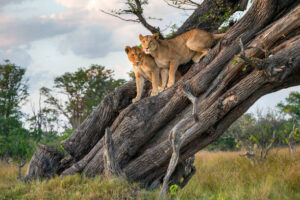
A female lion (Panthera leo) with her juvenile son resting in a tree; African safari Wildlife Shot.
- Don’t over-schedule; allow time to relax at the lodge.
- Bring a journal to record your daily sightings.
- Check your passport validity (must have at least 6 months remaining).
- Carry copies of important documents in a separate bag.
- Be patient; wildlife sightings are never guaranteed.
- Embrace the “pole pole” (slowly, slowly) pace of African safari life.
Conclusion on Preparing for Your African Safari
Embarking on an African safari is a transformative experience that requires careful planning and an open mindset. By prioritizing comfort through layered clothing, respecting the natural environment, and maintaining flexibility regarding the unpredictable nature of the bush, you ensure that your journey remains both safe and deeply rewarding. Remember that the essence of a safari lies in the details: embracing the early morning starts to witness wildlife at its most active, trusting the expertise of your guides, and engaging in sustainable tourism practices that support local conservation efforts.
Ultimately, the success of your adventure is defined by your willingness to immerse yourself in the wild. Whether you are navigating dusty roads, enjoying a bush breakfast, or observing predators in their natural habitat, each moment is an opportunity for discovery. By staying patient, packing light, and remaining present, you will be well-prepared to create lifelong memories during your unforgettable African safari.
Leave a comment:
You must be logged in to post a comment.

Comment 01
Astute Africa Safaris,
05 May, 2026REF: Crafting Your Bespoke African Safari Experience with Astute Africa Safaris
Jambo,
Thank you for your interest in exploring the wonders of Africa with Astute Africa Safaris. We pride ourselves on creating immersive, tailor-made journeys that align perfectly with your personal interests, pace, and travel aspirations.
Because every safari is a unique narrative, we do not believe in “one-size-fits-all” pricing. To ensure we provide you with an accurate and competitive quotation that reflects the specific lodges, wildlife experiences, and logistical arrangements you desire, we invite you to connect with our team for a personalized consultation.
Please contact us at info@astuteafricasafaris.com, Whatsapp +254762663272 or fill the inquiry form with a few details regarding your preferred travel dates, group size, and specific interests (e.g., photography, luxury relaxation, or adventure trekking). Once we have these details, we will curate a comprehensive proposal designed specifically for you.
We look forward to the possibility of helping you plan an unforgettable journey.
Warm regards,
Team Astute Africa Safaris