

- 889 Views
- 9 Min Read
- (1) Comment
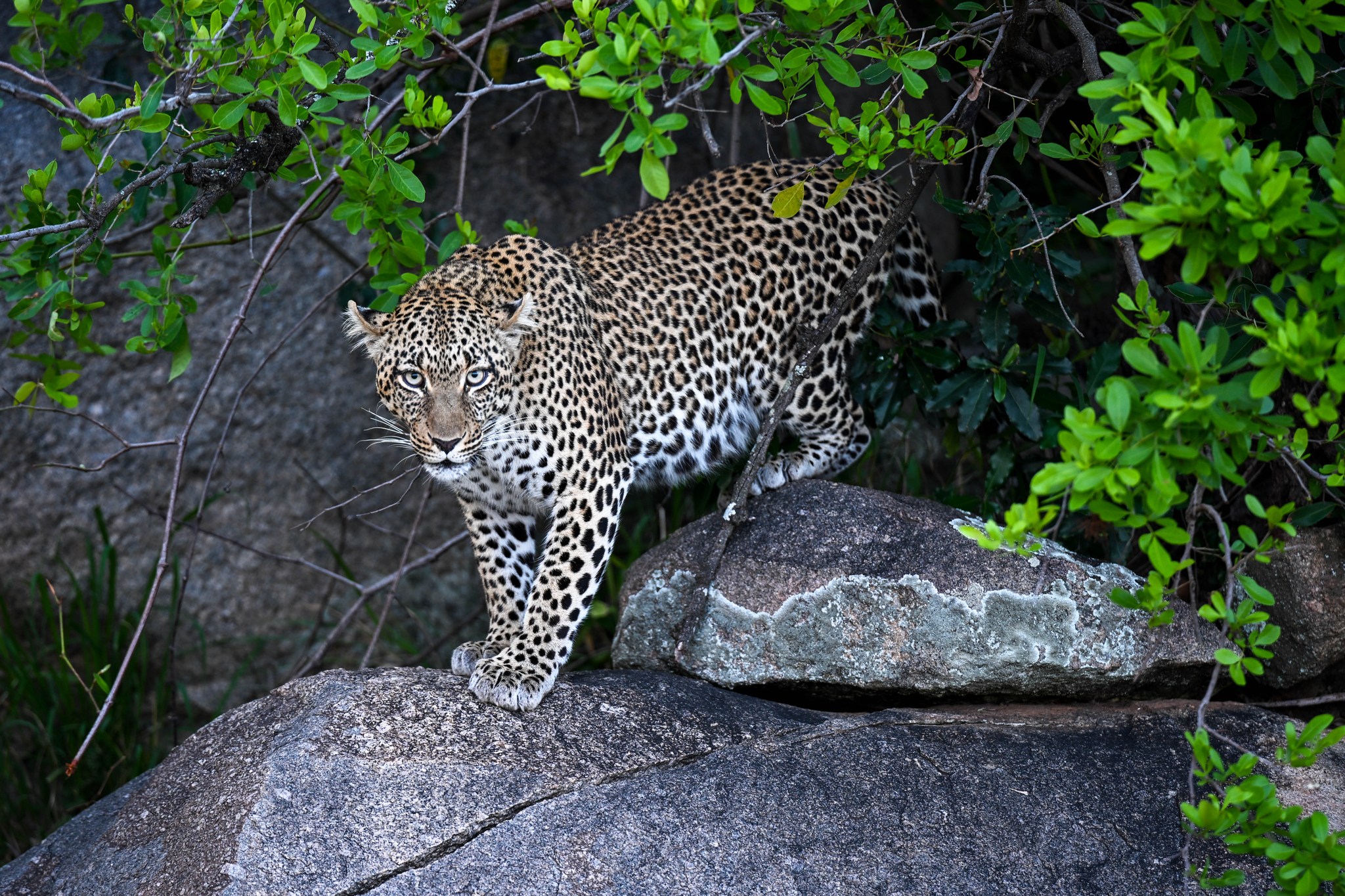
The distinction defining the Safari Experience Budget vs. Luxury in Kenya is fundamentally rooted in the trade-off between accessibility and exclusivity. A safari is not merely a vacation; it is a complex logistical operation involving transport, specialized guiding, park entry fees, and accommodation within protected wilderness areas. In the context of East African tourism, the “budget” model is designed to maximize wildlife viewing opportunities while minimizing overhead costs, often utilizing shared transport and larger, more centralized lodges or public campsites.
Conversely, the “luxury” model prioritizes the “seclusion factor,” utilizing private conservancies, fly-in access to avoid long transit times, and high-end, low-impact tented camps that offer personalized service and gourmet amenities.
The Economic and Logistical Framework of Budget Safaris
Budget safaris are characterized by their efficiency and communal nature. As noted in travel literature, these packages often rely on “group-joining” tours, where travelers share a 4×4 Land Cruiser or minibus to split the costs of fuel and professional guiding. Accommodation typically consists of mid-range lodges or permanent tented camps located just outside or on the periphery of national parks.
The primary goal is to provide the “Big Five” experience—lion, leopard, elephant, buffalo, and rhino—at a price point that remains accessible to a broader demographic of travelers. From a logistical standpoint, the budget safari requires more time spent on the road, as travelers must traverse the often-rugged Kenyan road network to reach destinations like the Masai Mara or Amboseli.
The Exclusivity and Comfort of Luxury Safaris
Luxury safaris redefine the African wilderness experience through the lens of privacy and bespoke service. These itineraries frequently incorporate “fly-in” segments, utilizing light aircraft to land on private airstrips within or adjacent to exclusive conservancies. This eliminates the fatigue of long-distance driving and allows for immediate immersion into the bush. Accommodations in this tier are often “eco-luxury” camps, which are designed to be semi-permanent or mobile, ensuring minimal environmental impact while providing amenities such as private plunge pools, butler service, and fine dining.
Furthermore, luxury safaris grant access to private conservancies where off-road driving and night game drives—activities often restricted in public national parks—are permitted, allowing for a more intimate and less crowded wildlife encounter.
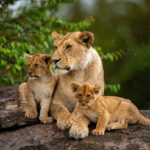
defining the Safari Experience Budget vs. Luxury in Kenya; Mother cheetah with two playful young cubs Masai Mara, Kenya
Comparative Metrics defining the Safari Experience Budget vs. Luxury in Kenya
When evaluating these two tiers, one must consider the “cost-to-experience” ratio. While budget safaris offer a high volume of wildlife sightings for a lower cost, luxury safaris offer a higher quality of engagement with the environment. The cost difference is often driven by the “per-bed” density of the area; luxury camps in private conservancies limit the number of guests to ensure that a single sighting is not surrounded by dozens of vehicles. As documented in academic studies on sustainable tourism, the luxury model also tends to contribute more significantly to local community conservation projects through higher daily conservation fees paid by guests.
Ultimately, the choice defining the Safari Experience Budget vs. Luxury in Kenya depends on whether the traveler prioritizes the raw, communal adventure of the classic safari or the refined, secluded immersion of the modern luxury experience.
Amenities and Services defining the Safari Experience Budget vs. Luxury in Kenya
The distinction between a luxury and a budget safari in Kenya is primarily defined by the degree of exclusivity, the quality of infrastructure, and the level of personalized service provided to the traveler. In authoritative travel literature, a luxury safari is often characterized by “fly-in” capabilities, private concessions, and high-end permanent structures that offer amenities comparable to five-star urban hotels, whereas budget safaris rely on established road networks and communal facilities.
Luxury Safari Amenities and Services
Luxury safaris in Kenya are designed to provide an immersive experience without sacrificing comfort. Key features include:
- Exclusive Accommodation: Luxury travelers typically stay in private conservancies rather than crowded national parks. These accommodations often consist of high-end tented camps or lodges that feature en-suite bathrooms with hot running water, private decks, and sometimes even private plunge pools.
- Private Transportation: A hallmark of the luxury experience is the use of private 4×4 Land Cruisers, often with pop-up roofs for optimal photography, driven by highly experienced, professional silver-level guides who provide deep ecological insights.
- Personalized Service: Luxury packages include high staff-to-guest ratios, private dining experiences in the bush, and customized itineraries that allow for flexibility in game drive timings based on animal movements rather than fixed schedules.
- All-Inclusive Fine Dining: Gourmet meals, often prepared by professional chefs using locally sourced ingredients, are standard, accompanied by premium beverages and sundowner cocktails in remote locations.
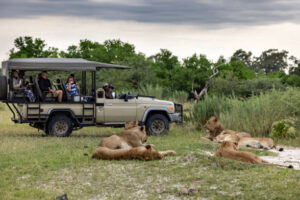
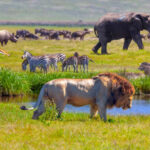
Defining the Safari Experience Budget vs. Luxury in Kenya; Maasai Mara is one of the most incredible wilderness areas on Earth and is a very popular destination for tourists seeking a safari experience
Budget Safari Amenities and Services
Budget safaris prioritize accessibility and value, focusing on the core wildlife experience. These packages are structured to minimize costs while maintaining safety and basic comfort:
- Standardized Lodging: Accommodations usually consist of mid-range lodges or permanent tented camps located outside or on the periphery of the main reserves. These facilities provide clean, basic amenities, often with shared dining areas and buffet-style meals.
- Shared Transport: To distribute costs, budget safaris typically utilize shared safari vans or minibuses. While these vehicles are reliable, they may lack the off-road capability and comfort of the private 4x4s used in luxury tiers.
- Structured Itineraries: Budget safaris generally follow fixed, pre-set routes to maximize the number of parks visited within a specific timeframe, which helps keep operational costs lower for the tour provider.
- Essential Services: While these packages include park entry fees and professional drivers, they lack the “white-glove” extras such as private bush breakfasts or specialized photographic equipment support.
The economic disparity between and defining the Safari Experience Budget vs. Luxury in Kenya these two tiers has widened recently due to shifts in government park fee structures, which have increased the baseline cost for all visitors, though the luxury tier continues to offer a premium on privacy and exclusivity that remains unmatched.
The distinction between luxury and budget safaris in Kenya is fundamentally rooted in the exclusivity, customization, and logistical support provided during guided tours. In the context of East African tourism, the guided experience serves as the primary interface between the traveler and the ecosystem, and the nature of this interaction varies significantly based on the tier of service selected.
Luxury Safari Guided Tours: Exclusivity and Expertise
Luxury safaris in Kenya are defined by high-touch, personalized service that prioritizes privacy and deep immersion. According to authoritative travel literature, luxury operators typically utilize private 4×4 vehicles, which allow for greater flexibility in game viewing. Unlike standard tours, luxury guided experiences often take place within private conservancies—land managed in partnership with local communities—which permits off-road driving and night game drives, activities generally prohibited in the main national parks.
The guides in this tier are frequently highly trained naturalists or professional members of the Kenya Professional Safari Guides Association (KPSGA). Their role extends beyond mere transportation; they provide comprehensive educational narratives regarding biodiversity, conservation, and animal behavior. Furthermore, luxury tours often incorporate “specialized” guided activities, such as guided bush walks, tracking expeditions, and sundowners in remote locations, all of which are tailored to the specific interests of the guests.
Defining the Safari Experience Budget vs. Luxury in Kenya; Three weeks on private game farms designed to protect against poachers and protect the wild life
Budget Safari Guided Tours: Group Dynamics and Standardized Routes
Budget safaris, often referred to as “participatory” or “standard” safaris, prioritize accessibility and value. These tours typically utilize shared transport, such as customized safari vans with pop-up roofs, which are cost-effective but limit the ability to navigate difficult terrain compared to high-clearance 4x4s. The guided experience in this category is generally structured around established, high-traffic routes within major national parks like the Masai Mara or Amboseli.
In budget tours, the guide is responsible for managing a larger group, which necessitates adherence to a fixed itinerary and park regulations, such as staying strictly on designated tracks. While these guides are knowledgeable, the experience is less about individual customization and more about ensuring the group reaches key wildlife hotspots within the time constraints of the trip. The focus is on the “big five” checklist, and the interaction is typically more observational than interactive compared to the bespoke nature of luxury excursions.
Comparative Summary of Guided Experiences Defining the Safari Experience Budget vs. Luxury in Kenya
The fundamental difference lies in the ratio of guide-to-guest and the degree of freedom allowed by the vehicle and location. Luxury safaris offer an “unscripted” feel, where the guide can pivot based on animal sightings or guest preferences, whereas budget safaris rely on a “scheduled” approach to maximize efficiency for a larger number of participants.
The Economics of Kenyan Safaris: Luxury vs. Budget Pricing
The cost (defining the safari experience budget vs. luxury in Kenya) of a safari in Kenya is fundamentally determined by the level of service, the exclusivity of the accommodation, and the logistical complexity of the itinerary. In the contemporary tourism landscape, travelers generally categorize their experiences into “budget,” “mid-range,” and “luxury” tiers. Budget safaris typically prioritize shared transportation and communal camping or basic lodge facilities, while luxury safaris offer fly-in options, private conservancy access, and high-end boutique accommodations. As noted in authoritative travel literature, the shift toward higher park fees—particularly those implemented by the Kenya Wildlife Service—has narrowed the price gap between various East African destinations, making careful budget planning essential for all travelers.
The price range for these experiences varies significantly based on the level of comfort and exclusivity desired. For budget-conscious travelers, shared group safaris often utilize overland trucks or standard 4×4 vehicles, with costs starting at approximately $180 per person per day. These packages generally include basic camping or budget-lodge accommodations, park entrance fees, and the services of a driver-guide. Conversely, luxury safaris are defined by personalized service, private bush planes to bypass long road transfers, and stays in exclusive, low-impact tented camps located within private conservancies. These premium experiences can range from $800 to over $2,000 per person per day, depending on the season and the level of exclusivity.
Factors Influencing Safari Costs and Defining the Safari Experience Budget vs. Luxury in Kenya
The variance in pricing is driven by several critical factors:
- Seasonality: The “High Season” (typically July to September, coinciding with the Great Migration) commands a premium due to high demand. Conversely, the “Green Season” (November and April/May) can offer significant discounts on luxury lodge rates.
- Park Fees: Kenya’s national parks, such as the Maasai Mara and Amboseli, operate on a tiered fee structure. Since July 2024, these fees have been standardized at higher rates, which constitute a significant portion of the daily per-person cost regardless of the safari tier.
- Logistics: Luxury safaris often include internal flights between Nairobi and remote airstrips, which significantly increases the total cost compared to the road-based transport used in budget safaris.
- Accommodation Type: The difference between a public campsite and a luxury “glamping” tent—which may feature private plunge pools, gourmet dining, and personal butler service—is the primary driver of the price delta between the two extremes of the market.
Leave a comment:
You must be logged in to post a comment.

Comment 01
Astute Africa Safaris,
05 May, 2026REF: Crafting Your Bespoke African Safari Experience with Astute Africa Safaris
Jambo,
Thank you for your interest in exploring the wonders of Africa with Astute Africa Safaris. We pride ourselves on creating immersive, tailor-made journeys that align perfectly with your personal interests, pace, and travel aspirations.
Because every safari is a unique narrative, we do not believe in “one-size-fits-all” pricing. To ensure we provide you with an accurate and competitive quotation that reflects the specific lodges, wildlife experiences, and logistical arrangements you desire, we invite you to connect with our team for a personalized consultation.
Please contact us at info@astuteafricasafaris.com, Whatsapp +254762663272 or fill the inquiry form with a few details regarding your preferred travel dates, group size, and specific interests (e.g., photography, luxury relaxation, or adventure trekking). Once we have these details, we will curate a comprehensive proposal designed specifically for you.
We look forward to the possibility of helping you plan an unforgettable journey.
Warm regards,
Team Astute Africa Safaris