

- 205 Views
- 5 Min Read
- (1) Comment
African safari safety and etiquette guidelines
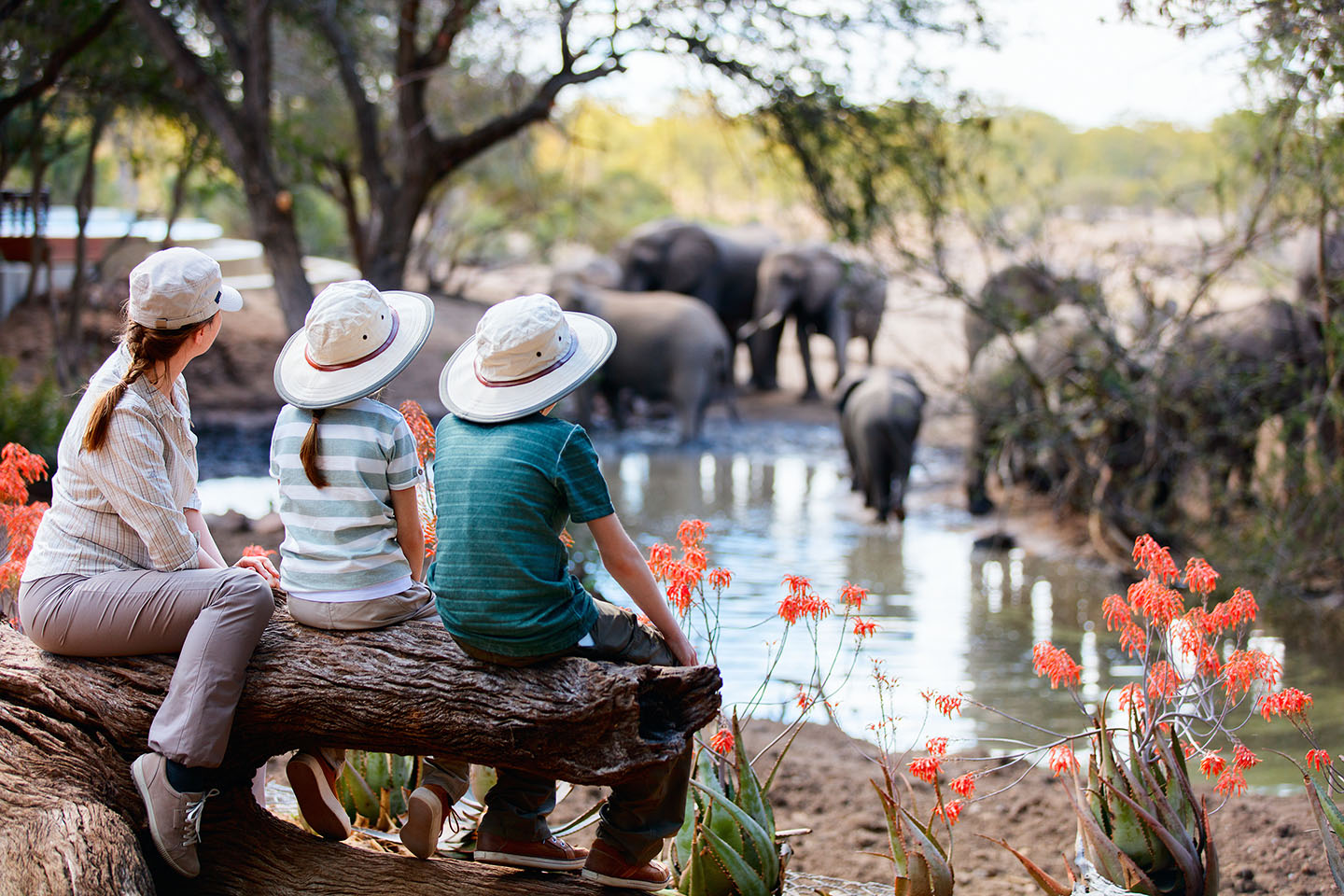
An African safari is often described as a life-changing journey, offering a rare window into the raw, unscripted drama of the natural world. However, African safari safety and etiquette, the thrill of observing a lioness on a hunt or a herd of elephants at a watering hole comes with a profound responsibility. To ensure a secure and respectful experience, travelers must adhere to strict safety protocols and ethical etiquette, which prioritize the well-being of wildlife, the preservation of ecosystems, and the dignity of local communities. While millions of tourists visit the continent annually, the vast majority of incidents involving wild animals are the result of human negligence or a failure to follow established park regulations.
The Fundamentals of Wildlife Safety; African safari safety and etiquette
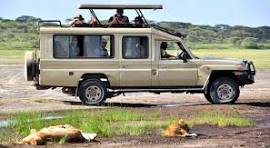
The primary rule of any safari is to remember that you are a guest in a wild animal’s home. Unlike animals in a zoo, those in national parks are completely wild and unpredictable. Safety on a guided game drive begins with staying inside the vehicle at all times, as most animals perceive the safari truck as a single, non-threatening object rather than a collection of individual humans. If a passenger stands up or leans out, it breaks the vehicle’s silhouette, which can trigger a defensive or aggressive response from nearby predators or large herbivores.
Key safety practices include:
- Maintaining Silence: Loud noises can startle animals, causing them to flee or charge. Keep voices low and ensure cell phones are on silent mode.
- Obeying the Guide: Professional rangers are trained to read animal body language. If a guide suggests backing away from an encounter, it is because they have detected subtle signs of stress in the animal.
- No Feeding: Top on African safari safety and etiquette must adhere to is that Feeding wildlife is strictly prohibited. It creates a dangerous “food association,” leading animals to become aggressive toward humans in search of handouts, which often results in the animal having to be euthanized for public safety.
African safari safety and etiquette guidelines
Walking Safaris: The Ultimate Immersion on African safari safety and etiquette
For those seeking a more intimate connection with the bush, walking safaris offer a unique perspective. However, these carry a higher inherent risk and require even stricter discipline. Participants must walk in a single file behind an armed, expert tracker and avoid any sudden movements that could be interpreted as a threat by a concealed animal. In these environments, the “flight or fight” distance is much smaller, and silence is critical so the guide can hear the snapping of a branch or the warning snort of a buffalo.
Self-Drive Safari Precautions
In parks like Kruger National Park in South Africa, self-driving is a popular option. This requires a high level of self-discipline. Drivers must never leave the designated roads and must ensure they reach their camp before the gates close at sunset, as driving at night is often prohibited to protect nocturnal species and prevent accidents. It is also vital to keep windows rolled up when near primates like baboons or macaques, which are notorious for raiding vehicles for food.
African Safari Etiquette and Social Responsibility
Etiquette extends beyond safety; it involves the “unwritten rules” that ensure everyone in the group has a positive experience. Respecting fellow travelers means not monopolizing the guide’s time, sharing the best viewing angles in the vehicle, and remaining quiet during sightings so others can record audio or simply enjoy the serenity of the bush.
Furthermore, cultural sensitivity is paramount. Many safari destinations are home to indigenous tribes with deep-rooted traditions. Always ask for permission before taking photographs of local people and dress modestly when visiting villages to respect conservative cultural norms.
Environmental Impact and Conservation in relation to following African safari safety and etiquette.
The “Leave No Trace” principle is the gold standard for ethical travel. This includes:
- Waste Management: Never throw litter out of a vehicle. Even organic waste like orange peels can be harmful if ingested by local fauna.
- Off-Roading: Driving off-road causes soil erosion and destroys micro-habitats. Stick to permitted tracks unless explicitly told otherwise by a ranger in a private reserve.
- Resource Conservation: In many safari regions, water is a scarce resource. Travelers should be mindful of their consumption at lodges.
Health and Physical Safety
Beyond animal encounters, the African environment presents physical challenges. Wearing neutral, earthy tones like khaki or olive helps you blend into the environment, while avoiding dark blue or black can reduce your attractiveness to Tsetse flies. Additionally, staying hydrated and using sun protection is essential to prevent heatstroke in the tropical climate.
The Mathematics of Safari Sightings
While safari is a game of chance, African safari safety and etiquette guidelines guides often use a “probability of encounter” mindset. If we denote the probability of seeing a specific animal A in a given area S over time t as P(A), it can be modeled as:
P(A)=1−e−λt where λ represents the density of the species and the frequency of its movement. This formula highlights that patience is the most important virtue on safari; the longer you spend observing a specific habitat, the higher your chances of witnessing a rare behavioral event.
Tipping and Gifting
Tipping is a standard practice in the safari industry and forms a significant part of the staff’s income. While tipping is optional, it is a vital way to show appreciation for the hard work of guides, trackers, and lodge staff. However, travelers are discouraged from giving cash or sweets directly to children in local villages, as this can encourage begging and truancy. Instead, donations should be directed toward reputable community foundations or local schools.
By following these African safari safety and etiquette guidelines, travelers can ensure that their presence in the wild is a force for good, supporting conservation efforts while staying safe in one of the world’s most awe-inspiring environments.
African safari safety and etiquette guidelines
African safari safety and etiquette guidelines
Leave a comment:
You must be logged in to post a comment.



Comment 01
African Kenya Safaris and Tour Packages - Astute Africa Safaris,
03 March, 2026[…] Planning for Your African Kenya Safaris and Tour Packages: Costs and Logistics […]