

- 111 Views
- 8 Min Read
- (0) Comment
Considering (a safe safari destinations Africa) before embarking on an African safari is a bucket-list experience that offers unparalleled encounters with wildlife and breathtaking landscapes. As of March 2026, the tourism sector across the continent has seen significant advancements in infrastructure and security protocols, making it more accessible than ever for international travelers. When planning your journey, prioritizing regions with stable political climates and robust conservation management is essential for a worry-free adventure.
The most frequently recommended safe safari destinations Africa for 2026 include Botswana, Kenya, Rwanda, and Tanzania, which consistently rank high due to their low crime rates, stable governance, and world-class tourism infrastructure. Botswana, in particular, is renowned for its “high-value, low-volume” tourism model, which ensures that national parks like the Okavango Delta remain pristine and secure. Namibia offers vast, sparsely populated landscapes that are incredibly safe for self-drive enthusiasts, while Rwanda has become a premier destination for luxury gorilla trekking, supported by rigorous national security measures. Tanzania’s Northern Circuit, including the Serengeti and Ngorongoro Crater, remains a gold standard for safety, provided travelers utilize reputable tour operators who maintain constant communication with local authorities.
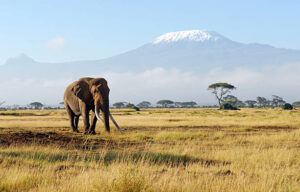
Safe safari destinations Africa: A lone old African Elephant with large ivory tusks, snowcapped Mount Kilimanjaro behind (highest in mountain Africa) Kenya safari vacation
Essential Safety Precautions for Your Safari
While these destinations are safe, maintaining personal security requires adherence to specific guidelines. First, always book through accredited tour operators who are members of recognized tourism boards. These professionals provide expert guides who understand animal behavior and local terrain, which is the most effective way to mitigate risks during game drives. Second, health safety is paramount; ensure you are up-to-date on vaccinations, particularly for yellow fever, and consult your physician regarding malaria prophylaxis, as many safari regions are endemic to the disease.
When in the field, follow the “Golden Rule of Safaris”: never leave your vehicle unless explicitly instructed by your guide. Wildlife, while accustomed to vehicles, can perceive humans on foot as a threat or prey. Furthermore, maintain a respectful distance from animals and avoid loud noises that could provoke them. In terms of personal belongings, utilize hotel safes for passports and large sums of cash, and always carry a digital copy of your travel insurance and emergency contacts.
Strategic Planning and Logistics
To calculate the optimal duration for a safe safari, one might consider the relationship between travel time and exposure to risk. If T represents the total days of the safari and R represents the risk factor per day, the cumulative risk C can be modeled as: C=∑i=1TRiBy choosing destinations with a low R value, such as private concessions in Botswana, travelers can maximize their enjoyment while minimizing exposure to unpredictable variables. Always ensure your travel insurance covers medical evacuation, as remote areas may require air transport to reach specialized medical facilities.
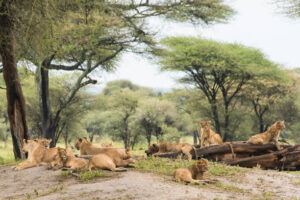
Safe safari destinations Africa: Pride of lions at Masai Mara, Kenya
Recommended list of safe safari destinations Africa for 2026
Botswana: Ideal for water-based safaris and luxury lodges.
To determine the premier safe safari destinations Africa in Botswana, one must look at the country’s diverse ecosystems, ranging from the lush wetlands of the north to the arid salt pans of the Kalahari. Botswana is globally recognized for its commitment to low-impact, high-value tourism, which preserves the integrity of its wilderness areas.
The following list represents the most significant national parks and reserves in Botswana, categorized by their unique ecological contributions and wildlife offerings:
- Okavango Delta: Often called the “Jewel of the Kalahari,” this UNESCO World Heritage site is a massive inland delta that does not flow into the sea. It is renowned for its mokoro (dugout canoe) excursions and high density of wildlife, including the Big Five and endangered African wild dogs.
- Chobe National Park: Widely known as the “Elephant Capital of the World,” this park hosts the largest population of elephants on the African continent. It is divided into regions like the Chobe Riverfront, Savuti Marsh, and Linyanti, offering diverse experiences from boat cruises to predator-focused game drives.
- Makgadikgadi Pans National Park: Comprising one of the largest salt flats in the world, this park is a photographer’s dream. It is famous for the seasonal zebra migration and, during the wet season, the arrival of flamingos and pelicans.
- Moremi Game Reserve: Located on the eastern edge of the Okavango Delta, it is frequently cited as one of the most beautiful reserves in Africa, known for its lagoons, floodplains, and the rare Red Lechwe antelope.
- Kgalagadi Transfrontier Park: A vast, unfenced wilderness shared with South Africa, this park is famous for its black-maned lions and desert-adapted species.
- Nxai Pan National Park: Known for its 1,000-year-old baobab trees and vast grasslands that attract herds of zebra, giraffe, and springbok.
- Khama Rhino Sanctuary: A community-based wildlife project that serves as a vital breeding ground for both white and black rhinos.
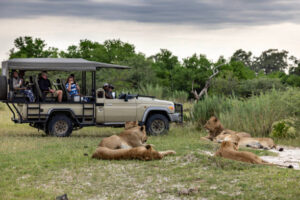
Botswana is one of the most incredible wilderness areas on Earth and is a very popular safe safari destinations Africa for tourists seeking a safari experience
Namibia: Perfect for desert landscapes and self-drive adventures; safe safari destinations Africa.
Namibia offers a diverse array of national parks and reserves, ranging from vast desert landscapes to lush riverine wetlands. To identify the most prominent tourist attractions, one must consider the specific ecological and geographical features that define each region.
The primary national parks and reserves in Namibia include:
- Etosha National Park: Renowned as one of Africa’s premier wildlife destinations, this park is famous for its massive salt pan and high concentrations of elephants, rhinos, and lions.
- Namib-Naukluft National Park: This is the country’s most versatile conservation area, featuring the iconic Sossusvlei dunes, Deadvlei, and the rugged Naukluft Mountains.
- Fish River Canyon / /Ai-/Ais Transfrontier Park: Home to the second-largest canyon in the world, this area is a top destination for hikers and those seeking dramatic geological vistas.
- Skeleton Coast National Park: Known for its haunting beauty, this park stretches along the Atlantic coast and is characterized by shipwrecks, dense fog, and desert-adapted wildlife.
- Waterberg Plateau Park: A significant conservation site for endangered species like the black rhino, sable, and roan antelope, set atop a high sandstone plateau.
- Bwabwata National Park and Mahango Game Park: Located in the northeast, these areas provide a stark contrast to the arid south, offering lush wetlands and rich birdlife along the Okavango River.
- Private Reserves: Destinations such as Erindi Private Game Reserve, Okonjima Nature Reserve, Namibrand Nature Reserve, and Palmwag Concession offer specialized experiences, including big cat tracking, rhino conservation, and dark-sky stargazing.
These locations are accessible through a mix of self-drive infrastructure and guided tour options, catering to both adventure seekers and those looking for luxury conservation-focused experiences.
Rwanda: The safest hub for primate tracking and eco-tourism.
To identify the primary tourist attractions and national parks in Rwanda, one must look at the country’s diverse ecological zones, which range from volcanic mountain ranges to expansive savannahs and pristine rainforests. The following list outlines the most significant protected areas and natural landmarks currently recognized for tourism.
The major national parks and tourist attractions in Rwanda include:
- Volcanoes National Park: Widely considered the most famous park in the country, it is the premier destination for tracking endangered mountain gorillas and exploring the Virunga Mountains, which include five volcanic peaks.
- Nyungwe National Park: A massive montane rainforest known for its exceptional biodiversity, including chimpanzee trekking, canopy walks, and birdwatching with over 300 recorded species.
- Akagera National Park: Located along the Tanzanian border, this is the country’s only protected savannah ecosystem and is the best location to view the “Big Five” (lion, leopard, elephant, buffalo, and rhino), alongside diverse wetland wildlife.
- Gishwati-Mukura National Park: A recently gazetted park formed by the Gishwati and Mukura forests, focusing on chimpanzee trekking and the restoration of indigenous flora and fauna.
- Lake Kivu: While not a national park, it is a major tourist attraction offering a tranquil environment for aquatic sports, swimming, and visiting lakeside towns like Gisenyi and Kibuye, known for being free of hippos and crocodiles.
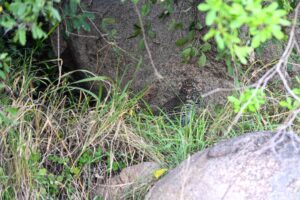
Can you spot a leopard? Kenya tops on the list of safe safari destinations Africa to see “Big five”
Kenya: Offers the most iconic wildlife migrations with highly regulated park access.
To determine the best places safe safari destinations Africa while planning to visit Kenya, one must consider the diversity of the landscape, ranging from the Rift Valley lakes to the savannahs of the south and the arid regions of the north. The country is broadly divided into safari regions, with the south hosting iconic parks like the Masai Mara and Amboseli, while the north offers more remote, conservation-focused experiences such as the Ol Pejeta Conservancy and Samburu National Reserve.
When planning a trip, travelers should distinguish between National Parks/Reserves, which are government-managed, and private conservancies, which often provide more intimate wildlife viewing experiences and direct community support. Based on current information, the most highly recommended tourist attractions and national parks in Kenya include the Masai Mara National Reserve for the Great Migration, Ol Pejeta Conservancy for its rhino conservation and Big Five sightings, Amboseli National Park for its iconic views of Mount Kilimanjaro, Samburu National Reserve for the unique “Northern Five” wildlife, and Lake Nakuru National Park for its prolific birdlife and rhino populations.
Other notable destinations include Aberdare National Park for high-altitude hiking, Hell’s Gate National Park for its dramatic gorges and cycling opportunities, and Nairobi National Park, which offers a unique wildlife experience adjacent to the capital city
By selecting these safe safari destinations Africa and adhering to professional guidance, you ensure that your African safari is not only a life-changing experience but also a secure one. Always check the latest travel advisories from your home country’s embassy before departure to stay informed about any localized changes in regional stability.
Other safe safari destinations Africa include Tanzania, Uganda, South Africa, among others.
Recent Post
Leave a comment:
You must be logged in to post a comment.