

- 519 Views
- 28 Min Read
- (1) Comment
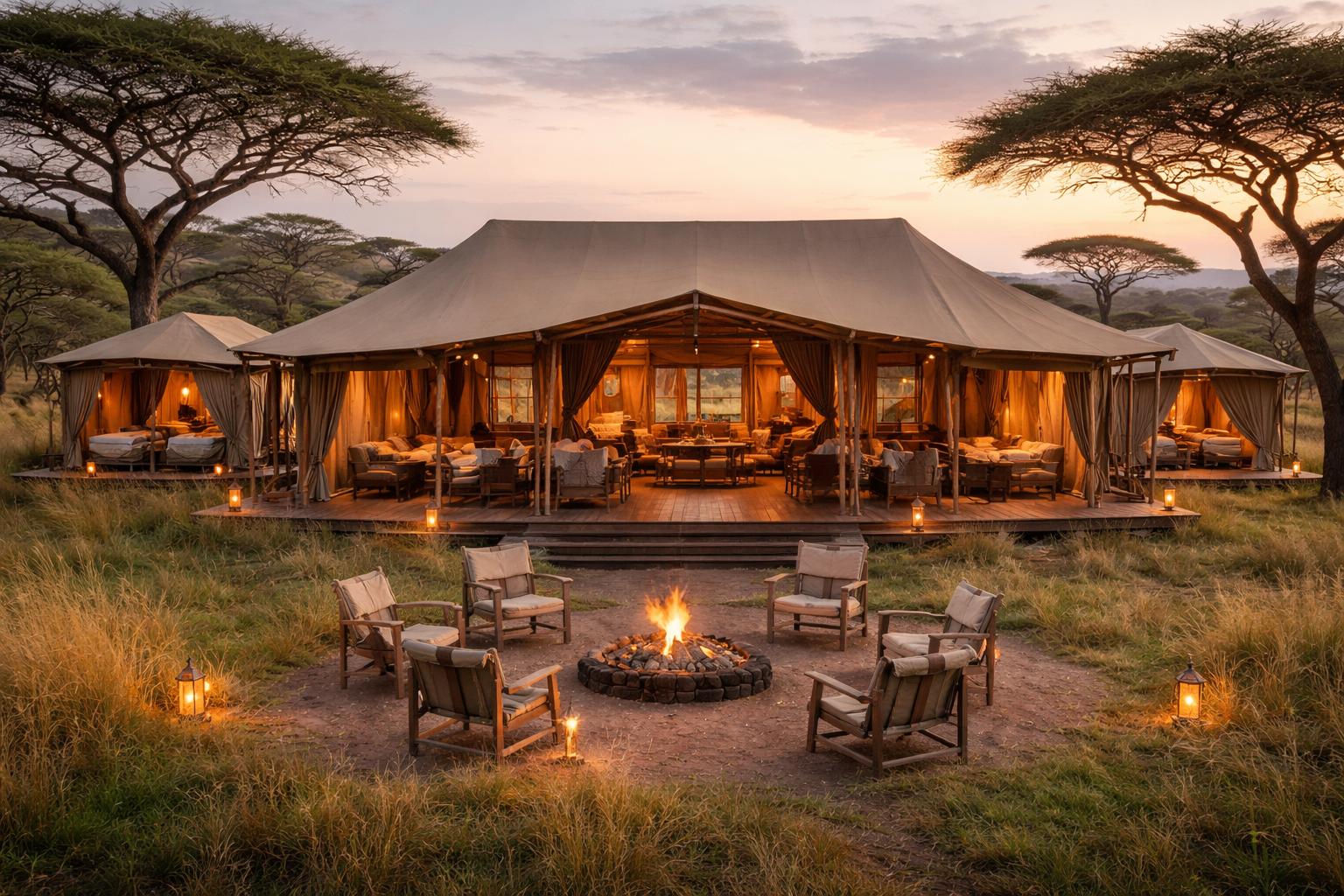
An East African family safari is more than a holiday. It is an opportunity to watch elephants walking across open plains, discover giraffes feeding beside acacia trees, observe lions resting in the grass, learn how local communities live alongside wildlife, and introduce children to some of the most extraordinary natural environments on Earth.
Imagine your family watching the sun rise over the African savannah, following a herd of elephants beneath Mount Kilimanjaro, spotting a leopard in a tree in the Maasai Mara, exploring the vast Serengeti plains, or finishing the adventure on a beautiful Indian Ocean beach.
These experiences can become treasured family memories for years to come.
East Africa is particularly rewarding because it offers several different types of adventure in one region. Kenya and Tanzania are renowned for classic savannah safaris. Uganda combines wildlife viewing with rainforests, chimpanzees and mountain gorillas. Rwanda offers gorilla conservation experiences, beautiful highland scenery and other wildlife attractions. Zanzibar adds tropical beaches, marine activities and Swahili culture.
However, the best family safari is not necessarily the one that visits the greatest number of countries or national parks. It is the one that balances wildlife experiences, comfortable accommodation, practical travel times, activities suitable for your children’s ages, and opportunities to relax together.
At Astute Africa Safaris, the aim is to help families plan personalized journeys around their interests, preferred accommodation, available time and budget.
Whether you are planning your children’s first African adventure, a multigenerational holiday with grandparents, a premium family safari or a safari followed by a beach escape, this guide will help you make informed decisions.
What makes East Africa an exceptional family safari destination?

East Africa offers a combination of wildlife, landscapes, culture and accommodation that makes it possible to design a holiday around different family interests.
1. Wildlife experiences that bring nature to life
Children who have previously seen wildlife in books, documentaries or zoos can experience these animals in their natural habitats.
Depending on the destination and conditions, a family safari may include:
-
Lions resting beneath trees or stalking across the grasslands.
-
Elephants moving in family herds.
-
Giraffes feeding on acacia trees.
-
Zebras and wildebeest grazing across open plains.
-
Hippos and crocodiles near rivers.
-
Flamingos, eagles, hornbills and other fascinating birds.
-
Leopards, cheetahs and rhinos when sightings and locations permit.
Wildlife sightings can never be guaranteed. However, choosing suitable parks, allowing enough time for game drives and travelling with knowledgeable guides can improve the overall experience.
2. An outdoor classroom for children
A safari can encourage children to ask questions about food chains, animal behaviour, habitats, migration, water conservation and the relationship between people and wildlife.
A good guide can turn a game drive into an interactive learning experience. Children may learn to identify animal tracks, distinguish different bird calls, understand why elephants migrate, or discover how conservation areas protect wildlife.
Families can also consider responsible cultural experiences that are organized with local community participation and respect for residents’ wishes.
3. Options for different budgets
An African family safari does not have to mean staying exclusively in the most expensive lodges.
Depending on the destination, season and availability, families can choose from:
-
Budget camps and straightforward lodges.
-
Comfortable mid-range lodges and tented camps.
-
Boutique properties offering more personalized service.
-
Luxury safari camps with spacious family accommodation.
-
High-end fly-in safaris with private transfers and premium experiences.
The most appropriate choice depends on the family’s priorities. For some, a private vehicle matters more than a luxury suite. Others prefer fewer road transfers, spacious family accommodation and several days at a premium lodge.
4. Safari and beach holidays in one trip
One of East Africa’s greatest advantages is the opportunity to combine wildlife viewing with time beside the ocean.
Families can explore the Maasai Mara before relaxing in Diani Beach, visit Tanzania’s northern safari circuit before flying to Zanzibar, or combine Tsavo’s wildlife landscapes with Kenya’s coast.
A beach extension can provide children with a welcome change of pace after several early-morning game drives.
Explore our guide to East Africa safari vacations for a broader comparison of destinations and holiday combinations.
Which East African destination is best for your family?

There is no single best destination for every family. The right choice depends on your children’s ages, travel dates, interests, budget and the amount of time available.
| Destination | Best suited to | Signature experiences |
|---|---|---|
| Kenya | First-time safari families and varied holidays | Maasai Mara, Amboseli elephants, diverse landscapes and coastal beaches |
| Tanzania | Families prioritizing extensive wildlife viewing | Serengeti, Ngorongoro Crater and Tarangire |
| Uganda | Families seeking wildlife and rainforest experiences | Queen Elizabeth National Park, Kibale Forest and other nature destinations |
| Rwanda | Families interested in gorilla conservation and highland scenery | Volcanoes National Park, Akagera and cultural experiences |
| Zanzibar | Families seeking a relaxing beach extension | Beaches, marine activities, Stone Town and Swahili culture |
A useful planning principle: For a first safari with younger children, consider one country and a manageable number of destinations. Families with older children and more time can consider a two-country safari or a more adventurous itinerary.
Kenya: The classic family safari

Kenya is an excellent starting point for many family safari holidays because it offers a wide range of wildlife areas, accommodation styles and opportunities to combine safari with the coast.
The Maasai Mara National Reserve is a major attraction for families interested in lions, elephants, giraffes, zebras, cheetahs and other savannah wildlife. It is also associated with the Great Migration, whose timing and location vary throughout the year.
Amboseli National Park is renowned for elephants and views towards Mount Kilimanjaro when weather conditions allow. Its open landscapes can create wonderful opportunities for wildlife photography.
Lake Nakuru National Park offers a different setting, with lakeside scenery, birdlife and opportunities to look for rhinos and other wildlife.
Tsavo East and Tsavo West are worth considering for families who want to explore larger wilderness areas or combine a safari with a coastal holiday.
Samburu National Reserve offers a distinctive northern Kenyan landscape and opportunities to look for species such as Grevy’s zebra, reticulated giraffe and gerenuk.
For younger children, the best Kenyan itinerary is not necessarily the one with the most parks. A few well-chosen locations, comfortable accommodation and a private vehicle can make the experience more enjoyable.
Read the Ultimate Guide to an Africa Kenya Safari with Children for more detailed planning advice specifically for Kenya.
Tanzania: A spectacular wildlife adventure

Tanzania is particularly attractive to families who want extensive wildlife viewing and dramatic natural landscapes.
Serengeti National Park is famous for its expansive plains, predators and seasonal wildebeest and zebra migration. Because wildlife movements vary, your route should be planned around your travel dates rather than assuming the herds will be in one particular area.
Ngorongoro Crater offers a remarkable landscape with diverse wildlife in a relatively concentrated area. Its steep access roads, early starts and busy periods should be considered when travelling with younger children.
Tarangire National Park is known for elephants, baobab trees and seasonal wildlife concentrations. It can be a rewarding addition to a northern Tanzania itinerary.
A family may choose to explore Tanzania on its own or combine it with Kenya for a more extensive safari.
The main consideration is distance. Tanzania’s famous parks are not all close together, and an itinerary with too many stops can mean long transfers and limited time to relax.
Explore the best Tanzania safari and tour itineraries to consider northern Tanzania circuits and safari-and-beach options.
Uganda: Wildlife, rainforest and adventure

Uganda offers a different kind of family adventure, combining savannah wildlife, lakes, rivers, forest environments and primate experiences.
Families can consider:
-
Queen Elizabeth National Park for savannah wildlife and boat excursions in suitable areas.
-
Murchison Falls National Park for wildlife viewing and the dramatic Nile landscape.
-
Kibale Forest for chimpanzee-related experiences, subject to activity-specific age rules.
-
Bwindi Impenetrable National Park for mountain gorilla conservation and trekking, subject to strict minimum-age requirements.
-
Lake Bunyonyi for a more relaxed lakeside stay and scenic surroundings.
Uganda can be especially rewarding for families with older children who enjoy nature, wildlife, active exploration and learning about forest conservation.
However, not every activity is suitable for every age. Gorilla trekking generally requires participants to be at least 15 years old, and chimpanzee activities have their own regulations. Confirm current rules before making a booking.
For a wider destination comparison, explore our East Africa safari vacations guide.
Rwanda: Mountain scenery and conservation

Rwanda is worth considering for families interested in mountain landscapes, conservation and a carefully planned wildlife journey.
Volcanoes National Park is internationally known for mountain gorilla trekking. As with Uganda, gorilla trekking generally has a minimum age of 15, so it is not an activity for younger children.
Akagera National Park offers a different experience, with savannah landscapes, lakes and wildlife-viewing opportunities.
Nyungwe National Park is known for rainforest biodiversity and primate experiences, although individual activities have their own age and participation requirements.
For families with younger children, Rwanda can still form part of a wider holiday, but the itinerary should focus on activities everyone can participate in rather than making gorilla trekking the centrepiece of a trip that includes underage children.
Zanzibar: The perfect family beach extension

After several days of safari, Zanzibar can provide a slower, more relaxed finish.
Families can enjoy beach time, swimming where conditions are safe, cultural visits, boat trips and marine activities suitable for their children’s ages.
Potential experiences include:
-
Relaxing on the island’s beaches.
-
Exploring historic Stone Town with a knowledgeable guide.
-
Visiting a spice farm.
-
Taking suitable snorkelling or boat excursions.
-
Discovering local food and Swahili culture.
-
Enjoying resort facilities and downtime.
Tides, currents, reef conditions and boat safety vary by location. Choose activities carefully, especially with younger children, and confirm that life jackets and appropriate supervision are provided.
Zanzibar can be combined with a Tanzania safari or, with appropriate flights and transfers, a Kenya safari.
How to choose a family safari based on your children’s ages
One of the most important ways to make this article genuinely useful is to help parents plan for the family they have, rather than offering the same itinerary to everyone.

Families with children aged 0–5
For families with babies, toddlers and preschoolers, convenience and flexibility should come first.
Consider:
-
Staying longer in fewer destinations.
-
Booking accommodation with suitable family rooms, cots where needed and child-friendly meal arrangements.
-
Choosing a private vehicle so you can adjust the day’s schedule.
-
Keeping game drives relatively short and returning to camp when necessary.
-
Asking about minimum ages for game drives, walking activities and other excursions.
-
Checking swimming-pool supervision, road-transfer times and access to medical support.
Some lodges do not accept very young children on standard game drives or may require private activities. Confirm these details before booking.
A safari with a toddler can be wonderful, but it should not be planned like an intensive wildlife photography trip.
Families with children aged 6–11
Children in this age group may enjoy longer wildlife-viewing sessions, interactive nature activities and learning about animal behaviour.
Consider combining two destinations rather than moving every day. A few nights in a wildlife-rich area can give children time to settle in, recognize animals and become familiar with their surroundings.
Useful activities may include:
-
Wildlife bingo and animal identification games.
-
Guided nature activities approved by the lodge.
-
Birdwatching and learning to use binoculars.
-
Cultural experiences organized respectfully with local communities.
-
Short boat excursions where suitable.
-
Beach activities after the safari.
Ask whether a lodge has a genuine children’s programme, what ages it accepts and whether activities are supervised.
Families with teenagers
Teenagers may be ready for more adventurous experiences, including longer game drives, wildlife photography, conservation learning, selected walking activities and age-appropriate water sports.
A Kenya–Tanzania safari may suit teenagers who want to explore different wildlife ecosystems. Families interested in primates can also consider Uganda or Rwanda, provided everyone meets the relevant activity requirements.
Gorilla trekking is generally restricted to participants aged 15 and above. Even when a teenager meets the minimum age, the trek can be physically demanding and should be assessed according to fitness and current park guidance.
Multigenerational family safaris
When grandparents, parents and children travel together, comfort and flexibility become particularly important.
Look for:
-
Family suites, adjoining rooms or private-use accommodation.
-
A vehicle suitable for the whole group.
-
Reasonable transfer times and accessible facilities.
-
A balance of wildlife activities and rest periods.
-
Optional activities for different fitness levels.
-
Clear arrangements for meals, mobility needs and medical support.
A private itinerary can help different generations enjoy the same holiday without requiring everyone to participate in every activity.
Budget, mid-range or luxury: Which family safari is right for you?

The right accommodation is about more than the nightly rate. It affects your family’s comfort, the amount of time spent travelling, the activities available and the overall pace of the holiday.
| Feature | Budget safari | Mid-range safari | Luxury family safari |
|---|---|---|---|
| Accommodation | Basic lodges, camps or selected campsites | Comfortable lodges and tented camps | Premium lodges, boutique camps and luxury tented suites |
| Transport | Shared or private, depending on package | Private or shared, depending on package | Often private vehicles; flights may be included |
| Meals | Varies by package | Commonly full-board at safari properties | Often full-board, sometimes with selected extras |
| Family comfort | Practical and straightforward | A balance of comfort and value | Greater space, service and personalization |
| Best for | Cost-conscious families | Families seeking a balance | Families prioritizing comfort, privacy and convenience |
Budget family safaris
Budget safaris can be suitable for families who prioritize wildlife experiences and are comfortable with simpler accommodation.
The important point is to distinguish between a low price and good value. A cheaper package may involve shared transport, longer road transfers, fewer included meals or less convenient accommodation.
Before booking, ask for a complete breakdown of inclusions, exclusions, child rates, park fees, transfers and accommodation arrangements.
Mid-range family safaris
For many families, mid-range accommodation offers an attractive balance between comfort and cost.
Depending on the property, you may find spacious rooms, family cottages, swimming pools, restaurants and convenient access to wildlife areas.
This category can work particularly well for a seven- to ten-day holiday, where you want to enjoy several days in the bush without committing to the highest accommodation rates throughout.
Luxury family safaris

Luxury family safaris are designed around comfort, privacy and personalized service.
Depending on the property and package, features may include:
-
Private vehicles and flexible game-drive schedules.
-
Spacious family suites or interconnected accommodation.
-
Premium lodges and tented camps.
-
Domestic flights that reduce long road journeys.
-
Tailored meals and selected family activities.
-
Private guides and carefully planned transfers.
-
Beach resorts or private villas after the safari.
Luxury does not automatically mean child-friendly. Some exclusive camps have minimum-age restrictions, limited family accommodation or activities designed primarily for adults. Confirm the property’s family policy before booking.
For more guidance, read our dedicated guide to luxury family safaris in Africa.
The best family safari destinations and experiences to prioritize
Instead of trying to visit every famous park, build the holiday around two or three experiences that matter most to your family.

1. Maasai Mara, Kenya — classic African wildlife
Ideal for families dreaming of lions, elephants, giraffes, zebras and dramatic savannah scenery. Families travelling during migration season should plan according to current herd movements rather than relying on fixed dates for river crossings.

2. Amboseli, Kenya — elephants and mountain scenery
A strong choice for families who love elephants and photography. The mountain backdrop is weather-dependent, so allow time without treating a clear view as guaranteed.

3. Serengeti, Tanzania — vast wilderness
Best for families who want an immersive wildlife journey and have enough time for the distances involved. The appropriate camp location depends on the season and the wildlife experience you hope to see.

4. Ngorongoro Crater, Tanzania — a remarkable natural landscape
The crater offers varied scenery and wildlife within a relatively concentrated area. Plan for an early start and check the current access rules and fees.

5. Kibale Forest, Uganda — rainforest and primates
Consider this for older children interested in forests, primates and conservation. Check age limits and activity requirements for the specific excursion.

6. Zanzibar — a relaxing finish
A good option for families who want to slow down after a safari, enjoy the ocean and explore island culture. Choose the coast and activities according to swimming conditions, tides and children’s ages.
For a closer look at safari destinations across the region, visit East Africa safari vacations.
Sample East African family safari itineraries
The following itineraries are starting points, not fixed packages. They can be adjusted for travel dates, children’s ages, accommodation preferences and budget.
The best itinerary is usually one that allows enough time in each destination instead of rushing through several countries.
Itinerary 1: 5-day Kenya family safari

Best for a short wildlife holiday
Suggested route: Nairobi – Maasai Mara – Nairobi
| Day | Suggested plan |
|---|---|
| 1 | Arrive in Nairobi, settle in and rest after your journey. |
| 2 | Travel to the Maasai Mara, arrive at camp and enjoy an afternoon game drive if time permits. |
| 3 | Enjoy a family-paced wildlife-viewing day with breaks as needed. |
| 4 | Take a morning game drive and enjoy a relaxed afternoon at the lodge. |
| 5 | Return to Nairobi by road or a suitable scheduled or charter flight, depending on your arrangements. |
Why it works: The family focuses on one major wildlife destination rather than spending the holiday moving between parks.
Best accommodation approach: A comfortable lodge or tented camp with suitable family rooms and a private vehicle if flexibility is a priority.
Planning note: Road transfers can be long depending on the starting point, route and conditions. A fly-in option can reduce road time but usually increases the cost.
Itinerary 2: 7-day Kenya family safari

Best for varied wildlife scenery
Suggested route: Nairobi – Amboseli – Maasai Mara – Nairobi
| Day | Suggested plan |
|---|---|
| 1 | Arrive in Nairobi and relax. |
| 2 | Travel to Amboseli and settle into your lodge. |
| 3 | Enjoy game drives and search for elephants and other wildlife. |
| 4 | Transfer to the Maasai Mara using a practical road or flight arrangement. |
| 5 | Explore the Mara on family-paced game drives. |
| 6 | Enjoy another wildlife day, with rest time at camp. |
| 7 | Return to Nairobi and connect with your onward journey. |
Why choose it: The itinerary combines Amboseli’s elephant-rich landscapes with the Mara’s classic savannah wildlife.
What to consider: Amboseli and the Maasai Mara are not next-door destinations. A domestic flight or carefully planned transfer may make the journey more comfortable.
For a more detailed Kenya family holiday, explore the Kenya safari with children guide.
Itinerary 3: 8-day Tanzania family safari

Suggested route: Arusha – Tarangire – Ngorongoro – Serengeti
| Day | Suggested plan |
|---|---|
| 1 | Arrive in the Arusha area and rest. |
| 2 | Travel to Tarangire for wildlife viewing. |
| 3 | Continue the safari and enjoy a second night in the Tarangire area, if preferred. |
| 4 | Travel towards the Ngorongoro area. |
| 5 | Enjoy a crater safari, subject to current access rules and timing. |
| 6 | Travel to the Serengeti, with the route and overnight stop planned around your family’s comfort. |
| 7 | Enjoy wildlife viewing in the appropriate part of the Serengeti. |
| 8 | Depart via the most practical airstrip or return route for your onward flight. |
Why choose it: It introduces families to several distinctive northern Tanzania landscapes.
Important: Eight days can be tight for this route, especially with young children. Consider extending the trip or reducing the number of stops to avoid making transfers dominate the holiday.
Itinerary 4: 10-day Kenya safari and beach holiday

Suggested route: Nairobi – Maasai Mara – Diani Beach
| Day | Suggested plan |
|---|---|
| 1 | Arrive in Nairobi and rest. |
| 2 | Travel to the Maasai Mara. |
| 3 | Enjoy wildlife viewing and family activities at camp. |
| 4 | Explore the Mara at a relaxed pace. |
| 5 | Travel back towards Nairobi or connect by air, depending on the chosen itinerary. |
| 6 | Transfer to Diani Beach. |
| 7 | Enjoy a relaxed beach day. |
| 8 | Choose suitable marine or cultural activities. |
| 9 | Enjoy more beach time and family relaxation. |
| 10 | Transfer for your onward departure. |
Why families love this combination: It balances wildlife and downtime. Children can enjoy the excitement of the bush without spending every day on a game drive.
Planning tip: Select the safari and beach sequence according to flight schedules, season, budget and the family’s tolerance for transfers.
Itinerary 5: 12-day Kenya and Tanzania family safari

Suggested route: Nairobi – Maasai Mara – Serengeti – Ngorongoro – Arusha
| Days | Suggested plan |
|---|---|
| 1–2 | Arrive in Nairobi and travel to the Maasai Mara. |
| 3–4 | Enjoy wildlife viewing and time at camp. |
| 5 | Transfer to the next destination using a practical border-crossing or flight arrangement. |
| 6–8 | Explore the Serengeti in a region appropriate to your dates. |
| 9–10 | Continue to the Ngorongoro area and plan a crater visit. |
| 11 | Return towards Arusha or your departure point. |
| 12 | Depart. |
Why choose it: It offers a broader look at the Kenya–Tanzania safari region.
Important logistical consideration: Crossing between Kenya and Tanzania requires careful coordination of transport, border procedures, vehicle arrangements and accommodation. Some routes may be better handled with flights and separately arranged ground transfers.
Families should not assume that every cross-border safari vehicle can freely operate every route. Confirm the arrangements before paying a deposit.
Itinerary 6: 14-day family safari and Zanzibar holiday

Suggested route: Northern Tanzania safari – Zanzibar
| Days | Suggested plan |
|---|---|
| 1–2 | Arrive in northern Tanzania and settle into the safari circuit. |
| 3–4 | Explore Tarangire and its surrounding landscapes. |
| 5–6 | Continue towards the Ngorongoro area. |
| 7–9 | Enjoy the Serengeti, choosing the region according to the season. |
| 10 | Fly to Zanzibar, subject to available connections. |
| 11–13 | Enjoy beach time, suitable marine activities and island experiences. |
| 14 | Depart from Zanzibar. |
Why it works: It combines the wildlife variety of northern Tanzania with the opportunity to rest beside the ocean.
This is a good example of how a family holiday can include exciting experiences without being an uninterrupted sequence of early starts and long drives.
For more safari-and-beach inspiration, read the best Tanzania safari and tour itineraries.
How much does an East African family safari cost?

The cost depends on the country, season, accommodation, number of travellers, children’s ages, transport, park fees and activities. A family of four sharing suitable accommodation may have a very different per-person cost from four adults booking separate rooms.
The following figures are illustrative planning estimates in US dollars, not live quotations. They assume two adults and two children sharing suitable accommodation, and exclude international flights to and from Africa. Actual rates can be substantially higher or lower.
| Safari style | Indicative cost per person per day | Approximate 7-day family cost |
|---|---|---|
| Budget | $150–$250 | $4,200–$7,000 |
| Mid-range | $250–$450 | $7,000–$12,600 |
| Luxury | $500–$1,000+ | $14,000–$28,000+ |
Estimates are for early budgeting, not guaranteed market prices. Park fees, flights, child discounts, private vehicles and seasonal supplements can materially change the total. Some premium fly-in safaris cost considerably more.
What determines the total price?
1. Travel season. Peak wildlife-viewing periods and school holidays can increase accommodation costs. Shoulder-season travel may offer better value, but weather, road conditions and wildlife movements should also be considered.
2. Accommodation. Family rooms, private villas and premium tented suites can cost more than standard rooms. Check whether the quoted rate is per person, per room or for the entire family.
3. Transport. Private vehicles give you more flexibility, while domestic flights can reduce long road journeys. Both affect the budget.
4. Park and activity fees. National park charges, special excursions, boat trips and conservation-related activities may be included or billed separately.
5. Children’s ages. Some properties offer child discounts, but these vary by age, room arrangement, season and operator. Do not assume that children automatically receive reduced rates.
6. Beach extensions. Zanzibar or Kenya’s coast adds accommodation, transfers and activities, but can also make the holiday more relaxing.
How families can get better value without sacrificing the experience
-
Visit fewer parks and spend more time in each one.
-
Consider mid-range accommodation with good family facilities.
-
Compare the total cost of driving against flying, rather than looking only at the initial fare.
-
Ask about family rooms and child-sharing arrangements.
-
Travel outside the most expensive periods when school schedules permit.
-
Prioritize experiences your family genuinely wants instead of adding every available excursion.
A well-planned seven-day safari can be more rewarding than a rushed twelve-day itinerary with excessive transfers.
When is the best time for an East African family safari?

There is no single best month for every East African destination. The ideal travel period depends on the wildlife experience, weather, beach plans, accommodation rates and school holidays.
| Period | What families should consider |
|---|---|
| January–February | Often a useful period for selected savannah destinations, depending on local rainfall and wildlife movements. |
| March–May | Many areas experience wetter conditions. Landscapes can be lush, but rain may affect some roads and activities. |
| June–October | Often a popular period for classic savannah safaris, with regional differences in weather and wildlife movements. |
| November–December | Short rains affect some areas, but conditions vary. Festive-season accommodation can be expensive. |
These are broad seasonal patterns rather than guarantees. Kenya, Tanzania, Uganda, Rwanda and Zanzibar each have different regional conditions.
For families hoping to see the Great Migration, the location of the herds changes throughout the year. The timing of river crossings is particularly unpredictable, so no responsible itinerary should guarantee that a crossing will happen on a specific day.
Beach weather also varies by coast and season. Families should check local forecasts, sea conditions and activity availability before travelling.
For a more detailed month-by-month planning resource, visit The Best Time to Visit Africa.
Practical family safari planning: What parents need to know

Choose accommodation with the right facilities
Before reserving a lodge or camp, ask:
-
Does the property accept children of your ages?
-
Are family rooms or adjoining rooms available?
-
Are children’s meals available, or can meals be adapted?
-
Is there a swimming pool, and what supervision is required?
-
Are babysitting or children’s activities offered, and at what cost?
-
Are there restrictions on walking around the property after dark?
-
Can the lodge accommodate allergies or dietary requirements?
-
What happens if a child becomes unwell?
These questions can be more important than choosing a property based on photographs alone.
Make game drives enjoyable for children
Game drives often begin early because wildlife can be more active in the cooler hours. That can be exciting for older children but challenging for younger ones.
Plan around your family’s energy levels. Bring suitable clothing for cool mornings, sun protection, water and any personal items your children need.
An experienced guide can help keep children interested by explaining animal behaviour and looking for tracks, birds and smaller creatures rather than concentrating exclusively on the Big Five.
Pack for comfort and changing conditions

A practical family safari packing list includes:
-
Lightweight clothing and a warmer layer for early mornings.
-
Comfortable closed shoes.
-
Sun hats, sunglasses and sunscreen.
-
Insect repellent appropriate for each traveller.
-
Binoculars suitable for adults and children.
-
Reusable water bottles where safe refilling is available.
-
Personal medicines and a basic first-aid kit.
-
Camera, chargers and any required power adapters.
-
Swimwear for properties with suitable facilities.
-
Small entertainment items for longer transfers.
For younger children, also consider snacks, comfort items, spare clothing and any feeding supplies you may need.
Check health, insurance and entry requirements
Before departure, consult a qualified travel-health professional about destination-specific vaccinations, malaria prevention and other health precautions.
Requirements differ according to itinerary, traveller history and current guidance. Check current entry rules, visa requirements, passport validity and any applicable vaccination documentation for every country you intend to visit.
Comprehensive travel insurance should cover your actual itinerary and planned activities. Confirm coverage for medical emergencies, evacuation where relevant, trip interruption and any specialist activities.
Keep the itinerary realistic
One of the most common planning mistakes is trying to visit too many places in too few days.
Remember that a transfer day may involve packing, checking out, driving, waiting, travelling and checking in again. Children can find this tiring even when the destination is exciting.
For many families, a practical structure is:
-
One or two nights in the arrival city when needed.
-
Several nights in the main wildlife destination.
-
A limited number of additional stops.
-
A beach or relaxation extension when time permits.
The best plan is the one that allows your family to enjoy each destination rather than simply tick it off a list.
Responsible family safaris: Helping children appreciate conservation

A family safari can introduce children to the importance of protecting wildlife and supporting the people who live alongside it.
When choosing activities, families can look for opportunities that:
-
Respect wildlife and maintain appropriate viewing distances.
-
Avoid disturbing animals for photographs.
-
Use established conservation areas and responsible operators.
-
Provide respectful, locally organized cultural experiences.
-
Explain how habitat protection and community participation support conservation.
-
Encourage responsible waste management and care for natural environments.
Cultural visits should not treat communities as attractions. Ask how the experience is organized, whether participation is voluntary and how the activity benefits the people involved.
Children can learn that conservation is not simply about seeing animals. It is also about understanding ecosystems, protecting habitats and respecting local communities.
Why plan your family safari with Astute Africa Safaris?

Planning a family safari involves balancing many details: accommodation, travel times, wildlife destinations, meals, children’s ages, transfers, activities and budget.
Astute Africa Safaris is a locally owned safari company based in Nairobi, Kenya, offering personalized safari and holiday planning across East Africa.
Our approach is to understand the kind of experience your family wants before recommending a route.
We can help you consider:
-
Destination selection: Kenya, Tanzania, Uganda, Rwanda and Zanzibar options, depending on your preferred experiences.
-
Family-friendly accommodation: Properties to investigate based on children’s ages, room requirements and budget.
-
Practical transport: Road transfers and flight options to help manage travel time.
-
Flexible itineraries: A balance of game drives, rest periods and activities.
-
Different budgets: Options ranging from simpler accommodation to premium safari camps.
-
Safari and beach combinations: Wildlife adventures followed by relaxation on the Indian Ocean coast.
We believe that the best itinerary is not necessarily the longest or most expensive. It is the one that suits your family.
Learn more about Astute Africa Safaris and our approach to personalized travel planning.
Frequently asked questions about East African family safaris
1. What is the best country in East Africa for a family safari?
Kenya is an excellent starting point for many first-time safari families because it offers classic wildlife experiences, a range of accommodation options and opportunities to combine safari with the coast. Tanzania is another strong choice for extensive wildlife viewing. Uganda and Rwanda may suit families seeking rainforest and primate experiences, depending on the ages of their children.
2. How many days should we spend on a family safari?
Five to seven days can work well for a focused safari in one country. Ten to fourteen days allow more time for a multi-destination itinerary or a safari-and-beach combination. Younger children may benefit from fewer destinations and additional rest time.
3. Is an African safari suitable for young children?
Yes, many families travel on safari with young children, but suitability depends on the lodge’s minimum-age policies, the activities planned, transport arrangements and the children’s individual needs. Choose a flexible itinerary and confirm all age restrictions before booking.
4. Can we take children to see mountain gorillas?
Gorilla trekking in Uganda and Rwanda generally has a minimum age of 15 years. Rules and permitted activities should always be confirmed with the relevant park authorities before booking. Families with younger children can plan other wildlife or cultural experiences while considering age-appropriate alternatives.
5. Is a private safari vehicle worth the extra cost?
For many families, yes. A private vehicle can allow more flexibility over departure times, stops and the duration of game drives. It can be particularly helpful with young children, although the overall cost depends on the vehicle, itinerary and group size.
6. Can we combine Kenya and Tanzania in one family holiday?
Yes. A Kenya–Tanzania safari can combine the Maasai Mara, Serengeti and other wildlife destinations. However, border arrangements, transport and transfer times need careful planning. Allow enough days so the family does not spend too much of the holiday travelling.
7. Is Zanzibar suitable for children?
Zanzibar can be a rewarding family beach destination, offering beaches, cultural experiences and suitable marine activities. Choose accommodation and excursions according to children’s ages, swimming ability, tides and sea conditions.
8. Is a luxury family safari worth the price?
It can be, particularly if your family values spacious accommodation, private transport, personalized service and reduced travel time. However, a well-designed mid-range safari can also deliver an excellent wildlife experience. The right choice depends on your priorities and budget.
9. When should we book our family safari?
Booking well in advance is sensible when travelling during school holidays or peak wildlife-viewing periods, especially if you need adjoining rooms or a specific family suite. The appropriate lead time depends on the destination, season and accommodation availability.
10. How do we get a personalized family safari quotation?
Share your travel dates, the ages of the children, number of travellers, preferred destinations, approximate budget and accommodation preferences with Astute Africa Safaris. These details help us prepare a more relevant itinerary and quotation.
Start planning your East African family safari

Your family safari could begin with elephants in Amboseli, continue through the Maasai Mara’s wildlife-rich plains, explore the Serengeti, introduce older children to rainforest conservation, or end with a relaxing stay on Zanzibar’s beaches.
You do not have to visit every destination to experience an extraordinary African holiday.
You need the right combination of places, accommodation, activities and time together.
Let Astute Africa Safaris help you design a family safari around the experiences that matter most to you.
Explore the East African family safari options and get in touch to discuss a personalized itinerary.
When enquiring, include:
-
Your preferred travel dates.
-
The number of adults and children, including children’s ages.
-
The countries or wildlife destinations you wish to visit.
-
Your approximate total budget.
-
Your preferred accommodation category.
-
Whether you would like a beach extension.
-
Any dietary, accessibility or other special requirements.
With the right planning, an East African family safari can become much more than a holiday: it can be an opportunity to explore, learn and create memories together.
Explore: East Africa Visa Requirements
Explore: Booking Terms and Conditions
Leave a comment:
You must be logged in to post a comment.
Comment 01
Astute Africa Safaris,
05 May, 2026REF: Crafting Your Bespoke African Safari Experience with Astute Africa Safaris
Jambo,
Thank you for your interest in exploring the wonders of Africa with Astute Africa Safaris. We pride ourselves on creating immersive, tailor-made journeys that align perfectly with your personal interests, pace, and travel aspirations.
Because every safari is a unique narrative, we do not believe in “one-size-fits-all” pricing. To ensure we provide you with an accurate and competitive quotation that reflects the specific lodges, wildlife experiences, and logistical arrangements you desire, we invite you to connect with our team for a personalized consultation.
Please contact us at info@astuteafricasafaris.com, Whatsapp +254762663272 or fill the inquiry form with a few details regarding your preferred travel dates, group size, and specific interests (e.g., photography, luxury relaxation, or adventure trekking). Once we have these details, we will curate a comprehensive proposal designed specifically for you.
We look forward to the possibility of helping you plan an unforgettable journey.
Warm regards,
Team Astute Africa Safaris