

- 583 Views
- 16 Min Read
- (1) Comment
Kenya Birdwatching Safari: A Photographer’s and Birder’s Dream
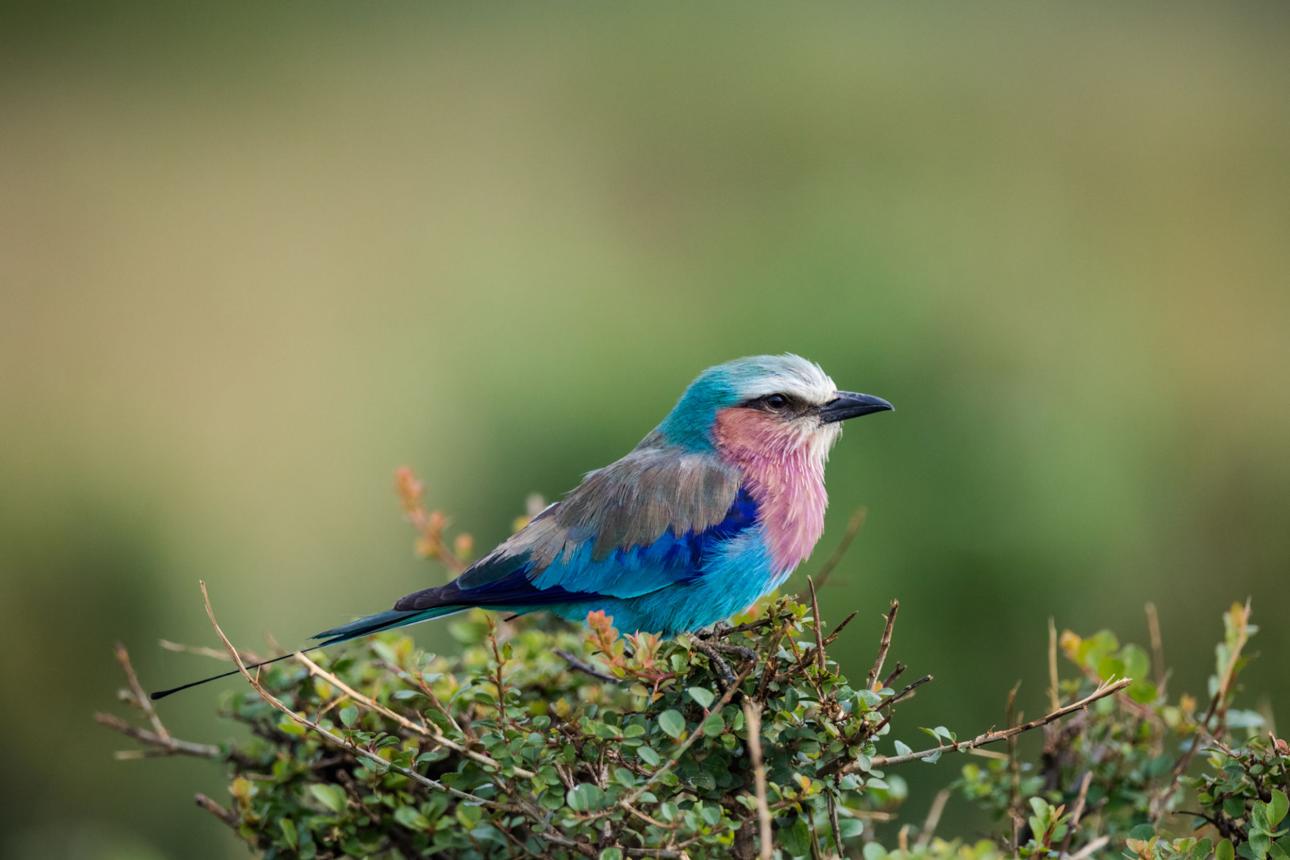
Kenya is internationally famous for elephants, lions, leopards, rhinos and the spectacular landscapes of the Maasai Mara. But beyond the Big Five lies another extraordinary attraction: one of Africa’s richest and most varied birding environments; hence Kenya birdwatching safari is unique in nature.
For a professional birdwatcher, ornithologist, wildlife photographer or nature filmmaker, Kenya offers something particularly valuable: an exceptional number of habitats within one country.
In a single extended Kenya birdwatching safari, you can move from alkaline Rift Valley lakes and freshwater wetlands to tropical rainforest, coastal forest, dry northern savannah, mountain forests and vast African grasslands.
This means a photographer can potentially work on completely different photographic subjects without leaving Kenya.
Kenya has more than 1,150 recorded bird species, according to specialist birding sources, while individual destinations such as Lake Nakuru, Kakamega, Tsavo and Samburu offer remarkably different bird communities.
For professionals, that ecological variety is arguably one of Kenya’s greatest advantages.

Why Kenya Is Excellent for Professional Birdwatchers and Wildlife Photographers
1. Kenya has extraordinary habitat diversity
Professional birding is not simply about visiting somewhere with many birds. The real objective is often to encounter different ecological communities and specialist species.
Kenya provides an impressive range of habitats:
- Great Rift Valley lakes
- freshwater wetlands
- montane forests
- tropical rainforest
- coastal dry forest
- mangroves
- savannah
- acacia woodland
- semi-arid northern landscapes
- high-altitude habitats
- riverine forests
- volcanic landscapes
- grasslands
The result is an exceptional mixture of waterbirds, forest specialists, raptors, migrants, shorebirds, dry-country birds and savannah species.
2. Kenya combines birding with world-class wildlife photography
One of the biggest advantages of choosing Kenya for a professional photography expedition is that birds do not have to be the only photographic subject.
A single itinerary can produce photographs of:
- African elephants
- lions
- leopards
- cheetahs
- black rhinos
- white rhinos
- giraffes
- buffalo
- hippos
- zebras
- wildebeest
- African wild dogs in suitable areas
- antelopes
- primates
- flamingos
- pelicans
- eagles
- vultures
- hornbills
- kingfishers
- turacos
- owls
- bee-eaters
- sunbirds
Lake Nakuru, for example, combines major birding opportunities with black and white rhinos, while Amboseli combines elephant photography, birdlife and the dramatic backdrop of Mount Kilimanjaro.
That combination is particularly attractive for photographers who want to return home with a diverse professional portfolio rather than hundreds of photographs from one habitat.
3. Kenya is exceptionally good for bird photography
Professional bird photography requires more than simply finding birds.
Photographers need:
- good light
- predictable habitats
- relatively open backgrounds
- opportunities for behavioral photography
- suitable viewing positions
- knowledgeable guides
- sufficient time in the field
- different species at different distances
- opportunities during the golden hours
Kenya can provide all of these.
Early morning is especially important.
The first few hours after sunrise can produce:
- birds leaving roosts
- courtship displays
- feeding behavior
- territorial behavior
- hunting
- flight photography
- dew-covered vegetation
- warm backgrounds
- dramatic low-angle light
Late afternoon provides another valuable photographic window before sunset.
4. Kenya is superb for bird behavior photography
Professional bird photography is increasingly about behavior rather than simply obtaining a record shot.
Kenya offers opportunities to photograph:
- raptors hunting
- kingfishers diving
- bee-eaters catching insects
- hornbills feeding
- weavers constructing nests
- flamingos feeding
- herons fishing
- eagles carrying prey
- vultures feeding at carcasses
- birds displaying
- birds in flight
- courtship
- parent-and-chick interactions
- territorial disputes
- bathing
- preening
- feeding young
This is one reason why photographers should consider spending multiple nights in one location rather than constantly changing hotels.
The Best Birdwatching Destinations in Kenya
For a serious professional expedition, I would not treat every Kenyan destination equally. The strongest approach is to combine habitats.
The following locations can be particularly valuable.
1. Lake Nakuru National Park – Waterbirds, Raptors and Rhinos

Best for:
Waterbirds • flamingos • pelicans • raptors • rhinos • woodland birds • landscape photography
Lake Nakuru is one of the most important stops on a Kenya birdwatching safari.
Kenya Wildlife Service describes the park as an ornithological paradise with approximately 450 bird species. Its combination of lake, grassland, acacia woodland and rocky escarpments creates several different birding habitats within a relatively compact area.
Birds to look for
Depending on conditions and season, birders can search for:
- Greater Flamingo
- Lesser Flamingo
- Great White Pelican
- African Fish Eagle
- Goliath Heron
- African Spoonbill
- Marabou Stork
- Yellow-billed Stork
- Grey-headed Gull
- Pied Kingfisher
- Little Egret
- Great Egret
- various waders
- various ducks
- raptors
- woodland species
Wildlife photography
Lake Nakuru is particularly valuable because bird photography can be combined with:
- Black Rhino
- White Rhino
- Rothschild’s Giraffe
- Buffalo
- Lion
- Leopard
- Zebra
- Waterbuck
KWS identifies Lake Nakuru as an important sanctuary for both black and white rhinos.
Why professionals should visit
The combination of birds + rhinos + dramatic escarpments + lake reflections gives photographers a wide range of compositions.
2. Lake Baringo – A Paradise for Serious Birders

Best for:
Specialist birding • hornbills • kingfishers • herons • raptors • boat photography
Lake Baringo is one of Kenya’s most interesting specialist birding destinations.
The freshwater lake is surrounded by a mixture of rocky escarpments, acacia woodland, shoreline vegetation and wetlands. Local tourism information records more than 450 bird species in the wider Lake Baringo area.
Species to search for
- Hemprich’s Hornbill
- Jackson’s Hornbill
- African Fish Eagle
- Goliath Heron
- Verreaux’s Eagle
- African Paradise Flycatcher
- Northern Masked Weaver
- Malachite Kingfisher
- Pied Kingfisher
- African Openbill
- Violet Wood Hoopoe
- Abyssinian Scimitarbill
- D’Arnaud’s Barbet
- Greater Painted-snipe
- Three-banded Courser
- nightjars
- various bee-eaters
Why photographers love Baringo
A boat-based birding session can produce excellent opportunities for:
- fishing behavior
- kingfishers
- herons
- African Fish Eagles
- water reflections
- birds flying across open water
The surrounding dry country also creates opportunities for dramatic landscape and habitat photographs.
3. Kakamega Forest – Kenya’s Forest-Bird Specialist Destination

Best for:
Forest specialists • turacos • barbets • flycatchers • sunbirds • primates • macro photography
Kakamega is fundamentally different from the open savannah destinations.
Kenya Wildlife Service describes Kakamega as the country’s surviving remnant of the once much larger Central African tropical rainforest and an Important Bird Area. It supports hundreds of bird species as well as primates, butterflies and other forest wildlife.
Target birds
Professional birders can search for:
- Great Blue Turaco
- Black-billed Turaco
- African Grey Parrot
- African Green Broadbill
- Blue-headed Bee-eater
- Turner’s Eremomela
- various greenbuls
- sunbirds
- barbets
- flycatchers
- woodpeckers
- forest hornbills
KWS’s management information also highlights African Grey Parrot and Black-billed Turaco among species associated with the forest ecosystem.
Other photographic subjects
Kakamega is also excellent for:
- De Brazza’s monkeys
- other primates
- butterflies
- reptiles
- frogs
- orchids
- fungi
- giant trees
- forest landscapes
This makes it particularly suitable for photographers who want a complete biodiversity portfolio.
4. Arabuko-Sokoke Forest – Coastal Endemics and Rare Birds

Best for:
Rare coastal birds • range-restricted species • owls • forest photography • butterflies
Arabuko-Sokoke is one of the most important destinations in Kenya for serious birders seeking specialized coastal forest species.
Nature Kenya describes it as the last large remnant of East Africa’s coastal forest and an Important Bird and Biodiversity Area.
Major targets
- Sokoke Scops Owl
- Clarke’s Weaver
- Sokoke Pipit
- Amani Sunbird
- Spotted Ground Thrush
- East Coast Akalat
- Fischer’s Turaco
- hornbills
- sunbirds
- woodpeckers
Nature Kenya specifically identifies Clarke’s Weaver, Sokoke Pipit, Amani Sunbird, Spotted Ground Thrush and Sokoke Scops Owl among the forest’s globally threatened birds.
Mammal target
The Golden-rumped Sengi is another highly desirable photographic subject.
Why professionals should spend several days here
Some forest birds are difficult.
A professional expedition should therefore allow enough time for:
- repeated searches
- listening for calls
- working with experienced local bird guides
- returning to productive territories
- early morning sessions
- specialist owl searches where appropriate
This is a destination where quality of guiding can make a significant difference.
5. Taita Hills – Endemic Birds and Mountain Forest

Best for:
Endemic birds • threatened species • montane forest • specialist birding
Taita Hills is particularly interesting for professional ornithologists because of its high level of endemism.
Nature Kenya describes the Taita Hills forests as part of the Eastern Afromontane biodiversity hotspot and highlights the Taita Apalis and Taita Thrush, both of which are restricted to the Taita Hills forests.
Key targets
- Taita Apalis
- Taita Thrush
- Taita White-eye
- Stripe-cheeked Greenbul
- Yellow-throated Woodland Warbler
- Orange Ground Thrush
- Striped Pipit
Why it belongs on a professional itinerary
Taita Hills adds a completely different ecological component to a Kenya safari.
Rather than concentrating solely on high-profile wildlife, the trip becomes a specialist biodiversity expedition.
6. Samburu National Reserve – Northern Kenya Bird Specialists

Best for:
Dry-country species • raptors • colorful birds • elephants • leopards • reticulated giraffes
Samburu is particularly attractive because its semi-arid environment supports species that are difficult to find in Kenya’s wetter southern ecosystems.
Sources focused on Samburu report more than 450 recorded bird species, including distinctive northern dry-country birds.
Target birds
- Vulturine Guineafowl
- Golden-breasted Starling
- Somali Ostrich
- Somali Bee-eater
- Von der Decken’s Hornbill
- Red-billed Hornbill
- Donaldson-Smith’s Sparrow-Weaver
- White-headed Buffalo-Weaver
- Rosy-patched Bushshrike
- Pink-breasted Lark
- Kori Bustard
- Secretary Bird
- Martial Eagle
- Bateleur
- Tawny Eagle
- Pygmy Falcon
- African Fish Eagle
Wildlife photography
Samburu is also excellent for:
- Reticulated Giraffe
- Grevy’s Zebra
- Beisa Oryx
- Gerenuk
- Somali Ostrich
- elephants
- leopards
- lions
- buffalo
For a professional photographer, Samburu therefore offers birds plus highly distinctive northern Kenyan wildlife.
7. Amboseli National Park – Elephants, Raptors and Kilimanjaro

Best for:
Elephant photography • raptors • flamingos • landscapes • Mount Kilimanjaro
Amboseli is one of Kenya’s strongest destinations for combining wildlife photography with birding.
KWS reports more than 400 bird species, including about 40 birds of prey, and identifies Amboseli as an Important Bird Area.
Birds to look for
- Flamingos
- African Fish Eagle
- Secretary Bird
- various eagles
- vultures
- storks
- herons
- egrets
- kingfishers
- bee-eaters
- woodland species
- wetland birds
Wildlife targets
The major attraction is the elephant.
But photographers can also look for:
- lion
- cheetah
- buffalo
- zebra
- wildebeest
- giraffe
- hippo
- antelope
The photographic advantage
Few photographic subjects are as recognizable as an African elephant herd with Mount Kilimanjaro in the background.
For landscape photographers, Amboseli can therefore be one of the most rewarding stops on a Kenya photography safari.
8. Tsavo East and Tsavo West – Big Wilderness and Bird Diversity

Best for:
Elephants • landscapes • raptors • waterbirds • big-game photography • dramatic scenery
Tsavo offers something different from the Mara and Amboseli.
Tsavo East has vast semi-arid landscapes, red soils and large wildlife spaces. KWS reports more than 500 recorded bird species in Tsavo East.
Tsavo West adds volcanic landscapes, Mzima Springs, lava flows and diverse habitats; KWS reports more than 600 bird species for Tsavo West.
Birding possibilities
- raptors
- hornbills
- bee-eaters
- kingfishers
- storks
- herons
- eagles
- vultures
- sunbirds
- woodland birds
Wildlife photography
Look for:
- African elephants
- lion
- leopard
- buffalo
- giraffe
- zebra
- hippo
- crocodile
- antelope
Tsavo’s volcanic terrain also creates excellent opportunities for environmental wildlife photography rather than only close-up portraits.
9. Maasai Mara – Raptors, Savannah Birds and Big Cats

Best for:
Raptors • vultures • grassland birds • big cats • migration photography • wildlife behavior
The Maasai Mara is one of the most important destinations for combining serious bird photography with major wildlife photography.
Birding sources list species including:
- Bateleur
- Kori Bustard
- Secretary Bird
- Southern Ground Hornbill
- Saddle-billed Stork
- Woolly-necked Stork
- Ross’s Turaco
- Schalow’s Turaco
- Denham’s Bustard
- ostrich
- various vultures
- various raptors
- bee-eaters
- rollers
The Mara also receives migratory birds during the wetter months.
Wildlife photography
Professional photographers can target:
- lion
- leopard
- cheetah
- elephant
- buffalo
- black rhino
- giraffe
- zebra
- wildebeest
- topi
- Thomson’s gazelle
- hyena
- jackal
The Mara is particularly strong for behavioral photography.
A professional photography itinerary should allow enough time for multiple sunrise and sunset drives rather than treating the Mara as a quick one-night stop.
Best Places in Kenya by Photographic Objective
| Objective | Recommended destination |
|---|---|
| Flamingos & waterbirds | Lake Nakuru |
| Forest birds | Kakamega |
| Coastal specialists | Arabuko-Sokoke |
| Endemic birds | Taita Hills |
| Northern specialties | Samburu |
| Hornbills & dry-country birds | Lake Baringo |
| Elephants + landscapes | Amboseli |
| Big cats + birds | Maasai Mara |
| Large-scale wilderness | Tsavo East |
| Forest + springs + landscapes | Tsavo West |
| Migratory birds | Rift Valley, Mara, coast and wetlands |
| Bird + wildlife portfolio | Mara + Nakuru + Samburu |
| Specialist ornithology | Kakamega + Arabuko-Sokoke + Taita Hills |
The Bird List Professional Birdwatchers Should Target in Kenya
A serious Kenya birdwatching safari should not be planned only around famous species.
It should be divided into categories.
Raptors
Potential targets include:
- Martial Eagle
- Bateleur
- Verreaux’s Eagle
- African Fish Eagle
- Tawny Eagle
- Augur Buzzard
- Lanner Falcon
- Red-necked Falcon
- Pygmy Falcon
- Secretary Bird
- various vultures
Waterbirds
Look for:
- Greater Flamingo
- Lesser Flamingo
- Great White Pelican
- Goliath Heron
- African Fish Eagle
- African Spoonbill
- Yellow-billed Stork
- African Openbill
- herons
- egrets
- ducks
- waders
- kingfishers
Forest birds
Potential targets include:
- Great Blue Turaco
- Black-billed Turaco
- African Green Broadbill
- Grey Parrot
- sunbirds
- greenbuls
- flycatchers
- barbets
- forest hornbills
- woodpeckers
Coastal specialists
Particularly important targets include:
- Sokoke Scops Owl
- Clarke’s Weaver
- Sokoke Pipit
- Amani Sunbird
- Spotted Ground Thrush
- East Coast Akalat
- Fischer’s Turaco
Dry-country specialists
Especially around Samburu and northern Kenya:
- Vulturine Guineafowl
- Somali Ostrich
- Golden-breasted Starling
- Somali Bee-eater
- Von der Decken’s Hornbill
- Donaldson-Smith’s Sparrow-Weaver
- Pink-breasted Lark
- Kori Bustard
- Rosy-patched Bushshrike
The Importance of Migratory Birds
One of the biggest advantages of timing a professional Kenya birding safari correctly is the arrival of migratory birds.
November through April is particularly important for many destinations because Palearctic migrants join Kenya’s resident species.
Depending on destination and weather, birders may encounter:
- Eurasian Rollers
- Northern Wheatears
- Yellow Wagtails
- Barn Swallows
- Steppe Eagles
- various waders
- warblers
- other Palearctic migrants
However, the ideal month depends on the species being targeted.
For a professional expedition, it is better to choose the dates around a target list rather than simply asking for “the best month for birdwatching.”
Best Time for a Professional Kenya Birdwatching & Photography Safari
October–April
Excellent for: Migrants, breeding activity, colorful plumage and bird diversity.
November–December
Excellent for migrants and green-season photography, although rain can affect road conditions.
January–February
Potentially excellent for combining migrant birds, resident species and photography.
March–April
Excellent birding potential, although weather conditions need to be considered.
June–October
Excellent for wildlife photography, especially in major savannah destinations.
For someone whose priority is both birds and wildlife photography, a carefully designed trip during the overlapping period of strong resident bird activity, migrants and favorable wildlife conditions can be particularly rewarding.

The 3 Best Professional Birdwatching & Photography Itineraries in Kenya
Rather than producing three generic safari itineraries, these are designed around different professional objectives. (Get your personalized quote)
ITINERARY 1: 14-Day Kenya Birding & Big Five Photography Expedition
Best for:
Professional photographers who want birds + Big Five + diverse habitats.
Days 1–2: Nairobi National Park
Focus on:
- savannah birds
- raptors
- waterbirds
- giraffes
- zebra
- buffalo
- rhino
- lions
Allow an early-morning photography session.
Days 3–4: Lake Naivasha
Focus on:
- waterbirds
- African Fish Eagle
- kingfishers
- herons
- egrets
- pelicans
- waders
Add a boat-based photography session where conditions and regulations permit.
Days 5–6: Lake Nakuru
Focus on:
- flamingos
- pelicans
- waterbirds
- raptors
- rhinos
- Rothschild’s giraffe
Sunrise around the lake is particularly valuable for photography.
Days 7–9: Maasai Mara
Dedicate three full days to:
- lions
- leopards
- cheetahs
- elephants
- buffalo
- zebras
- wildebeest
- vultures
- raptors
- Secretary Birds
- bustards
- ground hornbills
Days 10–11: Lake Baringo
Target:
- Hemprich’s Hornbill
- Jackson’s Hornbill
- Goliath Heron
- African Fish Eagle
- Verreaux’s Eagle
- kingfishers
- bee-eaters
Include a specialist birding boat excursion.
Days 12–14: Samburu
Finish with northern specialties:
- Vulturine Guineafowl
- Somali Ostrich
- Golden-breasted Starling
- Somali Bee-eater
- hornbills
- raptors
- Gerenuk
- Reticulated Giraffe
- Grevy’s Zebra
- Beisa Oryx
- elephants
- leopard
This itinerary is designed to produce a broad professional portfolio rather than maximize the number of bird species.

ITINERARY 2: 17-Day Specialist Kenya Bird Photography Expedition
Best for:
Professional birders, ornithologists and photographers prioritizing rare, endemic and habitat-specialist birds.
Days 1–2: Nairobi
Birding around suitable wetlands, forest patches and Nairobi National Park.
Days 3–5: Lake Baringo
Focus intensely on:
- Hemprich’s Hornbill
- Jackson’s Hornbill
- Goliath Heron
- African Fish Eagle
- Verreaux’s Eagle
- kingfishers
- bee-eaters
- dry-country birds
Days 6–9: Kakamega Forest
Spend several mornings and afternoons searching for:
- Great Blue Turaco
- Black-billed Turaco
- African Green Broadbill
- Grey Parrot
- greenbuls
- sunbirds
- flycatchers
- barbets
- forest specialists
Include forest walks and macro photography.
Days 10–12: Taita Hills
Target:
- Taita Apalis
- Taita Thrush
- Taita White-eye
- Stripe-cheeked Greenbul
- Orange Ground Thrush
- Yellow-throated Woodland Warbler
Days 13–16: Arabuko-Sokoke
This is the specialist finale.
Target:
- Sokoke Scops Owl
- Clarke’s Weaver
- Sokoke Pipit
- Amani Sunbird
- Spotted Ground Thrush
- East Coast Akalat
- Fischer’s Turaco
Also photograph:
- butterflies
- Golden-rumped Sengi
- forest landscapes
Day 17: Mida Creek / Watamu area and departure
Add:
- shorebirds
- waders
- mangrove-associated species
- kingfishers
- coastal landscapes
This itinerary is particularly suitable for photographers who want rare-species images rather than conventional safari photographs.

ITINERARY 3: 18-Day Ultimate Kenya Birding + Wildlife Photography Safari
Best for:
Professional wildlife photographers who want the widest possible range of photographic subjects.
Days 1–2: Nairobi
Nairobi National Park + surrounding birding sites.
Days 3–4: Amboseli
Photography targets:
- elephants
- Mount Kilimanjaro
- flamingos
- raptors
- wetland birds
- giraffes
- zebras
Days 5–7: Tsavo West
Focus on:
- elephants
- lions
- leopards
- buffalo
- Mzima Springs
- kingfishers
- herons
- raptors
- volcanic landscapes
Days 8–10: Tsavo East
Focus on:
- red-earth elephant photography
- birds
- raptors
- big landscapes
- predators
- riverine habitats
Days 11–13: Arabuko-Sokoke + Mida Creek
Specialist coastal birding:
- Sokoke Scops Owl
- Clarke’s Weaver
- Sokoke Pipit
- Amani Sunbird
- Spotted Ground Thrush
- coastal waders
- shorebirds
Days 14–15: Lake Nakuru
Focus on:
- flamingos
- pelicans
- rhinos
- giraffes
- raptors
- lake landscapes
Days 16–18: Maasai Mara
Finish with:
- lion
- leopard
- cheetah
- elephant
- buffalo
- giraffe
- zebra
- wildebeest
- vultures
- raptors
- Secretary Bird
- Kori Bustard
- Ground Hornbill
This itinerary creates an exceptionally broad portfolio covering coastal forest, volcanic landscapes, wetlands, savannah, elephants, big cats, rhinos and specialist birds.

Professional Bird Photography Tips for Kenya
Use two camera bodies
A practical professional setup is:
Body 1: 600mm or 800mm-class telephoto for distant birds.
Body 2: 100–500mm or similar flexible zoom for wildlife and environmental portraits.
A shorter lens can also be valuable for landscapes and animals close to the vehicle.
Carry a beanbag
A beanbag is extremely useful for safari photography because it provides stable support on a vehicle window or rail.
Photograph at eye level whenever possible
A low photographic angle can create:
- cleaner backgrounds
- stronger eye contact
- better separation
- more intimate portraits
This is one reason vehicle positioning matters enormously.
Do not photograph only perched birds
Build a portfolio around:
- take-off
- landing
- flight
- feeding
- courtship
- interaction
- aggression
- nesting
- bathing
- preening
These photographs often tell a much stronger natural-history story.
Why a Specialist Guide Matters
For a professional birdwatcher, a generic safari guide may not be enough.
A specialist birding guide can help with:
- bird calls
- difficult identification
- target species
- local movements
- roost locations
- seasonal changes
- habitat interpretation
- positioning for photography
- ethical observation
This is particularly important at Kakamega, Arabuko-Sokoke, Taita Hills and Lake Baringo, where specialist knowledge can significantly improve the experience.
Responsible Bird Photography in Kenya
Professional photographers should prioritize the welfare of their subjects.
Avoid:
- chasing birds
- repeatedly flushing birds
- approaching nests too closely
- blocking animals’ movement
- using playback excessively
- disturbing nocturnal roosts
- manipulating wildlife for photographs
The goal should be to obtain exceptional photographs without changing the animal’s natural behavior.
This is particularly important when targeting rare and threatened species such as the Taita Apalis, Taita Thrush and Sokoke Scops Owl.
Why Kenya Is Particularly Valuable for a Professional Nature Photographer
The greatest strength of Kenya is not simply its number of birds.
It is the combination of biodiversity, landscapes and photographic variety.
A professional can photograph:
Birds
From tiny sunbirds to enormous ostriches and spectacular raptors.
Mammals
From elephants and rhinos to leopards, lions and tiny sengis.
Landscapes
From Kilimanjaro and the Rift Valley to tropical rainforest and the Kenyan coast.
Behavior
Hunting, feeding, courtship, territorial behavior and migration.
Conservation
Rare species and threatened habitats.
People and culture
With appropriate permissions and respectful community engagement.
This creates opportunities for a complete conservation and natural-history photography portfolio rather than a conventional holiday album.
Leave a comment:
You must be logged in to post a comment.
Comment 01
Astute Africa Safaris,
09 September, 2026REF: Crafting Your Bespoke African Safari Experience with Astute Africa Safaris
Jambo,
Thank you for your interest in exploring the wonders of Africa with Astute Africa Safaris. We pride ourselves on creating immersive, tailor-made journeys that align perfectly with your personal interests, pace, and travel aspirations.
Because every safari is a unique narrative, we do not believe in “one-size-fits-all” pricing. To ensure we provide you with an accurate and competitive quotation that reflects the specific lodges, wildlife experiences, and logistical arrangements you desire, we invite you to connect with our team for a personalized consultation.
Please contact us at info@astuteafricasafaris.com, Whatsapp +254762663272 or fill the inquiry form with a few details regarding your preferred travel dates, group size, and specific interests (e.g., photography, luxury relaxation, or adventure trekking). Once we have these details, we will curate a comprehensive proposal designed specifically for you.
We look forward to the possibility of helping you plan an unforgettable journey.
Warm regards,
Team Astute Africa Safaris