

- 469 Views
- 5 Min Read
- (1) Comment
Solo Female Safari Safety: A 2026 Logistics Manual
The landscape of African exploration has shifted from the “Great White Hunter” era to a sophisticated, inclusive industry where solo female safari and travelers are one of the fastest-growing demographics. In 2026, the “logistics of safety” transcends mere caution; it involves a structured approach to transit, accommodation selection, and the utilization of “join-in” ecosystems. According to the Encyclopedia of Tourism, safety in remote environments is a function of infrastructure and the reliability of local networks. For a woman traveling alone, the safari experience is not just about the wildlife, but about the invisible web of logistics that ensures her autonomy remains intact while her risks are mitigated.
The Logistics of “Join-In” Safari Groups
One of the most effective ways to manage safety and cost is the “join-in” safari model. Unlike private charters, join-in safaris allow solo travelers to book a seat on a scheduled departure. This provides the security of a group without the need to organize one. In 2026, reputable operators like G Adventures and Intrepid Travel have refined their “Solo-ish” tiers, which prioritize female-only roommates or single-supplement waivers in secure environments. 
From a logistical standpoint, join-in groups provide a “buffer” during border crossings and airport transfers—the two points where solo travelers are most vulnerable to opportunistic crime or solicitation. As noted in The Travel and Tourism Competitiveness Report, structured group travel significantly reduces the “hassle factor” at entry points in East and Southern Africa. When selecting a join-in group, travelers should verify that the operator uses “closed-loop” logistics, meaning the person meeting you at the airport is an employee of the company, not a third-party contractor.
Female-Owned and Managed Lodges: The Safety Advantage
A significant trend in 2026 is the rise of female-owned and managed safari lodges. These establishments often implement safety protocols that are more attuned to the concerns of solo women. For example, the “Star Bed” experience—sleeping under the stars—is managed with dedicated female escorts and radio-linked security at properties like Chobe Game Lodge in Botswana, which is famous for its all-female guiding team.
Logistically, these lodges offer:
- Escort Protocols: Standardized “room-to-dining” escorts after dark, ensuring no guest walks alone in unfenced camps.
- Communication Systems: High-frequency (HF) radio or satellite-linked tablets in every tent, providing a direct line to female management.
- Community Integration: Many female-led lodges, such as those under the African Bush Camps umbrella, have deep ties to local “Mama” groups in nearby villages, creating a protective social layer around the lodge.
Transit Safety: The “First and Last Mile” Strategy

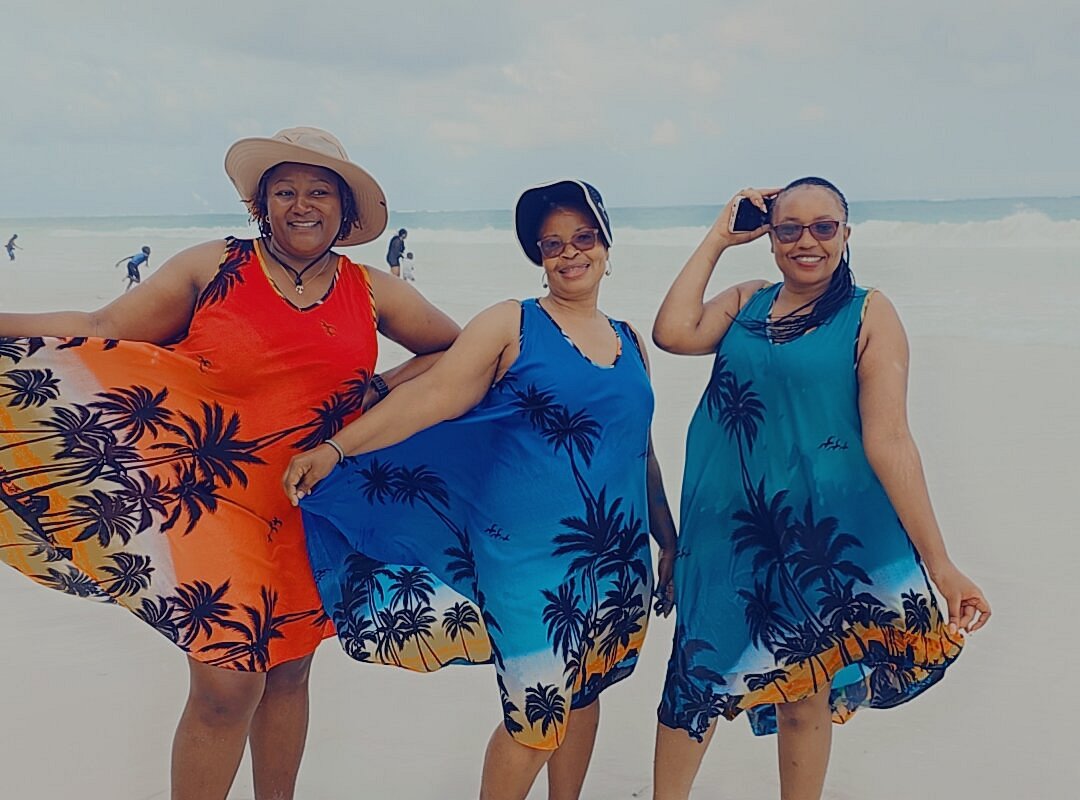
Solo female safari and traveler enjoying the beach
The most critical phase of solo female safari logistics is the transition between the international airport and the bush. In cities like Nairobi, Johannesburg, or Dar es Salaam, the “first mile” (arrival) and “last mile” (departure) require the most rigorous planning.
Licensed Transfers vs. Ridesharing
While rideshare apps are available in major hubs, 2026 safety standards recommend pre-booked, lodge-vetted transfers. According to The Solo Female safari Travel Handbook, the risk of “express kidnappings” or taxi scams is virtually eliminated when using a driver whose vehicle is tracked via GPS by a central dispatch. If using rideshare, always verify the “Safety Toolkit” features in the app and share the live trip with a trusted contact.
Regional Safety Comparison: 2026 Logistics
| Country | Best Logistics for Solo Women | Primary Safety Tool |
|---|---|---|
| Botswana | Fly-in Safaris (Maun/Kasane) | Satellite Tracking |
| Rwanda | Organized “Join-in” Trekking | Government Tourism Police |
| Namibia | Guided Small-Group Caravans | Offline GPS Maps |
| Kenya | Private Game Reserves | 24/7 Control Centers |
In Botswana, the logistics are heavily weighted toward “fly-in” models. By utilizing light aircraft to move between camps, solo female safari bypass the risks associated with long-distance road travel through remote areas. Conversely, Rwanda has invested heavily in “Tourism Police” who are visible at all major trailheads, providing a high level of psychological and physical security.
Digital Safety and Real-Time Support
In 2026, technology is the “silent partner” in safari safety. The integration of GPS-based emergency apps has revolutionized solo travel. Platforms like TravelSafe SOS provide a 24/7 human-led control center that monitors the traveler’s location across 17 African countries.
Medical Logistics: Beyond the First Aid Kit
Solo female safari or travelers must account for the “tyranny of distance” in Africa. If a medical emergency occurs in the Okavango Delta or the Serengeti, the logistics of evacuation are paramount.
- Medevac Insurance: It is non-negotiable to have insurance that covers “Emergency Medical Evacuation” to a Level 1 trauma center (often in Johannesburg or Nairobi).
- The “Yellow Card” and Digital Health Vaults: In 2026, many borders require digital proof of vaccination. Solo women should maintain a “Digital Health Vault”—an encrypted folder containing blood type, allergies, and insurance policy numbers, accessible via a QR code on their phone lock screen.
Cultural Etiquette as a Safety Tool
For sole female safari and travelers, understanding local norms is a logistical necessity for reducing unwanted attention. In many rural African communities, dress codes remain conservative. As noted in Culture Shock! South Africa, dressing modestly (covering shoulders and knees) is not just a sign of respect; it is a strategic move to blend in and avoid being targeted as a “naive” tourist.
Furthermore, learning basic greetings in Swahili (East Africa) or Setswana (Botswana) establishes a rapport with local staff and guides. This “social capital” often leads to increased protectiveness from the community. Locals are often the first to notice if a solo traveler is being followed or harassed and will intervene if a respectful relationship has been established. 
Conclusion: Empowerment through Preparation
Solo female safari travel in 2026 is no longer an act of “bravery” but an act of “preparation.” By choosing join-in groups that offer social safety, staying at female-managed lodges that understand specific vulnerabilities, and utilizing real-time GPS technology, women can explore the African wilderness with total confidence. The “logistics manual” for the modern woman is built on the foundation of vetted networks and digital backups, ensuring that the only surprises on safari are the ones found in the bush
Leave a comment:
You must be logged in to post a comment.


Comment 01
Advantages and disadvantages of Joining group safari in Africa - Astute Africa Safaris,
03 March, 2026[…] safaris are the primary choice for solo travelers, backpackers, and those on a strict […]