

- 1.5k Views
- 24 Min Read
- (1) Comment
Africa is a continent of extraordinary contrasts, from the wildlife-rich savannahs of Kenya’s Maasai Mara and Tanzania’s Serengeti to Uganda’s tropical rainforests, Rwanda’s mountain gorilla habitats, the white-sand beaches of Zanzibar, the waterways of Botswana’s Okavango Delta and the dramatic landscapes of southern Africa.
But when is the best time to visit Africa?
The answer depends on the experiences you want to enjoy. Some travellers dream of watching thousands of wildebeest cross the Mara River. Others want to see newborn animals on the Serengeti plains, trek through misty mountain forests to encounter wild gorillas, photograph elephants against Mount Kilimanjaro, or finish an unforgettable safari with a relaxing beach holiday on the Indian Ocean.
For a classic East or Southern African safari, June to October is often an excellent starting point, because many popular wildlife destinations experience relatively dry conditions during this period. However, January and February can also be exceptional in parts of East Africa, especially for the Serengeti’s wildebeest calving season. The best time for gorilla trekking, beach holidays, birdwatching and lower-cost travel can be different again.
This guide by Astute Africa Safaris explains when to visit Africa by month and destination, what wildlife experiences to expect, how weather affects your holiday, and how to select the right travel dates for your interests and budget.
Quick answer: When is the best time to visit Africa?
There is no single best month for the entire continent. Use the following guide as a starting point, then choose dates based on the specific parks, wildlife events and experiences you want.
| Travel experience | Months worth considering | Why go then? |
|---|---|---|
| Classic safari and Big Five viewing | June–October in many safari regions | Often drier conditions and more open vegetation |
| Great Migration in the Maasai Mara | Commonly July–October | Herds may move through Kenya’s Mara ecosystem |
| Wildebeest calving in the Serengeti | Commonly January–March | Large numbers of calves and increased predator activity |
| Kenya safari with comfortable weather | January–February and June–October | Often favourable conditions in many parks |
| Gorilla trekking in Uganda and Rwanda | June–September and December–February | Generally preferred drier trekking windows |
| Safari and Zanzibar beach holiday | June–October or January–February | Popular periods for combining wildlife and beach time |
| Birdwatching and green landscapes | Often November–April, depending on location | Migratory birds, lush scenery and seasonal breeding activity |
| Potentially lower safari prices | Often April–May in many destinations | Rainy-season offers may be available |
| Victoria Falls at high water | Often around April–June | Seasonal rains upstream influence the Zambezi’s flow |
| Southern African wildlife safari | Often May–October | Many reserves experience their dry winter season |
These are general planning windows, not guarantees. Rainfall, animal movements, local elevation and individual park conditions vary. For example, the Great Migration follows rainfall and fresh grazing rather than a fixed timetable.
1. Understanding Africa’s seasons
Before choosing your dates, it helps to understand why the time of year matters.
Africa spans several climate zones. The Sahara, equatorial rainforests, East African savannahs, Indian Ocean coastline and Mediterranean-influenced regions do not share the same weather patterns. In addition, the dry season in one region may coincide with the rainy season in another.
The dry season: generally excellent for wildlife viewing
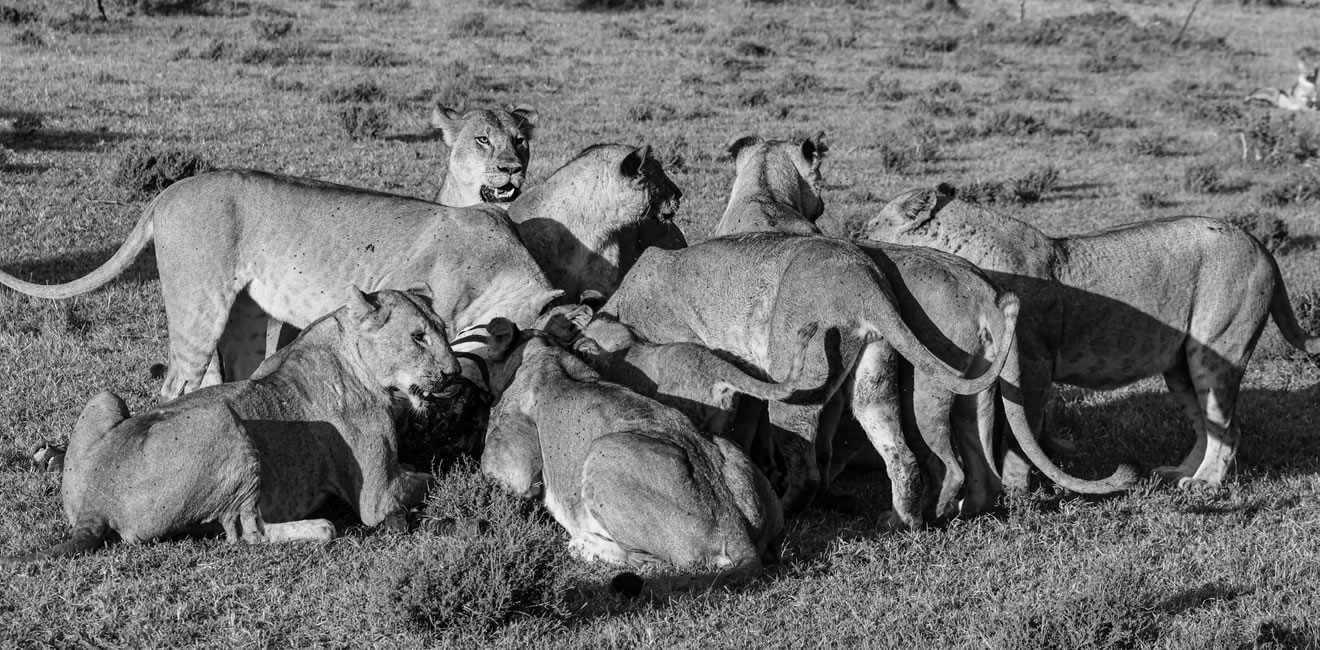
Dry-season wildlife viewing in the African savannah.
During the dry season, grasses often become shorter, vegetation becomes less dense and some water sources shrink. Animals may concentrate around permanent rivers and waterholes, making them easier to locate in many parks.
Dry-season safaris can be especially rewarding for:
-
First-time safari travellers looking for a broad range of wildlife.
-
Families seeking a conventional game-drive experience.
-
Photographers who prefer clearer sightlines.
-
Visitors hoping to combine several national parks.
-
Travellers planning a safari around a specific event, such as the Great Migration.
There are trade-offs. Popular camps may sell out months ahead, visitor numbers can increase around major wildlife hotspots, and accommodation prices are often higher during peak periods.
The green season: beautiful scenery and a different safari experience
The green season transforms the landscape and offers excellent photographic opportunities.
The green season brings fresh grass, flowering plants, dramatic clouds and vibrant landscapes. In many destinations, it is a particularly rewarding period for birdwatching and landscape photography.
Depending on the destination and dates, visitors may also benefit from:
-
Fewer travellers in some parks and camps.
-
Seasonal accommodation promotions.
-
Beautiful light and colourful scenery.
-
Newborn antelope and other young animals.
-
Excellent opportunities to photograph resident wildlife against green vegetation.
The disadvantages can include muddy roads, heavier showers, longer transfers and more challenging conditions in remote areas. Some camps also close seasonally, so confirm availability before booking.
Important: The rainy season does not mean there is no wildlife. Many African parks offer rewarding experiences throughout the year, and choosing the right location is often more important than avoiding rain altogether.

2. Best time to visit Africa month by month
Use this calendar to narrow down the right travel window before selecting individual countries and parks.
January — Calving season and warm-weather safaris
Tanzania’s southern Serengeti and Ndutu region are important areas to consider for wildebeest calving, although precise locations depend on rainfall and herd movements. Kenya can also offer rewarding wildlife viewing in parks such as Amboseli and the Maasai Mara. January can suit travellers wanting wildlife, photography and a beach extension.

February — Newborn wildlife and predator activity
February is often a strong month for the southern Serengeti’s calving season. Young wildebeest attract predators, creating opportunities to observe natural behaviour. It can be an excellent choice for wildlife photographers and travellers who prefer a different experience from the crowded migration-crossing season.

March — Green scenery and seasonal transitions
March may bring increasing rainfall in parts of East Africa. Expect lush landscapes and excellent birdwatching opportunities, but plan flexibly for road conditions. The best choice depends on your selected parks and the rainfall that year.

April — Rainy-season landscapes and potential savings
April is a wet month in many East African safari areas. Travellers who prioritise value and lush scenery may find attractive offers, but some roads can become difficult. Choose accommodation and routes carefully and allow flexibility for transfers.

May — A quieter safari in selected destinations
May remains rainy in many parts of Kenya, Tanzania, Uganda and Rwanda. It can suit flexible travellers seeking lower-season rates, though not every lodge or activity will be available. In parts of Southern Africa, conditions may begin improving as the dry season approaches.

June — The start of a popular safari window
June is often a good time to begin a classic safari in Kenya and Tanzania. In parts of Southern Africa, the dry season also improves wildlife viewing. Gorilla trekking may be more comfortable as forest trails become drier, although rain is possible throughout the year.

July — Peak safari demand and possible migration activity
July is a popular month for Kenya and Tanzania safaris. Wildebeest may move into northern Serengeti and the Maasai Mara ecosystem, but arrival dates and crossings are unpredictable. Book early if your dates are fixed.

August — Classic migration-season safari
August is a popular month for travellers hoping to witness the Great Migration in the Maasai Mara and northern Serengeti. River crossings may occur, but there is no guaranteed date or location. Plan several nights in the relevant ecosystem rather than relying on a single game drive.

September — Excellent all-round wildlife viewing
September is often a strong option for dry-season safaris across East and Southern Africa. It can be especially appealing to travellers who want open landscapes, frequent wildlife encounters and a chance of seeing migration activity, subject to animal movements.

October — End of the classic dry-season window in many areas
October can offer rewarding game viewing, although some destinations become hotter and seasonal rains may begin. In the Maasai Mara, migration herds may still be present or may already have moved south. This is also a useful month to compare safari destinations with different climate patterns.

November — Green landscapes and birdwatching
Seasonal rains often begin or increase in parts of East Africa. Migratory birds may arrive, landscapes become greener and visitor numbers can ease in some areas. Short showers are possible, but local conditions vary.

December — Festive holidays and beach extensions
December can be attractive for combining an East African safari with a Zanzibar beach stay. It is a busy holiday period, so accommodation and flights can be expensive around Christmas and New Year. Check the weather in each destination and book well ahead.
The calendar provides typical seasonal guidance rather than a weather forecast. Check the conditions closer to departure, particularly if travelling during rainy months or targeting a particular wildlife event.
3. Best time to visit Kenya for a safari

Kenya is one of Africa’s leading safari destinations, offering the Maasai Mara, Amboseli, Tsavo, Samburu, Lake Nakuru and a variety of community conservancies. Different parks have different habitats and rainfall patterns, so the best time to visit depends on your itinerary.
The Kenya Wildlife Service identifies June to October and December to March as generally favourable periods for many parks, while noting that April to June is associated with the long rains. Individual parks can differ, and wildlife viewing is possible throughout the year.
June to October: the classic Kenya safari
This period is a popular choice for:
-
Maasai Mara National Reserve: Big cats, elephants, plains game and the possibility of seeing migration herds.
-
Amboseli National Park: Large elephant herds and, when conditions permit, views of Mount Kilimanjaro.
-
Samburu National Reserve: Distinctive northern wildlife, including Grevy’s zebra, reticulated giraffe and gerenuk.
-
Tsavo East and Tsavo West: Vast landscapes, elephants and a more expansive wilderness experience.
-
Lake Nakuru National Park: Rhinos, other wildlife and birdlife, with sightings varying by conditions.
January and February: a strong alternative
These months can offer excellent wildlife viewing in several Kenyan parks, often with warm conditions. They are worth considering if you want a safari outside the busiest migration period.
April and May: consider the green season
The long rains can make some roads muddy and slow down transfers. However, this period can suit travellers looking for a quieter holiday, seasonal offers and green landscapes. A carefully planned itinerary with suitable vehicles and flexible logistics is essential.
Suggested Kenya itineraries by season
-
June–October: Nairobi, Amboseli, Lake Nakuru and Maasai Mara.
-
January–February: Amboseli, Samburu and Maasai Mara, depending on current conditions.
-
April–May: A flexible, value-focused itinerary tailored to accessible parks and available camps.
Explore Astute Africa Safaris’ Kenya safari holidays and request an itinerary built around your travel dates.
4. Best time to visit Tanzania for a safari

Tanzania is ideal for travellers seeking the Serengeti, Ngorongoro Crater, Tarangire National Park, Lake Manyara and the beaches of Zanzibar. The best month depends particularly on whether you want the Great Migration, calving season, classic dry-season game viewing or a beach extension.
January to March: wildebeest calving season
The southern Serengeti and Ndutu plains are important calving areas during this period. The concentration of young wildebeest can attract lions, cheetahs, hyenas and other predators.
This is an excellent period for travellers interested in animal behaviour, wildlife photography and the natural drama of the migration.
June to October: dry-season game viewing
This period is popular for exploring northern Tanzania. Depending on current conditions, travellers may combine:
-
Serengeti National Park for wildlife and migration movements.
-
Ngorongoro Crater for a diverse range of wildlife in a compact landscape.
-
Tarangire National Park for elephants and seasonal wildlife concentrations.
-
Lake Manyara for varied habitats and birdlife.
July to October: migration in northern Serengeti
Travellers hoping to see the migration in northern Serengeti should plan their accommodation around the likely herd movements. River crossings are unpredictable and cannot be guaranteed. Spending multiple nights in the appropriate area improves your opportunity to observe the herds if they are nearby.
November and December: seasonal rains and greener scenery
The short rains can bring fresh grass and attractive photography conditions. The migration may move south towards the Serengeti’s grazing areas, depending on rainfall.

Ngorongoro offers dramatic scenery and diverse wildlife in a compact safari area.
For many travellers, the ideal Tanzania safari is not about finding one perfect month but about matching the itinerary to the wildlife’s seasonal movements.
5. Best time to see the Great Wildebeest Migration

The Great Wildebeest Migration is one of Africa’s most celebrated wildlife spectacles. Huge herds of wildebeest and zebras move across the Serengeti–Maasai Mara ecosystem in response to rainfall, fresh grass and water availability.
The migration is a continuous cycle rather than a single event on a fixed date.
| Approximate period | Area to consider | What you may experience |
|---|---|---|
| January–March | Southern Serengeti and Ndutu | Calving, newborn animals and predator activity |
| April–May | Central and western Serengeti areas, depending on conditions | Seasonal movement and green landscapes |
| June–July | Western and northern Serengeti areas | Herd movement and possible river activity |
| July–October | Northern Serengeti and Maasai Mara ecosystem | Potential river crossings and large herds |
| November–December | Movement towards southern Serengeti grazing areas | Herds following fresh growth after seasonal rains |
These periods are approximate. Actual movements change with rainfall, grazing and other environmental conditions.
How to improve your chances of seeing the migration
-
Choose the right ecosystem for your travel dates.
-
Stay several nights instead of moving every day.
-
Select a camp or lodge with practical access to the likely wildlife areas.
-
Use experienced local guides who can adjust game drives to current sightings.
-
Treat river crossings as a possibility, not a guaranteed activity.
Expert planning tip: If the migration is your primary reason for travelling, decide whether you prefer the calving season in Tanzania or the possibility of river crossings farther north. They are different experiences and may require different accommodation and travel arrangements.
6. Best time to visit Uganda for gorilla trekking and wildlife

Uganda combines mountain gorilla trekking, chimpanzee tracking, savannah game drives, boat safaris and scenic highland landscapes. Popular destinations include Bwindi Impenetrable National Park, Mgahinga Gorilla National Park, Kibale Forest, Queen Elizabeth National Park and Murchison Falls National Park.
Uganda’s tropical climate varies with altitude, and rain can occur even during generally drier periods. The country’s tourism guidance identifies June to September and December to February as useful travel windows, while forest conditions remain variable.
June to September
This is a popular period for gorilla trekking and combining forest experiences with savannah safaris. Trails may be less muddy than during the wetter months, although the difficulty of a trek depends on terrain, elevation and the location of the gorilla family.
December to February
Another useful period for gorilla trekking, chimpanzee tracking and wildlife safaris. It can suit travellers combining Uganda’s forests with game drives and boat excursions.
March to May and October to November
These periods can bring heavier rain, especially in forest areas. They may still appeal to travellers with flexible dates, but allow extra time for transfers and prepare for slippery trails.
Who should choose Uganda? Travellers who want to see mountain gorillas, track chimpanzees, explore forests and savannahs, or combine primate experiences with a traditional African wildlife safari.
7. Best time to visit Rwanda for gorilla trekking

Rwanda is particularly popular for mountain gorilla trekking in Volcanoes National Park. Travellers may also visit Nyungwe National Park for forest experiences and Akagera National Park for savannah wildlife.
June to September
These generally drier months are often preferred for trekking. They can be suitable for travellers seeking to combine gorillas with other Rwandan experiences.
December to February
This is another useful period to consider. Conditions can be favourable for outdoor activities, but mountain weather is variable and rain remains possible.
March to May and October to November
Rainier periods can make forest trails more slippery and trekking more demanding. Some travellers still choose these months, depending on availability, flexibility and budget.
Uganda or Rwanda: which should you choose?
Both countries offer mountain gorilla trekking, but the best choice depends on your overall itinerary, permit availability, travel time, accommodation preferences and budget. Gorilla permits should be secured before finalising the rest of your travel arrangements.
A multi-country safari can combine Kenya’s savannah wildlife, Tanzania’s Serengeti, Uganda’s forests and Rwanda’s gorilla experiences. However, not every destination needs to be included in one trip; a well-paced itinerary is often more enjoyable than attempting too much.
8. Best time to visit Zanzibar for a beach holiday

Zanzibar is an appealing extension to a Kenya or Tanzania safari, especially for honeymooners, couples, families and travellers seeking a few days of relaxation after game drives.
The Zanzibar Commission for Tourism recommends June to October as a particularly pleasant period for beach travel. January and February are also commonly considered for warm-weather beach holidays, although conditions vary.
June to October: a popular beach season
This period is attractive for swimming, beach relaxation, cultural visits and many outdoor activities. It can work well after a safari in Kenya or northern Tanzania.
January and February: warm beach weather
These months can also suit travellers who want warm weather and an Indian Ocean escape. They are especially worth considering when paired with Tanzania’s southern Serengeti calving season.
March to May: check the rainfall outlook
The long rains can affect beach activities and some excursions. Travellers considering these months should confirm expected conditions and choose accommodation that suits their priorities.
Where to stay in Zanzibar
-
Nungwi and Kendwa: Popular northern beach areas for swimming and sunset views, with conditions varying by beach and tide.
-
Paje and Jambiani: East-coast destinations associated with long beaches and kite-surfing.
-
Stone Town: Best for history, architecture, markets and cultural experiences.
-
The east coast: Attractive for travellers seeking beach resorts and a quieter atmosphere, with tides affecting beach access and swimming at some locations.
Stone Town adds Swahili culture and history to a Zanzibar beach holiday.
For a safari-and-beach holiday, consider combining several nights of wildlife viewing in Kenya or Tanzania with a carefully chosen beach stay in Zanzibar. The ideal sequence depends on international flight times and connections.
9. Best time to visit Southern Africa

Southern Africa offers a different seasonal calendar from equatorial East Africa. Countries such as South Africa, Botswana, Namibia, Zambia and Zimbabwe have diverse climates, so dates should be selected according to the particular activity and destination.
Botswana: Okavango Delta and Chobe
May to October is often a popular period for wildlife viewing in Botswana. The Okavango Delta is especially distinctive because seasonal floodwaters create waterways in an otherwise dry landscape. The timing and extent of the flooding vary from year to year.
South Africa: Kruger National Park
The drier winter months, often May to September, are commonly favoured for game viewing in Kruger and many surrounding reserves. Reduced vegetation can improve visibility, while water availability influences where wildlife gathers.

Namibia: desert landscapes and wildlife
May to October is often a good period for exploring Namibia’s desert scenery and Etosha National Park. Days can be pleasant while nights become cold, particularly in desert regions.
Victoria Falls: when should you go?
The Zambezi River’s seasonal flow affects the experience at Victoria Falls. Around April to June, water levels are often high following the rainy season, creating impressive spray. Later in the dry season, some viewpoints may provide clearer visibility, while water levels and activities vary by location and year.
For travellers planning a wider African holiday, Southern Africa can be an excellent alternative when the weather or activities they want do not align with East Africa’s seasons.
10. Best time to visit North Africa
North Africa is ideal for travellers interested in historic cities, desert landscapes, archaeological sites, markets and Mediterranean coastlines. The best travel window is different from that of an East African safari.
Morocco
Spring, particularly March to May, and autumn, particularly September to November, are often good periods for exploring cities, mountains and desert regions. Summer can be extremely hot in inland and desert areas.
Egypt
The cooler months, broadly October to April, are often more comfortable for visiting archaeological sites, historic cities and the Nile Valley. Temperatures can be very high in summer.
North Africa is not interchangeable with an East African safari. If your priority is wildlife, choose your safari region first; if your priority is culture, architecture and ancient history, build your trip around the most comfortable conditions for those activities.
11. Best time to visit Africa for different types of travellers
Different travellers may need different dates even when visiting the same country.

Families with children
June to October can be a convenient choice for many classic safari itineraries, particularly when it aligns with school holidays. January and February may also work well. Consider drive lengths, family-friendly accommodation, swimming pools and the ages of children before selecting parks.

Honeymooners and couples
Choose dates that match your priorities: migration viewing, a private conservancy, a romantic lodge or a safari followed by Zanzibar. Peak season may offer favourable wildlife conditions but often requires earlier booking.

Wildlife photographers
January to March can offer green landscapes and calving in parts of Tanzania. June to October often provides more open viewing conditions. For photography, the location of wildlife, time spent in the field and the guide’s expertise can matter as much as the month.

Birdwatchers and nature enthusiasts
Many East African locations are especially rewarding during periods of migrant bird activity and seasonal breeding. November to April is worth considering in several destinations, but the best dates depend on target species and habitat.

Budget-conscious travellers
Consider shoulder and green-season travel, particularly where lodges offer seasonal promotions. Compare the complete cost, including park fees, flights, transfers and accommodation rather than assuming every low-season trip is automatically cheaper.
12. What is the cheapest time to visit Africa?
There is no single cheapest month across Africa, but April and May are often worth investigating for lower-season safari offers in parts of East Africa. Some properties offer reduced rates during rainy periods, while other destinations remain expensive because of limited accommodation or special events.
To plan a cost-effective safari:
-
Be flexible with your departure dates.
-
Compare the total price for different months.
-
Ask whether the itinerary can use alternative camps or lodges.
-
Consider fewer destinations with longer stays rather than repeated long transfers.
-
Check whether internal flights are necessary or whether road transfers make sense.
-
Ask about seasonal promotions and what is included.
-
Avoid booking solely on the basis of a low advertised accommodation rate.
A lower-cost safari can still offer extraordinary wildlife encounters. However, road conditions, seasonal camp closures and the location of wildlife should be considered alongside the price.
For a detailed budget breakdown, go to Astute Africa Safaris’, How Much Does an Africa Safari Cost?,
13. Best time for a multi-country East African safari
A multi-country safari can combine different wildlife experiences into one holiday, but the best itinerary is the one that works with the season, your budget and the amount of time available.
Option A: Kenya and Tanzania — classic wildlife safari
Suggested duration: 8–12 days.
A possible route includes Amboseli, the Maasai Mara and selected parks in northern Tanzania. June to October is a useful general window for classic game viewing, while January to March is particularly worth considering if you want to focus on calving in the southern Serengeti.
Option B: Kenya, Tanzania and Zanzibar — safari and beach
Suggested duration: 9–14 days.
Combine a safari in Kenya or Tanzania with a beach extension in Zanzibar. June to October is a popular period, and January to February can also suit many itineraries.
Option C: Uganda and Rwanda — gorilla trekking and primates
Suggested duration: 6–10 days.
This itinerary may include gorilla trekking, forest walks and chimpanzee tracking, depending on permit availability and travel logistics. June to September and December to February are useful starting points when choosing dates.
Option D: Kenya, Tanzania, Uganda and Rwanda — a wider East African adventure
Suggested duration: 12–18 days or longer.
This itinerary combines savannah wildlife with primate experiences. It requires careful planning of flights, border crossings, permits and transfer times. If you have limited time, it may be better to focus on two or three countries rather than rushing through all four.
For any multi-country itinerary, confirm visa requirements, permit availability, domestic flights and accommodation before committing to non-refundable arrangements.
14. How far in advance should you book an African safari?
The ideal booking lead time depends on the destination and travel season.
-
Peak migration season: Book as early as possible, especially if you want a particular camp or location near the herds.
-
Gorilla trekking: Check permit availability before confirming the rest of your itinerary.
-
Christmas and New Year: Reserve accommodation and flights well in advance.
-
Luxury camps and small properties: Limited room inventory can make early booking particularly important.
-
Green-season travel: You may have more flexibility, but confirm camp opening dates and road accessibility.
A specialist safari planner can help you match accommodation to the season, rather than choosing a camp first and discovering that it is far from your main wildlife objective.
15. Essential tips for choosing your travel dates
Before booking your trip, ask yourself these questions:
-
What is my main priority? Wildlife, migration, gorillas, photography, beaches, culture or value?
-
Which destinations offer that experience during my available dates?
-
How much time do I have? A shorter itinerary usually benefits from fewer destinations and less time spent transferring.
-
What is my budget? Peak-season rates, internal flights and park fees can affect the total cost.
-
Am I comfortable travelling in the rainy season? This can offer value and scenery, but may require flexibility.
-
Do I need special permits? Gorilla trekking and some other activities have limited availability.
-
Have I checked local conditions? Seasonal patterns are useful, but current forecasts and park information matter closer to departure.
The best safari is not necessarily the one taken during the most popular month. It is the one that aligns the destination, travel dates, accommodation and activities with what you most want to experience.
16. Plan your African safari with Astute Africa Safaris
At Astute Africa Safaris, we believe that every memorable African holiday starts with understanding the traveller’s interests, travel dates, preferred pace and budget.
Whether you dream of seeing the Great Migration in Kenya and Tanzania, trekking to encounter mountain gorillas in Uganda or Rwanda, exploring East Africa’s varied wildlife habitats, or relaxing on the beaches of Zanzibar, your itinerary should be designed around the experience you want.
Our approach is simple: listen to the traveller, understand the journey and plan the itinerary around the experience they want.
We can help you consider the best travel window, choose suitable destinations, compare accommodation styles and plan a practical route based on your available time.
Ready to start planning?
-
Visit Astute Africa Safaris to explore our safari and holiday options.
-
Review our booking terms and conditions.
-
Contact our team at bookings@astuteafricasafaris.com or WhatsApp +254 762 663 272 to discuss your preferred dates and destinations.
Tell us when you want to travel, how many people are joining, what you would most like to see and the approximate budget you have in mind. We can then help you explore an itinerary suited to your travel goals.
Frequently asked questions about the best time to visit Africa
What is the best month to visit Africa?
There is no universal best month. June to October is an excellent starting point for many classic safaris, while January and February can be outstanding for the Serengeti’s calving season and certain East African itineraries.
Is June to October the best time for an African safari?
These months are often favourable for wildlife viewing in many East and Southern African destinations. However, the ideal window depends on your chosen parks and the experiences you want.
When is the best time to see the Great Migration?
The migration moves throughout the year. January to March is a useful period for calving in the southern Serengeti, while July to October is a common window for herds in the northern Serengeti and Maasai Mara ecosystem. River crossings are unpredictable.
When is the best time to visit Kenya?
June to October is popular for classic safaris, while January and February can also offer rewarding wildlife viewing. April and May are wetter in many areas.
When is the best time to visit Tanzania?
June to October is popular for dry-season game viewing. January to March is especially worth considering for the southern Serengeti calving season.
When should I visit Uganda or Rwanda for gorilla trekking?
June to September and December to February are commonly preferred drier windows. Both countries can be visited at other times, but wet conditions can make trekking more demanding.
When is the best time to visit Zanzibar?
June to October is a popular period for beach holidays, and January to February can also be attractive. March to May is generally wetter.
Is Africa worth visiting during the rainy season?
Yes. Depending on the destination, the green season can provide lush landscapes, excellent birdwatching, fewer visitors and seasonal offers. Some roads may be difficult, and camp availability can be reduced.
How many days do I need for an African safari?
A focused safari may take 4–7 days, while a multi-country trip or safari-and-beach holiday often benefits from 8–14 days or more. The ideal duration depends on travel distances and activities.
Should I book an African safari early?
Yes, especially for peak-season travel, popular migration camps, gorilla permits and festive dates. Early planning gives you a better chance of securing the accommodation and experiences you prefer.
Leave a comment:
You must be logged in to post a comment.
Comment 01
Astute Africa Safaris,
05 May, 2026REF: Crafting Your Bespoke African Safari Experience with Astute Africa Safaris
Jambo,
Thank you for your interest in exploring the wonders of Africa with Astute Africa Safaris. We pride ourselves on creating immersive, tailor-made journeys that align perfectly with your personal interests, pace, and travel aspirations.
Because every safari is a unique narrative, we do not believe in “one-size-fits-all” pricing. To ensure we provide you with an accurate and competitive quotation that reflects the specific lodges, wildlife experiences, and logistical arrangements you desire, we invite you to connect with our team for a personalized consultation.
Please contact us at info@astuteafricasafaris.com, Whatsapp +254762663272 or fill the inquiry form with a few details regarding your preferred travel dates, group size, and specific interests (e.g., photography, luxury relaxation, or adventure trekking). Once we have these details, we will curate a comprehensive proposal designed specifically for you.
We look forward to the possibility of helping you plan an unforgettable journey.
Warm regards,
Team Astute Africa Safaris