

- 1.5k Views
- 31 Min Read
- (1) Comment
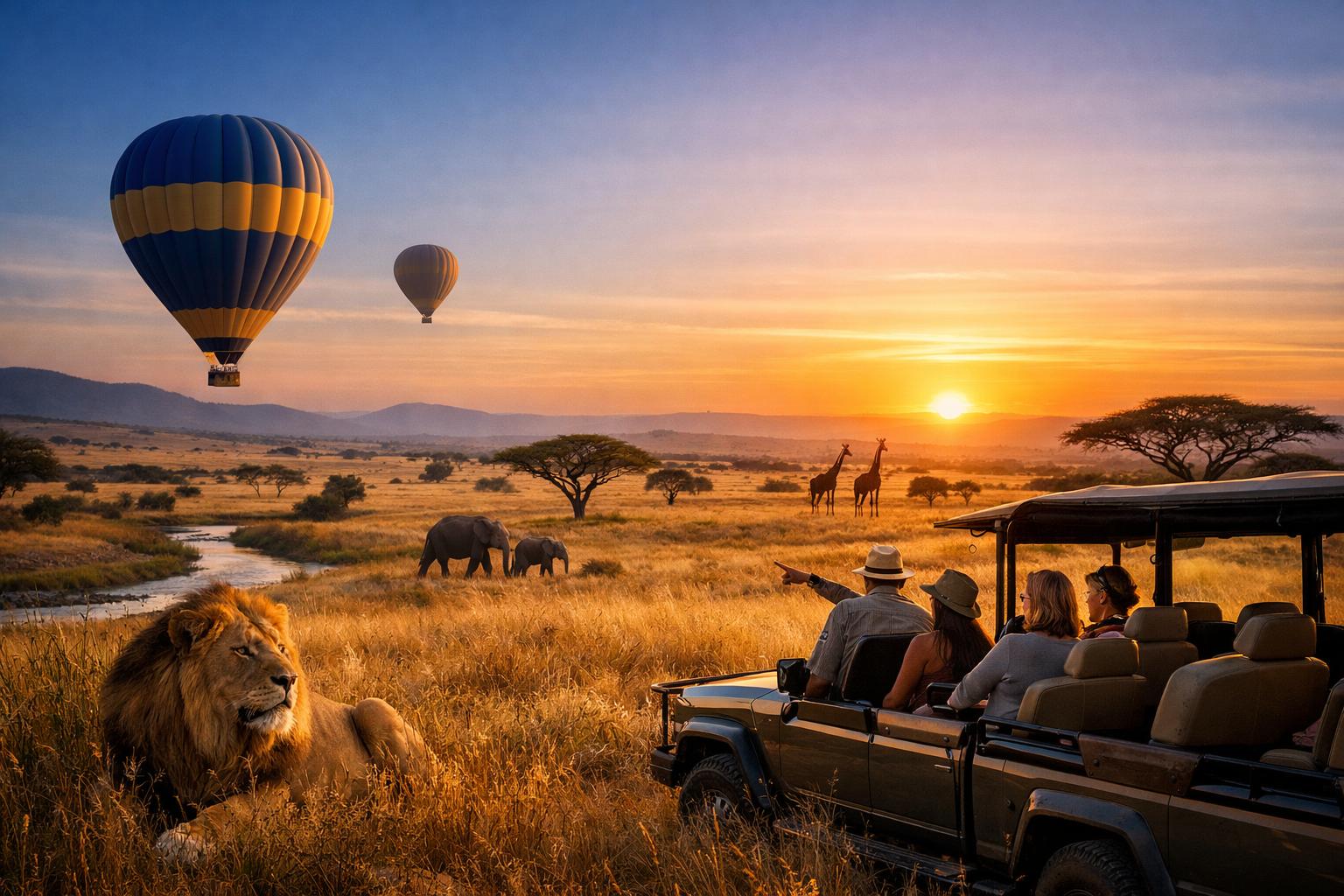
Kenya is one of Africa’s most celebrated safari destinations, offering extraordinary wildlife encounters, sweeping savannahs, dramatic mountains, rich cultural traditions and beautiful Indian Ocean beaches. From watching elephants walk beneath Mount Kilimanjaro in Amboseli to searching for lions across the golden plains of the Maasai Mara, a Kenyan safari offers experiences that are difficult to replicate anywhere else.
But what to expect on a Kenya safari or to be precise, what should you actually expect when you arrive? How do game drives work? Will you see the Big Five? What are safari lodges like? How much driving is involved, what should you pack, and which destinations are best for your travel dates and budget?
This comprehensive guide explains what a Kenya safari is really like, helping you prepare for your first adventure or plan a more rewarding return visit.
At Astute Africa Safaris, a locally based safari company in Nairobi, we believe the best safari starts with understanding the traveller. Whether you are planning a family holiday, honeymoon, photography expedition, luxury escape or affordable wildlife adventure, your itinerary should reflect your interests, available time and budget.
Quick answer: What can you expect from a Kenya safari?
A Kenya safari typically combines guided wildlife drives, early starts, scenic journeys, comfortable accommodation, locally prepared meals and opportunities to learn about Kenya’s wildlife, landscapes and communities.

Exceptional wildlife viewing
Expect opportunities to see lions, elephants, giraffes, zebras, buffalo, antelopes, hyenas and numerous bird species. Leopards, rhinos and other elusive animals require more luck and the right location.

Early-morning and afternoon game drives
Wildlife viewing often begins around sunrise and resumes later in the afternoon, when temperatures become more comfortable.

A choice of places to stay
Depending on your budget, you can choose simple camps, comfortable safari lodges, mid-range tented camps or high-end luxury properties.

Changing landscapes and memorable moments
Expect open grasslands, acacia-dotted plains, forests, lakes, volcanic scenery and, if your itinerary includes the coast, tropical beaches.
Wildlife sightings are never guaranteed, and every safari unfolds differently. The destination, season, guide, length of stay and time spent in the field all influence what you experience. Kenya’s official tourism resources highlight the variety of wildlife destinations available, from the Maasai Mara and Amboseli to Tsavo, Samburu and Nairobi National Park.
1. Expect incredible wildlife in its natural habitat

The wildlife is often the main reason travellers choose Kenya. Rather than seeing animals behind fences, you explore protected landscapes where wildlife moves, feeds, rests, hunts and interacts naturally.
Your guide will help you look beyond the obvious animals, explaining tracks, alarm calls, feeding behaviour, habitats and the relationships between different species.
The Big Five: What are your chances of seeing them?
The Big Five are the lion, leopard, African elephant, rhinoceros and African buffalo. The term has historical origins in hunting, but today it is widely used in wildlife tourism.

Lion
Lions may be seen resting in shade, walking across open grassland, interacting within a pride or hunting. Early mornings and late afternoons can be rewarding times to look for them.

Leopard
Leopards are elusive and often well camouflaged. Look for them resting on tree branches, moving through riverine vegetation or carrying prey. Sightings are never assured.

African elephant
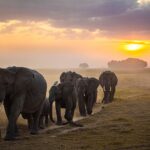
Amboseli is particularly well known for its elephants and views of Mount Kilimanjaro on clear days. Elephants can also be encountered in Tsavo, Samburu and other protected areas.

Rhinoceros
Rhino viewing depends strongly on the area visited. Lake Nakuru and selected conservancies and sanctuaries are useful places to consider when rhinos are a priority.

African buffalo
Buffalo are often encountered in herds grazing in open country or near water. They can be impressive to observe, but they remain powerful wild animals that require respectful distance.
Can you see all the Big Five on one safari?
Yes, it is possible, especially on a well-planned multi-day trip through suitable wildlife areas. However, there is no guarantee. Leopards and rhinos may be more difficult to find than elephants or buffalo, and sightings depend on conditions during your visit.
If seeing all five is important to you, tell your safari planner before booking so that the route, length of stay and choice of reserves can be designed accordingly.
Other animals you may encounter
Kenya is home to much more than the Big Five. Depending on the parks visited, expect opportunities to see:
-
Giraffes, zebras, wildebeest and a wide range of antelopes.
-
Cheetahs hunting or resting in open grassland.
-
Spotted hyenas, jackals and other carnivores.
-
Hippopotamuses in suitable rivers and water bodies.
-
Crocodiles in selected rivers and lakes.
-
Warthogs, baboons, monkeys and smaller mammals.
-
Ostriches, secretary birds, eagles, vultures, bee-eaters and many other birds.
Birdwatching can be rewarding throughout the year. If birds are a priority, allow extra time for slow drives, binocular use and visits to varied habitats.
Explore the related Astute Africa Safaris guide: Kenya Safaris, Parks and Reserves.
2. Expect the Great Wildebeest Migration — if you visit at the right time

The Great Wildebeest Migration is one of Africa’s most famous wildlife spectacles. Huge herds of wildebeest, accompanied by zebras and other grazing animals, move through the Serengeti–Mara ecosystem in search of fresh grazing and water.
Kenya’s Maasai Mara is an important part of this wider ecosystem, and the migration can provide dramatic wildlife viewing when herds enter or move through the reserve.
When should you visit the Maasai Mara for the migration?
The migration is a moving natural event, not a scheduled performance.
|
Approximate period |
What you may experience |
|---|---|
|
January–March |
Herds may be concentrated in the southern Serengeti; the Mara is not normally the principal migration destination during this period. |
|
April–June |
Herd movements vary, and some animals begin moving north as seasonal conditions change. |
|
July–October |
A popular period for migration-focused visits to the Maasai Mara, with the possibility of large herds and river crossings. |
|
November–December |
Some herds move south again, although timing and distribution vary with rainfall and grazing. |
These are general patterns, not fixed dates. Rainfall, grass availability and herd movements change from year to year.
Can you guarantee a Mara River crossing?
No. River crossings are unpredictable. Herds may gather at the river for hours or days before crossing, cross at another location or move away altogether.
Even during the peak migration period, a crossing cannot be guaranteed. A successful safari should offer excellent wildlife experiences beyond the crossing itself, including predators, resident herbivores, birds and the remarkable landscapes of the Mara.
For the best chance of a rewarding migration safari:
-
Allow several nights in the Maasai Mara rather than visiting for just one night.
-
Choose your dates based on current migration patterns and your flexibility.
-
Consider accommodation location, since driving time to wildlife areas can affect the experience.
-
Discuss reserve and conservancy options with your safari planner.
-
Avoid judging the trip solely by whether a river crossing happens.
Read more: Great Wildebeest Migration.
3. Expect early mornings, exciting game drives and time to relax

Game drives are at the heart of most Kenyan wildlife safaris. You travel with a driver-guide in a safari vehicle, exploring wildlife areas and stopping to observe animals, take photographs and learn about the environment.
Most classic safari itineraries include early-morning and afternoon drives, although the schedule varies according to the property, park rules, travel distances and your chosen activities.
What does a typical safari day look like?
5:30–6:30
Early wake-up and morning refreshments
Enjoy tea or coffee and a light bite before heading out. The exact wake-up time depends on sunrise and the day’s plans.
6:00–9:30
Morning game drive
Search for wildlife in the cool morning air. Your guide may follow tracks, visit water sources or spend time observing a particular animal.
9:00–12:00
Breakfast and relaxation
Depending on the itinerary, return to camp for breakfast or enjoy a permitted bush breakfast. Later, relax, read, swim where facilities are available or enjoy the camp.
12:00–15:30
Lunch and downtime
Many lodges schedule lunch and rest during the warmer part of the day. Some itineraries instead use this time for transfers or activities.
15:30–18:30
Afternoon game drive
Return to the wildlife areas to look for animals becoming active as the heat eases. Enjoy the changing light and photographic opportunities.
Evening
Dinner and stories around camp
Depending on the accommodation, you may enjoy a relaxed dinner, a campfire where provided, or a sundowner experience. Follow the property’s guidance when moving around after dark.
This is an illustrative schedule, not a guaranteed timetable. Park opening hours, gate locations, seasonal conditions and camp policies may change the day’s activities.
Will you spend the entire day in a safari vehicle?
Not necessarily. Many itineraries include a morning drive, a break at camp and an afternoon drive. A full-day drive with a picnic lunch may be possible where permitted and appropriate.
Long driving days can occur when travelling between parks, especially on road-based safaris. If you dislike long journeys, ask about domestic flights, fly-in safaris, fewer destinations or extra nights at each stop.
Are safari drives tiring?
They can be. Early starts, bumpy roads, dust and long periods sitting in a vehicle may feel tiring, especially for young children or travellers with back problems.
Choose a comfortable vehicle, bring water, take breaks where possible and avoid packing too many destinations into a short itinerary.
4. Expect different experiences in different Kenyan safari destinations

One of Kenya’s greatest strengths is the variety of landscapes and ecosystems. The right destination depends on the wildlife you hope to see, your travel dates, the length of your stay and whether you prefer classic game viewing, birdwatching, remote wilderness or a safari-and-beach holiday.

Maasai Mara National Reserve
Best for: classic wildlife safaris, big cats and migration-season trips
Expect open grasslands, abundant grazing animals, predators and outstanding wildlife photography opportunities. The wider Mara ecosystem includes community conservancies with different visitor arrangements and accommodation options.
Explore: 3-Day Masai Mara Safari from Nairobi.

Amboseli National Park
Best for: elephants, scenic photography and mountain views
Amboseli is known for large elephant herds and striking views towards Mount Kilimanjaro when the weather is clear. Expect open plains, marshes and seasonal variation in the landscape.

Lake Nakuru National Park
Best for: rhino viewing, birdlife and a Rift Valley safari circuit
The park offers woodland, lake scenery, birdlife and opportunities to look for rhinos. Flamingo numbers fluctuate with ecological conditions, so large pink concentrations should not be assumed on every visit.

Tsavo East and Tsavo West
Best for: expansive wilderness, elephants and coastal safari combinations
Tsavo’s vast landscapes can feel more remote and rugged. Tsavo West includes varied terrain and scenic features, while Tsavo East is renowned for its broad open spaces and red-dust elephants.

Samburu National Reserve
Best for: northern Kenya’s distinctive wildlife and landscapes
Look for species associated with the region, including Grevy’s zebra, reticulated giraffe and gerenuk. Samburu can be especially rewarding for repeat visitors seeking a different safari atmosphere.

Nairobi National Park
Best for: short stays, stopovers and day trips
Just outside the city centre, the park offers a remarkable chance to see wildlife with Nairobi’s skyline in the background. It is a useful option if you have limited time before or after an international flight.
Other destinations worth considering include the Laikipia Plateau, Ol Pejeta Conservancy, Aberdare National Park and Mount Kenya’s surrounding landscapes. Each offers a different mix of wildlife, activities, scenery and accommodation.
For a broader comparison of routes and parks, read Tourist Circuits in Kenya.
5. Expect accommodation ranging from comfortable camps to luxury lodges

Your accommodation is an important part of the safari, not simply somewhere to sleep between game drives. The right camp can provide comfort, excellent meals, beautiful views and a relaxing place to enjoy the African wilderness.
What types of accommodation are available?

Budget safari accommodation
A practical choice for travellers prioritising wildlife and value. Depending on the property, facilities may include simple rooms or tents, basic furnishings, shared or private bathrooms and communal dining.

Mid-range lodges and tented camps
Often a good balance between comfort and cost, with proper beds, private bathrooms, meals and communal areas. Facilities vary by property.

Luxury safari camps and lodges
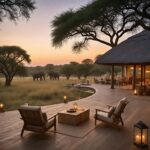
These may offer spacious suites, refined dining, private decks, plunge pools, personalised service and exclusive activities where permitted. Premium properties can also arrange private vehicles and tailored experiences.

Family-friendly accommodation
Look for family rooms, connecting accommodation, child-friendly menus, suitable swimming facilities and age-appropriate activities. Some properties have minimum age requirements for particular experiences.
What should you expect inside a safari tent?
The word tent can be misleading. A permanent luxury tented suite may have a proper bed, wooden floors, electricity, a private bathroom and a furnished veranda. A basic camping tent, however, may have much simpler facilities.
Before booking, confirm:
-
Whether the bathroom is private or shared.
-
Whether hot water and electricity are available throughout the day.
-
Whether the room has heating, cooling or mosquito protection.
-
Whether Wi-Fi and mobile phone reception are available.
-
Whether drinks, laundry, gratuities and optional activities cost extra.
-
Whether the property is inside the park, in a conservancy or outside the main reserve.
A useful tip: Compare the complete experience rather than choosing accommodation on its advertised star rating alone. A well-located mid-range camp can be a better fit for a wildlife-focused trip than a more expensive property that involves longer journeys to the areas you want to explore.
6. Expect delicious meals and a mix of international and Kenyan cuisine

Food is generally an enjoyable part of a safari. Many lodges serve a mix of international dishes and familiar favourites, often incorporating fresh vegetables, fruit, grains, meat and locally inspired recipes.
Depending on the accommodation and package, you may enjoy:
-
Breakfast before or after the morning game drive.
-
Packed lunches for full-day excursions.
-
Hot lunches at the lodge or camp.
-
Afternoon tea, coffee and snacks.
-
Multi-course dinners or buffet meals.
-
Vegetarian, vegan or other dietary options arranged in advance.
You may also have an opportunity to sample Kenyan dishes such as ugali, sukuma wiki, nyama choma, rice dishes and coastal specialities if your itinerary includes the coast.
Are meals included in a Kenya safari package?
Many safari lodges offer full-board or all-inclusive packages, but the exact arrangements differ. A quoted package might include accommodation, selected meals, game drives and transport while excluding drinks, premium beverages, laundry, optional activities or park-related charges.
Always ask for a written breakdown of inclusions and exclusions before paying a deposit.
If you have food allergies, religious dietary requirements or strict preferences, communicate them when requesting a quotation and reconfirm them before travel.
7. Expect dust, changing temperatures and varied weather

Kenya’s climate varies considerably between the coast, highlands, central regions and arid northern areas. A warm afternoon in the savannah can follow a chilly early-morning drive, and a rainy period can change the condition of dirt roads.
In many safari areas, expect a combination of sunshine, cool mornings, warm afternoons, dust and occasional rain. Mountainous and forested destinations can be considerably cooler.
When is the best time to go on safari in Kenya?
There is no single best month for every traveller. The right timing depends on your wildlife priorities, preferred weather, budget and tolerance for crowds.
|
Period |
What to expect |
|---|---|
|
January–March |
Often warm and relatively dry in many safari regions, with good wildlife viewing opportunities. Conditions vary by park. |
|
April–June |
The long-rains period generally affects many parts of Kenya. Landscapes become greener, rain is possible and some roads can become difficult. |
|
July–October |
A popular safari period, especially for migration-focused visits to the Maasai Mara. Demand and accommodation prices can be higher. |
|
November–December |
Short rains often occur during this period, although timing varies. Green scenery and rewarding wildlife viewing can still be possible. |
Kenya Wildlife Service describes the country’s varied park climates and notes that the rainy period can make some roads more challenging, while wildlife experiences remain possible throughout the year.
Is a Kenya safari worthwhile during the rainy season?
Yes. Rain does not necessarily mean continuous downpours or poor wildlife viewing.
Potential advantages include greener scenery, excellent photographic light, fewer visitors in some locations and, depending on the property and dates, more favourable accommodation rates.
Possible disadvantages include muddy roads, slower transfers, rain interruptions and tall grass that can make some animals harder to spot.
If travelling during the rainy season, ask your operator about vehicle suitability, road conditions, backup arrangements and whether your accommodation is accessible in wet weather.
Read: Best Time to Visit Africa.
8. Expect beautiful scenery and excellent photography opportunities

Kenya is a rewarding destination for photography enthusiasts, but the best pictures often come from patience rather than rushing between sightings.
You may photograph lions resting in golden grass, elephants against a mountain backdrop, giraffes walking between acacia trees, colourful birds beside lakes and dramatic cloud formations above the plains.
How can you get better safari photographs?
-
Carry a camera or smartphone with sufficient storage and battery life.
-
Consider binoculars and, for wildlife photography, a suitable telephoto lens.
-
Protect equipment against dust and occasional rain.
-
Keep a light jacket handy for cold early-morning drives.
-
Ask your guide to position the vehicle safely and consider the light.
-
Be patient rather than expecting every sighting to produce a perfect picture.
-
Respect other visitors and avoid pressuring guides to approach wildlife dangerously.
If photography is your main interest, consider a private safari vehicle. It can offer greater flexibility over how long you spend at a sighting, where you position yourself and when you take breaks, subject to park rules and wildlife safety.
Will you have an opportunity to take pictures outside the vehicle?
Sometimes, but only where it is safe and permitted. Most conventional game drives are conducted from a vehicle, and passengers should not get out unless their guide confirms that stopping and leaving the vehicle is permitted.
Guided walks, designated picnic areas and approved photographic locations may be available in selected destinations. Activities vary by park, conservancy and accommodation.
9. Expect opportunities to learn about Kenyan culture

A Kenya safari can be about more than wildlife. With thoughtful planning, you can learn about local history, traditional livelihoods, food, music, crafts and the relationship between communities and the landscapes around them.
Maasai cultural experiences are available in some areas of the Maasai Mara ecosystem and elsewhere. Depending on the community and activity, a visit may include explanations of local traditions, beadwork, dancing, homesteads or community-led tourism initiatives.
Other regions offer different cultural perspectives, including Samburu communities in northern Kenya and coastal Swahili heritage around Mombasa and other coastal towns.
How do you choose a responsible cultural visit?
Choose experiences where the community is involved in shaping the visit and receives a fair benefit. Ask whether photography is welcomed, whether there is an agreed fee, and what the visit actually includes.
Remember that communities are not tourist attractions; they are living societies with diverse experiences, priorities and changing traditions. Approach each encounter with curiosity and respect.
If conservation and community involvement are important to you, discuss those priorities when building your itinerary. Do not assume that every activity advertised as a cultural visit or conservation experience has the same standards.
10. Expect friendly hospitality, but understand the realities of safari travel

Many travellers remember their guides, camp staff and the small moments of hospitality as much as the wildlife itself.
A good guide does more than locate animals. They help you understand animal behaviour, identify birds, explain ecosystems, plan safe wildlife viewing and adapt the day’s activities to conditions.
Nevertheless, it is helpful to have realistic expectations.
You should expect:
-
Some early starts and time spent travelling between destinations.
-
Variable road conditions on certain routes.
-
Wildlife sightings that depend on nature rather than a fixed schedule.
-
Different levels of comfort depending on your chosen accommodation.
-
Changes to activities when weather, safety or park rules require them.
-
Different mobile signal and internet availability from one property to another.
A well-designed itinerary balances adventure and comfort. You do not have to visit every famous park to enjoy a memorable safari.
11. Is a Kenya safari safe?

A guided safari with a reputable operator and appropriate safety procedures can be a rewarding way to explore Kenya. However, no destination or outdoor activity is completely risk-free, and wild animals must always be treated with respect.
Wildlife safety
Follow your guide’s instructions at all times. Stay inside the vehicle during game drives unless your guide confirms that leaving is permitted. Never approach, feed or attempt to touch wild animals.
At camps and lodges, follow instructions for walking after dark. Some properties are unfenced or located in areas where wildlife moves freely, and staff may escort guests between buildings.
Personal security
Use reputable transport providers, keep valuables discreet and be alert in crowded urban areas. Arrange airport transfers in advance and avoid walking alone late at night in unfamiliar places.
Kenya’s National Tourism Service Portal recommends using reputable transport, following guides’ instructions, booking through credible providers and having travel insurance that covers medical evacuation when visiting remote destinations.
Health precautions
Before departure, consult a travel-health professional about vaccinations, malaria prevention, prescribed medication and any health precautions relevant to your itinerary.
Requirements can depend on your country of origin, recent travel history and destinations visited. Check current official entry and health guidance rather than assuming the same rules apply to everyone.
Bring personal medication, use insect repellent as appropriate, stay hydrated and follow food and water safety advice.
Travel insurance
Choose insurance that covers your planned activities, medical treatment and evacuation where necessary. Confirm any exclusions, especially if your trip includes remote safari areas, hiking or specialist adventure activities.
12. What should you pack for a Kenya safari?

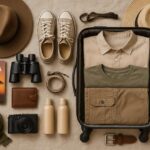
Packing well makes a real difference because safari days can start cold and become warm, dusty or rainy.
Use the following checklist as a starting point, adjusting it to your destinations, season and luggage allowance.
Safari packing checklist
0/21 packed
Clothing
Wildlife viewing
Health and personal care
Documents and practical essentials
Copy checklist
What should you avoid packing?
Avoid unnecessary heavy luggage, excessive valuables and camouflage clothing where local rules or guidance discourage it. Choose comfortable, practical clothing rather than relying on a completely new wardrobe.
If you are taking a small aircraft between safari destinations, confirm the baggage allowance and whether soft-sided luggage is required. Weight and size restrictions can be stricter than on international flights.
For more details, read the African Safari Packing List Guide.
13. How much does a Kenya safari cost?

The cost of a Kenya safari varies considerably. There is no single price that accurately describes every trip because accommodation, park fees, transport, season, group size and itinerary length can change the total.
What influences the price?
|
Cost factor |
How it affects your budget |
|---|---|
|
Accommodation |
Budget camps generally cost less than premium luxury lodges. |
|
Season |
Popular travel periods can have higher accommodation rates and less availability. |
|
Transport |
Private vehicles and domestic flights can increase costs but may improve comfort or save travel time. |
|
Group size |
Sharing vehicle and guide costs can reduce the per-person price on some itineraries. |
|
Park and conservancy fees |
Charges vary by destination, visitor category and applicable rules. |
|
Trip duration |
Longer trips usually cost more overall but allow more time for wildlife viewing. |
|
Optional activities |
Specialist experiences, private arrangements and certain excursions may cost extra. |
What is usually included in a safari package?
Depending on the quotation, a package may include accommodation, meals, a safari vehicle, a driver-guide, scheduled game drives, park entry charges, airport transfers and applicable taxes.
Items that may be excluded include international flights, visas or entry authorisations, travel insurance, drinks, tips, laundry, optional activities and personal purchases.
Always check the actual written quotation; do not assume all packages use the same inclusions.
Is a budget safari worth it?
Yes, if it matches your expectations. A budget safari can provide excellent wildlife viewing without the expense of luxury accommodation. The important questions are whether the accommodation is suitable, the transport arrangements are clear, the itinerary allows enough time in the parks and the operator explains all costs honestly.
Is a luxury safari worth the extra cost?
It can be, particularly if you value private guiding, premium accommodation, exceptional service, exclusive locations or fly-in travel. However, a luxury price does not guarantee better wildlife sightings, since wildlife remains unpredictable.
For a detailed breakdown, read How Much Does an Africa Safari Cost?.
14. How many days should you spend on a Kenya safari?

Your ideal safari length depends on how many destinations you want to visit and how much time you want to spend in the field.
-
One day: Suitable for Nairobi National Park or a day excursion, but not enough for a full multi-park safari.
-
Two to three days: A short introduction to a destination such as the Maasai Mara or Amboseli, depending on transport.
-
Four to six days: Allows more time for wildlife viewing and potentially two destinations without rushing too much.
-
Seven to ten days: A strong option for a multi-park circuit such as the Maasai Mara, Lake Nakuru and Amboseli, subject to route planning.
-
Ten to fourteen days or longer: Allows a more relaxed circuit, remote destinations, a fly-in safari or a wildlife-and-beach combination.
A longer trip is not automatically better if it involves too many long transfers. It is often more enjoyable to spend two or three nights in a destination than to change accommodation every day.
15. Sample Kenya safari itineraries: What could your trip look like?
The following examples illustrate how a safari can be structured. Actual travel times, accommodation, park fees, activities and availability must be confirmed for your travel dates.

Option 1: Three-day Maasai Mara safari
Best for first-time visitors and travellers with limited time
Day 1: Travel from Nairobi to the Maasai Mara, arrive at your accommodation and enjoy an afternoon game drive if timing permits.
Day 2: Enjoy morning and afternoon game drives, looking for big cats, elephants, grazing herds and birdlife.
Day 3: Take an early game drive if your schedule permits, then return to Nairobi.
What to expect: A concentrated wildlife experience with limited time for long wildlife searches. Road travel can take a substantial part of the first and last days.

Option 2: Five-day Kenya wildlife circuit
Best for varied scenery and multiple wildlife habitats
Day 1: Depart Nairobi and travel to the Maasai Mara.
Day 2: Enjoy game drives in the Mara.
Day 3: Travel towards the Lake Nakuru area, allowing time for the transfer and any scheduled activities.
Day 4: Continue towards Amboseli, with the day’s plan adapted to travel time and road conditions.
Day 5: Enjoy a morning wildlife drive before returning to Nairobi, if the schedule and road conditions allow.
What to expect: A varied route, but with some long transfers. For a more relaxed trip, consider adding nights rather than trying to fit every destination into five days.

Option 3: Four-day Amboseli safari
Best for elephant viewing and scenic photography
Day 1: Travel from Nairobi to Amboseli and settle into your lodge or camp.
Day 2: Enjoy morning and afternoon wildlife drives, with opportunities to observe elephants and other wildlife.
Day 3: Spend another day exploring the park, looking for wildlife and photographing the landscapes.
Day 4: Enjoy a final morning activity if time permits and return to Nairobi.
What to expect: A more focused safari with time to appreciate the area. Views of Mount Kilimanjaro depend on visibility and weather.

Option 4: Seven-day safari and beach holiday
Best for couples, families and travellers seeking both adventure and relaxation
Days 1–3: Explore a wildlife destination such as the Maasai Mara, with time for game drives and relaxing at camp.
Day 4: Travel to the coast by an appropriate flight or road connection.
Days 5–6: Enjoy the beach, coastal dining and optional excursions around Diani, Mombasa or another suitable coastal base.
Day 7: Transfer to the airport for departure, allowing sufficient time for your international flight.
What to expect: A combination of wildlife and seaside relaxation. The final route should be designed around flight schedules and the actual time available.
16. Can you combine a Kenya safari with Tanzania, Uganda, Rwanda or Zanzibar?
Yes. Kenya can form part of a multi-country East African holiday, provided the route, border arrangements, transport and time available are planned carefully.
-
Kenya and Tanzania: Combine destinations such as the Maasai Mara and Serengeti, or add Ngorongoro and other northern Tanzania attractions. Migration locations depend on the season.
-
Kenya and Uganda: Combine Kenya’s savannah wildlife with Uganda’s forests, primates and optional gorilla trekking, subject to permits and availability.
-
Kenya and Rwanda: Combine Kenyan wildlife viewing with Rwanda’s mountain gorilla experiences or other attractions, with permits and travel arrangements confirmed in advance.
-
Kenya and Zanzibar: Combine a mainland safari with an island stay for beaches, marine activities and Stone Town’s cultural heritage.
Cross-border travel may require additional flights, visas or entry authorisations, and different health requirements. Confirm current official requirements for every country on your itinerary.
For inspiration, see Kenya and Tanzania Safaris and Best Safari and Beach Combinations in Kenya.
17. What practical things should you know before arriving in Kenya?

A little preparation before departure can make your safari much smoother.
Do you need a visa to visit Kenya?
Entry requirements depend on your nationality, travel documents and circumstances. Many foreign visitors need an approved Electronic Travel Authorisation (eTA), while exemptions and special arrangements may apply to certain travellers.
Check the current requirements through the official Kenya Electronic Travel Authorisation website before travelling. Also check passport validity and any documents required for onward travel.
What currency is used in Kenya?
The Kenyan shilling (KES) is the local currency. International cards are accepted by many hotels and larger businesses, but acceptance varies, particularly in remote areas. Carry an appropriate payment method for small purchases, tips and places that may not accept cards.
Confirm which currency your safari quotation uses and whether bank transfers, card payments or other payment methods are accepted.
Will you have internet and mobile phone coverage?
Coverage varies. Nairobi and larger towns generally have more connectivity than remote wildlife areas. Some lodges offer Wi-Fi, while others have limited or intermittent service.
If you need reliable connectivity, ask your accommodation provider about coverage before booking. Consider an appropriate local SIM or eSIM if your device supports it.
How do you get around Kenya on safari?
Common options include:
-
Road transfers in a 4×4 safari vehicle or another suitable tour vehicle.
-
Domestic flights to selected safari airstrips.
-
Scheduled or private transfers between airports, hotels and camps.
-
A combination of road and air travel for longer itineraries.
Road safaris offer opportunities to see the countryside and can be economical, but some journeys are long. Fly-in safaris reduce road travel time but can cost more and have luggage restrictions.
Should you tip your safari guide?
Tipping practices vary by property, service and traveller preference. A tip is generally a way to recognise good service, rather than a substitute for an agreed salary or contractual payment.
Ask your operator for current, locally appropriate guidance on tipping drivers, guides and lodge staff. You can also check whether gratuities are included in an all-inclusive package.
18. How do you choose the right Kenya safari operator?
Your operator can have a significant influence on your experience, from the accuracy of the itinerary and quality of the guide to the clarity of the quotation and arrangements if plans change.
Before booking, consider the following:
-
Clear itinerary: Are destinations, transfers, game drives and overnight stops explained?
-
Transparent pricing: Are accommodation, transport, meals, park fees and exclusions itemised?
-
Suitable accommodation: Does the property match your budget, comfort expectations and location preferences?
-
Appropriate guiding: Are guiding arrangements and vehicle type clearly explained?
-
Reliable communication: Does the company answer questions directly and provide written confirmations?
-
Payment security: Are payment instructions clear, and can you verify the company and payment recipient?
-
Relevant documentation: Can the operator provide applicable registration, licensing and other credentials for verification?
-
Fair booking terms: Are deposit amounts, balance deadlines, cancellation conditions and amendment policies written down?
Astute Africa Safaris is based in Nairobi and focuses on personalised East African safari planning. Its approach is to tailor journeys to travellers’ interests, budgets, preferred accommodation and available time rather than assuming every visitor wants the same experience.
You can learn more on the About Astute Africa Safaris page or review the company’s Terms and Conditions before making a booking.
19. Frequently asked questions about what to expect on a Kenya safari
Is a Kenya safari good for first-time visitors to Africa?
Yes. Kenya offers established safari destinations, a variety of accommodation options and itineraries that can be adapted to different budgets and interests. A well-planned first safari should balance wildlife viewing, travel time, comfort and realistic expectations.
Will I definitely see lions on a Kenya safari?
Lions are found in several Kenyan wildlife areas, including the Maasai Mara and Amboseli, but sightings are never guaranteed. Spending sufficient time in suitable habitats with a knowledgeable guide can improve your opportunities.
Can I see the Big Five in three days?
It is possible to see all five during a short safari, but it is not something you should count on. Three days can provide a rewarding introduction to one destination; a longer itinerary offers more time to explore different habitats.
What time do game drives start?
Morning drives often start around sunrise, sometimes between 5:30 and 6:30 a.m. Afternoon drives commonly begin later in the day. Exact times depend on the season, location, park rules and accommodation.
Are Kenya safaris suitable for children?
Yes, many lodges and safari itineraries can accommodate families. Check minimum ages for game drives, guided walks and specialist activities, and choose manageable travel distances. Private vehicles may help families maintain a suitable pace.
Is a private safari better than a group safari?
A private safari offers greater control over your schedule, stops and pace. A shared group safari may be more affordable. The best choice depends on your budget, privacy preferences and travel style.
Are there toilets during game drives?
Toilet availability depends on the route, destination and type of drive. Lodges have their own facilities, and designated stops may be available where permitted. On a long drive, ask your guide about suitable stops before departure.
Will I have electricity to charge my devices?
Many lodges and camps provide charging facilities, but power availability varies. Some remote camps use solar systems or have restricted charging hours. Bring suitable charging equipment and a power bank where appropriate.
Can I go on a walking safari in Kenya?
Guided walks are available in selected areas, conservancies and properties, subject to local rules, safety conditions and minimum-age restrictions. They are not permitted everywhere, so confirm availability when planning.
Is a safari in Kenya dusty?
It can be, particularly during drier periods and on unpaved roads. A light scarf or buff, sunglasses and a way to protect camera equipment can be helpful.
Can I visit the Maasai Mara throughout the year?
The Maasai Mara can offer wildlife viewing year-round, although weather, wildlife distribution and road conditions change seasonally. If your main goal is the Great Wildebeest Migration, plan around its approximate seasonal pattern without expecting guaranteed river crossings.
Can I book a Kenya safari at the last minute?
Sometimes, depending on accommodation availability, transport, permits and the season. Booking early is sensible for popular travel periods and specialist experiences. Last-minute arrangements may limit your choice of camps and flights.
How far in advance should I book?
For peak-season trips, migration-focused safaris, family holidays and popular luxury camps, booking several months ahead is prudent. More lead time may be needed for complex multi-country journeys. Availability varies, so confirm your specific dates early.
Can I combine a Kenya safari with a beach holiday?
Yes. Many travellers combine wildlife viewing with Diani Beach, Mombasa, Watamu or another coastal destination. Choose transport and departure times carefully so that the beach portion does not become rushed.
20. Make your Kenya safari more rewarding with Astute Africa Safaris

A great Kenya safari is about more than ticking animals off a list. It is about choosing the right destinations, having time to appreciate wildlife, staying somewhere that suits your needs and travelling at a pace that makes the experience enjoyable.
Whether you dream of watching elephants against Mount Kilimanjaro, searching for big cats in the Maasai Mara, exploring the landscapes of Tsavo or combining wildlife with a relaxing beach holiday, your journey should be built around what matters most to you.
Astute Africa Safaris helps travellers plan personalised journeys across Kenya and other East African destinations, with options ranging from budget-conscious trips to luxury safaris.
Ready to plan your Kenya safari?
Tell us when you would like to travel, how many people are in your group, which wildlife experiences interest you and the accommodation level you prefer. These details help us create a practical itinerary and a quotation suited to your trip.
Start planning your Kenya safari
Share your travel plans with Astute Africa Safaris to explore a safari designed around your interests, time and budget.
WhatsApp: +254 762 663 272
Email: info@astuteafricasafaris.com
Explore Kenya safari packages Review booking terms
Leave a comment:
You must be logged in to post a comment.
Comment 01
Astute Africa Safaris,
05 May, 2026REF: Crafting Your Bespoke African Safari Experience with Astute Africa Safaris
Jambo,
Thank you for your interest in exploring the wonders of Africa with Astute Africa Safaris. We pride ourselves on creating immersive, tailor-made journeys that align perfectly with your personal interests, pace, and travel aspirations.
Because every safari is a unique narrative, we do not believe in “one-size-fits-all” pricing. To ensure we provide you with an accurate and competitive quotation that reflects the specific lodges, wildlife experiences, and logistical arrangements you desire, we invite you to connect with our team for a personalized consultation.
Please contact us at info@astuteafricasafaris.com, Whatsapp +254762663272 or fill the inquiry form with a few details regarding your preferred travel dates, group size, and specific interests (e.g., photography, luxury relaxation, or adventure trekking). Once we have these details, we will curate a comprehensive proposal designed specifically for you.
We look forward to the possibility of helping you plan an unforgettable journey.
Warm regards,
Team Astute Africa Safaris