

- 238 Views
- 25 Min Read
- (0) Comment
An African safari is often remembered for a lion resting beneath an acacia tree, elephants crossing an open plain, a leopard moving silently through the grass or a mountain gorilla emerging from a mist-covered forest. Yet behind these extraordinary encounters lies a much wider story about livelihoods, cultural heritage, economic development and environmental protection.
The impact of safari tourism in Africa extends far beyond the wildlife that attracts visitors. A single journey can connect travellers with locally owned tour operators, professional guides, accommodation providers, farmers, craftspeople, transport companies, conservation organisations and communities living alongside protected areas.
When responsibly managed, wildlife tourism can create employment, support local businesses, contribute to conservation and give communities additional economic reasons to protect wildlife habitats.
However, these benefits are not automatic. Some businesses are locally owned, while others rely on external investment. Some communities receive employment or income from conservancies, while others continue to experience crop damage, livestock losses and restrictions on land use without receiving equivalent benefits.
This raises an important question: Who benefits from safari tourism, how are those benefits distributed, and what can travellers do to make their spending more beneficial to the places they visit?
This guide explores the economic, social, cultural and environmental effects of safari tourism, with examples from Kenya, Tanzania, Uganda and Rwanda. It also explains the challenges, examines how tourism spending moves through the local economy and offers practical advice for choosing a responsible safari.
1. The economic importance of safari tourism in Africa
Safari tourism connects natural landscapes with a network of businesses, workers and public institutions. Its economic contribution includes much more than the cost of accommodation or a national park entrance ticket.
Visitors may pay for international and domestic flights, transfers, guided game drives, meals, park fees, trekking permits, cultural experiences and beach extensions. Each purchase can support different parts of the economy, depending on business ownership, local procurement and how payments are distributed.

Safari hospitality workers welcoming guests at an African lodge, representing employment and local economic opportunities.
Employment and skills development
Safari tourism creates direct and indirect employment in numerous occupations.
Direct employment may include:
-
Safari guides and driver-guides.
-
Tour consultants and itinerary planners.
-
Lodge managers, receptionists and reservations staff.
-
Chefs, kitchen assistants, housekeepers and laundry teams.
-
Vehicle mechanics, pilots and transfer drivers.
-
Boat operators and other activity specialists.
-
Rangers and conservation personnel employed by relevant organisations.
Indirect employment extends to farmers supplying fresh produce, craft producers, builders, laundry providers, fuel suppliers, mechanics and businesses maintaining tourism facilities.
For young people, tourism can provide opportunities to develop communication, hospitality, guiding, wildlife interpretation, business management and foreign-language skills.
Nevertheless, the quality of employment matters. Seasonal work with limited pay and progression is not equivalent to stable employment offering fair wages, training and appropriate working conditions.
The most meaningful economic contribution occurs when tourism supports decent work, professional development and opportunities for people from the destinations being visited.
Supporting local businesses and suppliers
Hotels, lodges and safari operators need regular supplies and services to operate. Purchasing these locally, where quality, availability and safety standards allow, can spread tourism income beyond the main accommodation business.
Potential beneficiaries include farmers, agricultural cooperatives, food processors, transport companies, carpenters, artists, craftspeople and community-based activity providers.
Consider a safari camp that purchases vegetables from nearby farmers rather than sourcing every product from a distant distributor. This purchase can generate farm income, support agricultural workers and create demand for transport and storage.
The wider benefit depends on whether the business can purchase locally, whether suppliers can meet its requirements and whether commercial relationships are reliable and fairly priced.
Local procurement is therefore one practical way tourism businesses can increase the economic value retained in a destination.
Government revenue and protected-area funding
Depending on the country and applicable regulations, tourism-related payments may include taxes, park entry fees, concession fees, activity charges and licence fees.
Some revenue can support protected-area management, wildlife monitoring, infrastructure and visitor facilities. Tax revenue may also contribute to broader public expenditure.
However, these payment categories must be distinguished. Money paid to a national park authority should not automatically be described as money distributed directly to neighbouring communities.
Travellers should distinguish between government revenue, conservation funding, community benefit-sharing and donations to specific projects. Each can have value, but they are not interchangeable.
Foreign exchange and investment
International visitors bring spending into African destinations through accommodation, transport, activities and related services. This can support foreign-exchange earnings and encourage investment in hospitality, aviation, road transport, communications and workforce training.
Tourism can also provide commercial opportunities in areas with relatively few large employers.
However, the local value of investment depends on ownership, imported supplies, employment practices and how much revenue remains within the destination.
How safari spending moves through the economy
A simplified safari expenditure chain looks like this:
International traveller → safari operator → accommodation and transport → local employees and suppliers → businesses and households → applicable taxes, park fees and conservation payments.
This is an illustrative model, not a universal formula. Some spending goes to airlines, overseas booking intermediaries or externally owned businesses. Other payments may reach local suppliers, conservancies, protected-area authorities and community enterprises.
The goal is to understand how the structure of a trip influences its economic impact rather than assume every safari benefits every participant equally.
2. How safari tourism supports local communities
Communities living near wildlife habitats experience both the opportunities and the costs of conservation. Wildlife can attract visitors and create business opportunities, but it may also damage crops, threaten livestock and limit certain land-use options.
Tourism can help address this imbalance when local people have meaningful opportunities to participate in, influence and benefit from the industry.

A respectful cultural tourism encounter in Kenya, showing the importance of community participation in safari experiences.
Community-owned tourism enterprises
Community-based tourism enables local residents or their representative organisations to participate directly in tourism activities.
Depending on the destination, this may involve community-run accommodation, cultural visits, authorised guided nature walks, craft enterprises, locally organised excursions or partnerships with established safari operators.
Community participation can help residents develop commercial skills, influence how their heritage is presented and earn income from activities connected with their landscapes and traditions.
However, an experience should not be described as community-owned simply because it takes place in a village. Ownership, decision-making authority, payment arrangements and the role of local participants all matter.
Land leases and community conservancies
In some wildlife landscapes, landowners participate in conservation and tourism through private or community conservancies. Tourism operators may pay for accommodation concessions, access arrangements or land leases, subject to the specific agreement.
These arrangements can provide income to participating landowners and help finance conservancy operations. Depending on the model, revenue may also support ranger employment, habitat management, education and community projects.
Kenya offers examples of this approach in parts of the Maasai Mara ecosystem and northern Kenya.
The benefits are not uniform. They depend on the agreement, governance, tourism demand, land ownership and how funds are managed.
Education and skills development
Tourism businesses can support learning through training, apprenticeships, internships and partnerships with educational organisations.
Relevant skills include hospitality management, guiding, first aid, languages, wildlife interpretation, food preparation, business administration and digital marketing.
Tourism-related community projects may also support schools or training facilities, although individual contributions should be described only when an actual programme or partnership can be verified.
Community development and diversified livelihoods
Revenue from tourism may help communities invest in water infrastructure, health facilities, schools, local roads, farming, beekeeping and other livelihood activities.
Diversification is especially important where household income depends heavily on rainfall, livestock or seasonal agriculture.
Tourism is not a guaranteed solution to poverty. Visitor numbers fluctuate, jobs can be seasonal and community projects require transparent management. Nevertheless, tourism can create additional income opportunities when combined with other economic activities.
3. How safari tourism benefits Kenya, Tanzania, Uganda and Rwanda
East Africa demonstrates that there is no single model for safari tourism. Each country has different protected-area systems, community partnerships and tourism products. Arrangements also differ within individual countries.

East African safari landscapes in Uganda and Rwanda, illustrating different wildlife tourism environments.
Kenya: conservancies, wildlife tourism and landowner participation
Kenya combines national parks and reserves with private and community conservancies, creating several ways for wildlife tourism to contribute to the economy.
The Maasai Mara region illustrates the relationship between wildlife viewing, accommodation, guiding, conservancy arrangements and local enterprise. Other landscapes, including Amboseli, Samburu and parts of northern Kenya, demonstrate different relationships between wildlife conservation, pastoral livelihoods and tourism.
Where agreements are in place, conservancy tourism can generate employment, land-lease payments and revenue for wildlife management or community projects. Local businesses may also benefit from supplying food, crafts, transport and other services.
A central question is whether people living alongside wildlife receive sufficient and fairly distributed benefits to balance the costs they may experience, including crop damage, livestock losses and land-use restrictions.
For travellers, choosing a safari that explains its conservancy arrangements and local partnerships can help make these relationships more transparent.
Explore Astute’s Kenya safari experiences and itineraries to understand the range of wildlife destinations available.
Tanzania: protected areas, tourism enterprises and neighbouring communities
Tanzania’s major safari landscapes include the Serengeti, Ngorongoro and other protected areas that attract visitors for wildlife viewing, photography and nature-based travel.
Tourism supports guides, drivers, accommodation workers, transport businesses, food suppliers and other occupations. Fees and tourism-related revenue can contribute to protected-area management under the applicable arrangements.
Communities living near wildlife areas may participate through local enterprises, employment, cultural experiences and designated community or conservation programmes.
However, protected-area tourism and community-based tourism are not the same thing. Revenue collected by a protected-area authority does not necessarily reach neighbouring households directly, and the presence of a tourism business does not guarantee broad community participation.
Travellers combining the Serengeti with cultural experiences or a Zanzibar beach holiday should also recognise that different parts of their itinerary may involve different businesses, communities and economic relationships.
Read Astute’s African safari planning guide for help comparing destinations, costs and itinerary options.
Uganda: gorilla and chimpanzee tourism, guiding and community conservation
Uganda’s wildlife tourism includes mountain gorilla trekking in Bwindi Impenetrable National Park and Mgahinga Gorilla National Park, chimpanzee experiences in suitable locations, and game drives and boat-based wildlife viewing in destinations such as Queen Elizabeth National Park.
These activities support guides, trackers, accommodation teams, transport providers, park personnel and local suppliers.
Uganda has also operated community revenue-sharing arrangements through which a portion of protected-area revenue is directed towards neighbouring communities. The precise rules and allocations should be checked against current Uganda Wildlife Authority guidance before publishing specific percentages.
The underlying principle is important: conservation-related tourism revenue can be channelled towards community projects and livelihoods rather than remaining solely within the tourism business.
Nevertheless, the effects depend on visitor numbers, project selection, governance and the needs of communities living closest to protected areas.
Rwanda: gorilla tourism, protected landscapes and community benefit-sharing
Rwanda has developed internationally recognised wildlife tourism around Volcanoes National Park, while Akagera National Park and Nyungwe National Park offer other important nature-based experiences.
Mountain gorilla trekking supports accommodation, transport, guiding and related services. Wildlife tourism can also create incentives to protect habitats and maintain the natural assets on which future visits depend.
Rwanda has used tourism revenue-sharing arrangements to support communities around national parks. The current programme rules, allocations and implementation should be verified against official guidance because arrangements can change over time.
Rwanda’s experience also highlights the importance of managing tourism carefully in sensitive habitats. Wildlife encounters need to follow conservation rules, visitor limits and appropriate conduct requirements.
What these four countries have in common
Across Kenya, Tanzania, Uganda and Rwanda, wildlife tourism can support employment, local businesses, conservation management and community projects.
What differs is how those benefits are generated and distributed. Park fees, concession payments, community conservancy agreements, tourism enterprises and government revenue-sharing schemes have different purposes and beneficiaries.
It would therefore be misleading to rank these countries by claiming one automatically delivers the greatest community benefit. A fair comparison requires evidence about the specific programme, destination, ownership structure and distribution of income.
4. How tourism can help protect African wildlife
Wildlife is central to the appeal of an African safari. Elephants, lions, rhinos, giraffes, mountain gorillas, chimpanzees and countless bird species attract visitors from around the world.
Tourism can create economic reasons to maintain the landscapes and wildlife that support this demand. But the relationship between tourism and conservation depends on how the industry is organised.

Wildlife conservation work in an African protected area, illustrating the people and activities involved in protecting natural habitats.
Financing protected-area management
Park fees, concessions, tourism partnerships and other authorised revenue sources can contribute to the cost of managing protected areas.
These costs may include ranger operations, habitat management, monitoring, visitor facilities, research and enforcement against illegal activities.
Tourism revenue is one possible funding source. The amount available depends on the applicable financial arrangements and visitor demand.
Creating incentives to retain wildlife habitats
When landowners or communities receive tangible benefits from wildlife tourism, retaining natural habitat may become a more attractive economic option.
In suitable settings, conservancies and other community-based approaches can support wildlife corridors, habitat connectivity and coordinated land management.
Such outcomes are not guaranteed. They depend on effective governance, viable tourism enterprises, appropriate land-use planning and the ability of wildlife and people to coexist.
Supporting conservation employment and knowledge
Tourism can support conservation-related jobs and help fund activities involving wildlife monitoring, research, interpretation and habitat protection.
Visitors may also learn about endangered species and the challenges facing ecosystems through well-designed educational experiences.
This educational role matters because informed travellers may become more supportive of conservation initiatives beyond their holiday.
The limits of tourism as a conservation solution
Tourism alone cannot eliminate poaching, habitat loss, climate pressures or human-wildlife conflict. Protected areas also need effective management, law enforcement, scientific monitoring, community cooperation and appropriate public policy.
Wildlife tourism can itself create pressure when visitor numbers are poorly managed or animals are repeatedly disturbed.
The most credible approach is to recognise tourism as one potential contributor to a wider conservation system, not a complete solution to every environmental challenge.
5. The social and environmental challenges of safari tourism
A balanced understanding of safari tourism must include its disadvantages as well as its benefits.

Rural livelihoods near an African wildlife landscape, illustrating the need to balance conservation and community priorities.
Unequal distribution of income
Tourism income can be concentrated among a limited number of businesses, investors or households. Communities may experience wildlife-related costs without receiving equivalent economic benefits.
Transparent agreements, fair employment practices, local procurement and meaningful community participation can help address these inequalities.
Seasonal and insecure employment
Visitor demand changes with seasons, wildlife movements, economic conditions and international travel patterns.
Workers may experience reduced hours or job losses when bookings decline. Tourism-dependent communities can also be vulnerable to disruptions such as pandemics, transport interruptions and economic downturns.
Developing other income sources and transferable skills can help reduce this vulnerability.
Pressure on water, energy and waste systems
Lodges, camps and visitor facilities consume water and energy and generate wastewater and solid waste. In dry environments or areas with limited infrastructure, poorly managed tourism can increase pressure on local resources.
Responsible operators should manage water use, waste disposal, energy consumption and sewage appropriately for their location.
Travellers can help by avoiding unnecessary waste and asking sensible questions about environmental management without assuming that a luxury property is automatically sustainable.
Human-wildlife conflict
Elephants may damage crops, predators may threaten livestock and wildlife can pose safety risks to people living near protected areas.
Tourism-related employment and revenue-sharing may help create incentives for coexistence, but they do not automatically compensate every household for every loss.
Long-term solutions can require appropriate land-use planning, community consultation, practical prevention measures and fair compensation or support mechanisms where these exist.
Cultural exploitation and intrusive photography
Cultural tourism can create income and support heritage preservation, but it can also become exploitative when communities have little control over how their traditions are represented.
Visitors should respect photography restrictions, ask permission before taking identifiable photographs and avoid treating people as attractions without agency or consent.
Fair payment, community leadership and accurate cultural interpretation are essential.
Congestion and disturbance
Crowding at popular wildlife sightings can reduce visitor satisfaction and create pressure on animals, habitats and roads.
Following park rules, respecting viewing distances, keeping noise down and avoiding attempts to force an animal encounter are practical ways travellers can reduce their impact.
Restrictions on access and land use
Conservation arrangements can influence how land is used and how people access natural resources. The consequences vary by location and governance model.
Conservation planning is more likely to be equitable when affected communities are consulted, rights are respected and the distribution of costs and benefits is considered openly.
6. Cultural heritage and community-led tourism
Africa’s tourism appeal is not limited to wildlife. The continent’s cultural diversity, history, food, art, music, architecture and living traditions are also important parts of the visitor experience.
Responsibly organised cultural tourism can create opportunities for community guides, artists, craftspeople, performers, cooks, storytellers and cultural educators.

Traditional Maasai beadwork in Kenya, illustrating cultural heritage and opportunities for local artisans.
In Kenya, travellers may encounter Maasai and Samburu cultural experiences. In Tanzania, Maasai communities and other cultural groups may participate in locally organised visitor activities. Uganda and Rwanda also offer cultural and community experiences connected with local histories, crafts, food and everyday life.
The quality of these experiences depends on who organises them, who benefits financially and whether participants have control over what is shared.
Communities are not static representations of the past. Their members live contemporary lives, adapt traditions and make their own decisions about which aspects of their heritage they wish to share.
Responsible cultural tourism should:
-
Involve local people in planning and delivering experiences.
-
Pay guides, craftspeople and performers fairly.
-
Respect cultural protocols and photography restrictions.
-
Present traditions accurately and in their proper context.
-
Avoid pressuring people to perform or disclose private practices.
-
Support locally determined priorities for cultural preservation.
For a deeper look at cultural experiences in Kenya, read Astute Africa Safaris’ Cultural Immersion: Experiencing Maasai Traditions. The article explores Maasai heritage, cultural encounters and the relationship between traditions and conservation.
7. How much of your safari spending benefits local communities?
One of the most important questions for responsible travellers is also one of the most difficult to answer precisely: how much of the total safari price remains in the destination and reaches local people?
There is no universal percentage that applies to every African safari. The answer depends on the itinerary, business ownership, contracts, taxation, commissions, imported supplies and the way conservation or community payments are structured.
| Safari expense | Potential economic contribution |
|---|---|
| Accommodation | Wages, local procurement, property operations and applicable taxes |
| Park and conservation fees | Protected-area management and other uses determined by the relevant authority |
| Safari vehicle and fuel | Driver income, maintenance, fuel suppliers and transport services |
| Professional guiding | Employment, skills and specialist knowledge |
| Meals and refreshments | Hospitality workers and food suppliers |
| Domestic flights | Aviation workers and relevant transport businesses |
| Cultural excursions | Guides, artists, craftspeople and participating community enterprises |
| Conservancy or concession payments | Land leases, conservation operations or community benefits where specified by the agreement |
| Tour operator services | Itinerary planning, reservations, customer support and operational coordination |
These categories may overlap, and the final distribution differs between itineraries.
A locally owned operator may retain more business income within the destination than an arrangement involving multiple external intermediaries. However, local ownership alone does not prove that every supplier is local or that every employee benefits fairly.
Similarly, a high safari price does not automatically mean greater community benefit. It may reflect premium accommodation, small guest numbers, specialist services, remote logistics or other costs.
Questions to ask before booking
Before choosing a safari, consider asking the operator:
-
Which accommodation providers, guides and transport businesses will deliver the trip?
-
Does the company employ and train people from the destinations visited?
-
Does it purchase goods and services from local businesses where practical?
-
Are cultural experiences organised with the participation and consent of the people involved?
-
Does the itinerary include community conservancies or locally operated experiences, and what are the arrangements?
-
Can the company explain any conservation partnerships or community contributions it claims to support?
-
What is included in the quoted price, and which payments go to park authorities or other providers?
A credible operator should answer these questions clearly and distinguish verifiable arrangements from general claims about responsible tourism.
8. How travellers can choose a more responsible safari
Responsible travel does not require every traveller to choose the most expensive lodge or visit a community project every day. It means making informed choices that respect wildlife, people and the destination.

A professional safari guide helping travellers understand wildlife and conservation in an African national park.
Choose transparent safari operators
Look for operators that explain their itineraries, inclusions, accommodation arrangements, local partnerships and applicable fees.
Check relevant registration or licensing requirements, read independent reviews critically and seek specific evidence for conservation or community-benefit claims.
Avoid relying on vague phrases such as “eco-friendly,” “ethical” or “community-supported” without asking what they mean in practice.
Respect wildlife and conservation rules
Choose activities that follow applicable wildlife regulations and avoid unnecessary disturbance.
Maintain appropriate distances, follow your guide’s instructions, never encourage dangerous animal interactions and avoid experiences involving inappropriate handling of wild animals.
For gorilla and chimpanzee trekking, follow official permit conditions, health requirements, group limits and wildlife-viewing rules.
Support legitimate local businesses
Where appropriate, purchase crafts directly from their makers, use locally operated experiences and consider restaurants or services that contribute to the local economy.
Pay agreed prices fairly, ask before photographing people and avoid purchasing products made from protected wildlife or other prohibited materials.
Consider the wider itinerary
A well-planned safari can connect wildlife viewing with cultural experiences, nature walks where permitted, local food, community enterprises and beach destinations.
For example:
-
A Kenya itinerary could combine wildlife viewing with a properly organised cultural visit.
-
A Tanzania holiday could include a safari and a Zanzibar beach extension.
-
Uganda and Rwanda itineraries may combine wildlife viewing or primate trekking with suitable cultural and community experiences.
The important factor is not how many activities are labelled responsible, but whether they are well managed and provide genuine value to the people and places involved.
Do not equate luxury with responsibility
Luxury lodges may offer excellent service, employment and conservation partnerships, but the category alone does not guarantee good environmental or social practices.
Mid-budget and smaller locally operated businesses may also contribute meaningfully when their arrangements are well managed.
The best choice depends on evidence, suitability, transparent operations and the traveller’s priorities.
For help choosing destinations, seasons, accommodation and practical arrangements, read How to Plan an African Safari.
9. Can a safari be both economically valuable and environmentally responsible?
Yes, but responsible outcomes require deliberate planning and ongoing accountability.
A tourism business needs to be commercially viable to maintain services, pay workers, meet operating costs and continue providing visitor experiences. At the same time, its operations need to respect environmental requirements, wildlife regulations and the rights and interests of local communities.
Several principles can help bring these goals together.
Meaningful local participation: People affected by tourism should have realistic opportunities to influence decisions and access employment or business opportunities.
Transparent financial arrangements: Operators and relevant organisations should explain what their community and conservation commitments involve and avoid exaggerated claims.
Environmental management: Accommodation and activity providers should manage water, energy, waste and wildlife interactions responsibly.
Fair employment: Safe working conditions, appropriate pay, training and opportunities for progression help turn tourism revenue into more durable livelihood benefits.
Long-term planning: Tourism should complement other local economic activities rather than leave communities excessively dependent on unpredictable visitor demand.
Evidence and accountability: Conservation and community-benefit claims should be supported by credible information that can be checked.
When these principles are applied, tourism has a stronger chance of creating lasting value for visitors, businesses, communities and wildlife.
10. Frequently asked questions about the impact of safari tourism in Africa
How does safari tourism benefit African countries?
Safari tourism can generate foreign-exchange earnings, employment, investment, tax revenue and payments associated with protected areas. It can also support local suppliers and conservation activities. The scale of these benefits depends on visitor spending, business ownership, government arrangements and how revenue is distributed.
How does wildlife tourism support local communities?
Wildlife tourism can create jobs, support local businesses, provide income through conservancy or land-lease agreements and contribute to community projects where benefit-sharing arrangements exist. However, not all communities receive the same benefits, and some continue to bear significant wildlife-related costs.
Does safari tourism help protect wildlife?
It can contribute to conservation by helping fund protected-area management, supporting conservation employment and creating economic incentives to retain wildlife habitats. Tourism alone cannot guarantee wildlife recovery or eliminate poaching, habitat loss and human-wildlife conflict.
How do national parks generate tourism revenue?
Depending on the country and applicable regulations, national parks and other protected areas may collect entry fees, activity fees, permits, concession payments and other authorised charges. The use of these funds varies according to the relevant financial and management arrangements.
What is community-based tourism in Africa?
Community-based tourism involves local residents or their representative organisations in the ownership, management, delivery or governance of tourism activities. It may include accommodation, cultural experiences, guided activities and locally operated enterprises. The degree of community control and financial benefit varies by project.
What are the disadvantages of safari tourism?
Potential disadvantages include unequal income distribution, seasonal employment, pressure on water and waste systems, wildlife disturbance, cultural exploitation, congestion, land-use conflicts and dependence on international visitor demand. Good planning and accountability can reduce some of these risks.
How can travellers choose a responsible safari operator?
Ask for clear information about accommodation, guiding, local employment, suppliers, applicable park fees and any claimed conservation or community partnerships. Check relevant credentials and reviews, respect wildlife rules and avoid relying solely on marketing labels.
Does safari tourism create jobs for local people?
Yes. It can create jobs in guiding, hospitality, transport, food services, maintenance, cultural tourism and related businesses. The number, quality and stability of these jobs vary by destination and operator.
How can tourists support local businesses during an African safari?
Travellers can use locally operated services where suitable, buy authentic crafts from their makers, participate in properly organised cultural experiences and ask operators about local procurement. Respectful behaviour and fair payment are important parts of these choices.
Is community-based tourism available in Kenya, Tanzania, Uganda and Rwanda?
All four countries have community-related tourism opportunities, but the arrangements differ by destination. Travellers should verify who operates an experience, how local people participate and what the financial or conservation benefits actually are before booking.
Does a more expensive safari provide greater benefits to communities?
Not necessarily. Higher prices may reflect accommodation standards, logistics, exclusivity or other costs. Community benefits depend on ownership, employment, procurement, contracts and revenue-sharing arrangements rather than price alone.
Can tourism revenue compensate communities for living alongside wildlife?
In some locations, revenue-sharing programmes, land leases or other arrangements provide financial support or fund community projects. These mechanisms do not necessarily compensate every household for every wildlife-related loss. Their effectiveness depends on programme design, governance, funding and local circumstances.
Conclusion: Making every safari more meaningful

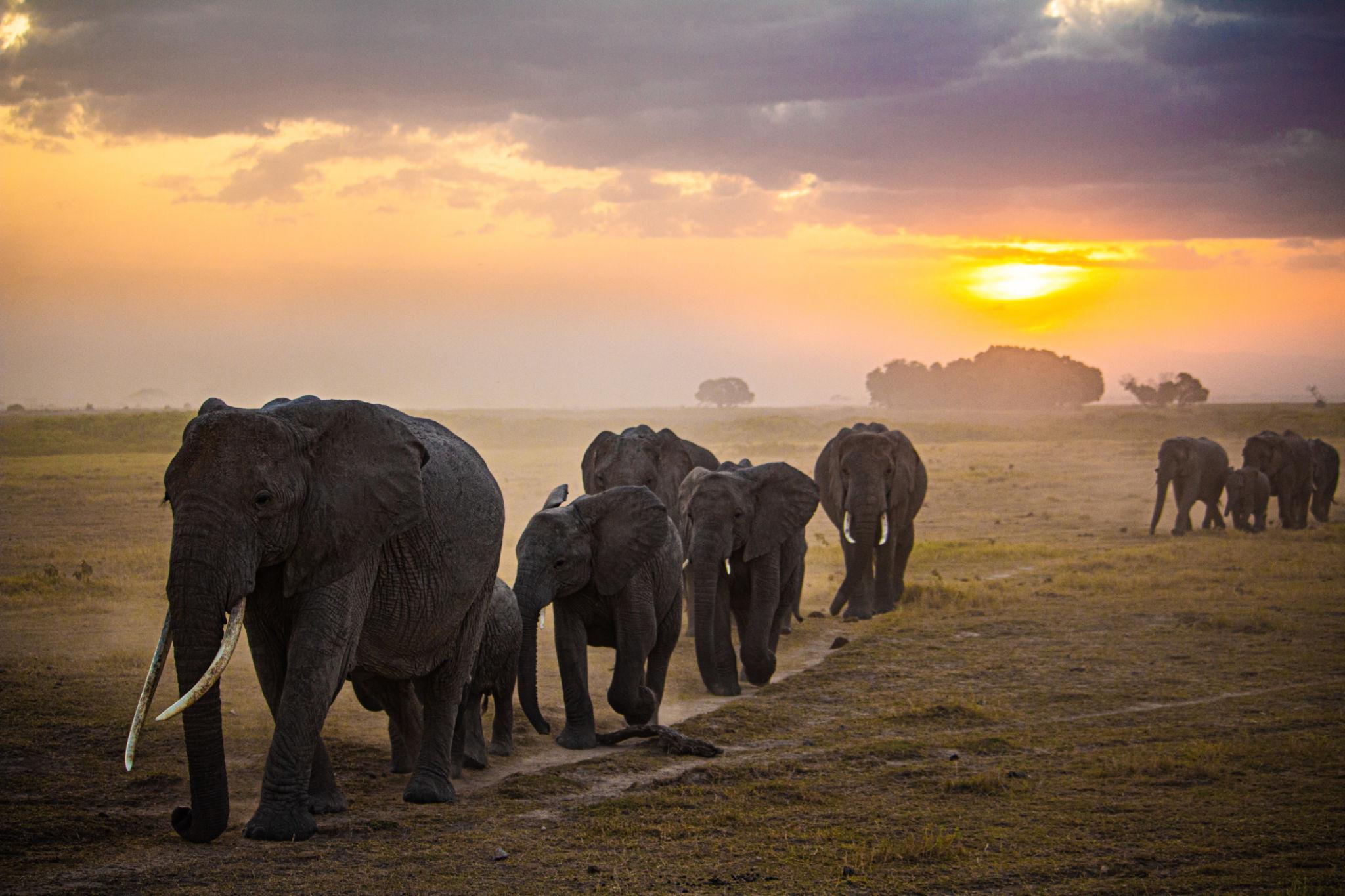
Travellers observing elephants at sunset on an African safari, reflecting the connection between wildlife experiences, conservation and local livelihoods.
The real impact of safari tourism in Africa cannot be measured only by visitor numbers, lodge occupancy or the price of a holiday. It also depends on whether tourism creates decent livelihoods, supports local enterprises, contributes to conservation and respects the people whose homes and landscapes make these experiences possible.
Kenya, Tanzania, Uganda and Rwanda demonstrate different ways tourism can connect wildlife protection with employment, community participation and economic opportunity. Their experiences also show why transparency and accountability matter: benefits vary, challenges remain and no single tourism model guarantees positive outcomes.
For travellers, the most useful step is to ask better questions. Who operates the experience? Who provides the services? How are local people involved? What conservation or community arrangements can be verified? How can the trip respect wildlife, cultural heritage and local resources?
For safari operators, the responsibility is to provide clear information, build fair and lasting relationships with suppliers and communities, and make claims that reflect their actual practices.
At Astute Africa Safaris, thoughtful itinerary planning begins with understanding what travellers want from their journey and helping them make informed choices about destinations, experiences, budgets and practical arrangements.
The goal is not to claim that every safari automatically changes lives or saves wildlife. It is to understand how tourism works, recognise where its benefits and challenges lie, and make choices that encourage more responsible outcomes.
Plan a safari across East Africa
If you are planning a wildlife holiday in Kenya, Tanzania, Uganda or Rwanda, explore your options carefully and consider how wildlife viewing, cultural experiences and locally operated activities might fit together.
Astute Africa Safaris can help you explore tailor-made safari possibilities based on your interests, travel dates, preferred comfort level and budget.
Start with these related guides:
-
How to Plan an African Safari — destination choices, costs, itineraries and booking advice.
-
Cultural Immersion: Experiencing Maasai Traditions — cultural heritage, respectful encounters and conservation.
-
The Ultimate 10-Day Kenya Safari Itinerary — explore a longer wildlife holiday in Kenya.
-
Family Safari Holidays in Africa — consider safari options for families, subject to the current page’s availability.
-
Terms and Conditions — review booking conditions and payment information.
Ready to plan your safari? Contact Astute Africa Safaris to explore an itinerary suited to your travel interests and budget.

Leave a comment:
You must be logged in to post a comment.