

- 826 Views
- 34 Min Read
- (1) Comment
Think of your your children watching a herd of elephants cross the golden plains beneath Mount Kilimanjaro, spotting a giraffe for the first time, or waking up to birdsong at a comfortable safari lodge. After days exploring the African wilderness, the family can unwind on Kenya’s white-sand beaches, enjoy warm Indian Ocean waters and discover the fascinating Swahili coast.
A family safari in Kenya is much more than a wildlife holiday. It is an opportunity to share extraordinary experiences, learn about nature and conservation, discover new cultures and create memories that children will carry into adulthood.
Kenya is particularly attractive to families because it combines world-famous wildlife destinations, diverse accommodation, domestic flight connections, cultural experiences and beautiful coastal destinations. A well-planned trip can include the Maasai Mara, Amboseli, Tsavo, Lake Nakuru or other destinations, followed by a relaxing beach holiday.
However, the best safari for a family with a toddler is not necessarily the best safari for a family with teenagers. Young children may need shorter game drives, familiar meal routines, midday naps and more time at the lodge. Older children may enjoy longer wildlife excursions, guided nature activities, birdwatching and learning about conservation.
At Astute Africa Safaris, your family itinerary should be built around the people travelling—not just a list of parks to visit. Starting from Nairobi, Mombasa, Diani Beach, Malindi or Watamu, the right route can make the difference between an exhausting holiday and a genuinely rewarding family adventure.

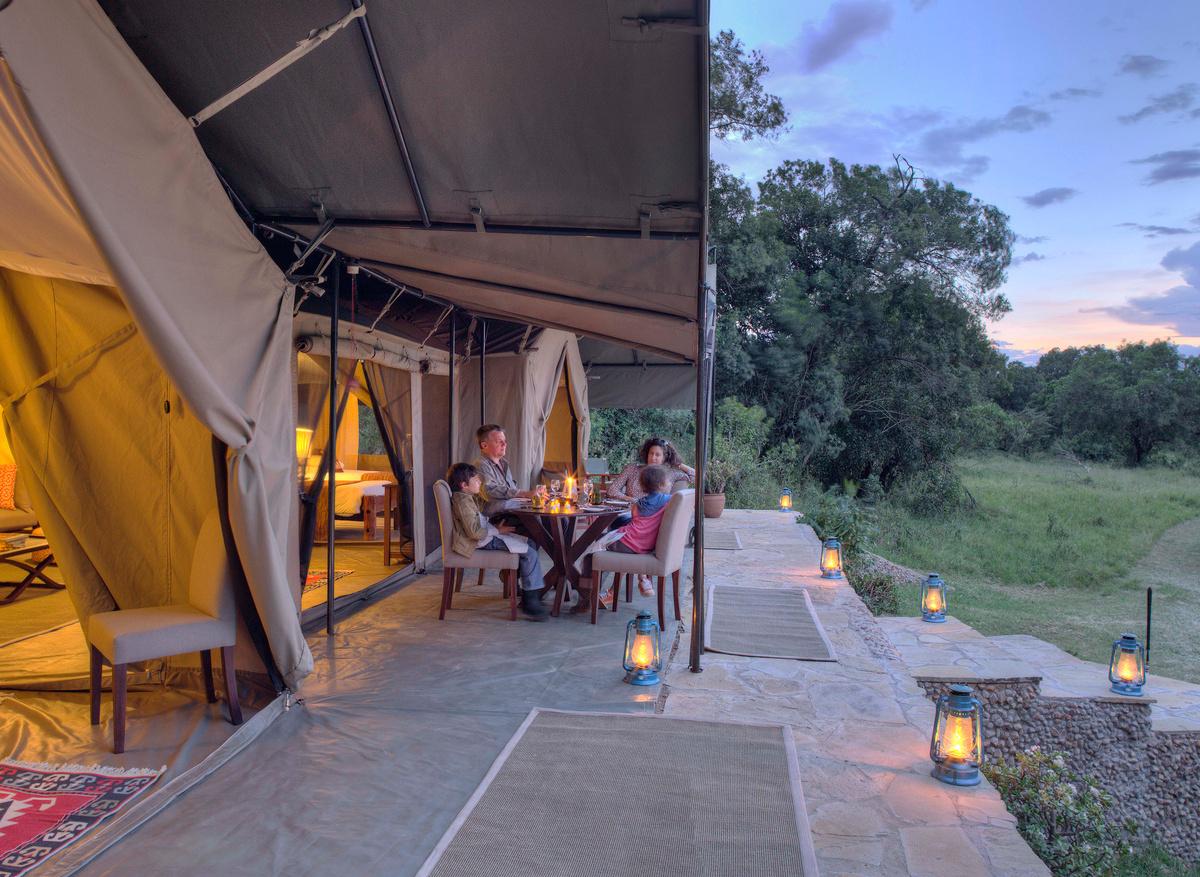
A family enjoying a guided wildlife experience on the Kenyan savannah.
Ready to plan your family adventure? Explore the Kenya safari parks and reserves guide or contact Astute Africa Safaris to request an itinerary tailored to your children’s ages, travel dates and budget.
1. Why choose Kenya for a family safari?
Kenya offers a combination of experiences that is difficult to replicate in a single destination. Families can explore open grasslands, woodland, lakes, conservation areas, traditional communities and tropical beaches during one holiday.

Remarkable wildlife encounters
Children can learn to identify elephants, giraffes, zebras, buffaloes, antelopes and numerous bird species. With luck, families may also encounter lions, cheetahs, leopards and rhinos. Wildlife sightings are never guaranteed, which makes each encounter a genuine adventure.

Accommodation for different budgets
Families can choose simple safari camps, comfortable lodges, family suites, private villas or luxury tented camps. The important considerations include room configuration, child policies, meals, safety, swimming facilities and proximity to wildlife areas.

Safari and beach in one holiday
A family can experience wildlife inland before relaxing at Diani, Watamu or another coastal destination. Beach days also offer valuable downtime after early starts and dusty game drives.

Learning through real experiences
Children can discover animal behaviour, ecosystems, conservation and local cultures. Choose reputable guides and community experiences that are respectful, age-appropriate and locally led.
Kenya can work for toddlers, school-age children and teenagers, provided the route, accommodation and activities suit their ages. Families should check minimum age restrictions for game drives, walking safaris, balloon safaris and other specialist activities before booking.
2. Where should your family go on safari in Kenya?
There is no single best park for every family. Your ideal destination depends on the wildlife you want to see, your children’s ages, how much time you have and where the holiday begins.

1. Maasai Mara National Reserve and surrounding conservancies
Best for: first-time safari families, big cats and classic African scenery.
The Maasai Mara National Reserve is one of Kenya’s most celebrated wildlife destinations. Its open plains support lions, cheetahs, elephants, giraffes, zebras, buffaloes and many other animals.
Families visiting during the seasonal wildebeest migration may witness enormous herds moving through the wider Mara–Serengeti ecosystem. River crossings are unpredictable, however, and should never be promised as a guaranteed sighting.
Why families love it
-
Wide-open landscapes that make wildlife spotting exciting.
-
Excellent opportunities to learn about predator-prey relationships.
-
A broad selection of accommodation, from more affordable camps to exclusive luxury properties.
-
Conservancies around the reserve that may offer more private wildlife experiences and selected activities subject to age and property rules.
Best approach with toddlers: Consider two or three nights in one camp rather than moving between several properties. Arrange private game drives where possible, and confirm whether the camp permits children of your toddler’s age.
Potential drawback: Driving from Nairobi can take several hours depending on the route and conditions. For very young children, a suitable scheduled or charter flight may be more comfortable, although baggage limits and fares need consideration.
Explore the Masai Mara safari lodges and camps guide to compare accommodation styles and locations.

2. Amboseli National Park
Best for: elephants, mountain scenery and a shorter wildlife-focused itinerary.
Amboseli National Park is famous for its elephant herds and dramatic views of Mount Kilimanjaro when weather conditions allow.
The landscape makes a wonderful natural classroom. Children can observe how elephants move in family groups, learn why water matters to wildlife and understand how seasonal conditions shape the savannah.
Why it suits families
-
Iconic elephant sightings.
-
Beautiful landscapes for family photographs.
-
A useful choice for a short safari from Nairobi.
-
Lodges and camps with different levels of comfort.
For toddlers: Plan morning and late-afternoon drives around nap times. Check the distance from the accommodation to the park and whether the property offers suitable family rooms and meals.
Potential drawback: Dust, heat and long periods in the vehicle can tire young children. Kilimanjaro views are weather-dependent, so they are not guaranteed.
Amboseli is an excellent option for families who want an iconic Kenyan safari without attempting to cover too many distant parks.

3. Tsavo East National Park
Best for: families staying on the coast and travellers wanting expansive wilderness.
Tsavo East National Park is renowned for its vast landscapes, red earth, elephants and varied wildlife. Its location makes it especially relevant to families travelling between Kenya’s coastal resorts and inland safari destinations.
The park can be a practical addition to a coastal holiday, particularly for visitors who would prefer not to travel all the way to the Maasai Mara.
Why choose Tsavo East?
-
Potentially convenient routes from parts of the coast, depending on the resort and gate.
-
Large landscapes and opportunities to see elephants, giraffes, zebras, antelopes and predators.
-
A choice of lodges and camps at different price levels.
-
Possibilities for two- or three-night family safari packages.
For toddlers: Select a lodge that reduces transfers and allows flexible game-drive schedules. The park is large, so the exact location of your accommodation matters.
Potential drawback: Wildlife can be spread over considerable distances, and sightings depend on conditions and luck. Some roads can be rough.
For coastal families, Tsavo East can be a more practical choice than a long overland journey to western Kenya.

4. Tsavo West National Park
Best for: varied scenery, springs and families seeking a different landscape.
Tsavo West National Park features volcanic terrain, hills, rocky outcrops and the well-known Mzima Springs area. It provides a contrast to the open grasslands of Amboseli and the Mara.
Families can combine wildlife drives with learning about underground water, volcanic landscapes and the role of springs in supporting animals.
For toddlers: Keep the itinerary simple and avoid adding multiple long road transfers. Some terrain and viewpoints may be unsuitable for pushchairs, so use a carrier where appropriate and follow your guide’s safety advice.
Tsavo West can be combined with Tsavo East for families with enough time, but a slower stay in one area may be preferable for toddlers.

5. Lake Nakuru National Park
Best for: rhinos, lake scenery and a Rift Valley safari.
Lake Nakuru National Park offers a different experience from the classic savannah parks, with woodland, lakeside habitats and opportunities to see rhinos, giraffes, buffaloes and diverse birdlife.
It can suit families interested in conservation and birdwatching, and it can form part of a longer itinerary from Nairobi to the Rift Valley and Maasai Mara.
For toddlers: Consider the full route before adding Nakuru to another park. A stop that looks close on a map can still involve several hours of driving, depending on the road and itinerary.
Lake Nakuru works particularly well for families who have enough days to explore the Rift Valley at a comfortable pace.

6. Ol Pejeta Conservancy and Laikipia
Best for: conservation learning, diverse wildlife and older children.
Ol Pejeta Conservancy and the wider Laikipia region offer wildlife experiences that can include rhino conservation and opportunities to understand how communities, tourism and conservation interact.
Why families may choose this region
-
Conservation-focused educational experiences.
-
Wildlife viewing in a landscape different from the Mara.
-
Selected accommodation offering family activities.
-
Options for a more varied itinerary beyond the most famous national parks.
Some specialist activities have minimum ages or separate fees. Confirm availability, suitability and rules for your specific children before including them.
Laikipia is particularly worth considering for families with school-age children who enjoy learning about wildlife as well as seeing it.
For a broader comparison of Kenya’s wildlife regions, read Kenya Safari Parks, Reserves and Conservancies.
3. The best family safari in Kenya for toddlers

A safari with a toddler should be planned differently from one with older children. The goal is not to see as many parks as possible; it is to create a safe, comfortable and enjoyable holiday that works with the child’s routine.
What makes a safari toddler-friendly?
Shorter drives and fewer hotel changes. Choose one or two wildlife destinations rather than a packed itinerary. Moving accommodation every day can be tiring for toddlers and parents alike.
Flexible game drives. Ask whether the operator can arrange a private vehicle. This gives your family more control over departure times, breaks and the decision to return to camp early.
Family-friendly rooms. Confirm that the property can provide suitable beds or cots, safe room arrangements, age-appropriate meals and any necessary supervision.
Shade and downtime. A swimming pool can be a welcome bonus for families with older children, but never assume it is fenced or supervised. A toddler must be watched closely around water.
Food and hydration. Discuss allergies, dietary requirements, drinking water, snacks and suitable meal times before arrival.
Appropriate wildlife safety. Wild animals are not predictable, even near lodges. Follow the guide’s instructions, keep children close and never allow toddlers to wander around unfenced accommodation without direct supervision.
Should toddlers join long game drives?
Not necessarily. A two- or three-hour morning outing may be more enjoyable than a full day in a vehicle. Some toddlers may happily manage longer drives, while others will need frequent breaks.
The ideal schedule often includes an early game drive, breakfast, rest during the hottest part of the day and a shorter afternoon outing when conditions and the child’s energy allow.
Do not assume that every camp permits infants or toddlers on all game drives. Some activities have age restrictions, and a private vehicle may not override a property’s or park’s rules.
What about malaria and other health considerations?
Many Kenyan safari areas are in regions where malaria precautions may be necessary. Risk varies by destination, season and itinerary. Consult a qualified travel-health professional before departure about malaria prevention, vaccinations, insect protection, sun protection and the child’s individual needs.
Bring any prescribed medication, familiar snacks, a hat, sunscreen appropriate for the child’s age, insect repellent recommended by your clinician, and a suitable child carrier if needed.
For more advice on travelling with children, see Astute’s Ultimate Guide to Kenya Safari with Children.
4. Best family safari itineraries in Kenya
The following are sample routes designed around different travel styles. They are planning examples, not fixed packages or confirmed live prices. The final route should account for children’s ages, season, transport, accommodation availability and your budget.

3 days: Nairobi to Amboseli
Best for toddlers and short breaks
Day 1: Travel from Nairobi to Amboseli, settle into the lodge and enjoy a short afternoon game drive if time and energy permit.
Day 2: Morning wildlife drive, a relaxed breakfast and midday rest. Optional afternoon drive depending on your family.
Day 3: Early wildlife viewing followed by the return journey to Nairobi.
Why choose it: A simple introduction to safari life without trying to cover too many parks. Driving time varies with the starting point and road conditions.

4 days: Nairobi to Maasai Mara
Day 1: Travel to the Mara or take a suitable scheduled flight; settle in and enjoy an afternoon drive.
Day 2: Morning game drive, lunch and a rest period, followed by an optional afternoon outing.
Day 3: Flexible wildlife viewing, with breaks planned around your children’s energy levels.
Day 4: Breakfast and return to Nairobi by road or air, according to the booking.
Why choose it: More time to enjoy the Mara without rushing between different parks. A fly-in option may be particularly useful for families with toddlers.

4 days: Mombasa or Diani to Tsavo East
Day 1: Pick-up from your coastal accommodation and travel to Tsavo East, with an afternoon drive if feasible.
Day 2: Morning and late-afternoon wildlife viewing with rest between outings.
Day 3: A relaxed safari day, allowing time to explore the area around your lodge.
Day 4: Return to your coastal accommodation or continue with a prearranged beach stay.
Why choose it: It can integrate naturally into a coastal holiday. The most suitable gate, lodge and transfer depend on whether you start from Mombasa, Diani or farther north.

6 days: Amboseli and Tsavo West
Day 1: Nairobi to Amboseli.
Days 2–3: Explore Amboseli at a relaxed pace.
Day 4: Transfer to Tsavo West, allowing time for the journey and a possible afternoon activity.
Day 5: Wildlife viewing and selected sightseeing suited to the family.
Day 6: Return toward Nairobi or the coast, depending on your next destination and transport plan.
Why choose it: A varied landscape and wildlife experience. For toddlers, consider whether the transfer day is worth the extra destination.

7 days: Fly-in Maasai Mara and Diani Beach
Day 1: Arrive in Nairobi and stay overnight if needed.
Days 2–4: Fly to the Mara, enjoy flexible game drives and stay at a family-friendly camp.
Day 5: Fly to the coast, subject to the available route and flight schedule, and transfer to Diani.
Days 6–7: Enjoy the beach, family time and optional age-appropriate coastal activities.
Why choose it: It combines Kenya’s signature wildlife experience with time to relax. Seven days is a compact itinerary, so allow extra time if international flights or connections make the schedule tight.
For more route ideas, see 10 Best Kenya Safari and Tour Itineraries and the Kenya safari and beach holiday guide.
5. Family safaris from Nairobi, Kenya

Nairobi is one of the most convenient starting points for a family safari. Families arriving at Jomo Kenyatta International Airport can spend a night in the city before travelling to the wildlife parks, or use Wilson Airport for suitable domestic safari flights.
Best safari options from Nairobi
| Safari | Suggested duration | Best suited to |
|---|---|---|
| Nairobi National Park | Half or full day | Short stays and families with limited time |
| Amboseli National Park | 3–4 days | Toddlers, elephants and mountain scenery |
| Maasai Mara | 3–5 days | First-time safari families |
| Lake Nakuru | 2–3 days | Rhinos, birdlife and Rift Valley scenery |
| Ol Pejeta and Laikipia | 3–5 days | Conservation-focused family holidays |
| Maasai Mara and Diani Beach | 7–10 days | Families wanting wildlife and the coast |
Sample 5-day Nairobi family safari

Day 1 — Arrive in Nairobi
Transfer to your hotel, settle in and rest. If your family arrives early and has enough energy, consider a short, suitable activity.

Days 2–3 — Amboseli
Travel to Amboseli, enjoy wildlife viewing and keep the afternoons flexible for naps, meals and rest.

Day 4 — Relaxed safari day
Take another game drive if the children are comfortable, or enjoy a slower day at the lodge. Avoid adding another park merely to fill the schedule.

Day 5 — Return to Nairobi
Travel back to Nairobi, allowing a generous buffer before any onward flight.
Families with limited time can also consider a Nairobi National Park excursion. Because wildlife sightings and traffic conditions vary, plan the activity around your arrival time rather than squeezing it into an already tiring travel day.
Explore Kenya safaris from Nairobi for further route ideas.
6. Family safaris from Mombasa

Mombasa is a practical starting point for families already enjoying the Kenyan coast. Rather than travelling across the country to the Maasai Mara, families may prefer Tsavo East, Tsavo West or a combination of Tsavo parks.
Best safari choices from Mombasa
-
Tsavo East: A strong option for elephants, broad savannah landscapes and a classic wildlife experience.
-
Tsavo West: Ideal for families interested in varied scenery, springs and volcanic landscapes.
-
Amboseli: Worth considering for elephant herds and Mount Kilimanjaro views, although the overall transfer plan needs careful assessment.
-
Maasai Mara: Better considered as a fly-in safari where suitable flights connect the coast and the Mara; routing and schedules must be confirmed.
Sample 4-day Mombasa family safari
Day 1: Pick up your family from your hotel or another agreed point in Mombasa and travel to Tsavo East. Enjoy a game drive if the arrival time allows.
Day 2: Take a morning drive, return for breakfast or lunch, and rest before an optional afternoon drive.
Day 3: Explore the park at a family-friendly pace. Your guide can adapt the route to recent sightings, weather and the children’s interests.
Day 4: Enjoy an early outing if appropriate, then return to Mombasa or continue to a beach resort.
For a toddler, consider three nights in the same lodge instead of adding a second park. Reducing transfers often makes a family holiday more enjoyable than trying to cover more ground.
If you are planning a wider coastal holiday, see Kenya Beach Holidays: Best Beach Hotels, Resorts and Safaris.
7. Family safaris from Diani Beach

Diani Beach is a wonderful place to slow down after a safari, but it can also be the starting point for a wildlife adventure. Families can choose between a shorter safari close to the coast and a fly-in trip to more distant destinations.
Option A: Tsavo East from Diani
Choose this option if your family wants a road-based wildlife experience without flying to the Maasai Mara. The journey and the most suitable route depend on the location of your resort, park gate and chosen accommodation.
A two- or three-night stay gives you time for game drives without having to return to the beach immediately.
Option B: Maasai Mara by air
For families who prioritise big cats and classic savannah wildlife, a fly-in itinerary may be worth considering. The flights, baggage allowances, transfers and connections must be confirmed before the itinerary is finalised.
This is generally more expensive than a comparable road-based safari, but it can save considerable overland travel time.
Option C: Shimba Hills for a shorter nature excursion

Shimba Hills National Reserve offers a greener, more forested setting than Kenya’s famous savannah parks. It is a possible short excursion from the Diani area for families interested in nature and a change of scenery.
Check the expected drive, current access conditions, activity rules and wildlife-viewing expectations. A visit to Shimba Hills is a different experience from a multi-day savannah safari, and should not be sold as a guaranteed Big Five encounter.
Sample 6-day Diani family safari and beach holiday
-
Day 1: Arrive in Diani and settle into your beach accommodation.
-
Day 2: Enjoy the beach and recover from travel.
-
Days 3–4: Travel to Tsavo East for two nights of wildlife viewing.
-
Day 5: Return to Diani and enjoy a relaxed afternoon.
-
Day 6: Beach time and departure, depending on your onward travel arrangements.
For toddlers, you may prefer three nights in Tsavo and a longer overall holiday. For older children, additional activities can be included if they are appropriate and available.
For more combinations, read The Best Kenya Beach and Safari Holiday.
8. Family safaris from Malindi and Watamu

Malindi and Watamu are excellent bases for families who want to combine marine life, beach relaxation and wildlife inland.
The northern coast offers a different atmosphere from Diani, and it is worth considering the children’s interests when choosing activities. A family with toddlers may prefer a gentle beach holiday with one short safari, while a family with older children might enjoy several days of wildlife viewing.
Best safari options from Malindi and Watamu
Tsavo East: Often one of the most practical multi-day safari choices from the northern coast, depending on your starting accommodation and preferred route.
Tsavo West: A useful alternative for families wanting varied landscapes and a different wildlife experience.
Maasai Mara: Best assessed as a fly-in option when flight schedules, fares and transfers make the routing practical.
Coastal nature experiences: Watamu Marine National Park, Mida Creek and the Arabuko-Sokoke Forest area can add marine, birdlife and forest experiences to a family holiday. These are not substitutes for a savannah safari, but they may be ideal for families with young children.
Sample 5-day Watamu or Malindi family safari

Day 1 — Arrive in Watamu or Malindi
Settle into your beach accommodation, enjoy a relaxed meal and prepare for the safari.

Days 2–3 — Tsavo East
Travel inland and enjoy wildlife drives. Keep the itinerary flexible and allow plenty of time for meals, hydration and rest.

Day 4 — Return to the coast
Travel back to Watamu or Malindi. Avoid booking an inflexible evening flight after a long road transfer.

Day 5 — Coastal family experience
Enjoy the beach or a suitable nature activity before departure or a longer beach stay.
The itinerary can be extended to include more nights in the park, or shortened if the family only wants a brief introduction to wildlife. With toddlers, consider adding an extra night rather than trying to fit more into each day.
For more inspiration, visit Kenya Beach Holidays.
9. Which starting point is best for your family?
| Starting point | Best safari direction | Main advantage | Main consideration |
|---|---|---|---|
| Nairobi | Amboseli, Mara, Nakuru, Laikipia | Broadest choice of safari routes | Road transfers can be long |
| Mombasa | Tsavo East and Tsavo West | Convenient for many coastal stays | Choose accommodation and park gates carefully |
| Diani Beach | Tsavo, Shimba Hills or fly-in Mara | Easy to combine safari and beach | Air connections need checking |
| Malindi | Tsavo East or suitable fly-in options | Good for a northern-coast holiday | Transfer times vary |
| Watamu | Tsavo East or suitable fly-in options | Marine life plus wildlife | Keep the route simple with toddlers |
The best departure point is usually the place where your family is already staying, unless a particular wildlife experience justifies travelling farther. If you are arriving internationally, compare the total journey—not only the safari duration.
For example, a three-day safari from Nairobi might be convenient for one family, while a family staying in Diani could enjoy a shorter transfer to Tsavo and spend the remainder of the holiday by the sea.
10. Family safari in Kenya: budget, mid-range and luxury options
The right family safari is not necessarily the most expensive one. What matters is finding the right balance between accommodation, transport, wildlife experiences and comfort for your children’s ages.

Budget-friendly family safari
A budget-conscious safari may use simpler lodges or tented camps, road transfers and a carefully selected destination. Families should prioritise clean facilities, reliable transport, suitable meals and a safe environment over unnecessary extras.
Best approach: Choose one park, stay for two or three nights and avoid expensive transfers between distant destinations.
A budget safari should still be comfortable and properly organised. Before booking, check whether the quoted price includes park fees, meals, transport, accommodation and the agreed game drives.
Mid-range family safari
A mid-range trip may offer more spacious rooms, comfortable lodges, better facilities and a private vehicle or more flexible transport arrangements.
Best approach: Spend three nights in one wildlife destination, choose accommodation with suitable family rooms and include rest periods in the itinerary.
For families with toddlers, the value of a good location and flexible game drives may outweigh the benefit of upgrading to a more expensive room.
Luxury family safari
A luxury safari may include high-quality lodges, private family suites, premium tented camps, private transfers and domestic flights where appropriate.
Some properties offer family activities or specialist children’s programmes, but availability and age restrictions vary. Always confirm the specific arrangements before booking.
Best approach: Fly to the Maasai Mara or another suitable destination, stay for several nights in one property, and finish with a comfortable beach extension.
For additional inspiration, read Luxury Family Safari Africa, which explores family safari possibilities across East Africa.
What should a family safari cost?
Safari prices vary substantially by travel season, the number of adults and children, room configuration, park fees, transport and accommodation category. A family travelling in a private vehicle will have a different per-person cost from a couple joining a shared departure.
For initial planning, the following are broad budgeting allowances, not live quotations. They are expressed in US dollars and assume two adults and two children sharing suitable accommodation, with children charged according to the property’s actual policy.
| Safari style | Indicative family budget per day |
|---|---|
| Budget / simple accommodation | $350–$650 |
| Mid-range / comfortable lodges | $650–$1,200 |
| Luxury / premium accommodation | $1,200–$2,500+ |
These are rough planning ranges for the family as a whole, not guaranteed rates. Actual costs may be lower or higher depending on the itinerary. Fly-in luxury safaris, peak-season travel, exclusive-use vehicles and premium family suites can exceed the upper ranges.
The allowances do not automatically include international flights, travel insurance, visas, personal expenses or a beach extension. Confirm whether park fees, transfers, meals, drinks and activities are included in each quotation.
How to make the budget go further
-
Travel outside the busiest periods if your school calendar allows.
-
Choose fewer parks and stay longer in each.
-
Compare road-based and fly-in itineraries based on total cost and travel time.
-
Ask for family room or child-sharing rates.
-
Check whether children receive reduced accommodation or park fees under the applicable rules.
-
Avoid paying for activities your children are too young to enjoy.
A well-planned family safari can deliver more value than an expensive itinerary that involves too much driving and too little time enjoying the destination.
11. Best time for a family safari in Kenya

Kenya offers wildlife experiences throughout the year, but weather, vegetation, road conditions and seasonal wildlife movements influence what families can expect.
| Period | What families should consider |
|---|---|
| January–February | Often a useful period for safari planning; local weather and wildlife conditions vary |
| March–May | Long-rain season in many regions; some roads can become difficult and rain may affect activities |
| June | A transition period in many safari areas, with conditions varying by destination |
| July–October | Popular safari months; the Mara may experience migration activity, but crossings are never guaranteed |
| November–December | Short rains may occur; conditions vary and some areas can offer rewarding wildlife viewing |
These are general seasonal patterns, not a forecast for every park. Kenya’s climate varies by elevation, region and year, and coastal weather can differ from conditions inland.
Should families travel during migration season?
The Maasai Mara can be especially appealing during the wider wildebeest migration period, commonly associated with the middle and later months of the year. However, the animals move in response to ecological conditions rather than a fixed timetable.
Families travelling with toddlers should also weigh the benefits of a busy migration season against accommodation prices, visitor numbers and the practicalities of moving around the reserve.
For families who value comfort, quieter surroundings or a more flexible budget, other periods and destinations may be equally attractive.
Read Best Time to Visit Africa for broader seasonal planning guidance.
12. How to choose a family-friendly safari lodge or camp

Accommodation is one of the most important decisions when planning a family safari. A beautiful lodge is not automatically suitable for toddlers, and a camp that welcomes older children may have restrictions for infants.
Before confirming a booking, ask the operator to verify the following:
Family lodge booking checklist
0 of 10
Copy checklist
Should you choose a lodge inside a national reserve or a conservancy?
Both can work well, but the best choice depends on your priorities.
Accommodation inside or close to a national reserve may reduce transfer times to game-viewing areas, depending on its location. Rules on activities, driving and park access apply.
Accommodation in a community conservancy may offer a more private experience, a different range of activities and opportunities to learn about community-led conservation. Rules and experiences differ by conservancy and property.
Neither option guarantees better sightings or a more child-friendly experience. Compare the exact property, location, facilities, age rules and total cost.
See Masai Mara Safari Lodges and Camps for further accommodation research.
13. What can children learn on a Kenya safari?

A safari can become an educational adventure without feeling like a classroom. Children learn by observing, asking questions and connecting what they see with the natural world.
Wildlife and animal behaviour
Children can learn to distinguish herbivores from carnivores, observe animal tracks and understand why some animals live in herds. A knowledgeable guide can explain how animals find water, protect their young and adapt to changing conditions.
Conservation and responsible tourism
Families can discuss the importance of habitat protection, wildlife corridors and responsible visitor behaviour. Choose reputable conservation visits that explain their work transparently and treat animals ethically.
Kenyan cultures and local communities
A respectful cultural experience may help children understand local traditions, livelihoods, crafts and the relationship between people and the landscape. Arrange visits through reputable local hosts, explain expectations to children and ensure photography is respectful and permitted.
Birdwatching and nature discovery
Birdwatching can be particularly rewarding for school-age children. Give each child a simple wildlife checklist or notebook to record animals, birds and interesting observations.
For families who enjoy this side of nature, explore The Best Birdwatching Safari in Kenya.
14. What should you pack for a family safari in Kenya?
The best packing list depends on your destinations, travel season, children’s ages and accommodation.

Clothing and sun protection
-
Lightweight, breathable clothing.
-
Comfortable trousers and shirts for game drives.
-
Sun hats, sunglasses and suitable sunscreen.
-
A light jacket or warm layer for cool early mornings.
-
Comfortable walking shoes or closed shoes for appropriate activities.
Toddler and baby essentials
-
Nappies, wipes and familiar toiletries.
-
A child carrier or suitable compact stroller where practical.
-
Familiar snacks and any necessary feeding equipment.
-
Comfort items for naps and bedtime.
-
Any prescribed medication and basic child-care essentials.
Safari equipment
-
Binoculars suitable for adults or older children.
-
A camera or phone with sufficient storage.
-
Reusable water bottles where appropriate.
-
A small day bag for outings.
-
A wildlife checklist or nature journal for children.
Health and safety
Consult a travel-health professional about malaria prevention, recommended vaccinations and destination-specific precautions. Pack prescribed medication and follow advice on insect protection, food and water safety, and sun exposure.
For family travel, a well-packed small day bag is often more useful than bringing too much luggage. If you are taking a light aircraft, check the operator’s baggage weight and bag-type restrictions before departure.
15. Essential safety advice for a family safari
A successful family safari combines excitement with sensible precautions.
-
Stay with your guide. Never approach wild animals or leave a vehicle unless the guide confirms that it is safe and permitted.
-
Supervise children continuously. Some camps are unfenced or have wildlife moving nearby. Follow the property’s instructions about moving between rooms and communal areas.
-
Use suitable child restraints where available and appropriate. Discuss vehicle arrangements in advance, especially if travelling with a baby or toddler.
-
Manage heat and hydration. Plan breaks and protect children from excessive sun exposure.
-
Check activity age limits. Walking safaris, balloon flights, boat trips and other activities may have minimum ages.
-
Prepare for medical needs. Confirm what assistance is available and what arrangements apply in an emergency.
-
Allow time between connections. Do not build a long game drive or road transfer immediately before an inflexible international flight.
-
Choose ethical wildlife experiences. Avoid activities that put children, wildlife or local communities at unnecessary risk.
A good safari operator should be able to explain the practical safety arrangements for each part of your itinerary rather than relying on general assurances.
16. Combine a Kenya family safari with a beach holiday

One of Kenya’s greatest advantages is that your family does not have to choose between wildlife and the beach. With a suitable itinerary, you can enjoy both during the same holiday.
After several early mornings on safari, a few days by the Indian Ocean can give parents and children time to relax, swim where conditions are safe, enjoy coastal food and explore marine life.
Which beach is best for your family?

Diani Beach — best for a classic beach extension
Diani offers a choice of beach resorts, hotels and private villas, with opportunities for family relaxation and selected marine excursions. It works particularly well after a safari in the Maasai Mara or Amboseli when a suitable domestic flight or onward connection can be arranged.

Watamu — best for marine nature and a relaxed atmosphere
Watamu is worth considering for families interested in marine environments, coastal nature and boat-based experiences where conditions permit. Check tide conditions, age restrictions and safety arrangements for water activities.

Malindi — best for beach time with cultural and nature excursions
Malindi combines coastal relaxation with opportunities to explore local history and nearby natural attractions. It can be a good choice for families staying on Kenya’s northern coast.

Mombasa — best for beach holidays with city attractions
Mombasa offers a mix of coastal resorts, historical sites and urban experiences. Families can consider Fort Jesus, the Old Town and selected nature attractions alongside their beach stay.
Recommended 10-day Kenya family safari and beach itinerary

Days 1–2: Nairobi
Arrive, rest and enjoy a suitable family activity. Keep the first day flexible after an international flight.

Days 3–5: Maasai Mara
Travel by road or suitable domestic flight. Enjoy wildlife drives with rest periods, keeping the pace appropriate for your children’s ages.

Days 6–9: Diani Beach
Relax by the coast, enjoy family time and add suitable marine or nature activities if desired.

Day 10: Departure
Transfer according to your flight arrangements, allowing enough time for airport procedures and connections.
For toddlers, a 12- or 14-day version may be more comfortable, especially if the family wants to minimise travel fatigue. You can also replace the Maasai Mara with Tsavo if starting from the coast makes that route more practical.
Explore the Kenya Beach and Safari Holiday guide for additional combinations.
17. Why plan your family safari with Astute Africa Safaris?
A family holiday deserves more than a standard itinerary with children added as an afterthought. The route, vehicle, lodge, meal arrangements and daily schedule should work together.
Astute Africa Safaris is a locally based safari company in Nairobi, Kenya, offering safari planning across East Africa. For your family, the planning process should focus on the following priorities:
-
Personalised itineraries: Routes shaped around your children’s ages, interests and travel dates.
-
Suitable accommodation: Help comparing family rooms, lodges, camps and luxury options.
-
Practical travel planning: A careful assessment of road transfers, flights and connections from Nairobi or the coast.
-
Flexible pacing: Time for naps, meals, rest and shorter game drives where needed.
-
Budget transparency: A clear breakdown of accommodation, transport, park fees, meals and other inclusions.
-
Safari and beach combinations: Options for combining Kenya’s wildlife destinations with Diani, Watamu, Malindi or Mombasa.
The most suitable safari depends on your family’s priorities. Some families want the Mara’s iconic wildlife; others prefer elephants in Amboseli, a short safari from the coast or a more relaxed wildlife-and-beach holiday.
The aim is to help you choose the right experience rather than simply the longest or most expensive package.
18. Frequently asked questions about family safaris in Kenya
Is Kenya good for a family safari with toddlers?
Yes. Kenya can be a rewarding destination for families with toddlers if the itinerary is planned carefully. Choose suitable accommodation, minimise long transfers, confirm age policies and arrange flexible game drives. Consult a travel-health professional about health precautions before travelling.
What is the best age for a child to go on safari in Kenya?
There is no single best age. Toddlers can enjoy wildlife encounters with careful planning, while school-age children and teenagers may be able to participate in a wider range of activities. The property’s minimum age rules and the child’s temperament are important considerations.
How many days do we need for a family safari in Kenya?
Three or four days can work for a short safari focused on one destination. Five to seven days allow a more varied wildlife holiday, while 10–14 days can accommodate a safari, a beach extension and more rest time. The right duration depends on your starting point and children’s ages.
Which Kenya safari is best for families with toddlers?
Amboseli can be a good option for a short safari from Nairobi, while Tsavo East may suit families staying in Mombasa or parts of the coast. The Maasai Mara is excellent for classic wildlife viewing, particularly when a suitable fly-in option reduces road travel. The best choice depends on your accommodation, route and available time.
Can we go on a Kenya safari from Diani Beach?
Yes. Options include Tsavo East, Tsavo West and suitable fly-in safaris to more distant destinations. Shimba Hills can also be considered for a shorter nature excursion. Check the actual transfer times and activity arrangements before booking.
Can we arrange a safari from Watamu or Malindi?
Yes. Tsavo East is a potential choice for a multi-day road safari, while Tsavo West or the Maasai Mara may be considered depending on the route and transport arrangements. Families can also combine their safari with coastal activities around Watamu and Malindi.
Is a road safari or fly-in safari better for families?
A road safari can be more economical and allows you to see the countryside, but long drives may tire young children. A fly-in safari can reduce transfer time, although it generally costs more and has baggage restrictions. Compare the total journey, not just the time spent travelling.
Can children see the Big Five in Kenya?
Kenya has wildlife populations that include lions, leopards, elephants, buffaloes and rhinos. However, no operator can guarantee sightings of all five during a particular safari. Explain this to children in advance so that the adventure remains enjoyable regardless of which animals appear.
When is the best time for a family safari in Kenya?
Kenya offers wildlife viewing throughout the year. July to October is a popular period for the Maasai Mara and potential migration activity, but other months may also offer excellent experiences. Consider weather, school holidays, prices and your chosen destinations.
Can we combine a family safari with a beach holiday?
Absolutely. A safari followed by Diani Beach, Watamu, Malindi or Mombasa is a popular option. Allow sufficient time for transfers and avoid scheduling beach activities or international flights too tightly after a long safari journey.
What should we tell Astute Africa Safaris when requesting a quotation?
Share your travel dates, starting location, number of adults and children, children’s ages, preferred safari destinations, budget range and whether you want a beach extension. This helps the team suggest a more practical itinerary.
19. Plan your family safari in Kenya with confidence
Your family’s safari should be exciting for the children, comfortable for the parents and practical from the moment you arrive until the day you depart.
Whether you are planning a short safari from Nairobi, an elephant safari in Amboseli, a classic Maasai Mara adventure, a wildlife trip from Mombasa, or a longer safari and beach holiday from Diani, Malindi or Watamu, the most important step is choosing an itinerary that matches your family’s needs.
You do not have to fit every famous park into one holiday. Sometimes two nights in a well-chosen camp, a knowledgeable guide and plenty of time together create a more memorable experience than a rushed tour of several destinations.
Let Astute Africa Safaris help you plan a family safari around your children’s ages, your preferred destinations and your budget.
Request your personalised family safari itinerary
Tell us a little about your trip to help us recommend a suitable route.
This helps prepare your itinerary enquiry; it does not make a booking or confirm availability.
Prefer to contact the company directly?
Visit Astute Africa Safaris to enquire about your preferred dates and itinerary.
Leave a comment:
You must be logged in to post a comment.
Comment 01
Astute Africa Safaris,
05 May, 2026REF: Crafting Your Bespoke African Safari Experience with Astute Africa Safaris
Jambo,
Thank you for your interest in exploring the wonders of Africa with Astute Africa Safaris. We pride ourselves on creating immersive, tailor-made journeys that align perfectly with your personal interests, pace, and travel aspirations.
Because every safari is a unique narrative, we do not believe in “one-size-fits-all” pricing. To ensure we provide you with an accurate and competitive quotation that reflects the specific lodges, wildlife experiences, and logistical arrangements you desire, we invite you to connect with our team for a personalized consultation.
Please contact us at info@astuteafricasafaris.com, Whatsapp +254762663272 or fill the inquiry form with a few details regarding your preferred travel dates, group size, and specific interests (e.g., photography, luxury relaxation, or adventure trekking). Once we have these details, we will curate a comprehensive proposal designed specifically for you.
We look forward to the possibility of helping you plan an unforgettable journey.
Warm regards,
Team Astute Africa Safaris