

- 532 Views
- 32 Min Read
- (1) Comment
“Your practical guide to tourist visas, electronic travel authorisation, passport rules, vaccinations, border crossings, multi-country itineraries and money matters when planning an African safari.”
Planning an African safari is exciting, but before booking flights, lodges, gorilla permits or game drives, you need to understand the immigration requirements of every country on your itinerary.
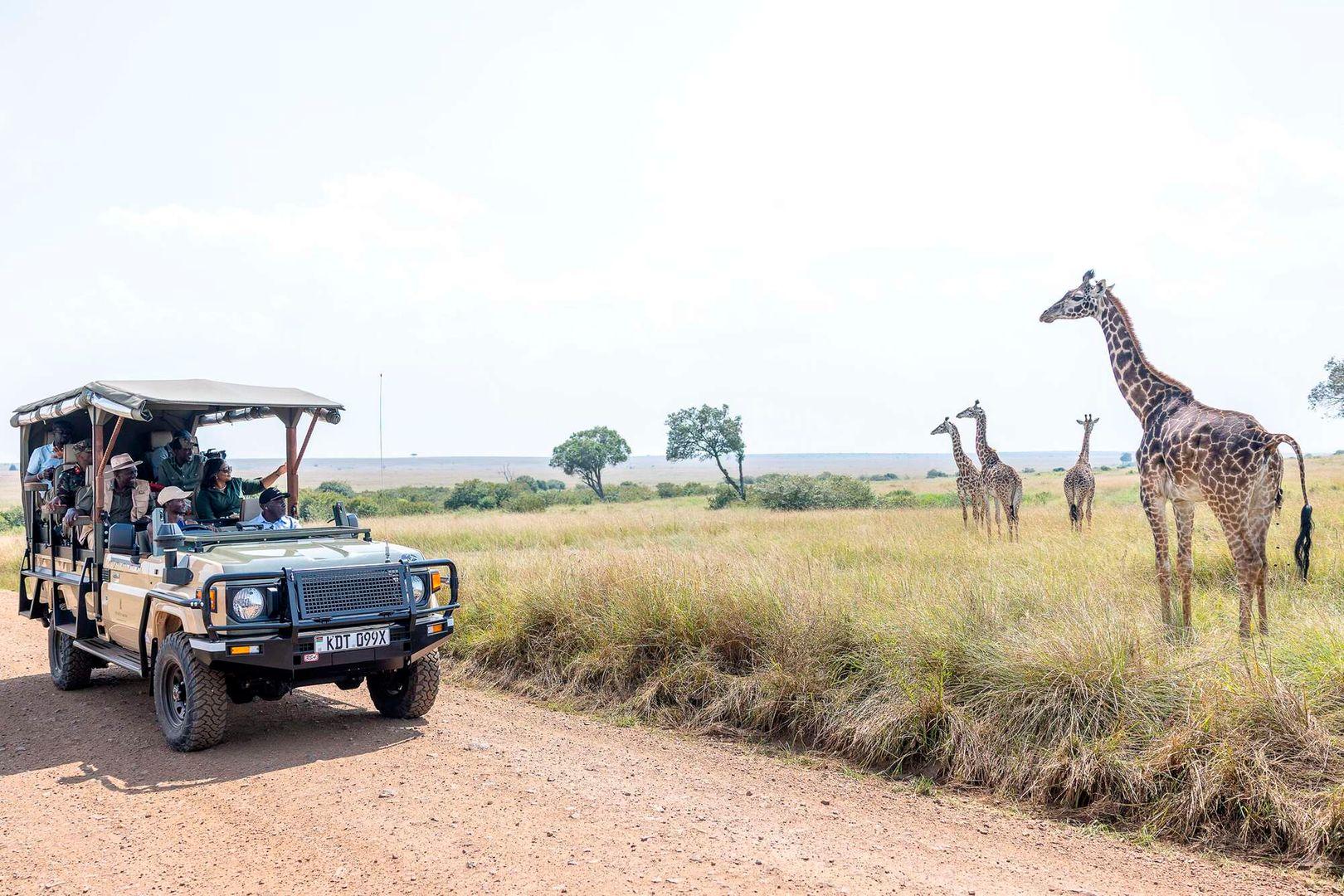
Whether you are dreaming of a wildlife safari in Kenya’s Maasai Mara, the Great Migration in Tanzania’s Serengeti, gorilla trekking in Uganda or Rwanda, the elephants of Botswana, or a spectacular journey combining South Africa, Zimbabwe and Namibia, the right travel documents can make your holiday much easier.
One of the most important things to understand is that Africa does not have a single visa covering the entire continent. Some regional arrangements allow travel between selected countries, but many destinations require their own visa or electronic authorisation. For example, the East African Tourist Visa covers Kenya, Uganda and Rwanda, but does not include Tanzania or Zanzibar.
East Africa safari visa requirements
This guide explains the main visa categories, entry documents, health requirements, currency considerations and itinerary combinations to consider when planning an African holiday in 2027.

1. What should you know before applying for an African safari visa?
Before choosing a visa, establish five things:
-
Your passport nationality: visa-free entry for one nationality does not necessarily apply to another.
-
Your purpose of travel: tourism, business meetings, employment, study and transit can require different immigration permissions.
-
The countries you will visit: a visa for one country normally does not grant entry to neighbouring countries.
-
Your travel dates and entry points: an authorisation may have a limited validity period or only be accepted at certain border posts.
-
Your health and supporting documents: a yellow fever certificate, return ticket, hotel reservation or onward travel evidence may be required.
A passport valid for at least six months beyond arrival is a useful planning baseline for many destinations in this guide. However, the actual rules differ, so check the applicable country’s official requirements, including blank passport-page requirements.
The main visa and entry categories
| Entry category | What it is for |
|---|---|
| Tourist or ordinary visa | Holidays, wildlife safaris, sightseeing and recreational travel |
| Electronic Travel Authorisation (eTA) | Advance travel permission, such as Kenya’s eTA; it is not the same thing as a visa |
| Visitor visa or pass | Visiting relatives, friends or other permitted short-term activities |
| Business visa | Permitted meetings, conferences, business exploration or specified short-term assignments |
| Transit visa | Passing through a country to reach another destination, where required |
| Multiple-entry visa | Repeated entry into a country during the permitted validity period |
| Student or study visa | Approved education and study activities |
| Work or employment permit | Employment or professional activities that require specific authorisation |
| Residence permit | Longer-term residence for an approved purpose |
| Regional tourist visa | Travel across participating countries under a specific regional agreement |
Important: a tourist visa does not normally authorise employment. Attending a business meeting may be permitted under a visitor category in one country but require a specific business visa in another. Always select the category that matches the activity you intend to undertake.
2. The documents to prepare before travelling
Prepare a digital copy and, where practical, a printed copy of the documents relevant to your journey.
-
A valid passport or other accepted travel document.
-
Approved eTA or visa, where required.
-
Passport-sized photograph and application documents, if requested.
-
Return or onward flight ticket.
-
Accommodation confirmations or the address of your host.
-
Safari itinerary showing destinations, dates and transport arrangements.
-
Proof of sufficient funds, if requested.
-
Invitation letter and company documents for applicable business visits.
-
Parental consent or other supporting documents for children, where required.
-
Yellow fever International Certificate of Vaccination or Prophylaxis (ICVP), if applicable.
-
Any required transit visa for a country through which you are travelling.
-
Travel insurance and emergency contact information.
Kenya’s immigration authority, for example, identifies valid travel documents, an approved eTA or other applicable permission, onward travel arrangements and compliance with health regulations among travellers’ obligations.
Do not assume that having a visa guarantees admission. Border officers can still check the purpose of your trip, supporting documents and compliance with entry conditions.
3. Kenya safari visa and entry requirements

Kenya is an excellent starting point for a safari, with destinations such as the Maasai Mara, Amboseli, Tsavo, Samburu and Lake Nakuru, alongside Nairobi’s attractions and the Indian Ocean coast.
Does Kenya require a visa?
Kenya uses an Electronic Travel Authorisation (eTA) system for visitors who fall within its requirements. It is not technically a visa, although travellers often search for it as a Kenya tourist visa.
Kenya’s official immigration website states that visitors, including infants and children, must obtain an approved eTA before starting their journey, unless a specific exemption or alternative arrangement applies. The authority advises applicants to use its official portal.
Official website: Kenya Electronic Travel Authorisation
Common Kenya entry categories
| Travel purpose | Permission to investigate |
|---|---|
| Safari, beach holiday or sightseeing | Visitor eTA or applicable exemption |
| Visiting family or friends | Appropriate visitor authorisation |
| Business meetings or conferences | Applicable business or visitor category, depending on the activity |
| Transit | Applicable transit arrangements; check whether your itinerary qualifies for an exemption |
| Employment | Relevant work permit or authorisation |
| Study or long-term residence | Applicable student or residence permission |
The correct category depends on nationality, activity and current Kenyan immigration rules. Do not treat a tourist eTA as a work permit.
Common Kenya eTA application documents
Applicants may need to provide:
-
Passport biodata details.
-
A photograph or selfie that meets the portal’s specifications.
-
Travel dates and contact details.
-
Accommodation information.
-
Flight or onward-travel details.
-
Additional supporting documents depending on the purpose of the visit.
Apply through the official portal and allow time for processing. The published standard processing estimate is not a guarantee that every application will be approved within that period.
Kenya safari examples
-
3 days: Nairobi National Park, Giraffe Centre and a Nairobi excursion, subject to current attraction arrangements.
-
5 days: Maasai Mara wildlife safari.
-
7 days: Amboseli, Lake Nakuru and Maasai Mara, subject to the routing and flight schedule.
-
10 days: Samburu, Lake Nakuru and Maasai Mara, or a safari combined with the Kenyan coast.
Explore relevant Astute Africa Safaris pages:
Yellow fever and other health requirements for Kenya
Travellers arriving from countries with a risk of yellow fever transmission must present a valid yellow fever certificate under Kenya’s published health requirements. The certificate requirement is based on travel history and applicable rules, not simply on whether the traveller is going on safari.
For recommended vaccinations, malaria prevention and personal medical advice, consult a qualified travel-health professional before departure.
4. Tanzania and Zanzibar visa requirements

Tanzania is famous for the Serengeti, Ngorongoro Crater, Tarangire, Mount Kilimanjaro and the beaches of Zanzibar.
Is Zanzibar covered by a separate visa?
Zanzibar is part of the United Republic of Tanzania. It is not a separate sovereign country with its own international tourist visa system. Travellers should follow Tanzania’s immigration requirements, while also checking any applicable Zanzibar-specific local regulations, health rules and travel arrangements.
A valid Tanzania visa may be used for a Zanzibar holiday according to its conditions. However, the traveller must still meet the entry rules applicable to their nationality and itinerary.
Official website: Tanzania Immigration eVisa
Main Tanzania visa categories
| Category | Typical purpose |
|---|---|
| Ordinary or single-entry visa | Tourism and other permitted short visits |
| Multiple-entry visa | Repeated visits where eligibility and supporting documents are met |
| Business visa | Approved short-term business assignments |
| Transit visa | Genuine transit to another country |
| Student visa | Approved study |
| Residence or work authorisation | Employment, investment or longer-term residence |
Tanzania’s official visa guidance lists a standard ordinary visa at USD 50, generally valid for up to 90 days, and a multiple-entry visa at USD 100, generally valid for one year. Fees, eligibility and conditions must be checked against the current official rules. US passport holders visiting for tourism are generally directed to the multiple-entry category under Tanzania’s published guidance.
Business visas are separate from ordinary tourist visas. Tanzania’s guidance lists a USD 250 business visa for specified short-term assignments, generally not exceeding 90 days. These fees and terms should be reconfirmed before applying.
Typical supporting documents
Depending on visa type and nationality, applicants may need:
-
A passport with the required validity and an unused visa page.
-
A completed online application.
-
A recent photograph.
-
Return or onward ticket.
-
Accommodation or itinerary details.
-
An invitation or assignment letter for relevant business visits.
-
Additional documentation requested by immigration.
For a multi-country safari, carry evidence of your onward travel and the itinerary for each country.
Sample Tanzania itineraries
-
3–4 days: Tarangire and Ngorongoro Crater.
-
5–7 days: Serengeti, Ngorongoro and Tarangire.
-
8–10 days: Northern Circuit safari followed by Zanzibar.
-
10–12 days: Serengeti and Ngorongoro followed by a Zanzibar beach holiday.
See also:
Yellow fever requirements for Tanzania
Tanzania’s yellow fever requirements depend on where you are arriving from and your travel history, including qualifying transit through a yellow fever risk country. Travellers should check the latest official Tanzanian health and immigration guidance before departure.
Do not assume that every traveller flying directly from Europe, North America or another non-risk country must be vaccinated simply because they are visiting Tanzania. Equally, do not assume that a multi-country African itinerary is exempt.
5. Uganda safari visa requirements

Uganda is particularly attractive for mountain gorilla trekking, chimpanzee tracking, birdwatching, wildlife safaris and the landscapes around the River Nile.
Main Uganda visa categories
Uganda’s immigration authority lists several application categories, including ordinary tourist, multiple-entry, transit and East African Tourist Visa options. The ordinary tourist visa covers activities such as tourism, medical treatment and family visits, subject to the issued conditions.
| Category | Intended use |
|---|---|
| Ordinary tourist visa | Tourism, sightseeing and other permitted short visits |
| Multiple-entry visa | Eligible travellers making repeated visits |
| Business-related permission | Meetings or business activity, according to the correct category |
| Transit visa | Transit through Uganda where required |
| East African Tourist Visa | Eligible tourism across Kenya, Uganda and Rwanda |
| Work or residence permission | Employment or long-term stay |
Official application portal: Uganda Immigration eVisa
What might you need to apply?
Common requirements include:
-
Passport biodata page with the required validity.
-
Recent passport-sized photograph.
-
Tour plan or travel itinerary.
-
Accommodation details.
-
Supporting documents relevant to the chosen category.
-
Yellow fever documentation if currently required for your route and category.
Uganda’s published tourist-visa guidance specifies a passport with at least six months’ validity and supporting tourism documents. Check the current portal before submitting your application.
Health-rule update for 2027: Uganda’s immigration authority published a notice dated 2 October 2026 stating that a yellow fever vaccination certificate was no longer mandatory for entry into Uganda. Because health policies can change and other countries on your route may still require the certificate, verify the latest position before travelling.
Uganda safari examples
-
3 days: Bwindi gorilla trekking, depending on permits and transfer times.
-
4–5 days: Gorilla trekking combined with Queen Elizabeth National Park.
-
7 days: Kibale chimpanzees, Queen Elizabeth National Park and Bwindi.
-
10–12 days: A broader wildlife, primate and cultural itinerary.
See also: The Best Birdwatching Safari in Kenya for travellers interested in expanding their East African wildlife interests.
6. Rwanda visa requirements

Rwanda offers mountain gorilla trekking, birdwatching, cultural attractions, national parks and the opportunity to combine Kigali with Uganda or Kenya.
Does Rwanda issue visas on arrival?
Rwanda’s immigration authority states that citizens of all countries can obtain a visa on arrival, although fees, exemptions, permitted duration and entry conditions vary by category and nationality. Eligible travellers can also apply through official channels before arrival.
Official website: Rwanda Directorate General of Immigration and Emigration
Common visa types
| Category | Intended use |
|---|---|
| Visitor or tourist visa | Holidays, sightseeing and recreational visits |
| Multiple-entry visitor visa | Eligible repeat visits |
| Business or conference visa | Permitted business activities |
| Transit visa | Short transit, where applicable |
| East African Tourist Visa | Eligible tourism across Kenya, Uganda and Rwanda |
| Study, work or residence authorisation | Approved study, employment or longer-term residence |
Rwanda’s visitor visa information lists a standard single-entry visitor visa at USD 50 and a multiple-entry option at USD 70, subject to eligibility and current conditions. Some nationalities receive fee exemptions or different arrangements.
Common supporting documents
Travellers may be asked for:
-
A passport valid for at least six months.
-
Travel itinerary and accommodation information.
-
Return or onward ticket.
-
Supporting documentation for business, study or other special purposes.
-
Yellow fever certificate when arriving from a yellow fever endemic country or an affected country, as specified by Rwanda’s health rules.
Sample Rwanda itineraries
-
3 days: Kigali and Volcanoes National Park.
-
4–5 days: Gorilla trekking, Kigali and Lake Kivu.
-
6–8 days: Volcanoes National Park, Nyungwe Forest and Akagera, subject to travel times.
-
8–10 days: Rwanda combined with Uganda for a primate-focused holiday.
7. The East African Tourist Visa: one visa for three countries

For travellers who want to experience more than one East African destination, the East African Tourist Visa can simplify the process.
Which countries does it cover?
The joint tourist visa covers:
-
Kenya
-
Uganda
-
Rwanda
It does not cover Tanzania or Zanzibar, and it should not be confused with a general East African Community residence or work permit.
Uganda’s official visa guidance states that the East African Tourist Visa is valid for 90 days, permits multiple travel between participating countries for tourism and prohibits employment. The visa should be obtained from the participating country that will be your first point of entry into the arrangement. The published fee is USD 100.
Who should consider it?
It may suit a traveller who plans to visit two or all three participating countries within the permitted period.
For example:
-
Kenya for a Maasai Mara safari.
-
Uganda for gorilla trekking.
-
Rwanda for Kigali and Volcanoes National Park.
A traveller who visits Tanzania as well will need to consider Tanzania’s separate visa rules, unless their nationality qualifies for an exemption.
Example: 10-day Kenya–Uganda–Rwanda itinerary
| Days | Destination | Suggested experience |
|---|---|---|
| 1–3 | Kenya | Nairobi and Maasai Mara safari |
| 4–7 | Uganda | Bwindi gorilla trekking and selected wildlife experiences |
| 8–10 | Rwanda | Kigali and Volcanoes National Park, subject to trekking permits and transfers |
This is an illustrative itinerary, not a confirmed schedule. Gorilla trekking permits, flights, driving times, park access and border operating hours should be confirmed before booking.
How to apply
Use the official immigration portal of the participating country where your journey will begin under the regional visa arrangement. Review the required documents, validity and entry conditions carefully. Do not buy a visa through an unverified agent.
8. Botswana safari visa requirements

Botswana is renowned for the Okavango Delta, Chobe National Park, the Moremi Game Reserve and the wildlife-rich landscapes of the Kalahari.
Who needs a visa for Botswana?
Botswana’s visa requirements depend on nationality. Some visitors are visa-exempt, while others must apply for a tourism or visitor visa.
The government provides an official online visa application service. For travellers who require a tourist visa, the published application documents include a passport valid for at least six months, passport photographs, a covering letter explaining the visit, flight and accommodation details, a trip itinerary and evidence of an intention to leave Botswana after the visit. The stated processing estimate is seven to fourteen working days.
Official portal: Botswana eVisa
Botswana visa categories
| Category | Purpose |
|---|---|
| Tourism visa | Safaris, sightseeing and recreational holidays |
| Visitor visa | Visiting friends or relatives |
| Business visa | Permitted business-related activities |
| Transit visa | Transit where applicable |
| Study visa | Approved study |
| Employment or residence permission | Work, investment or longer-term residence |
The correct category, fees, duration and eligibility must be verified for your passport nationality. A tourist visa should not be used to undertake employment.
Botswana safari examples
-
3–4 days: Chobe National Park and a river safari.
-
5–7 days: Chobe and the Okavango Delta.
-
8–10 days: Okavango Delta, Moremi and Chobe.
-
10–14 days: Botswana combined with Victoria Falls in Zimbabwe or Zambia.
For a multi-country journey, check the entry requirements of each country separately, even if your safari operator arranges the ground transport.
9. South Africa visa requirements

South Africa is often included in longer African holidays because it offers Cape Town, the Garden Route, Kruger National Park, the Winelands and other wildlife and cultural experiences.
Does South Africa require a visa?
Some nationalities are visa-exempt for eligible short visits, while others must obtain a visa before travelling. South Africa’s government states that visas for tourism and business visits can be issued for periods of up to 90 days, depending on the permission granted. Visitors who require a visa should obtain it before departure; they should not assume they can simply purchase one on arrival.
Official starting point: South African Government visa information
Common South African visa categories
| Category | Typical purpose |
|---|---|
| Visitor’s visa | Tourism and eligible short visits |
| Business visitor visa | Permitted business visits, meetings and related activities |
| Transit visa | Transit, subject to the relevant rules |
| Study visa | Approved educational programmes |
| Work visa | Employment under the appropriate category |
| Relative’s or other residence-related visa | Eligible family or longer-term residence circumstances |
The exact category and documents depend on the intended activity and the traveller’s nationality.
Common visitor visa documentation
Depending on the application route, you may need:
-
A valid passport and available blank page.
-
The relevant application form and fee.
-
Proof of sufficient funds.
-
Return or onward travel evidence.
-
Accommodation or host details.
-
Supporting documents relevant to the purpose of the visit.
-
A yellow fever certificate if required by your travel history.
South Africa’s official eVisa information specifically identifies a valid travel document, sufficient funds, return or onward ticket and applicable yellow fever certificates among the relevant entry considerations.
Example South Africa itineraries
-
4 days: Cape Town and the Cape Peninsula.
-
5–7 days: Cape Town and the Garden Route.
-
7–9 days: Cape Town and a Kruger-area safari.
-
10–14 days: Cape Town, Kruger National Park and Victoria Falls, with the appropriate permissions for every country visited.
10. Zimbabwe visa requirements

Zimbabwe is a popular destination for Victoria Falls, wildlife safaris in Hwange National Park, Mana Pools and other outdoor experiences.
Main visa categories
Zimbabwe’s visa category and application requirements depend on the traveller’s nationality and purpose of visit. Common categories to investigate include:
-
Tourist visa.
-
Business visitor visa.
-
Transit visa.
-
Study or other approved special-purpose visas.
-
Work or residence permission for longer-term stays.
Use the Zimbabwe Department of Immigration for current official information, including the nationality-based visa category, application procedure, fees and entry conditions.
Travellers should not assume that a visa issued for a tourist visit permits work or that a single-entry permission allows unrestricted re-entry after visiting another country.
What about the KAZA Univisa?
The KAZA Univisa is a regional arrangement designed for eligible tourists visiting Zimbabwe and Zambia, including qualifying day trips to Botswana through the designated Kazungula border arrangements.
Zambia’s immigration authority describes the visa as costing USD 50 and allowing multiple travel between Zimbabwe and Zambia within the permitted 30-day period, subject to its conditions and participating entry points. It is not a visa for all Southern African countries, and eligibility and availability at the intended border must be checked before travel.
Official information: KAZA Univisa — Zambia Immigration
Zimbabwe safari examples
-
2–3 days: Victoria Falls and the Zambezi River.
-
4–6 days: Victoria Falls and Hwange National Park.
-
7–10 days: Victoria Falls, Hwange and selected cultural or wilderness experiences.
-
5–8 days: Victoria Falls combined with a safari in Botswana or Zambia.
11. Namibia visa requirements

Namibia is known for Sossusvlei’s towering dunes, the Namib Desert, Etosha National Park, the Skeleton Coast and dramatic road-trip landscapes.
Does Namibia require a visa?
Namibia introduced a reciprocal visa-on-arrival regime from 1 April 2025 for nationals of specified countries that do not grant Namibian citizens equivalent visa-free access. Other nationalities remain visa-exempt under the applicable arrangements.
The official Namibian fact sheet lists different fees for different nationality groups and special fee arrangements for children. The published list and amounts must be checked against the latest government guidance before booking a 2027 trip.
Official website: Namibia Ministry of Home Affairs, Immigration, Safety and Security
Main categories to investigate
-
Tourist visa or visa on arrival, where applicable.
-
Visitor permission for eligible private visits.
-
Business visa or relevant business authorisation.
-
Study permission.
-
Work and residence permits.
Visa availability, application method and conditions differ by passport nationality and activity.
Namibia itinerary examples
-
5 days: Windhoek, Sossusvlei and the Namib Desert.
-
7–9 days: Sossusvlei, Swakopmund and the Skeleton Coast.
-
10–14 days: Etosha, Damaraland, Swakopmund and Sossusvlei.
-
12–16 days: Namibia combined with Botswana for a desert-and-delta safari, subject to distances and flight arrangements.
12. Other Southern African countries: do not assume one visa covers the region
Southern Africa offers several excellent additions to a safari holiday. However, the entry arrangements for Zambia, Malawi, Mozambique, Lesotho, Eswatini and other countries must be checked separately.
| Country | Common travel purposes | What to check before departure |
|---|---|---|
| Zambia | Victoria Falls, South Luangwa, Lower Zambezi, business | Visa exemption or tourist visa; KAZA Univisa eligibility if combining with Zimbabwe |
| Malawi | Lake Malawi, Liwonde and Nyika wildlife experiences | Nationality-based visa requirement and permitted stay |
| Mozambique | Beach holidays, diving, coastal retreats and business | Visa exemption or electronic/on-arrival arrangement, border eligibility and current rules |
| Lesotho | Mountain scenery, hiking and cultural tourism | Entry permission, passport rules and any transit arrangements |
| Eswatini | Cultural visits, wildlife and short breaks | Nationality-based entry requirements and permitted stay |
| Angola | Business, cultural travel and selected nature experiences | Visa exemption or appropriate visa, depending on nationality and purpose |
For every country, use its official immigration authority or embassy. A visa waiver for one nationality may not apply to another, and rules for entry by air can differ from those at a land border.
Three-country Southern Africa itinerary examples

Option A: Zimbabwe, Zambia and Botswana
8–10 days
Victoria Falls, a Zambezi River experience and a Botswana wildlife safari. Investigate the KAZA Univisa for eligible Zimbabwe–Zambia travel and separately confirm Botswana entry permission.

Option B: Namibia, Botswana and Zimbabwe
12–16 days
Explore Namibia’s desert scenery, Botswana’s Okavango Delta and Victoria Falls. Plan flights and road transfers carefully; check three separate countries’ entry requirements.

Option C: South Africa, Zimbabwe and Botswana
10–14 days
Combine Cape Town, Victoria Falls and Botswana’s wildlife reserves. This is an illustrative routing; confirm flights, visa eligibility and any transit-country permissions before booking.
13. Multi-country African safari visa requirements
The biggest mistake travellers make is assuming that one country’s visa automatically allows entry into the next country.
A multi-country safari requires a country-by-country check of:
-
Whether a visa is required for your passport.
-
Whether a regional visa is available and appropriate.
-
Whether each border accepts the selected visa.
-
Whether the visa permits multiple entries.
-
Whether your passport needs a minimum remaining validity.
-
Whether a transit visa is required for a connecting flight.
-
Whether health documentation changes when travelling from one country to another.
Comparing common regional arrangements
| Arrangement | Countries covered | Important limitation |
|---|---|---|
| East African Tourist Visa | Kenya, Uganda and Rwanda | Does not include Tanzania or Zanzibar |
| KAZA Univisa | Zimbabwe and Zambia, with qualifying Botswana day trips | Limited to participating countries, entry points, eligible nationalities and the scheme’s conditions |
| Individual national visa | The issuing country | Does not normally grant entry to neighbouring countries |
The official immigration guidance for the East African Tourist Visa and KAZA Univisa describes these specific country groupings and limitations.
Sample two-country East African safari itineraries

Kenya and Tanzania — 8–12 days
Maasai Mara, Serengeti and Ngorongoro
Check Kenya’s eTA or applicable exemption and Tanzania’s separate entry rules. The East African Tourist Visa does not replace Tanzania’s visa requirements.

Uganda and Rwanda — 7–10 days
Gorilla trekking and primate experiences
Investigate the East African Tourist Visa if eligible, then coordinate gorilla permits, transfer times and the participating-country entry requirements.

Kenya and Zanzibar — 8–12 days
Wildlife safari and Indian Ocean beach
Arrange the relevant Kenya permission and Tanzania visa or exemption. Zanzibar is part of Tanzania, so it does not have a separate sovereign-country tourist visa.
Sample three-country East African itinerary
Kenya, Uganda and Rwanda — approximately 10–14 days
-
Kenya: wildlife safari and selected Nairobi experiences.
-
Uganda: gorilla trekking or chimpanzee tracking.
-
Rwanda: Kigali and Volcanoes National Park, or another suitable national park.
The East African Tourist Visa may be appropriate for eligible tourists entering through a participating country. However, the itinerary should be built around available flights, border crossing arrangements, trekking permits and the actual validity of the permission issued.
Planning tip: apply for the correct regional visa through the participating country that is your first point of entry under the scheme. Keep the approval available throughout the journey and confirm that the next border recognises it.
14. Yellow fever vaccination and other medical requirements for African safaris

Vaccination is one of the most important parts of preparing for a multi-country African holiday. The requirements can change according to the country you are entering, where you have travelled previously, your transit route and current public-health advice.
A yellow fever vaccination requirement is not the same as a recommendation to get vaccinated for your own protection. A country may require proof of vaccination from travellers arriving from a risk country even when it does not require every international visitor to be vaccinated.
What is yellow fever vaccination?
Yellow fever is a mosquito-borne viral disease found in certain parts of Africa and South America. Some countries require travellers arriving from yellow fever risk areas to present an International Certificate of Vaccination or Prophylaxis (ICVP), commonly called the yellow card.
The World Health Organization states that an approved yellow fever vaccination certificate becomes valid 10 days after vaccination and remains valid for the life of the vaccinated person under the International Health Regulations.
If you need the vaccine for an upcoming journey, consult an authorised vaccination centre early rather than waiting until the day before departure.
Country-by-country yellow fever overview
The table below is a planning guide, not a substitute for the latest official health requirements.
| Destination | Yellow fever entry considerations |
|---|---|
| Kenya | Certificate required for travellers arriving from countries with a yellow fever transmission risk, subject to applicable exemptions |
| Tanzania | Requirements depend on arrival from a yellow fever risk country and qualifying transit history |
| Uganda | An official notice dated 2 October 2026 states that the certificate is no longer mandatory for entry; verify again before travel |
| Rwanda | Certificate required for travellers arriving from yellow fever endemic or affected countries under applicable rules |
| Botswana | Check current health rules and travel history with the relevant authorities |
| South Africa | Travellers aged over one year arriving from a yellow fever risk country may need a valid certificate |
| Zimbabwe | Check current health requirements and the countries visited or transited |
| Namibia | Check current health requirements; travellers from specified yellow fever endemic countries must present a certificate and undergo port-health screening |
Sources: official health and immigration guidance from Kenya, Uganda, Rwanda, South Africa and Namibia.
For Botswana and Zimbabwe, confirm the applicable rules directly with the relevant authority rather than assuming that the requirements are identical to those of a neighbouring country.
Other vaccinations to discuss with a travel-health professional
Depending on your existing immunisations, destinations and activities, a qualified clinician may recommend reviewing:
-
Routine vaccinations, including measles, mumps, rubella, tetanus and polio.
-
Hepatitis A and, where appropriate, hepatitis B.
-
Typhoid.
-
Rabies vaccination for selected itineraries or higher-risk activities.
-
Meningococcal vaccination where relevant to the destination and current advice.
-
Other vaccines recommended for your specific route.
Not every vaccine listed above is an entry requirement. Your clinician should assess your individual circumstances, medical history, age, activities and departure date.
What about malaria medication?
Malaria prevention is particularly important for many safari destinations. The appropriate approach depends on the places visited, season, length of stay and individual medical factors.
Ask a travel-health clinician whether prescription malaria prophylaxis is appropriate. Also use mosquito repellent, suitable clothing and accommodation with effective mosquito protection.
A safari in Nairobi, a trip through the Maasai Mara, a gorilla trek in Uganda and a beach holiday in Zanzibar can have different exposure profiles. Do not assume that the same medical advice applies to every stop.
Are medical injections compulsory for every African country?
No. There is no universal rule requiring every visitor to receive the same injections before entering every African country.
Some vaccination certificates can be compulsory under specified entry circumstances, while other vaccinations are recommendations based on personal protection. Check the latest country-specific requirements and your complete travel history.
15. Is the US dollar accepted in Kenya, Tanzania, Uganda, Rwanda and Southern Africa?

A common question among safari travellers is whether they should carry US dollars or exchange money into each country’s currency.
The most practical answer is to carry a suitable combination of payment methods rather than relying entirely on US dollars.
Currency guide for the countries covered in this article
| Country | Local currency | Are US dollars useful? |
|---|---|---|
| Kenya | Kenyan shilling (KES) | Often useful for tourism payments where accepted; local currency is better for everyday purchases |
| Tanzania, including Zanzibar | Tanzanian shilling (TZS) | Often useful in the tourism sector, but acceptance depends on the business and payment type |
| Uganda | Ugandan shilling (UGX) | Useful for some safari-related payments; local currency is practical for daily expenses |
| Rwanda | Rwandan franc (RWF) | May be accepted by some tourism businesses; local currency is useful for ordinary purchases |
| Botswana | Botswana pula (BWP) | Useful for some tourist services; pula is the local currency |
| South Africa | South African rand (ZAR) | Rand is the practical currency for everyday spending |
| Zimbabwe | Zimbabwe’s currently authorised domestic currency arrangements | Foreign-currency acceptance and domestic payment rules can change; check current official guidance |
| Namibia | Namibian dollar (NAD) | South African rand is also accepted at par in Namibia under the country’s currency arrangements |
Should you carry US dollars on safari?
US dollars can be convenient for some international safari bookings, tourism services and cash exchanges. However, acceptance is not universal, and the fact that a hotel or safari operator quotes prices in dollars does not mean every shop, taxi or restaurant will accept them.
Consider carrying:
-
A modest amount of US dollars in good condition, where useful.
-
A debit or credit card suitable for international use.
-
Some local currency for everyday purchases, small shops, tips where appropriate and incidental expenses.
-
A backup payment method kept separately from your main wallet.
For US-dollar cash, ask your safari operator or financial institution which banknote denominations and issue dates are readily accepted by the businesses you intend to use. Older, damaged or marked notes may be rejected by some exchange services.
Is it necessary to exchange money in every country?
Not necessarily before you arrive. You can often exchange money at airports, banks, authorised exchange bureaus or other reputable providers, although exchange rates and availability vary.
For a multi-country safari, it is sensible to:
-
Check whether your bank card works in every destination.
-
Confirm foreign transaction and cash-withdrawal fees.
-
Carry a small amount of suitable local currency for immediate expenses.
-
Exchange only what you reasonably expect to spend before moving to the next country.
-
Check currency rules before crossing borders, particularly if carrying substantial cash.
What about credit cards and mobile payments?
Cards are commonly useful at larger hotels, lodges and established tourism businesses, but acceptance varies by property and location. Smaller shops, rural areas and some activities may require cash.
Mobile payment services are also country-specific. Do not assume a payment app that works in Kenya will work in Tanzania, Uganda, Botswana or Zimbabwe.
Our recommendation: before departure, ask your safari operator which payments are already included in your tour price and what money you will need for meals, drinks, tips, optional activities and personal purchases.
16. How to prepare for immigration when crossing African land borders
Land-border crossings can be a highlight of a multi-country safari, but they require more planning than simply driving from one destination to another.
Before travelling between countries:
-
Confirm that the border crossing is open to the type of traveller and vehicle involved.
-
Check whether the visa or eTA you hold is accepted at that border.
-
Confirm whether your permission allows re-entry after leaving the country.
-
Keep your passport accessible for immigration checks.
-
Have your hotel bookings and onward travel details available.
-
Check vehicle and driver documentation if your safari involves a cross-border road transfer.
-
Confirm whether you need a new entry stamp, visa or authorisation.
-
Allow extra time for immigration, customs, vehicle checks and transfers.
For example, a Kenya–Tanzania itinerary may involve different immigration procedures from a Kenya–Uganda–Rwanda itinerary. A Botswana–Zimbabwe journey may also involve different rules depending on the route and whether a regional visa is appropriate.
What if you leave and re-enter a country?
Never assume that your first entry permission automatically covers a second entry. Some visas are single-entry, while others permit multiple entries within a specified period.
Tanzania’s official guidance, for example, distinguishes ordinary single-entry visas from multiple-entry visas. The East African Tourist Visa has its own participating-country conditions.
If your safari itinerary includes returning to a country after visiting another destination, confirm the exact re-entry conditions before booking non-refundable flights or accommodation.
17. Common mistakes to avoid when applying for African safari visas
These are some of the most preventable problems travellers encounter.
Mistake 1: Assuming every African country uses the same visa. Regional arrangements are limited to participating countries.
Mistake 2: Confusing an eTA with a visa. Kenya’s eTA is an electronic travel authorisation. Other countries use their own visa or entry-permission systems.
Mistake 3: Applying under the wrong category. Tourism, business, work and study can require different permissions.
Mistake 4: Waiting until the last minute. Processing times vary, and some applications require additional documents.
Mistake 5: Ignoring transit countries. A transit visa or other authorisation may be necessary even when your final destination allows visa-free entry.
Mistake 6: Forgetting children’s travel documents. Children need the applicable travel authorisation and documentation, even when they are travelling with their parents.
Mistake 7: Assuming a yellow fever certificate is always mandatory—or never mandatory. Requirements depend on the destination, travel history and current health rules.
Mistake 8: Carrying only US dollars. Local currency, a usable bank card and a backup payment method can make travel much easier.
Mistake 9: Treating a visa approval as guaranteed admission. Final entry remains subject to immigration checks and compliance with the applicable rules.
Mistake 10: Relying on old visa fees or outdated online articles. Fees, visa exemptions, entry systems and health policies can change. Verify information close to your departure date.
18. How Astute Africa Safaris can help you plan your journey

Planning an African safari involves more than selecting national parks and accommodation. Your route, travel dates, international flights, entry permissions, health preparations and border transfers should work together.
Astute Africa Safaris helps travellers explore tailor-made safari and holiday possibilities across East Africa, with options that can include Kenya, Tanzania, Uganda, Rwanda and Zanzibar, depending on the trip.
You can use the visa guidance in this article alongside the following planning resources:
Before making a reservation, tell your safari planner your passport nationality, the countries you wish to visit, your travel dates and whether you prefer a private or shared safari. These details help establish which entry requirements you should investigate.
Astute Africa Safaris should not promise visa approval or substitute for an immigration authority. The final decision rests with the relevant government, and travellers remain responsible for obtaining the required permissions.
Ready to plan your African safari? Visit Astute Africa Safaris to explore destinations and discuss an itinerary tailored to your interests, travel dates and budget.
19. Frequently asked questions about African safari visa requirements
Do I need a visa for an African safari in 2027?
It depends on your passport nationality, destination, purpose of travel and length of stay. Some travellers are visa-exempt, others need an eTA or tourist visa, and some need additional permission for business, work or study.
Which countries are covered by the East African Tourist Visa?
Kenya, Uganda and Rwanda. It does not include Tanzania or Zanzibar. The visa is intended for tourism and is subject to its own validity and entry conditions.
Can I use my Kenya visa to enter Tanzania?
Not automatically. Kenya’s eTA and Tanzania’s visa system are separate. Check your eligibility for each country before travelling.
Does Zanzibar require a separate tourist visa?
Zanzibar is part of Tanzania. Tanzania’s immigration rules apply, although travellers should also check any applicable local requirements.
Can I get a visa on arrival in every African country?
No. Rwanda offers visa on arrival to nationals of all countries under its published regime, but other countries have different systems and nationality-based eligibility rules. South Africa, for example, requires travellers who need a visa to obtain the relevant permission before travel.
How long must my passport be valid?
Six months is a useful planning baseline for many destinations in this guide, but requirements differ. Check the exact rule for every country on your itinerary, including blank-page requirements.
Is a yellow fever vaccination compulsory for Kenya, Tanzania and Uganda?
Not for every traveller in every circumstance. Kenya and Tanzania apply requirements based on relevant travel history and risk-country rules. Uganda published a notice stating that a yellow fever certificate was no longer mandatory for entry, but travellers should reconfirm the latest requirements before departure.
Can I pay for my African safari in US dollars?
Some safari operators, lodges and tourism businesses accept or quote prices in US dollars. Acceptance varies, however, and local currency is often useful for everyday expenses. Confirm payment methods with your operator before travelling.
Should I carry local currency for each country?
Usually, yes, at least a practical amount for incidental expenses. You do not necessarily need to exchange all your money in advance, but check the availability of ATMs, card acceptance and exchange services at your destinations.
Can I combine three African countries in one safari?
Yes. Popular possibilities include Kenya–Tanzania–Uganda, Kenya–Uganda–Rwanda, and Zimbabwe–Zambia–Botswana. The appropriate visa arrangement depends on the countries involved and your passport nationality.
When should I apply for my visa?
Apply early enough to allow for processing delays, additional-document requests and any embassy appointments. Follow the official authority’s current recommended timeline rather than relying on a generic number of days.
20. Official sources for travellers to verify before departure
The following government and international resources should be used to verify current visa fees, eligibility, entry procedures and health requirements.
Editorial note on East Africa safari visa requirements: This article is intended as a practical travel-planning guide, not legal or medical advice. Immigration rules, visa fees, eligible nationalities and public-health requirements may change during 2027. Travellers should verify the rules applicable to their own passports and complete itineraries before paying for travel.
Leave a comment:
You must be logged in to post a comment.
Comment 01
Astute Africa Safaris,
10 October, 2026REF: Crafting Your Bespoke African Safari Experience with Astute Africa Safaris
Jambo,
Thank you for your interest in exploring the wonders of Africa with Astute Africa Safaris. We pride ourselves on creating immersive, tailor-made journeys that align perfectly with your personal interests, pace, and travel aspirations.
Because every safari is a unique narrative, we do not believe in “one-size-fits-all” pricing. To ensure we provide you with an accurate and competitive quotation that reflects the specific lodges, wildlife experiences, and logistical arrangements you desire, we invite you to connect with our team for a personalized consultation.
Please contact us at info@astuteafricasafaris.com, Whatsapp +254762663272 or fill the inquiry form with a few details regarding your preferred travel dates, group size, and specific interests (e.g., photography, luxury relaxation, or adventure trekking). Once we have these details, we will curate a comprehensive proposal designed specifically for you.
We look forward to the possibility of helping you plan an unforgettable journey.
Warm regards,
Team Astute Africa Safaris