

- 773 Views
- 31 Min Read
- (3) Comments
Introduction: Experience Africa’s wilderness with confidence

An African safari is one of the most extraordinary travel experiences in the world. Imagine watching elephants cross a golden savannah, listening to lions calling across the plains at dawn, observing a leopard resting in an acacia tree, or walking through a tropical rainforest in search of mountain gorillas.
From Kenya’s Maasai Mara and Amboseli National Park to Tanzania’s Serengeti, Uganda’s wildlife reserves and Rwanda’s mountain forests, Africa offers remarkable opportunities to experience wildlife and nature in their natural environments.
However, a successful safari involves more than choosing the right destination and booking an attractive lodge. Understanding African safari safety and etiquette is essential to protecting yourself, respecting wildlife, supporting local communities and ensuring that your holiday is enjoyable for everyone.
Wild animals are unpredictable, weather and road conditions can change, and cultural expectations differ from one community to another. Activities such as gorilla trekking, walking safaris, boat excursions and visits to local villages also require specific precautions.
The good news is that thoughtful preparation, a reputable safari operator, a knowledgeable guide and responsible behaviour can help you manage many common risks.
This comprehensive guide from Astute Africa Safaris explains how to prepare for an African safari, behave safely around wildlife, respect local customs, protect your health, travel responsibly with children and make informed decisions throughout your journey.
Whether you are planning your first wildlife holiday, a luxury honeymoon, a family safari or a multi-country East African adventure, use this guide as a practical companion before and during your trip.
1. Is an African safari safe?

An African safari can be a rewarding and well-managed holiday, but no safari destination or activity is completely risk-free. Safety depends on the country and specific area visited, current local conditions, transportation, accommodation, the activities planned and how closely visitors follow professional guidance.
Organised game drives in established parks are very different from walking alone in a wildlife area or approaching an animal on foot. Similarly, a guided forest trek has different risks from a beach excursion or a city sightseeing tour.
Rather than assuming that every destination has the same safety profile, assess the actual itinerary.
What determines safari safety?
-
The destination: Security conditions, wildlife habitats, road infrastructure and access to medical care differ between regions.
-
The operator: Reliable planning, experienced guides, suitable vehicles and clear emergency procedures are important.
-
The activity: Game drives, walking safaris, gorilla trekking, boating and self-driving each have different safety requirements.
-
The season: Heavy rain may affect road conditions, visibility and travel times.
-
Your health and fitness: Remote travel, heat, altitude and demanding treks may affect different travellers differently.
-
Your behaviour: Following instructions, maintaining appropriate distances and avoiding unnecessary risks are essential.
Before departure, check current travel advisories issued by your government and consult relevant park authorities. Travel insurance should cover your actual activities and destinations, including emergency medical evacuation where available and appropriate.
For additional planning, read Astute Africa Safaris’ existing guide to safe safari destinations in Africa.
2. The golden rules of African safari safety

The following rules apply to most organised wildlife safaris, although individual parks and activities may impose additional requirements.

1. Follow your guide’s instructions
Your guide understands local wildlife, terrain, park rules and changing conditions. Listen carefully before each activity and ask questions whenever instructions are unclear.

2. Stay inside the vehicle unless authorised to exit
Do not step out for a better photograph, approach an animal or use the roadside as an improvised viewing platform. Leave the vehicle only at designated places or when your guide confirms it is permitted and safe.

3. Never approach or feed wildlife
Feeding animals can alter their behaviour and create dangerous associations with people. Do not attempt to touch, chase, surround or lure animals closer.

4. Keep noise and movement under control
Shouting, sudden movements and repeated attempts to attract an animal’s attention can disturb wildlife and spoil the experience for other visitors.

5. Keep your belongings secure
Secure cameras, phones and bags inside the vehicle. In towns and busy public areas, remain aware of your surroundings and avoid displaying large amounts of cash or expensive jewellery.
These precautions are consistent with Kenya’s official tourism safety advice, which recommends reputable transport, secure handling of valuables, adherence to guide instructions and appropriate travel insurance.
3. How to behave around Africa’s most dangerous wildlife
One of the most important aspects of African safari safety is understanding that wildlife is unpredictable. An animal that appears relaxed may still react defensively if it feels threatened, is protecting its young or has limited space to move.
The safest distance is the distance your guide and park regulations require. Never rely on an animal appearing accustomed to vehicles as evidence that it is tame.
Lions and other big cats

Lions, leopards and cheetahs are among the most sought-after animals on safari. Watching them hunt, feed, rest or interact is fascinating, but these are wild predators, not domestic cats.
Follow these precautions:
-
Remain inside your vehicle during game drives unless your guide authorises an appropriate designated activity.
-
Do not call, whistle at or attempt to attract big cats.
-
Never approach a lion on foot or position yourself between an animal and its cubs.
-
Keep voices low and movements controlled when observing predators.
-
Follow your guide’s instructions if a big cat approaches the vehicle.
Photography tip: Use a suitable zoom lens or binoculars instead of asking your driver to move dangerously close. A photograph taken from a responsible distance is better than disturbing an animal for a closer image.
Elephants

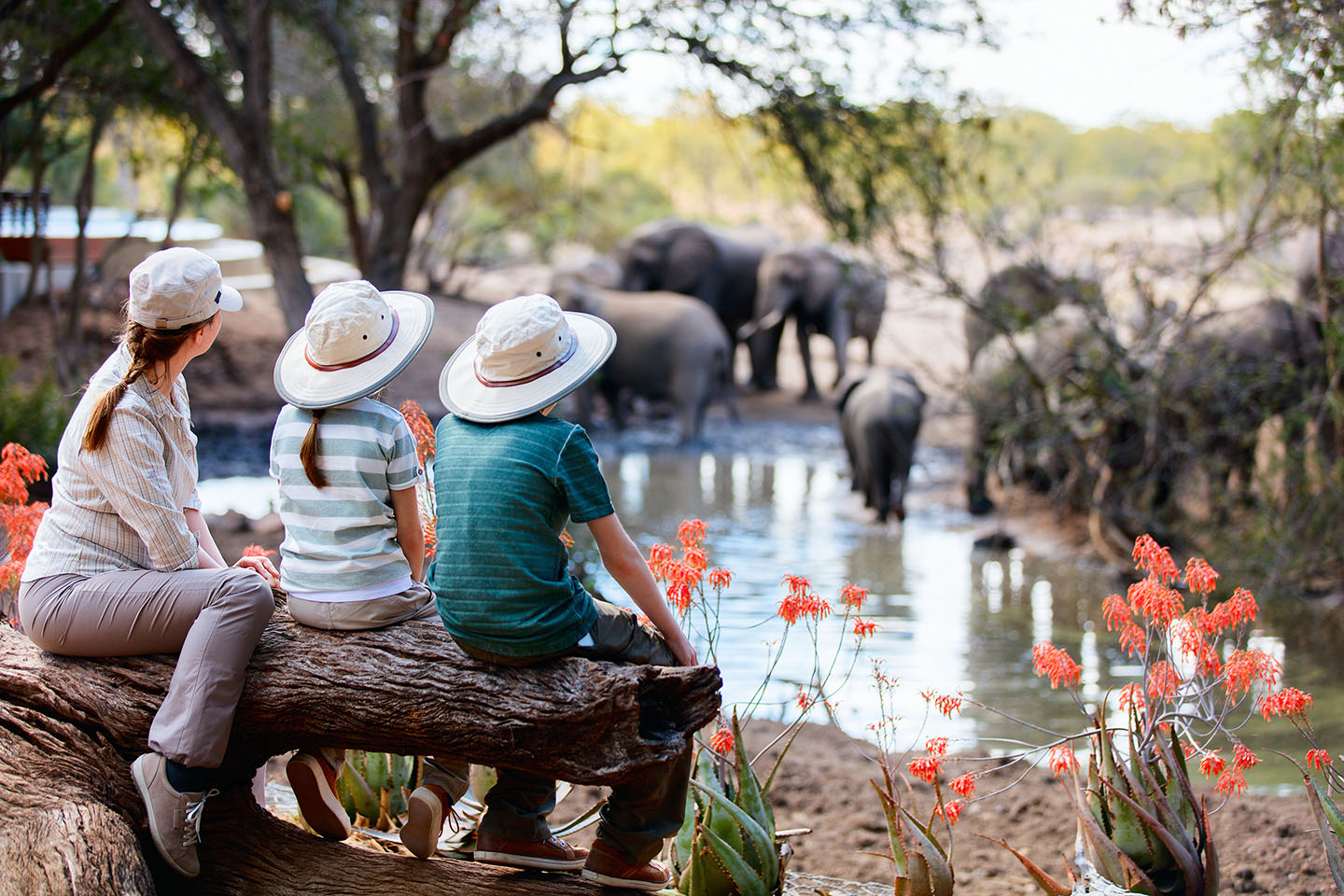
Elephants are intelligent, powerful animals that need space to move freely. Even an elephant that appears calm can react if it feels crowded, surprised or threatened.
Never attempt to stand between an elephant and its calf, block its path or approach it to take a selfie. Avoid sudden movements, shouting and any attempt to touch or feed it.
If an elephant changes its behaviour, your guide may increase the distance, change direction or wait for the animal to move away. Do not pressure the guide to remain in position for photographs.
Buffaloes and rhinoceroses

Cape buffaloes can be unpredictable, while rhinoceroses may react defensively when surprised or approached too closely. Both deserve considerable respect.
Never approach these animals on foot without an authorised professional guiding the activity. Avoid blocking their movement, especially when visibility is limited by vegetation.
In protected areas, follow all instructions concerning vehicle positioning and walking activities.
Hippopotamuses and crocodiles

Hippos spend much of their time in water but may move between feeding grounds and waterways. Crocodiles can remain difficult to see even when they are close to the water’s edge.
For river, lake and boat activities:
-
Never approach a hippo or crocodile on foot.
-
Stay within designated boat areas and follow the skipper’s instructions.
-
Do not swim in rivers or lakes unless the location has been specifically assessed and swimming is permitted.
-
Avoid approaching water at night in areas where dangerous wildlife may be present.
-
Do not stand on riverbanks or attempt close-up photographs without guidance.
What if an animal approaches your vehicle?
There is no single response that is appropriate for every species and situation. Do not attempt to drive away suddenly, provoke the animal or imitate advice from an online video.
Remain calm, stay inside and follow your guide’s instructions. Your guide will assess the animal’s behaviour and decide whether to remain still, move away slowly when safe, or take another appropriate action.
4. Game drive etiquette: Respect the wildlife and fellow travellers

Good safari etiquette is about more than avoiding danger. It also means allowing animals to behave naturally and ensuring that everyone has a fair opportunity to enjoy wildlife sightings.
Give animals space
A responsible guide should consider the animal’s behaviour, available escape routes, vegetation and the number of vehicles already present.
Do not demand that your driver block an animal’s route, follow it relentlessly or move closer when the animal is clearly uncomfortable.
Avoid crowding wildlife sightings
When several vehicles gather around a lion, leopard or other popular sighting, avoid contributing to congestion. Follow park rules on vehicle numbers and viewing times.
If another vehicle is already in a good position, wait patiently or explore another area. Your guide may discover another rewarding sighting away from the crowds.
Keep your voice down
Quiet observation makes it easier to hear birds, alarm calls and other sounds that help explain what is happening in the ecosystem.
Switch phones to silent mode and avoid loud music or unnecessary conversations during wildlife encounters.
Respect the guide’s decisions
You can absolutely communicate your interests, whether you want to photograph birds, look for big cats or spend more time with elephants. However, a request for a closer encounter should never override safety or park rules.
Never litter
Carry rubbish back to your vehicle or lodge, including food wrappers, tissues, plastic bottles and batteries. Do not throw anything from the vehicle.
Do not use drones without permission
Drone rules vary by country, park, reserve and airspace. Never assume that permission from a lodge or private property owner automatically authorises a drone flight over a protected area.
Check the relevant authorities’ rules before travelling with or using a drone.
5. Walking safaris: How to stay safe on foot

Walking safaris offer a different perspective from vehicle-based game drives. Instead of concentrating only on large mammals, you may learn to identify animal tracks, insects, plants, bird calls and the smaller details of the landscape.
However, being on foot changes the risk profile significantly.
Before joining a walking safari
-
Confirm that the activity is authorised in the specific area.
-
Use the designated professional guide or ranger required by the operator and local regulations.
-
Tell your guide about relevant mobility, medical or fitness limitations.
-
Wear closed footwear and suitable clothing.
-
Carry water, sun protection and any required personal medication.
-
Listen carefully to the safety briefing before setting out.
Do not leave the group to take a photograph or investigate an interesting track. Never approach wildlife independently.
What to do if wildlife is encountered
Follow your guide’s instructions immediately. Avoid sudden movements, do not run and do not attempt to approach or touch an animal.
The appropriate response depends on the species, terrain, distance and behaviour of the animal. Your guide is responsible for assessing those factors.
Important: A walking safari is not simply a game drive without a vehicle. It is a specialist activity that should be undertaken only under the applicable safety arrangements.
6. Gorilla and chimpanzee trekking safety in Uganda and Rwanda

Uganda and Rwanda offer exceptional opportunities to encounter great apes in forest environments. Gorilla and chimpanzee trekking can be among the most memorable experiences of an East African holiday, but these activities require careful preparation.
Unlike a conventional game drive, trekking may involve steep slopes, muddy trails, dense vegetation, changing weather and several hours of walking.
Before trekking
-
Confirm your permit and itinerary. Follow the relevant authority’s booking and check-in procedures.
-
Assess your fitness. Trek duration and terrain vary, and the location of the animals cannot be guaranteed in advance.
-
Wear suitable clothing. Long trousers, long sleeves, sturdy trekking footwear and rain protection are practical choices.
-
Carry essential supplies. Bring water, snacks if permitted, a small daypack and any personal medication.
-
Tell your operator about your needs. Discuss mobility, medical concerns or any assistance you may require before travel.
Rules during a gorilla encounter
-
Maintain the distance specified by the responsible park authority and your ranger.
-
Never touch a gorilla or attempt to attract its attention.
-
Avoid sudden movements and follow all instructions from the ranger.
-
Keep your voice low and do not surround the animals.
-
Follow the rules on eating, drinking and photography.
-
If you feel unwell, particularly with potentially infectious symptoms, inform the operator before the trek.
Great apes are susceptible to some human respiratory illnesses. Health screening and visitor restrictions may apply, so the latest instructions from the relevant park authority take precedence over general advice.
Chimpanzee trekking
Chimpanzees are highly active and may move quickly through forest vegetation. Follow your guide closely, remain within the designated group and never leave the trail or attempt to follow an animal independently.
For more inspiration, explore Astute Africa Safaris’ Uganda wildlife and gorilla trekking safari.
7. African safari safety for families travelling with children

A family safari can introduce children to wildlife conservation, geography, photography and different cultures. The experience is most successful when the itinerary is designed around children’s ages, energy levels, interests and safety needs.
Choose age-appropriate activities
Some lodges and camps have minimum age requirements for walking safaris, gorilla trekking, adventure activities or certain game drives. Confirm these requirements before booking rather than assuming every activity is suitable for every child.
Keep children supervised
Children should remain under adult supervision around vehicles, swimming pools, waterholes, camp boundaries and wildlife-viewing areas.
Never allow children to walk around a lodge or tented camp alone at night. In unfenced properties, wild animals may pass close to accommodation.
Plan shorter game drives when necessary
Younger children may become tired or restless during long drives. A private vehicle or flexible itinerary can make it easier to return to camp, take breaks or adapt the day’s schedule.
Prepare children for wildlife encounters
Explain that animals are not pets, that quiet behaviour matters and that everyone must listen to the guide. Give children binoculars or a wildlife checklist to make sightings engaging without encouraging them to shout or move around the vehicle.
Review accommodation carefully
Ask about fencing, room configuration, family tents, child supervision, swimming-pool safety and the procedures used when wildlife enters the camp area.
Read Astute’s ultimate guide to an African safari with children and the ultimate family African safari planner for further planning advice.
8. Cultural etiquette: How to respect African communities

An African safari can be an opportunity to learn about the people, histories, languages, traditions and livelihoods of the places you visit. Cultural experiences are most meaningful when they are based on genuine exchange rather than treating local communities as attractions.
Kenya, Tanzania, Uganda and Rwanda contain many different communities, each with its own customs. There is no single set of traditions that represents all Africans.
The following principles offer a respectful starting point.
Ask permission before taking photographs
Always ask before photographing an individual, family, home, ceremony or community gathering. A guide or community host may help you understand local expectations.
Do not assume that someone agrees to be photographed simply because they are in a tourist area. Respect a refusal without argument.
If you intend to publish photographs commercially or use them in advertising, ask about appropriate consent and permissions.
Dress appropriately
Clothing expectations depend on the setting. Safari camps generally have relaxed dress codes, while religious sites, traditional ceremonies and some rural communities may expect more conservative clothing.
When visiting a mosque or other religious site, ask about requirements concerning shoulders, legs, footwear, head coverings and photography.
Lightweight clothing is practical for the climate, but it should also be appropriate for the activities and communities you plan to visit.
Learn a few local greetings
A greeting in the local language can help make an interaction warmer and more respectful.
For example:
-
Kenya and Tanzania: Jambo is a widely recognised Swahili greeting, while Habari is another common greeting.
-
Uganda: English and Swahili are used in different contexts, alongside many local languages.
-
Rwanda: Muraho is a Kinyarwanda greeting commonly used when addressing someone.
Usage varies by setting and relationship, so follow your guide’s lead and be willing to learn.
Buy local crafts responsibly
Purchasing locally made crafts can support artisans and small businesses. Ask about the origin of products, negotiate politely where bargaining is customary, and avoid buying products made from protected wildlife or other prohibited materials.
Do not purchase ivory, illegal wildlife products or souvenirs whose trade is restricted under applicable laws.
Be thoughtful when giving gifts or money
Do not assume that every community visit requires gifts or that children should receive sweets or cash from visitors.
If you would like to contribute, ask your operator about established community initiatives, local enterprises or transparent donation arrangements. This can be more beneficial than distributing money without understanding the context.
Respect cultural ceremonies and sacred places
Ask before attending a ceremony, entering a sacred area or taking photographs. Some activities may be private or subject to restrictions that visitors are expected to observe.
The goal is to learn about a community on its own terms, not to expect people to change their customs for tourists.
9. Health and medical safety before an African safari

Health preparation is an important part of safari planning, particularly when visiting remote parks, high-altitude areas or tropical forests.
Your requirements will depend on your nationality, travel history, destinations, activities, medical history and the length of your stay. Consult a qualified travel-health professional well before departure.
Vaccinations and entry health requirements
Review the current health requirements for every country on your itinerary. Yellow fever vaccination or proof of vaccination may be required in certain circumstances, including travel from or through designated risk areas. Requirements can change, so verify them with official health authorities rather than relying on a general online checklist.
A travel-health consultation can help you determine which routine vaccinations and travel-specific precautions are appropriate.
Malaria and insect-borne illnesses
Malaria occurs in a number of African safari destinations, but risk varies by location, altitude and season.
Ask a clinician whether malaria prevention medication is appropriate for your route. Use an effective insect repellent according to its label, wear suitable clothing and follow accommodation advice on mosquito nets or screened rooms.
Do not assume that a luxury lodge, cool climate or short stay eliminates health risks.
Food and drinking water
Use drinking water from a source considered safe by your accommodation or local authorities. If you are uncertain about the water supply, ask your guide or lodge for advice.
Wash your hands before eating and after using the toilet. Choose food from establishments that follow appropriate hygiene practices, and take extra care with food storage in hot weather.
Heat, dehydration and sun exposure
Game drives can involve long periods in open vehicles, while walking activities may expose you to strong sunlight and high temperatures.
Carry sufficient water, wear a hat, use sunscreen and take breaks when needed. Tell your guide promptly if you experience dizziness, severe headache, confusion, nausea or unusual weakness.
Travel insurance and medical evacuation
Choose travel insurance that covers your planned activities and destinations. Read the exclusions carefully, especially if your itinerary includes gorilla trekking, walking safaris, adventure activities or travel to remote regions.
Check whether the policy includes emergency medical treatment, medical evacuation, repatriation and cancellation cover relevant to your needs.
Before booking, ask your operator who to contact in an emergency and how medical assistance is coordinated from remote parks.
For authoritative health information, consult the World Health Organization and your country’s official travel-health service.
10. Transport safety: Roads, domestic flights and airport transfers

Transport is an essential part of African safari safety. Some destinations are reached by paved highways, while others involve long stretches of gravel road, rough tracks or light aircraft transfers.
Choose a reputable safari operator
Before paying, confirm the operator’s identity, contact details, booking terms, transport arrangements and relevant registration or licensing details.
Ask who will operate your safari, whether the vehicle is suitable for the planned terrain and what support is available if a vehicle develops a problem.
Avoid rushing long road journeys
Distances on a map can be misleading. Road conditions, park gates, wildlife sightings, weather and traffic can all affect travel time.
Build realistic transfer times into your itinerary and avoid demanding schedules that require unsafe driving or arriving at a destination after dark unnecessarily.
Use appropriate airport transfers
Arrange airport transfers through your accommodation or a reliable transport provider. Confirm the driver’s name or vehicle details when possible, and keep your essential travel documents secure.
In unfamiliar cities, remain aware of your surroundings and avoid displaying valuables unnecessarily.
Understand light-aircraft luggage limits
Bush flights often have strict luggage restrictions, including requirements for soft-sided bags. Weight limits can vary by airline, aircraft and route.
Check the exact rules before departure, including any restrictions on camera equipment or additional bags.
Seat belts and vehicle condition matter
Wear seat belts whenever provided and required. Do not encourage drivers to speed, overtake dangerously or leave designated routes to improve a wildlife photograph.
For self-drive safaris, confirm that the route, vehicle, driving arrangements and recovery support are appropriate for the conditions.
11. Safari accommodation safety: Lodges, tented camps and luxury resorts

Accommodation is part of the safari experience, but a beautiful room does not remove the need for sensible precautions. Some camps are fenced, while others operate in open wildlife areas where animals may move through the property.
Understand whether the camp is fenced
Ask the lodge whether its grounds are fenced and what procedures guests must follow after dark.
At unfenced camps, wildlife may pass close to tents, paths or common areas. Do not walk around alone at night or leave accommodation without following the property’s escort procedures.
Follow staff instructions
If staff offer an escort to your tent, room or dining area, use it. Ask for assistance if you need to move around the property after dark.
Never attempt to approach an animal seen near your accommodation.
Protect valuables and documents
Use a room safe where available and keep passports, travel documents, medication and electronic devices secure.
Carry only the cash and cards you need for daily activities, and retain copies of important documents separately.
Check swimming pools and water activities
If your accommodation has a swimming pool, supervise children and follow the property’s rules. For lodges near lakes or rivers, ask about designated swimming areas and wildlife-related restrictions.
Be careful around fires and lanterns
Observe fire safety rules, especially in tented accommodation. Do not leave candles, heaters or other ignition sources unattended, and follow instructions about smoking and the disposal of matches.
Booking tip: When comparing safari camps, consider the location, access, safety arrangements, guiding standards and emergency support—not just the room photographs and luxury rating.
12. Safari clothing and packing etiquette

What you wear can affect comfort, sun protection, insect exposure and suitability for particular activities.
What should you wear on an African safari?
For most conventional game drives, lightweight, breathable clothing is practical. Neutral shades such as khaki, olive, brown and beige are popular choices, although no single colour guarantees safety or wildlife sightings.
Consider packing:
-
Lightweight shirts and trousers.
-
A warm layer for early mornings and cool evenings.
-
A waterproof jacket for rain or forest trekking.
-
Comfortable closed shoes for camps and general walking.
-
Sturdy hiking footwear where trekking is planned.
-
A wide-brimmed hat, sunglasses and sunscreen.
-
Insect repellent appropriate for your destination.
-
Binoculars and a camera with spare batteries.
-
A reusable water bottle where suitable.
-
Personal medication and a small first-aid kit.
For gorilla trekking, add suitable hiking boots, long trousers, long sleeves and rain protection.
For a beach extension in Zanzibar or Kenya’s coast, include swimwear and comfortable beach clothing. Follow local dress expectations when visiting towns, religious sites and communities.
See Astute’s African safari packing list for a more detailed destination-by-destination checklist.
13. Photography etiquette: Capture the moment without disturbing it

Photography is one of the great pleasures of an African safari. However, a good photograph should never come at the expense of wildlife welfare, personal safety or the experience of other visitors.
Use your equipment responsibly
A zoom lens or binoculars can help you observe wildlife without moving too close. Keep camera straps, bags and equipment secure inside the vehicle.
Avoid leaning dangerously out of vehicles or standing up when your guide has instructed passengers to remain seated.
Do not use flash carelessly
Flash photography can disturb animals and may be prohibited or discouraged in particular settings. Follow your guide’s instructions, especially during night drives, primate encounters and visits to sensitive wildlife habitats.
Give other photographers a chance
Avoid blocking another vehicle’s view or insisting that your driver hold a position indefinitely. Share viewing opportunities when practical and respect any time limits imposed by park authorities.
Ask before photographing people
Cultural photography requires consent. Ask permission before taking portraits, especially of children, and be considerate if someone declines.
Do not stage wildlife encounters
Never ask a guide to provoke an animal, bait wildlife or interfere with its behaviour to create a dramatic image.
The most rewarding photographs often come from patience and observation rather than attempts to control the scene.
14. Responsible safari tourism: Protect wildlife and benefit local communities

Responsible tourism considers the effect a trip has on wildlife, habitats and the people who live near protected areas.
When choosing a safari, look beyond marketing terms such as eco-friendly, green or conservation-focused. Ask what the operator, lodge or activity actually does.
Choose credible conservation experiences
Look for clear information about conservation funding, habitat protection, community partnerships, wildlife monitoring or locally managed tourism initiatives.
Do not assume that every lodge contributes a particular percentage of revenue to conservation unless it provides verifiable evidence.
Support local businesses
Where appropriate, choose locally made crafts, community-run experiences, local guides and businesses that employ people from surrounding areas.
Ask how community visits are organised and whether participation is voluntary and respectful.
Avoid exploitative wildlife attractions
Be cautious of activities involving direct contact with wild animals, forced interactions, inappropriate handling or opportunities to pose with wildlife.
Before participating in a wildlife experience, ask about animal welfare, supervision, conservation objectives and whether the activity complies with local regulations.
Leave natural areas as you found them
Do not remove plants, rocks, feathers, bones or other natural materials. Avoid trampling vegetation, damaging habitats or leaving waste behind.
Follow rules designed to protect breeding sites, nesting birds and other sensitive areas.
Understand the role of conservancies
In parts of Kenya and other African safari destinations, community and private conservancies can create opportunities for wildlife protection and local economic benefits. The actual arrangements vary by conservancy, so travellers should ask how their visit supports the area.
A responsible safari should leave you with more than photographs. It should also help you understand the connection between tourism, conservation and community livelihoods.
15. African safari safety and etiquette by destination
Different destinations have different environments and activities. Use these destination-specific considerations alongside current official travel advice.

Kenya: Maasai Mara, Amboseli, Tsavo and Samburu
Kenya combines classic savannah game drives, walking experiences in selected areas, birdwatching, cultural visits and coastal holidays.
Safety priorities: Follow park rules, remain inside the vehicle unless permitted to exit, use reliable transfers and follow camp procedures where wildlife can roam freely. Take extra care on long road journeys and in unfamiliar urban areas.
Etiquette focus: Respect wildlife viewing distances, ask permission before cultural photography and avoid crowding popular sightings.
Explore Kenya safaris and parks.

Tanzania: Serengeti, Ngorongoro and Tarangire
Tanzania’s major safari circuits feature large landscapes, abundant wildlife and some lengthy transfers between parks.
Safety priorities: Check road and flight arrangements, respect wildlife distances, confirm the rules for crater and park visits, and prepare for cool mornings or changing weather.
Etiquette focus: Do not pressure drivers to approach predators, leave designated routes or disrupt other vehicles.

Uganda: Bwindi, Kibale, Queen Elizabeth and Murchison Falls
Uganda combines savannah wildlife with rainforest trekking, chimpanzee tracking, gorilla encounters and river excursions.
Safety priorities: Prepare for wet forest trails, wear suitable footwear, follow ranger instructions and confirm trekking requirements before booking.
Etiquette focus: Respect primate viewing rules, avoid disturbing animals and follow guidance on health screening and permitted distances.
Discover the Uganda wildlife and gorilla trekking safari.

Rwanda: Volcanoes, Akagera and Nyungwe
Rwanda offers mountain gorilla trekking, rainforest walks, savannah wildlife and cultural experiences.
Safety priorities: Confirm trekking permits and age requirements, prepare for steep or muddy terrain and review current travel guidance for your complete route.
Etiquette focus: Follow ranger instructions, keep an appropriate distance from primates and respect local customs and protected areas.

Zanzibar: Beaches, Stone Town and marine excursions
Zanzibar is a popular extension to a Tanzania safari, offering coastal relaxation, historic sites and marine activities.
Safety priorities: Check tides, currents, boat conditions and weather. Use reputable activity providers and follow swimming guidance.
Etiquette focus: Dress respectfully in local communities and religious settings, ask before photographing people and respect local customs.
Read about Tanzania’s safari and beach destinations.
For every destination, review current official travel advice and any applicable park, immigration and health requirements before departure. Conditions may change, and the same precautions will not apply equally to every itinerary.
16. What to do if something goes wrong during your safari
Preparation includes knowing whom to contact and how to respond if a problem occurs.
If you become separated from your group
Remain in a safe, designated location and contact your guide or tour operator using the agreed communication method. Do not wander through a park, forest or unfamiliar area looking for the group.
If you feel unwell
Inform your guide or accommodation staff promptly. Do not conceal symptoms that could affect your ability to complete a trek or participate safely in an activity.
For serious symptoms, request urgent medical assistance. Your operator should help coordinate the next steps under its emergency procedures.
If your vehicle breaks down
Follow the driver’s instructions. Do not leave the vehicle or attempt repairs yourself in a wildlife area unless directed by the responsible professional and it is safe to do so.
If your passport or valuables are lost
Contact your tour operator and the relevant authorities. For a lost passport, contact your embassy or consulate for instructions. Use copies of important documents to help establish your identity, while keeping the originals secure whenever practical.
If a safety concern arises at your accommodation
Contact lodge management immediately and follow its emergency procedures. In an area where wildlife can move freely, do not attempt to resolve the situation by approaching an animal yourself.
Keep essential information accessible
Before travelling, save:
-
Your tour operator’s emergency contact.
-
Accommodation contact details.
-
Travel insurance and assistance numbers.
-
Passport and permit copies.
-
Relevant embassy or consulate details.
-
Local emergency numbers for each destination.
For remote itineraries, ask your operator how communication and medical support are managed when mobile coverage is limited.
17. Your African safari safety checklist
Use this checklist before departure and review it with your travel companions.
Pre-safari checklist
0/14 completed
Before you book
Before you travel
During your safari
Copy checklistReset
18. Frequently asked questions about African safari safety and etiquette
These frequently asked questions address common concerns travellers have when preparing for their first safari or planning a return visit to Africa.
Is an African safari safe for first-time visitors?
Yes, many first-time travellers enjoy organised African safaris. The key is to choose an itinerary that suits your needs, book through a reputable operator, follow wildlife safety rules and check current travel advice. Your guide should explain the precautions required for each activity.
What should you never do on an African safari?
Never deliberately approach, feed, touch or provoke wild animals. Do not leave a vehicle without authorisation, ignore a guide’s instructions, litter in protected areas or attempt unauthorised wildlife interactions. Follow specific rules for walking safaris and primate trekking.
Can you get out of a safari vehicle to take photographs?
Only when your guide confirms that exiting is permitted and safe, such as at an authorised viewpoint or designated stop. Never leave a vehicle to get closer to wildlife or take a better photograph.
What is the most important safari etiquette rule?
Respect wildlife and follow your guide’s instructions. Keep a suitable distance, remain quiet during sightings, avoid crowding animals and respect the experience of other visitors.
Is it safe to travel on an African safari with children?
A family safari can be enjoyable when activities, accommodation and transport are suitable for the children’s ages and needs. Confirm age restrictions for walking safaris and primate trekking, supervise children closely and choose an itinerary with realistic travel times and opportunities for rest.
What should I wear on an African safari?
Lightweight, breathable clothing, comfortable closed shoes, a sun hat and a warm layer for early mornings are useful for many game drives. Walking safaris and gorilla trekking may require sturdier footwear, long trousers and rain protection. Pack according to your actual activities and destination.
Should I be concerned about malaria on safari?
Malaria risk varies by destination, altitude, season and individual circumstances. Consult a qualified travel-health professional about prevention medication, insect protection and other precautions before departure. Do not assume that every safari area has the same level of risk.
Is it safe to walk around a safari lodge at night?
It depends on the property and its wildlife environment. Some camps have wildlife moving freely through their grounds. Follow the lodge’s instructions, use an escort when required and never walk towards an animal.
Is gorilla trekking safe in Uganda and Rwanda?
Gorilla trekking is conducted under specific permit, ranger and visitor rules, but it involves walking in natural forest habitats and approaching wild primates under controlled conditions. Follow the ranger’s instructions, respect required viewing distances and confirm that you meet the current activity requirements.
Is it safe to swim during a safari or beach holiday?
Only swim in locations where swimming is permitted and conditions have been assessed as suitable. Rivers and lakes may contain dangerous wildlife, while ocean beaches can have strong currents and changing tides. Follow local guidance and reputable activity providers’ instructions.
How can I choose a trustworthy African safari operator?
Check the company’s identity, relevant registration or licensing, transparent booking terms, itinerary details, accommodation arrangements and emergency procedures. Look for genuine, verifiable reviews and clear contact information. Ask questions about safety and support before paying a deposit.
19. Why plan your safari with Astute Africa Safaris?

Choosing a safari operator is not just about finding a vehicle and accommodation. It is about bringing together the destinations, activities, transport arrangements, accommodation and practical details that make a journey work.
Astute Africa Safaris is a locally owned safari company based in Nairobi, Kenya, offering personalised safari planning across East Africa.
Our approach is to listen to the traveller, understand the journey and design the itinerary around the experience they want.
Whether you are planning a first safari, a family holiday, a romantic getaway or a multi-country adventure, we can help you explore options that match your interests, preferred travel style and budget.
Our safari planning can help you consider:
-
Destination selection: Compare Kenya, Tanzania, Uganda, Rwanda and Zanzibar according to your interests and itinerary.
-
Tailor-made experiences: Explore options for wildlife viewing, birdwatching, gorilla trekking, cultural experiences and beach extensions.
-
Accommodation choices: Consider budget, mid-range, luxury and high-end accommodation according to availability and your preferences.
-
Family-friendly arrangements: Discuss age requirements, manageable travel days and suitable activities.
-
Practical logistics: Coordinate road transfers, flights, accommodation and activities into a realistic itinerary.
-
Responsible travel: Consider wildlife welfare, conservation and respectful engagement with local communities.
Learn more about Astute Africa Safaris and our approach to personalised safari planning.
20. Plan your African safari with confidence

An unforgettable African safari begins with curiosity, but it is made better by preparation, responsible decisions and respect for the natural world.
Understanding African safari safety and etiquette helps you enjoy wildlife encounters responsibly, interact respectfully with local communities, prepare for different environments and make informed decisions about accommodation, transport and activities.
From the open plains of the Maasai Mara and Serengeti to Uganda’s tropical forests, Rwanda’s mountain landscapes and Zanzibar’s Indian Ocean beaches, every destination brings its own opportunities and considerations.
The most important principles remain consistent: choose a suitable itinerary, use reputable professionals, follow local rules, protect your health, respect wildlife and remain flexible when conditions change.
At Astute Africa Safaris, we believe the best journeys are designed around the traveller. Tell us what you hope to experience, and we can help you explore an itinerary that balances adventure, comfort, practical planning and responsible travel.
Ready to plan your African safari?
Whether you dream of seeing the Big Five, tracking mountain gorillas, enjoying a family safari or combining wildlife with a relaxing beach holiday, start planning your journey with Astute Africa Safaris.
Explore our safari experiences
Discover destinations, tours and tailor-made itineraries.
Discuss your travel plans
Share your dates, group size, destinations and preferred budget.
WhatsApp: +254 762 663 272
Explore: East Africa Visa Requirements
Explore: Booking Terms and Conditions
Leave a comment:
You must be logged in to post a comment.
Comments (3)
African Kenya Safaris and Tour Packages - Astute Africa Safaris,
03 March, 2026[…] Planning for Your African Kenya Safaris and Tour Packages: Costs and Logistics […]
The Ultimate Family African Safari Planner: A Step-by-Step Guide to Safety, Budgeting, and Choosing the Best Season for Your Kids - Astute Africa Safaris,
04 April, 2026[…] Safety is paramount when traveling with children in the wild. It is essential to choose lodges that are fenced and have strict safety protocols regarding wildlife interactions. Parents should ensure that all routine vaccinations are up to date and consult a travel clinic regarding malaria prophylaxis, as the health of the child is the highest priority. Furthermore, always adhere to the guidance of professional rangers during game drives, as they are trained to read animal behavior and maintain a safe distance. […]
Astute Africa Safaris,
05 May, 2026REF: Crafting Your Bespoke African Safari Experience with Astute Africa Safaris
Jambo,
Thank you for your interest in exploring the wonders of Africa with Astute Africa Safaris. We pride ourselves on creating immersive, tailor-made journeys that align perfectly with your personal interests, pace, and travel aspirations.
Because every safari is a unique narrative, we do not believe in “one-size-fits-all” pricing. To ensure we provide you with an accurate and competitive quotation that reflects the specific lodges, wildlife experiences, and logistical arrangements you desire, we invite you to connect with our team for a personalized consultation.
Please contact us at info@astuteafricasafaris.com, Whatsapp +254762663272 or fill the inquiry form with a few details regarding your preferred travel dates, group size, and specific interests (e.g., photography, luxury relaxation, or adventure trekking). Once we have these details, we will curate a comprehensive proposal designed specifically for you.
We look forward to the possibility of helping you plan an unforgettable journey.
Warm regards,
Team Astute Africa Safaris