

- 1.1k Views
- 29 Min Read
- (3) Comments
Planning an African safari is an exciting opportunity to discover extraordinary wildlife, breathtaking landscapes, vibrant cultures and unforgettable natural experiences. For many travellers, however, one question comes before choosing a destination: Where can I enjoy an African safari while feeling safe, comfortable and well supported throughout my journey?
Africa offers a remarkable variety of safari destinations, from Kenya’s famous savannahs and Tanzania’s wildlife-rich plains to Uganda’s tropical rainforests, Rwanda’s mountain gorillas, Botswana’s waterways and Namibia’s spectacular desert landscapes.
The key to planning a successful safari is understanding that safety is not determined by a country’s reputation alone. It also depends on the specific region you visit, the activities you choose, the season, transport arrangements, accommodation standards and the experience of your safari operator.
At Astute Africa Safaris, a locally based safari company in Nairobi, Kenya, we help travellers explore East Africa through personalised itineraries designed around their interests, travel dates, accommodation preferences and budget.
This comprehensive guide to safe safari destinations in Africa explores the best places to visit in each country, what makes every destination distinctive, important safety considerations and suggested itineraries for couples, families, first-time safari travellers and wildlife enthusiasts.
Quick guide: Which African safari destination should you choose?
Different countries suit different travel styles. Consider the following comparison when deciding where to begin.
|
Destination |
Best places to explore |
What makes it distinctive |
|---|---|---|
|
Kenya |
Maasai Mara, Amboseli, Samburu, Tsavo |
Classic savannah safari, varied wildlife and safari-and-beach combinations |
|
Tanzania |
Serengeti, Ngorongoro, Tarangire |
Great Migration experiences, expansive wilderness and the Ngorongoro Crater |
|
Uganda |
Bwindi, Queen Elizabeth, Kibale, Murchison Falls |
Mountain gorillas, chimpanzees, forest and savannah wildlife |
|
Rwanda |
Volcanoes, Akagera, Nyungwe |
Gorilla trekking, conservation experiences and scenic highlands |
|
Botswana |
Okavango Delta, Chobe, Moremi |
Water-based safaris, elephants and remote wilderness |
|
Namibia |
Etosha, Sossusvlei, Damaraland |
Desert scenery, dramatic landscapes and wildlife adapted to arid environments |
|
South Africa |
Kruger, Cape Town, Garden Route |
Established safari infrastructure combined with cities, coastlines and other attractions |
|
Zimbabwe |
Hwange, Mana Pools, Victoria Falls |
Elephant encounters, guided wilderness experiences and spectacular scenery |
|
Zambia |
South Luangwa, Lower Zambezi, Kafue |
Walking safaris, river wildlife and immersive wilderness experiences |
These destinations offer different types of travel experiences rather than a universal safety ranking. Before booking, check current government travel advice for the exact places on your route. Official advisories can distinguish between regions within the same country.
What makes an African safari safe?
A well-planned safari combines good destination selection with reliable logistics and responsible behaviour. Even in established tourist destinations, travellers should take sensible precautions.
1. Choose a reputable safari operator
A professional operator helps coordinate accommodation, ground transfers, park entry, guides, activity permits and emergency arrangements.
Before booking, ask who will operate your trip, whether the company has the relevant licences, what support is available during the safari and how changes or emergencies are handled.
For wildlife activities, experienced guides are especially valuable because they understand animal behaviour, terrain, park rules and the importance of maintaining appropriate distances from wildlife.
2. Choose suitable accommodation
Well-managed lodges and camps normally have established guest-safety procedures, staff available to assist visitors and guidance for moving around wildlife areas.
In unfenced properties, wild animals may pass through the grounds. Always follow staff instructions about walking after dark, using pathways and travelling between your room and communal areas.
3. Plan reliable transport
Safari distances can be substantial, and roads vary considerably in quality.
A sensible itinerary accounts for driving time, rest breaks, daylight, weather and road conditions. Domestic flights may be useful when travelling between distant parks, particularly when time is limited.
Avoid unnecessary night driving in unfamiliar areas, and use reputable transport providers.
4. Follow wildlife safety rules
Wild animals are unpredictable, even when they appear accustomed to safari vehicles.
-
Remain inside the vehicle unless your guide identifies a safe, permitted place to get out.
-
Never approach, feed, touch or attempt to attract wild animals.
-
Follow your guide’s instructions around elephants, lions, buffaloes and other potentially dangerous wildlife.
-
Keep noise to a minimum and respect viewing distances.
-
On walking safaris, remain with your authorised guide and follow the briefing carefully.
5. Prepare for health and medical needs
Consult a qualified travel-health professional well before departure. Ask about recommended vaccinations, malaria prevention, insect protection, food and water precautions, and any health requirements specific to your itinerary.
Choose travel insurance that covers your destination, planned activities and emergency medical evacuation where needed. Remote safari locations may be far from advanced medical facilities.
6. Check travel advice before departure
Security conditions can change. Review your government’s travel advisory for each destination and transit point, particularly if your trip includes border areas, remote regions or several countries.
For example, the UK Foreign, Commonwealth & Development Office publishes country-specific and regional advice for Kenya, Tanzania, Uganda and Rwanda. These advisories include information about security, transport, health and travel insurance.
1. Kenya: Classic wildlife safaris, diverse landscapes and beach holidays

Kenya is one of Africa’s best-known safari destinations, offering national parks, private conservancies, lakes, forests, mountains and Indian Ocean beaches. Its varied landscapes make it possible to combine traditional game drives with birdwatching, cultural experiences, photography and relaxation on the coast.
Kenya is particularly suitable for travellers who want a classic African safari without necessarily travelling between several countries.
Best places to visit in Kenya

Maasai Mara National Reserve
The Maasai Mara is celebrated for its lions, cheetahs, leopards, elephants and large herds of grazing animals. The annual wildebeest migration moves through the wider Serengeti–Mara ecosystem, with timing and location varying by rainfall and grazing conditions.
Best for: First-time safaris, big-cat viewing, wildlife photography and migration-season trips.

Amboseli National Park
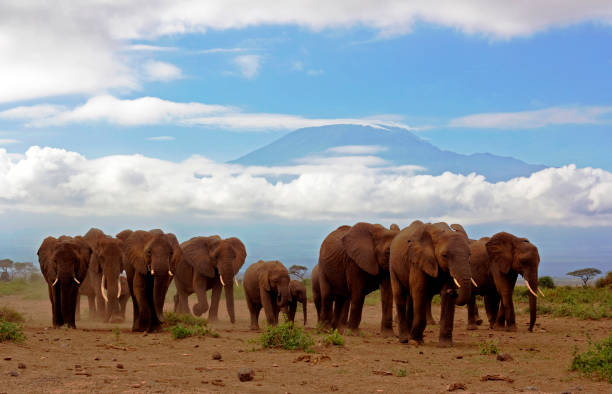
Amboseli is known for its large elephant herds, open plains, swamps and memorable views of Mount Kilimanjaro when weather conditions allow.
Best for: Elephant photography, families, scenic game drives and travellers seeking an iconic African landscape.

Tsavo East and Tsavo West National Parks
Tsavo East offers broad, semi-arid plains and famous red-dust elephants. Tsavo West features rugged terrain, volcanic formations, Mzima Springs and varied habitats.
Best for: Longer wilderness journeys, elephants, varied scenery and combining safari with the Kenyan coast.

Lake Nakuru National Park
This compact Rift Valley park is noted for rhinos, waterbirds, woodland and scenic lake views. Flamingo numbers fluctuate with water conditions and food availability.
Best for: Short safaris, birdwatching, rhino viewing and itineraries that include the Maasai Mara.

Samburu National Reserve
Samburu’s dry landscapes support distinctive species, including Grevy’s zebra, reticulated giraffe and gerenuk. The region also offers opportunities to learn about local pastoralist cultures through respectful, community-approved visits.
Best for: Repeat safari travellers, specialised wildlife photography and a different landscape from the southern savannahs.

Diani Beach, Watamu and the Kenyan coast
Kenya’s coastline offers sandy beaches, marine parks, snorkelling, diving, Swahili history and opportunities to relax after game drives. Mombasa and nearby historical sites add cultural interest.
Best for: Honeymoons, families, beach extensions and safari-and-sea holidays.
Kenya safety considerations
Kenya has a developed safari industry, but conditions are not uniform throughout the country. Some border and remote regions are subject to specific travel warnings. Review the latest regional advice before including any less-visited area.
For a typical safari, arrange transport through a reputable operator, use authorised park access points, keep valuables secure and confirm transfers in advance. For coastal holidays, follow local advice about swimming, water activities and evening transport.
Suggested Kenya safari itineraries
Maasai Mara wildlife escape
-
Day 1: Travel from Nairobi to the Maasai Mara and settle into your camp.
-
Day 2: Morning and afternoon game drives.
-
Day 3: Explore different habitats and look for big cats and plains wildlife.
-
Day 4: Return to Nairobi.
Ideal for: Travellers with limited time who want a focused wildlife experience.
Kenya wildlife and landscapes
-
Day 1: Arrive in Nairobi.
-
Day 2: Travel to Amboseli.
-
Day 3: Game drives in Amboseli.
-
Day 4: Transfer towards the Rift Valley, with an overnight near Lake Nakuru.
-
Day 5: Explore Lake Nakuru and continue to the Maasai Mara.
-
Day 6: Full-day wildlife viewing in the Mara.
-
Day 7: Return to Nairobi.
Ideal for: First-time visitors seeking varied scenery and several wildlife habitats.
10 days / 9 nights
Safari and Indian Ocean beach holiday
-
Days 1–2: Nairobi and Amboseli.
-
Days 3–4: Tsavo West and Tsavo East, depending on routing.
-
Days 5–6: Travel towards the coast and enjoy beach time.
-
Days 7–9: Relax at Diani Beach or another suitable coastal base.
-
Day 10: Transfer to the departure airport.
Ideal for: Couples, families and travellers who want wildlife followed by relaxation.
Planning note: These are sample routes, not confirmed bookings. The exact sequence should be adjusted for transport connections, accommodation availability, road conditions and your arrival and departure times.
Explore Kenya safari holidays with Astute Africa Safaris.
2. Tanzania: The Serengeti, Ngorongoro Crater and the Great Migration

Tanzania is a compelling choice for travellers who want expansive wilderness, remarkable wildlife concentrations and the possibility of combining a mainland safari with Zanzibar.
The northern safari circuit is especially popular because several major parks can be combined into one journey. Nevertheless, Tanzania is a large country, so it is worth choosing a coherent route rather than attempting to cover too many distant regions.
Best places to visit in Tanzania

Serengeti National Park
The Serengeti is famous for its open plains, large herbivore herds, lions, cheetahs and the seasonal movements of wildebeest and zebra.
Best for: Extended game drives, big cats, wildlife photography and migration-focused itineraries. Choose the Serengeti region according to the expected seasonal movement of the herds.

Ngorongoro Conservation Area
The Ngorongoro Crater offers dramatic scenery and a wildlife-rich crater floor. Its varied habitats create opportunities to observe several iconic African species during a well-planned game drive.
Best for: Shorter wildlife-focused stays, scenic photography and combining with the Serengeti.

Tarangire National Park
Tarangire is known for its baobab trees, elephants and seasonal wildlife concentrations around water sources.
Best for: Elephant encounters, quieter safari experiences at suitable times and varied northern-circuit scenery.

Lake Manyara National Park
Lake Manyara combines woodland, lakeshore habitats and birdlife beneath the Rift Valley escarpment. Wildlife sightings vary by season and conditions.
Best for: Birdwatching, scenic drives and a stop on a northern Tanzania circuit.

Zanzibar
Zanzibar offers beach resorts, Stone Town’s historic streets, Swahili culture, boat trips and marine activities. It is an island destination with a different pace from the mainland safari circuit.
Best for: Honeymoons, families, beach relaxation and safari-and-beach combinations.
Tanzania safety considerations
Use established safari operators, follow park rules and take extra care in remote areas where medical services and evacuation can be difficult. Ask your operator about emergency communications, vehicle arrangements and the nearest appropriate medical facilities.
In towns and beach destinations, protect valuables, arrange trusted transport and avoid walking alone in unfamiliar areas at night. Check regional travel advice before finalising your itinerary, particularly if travelling near areas with specific warnings.
Suggested Tanzania safari itineraries
5 days / 4 nights
Northern Tanzania highlights
-
Day 1: Arrive in Arusha.
-
Day 2: Game drive in Tarangire National Park.
-
Day 3: Travel to the Ngorongoro area.
-
Day 4: Explore the crater with an authorised guide and vehicle.
-
Day 5: Return to Arusha.
Ideal for: Travellers who want a compact wildlife holiday.
Serengeti and Ngorongoro safari
-
Day 1: Arrive in Arusha.
-
Day 2: Travel towards the Serengeti, with wildlife viewing en route where feasible.
-
Days 3–4: Explore the Serengeti.
-
Day 5: Transfer towards Ngorongoro.
-
Day 6: Descend into the crater for a game drive.
-
Day 7: Return to Arusha.
Ideal for: First-time visitors interested in Tanzania’s signature wildlife areas.
10 days / 9 nights
Tanzania safari and Zanzibar beach holiday
-
Day 1: Arrive in Arusha.
-
Days 2–3: Tarangire and the Ngorongoro region.
-
Days 4–6: Serengeti wildlife viewing.
-
Day 7: Transfer to an appropriate airport and fly to Zanzibar.
-
Days 8–9: Enjoy the beach, marine activities or Stone Town.
-
Day 10: Depart Zanzibar.
Ideal for: Honeymooners and couples seeking both adventure and relaxation.
Safari routing and flight schedules need to be coordinated carefully. Travellers who want the Great Migration should choose dates and camps based on the expected location of the herds rather than assuming they will always be in the same part of the Serengeti.
3. Uganda: Mountain gorillas, chimpanzees and traditional wildlife safaris

Uganda offers a different kind of African safari. Instead of focusing exclusively on open savannahs, visitors can combine conventional game drives with rainforest trekking, chimpanzee encounters, river cruises and spectacular waterfalls.
This variety makes Uganda attractive to travellers who want an immersive nature experience and are comfortable with active excursions.
Best places to visit in Uganda

Bwindi Impenetrable National Park
Bwindi is internationally known for mountain gorilla trekking through forested terrain. Treks can be physically demanding, and conditions depend on weather, elevation and the gorilla group’s location.
Best for: Wildlife enthusiasts, special-occasion trips and travellers seeking a guided gorilla encounter.
Gorilla permits must be arranged according to the relevant authority’s rules, and participants must follow health and wildlife-protection instructions.

Queen Elizabeth National Park
The park combines savannah, wetlands, crater lakes and the wildlife-rich Kazinga Channel. Game drives and boat excursions provide different ways to explore its habitats.
Best for: Combining savannah wildlife with a gorilla trekking journey.

Kibale National Park
Kibale is a leading destination for guided chimpanzee tracking in tropical forest.
Best for: Primate enthusiasts, nature lovers and travellers interested in forest ecology.
Chimpanzee tracking involves walking through natural habitat, so suitable footwear, reasonable fitness and compliance with the guide’s instructions are important.

Murchison Falls National Park
Here, the Nile passes through a narrow gorge before plunging dramatically downstream. The park also offers savannah game drives and river excursions.
Best for: Scenic adventures, boat trips, birdwatching and a varied multi-day safari.
Uganda safety considerations
Use authorised guides and operators for gorilla and chimpanzee trekking, confirm permits in advance, and follow all health-related rules for primate encounters. Forest trails may be steep, slippery or muddy, so plan according to your physical ability.
Allow adequate travel time between parks, especially when combining southwestern Uganda with more distant destinations. Check the current security situation and official advice for the exact route before departure.
Suggested Uganda safari itineraries
Short gorilla trekking safari
-
Day 1: Arrive at Entebbe and connect towards southwestern Uganda, subject to your transport arrangements.
-
Day 2: Travel to the Bwindi area and prepare for the trek.
-
Day 3: Guided mountain gorilla trekking.
-
Day 4: Return towards Entebbe or continue according to flight connections.
Ideal for: Travellers with limited time. A flight-assisted route or an additional night may be more comfortable.
6 days / 5 nights
Gorillas and Queen Elizabeth National Park
-
Day 1: Arrive in Entebbe.
-
Day 2: Travel to Queen Elizabeth National Park.
-
Day 3: Game drives and a Kazinga Channel excursion.
-
Day 4: Transfer towards Bwindi.
-
Day 5: Mountain gorilla trekking.
-
Day 6: Return towards Entebbe.
Ideal for: Travellers who want primates and savannah wildlife in one journey.
8 days / 7 nights
Uganda’s wildlife and rainforest experience
-
Day 1: Arrive in Entebbe.
-
Days 2–3: Explore Murchison Falls National Park.
-
Days 4–5: Travel to Kibale for chimpanzee tracking.
-
Day 6: Explore Queen Elizabeth National Park.
-
Day 7: Continue towards Bwindi.
-
Day 8: Gorilla trekking or onward departure, depending on route and flight timings.
Ideal for: Nature enthusiasts with enough time for a multi-region journey. Adding another night may be advisable if you want to include both gorilla trekking and a long return transfer.
4. Rwanda: Gorilla trekking, conservation and scenic highlands

Rwanda is known for its rolling green hills, organised tourism experiences and mountain gorilla trekking in Volcanoes National Park. It is also home to savannah wildlife in Akagera National Park and chimpanzees in Nyungwe Forest.
Rwanda can work particularly well for travellers who prefer a focused itinerary with a small number of carefully selected destinations.
Best places to visit in Rwanda

Volcanoes National Park
This is Rwanda’s best-known destination for guided mountain gorilla trekking. The park’s volcanic scenery and forest habitat make it a distinctive wildlife destination.
Best for: Gorilla trekking, conservation-focused trips and special-occasion holidays.

Akagera National Park
Akagera offers savannah landscapes, lakes and a variety of wildlife. Game drives and boat excursions provide different perspectives on the park.
Best for: Traditional game drives, families and visitors wanting more than a gorilla trek.

Nyungwe National Park
Nyungwe’s montane rainforest is known for primates, forest birdlife and canopy experiences.
Best for: Birdwatchers, forest walks, chimpanzee tracking and travellers interested in biodiversity.

Kigali
The capital offers museums, cultural experiences, restaurants and a convenient base for beginning or ending a journey.
Best for: City stays, cultural exploration and adding context to a nature-focused holiday.
Rwanda safety considerations
Rwanda has well-established tourism experiences, but visitors should not assume every region has identical conditions. In particular, check current advice regarding border areas and any restrictions affecting the route.
The UK government’s current advice identifies specific areas near the Democratic Republic of Congo border where it advises against all but essential travel. Check the latest Rwanda travel advice before making plans.
For gorilla trekking, book the required permits, use authorised guides and be prepared for steep, muddy forest terrain.
Suggested Rwanda itineraries
4 days / 3 nights
Rwanda gorilla trekking
-
Day 1: Arrive in Kigali.
-
Day 2: Transfer to the Volcanoes National Park area.
-
Day 3: Guided mountain gorilla trekking.
-
Day 4: Return to Kigali for departure.
Ideal for: Travellers wanting a focused primate experience.
6 days / 5 nights
Gorillas, wildlife and culture
-
Day 1: Arrive in Kigali.
-
Day 2: Explore Kigali and travel towards Volcanoes National Park.
-
Day 3: Gorilla trekking.
-
Day 4: Travel to Akagera National Park.
-
Day 5: Game drives and, where available, a guided boat excursion.
-
Day 6: Return to Kigali.
Ideal for: Travellers wanting both forest and savannah experiences.
8 days / 7 nights
Rwanda’s forests and wildlife
-
Days 1–2: Kigali and Volcanoes National Park.
-
Day 3: Gorilla trekking.
-
Days 4–5: Travel towards Nyungwe and explore the forest.
-
Day 6: Forest activities, subject to availability.
-
Day 7: Return towards Kigali.
-
Day 8: Departure.
Ideal for: Nature enthusiasts who want gorillas, forest biodiversity and scenic travel.
5. Botswana: Water-based safaris and remote wilderness

Botswana is particularly appealing to travellers seeking wilderness, water-based wildlife viewing and a more remote safari experience. Its major attractions include the Okavango Delta, Chobe National Park and the Moremi region.
The safari style here can differ substantially from a conventional road safari in East Africa. Depending on the area and season, visitors may travel by boat, mokoro canoe, guided vehicle or on foot with a qualified guide.
Best places to visit in Botswana
-
Okavango Delta: A network of seasonal waterways, islands and floodplains that supports a remarkable diversity of wildlife. Suitable for travellers interested in water-based experiences and remote camps.
-
Chobe National Park: Known for large elephant populations and riverfront wildlife viewing. Boat safaris can be especially rewarding.
-
Moremi Game Reserve: Combines waterways, woodland and open habitats, offering a variety of game-viewing environments.
-
Makgadikgadi Pans: Vast salt pans and striking open landscapes, with seasonal wildlife movements and distinctive desert scenery.

Botswana safety considerations
Remote camps may be far from hospitals and major towns. Confirm emergency evacuation arrangements, communications, aircraft or road transfer plans, and whether your insurance covers the intended activities.
On walking or water-based safaris, follow the guide’s instructions at all times. Wildlife can approach waterways and camps, and encounters require particular care.
Suggested Botswana itinerary: 7 days / 6 nights
-
Day 1: Arrive in Maun and transfer to your first camp.
-
Days 2–3: Explore the Okavango Delta with activities suited to water levels and local conditions.
-
Days 4–5: Continue to a Moremi-area camp for guided wildlife viewing.
-
Day 6: Transfer towards Chobe or an appropriate connecting location.
-
Day 7: Depart from the most practical airport.
Best for: Experienced safari travellers, couples and wildlife enthusiasts looking for a wilderness-focused holiday.
Allow for charter-flight schedules and the substantial distances between camps. A shorter trip may be more enjoyable if it focuses on one or two areas rather than trying to see the whole country.
6. Namibia: Desert scenery, wildlife and scenic self-drive adventures

Namibia offers a different African travel experience, with enormous desert landscapes, dramatic coastlines and wildlife adapted to arid environments. It can suit travellers who enjoy scenic journeys and are interested in combining wildlife with geology, photography and outdoor exploration.
Best places to visit in Namibia
-
Etosha National Park: A major wildlife destination featuring waterholes, elephants, lions, giraffes and other savannah species.
-
Sossusvlei and Deadvlei: Famous for towering red dunes, pale clay pans and distinctive desert photography.
-
Damaraland: Rugged scenery, ancient rock engravings and opportunities to look for desert-adapted wildlife in suitable areas.
-
Swakopmund and the Skeleton Coast region: Coastal landscapes, marine activities and desert-meets-ocean scenery.
-
Fish River Canyon: A spectacular geological landscape, particularly suited to scenic viewpoints and longer road journeys.

Namibia safety considerations
Namibia’s large distances make road planning particularly important. If you are self-driving, select a suitable vehicle, understand local road conditions, carry sufficient water, monitor fuel availability and avoid driving when tired.
Remote areas can have limited mobile coverage and medical access. A guided trip or a carefully planned self-drive route may be more appropriate depending on your experience.
Suggested Namibia itinerary: 8 days / 7 nights
-
Day 1: Arrive in Windhoek.
-
Days 2–3: Explore Sossusvlei and the surrounding desert.
-
Day 4: Travel towards the coast and stay in Swakopmund.
-
Day 5: Enjoy coastal scenery or a guided excursion.
-
Day 6: Continue inland towards Damaraland.
-
Days 7–8: Explore Etosha National Park and depart according to flight arrangements.
Best for: Landscape photographers, adventurous couples and travellers seeking a scenic road trip alongside wildlife.
This route involves long distances. Depending on flight times and driving preferences, adding nights or using selected domestic flights may improve comfort.
7. South Africa: Established safari lodges, cities and coastal experiences

South Africa offers a wide range of travel experiences, including major cities, coastal scenery, wine regions and wildlife reserves. For many visitors, its appeal lies in combining a safari with other types of holiday without needing to stay exclusively in remote wilderness.
Best places to visit in South Africa
-
Kruger National Park: A major safari destination with diverse habitats and opportunities to look for the Big Five.
-
Private reserves bordering Kruger: These may offer guided safari experiences and accommodation packages with different levels of service and exclusivity.
-
Cape Town: A city known for Table Mountain, coastal scenery, museums, food and cultural attractions.
-
Garden Route: A scenic coastal region with forests, beaches and outdoor activities.
-
Addo Elephant National Park: A useful option for travellers exploring the Eastern Cape and seeking elephant encounters.

South Africa safety considerations
Safari reserves and major cities require different safety approaches. In cities, use reputable transport, take care with valuables, avoid displaying expensive items and follow accommodation staff’s advice about neighbourhoods and evening travel.
For safari activities, use authorised guides and follow park regulations. Before departure, consult the latest South Africa travel advice for relevant security and transport guidance.
Suggested South Africa itinerary: 8 days / 7 nights
-
Days 1–2: Arrive in Cape Town and explore the city.
-
Day 3: Enjoy a scenic excursion around the Cape Peninsula.
-
Day 4: Fly to an airport convenient for your selected safari reserve.
-
Days 5–7: Enjoy guided game drives and lodge activities.
-
Day 8: Transfer for your departure.
Best for: First-time African visitors, couples and travellers who want a city-and-safari holiday.
A safari reserve close to the chosen airport can reduce transfer time and make the itinerary more practical.
8. Zimbabwe: Victoria Falls and guided wilderness safaris

Zimbabwe is known for Victoria Falls, excellent wildlife destinations and guided wilderness activities. It can be especially appealing to travellers who want to combine dramatic scenery with game drives, walking safaris or river-based adventures.
Best places to visit in Zimbabwe
-
Victoria Falls: A major natural attraction with viewpoints, guided excursions and adventure activities subject to local conditions.
-
Hwange National Park: A prominent wildlife destination, particularly known for elephants and diverse savannah habitats.
-
Mana Pools National Park: Known for its river scenery and guided wilderness experiences. Some activities require careful assessment of conditions and appropriate professional guidance.
-
Matobo National Park: Offers striking granite formations, scenic landscapes and historical interest.

Zimbabwe safety considerations
Use established operators and confirm that guides and activity providers have appropriate qualifications. Walking and canoe safaris involve risks that differ from vehicle-based game drives.
In urban areas, secure your belongings and arrange reliable transport. Check local conditions, road access, weather and communications before travelling to remote parks. The latest Zimbabwe travel advice provides further information about security and travel risks.
Suggested Zimbabwe itinerary: 7 days / 6 nights
-
Day 1: Arrive in Victoria Falls.
-
Day 2: Explore Victoria Falls and nearby attractions.
-
Day 3: Transfer to Hwange National Park.
-
Days 4–5: Enjoy guided game drives and lodge activities.
-
Day 6: Continue with another wildlife excursion or return towards Victoria Falls, depending on logistics.
-
Day 7: Depart.
Best for: Wildlife enthusiasts, couples and travellers who want to combine a major natural attraction with a safari.
9. Zambia: Walking safaris and river wildlife

Zambia is well suited to travellers who want a more immersive wilderness experience. It is particularly associated with walking safaris, river ecosystems and wildlife viewing in relatively remote settings.
Best places to visit in Zambia
-
South Luangwa National Park: Known for leopard sightings, diverse wildlife and guided walking safari traditions.
-
Lower Zambezi National Park: Offers river scenery, wildlife viewing and selected canoe or boat activities with qualified guides.
-
Kafue National Park: A large protected area with varied habitats and opportunities for a more remote safari.
-
Victoria Falls area: Shared with neighbouring Zimbabwe, this provides opportunities to explore the falls from the Zambian side when conditions and access permit.

Zambia safety considerations
Walking safaris should only be undertaken with appropriately authorised and experienced guides. River activities require particular attention to wildlife, water conditions and equipment.
Remote parks can have limited medical facilities and difficult evacuation logistics. Confirm your operator’s emergency procedures and insurance coverage before booking.
Suggested Zambia itinerary: 6 days / 5 nights
-
Day 1: Arrive in Lusaka and connect to the selected safari area.
-
Day 2: Settle into your camp and enjoy a guided wildlife excursion.
-
Days 3–4: Experience game drives and, where appropriate, guided walking activities.
-
Day 5: Continue exploring the park or enjoy a suitable river excursion.
-
Day 6: Return to the departure airport.
Best for: Experienced nature travellers, wildlife photographers and visitors seeking guided wilderness experiences.
Choose the park and season carefully, as access, available activities and camp operations can change throughout the year.
How to choose the right safe safari destination in Africa
The best destination is the one that matches your interests, available time and comfort requirements while allowing for responsible, well-organised travel.

For a first African safari
Consider Kenya or Tanzania for classic game drives and familiar safari routes. Choose a manageable itinerary with enough time in each park rather than rushing between several locations.

For gorilla trekking
Consider Uganda or Rwanda. Compare permit availability, trekking difficulty, accommodation, transport times and the current travel advice for your intended route.

For a safari and beach holiday
Consider Kenya with Diani Beach or Watamu, or Tanzania with Zanzibar. These combinations offer wildlife viewing followed by time on the coast.

For remote wilderness and water-based safaris
Consider Botswana’s Okavango Delta or selected areas of Zambia. Confirm the level of remoteness, available medical support and activity requirements.

For scenery and road-trip adventures
Consider Namibia, especially if desert landscapes, photography and long scenic drives appeal to you. Plan fuel, water, driving distances and emergency support carefully.
When is the best time to go on an African safari?
The ideal season depends on the country, the specific park and the experience you want.
-
Kenya and Tanzania: Drier periods can offer favourable game-viewing conditions in many areas. Migration timing varies by rainfall and grazing conditions.
-
Uganda and Rwanda: Gorilla and chimpanzee trekking takes place throughout the year, but rain can affect trail conditions. Permits and suitable accommodation should be arranged in advance.
-
Botswana and Zambia: Seasonal water levels and vegetation influence which safari activities are available and where wildlife congregates.
-
Namibia: Dry-season wildlife viewing can be rewarding around waterholes, while desert conditions and temperatures should influence route planning.
-
South Africa and Zimbabwe: Seasonal wildlife patterns, rainfall, temperatures and local park conditions all affect the best itinerary.
Before booking, confirm the seasonal conditions for your chosen parks rather than relying on a single continent-wide recommendation.
Essential safety checklist before booking your safari
Use this checklist to help organise a more secure and comfortable trip.
Your safari preparation checklist
Sample multi-country African safari itineraries
If you have more time, combining countries can provide a richer experience. However, each additional destination introduces more transport arrangements, border requirements and opportunities for delays. A carefully designed itinerary is generally more comfortable than trying to visit too many places.

Explore the Maasai Mara, continue towards northern Tanzania and discover the Serengeti and Ngorongoro region.
Why choose it: Combines two renowned safari countries and offers varied landscapes and wildlife viewing.
Best for: First-time visitors and wildlife enthusiasts.

Spend the first part of the trip exploring the northern safari circuit before flying to Zanzibar for several days of beach relaxation.
Why choose it: Balances wildlife viewing with a slower-paced coastal holiday.
Best for: Honeymoons, couples and families.

Begin with gorilla trekking and selected wildlife parks in Uganda, then connect to Kenya for a savannah safari.
Why choose it: Combines primate encounters with classic game drives.
Best for: Nature enthusiasts and travellers seeking variety.

7–9 days: Rwanda and Uganda
Combine gorilla trekking in one or both countries with selected forest or savannah experiences.
Why choose it: Offers a deeper exploration of the region’s primates and landscapes.
Best for: Gorilla enthusiasts. Allow time for permits, border procedures and transfers.
Frequently asked questions about Safe Safari Destinations in Africa
Which African country is safest for a safari?
There is no universally safest country for every traveller. Kenya, Tanzania, Uganda, Rwanda, Botswana, Namibia and South Africa each offer established tourism experiences, but risks differ by region and activity. Compare current travel advice, transport arrangements, health services and the specific itinerary rather than relying on a country-wide label.
Is Kenya safe for first-time safari travellers?
Many visitors enjoy well-organised safaris in Kenya, particularly when travelling with reputable operators and following local guidance. However, security conditions vary across the country. Check current regional travel advice, use reliable transfers and confirm accommodation and emergency arrangements before travelling.
Is Tanzania safe for a safari and Zanzibar holiday?
Tanzania offers well-established safari circuits and beach tourism, but visitors should take normal precautions and review current advice. Remote parks can have limited emergency access, while towns and beach destinations require sensible personal-security measures. Confirm transport, activity and medical arrangements before departure.
Are Uganda and Rwanda suitable for gorilla trekking?
Both countries offer guided mountain gorilla trekking experiences. Treks can be physically demanding, permits are required, and visitors must follow official instructions about health, wildlife distances and behaviour. Review current regional travel advice and allow enough time for transfers.
Is a guided safari safer than a self-drive safari?
A guided safari can reduce some logistical challenges because an experienced professional handles navigation, wildlife viewing and local arrangements. Self-driving can also be suitable in certain destinations for travellers with the right experience and preparation. The best option depends on your destination, driving ability, route and comfort level.
Can families with children enjoy a safe African safari?
Yes, provided the itinerary and accommodation are appropriate for the children’s ages and needs. Consider private vehicles, shorter drives, family-friendly lodges, swimming-pool safety, medical access and the minimum ages for specific activities. Gorilla trekking and walking safaris may have age or fitness restrictions.
How can I make sure my safari operator is trustworthy?
Check the company’s identity, applicable licences, written terms, payment arrangements, contact information and recent independent reviews. Ask who will provide the transport, guiding and accommodation, and clarify how emergencies, cancellations and itinerary changes are handled.
How many days should I spend on an African safari?
A short safari can work well if you focus on one destination. Around 7–10 days allows a more varied trip in one country, while 10–14 days can provide enough time for a multi-country journey or a safari-and-beach combination. Actual requirements depend on flights, road transfers and the parks selected.
Plan your African safari with Astute Africa Safaris

Choosing a destination is only the beginning. A successful safari also depends on how the journey is organised, how much time you spend in each location, where you stay and the support available throughout your holiday.
Astute Africa Safaris is a locally based safari company in Nairobi, Kenya, focused on personalised safari planning across Kenya, Tanzania and Uganda, with Rwanda and Zanzibar forming part of its wider East African holiday offering.
Whether you are planning your first African safari, a family wildlife holiday, a honeymoon, a gorilla trekking adventure or a multi-country itinerary, the goal is to create a journey that reflects your interests and available time.
We can help you consider:
-
Destination selection: Choose parks and regions that suit your interests and travel dates.
-
Accommodation: Compare suitable budget, mid-range and luxury lodges or tented camps.
-
Transport: Plan practical road transfers, domestic flights and connections.
-
Wildlife experiences: Consider game drives, birdwatching, gorilla trekking and other activities.
-
Safari and beach combinations: Pair wildlife adventures with Kenya’s coast or Zanzibar.
-
Personalised planning: Adapt the itinerary to your family, travel style, budget and preferred pace.
Explore our African safari packages or learn more about Astute Africa Safaris.
Ready to plan your African safari?
Tell us which countries you would like to explore, when you plan to travel, how many people are travelling and the kind of experience you want. We can help you develop a personalised itinerary with practical transport arrangements and appropriate safety considerations.
Final thoughts: Choose your destination with confidence
Africa offers extraordinary safari experiences, from the open plains of Kenya and Tanzania to Uganda’s rainforests, Rwanda’s volcanic highlands, Botswana’s waterways and Namibia’s deserts.
The most rewarding journey is not necessarily the one that visits the most countries. It is the one that matches your interests, allows enough time to enjoy each destination and is planned with careful attention to transport, accommodation, health and security.
Research the regions you intend to visit, check current official travel advice and work with reliable tourism professionals. With the right preparation, you can make informed decisions and create an African holiday filled with remarkable wildlife encounters, meaningful cultural experiences and lasting memories.
Leave a comment:
You must be logged in to post a comment.

Comments (3)
Swahili Phrases for Your Kenyan Safari and currency acceptable - Astute Africa Safaris,
03 March, 2026[…] remember that tone and body language are just as important as the words themselves. In Kenya, it is considered polite to use your right hand when giving or receiving items, and always acknowledge elders with a respectful nod. If you are […]
Planning Your Ultimate 5-Day Kenya Safari Adventure - Astute Africa Safaris,
04 April, 2026[…] to experience the “Big Five” while balancing travel time and game viewing. When planning your trip, consider that the best time to visit is during the dry seasons, typically from late June to […]
Astute Africa Safaris,
05 May, 2026REF: Crafting Your Bespoke African Safari Experience with Astute Africa Safaris
Jambo,
Thank you for your interest in exploring the wonders of Africa with Astute Africa Safaris. We pride ourselves on creating immersive, tailor-made journeys that align perfectly with your personal interests, pace, and travel aspirations.
Because every safari is a unique narrative, we do not believe in “one-size-fits-all” pricing. To ensure we provide you with an accurate and competitive quotation that reflects the specific lodges, wildlife experiences, and logistical arrangements you desire, we invite you to connect with our team for a personalized consultation.
Please contact us at info@astuteafricasafaris.com, Whatsapp +254762663272 or fill the inquiry form with a few details regarding your preferred travel dates, group size, and specific interests (e.g., photography, luxury relaxation, or adventure trekking). Once we have these details, we will curate a comprehensive proposal designed specifically for you.
We look forward to the possibility of helping you plan an unforgettable journey.
Warm regards,
Team Astute Africa Safaris