

- 1.0k Views
- 16 Min Read
- (1) Comment
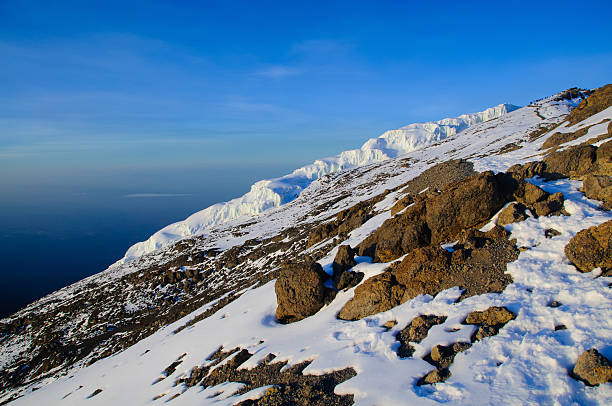
The East African landscape is dominated by two iconic peaks: Mount Kilimanjaro and Mount Kenya in Kenya. Both mountains offer profound challenges and breathtaking vistas, yet they cater to fundamentally different types of adventurers. Mount Kilimanjaro, the “Roof of Africa,” stands as the highest free-standing mountain in the world, reaching an elevation of 5,895 meters (19,341 feet). Conversely, Mount Kenya, while lower at 5,199 meters (17,057 feet), is an ancient, eroded volcanic plug that offers a more rugged, technical alpine experience.
Climbing Mount Kilimanjaro: Routes and Characteristics
Kilimanjaro is primarily a trekking mountain, meaning that while the altitude is extreme, the ascent does not require technical mountaineering skills such as rock climbing or the use of ropes. The primary challenge is the rapid gain in altitude, which necessitates careful acclimatization.
- Marangu Route: Often called the “Coca-Cola” route, it is the oldest and only route offering hut accommodations. It is popular but suffers from lower success rates due to its shorter duration, which limits acclimatization.
- Machame Route: Known as the “Whiskey” route, it is highly scenic and offers better acclimatization than Marangu. It is more demanding physically but statistically safer regarding altitude sickness.
- Lemosho and Shira Routes: These are longer, more remote approaches that traverse the Shira Plateau. They are widely considered the best routes for success due to the “climb high, sleep low” profile they naturally provide.
- Rongai Route: Approaching from the north, this route is drier and less crowded, making it an excellent choice for those seeking solitude.
Climbing Mount Kenya: Routes and Characteristics
Mount Kenya is a vastly different beast. Its highest peaks, Batian and Nelion, are true technical climbs requiring specialized gear, whereas Point Lenana is the highest point accessible to trekkers.
- Sirimon Route: The most popular and gradual approach, offering stunning views of the high-altitude moorlands.
- Naro Moru Route: Known for the infamous “Vertical Bog,” this is the fastest route to the peaks but is often wet and less scenic than others.
- Chogoria Route: Widely regarded as the most beautiful approach, featuring dramatic gorges, waterfalls, and tarns. It is longer but offers superior acclimatization.
Kilimanjaro and Mount Kenya climbing routes determining factors is ones physical stand
Comparative Analysis: Which Mountain to Choose?
The choice between Kilimanjaro and mount Kenya depends on your goals. If your objective is to stand on the highest point in Africa and experience a “bucket list” trek with full logistical support, Kilimanjaro is the superior choice. However, if you are an experienced hiker or climber seeking a more intimate, rugged, and less commercialized wilderness experience, Mount Kenya is arguably the more rewarding mountain. Kilimanjaro is a test of endurance and physiological adaptation to altitude, while Mount Kenya is a test of technical skill and mountaineering spirit.
Essential Gear and Preparations for Climbing Mount Kilimanjaro and Mount Kenya
Climbing Mount Kilimanjaro in Tanzania and Mount Kenya in Kenya represents a significant undertaking that requires meticulous preparation, physical conditioning, and the selection of specialized equipment. Both mountains are high-altitude environments that traverse multiple climate zones, ranging from tropical rainforests at the base to arctic conditions at the summits. According to mountaineering literature, the primary challenge for climbers is the rapid change in altitude, which necessitates a layered clothing system to manage body temperature and moisture effectively. Proper gear is not merely a matter of comfort but a critical safety requirement to prevent hypothermia and altitude-related illnesses.
The Layering System and Clothing
The fundamental principle for high-altitude trekking is the “three-layer system.” The base layer should consist of moisture-wicking synthetic or merino wool fabrics to keep the skin dry. The middle layer, typically fleece or down, provides insulation to trap body heat. The outer layer must be a waterproof and windproof shell to protect against the extreme weather conditions often encountered above 4,000 meters. Authoritative guides emphasize that cotton should be avoided entirely, as it retains moisture and loses its insulating properties when wet, significantly increasing the risk of hypothermia.
Essential Technical Gear
Beyond clothing, specialized equipment is mandatory for a successful ascent. Sturdy, broken-in hiking boots with good ankle support are essential for navigating the varied terrain, which includes volcanic scree on Kilimanjaro and rocky ridges on Mount Kenya. A high-quality, four-season sleeping bag rated for temperatures as low as −18∘C (0∘F) is necessary, as temperatures at the summit can drop well below freezing. Additionally, trekking poles are highly recommended to reduce the impact on knees during long descents and to provide stability on steep, uneven paths.
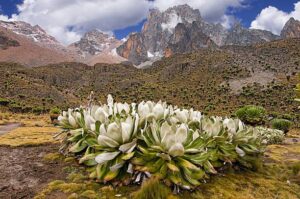
Kilimanjaro and Mount Kenya; Views of the top of Mt Kenya from base campament.
Physical and Physiological Preparation
Preparation to climbing Kilimanjaro and mount Kenya extends beyond physical gear to include cardiovascular training and altitude acclimatization strategies. Experts recommend a training regimen that includes hiking with a weighted pack to simulate the demands of the climb. Furthermore, understanding the physiological effects of altitude is vital. The rate of ascent should be gradual to allow the body to adjust to lower oxygen levels, a concept often summarized by the mantra “pole pole” (slowly, slowly) in Swahili, which is widely cited in mountaineering texts regarding East African peaks.
Hydration is equally critical; climbers are advised to consume at least 3 to 4 liters of water daily to assist in acclimatization and prevent dehydration, which can exacerbate the symptoms of Acute Mountain Sickness (AMS).
What permits and regulations should I be aware of before climbing Mount Kilimanjaro and Mount Kenya?
Climbing Mount Kilimanjaro and Mount Kenya in Kenya represents two of the most significant high-altitude trekking challenges on the African continent. Both mountains are managed under strict regulatory frameworks designed to preserve their fragile alpine ecosystems and ensure the safety of visitors. Because both peaks are located within protected national parks—Kilimanjaro National Park and Mount Kenya National Park—independent trekking is prohibited; all climbers must be accompanied by licensed guides and support crews.
Regulatory Frameworks and Permits; Kilimanjaro and Mount Kenya
For Mount Kilimanjaro, the Tanzania National Parks Authority (TANAPA) mandates that all climbers possess a valid entry permit, which is typically bundled into the fees paid to a registered tour operator. These permits cover park entrance fees, camping or hut fees, and rescue fees. Climbers must carry their original passport, which must remain valid for at least six months beyond the date of departure, and a valid Tanzanian entry visa.
Failure to present these documents at the park gate can result in immediate denial of entry. Furthermore, TANAPA regulations require that all climbers be registered in the official park logbook at the gate, a process that is strictly monitored to track the number of people on the mountain at any given time.
Mount Kenya operates under the jurisdiction of the Kenya Wildlife Service (KWS). Similar to Kilimanjaro, visitors are required to pay daily conservation fees, which act as the primary permit for entry. While Mount Kenya does not require a visa specifically for the mountain, the general visa requirements for entering Kenya apply. Regulations here emphasize environmental conservation, specifically the “Leave No Trace” policy, which is enforced by park rangers.
Climbers are often required to sign an indemnity form, acknowledging the inherent risks of high-altitude trekking, as the terrain on Mount Kenya—particularly the technical sections near the peaks of Batian and Nelion—requires specialized permits and often certified mountain guides with technical climbing credentials.
Safety and Health Requirements
Both mountains present significant risks of Acute Mountain Sickness (AMS). Consequently, regulations often mandate that trekking companies carry portable oxygen, pulse oximeters, and emergency evacuation protocols. On Kilimanjaro, the “rescue fee” included in your permit covers the cost of using the park’s stretcher services, though it does not cover helicopter evacuation, which necessitates separate travel insurance that explicitly covers high-altitude trekking up to 6,000 meters.
In terms of physical preparation, the altitude difference is notable: Kilimanjaro reaches 5,895 meters (19,340 feet), while Mount Kenya reaches 5,199 meters (17,057 feet). Because of these elevations, the physiological stress on the body is immense. Regulations in both parks are designed to encourage “pole pole” (slowly, slowly) pacing to facilitate acclimatization. It is highly recommended that climbers consult with their tour operators regarding the specific insurance requirements, as many standard policies exclude activities above 4,000 meters.
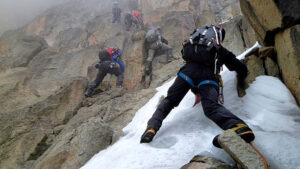
Kilimanjaro and Mount Kenya; A climbing party is on a delicate traverse of snow and rock towards the Degraaf’s variation in the ascent of Mt Kenya
Documentation Checklist
To ensure a smooth entry into these parks, you should maintain a physical folder containing:
- A passport with at least two blank pages and six months of validity.
- Proof of yellow fever vaccination (often required for entry into Tanzania and Kenya, especially if traveling from an endemic country).
- A printed copy of your park permit or the confirmation voucher from your licensed operator.
- Proof of comprehensive travel insurance that covers emergency mountain rescue.
Environmental Stewardship and Hiking Guidelines for Kilimanjaro and mount Kenya
Hiking in East Africa, particularly on Mount Kilimanjaro in Tanzania and within the diverse ecosystems of Kenya, requires a profound commitment to environmental preservation. Because these regions contain fragile alpine zones, unique biodiversity, and critical watersheds, international standards for wilderness conduct—often summarized by the “Leave No Trace” philosophy—are strictly enforced by park authorities and conservation organizations.
Principles of Responsible Hiking in Kilimanjaro
Mount Kilimanjaro is a high-altitude volcanic massif that transitions through five distinct ecological zones: cultivated land, montane forest, heath and moorland, alpine desert, and the arctic summit. To protect these zones, hikers must adhere to specific protocols. First, all waste must be packed out; this includes not only non-biodegradable trash but also human waste, which is managed through designated latrine facilities on established routes. Because the mountain lacks natural waste decomposition processes at high altitudes, the “pack-it-in, pack-it-out” rule is absolute.
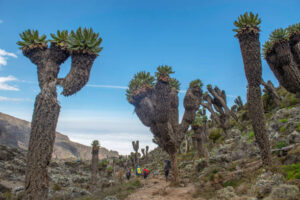
Water conservation and hygiene are equally vital. Hikers are encouraged to use only biodegradable soaps for washing in provided basins, ensuring that greywater is disposed of far from water sources to prevent contamination of the mountain’s fragile streams. Furthermore, hikers should remain strictly on marked trails to prevent soil erosion and the destruction of endemic flora, such as the giant groundsels (Dendrosenecio kilimanjari), which are highly sensitive to trampling.
Environmental Guidelines for Kenya
Kenya’s wilderness areas, ranging from the Aberdare Range to Mount Kenya and the Maasai Mara, operate under the jurisdiction of the Kenya Wildlife Service (KWS). The primary mandate in these regions is the protection of wildlife habitats. Hikers are prohibited from feeding animals, as this disrupts natural foraging behaviors and can lead to aggressive interactions. Noise pollution must be kept to a minimum to avoid disturbing the fauna, particularly in sensitive breeding grounds.
In Kenya’s national parks, off-road driving and unauthorized trekking are strictly forbidden to protect the savanna and forest floors from compaction. Fire safety is a critical concern; open fires are generally banned in most high-altitude parks due to the extreme risk of wildfires, which can devastate the moorland vegetation. Hikers are expected to utilize established campsites and follow the guidance of certified rangers, who act as the primary stewards of these protected landscapes.
Synthesis of Sustainable Practices
Whether trekking the volcanic slopes of Tanzania or the rugged highlands of Kenya, the overarching goal is to minimize the human footprint. This involves the use of reusable water bottles to reduce plastic waste, the application of reef-safe or environmentally neutral sunscreens, and the avoidance of single-use plastics, which are increasingly restricted by local legislation in both countries. By respecting the cultural significance of these mountains—such as the Chagga people’s historical reverence for Kilimanjaro—hikers contribute to a model of tourism that supports local livelihoods while preserving the ecological integrity of the East African landscape for future generations.
Supporting Local Conservation Efforts While Hiking Kilimanjaro and Mount Kenya
Engaging in local conservation while hiking is a vital practice for any outdoor enthusiast, as it ensures the longevity of the trails and ecosystems we enjoy. Conservation is not merely about visiting protected areas; it is an active commitment to the stewardship of the land, which often involves supporting regional land trusts, participating in “Leave No Trace” initiatives, and advocating for public funding of recreational infrastructure.
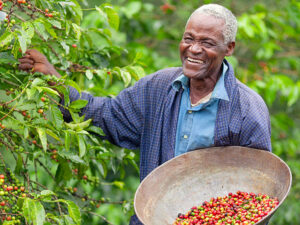
Kilimanjaro and Mount Kenya; a local man picking coffee around mount Kenya
The Importance of Regional Land Trusts
One of the most effective ways to support conservation is by identifying and contributing to local land trusts. Unlike large federal agencies, land trusts are often community-based non-profit organizations that work to protect specific parcels of land from development through conservation easements. These organizations rely heavily on local volunteers and private donations to manage trail maintenance and habitat restoration. By researching the specific region where you plan to hike, you can often find a local conservancy that manages the very trails you frequent.
Supporting these groups ensures that the “backyard” nature areas—which are often overlooked in favor of major national parks—remain accessible and ecologically healthy.
Advocacy and Policy Engagement
Beyond direct financial support, hikers play a critical role in the political landscape of conservation. Organizations like the American Hiking Society work in tandem with federal agencies and local partners to secure funding for trail maintenance and the preservation of natural corridors. When hiking, you may notice signs of deferred maintenance or habitat degradation; reporting these issues to local land managers or supporting advocacy groups that lobby for the Interior, Environment, and Related Agencies funding bills can have a profound impact on the quality of our public lands.
Practical Stewardship on the Trail
True conservation begins with the individual hiker’s behavior. Adhering to the principles of “Leave No Trace” is the foundational step in local conservation. Furthermore, many regions have specific volunteer programs, such as “trail adopter” initiatives, where individuals commit to clearing debris or monitoring trail conditions on a specific segment of a path. Engaging with the National Park Service’s community assistance programs can also provide you with resources to learn about local stewardship opportunities that may not be widely advertised to the general public.
Identifying Opportunities in Your Region
To find specific efforts to support, start by checking the websites of state-level departments of natural resources or local chapters of national conservation organizations. These entities often maintain lists of “Friends of” groups—volunteer organizations dedicated to specific parks or wilderness areas. By aligning your hiking habits with these local entities, you transform from a casual visitor into a guardian of the landscape, ensuring that the trails remain vibrant for future generations.
The Ultimate East African Expedition: Combining Mountaineering with Wildlife Safaris
The endeavor to combine the ascent of East Africa’s two highest peaks—Mount Kilimanjaro and Mount Kenya—with a traditional wildlife safari represents one of the most physically demanding and culturally enriching travel experiences available on the continent. Mount Kilimanjaro, the “Roof of Africa,” stands as a dormant volcano in Tanzania, rising to 5,895 meters, while Mount Kenya, a rugged, ancient volcanic plug, offers a more technical climbing challenge at its summit, Batian Peak (5,199 meters).
Integrating these high-altitude expeditions with a safari allows travelers to transition from the glaciated zones of the alpine environment to the teeming biodiversity of the savanna, creating a comprehensive narrative of East Africa’s ecological and geological diversity.
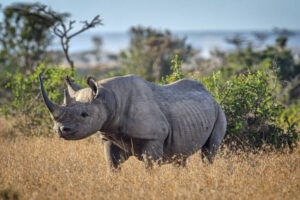
Kilimanjaro and Mount Kenya; Portrait of a critically endangered Black rhinoceros in the grass;amd of Ol Pejeta Conservancy, Kenya, East Africa. Although the rhinoceros is referred to as black, its colors vary from brown to grey. The Ol Pejeta Conservancy is located on the equator west of Nanyuki between the foothills of the Aberdares and Mount Kenya.
Strategic Planning for Dual-Mountain Expeditions
Climbing both mountains requires careful acclimatization and logistical planning. Mount Kenya is often recommended as a precursor to Kilimanjaro due to its technical nature and the necessity of adjusting to altitude. While Kilimanjaro is a non-technical trek, its sheer scale and the rapid gain in elevation necessitate a slow, deliberate pace to mitigate the risks of Acute Mountain Sickness (AMS). Following the “pole pole” (slowly, slowly) philosophy is essential for success on both peaks. By scheduling these climbs back-to-back, climbers can leverage their existing fitness and altitude adaptation, though they must allow for adequate recovery time to avoid physical burnout before transitioning to the safari portion of the trip.
Integrating the Safari Experience with either Kilimanjaro and Mount Kenya
Once the summits have been conquered, the transition to a safari provides a necessary period of rest and reflection. Tanzania offers unparalleled opportunities for wildlife viewing, particularly in the Northern Circuit, which includes the Serengeti National Park and the Ngorongoro Crater. The Serengeti is world-renowned for the Great Migration, where over a million wildebeest and hundreds of thousands of zebra traverse the plains in search of fresh grazing.
For those who have just completed the grueling ascent of Kilimanjaro, a luxury safari in the Ngorongoro Crater provides a stark contrast to the thin air of the mountain peaks. Here, the density of wildlife—including the “Big Five” (lion, leopard, elephant, buffalo, and rhinoceros)—is among the highest in Africa. Beyond the traditional game drive, modern safari itineraries now incorporate diverse activities such as walking safaris, hot-air ballooning over the Serengeti, and cultural visits to Maasai communities, which deepen the traveler’s understanding of the land they have just traversed.
Ecological and Geographical Diversity
The contrast between the alpine zones of Mount Kenya and the tropical lowlands of the coast or the savanna is profound. Mount Kenya’s ecosystem transitions from dense montane forests to bamboo zones and finally to the Afro-alpine moorland, home to unique flora like the giant lobelia and groundsel. In contrast, the safari regions, such as the Selous Game Reserve or the coastal Saadani National Park, offer a completely different set of biological wonders, including mangrove swamps and riverine ecosystems.
By combining these experiences, the traveler gains a holistic view of the East African landscape, moving from the vertical extremes of the mountains to the horizontal vastness of the plains and the Indian Ocean coastline.
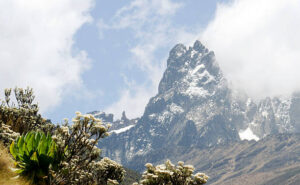
Kilimanjaro and Mount Kenya; Storm approaching the summit of Mt Kenya with highland plants in the foreground
Logistical Considerations
When planning such an extensive trip, one must consider the “shoulder seasons” for both climbing and wildlife viewing. The best time for climbing is generally during the dry seasons (January–March and June–October), which conveniently aligns with optimal game viewing conditions in the Serengeti. Utilizing local guides and reputable tour operators is paramount, as they provide the necessary expertise to navigate the complex logistics of cross-border travel between Kenya and Tanzania.
Planning and Booking a Wildlife Safari and Mountaineering Expedition in East Africa
Embarking on a journey that combines the wildlife-rich savannas of Kenya with the high-altitude challenges of Mount Kilimanjaro and Mount Kenya requires meticulous planning, physical preparation, and an understanding of the logistical requirements for international travel in East Africa. These expeditions typically involve coordinating between two countries, Tanzania and Kenya, necessitating careful attention to visa regulations, health requirements, and the selection of reputable tour operators who prioritize safety and environmental stewardship.
Logistics and Itinerary Planning
A standard 12-day itinerary often begins in Nairobi, Kenya, allowing for a safari in Amboseli National Park—renowned for its elephant populations—before crossing the border into Tanzania for the Kilimanjaro ascent. For those wishing to include Mount Kenya, it is advisable to allocate additional time, as Mount Kenya offers a more technical climbing experience compared to the “walk-up” nature of Kilimanjaro’s trekking routes. Booking should ideally occur 6 to 12 months in advance to secure permits, especially for the popular routes on Kilimanjaro such as the Lemosho or Machame trails.
Leave a comment:
You must be logged in to post a comment.
Comment 01
Astute Africa Safaris,
05 May, 2026REF: Crafting Your Bespoke African Safari Experience with Astute Africa Safaris
Jambo,
Thank you for your interest in exploring the wonders of Africa with Astute Africa Safaris. We pride ourselves on creating immersive, tailor-made journeys that align perfectly with your personal interests, pace, and travel aspirations.
Because every safari is a unique narrative, we do not believe in “one-size-fits-all” pricing. To ensure we provide you with an accurate and competitive quotation that reflects the specific lodges, wildlife experiences, and logistical arrangements you desire, we invite you to connect with our team for a personalized consultation.
Please contact us at info@astuteafricasafaris.com, Whatsapp +254762663272 or fill the inquiry form with a few details regarding your preferred travel dates, group size, and specific interests (e.g., photography, luxury relaxation, or adventure trekking). Once we have these details, we will curate a comprehensive proposal designed specifically for you.
We look forward to the possibility of helping you plan an unforgettable journey.
Warm regards,
Team Astute Africa Safaris