
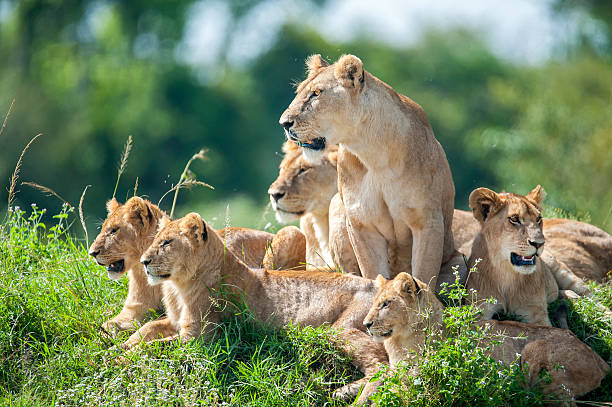

- 750 Views
- 17 Min Read
- (1) Comment
Kenya stands as a premier global destination, offering a rare duality that few nations can match: the raw, untamed majesty of the African savannah and the serene, turquoise allure of the Indian Ocean coastline. This “bush and beach” (Combining Kenya Wildlife Safaris and Coastal Serenity) combination provides travelers with a comprehensive experience that balances the adrenaline of wildlife tracking with the restorative peace of tropical shores. From the iconic plains of the Maasai Mara to the coral-fringed waters of the Swahili Coast, Kenya offers a landscape of immense biological and cultural diversity.
Best Safari Destinations from Nairobi
Nairobi serves as the primary gateway to Kenya’s interior, providing immediate access to some of the most renowned wildlife sanctuaries in the world. The most prominent choice is the Maasai Mara National Reserve, located approximately 224 kilometers from the capital. As documented in authoritative wildlife guides, the Mara is world-famous for the Great Migration, where millions of wildebeest and zebras traverse the plains, pursued by apex predators such as lions, leopards, and cheetahs.
For those seeking proximity to Nairobi, Nairobi National Park is a unique phenomenon—a wildlife sanctuary located within the city limits where rhinos and lions can be viewed against a backdrop of skyscrapers. Further afield, Amboseli National Park, situated at the foot of Mount Kilimanjaro, offers the most iconic views of elephants against the backdrop of Africa’s highest peak.
Safari Options from the Mombasa Coastline
Travelers arriving or staying on the Kenyan coast have distinct safari opportunities that emphasize the unique ecosystems of the Tsavo region. Tsavo East and Tsavo West National Parks, collectively one of the largest protected areas in the world, are easily accessible from Mombasa. Tsavo is characterized by its “red elephants”—dust-bathed giants—and the dramatic Mzima Springs, where hippos and crocodiles can be observed through underwater viewing chambers. The Shimba Hills National Reserve, located just south of Mombasa, is another excellent option for coastal visitors, known for its population of rare sable antelope and the scenic Sheldrick Falls.
Wildlife and Timing of the Great Migration in the Maasai Mara
The Great Migration represents the most significant terrestrial mammal movement on Earth, a cyclical journey driven by the search for nutrient-rich grazing and water across the Serengeti-Mara ecosystem. This phenomenon is not a single event but a continuous, year-long process involving approximately 1.5 million wildebeest, 400,000 zebra, 12,000 eland, and hundreds of thousands of gazelles, including both Grant’s and Thomson’s species. As these massive herds traverse the landscape, they are accompanied by a suite of apex predators, including lions, leopards, cheetahs, and spotted hyenas, which capitalize on the abundance of prey.
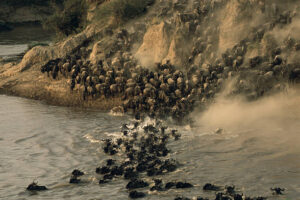
Combining Kenya Wildlife Safaris and Coastal Serenity; Masai Mara National Reserve, Kenya
Wildlife Observed During the Migration
The primary participants in the Combining Kenya Wildlife Safaris and Coastal Serenity especially the migration are the blue wildebeest (Connochaetes taurinus), whose movements are often synchronized with the seasonal rainfall patterns. Zebras frequently lead the migration, as they are capable of grazing on the taller, coarser grasses that wildebeest find less palatable, thereby exposing the shorter, more nutritious shoots underneath. During the river crossings, particularly across the Mara River, the herds face the formidable threat of Nile crocodiles (Crocodylus niloticus), which congregate in the riverbanks to ambush the migrating animals. Birdlife is also prolific, with various raptors and scavengers such as vultures and marabou storks following the herds to feed on the remains of those lost to predation or exhaustion.
Peak Season in the Maasai Mara
The timing of the migration is inherently fluid, dictated by environmental variables and the unpredictable nature of rainfall. Generally, the herds arrive in the Maasai Mara from the Serengeti in Tanzania between July and August, marking the beginning of the peak season. During these months, the dramatic river crossings occur, providing one of the most iconic spectacles in the natural world. The herds typically remain in the lush, bountiful plains of the Maasai Mara through October or November, depending on the onset of the short rains in the Serengeti, which eventually draw the animals back south to begin the cycle of calving near the Ngorongoro Conservation Area.
Visitors aiming to witness the peak activity are advised to plan their travel between July and September, though the exact timing can shift annually based on the ecological conditions of the ecosystem.
The Kenyan Coast: A Guide to Pristine Beaches
The Kenyan coastline is a tapestry of white sand, coral reefs, and ancient Swahili culture. Each beach offers a distinct atmosphere for the discerning traveler:
- Diani Beach: Widely considered the jewel of the Kenyan coast, Diani is famous for its long, uninterrupted stretches of white sand and vibrant coral reefs. It is the premier destination for water sports, including kitesurfing and scuba diving, and offers a sophisticated array of boutique resorts.
- Watamu: Located north of Mombasa, Watamu is part of a Marine National Park. It is renowned for its calm, turquoise lagoons and is a vital nesting site for green sea turtles. It is ideal for families and those interested in marine conservation.
- Lamu Archipelago: For a more historical and tranquil experience, the islands of Lamu offer a step back in time. With no motorized vehicles, the narrow streets of Lamu Old Town—a UNESCO World Heritage site—and the quiet beaches of Shela Village provide a unique cultural immersion.
- Malindi: Known for its blend of Italian influence and Swahili heritage, Malindi offers a lively atmosphere with excellent seafood and proximity to the Gedi Ruins, an abandoned 13th-century Swahili town.
The synergy between the high-octane safari experience and the slow-paced coastal retreat is what defines the modern Kenyan holiday. By strategically planning a route that moves from the high-altitude plains to the sea level of the Indian Ocean, visitors can maximize their exposure to the diverse ecological zones that make Kenya a global treasure.

Combining Kenya Wildlife Safaris and Coastal Serenity; The minaret of a mosque rises above the corrugated tin roofs of a trading port.
The Great Migration and the Historical Significance of the Swahili Coast
The Great Migration, an annual phenomenon of unparalleled scale, represents the largest terrestrial mammal movement on Earth. Centered on the Serengeti-Mara ecosystem, this cycle involves over 1.5 million wildebeest, alongside hundreds of thousands of zebras and gazelles, traversing vast distances in search of fresh grazing lands. The optimal time to witness this spectacle in the Maasai Mara is typically from July through October. During this period, the herds arrive from the Serengeti, driven by primal instincts to follow rainfall patterns, culminating in the dramatic and perilous crossings of the Mara and Talek Rivers.
While the migration is a year-round cycle, the arrival of the massive herds into the Kenyan side of the ecosystem usually begins in mid-July, with peak activity continuing through August and tapering off by mid-September.
Historical Significance of the Swahili Coast Trade Routes
While the interior of East Africa was defined by these natural cycles, the coast was shaped by human commerce. The Swahili Coast, stretching from present-day Somalia to Mozambique, served as a vital nexus for the Indian Ocean trade network for over a millennium. This maritime culture emerged from the synthesis of indigenous Bantu populations and traders from the Arabian Peninsula, Persia, and India.
The historical significance of these trade routes lies in their role as a conduit for global exchange. By the 10th century, Swahili city-states such as Kilwa, Mombasa, and Zanzibar had become wealthy, cosmopolitan centers. These ports facilitated the export of gold, ivory, iron, and timber from the African interior, while importing luxury goods such as Chinese porcelain, Indian textiles, and Persian ceramics. This trade fostered the development of the Swahili language—a Bantu language with significant Arabic loanwords—and the spread of Islam, which became the dominant religion and cultural framework of the region.
Unlike the nomadic patterns of the Great Migration, the Swahili Coast trade was sedentary and urban, creating a unique “middleman” civilization that connected the African continent to the broader markets of Asia and the Middle East. The wealth generated by these routes allowed for the construction of sophisticated stone architecture, such as the Great Mosque of Kilwa, which remains a testament to the region’s historical prosperity and cultural complexity.
The Culinary Heritage of the Swahili Coast: A Gastronomic Journey
The Kenyan coastline, stretching over 1,420 kilometers, serves as a vibrant crossroads of history, trade, and cultural synthesis. The culinary landscape of this region is not merely a collection of recipes but a “distinct and coherent body of food preparations” that reflects centuries of interaction between Bantu, Arab, Indian, Persian, and European influences. This fusion, known as Swahili cuisine, is defined by its sophisticated use of spices—such as cardamom, cloves, cinnamon, and black pepper—paired with the foundational staples of coconut milk, fresh seafood, and rice.
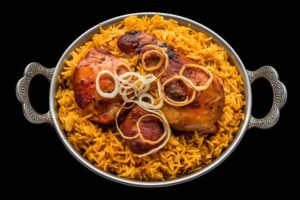
Combining Kenya Wildlife Safaris and Coastal Serenity; A photo of a bowl of homemade chicken Biryani.
The Essence of Swahili Flavors
At the heart of Swahili cooking lies the mastery of the tamu (sweet) and pilipili (spicy) balance. The use of coconut is ubiquitous; it is grated, pressed into milk, and used to braise fish, beans, and greens, creating a creamy texture known as nazi. Iconic dishes include Pilau (spiced rice), Biryani, and Wali wa Nazi (coconut rice), which are often served with Samaki wa Kupaka—fish grilled over charcoal and smothered in a rich, spiced coconut sauce. Street food culture is equally vital, featuring Viazi Karai (spiced fried potatoes), Bhajias, and the ubiquitous Mandazi (spiced doughnuts) enjoyed with spiced tea or coffee.
Culinary Destinations Along the Coast
For travelers seeking an authentic experience, the following destinations offer distinct culinary profiles:
Mombasa
As the primary port city, Mombasa is the epicenter of Swahili street food. Visit the Old Town for traditional Biryani and Kashata (coconut-based sweets). For a refined experience, the Tamarind Mombasa remains a landmark for seafood, while the street stalls near Fort Jesus offer the most authentic Mishkaki (marinated beef skewers).
Diani
Diani is a melting pot of international and local flavors. While it offers high-end dining like the Ali Barbour’s Cave Restaurant—built inside a natural coral cave—it also hosts local spots serving Ugali and fresh catch. The beach shacks here are perfect for sampling Kachumbari (a fresh tomato and onion salad) alongside grilled snapper.
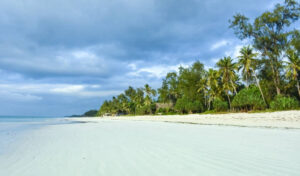
Combining Kenya Wildlife Safaris and Coastal Serenity; White sand and green palm tress in Indian Ocean heavenly beach of Diani Beach at early sunrise in Kwale, Mombasa county, Kenya
Watamu and Malindi
Malindi’s history is uniquely marked by Italian influence, a legacy of the Broglio Space Centre. Consequently, one can find world-class Italian gelato and pasta alongside traditional Swahili Mahamri. Watamu is renowned for its eco-conscious seafood dining, with many restaurants sourcing directly from local fishermen, ensuring the freshest Pweza (octopus) curry.
Lamu
Lamu Old Town, a UNESCO World Heritage site, offers the most preserved Swahili culinary traditions. Here, food is prepared using ancient methods, often over open fires. The Lamu Pilau is distinct for its specific blend of hand-ground spices. Dining on a dhow at sunset while enjoying fresh crab and coconut-infused vegetables is an essential experience.
The Science of Spice and Texture
The structural integrity of Swahili cuisine relies on the precise application of heat and spice. If we consider the flavor intensity I as a function of spice concentration S and cooking time t, the traditional slow-cooking methods of the Swahili coast maximize the infusion of aromatics into the starchy staples:I=∫0tf(S)dtThis slow-simmering process ensures that the coconut milk proteins and fats emulsify with the spices, creating the signature depth of flavor that defines the region.
The Cultural Impact of Swahili Coast Trade Routes
The Swahili Coast, stretching from present-day Somalia to Mozambique, served as a vibrant nexus of global exchange for over a millennium. The cultural impact of these trade routes on local communities was profound, facilitating a unique synthesis of African, Arab, Persian, Indian, and eventually European influences. This interaction was not merely a commercial endeavor but a transformative process that reshaped social structures, religious practices, linguistic development, and urban architecture.
Contrary to outdated colonial-era narratives that attributed the sophistication of Swahili civilization solely to foreign immigrants, contemporary scholarship emphasizes that the Swahili culture is fundamentally African in its origins, rooted in the Bantu-speaking populations who integrated external maritime influences into their existing social frameworks.
The integration of the Swahili Coast into the Indian Ocean trade network—often referred to as the “Monsoon Marketplace”—necessitated a high degree of cosmopolitanism. Local communities, primarily composed of farmers, fishers, and cattle keepers, evolved into sophisticated urban dwellers in city-states such as Kilwa, Lamu, and Mombasa. This urbanization was driven by the accumulation of wealth from the export of gold, ivory, and timber, and the import of luxury goods like Chinese porcelain, Indian textiles, and Persian ceramics.
The presence of these exotic goods in local archaeological strata demonstrates that trade was deeply embedded in the daily lives and status-signaling of the coastal elite, who utilized these items to solidify their political authority and social standing.
Religion played a pivotal role in the cultural landscape of the coast. The arrival of Islam, beginning as early as the 8th century, provided a common framework for trade, law, and social interaction across the Indian Ocean basin. Islam did not replace indigenous African traditions but rather syncretized with them, leading to a distinct Swahili Islamic identity that influenced everything from burial practices to the construction of stone mosques. This religious shift also facilitated the development of the Swahili language (Kiswahili), a Bantu language that incorporated a significant lexicon of Arabic loanwords, serving as a lingua franca that bridged the gap between inland African populations and maritime traders.
The architectural legacy of the region, characterized by the use of coral rag and lime mortar, stands as a testament to this cultural fusion. The “stone towns” of the Swahili Coast reflect a blend of indigenous African spatial organization and Islamic architectural principles, featuring intricate carved wooden doors and courtyard houses designed for privacy and climate control.
Furthermore, the social impact extended to the culinary and musical traditions of the region, where the blending of spices, grains, and rhythmic patterns created a unique cultural tapestry that persists in modern East African society. The arrival of the Portuguese in the 15th century introduced a more coercive element to this trade, yet the resilience of the Swahili cultural identity allowed these communities to maintain their core social structures despite the shifting geopolitical landscape of the Indian Ocean.
Planning a Dual-Experience Safari and Coastal Expedition in Kenya
Combining the raw, terrestrial majesty of the Great Migration with the serene, historical allure of the Swahili Coast requires meticulous logistical planning. Kenya’s geography offers a unique “savannah-to-sea” itinerary, but because these two regions are separated by hundreds of miles, travelers must balance the timing of the migration with the seasonal weather patterns of the Indian Ocean.
Synchronizing the Great Migration with Coastal Travel
The Great Migration, primarily occurring in the Maasai Mara between July and October, is a phenomenon driven by the search for fresh grazing lands. To experience this, one must prioritize the Mara during these peak months. However, the Swahili Coast—encompassing Lamu, Malindi, and Diani—is best enjoyed when the humidity is lower and the seas are calm. According to authoritative travel guides, the period from July to September is excellent for the coast, as it avoids the heavy monsoon rains that can affect the Indian Ocean coastline.
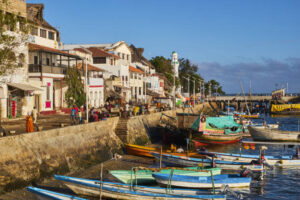
Combining Kenya Wildlife Safaris and Coastal Serenity; Kenya, Lamu island, Lamu town, February 12, Unesco world heritage, sea front with fishing boat
Logistical Strategies for the Modern Traveler Combining Kenya Wildlife Safaris and Coastal Serenity
To maximize your time, utilize domestic air travel between the Maasai Mara and the coastal hubs like Mombasa or Malindi. Driving between these two points is an arduous journey that can take multiple days, whereas regional flights significantly reduce transit time, allowing for a more seamless transition from the dusty plains to the white sands.
- Prioritize Flexibility: Wildlife behavior is unpredictable. As noted in expert field guides, even during peak season, river crossings are not guaranteed. Allocate at least four to five days in the Mara to increase your statistical probability of witnessing the migration, and use the remaining time for the coast.
- Pack for Two Climates: The savannah experiences significant temperature drops at night, requiring layers, while the Swahili Coast is tropical and humid. Ensure your luggage accounts for these extremes.
- Cultural Immersion: The Swahili Coast is distinct from the interior, with a rich history influenced by Arab, Indian, and Portuguese trade. Dedicate time to explore the UNESCO World Heritage site of Lamu Old Town to appreciate the architectural and cultural heritage that defines the region.
Managing Expectations and Wildlife Ethics
When visiting the Maasai Mara, it is imperative to adhere to park regulations to minimize environmental impact. The high volume of tourism during the migration can lead to vehicle congestion; choosing a conservancy area adjacent to the main reserve often provides a more exclusive experience while still allowing access to the migration herds. Always maintain a respectful distance from the animals, as emphasized in conservation literature, to ensure that the natural behaviors of the wildebeest and predators remain undisturbed by human presence.
Cultural Experiences Along the Swahili Coast
The Swahili Coast, stretching from southern Somalia through Kenya and down to Mozambique, represents a unique synthesis of African, Arab, Persian, and Indian influences. After concluding a wildlife safari in the interior of Kenya, the coast offers a profound shift in cultural immersion, moving from pastoralist traditions to the sophisticated maritime and urban history of the Swahili civilization. This culture is defined by the Uswahili—a way of life centered on the mji (stone town), the mosque, and the Indian Ocean trade networks that have flourished for over a millennium.
Historical Stone Towns and Architecture
The most significant cultural experience along the Swahili Coast is the exploration of UNESCO World Heritage sites such as Lamu Old Town. Lamu is the oldest and best-preserved Swahili settlement in East Africa, characterized by its narrow, winding alleys and coral-stone houses featuring intricate carved wooden doors. Unlike the interior, where manyattas are temporary, the stone towns of the coast represent centuries of permanent urban settlement. Visitors can observe the baraza (stone benches) outside homes, which serve as the primary social space for community discourse, reflecting the Swahili emphasis on hospitality and public life.
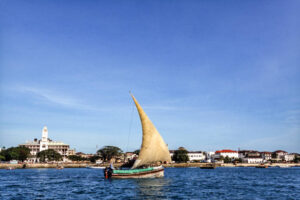
TCombining Kenya Wildlife Safaris and Coastal Serenity, Kenya, wasini Island, cargo dhow in the Indian Ocean
Culinary Traditions and Maritime Heritage
Swahili cuisine is a quintessential cultural experience, reflecting the historical spice trade. Dishes such as pilau (spiced rice), biryani, and samaki wa kupaka (fish in coconut sauce) are staples that highlight the fusion of local ingredients with Middle Eastern and Indian culinary techniques. Engaging in a cooking class in Mombasa or Lamu often involves visiting local markets to source cloves, cardamom, and cinnamon, which were the primary drivers of the coastal economy for centuries.
Furthermore, the traditional dhow—a wooden sailing vessel with lateen sails—remains a vital cultural icon. Taking a sunset dhow cruise is not merely a tourist activity but an opportunity to understand the maritime technology that connected the Swahili Coast to the Arabian Peninsula and India for generations.
Religious and Social Fabric
The Swahili Coast is deeply influenced by Islamic traditions, which have shaped the social etiquette and daily rhythms of the region. Visiting the historic mosques, such as the Riyadha Mosque in Lamu, provides insight into the intellectual and religious history of the coast, which served as a center for Islamic scholarship in East Africa. Cultural etiquette, such as the importance of modest dress and the specific greetings used in Swahili culture, is essential for respectful interaction.
The Taarab music, a genre that blends African, Arabic, and Indian influences, is another cultural pillar; attending a performance allows one to hear the poetic lyrics that often reflect the social and romantic history of the coastal people.
Contemporary Coastal Life while Combining Kenya Wildlife Safaris and Coastal Serenity
Beyond the historical sites, the coast offers a look at contemporary Swahili life, which balances modern development with traditional values. In areas like Diani or Malindi, one can observe the intersection of traditional fishing practices with the modern tourism economy. Engaging with local artisans who specialize in kanga and kikoy weaving provides a tactile connection to the region’s textile history, which has long been a symbol of status and cultural identity among Swahili women.
Leave a comment:
You must be logged in to post a comment.



Comment 01
Astute Africa Safaris,
05 May, 2026REF: Crafting Your Bespoke African Safari Experience with Astute Africa Safaris
Jambo,
Thank you for your interest in exploring the wonders of Africa with Astute Africa Safaris. We pride ourselves on creating immersive, tailor-made journeys that align perfectly with your personal interests, pace, and travel aspirations.
Because every safari is a unique narrative, we do not believe in “one-size-fits-all” pricing. To ensure we provide you with an accurate and competitive quotation that reflects the specific lodges, wildlife experiences, and logistical arrangements you desire, we invite you to connect with our team for a personalized consultation.
Please contact us at info@astuteafricasafaris.com, Whatsapp +254762663272 or fill the inquiry form with a few details regarding your preferred travel dates, group size, and specific interests (e.g., photography, luxury relaxation, or adventure trekking). Once we have these details, we will curate a comprehensive proposal designed specifically for you.
We look forward to the possibility of helping you plan an unforgettable journey.
Warm regards,
Team Astute Africa Safaris