

- 884 Views
- 16 Min Read
- (1) Comment
Planning and safari preparation tips to Kenya requires meticulous attention to detail to ensure a safe, comfortable, and immersive experience in the wild. From the vast plains of the Maasai Mara to the arid beauty of Samburu, the Kenyan landscape demands specific preparation regarding health, gear, and logistics. A well-structured plan allows travelers to focus on the spectacular wildlife rather than the stresses of forgotten essentials or health complications.
Essential Health and Safety Precautions
Before departing, consult a travel clinic regarding mandatory and recommended vaccinations, including Yellow Fever, which is often required for entry if arriving from certain regions. Malaria prophylaxis is highly recommended for most safari destinations in Kenya; consult your physician to determine the best medication for your specific itinerary. Always carry a comprehensive first-aid kit that includes antiseptic wipes, bandages, rehydration salts, and personal medications in their original packaging.
Optimal Packing Strategy and Safari Preparation Tips
When packing for a safari, prioritize lightweight, breathable, and neutral-colored clothing—such as khaki, tan, or olive—to blend into the environment and avoid attracting insects. Avoid dark blue or black clothing, as these colors are known to attract tsetse flies. Pack layers, as early morning game drives can be surprisingly cold, while midday temperatures often soar. Do not forget high-quality binoculars, a camera with a telephoto lens, and a universal power adapter to keep your devices charged in remote lodges.
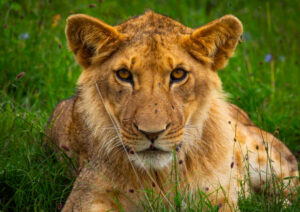
Safari Preparation Tips Kenya: Lion looking at camera, Samburu County, Samburu National Reserve, Kenya
Understanding Safari Logistics
Understanding the timing of your trip is crucial. The “Great Migration” typically occurs between July and October, making this the most popular time to visit the Maasai Mara. Ensure your travel documents, including your Kenyan e-Visa and passport (valid for at least six months beyond your arrival date), are organized well in advance. Furthermore, respect the local customs and wildlife regulations; always remain inside your vehicle during game drives unless your guide explicitly states it is safe to exit.
Wildlife Photography Techniques: Capturing Motion in Low Light
Mastering wildlife photography in challenging lighting conditions requires a sophisticated balance of technical precision and artistic intuition. When the light fades, the primary obstacle is the reduction of available photons, which necessitates a compromise between shutter speed, aperture, and sensor sensitivity (ISO). To capture moving subjects effectively, one must understand the relationship between these variables, often expressed through the exposure triangle.
To successfully photograph moving wildlife in low light, you must prioritize a fast shutter speed to freeze motion while utilizing the widest possible aperture to maximize light intake, often necessitating an increase in ISO to maintain exposure. Because high ISO settings introduce digital noise, modern photographers often rely on post-processing software or the superior dynamic range of full-frame sensors to recover detail.
Furthermore, when light levels are too low to maintain a shutter speed capable of freezing action, photographers can embrace “creative blur” by using slower shutter speeds (e.g., 1/15 second) combined with panning techniques to convey a sense of motion and dynamic energy.
Beyond technical settings, anticipation is the most critical factor in low-light success. Rather than reacting to an animal’s movement, which is often too slow in dim conditions, the photographer should position themselves based on an understanding of animal behavior. For instance, knowing that large birds typically take off into the wind allows the photographer to pre-focus on the expected flight path, reducing the reliance on the camera’s autofocus system in low-contrast environments.
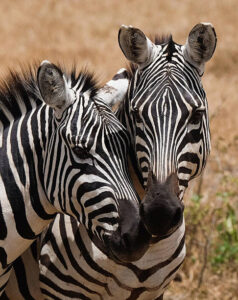
Safari Preparation Tips: NAKURU, KENYA – Two zebra stand together as they feed inside the Lake Nakuru National Park
Additionally, utilizing in-body image stabilization (IBIS) is essential when using long telephoto lenses, as it compensates for the micro-movements that become magnified at slower shutter speeds. By combining these technical adjustments with a deep knowledge of the subject’s habits, photographers can transform difficult, low-light encounters into compelling, atmospheric images.
Cultural Etiquette: Understanding the Traditions of the Maasai and Samburu People
The Maasai and Samburu people, both Nilotic groups sharing a common linguistic heritage rooted in the Maa language, maintain distinct yet parallel cultural frameworks that prioritize communal harmony, age-set systems, and deep respect for pastoral traditions. For visitors, understanding the etiquette of these societies is essential for fostering respectful cross-cultural interactions.
Central to both cultures is the concept of the “manyatta,” a traditional settlement where social cohesion is paramount; visitors should always seek permission from elders before entering these spaces or photographing individuals, as the community operates under a gerontocracy where elders hold the authority to grant such access.
In both societies, cattle are considered the primary measure of wealth and spiritual significance. Consequently, inquiries regarding the exact number of livestock a family owns can be perceived as intrusive or inappropriate, as this information is tied to social status and security. When engaging with the community, it is important to recognize the significance of the age-set system. A young man who has undergone the transition to moran (warrior) status occupies a specific social role dedicated to the protection of the tribe. Respecting this hierarchy—by addressing elders with deference and acknowledging the status of warriors—is a fundamental aspect of proper etiquette.
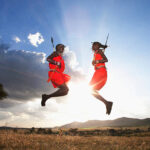
Dress and adornment serve as a visual language in these cultures. The vibrant shúka (cloth) and intricate beadwork worn by both groups are not merely aesthetic; they communicate age, marital status, and social position. Visitors should be mindful that these items hold deep cultural weight. Furthermore, while the Samburu and Maasai are known for their spectacular jumping dances, these are often tied to specific rites of passage, such as the eunoto ceremony. Participating in these dances should only be done upon invitation, and one should never attempt to mimic these movements in a mocking or disrespectful manner.
Finally, the spiritual connection to the land, often centered on the belief in a deity (Nkai) who governs rain and prosperity, dictates a respectful approach to the environment. Whether visiting the Samburu in the arid north or the Maasai in the Great Rift Valley, maintaining a modest demeanor, asking before taking photographs, and showing patience with the slower, community-oriented pace of life are the most effective ways to ensure a positive and culturally enriching experience.
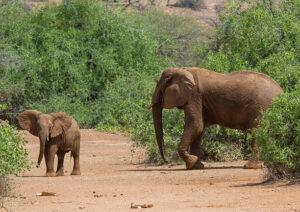
Safari Preparation Tips Kenya: Kenya, Samburu County, Samburu National Reserve, african elephants
Sustainable Safari Practices: Minimizing Your Environmental Footprint
Embarking on a safari is a profound way to connect with the natural world, yet it carries a significant responsibility to preserve the delicate ecosystems of Africa’s wilderness. As tourism continues to grow, the pressure on national parks and wildlife reserves increases, making it essential for travelers to adopt practices that mitigate their environmental impact. To minimize your footprint, prioritize staying in eco-friendly lodges that utilize renewable energy, practice water conservation, and employ local staff to ensure that tourism revenue directly supports community well-being.
When visiting protected areas, the most effective way to reduce your impact is to adhere strictly to park guidelines, which are designed to protect both wildlife and habitat integrity. Travelers should opt for low-impact safari vehicles, avoid single-use plastics by carrying reusable water bottles, and ensure that all waste is managed responsibly. Furthermore, choosing operators that prioritize ethical wildlife interactions and sustainable land management is crucial for the long-term survival of iconic species such as big cats and African Wild Dogs.
Beyond environmental considerations, sustainable safari travel involves a commitment to cultural respect. Engaging with local communities through community-led initiatives or staying in locally-owned lodges fosters a cross-cultural understanding that benefits both the visitor and the host population.
By slowing down your travel pace and staying longer in one location, you reduce the carbon emissions associated with frequent transit while allowing for a more authentic and meaningful connection with the destination. Finally, consider offsetting the unavoidable carbon emissions of your journey through reputable programs that invest in conservation projects, such as reforestation or renewable energy initiatives.
Navigating Tipping Culture on a Kenyan Safari
Tipping on a safari in Kenya is a deeply ingrained custom that serves as a meaningful way to acknowledge the dedication, expertise, and personalized care provided by the staff who facilitate your experience. Unlike tipping in North America, where gratuities are often calculated as a percentage of the total bill, safari tipping in East Africa is typically structured on a per-guest, per-day basis. This approach recognizes that your safari team—ranging from guides to behind-the-scenes lodge staff—often works in remote locations for extended periods, and gratuities represent a vital component of their overall compensation.
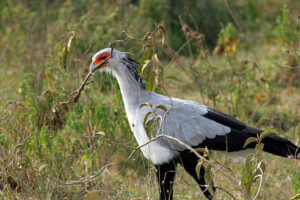
Safari Preparation Tips Kenya: Secretary bird carrying branch in beak, Lake Nakuru National Park, Kenya, East Africa.
For safari guides, who provide the most direct, sustained, and expert attention throughout your journey, it is customary to tip between US$10 and US$20 per guest per day. These tips are best handled discreetly, often presented in an envelope directly to the guide at the conclusion of your stay. For the broader camp and lodge team—including housekeepers, chefs, and waitstaff—most lodges utilize a communal tip box, typically located near the reception or main lodge area.
A standard recommendation for these behind-the-scenes staff members is US$5 to US$15 per guest per day, which ensures that all contributors to your comfort are recognized. Trackers, who perform physically demanding work to locate wildlife or primates, are also essential to the success of your excursions; a tip of US$5 to US$20 is widely considered appropriate for their specialized efforts.
While tipping is never mandatory, it is highly appreciated and serves as a reflection of the quality of service you receive. When preparing for your trip, it is advisable to carry cash in smaller denominations, such as US$1, US$5, and US$10 bills, as these are the most practical for distributing tips across different roles.
Furthermore, ensure that your US dollar bills are relatively new, as notes printed before 2006 or those that are heavily worn may be difficult to exchange or accept at local establishments. By following these guidelines, you contribute to a culture that values the hard work and hospitality of the individuals who make your Kenyan safari an exceptional and memorable adventure.
What are the Essential Items to Pack for a Safari in Kenya?
Preparing for a safari in Kenya requires a strategic approach to packing, balancing the need for comfort, protection from the elements, and strict adherence to weight limitations imposed by light aircraft travel.
The most essential items for a Kenyan safari include lightweight, neutral-toned clothing, specialized medical supplies, and durable, soft-sided luggage. Because many safari itineraries involve travel on small aircraft, baggage is often restricted to a total weight of 15kg, which must include your carry-on items. To maximize space, utilize soft-sided duffel bags rather than rigid suitcases, as these are easier to stow in the irregular compartments of bush planes and safari vehicles.
When selecting clothing, prioritize breathable, quick-wicking fabrics like cotton or linen. Neutral, earthy tones such as khaki, tan, and olive are highly recommended; these colors help you blend into the environment and are less likely to attract Tsetse flies compared to dark navy or black. Avoid camouflage patterns, as they are often restricted or illegal for civilians in Kenya. Because temperatures fluctuate significantly—ranging from chilly early morning game drives to hot afternoons—layering is vital. A typical packing list should include long-sleeved shirts and long trousers to protect against both the sun and insect bites, a warm fleece or jacket for cold mornings, and a wide-brimmed hat.
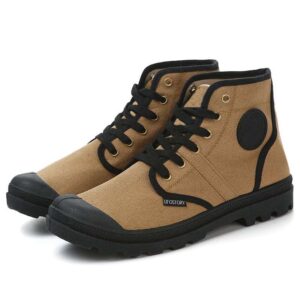
Safari Preparation Tips Kenya: Get the right comfortable boots for the safari
Footwear should be comfortable and practical. While sturdy walking shoes or safari boots are ideal for bush walks, trainers are often sufficient for game drives. Be aware that the red dust found in parks like Tsavo East can permanently stain light-colored footwear.
Essential health and safety items must be packed in your carry-on luggage to ensure they are always accessible. This includes:
- Prescription medications (with generic names and extra supplies).
- Anti-malarial prophylaxis as advised by a medical professional.
- High-SPF sunscreen and lip balm to combat the intense equatorial sun.
- Insect repellent containing at least 30% DEET.
- Basic first-aid items such as rehydration salts, anti-diarrheal medication, and pain relievers.
Finally, remember that Kenya has a strict ban on single-use plastic bags, so ensure your toiletries are packed in reusable containers or fabric pouches. For electronics, the country uses a 240v supply with UK-style 3-pin square plugs, so bring appropriate adapters. While some lodges offer laundry services, these often exclude delicate undergarments, so consider bringing travel-sized detergent for hand-washing.
Safari Preparation and Budgeting for a Kenyan Expedition
Embarking on a safari in Kenya is a transformative experience that requires meticulous planning to balance the thrill of wildlife encounters with the practicalities of logistics and finance. Whether you are seeking the iconic plains of the Maasai Mara or the elephant herds of Amboseli, preparation is the cornerstone of a successful journey.
The total cost of a Kenyan safari is primarily driven by the duration of the trip, the level of accommodation, and the mode of transport, with typical private safaris starting at approximately $300 per person per day. This base rate generally covers park fees, full-board accommodation, a vehicle, and a professional driver-guide. For those on a stricter budget, shared group safaris—often involving camping—can reduce costs to as low as $180 per person per day.
Conversely, luxury safaris, which may incorporate internal charter flights to minimize travel time and feature high-end lodges with amenities like spas and plunge pools, can range from $600 to over $5,000 per person per day. It is important to note that park fees in Kenya underwent a significant increase in 2024; these fees now constitute roughly 30% of the total safari cost, making it essential to factor these into your initial budget calculations.
When preparing for your departure, timing is a critical factor. While Kenya is a year-round destination, the long dry season from June to October is widely considered the optimal period for wildlife viewing, as animals congregate around dwindling water sources. Packing for the bush requires a focus on utility over fashion. You should prioritize neutral-colored, lightweight layers to accommodate the temperature fluctuations between cool early mornings and warm afternoons.
Essential items include a wide-brimmed hat, high-SPF sunscreen, insect repellent, and sturdy, closed-toe footwear. Furthermore, if your itinerary includes internal flights, be aware that regional airlines often enforce strict baggage limits of approximately 15kg, necessitating the use of soft-sided luggage.
To ensure a seamless experience, consider the following strategic tips:
- Prioritize depth over breadth: Spending more time in fewer locations reduces fatigue and increases the likelihood of meaningful wildlife sightings.
- Trust local expertise: Professional guides possess the instinct to read the bush; allowing them to adjust plans based on weather and animal movement often leads to the best experiences.
- Balance activity and rest: A safari is physically demanding; scheduling time to relax at camp is not a waste of time but a vital component of the restorative nature of the experience.
Conclusion on Safari Preparation Tips Kenya
Preparing for a safari in Kenya is an exercise in balancing meticulous logistical planning with an openness to the unpredictable nature of the wild. By securing the necessary health precautions, such as vaccinations and malaria prophylaxis, and packing versatile, neutral-colored clothing, you lay the foundation for a seamless experience. Remember that the essence of a Kenyan safari lies in patience; the most profound wildlife encounters often occur when you remain still and observant, allowing the rhythm of the savanna to dictate the pace of your journey.
Ultimately, the success of your adventure depends on your respect for the environment and the local communities that steward these lands. Whether you are traversing the vast plains of the Maasai Mara or exploring the rugged beauty of Samburu, maintaining a responsible travel ethic—minimizing your ecological footprint and supporting local conservation efforts—ensures that Kenya’s breathtaking biodiversity remains preserved for generations to come.
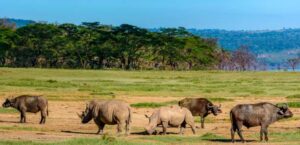
Safari Preparation Tips Kenya: African buffalo or Cape buffalo, and white rhinoceros or square-lipped rhinoceros, Lake Nakuru, Nakuru, Great Rift Valley, Kenya.
As you finalize your preparations, keep in mind that the memories you create will be defined not just by the animals you see, but by the deep, transformative connection you forge with one of the world’s most iconic landscapes. Embrace the spirit of pole pole (slowly, slowly), stay curious, and prepare to be humbled by the majesty of the African bush.
Clothing Strategy: The Art of Layering
The climate on a safari can fluctuate dramatically, with chilly early morning game drives transitioning into hot, dusty afternoons. Therefore, layering is the most effective way to manage temperature changes.
- Color Palette: Stick to earth tones such as khaki, tan, olive, and beige. These colors blend into the environment and are effective at hiding dust. Avoid white, which stains easily, and dark blue or black, as these colors are known to attract tsetse flies. Camouflage patterns are strictly prohibited or illegal in several African nations, including Zimbabwe, and should be avoided entirely.
- Essential Garments: Pack a mix of short- and long-sleeved shirts, convertible pants, and a warm fleece or lightweight puffer jacket for early morning starts. While formal attire is generally unnecessary, a few modest outfits are appropriate for evenings at lodges.
- Footwear: Sturdy, broken-in walking shoes or lightweight trail sneakers are sufficient for most activities. Heavy hiking boots are typically unnecessary unless your itinerary includes extensive trekking.
Health, Hygiene, and Personal Items
Given the remote nature of many safari destinations, you must be self-sufficient regarding health and hygiene. A mini first-aid kit containing antiseptic, anti-diarrheal medication, painkillers, and rehydration salts is essential. Furthermore, consult a travel clinic at least two months prior to departure to discuss necessary vaccinations, such as yellow fever, and to obtain anti-malarial prophylaxis.
- Sun and Insect Protection: Use broad-spectrum SPF 50+ sunscreen and insect repellent containing 25–30% DEET. Wearing long sleeves and pants during dawn and dusk provides an additional physical barrier against mosquitoes.
- Optics and Electronics: Binoculars (7×50 is often recommended) are vital for wildlife viewing. Ensure you carry universal power adapters and a portable power bank, as electricity may be limited or intermittent in remote camps.
- Documentation: Keep your passport (valid for at least six months beyond your travel dates), visas, and insurance documents in a secure, waterproof folder.
Finally, (Safari Preparation Tips Kenya) remember that most safari lodges offer efficient and affordable laundry services, which allows you to pack significantly fewer items than you might for a standard two-week trip.
Leave a comment:
You must be logged in to post a comment.
Comment 01
Astute Africa Safaris,
06 June, 2026REF: Crafting Your Bespoke African Safari Experience with Astute Africa Safaris
Jambo,
Thank you for your interest in exploring the wonders of Africa with Astute Africa Safaris. We pride ourselves on creating immersive, tailor-made journeys that align perfectly with your personal interests, pace, and travel aspirations.
Because every safari is a unique narrative, we do not believe in “one-size-fits-all” pricing. To ensure we provide you with an accurate and competitive quotation that reflects the specific lodges, wildlife experiences, and logistical arrangements you desire, we invite you to connect with our team for a personalized consultation.
Please contact us at info@astuteafricasafaris.com, Whatsapp +254762663272 or fill the inquiry form with a few details regarding your preferred travel dates, group size, and specific interests (e.g., photography, luxury relaxation, or adventure trekking). Once we have these details, we will curate a comprehensive proposal designed specifically for you.
We look forward to the possibility of helping you plan an unforgettable journey.
Warm regards,
Team Astute Africa Safaris