

- 1.0k Views
- 27 Min Read
- (2) Comments
When thinking of how to plan a Kenya safari, it’s about more than choosing a national park and booking a lodge. The best experience depends on understanding what you want to see, how much time you have, your preferred level of comfort, your travel budget and how you want to explore the country.
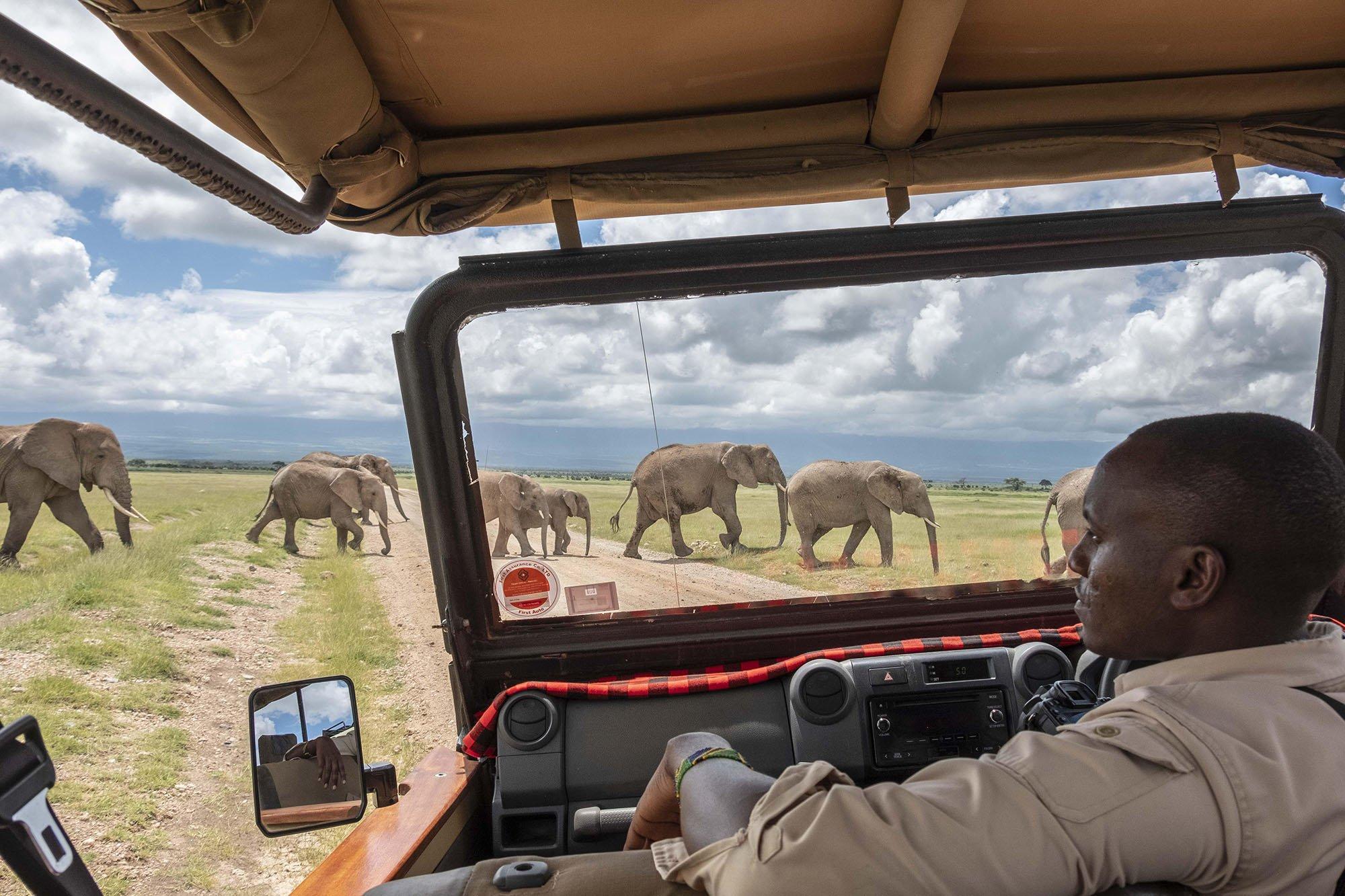
Kenya offers a remarkable variety of safari experiences, from watching elephants against the backdrop of Mount Kilimanjaro in Amboseli to tracking big cats across the open plains of the Maasai Mara, exploring the rugged landscapes of Tsavo and discovering the distinctive wildlife of northern Kenya. You can combine these experiences with a relaxing beach holiday on the Indian Ocean coast, creating a journey that brings together wildlife, culture, scenery and relaxation.
However, not every safari suits every traveller. A couple planning a romantic honeymoon may want secluded accommodation and private game drives. A family may prioritise child-friendly lodges, shorter transfers and flexible schedules. First-time visitors might prefer two or three contrasting wildlife destinations, while experienced safari travellers may want specialist photography, birdwatching or conservation experiences.
At Astute Africa Safaris, we believe the best way to plan a Kenya safari is to start with the traveller, not a fixed package.
This guide explains how to choose your destinations, determine the right trip length, understand the costs, select your travel season, arrange transport and create a safari that fits your expectations. It also explains how Kenya compares with Tanzania, Uganda, Rwanda and Zanzibar if you are considering a wider East African holiday.

1. Start by deciding what kind of safari you want
Before choosing destinations, decide what you want your holiday to feel like. This helps determine where to go, how long to stay, what accommodation to choose and which activities deserve priority.
First-time Kenya safari

If this is your first African safari, focus on a manageable combination of destinations that offers different landscapes and strong opportunities for wildlife viewing.
A trip of five to seven days can introduce you to Kenya’s classic safari experience, while seven to ten days gives you more flexibility to explore several ecosystems without spending too much of your holiday on the road.
The Maasai Mara is a strong option for open savannahs and predators. Amboseli is especially appealing for elephants and mountain scenery, while Lake Nakuru can add rhino viewing, birdlife and a contrasting landscape.
Planning tip: Avoid trying to visit every famous park on your first trip. Two or three well-chosen destinations often provide a more rewarding experience than a rushed journey through five or six.
Family safari with children

A family safari should balance wildlife viewing with comfort, safety, rest and activities suitable for the children’s ages.
Consider accommodation with family rooms or interconnected rooms, swimming pools where appropriate, child-friendly meals and flexible game-drive arrangements. Shorter transfers and two or three nights in one location can make the journey easier for younger travellers.
Before booking, confirm each property’s minimum age for game drives, walking safaris, children’s programmes and other activities. Some experiences have stricter age limits than the accommodation itself.
Families with toddlers may prefer private vehicles, allowing stops and meal times to be adjusted to the children’s needs. Families with older children may enjoy longer game drives, nature activities and carefully selected cultural experiences.
Read our detailed guide to planning an African safari with children for more on age suitability, family accommodation and practical preparation.
Honeymoon and romantic safari

A honeymoon safari should combine memorable wildlife experiences with privacy, atmosphere and enough time to relax.
You might choose a luxury tented camp in the Maasai Mara, a scenic lodge in Amboseli or an intimate conservancy property with carefully arranged private experiences. A private vehicle can provide greater flexibility, while special dinners, sundowners and selected guided activities can make the journey feel personal.
For many couples, the ideal arrangement is a safari followed by several nights on the Kenyan coast. This creates a natural transition from early-morning game drives to beachside relaxation.
Luxury safari
Luxury is not simply about booking the most expensive lodge. It is about choosing the features that matter to you: exceptional guiding, spacious accommodation, privacy, distinctive locations, attentive service and efficient transfers.
A fly-in safari can reduce long road journeys and allow more time in the wildlife areas. Private conservancies around the Maasai Mara or in other regions may offer additional experiences, subject to the property’s rules and conservation arrangements.
Decide whether your priority is five-star accommodation, exclusivity, photography opportunities, private guiding or a combination of these. The answer will help determine where your budget delivers the greatest value.
Budget safari
A budget safari can still deliver rewarding wildlife encounters. The key is to make informed compromises without compromising essential safety, reliable transport or the quality of the overall arrangements.
Options may include joining a shared group safari, selecting comfortable but simpler accommodation, travelling outside peak demand periods or focusing on fewer destinations.
Shared safaris can reduce per-person transport costs, although schedules and stops are less flexible. Camping can reduce accommodation expenses, but you should establish exactly what equipment, meals, facilities and support are included.
For a full comparison of accommodation, transport, comfort and value, read our guide to budget versus luxury safari experiences in Kenya.
Wildlife photography and specialist safaris
Photographers may benefit from longer stays in productive wildlife areas, private vehicle arrangements, knowledgeable guides and accommodation positioned near the habitats they want to photograph.
Birdwatchers may prefer a route that includes varied habitats rather than concentrating entirely on large mammals. Travellers interested in conservation can consider reputable sanctuaries and conservancies with responsible visitor programmes.
If your main priority is a particular animal or behaviour, tell your safari planner before the itinerary is designed. Sightings are never guaranteed, but your destinations, season and time in the field can be selected to suit your interests.
2. Choose the right Kenya safari destinations
Kenya’s wildlife destinations are not interchangeable. Each has its own landscapes, species, atmosphere, access arrangements and ideal traveller profile.
The best destination is the one that fits your interests and the practical realities of your trip.

Kenya safari destinations compared
| Destination | Main attractions | Best suited to | Planning consideration |
|---|---|---|---|
| Maasai Mara National Reserve | Lions, cheetahs, leopards, open plains and seasonal wildebeest migration | First-time visitors, photographers, classic safaris and honeymoons | Popular in peak periods; allow enough time for game drives |
| Amboseli National Park | Elephant herds, open plains and views of Mount Kilimanjaro when conditions allow | Families, photographers and shorter safaris | Mountain views depend on weather and visibility |
| Tsavo East National Park | Expansive wilderness, elephants, red earth and broad landscapes | Travellers seeking a more open, rugged safari | Its size means planning entry gates and driving distances carefully |
| Tsavo West National Park | Volcanic scenery, hills, springs and varied habitats | Nature lovers and travellers combining safari with the coast | Terrain and distances can make transfers more involved |
| Lake Nakuru National Park | Rhino conservation, diverse birdlife, woodland and lake scenery | Short safaris, families and travellers exploring the Rift Valley | Best considered as part of a wider route when time allows |
| Samburu National Reserve | Arid landscapes and distinctive northern wildlife, including Grevy’s zebra and gerenuk | Repeat visitors, photographers and travellers seeking variety | Northern Kenya may require additional road travel or a domestic flight |
Travel times vary with the starting point, road conditions, traffic, park gate and exact accommodation. Do not rely on a single generic driving estimate when designing a real itinerary.
Maasai Mara: classic African wildlife
The Maasai Mara is an excellent choice for travellers seeking open grasslands, large herbivores and predators. Lions, cheetahs, elephants, buffalo and other species may be encountered, although sightings depend on animal movements and conditions.
The reserve is particularly well known for the seasonal wildebeest migration. The timing and distribution of migrating herds vary from year to year, so a visit during the commonly associated months does not guarantee river crossings.
Allow at least two nights if possible, and consider three or more when wildlife viewing is the main purpose of your trip.
Amboseli: elephants and mountain scenery
Amboseli offers a distinctive combination of elephant viewing, open landscapes and the possibility of photographing wildlife with Mount Kilimanjaro in the background.
It can work well as a shorter safari destination or as part of a wider southern Kenya circuit. Early mornings can provide attractive photography conditions, but clouds may obscure the mountain even when wildlife viewing is excellent.
Tsavo East and Tsavo West: expansive wilderness
Together, Tsavo East and Tsavo West form one of Kenya’s most extensive protected wilderness areas. They appeal to travellers who appreciate broad landscapes and a sense of space.
Tsavo East is associated with its red-earth landscapes and large open areas, while Tsavo West has a more varied terrain that includes volcanic features and natural springs.
These parks can be especially practical for certain journeys between Nairobi, the coast and southern Kenya, but route planning should account for distances between gates, lodges and activities.
Lake Nakuru: rhinos, birds and Rift Valley scenery
Lake Nakuru is worth considering if you want to add a different habitat to your safari. The park is known for rhino conservation, birdlife and a mixture of woodland and lake environments.
It can fit into a longer circuit that includes the Rift Valley or the Maasai Mara. Whether it merits an overnight stay or a shorter visit depends on your arrival point and the rest of your route.
Samburu: a different side of Kenya
Samburu offers a contrasting landscape in northern Kenya. Its drier environment supports distinctive wildlife, including Grevy’s zebra, reticulated giraffe and gerenuk, alongside species found in other Kenyan safari areas.
Choose Samburu if you want to explore beyond the most familiar southern parks or if you have a particular interest in northern wildlife and scenery. Its location makes it more practical when you have enough time to avoid rushing between distant regions.
How many parks should you include?
Use your available time as the starting point:
-
Three to four days: focus on one principal wildlife area, or two nearby destinations where the transfers make sense.
-
Five days: choose two destinations with a clear logistical connection.
-
Seven days: consider two or three destinations, allowing enough time for game drives.
-
Ten days: explore a more varied circuit, potentially including three destinations and a coastal extension if travel time permits.
The goal is not to visit the greatest number of parks. It is to create the best experience from the time available.
3. Decide how many days you need
The duration of your Kenya safari influences everything from destination selection and accommodation costs to the amount of time available for wildlife viewing.
A short safari can be rewarding when the route is focused. A longer safari gives you more opportunities to explore different habitats, enjoy slower mornings or spend additional time in a favourite park.

Three to four days: a focused safari
A three- or four-day safari works well for travellers with limited annual leave, visitors adding a safari to a business trip or holidaymakers who want a short wildlife experience before heading to the coast.
Choose one main destination, or a compact combination such as Amboseli with a suitable nearby overnight stop. Avoid adding distant parks simply because they appear close on a map.
Best planning principle: spend more time enjoying the wildlife area and less time moving between properties.
Five days: a balanced introduction
Five days can provide a satisfying introduction to Kenya when the route is carefully designed. You may choose two destinations, allowing time for game drives and a change of scenery.
The actual experience depends on your arrival and departure arrangements. If your first day involves a late international arrival, or your final day includes a flight, those days may not offer full safari time.
Explore our dedicated five-day Kenya safari planning guide for a more detailed look at what can realistically fit into this duration.
Seven days: variety without excessive rushing
Seven days gives many travellers a useful balance between variety and time in the field.
You might combine the Maasai Mara with Lake Nakuru, or select Amboseli and the Maasai Mara if the transport plan and budget support it. Other combinations may be more practical depending on where you arrive, the accommodation you prefer and whether you plan to fly between destinations.
The key is to select destinations that complement one another instead of treating the itinerary as a checklist.
Ten days: a more complete journey
Ten days allows a broader exploration of Kenya, with time for contrasting landscapes, additional game drives and potentially a few days on the coast.
A well-designed journey might combine Amboseli, the Maasai Mara and a coastal extension, or explore a different circuit that includes the Rift Valley and northern Kenya.
The best route depends on the season, your wildlife priorities and the balance you want between adventure and relaxation.
Read our ultimate 10-day Kenya safari itinerary for a day-by-day example. This planning guide explains how to select the right duration; the itinerary article should handle the detailed daily schedule.
Sample itinerary concepts
These are starting points for planning, not fixed packages or promises about travel times.
| Trip length | Example approach | Main advantage |
|---|---|---|
| 3–4 days | One principal park, such as Amboseli or the Maasai Mara | Focused wildlife time |
| 5 days | Two complementary destinations | Variety within a limited holiday |
| 7 days | Two or three carefully selected parks | Greater flexibility and habitat diversity |
| 10 days | A three-destination circuit, or safari plus coast | A broader experience with time to unwind |
When comparing proposed itineraries, ask how many nights you will actually spend in each destination, how much time transfers consume and whether the schedule includes enough game-drive opportunities.
4. Understand Kenya safari costs
There is no single price for a Kenya safari. Two trips visiting the same park can cost very different amounts because of accommodation, transport, season, group size, park fees and included activities.
The most useful quotation is one that explains what you are paying for, rather than presenting a low headline price without clarifying exclusions.
What determines the price?

Accommodation: Camping, simple lodges, mid-range tented camps and luxury properties have different rates, facilities and locations.
Transport: A shared minibus may cost less per person than a private 4×4. A fly-in safari can reduce road travel but adds domestic flights and may involve luggage restrictions.
Park and conservancy fees: Entry fees can represent a substantial part of the total cost. Different authorities and conservancies set different rates, and fees may vary by visitor category and date.
Season: Popular travel periods, school holidays and migration-focused itineraries can increase accommodation demand. Lower-demand periods may provide better value, although weather and road conditions should also be considered.
Group size: Private vehicle and guide costs are spread across the travellers sharing them. A solo traveller may pay more per person than a couple or family sharing the same vehicle, depending on the package.
Meals and activities: Confirm whether the quotation includes full-board accommodation, drinks, guided walks, balloon flights, cultural visits, airport transfers and other extras.
Budget, mid-range and luxury options
| Safari style | What you may expect | Best for |
|---|---|---|
| Budget | Shared transport or camping, simpler accommodation and fewer optional extras | Travellers prioritising affordability |
| Mid-range | Comfortable lodges or tented camps, organised game drives and practical facilities | Couples, families and first-time visitors seeking balance |
| Luxury | Premium accommodation, private guiding options, distinctive locations and potentially fly-in transfers | Honeymoons, special occasions and travellers prioritising comfort |
These categories describe general experience levels, not fixed price bands. A mid-range safari in one season may cost more than a luxury property during a promotion or a different travel period.
How to budget accurately
Instead of relying on a single generic daily price, request a quotation based on your exact travel dates, number of travellers, accommodation preferences and route.
Ask for a breakdown covering:
-
Accommodation and meals.
-
Safari vehicle and driver-guide.
-
Park, reserve and conservancy fees.
-
Airport transfers and domestic flights, where applicable.
-
Drinking water and any included beverages.
-
Optional activities and cultural experiences.
-
Taxes, service charges and other mandatory costs.
-
Exclusions, gratuities and personal expenses.
For the latest park charges, consult the Kenya Wildlife Service and the relevant reserve or conservancy authority. The Maasai Mara, for example, is managed by the relevant county authority rather than Kenya Wildlife Service, so its fees should not be assumed to follow the same schedule as national parks. Fee schedules can change.
A useful rule: compare quotations on a like-for-like basis. A cheaper package may exclude important fees, use different accommodation, offer fewer game drives or require extra payments on arrival.
For a detailed comparison of comfort levels and value, visit Safari Experience: Budget vs Luxury in Kenya.
5. Choose when to travel and consider who is travelling
Kenya is a year-round safari destination, but the best time for your trip depends on the wildlife you hope to see, your preferred scenery, your tolerance for rain and your budget.
Dry and wetter seasons

During generally drier periods, shorter vegetation and more concentrated water sources can make wildlife easier to spot in some locations. However, conditions vary across the country, and a dry season does not guarantee sightings.
The wetter periods can bring greener landscapes, dramatic skies and excellent birdwatching opportunities. Some roads may become more difficult, and travel times may be less predictable.
The timing and intensity of rainfall vary between years and regions. Plan using the conditions expected in your chosen destinations rather than assuming the whole country follows one identical weather pattern.
Planning around the Great Migration
The Maasai Mara is associated with the annual movement of wildebeest and other grazing animals through the wider Serengeti–Mara ecosystem.
The timing of herd movements, their location and the occurrence of river crossings vary from year to year. If migration viewing is your priority, discuss the likely seasonal pattern, accommodation location and flexibility of your schedule with your safari planner.
Do not choose an expensive itinerary on the assumption that a particular river crossing will happen on a particular date.
For detailed seasonal advice, see the best time for a Kenya safari.
Match the itinerary to your travel party
Before finalising your booking, consider these questions:
-
Families: Are the transfers suitable for your children’s ages? Does the lodge allow children on the activities you want?
-
Honeymooners: Do you want secluded accommodation, private game drives or a safari-and-beach combination?
-
Older travellers: Are walking distances, vehicle access, transfer times and medical facilities suitable for your needs?
-
Photographers: Will you have enough time in productive locations, and can you arrange a private vehicle if necessary?
-
Birdwatchers: Does the route include varied habitats and enough time to observe birds?
-
Travellers with accessibility needs: Can the operator and accommodation meet your specific mobility, dietary or other requirements?
Be specific about your needs before paying a deposit. It is easier to select suitable properties and routes in advance than to resolve an unsuitable arrangement once the safari has started.
6. Decide how to get around and book your safari
The right transport arrangement affects comfort, flexibility, travel time and the overall cost of your holiday.
Private 4×4 safari

A private 4×4 safari is ideal for travellers who value flexibility. You can tailor the route to your interests, adjust game-drive timing where permitted and travel at a pace suited to your party.
It is particularly useful for families, photographers, couples and small groups with different interests. It generally costs more than sharing transport, but can offer better value for travellers who want control over their itinerary.
Shared group safari
A shared safari spreads vehicle and guide costs across several travellers. It can be a practical choice for solo visitors and budget-conscious guests.
The trade-off is less flexibility. The itinerary, departure times, accommodation and stops may be fixed, and the group may have different preferences.
Before booking, confirm the group size, vehicle type, luggage arrangements, departure schedule and whether all park fees and accommodation are included.
Fly-in safari
Domestic flights can shorten journeys to remote wildlife areas and give you more time at your destination.
This can be attractive for luxury travellers, shorter holidays and itineraries covering distant parks. However, flights add cost and require coordination with airstrip transfers and lodge schedules.
Check baggage allowances carefully, particularly if you are travelling with camera equipment or large suitcases. Aircraft type and operator rules determine the applicable restrictions.
Road transfers
Road transfers may be the most practical option when your destinations lie along a sensible route or when you want to experience the changing landscapes between regions.
Ask your operator to distinguish driving time from time spent on game drives. A day that includes a long transfer may offer limited opportunities for wildlife viewing, even if it appears as a full day in the itinerary.
How to choose a safari operator
Before booking, look for a clear and verifiable picture of the company, its booking terms and the services it promises.
Check:
-
Business identity: Does the company provide consistent contact information and verifiable business details?
-
Licensing and registration: Are the relevant registrations and tourism licences applicable to the services offered, and can they be verified?
-
Written itinerary: Are destinations, accommodation, transport and the number of nights clearly specified?
-
Transparent quotation: Are park fees, meals, transfers, taxes and exclusions explained?
-
Payment terms: Is the deposit schedule documented, and are the balance due date and accepted payment methods clear?
-
Cancellation policy: Do the terms explain cancellation, amendments, refunds and supplier-specific restrictions?
-
Communication: Does the operator answer practical questions clearly and provide realistic guidance?
-
Responsible tourism: Are wildlife encounters and community visits organised respectfully, without encouraging harmful animal interactions?
A professional website or attractive social media profile is not proof of licensing or service quality. Verify important claims independently.
For a more detailed booking and due-diligence process, see our dedicated guide to how to plan an African safari, if that URL remains the intended booking-guide destination. Before publishing, confirm that this internal link points to the correct live page.
Deposits, balances and cancellation terms
Read the payment terms before committing to a booking. Understand the amount required to confirm your trip, when the balance is due, which payment methods are accepted and what happens if your plans change.
Ask for written confirmation of the services included in the package and retain receipts for all payments. Use verified company payment details rather than relying solely on payment instructions received through an informal message.
Travel insurance is also worth considering. Review whether your policy covers medical emergencies, trip cancellation, delays, evacuation and the activities you intend to undertake.
7. Consider combining your safari with the Kenyan coast
A Kenya safari can be combined with time on the Indian Ocean coast, creating a holiday that includes wildlife, beaches and cultural experiences.

Diani Beach: a safari and beach combination
Diani is a popular choice for travellers seeking white sand, warm water and a relaxed coastal atmosphere after their safari.
You can combine a beach stay with southern Kenya destinations such as Tsavo or Amboseli, depending on your route and transport arrangements. A domestic flight may be more convenient than a long road transfer for some itineraries.
Watamu: marine life and a quieter coastal atmosphere
Watamu appeals to travellers interested in beaches, marine environments and a more relaxed holiday pace. Depending on the season and local conditions, activities may include snorkelling, diving, boat trips and visits to marine conservation areas.
It can work well for families and couples who want a coastal experience beyond their wildlife itinerary.
Mombasa and the surrounding coast
Mombasa provides access to beaches, coastal resorts, Swahili heritage and local cultural experiences. It may be a convenient starting point for some southern Kenya safari routes or a base for exploring nearby coastal attractions.
How many extra days should you allow?
As a planning guide, consider allowing two to four nights for a short beach break, or longer if relaxation is a major purpose of the holiday. Your ideal duration depends on your international flight schedule, transfer arrangements and the activities you want to include.
Do not assume that a beach resort is a short transfer from every safari park. Kenya is geographically large, and the best combination depends on the exact locations and available transport.
A safari-and-beach holiday is especially attractive for honeymoons, families and travellers who want a varied trip without changing countries.
8. Can the same safari planning approach work in Uganda, Tanzania, Rwanda and Zanzibar?
Yes. The underlying principles are similar: define your travel priorities, choose the right destinations, allow realistic travel time, understand the costs and confirm what is included. However, each destination has its own wildlife experiences, logistics and planning considerations.

Uganda: gorilla trekking and diverse wildlife
Uganda is particularly appealing to travellers who want to combine traditional savannah wildlife with forest experiences. Gorilla trekking in Bwindi Impenetrable National Park or Mgahinga Gorilla National Park can be a highlight, alongside destinations such as Queen Elizabeth National Park and Murchison Falls National Park.
Gorilla trekking permits, availability, fitness requirements and the conditions of forest walks need to be considered early. Travel between destinations can take considerable time, so a realistic route is essential.
Best for: travellers interested in gorillas, primates, varied landscapes and a safari with a different emphasis from Kenya’s open savannahs.
Tanzania: the Serengeti, Ngorongoro and beyond
Tanzania is an excellent option for travellers seeking expansive wildlife landscapes, the Serengeti’s migration ecosystem and the Ngorongoro Crater. It can be planned as a standalone safari or combined with Kenya for a multi-country journey.
The best itinerary depends on the season, the location of wildlife, your available days and whether you want to finish with a beach stay in Zanzibar. Cross-border travel requires additional coordination, so compare the costs and time involved before combining countries.
Best for: travellers seeking an extended savannah safari, migration-focused travel or a Kenya–Tanzania itinerary.
Rwanda: gorilla trekking and conservation-focused travel
Rwanda is well suited to travellers interested in mountain gorillas, forest landscapes and a relatively focused wildlife itinerary. Volcanoes National Park is the principal destination for mountain gorilla trekking, while Akagera National Park offers a contrasting savannah safari experience.
Gorilla permits and trekking arrangements should be planned well in advance, and travellers should check current permit rules, availability and entry requirements.
Best for: travellers prioritising gorilla trekking, conservation experiences and a shorter, carefully planned wildlife holiday.
Zanzibar: the beach extension
Zanzibar is not a substitute for a mainland wildlife safari. It is best understood as a coastal island destination that can complement a Kenya or Tanzania safari.
Travellers can enjoy beaches, marine activities, Stone Town and Swahili cultural heritage. Flights and connections should be coordinated with the safari itinerary, especially when international departure times are involved.
Best for: couples, families and travellers who want to relax by the Indian Ocean after several days of wildlife viewing.
Which destination should you choose?
Choose Kenya if you want a flexible safari built around its diverse national parks and reserves. Consider Tanzania if the Serengeti and Ngorongoro are central to your plans. Choose Uganda or Rwanda when gorilla trekking is a priority, and add Zanzibar when you want a beach holiday.
For a multi-country trip, do not simply add every destination to the itinerary. Decide which experience matters most and build the route around it.
9. A practical Kenya safari planning checklist
Use this checklist before requesting a quotation or paying a deposit.
Your safari readiness
0 of 10 completed
Reset checklist
10. Frequently asked questions about planning a Kenya safari
How far in advance should I book a Kenya safari?
Book as early as practical if you are travelling during popular holiday periods, want specific camps or lodges, need family rooms or plan a migration-focused trip. Early planning gives you more accommodation and flight options. Shorter or off-peak trips may offer greater flexibility, but availability should always be confirmed for your dates.
How many days are enough for a Kenya safari?
Three to four days can work for a focused visit to one principal wildlife area. Five to seven days provides more opportunity to explore two or three complementary destinations, while ten days allows a more varied route or a safari combined with a coastal stay. The best duration depends on your priorities and travel logistics.
What is the best Kenya safari for first-time visitors?
The Maasai Mara is a strong option for travellers interested in classic savannah wildlife. Amboseli offers a different experience centred on elephants and mountain scenery, while Lake Nakuru can add rhino viewing and birdlife. Choose destinations according to the time available rather than trying to see everything.
Is a private safari better than a group safari?
A private safari offers greater flexibility over timing, stops and itinerary design. A shared group safari can be more economical, especially for solo travellers, but usually follows a fixed schedule. The best choice depends on your budget, party size and preferred travel style.
How much does a Kenya safari cost?
Costs depend on the season, accommodation, transport, park and conservancy fees, number of travellers and included activities. Request a detailed quotation for your exact dates instead of relying on a generic price. Make sure the quotation clearly identifies inclusions and exclusions.
Is Kenya suitable for a family safari?
Yes, Kenya offers options for families, including lodges and camps that accommodate children. The itinerary should reflect the children’s ages, transfer tolerance, activity restrictions and accommodation needs. Confirm age policies directly before booking.
Can I combine Kenya with Tanzania?
Yes. Kenya and Tanzania can be combined for travellers who have enough time and budget. The itinerary should account for border arrangements, transport connections, any applicable visa requirements and the logistics of moving between wildlife destinations. A combined trip is most worthwhile when the additional travel creates a genuinely different experience.
Can I combine a Kenya safari with Zanzibar?
Yes. A Kenya safari followed by Zanzibar is a popular way to combine wildlife viewing with a beach holiday. Allow time for flights and transfers, and avoid scheduling a long connection too close to an international departure without sufficient contingency.
Will I see the Big Five on a Kenya safari?
Kenya has destinations where lions, leopards, elephants, buffalo and rhinos occur, but no operator can guarantee sightings of every species. Wildlife moves freely, and sightings depend on location, habitat, season and chance. A well-planned itinerary can improve your opportunities without promising a particular result.
What should I check before paying a safari deposit?
Confirm the operator’s identity, the written itinerary, accommodation, transport, park fees, payment schedule, cancellation conditions and refund terms. Make sure you understand the total price, what is excluded and when the remaining balance is due. Keep all booking confirmations and payment receipts.
Is a Kenya safari possible on a limited budget?
Yes. You can reduce costs by considering shared transport, simpler accommodation, fewer destinations and travel dates with better availability. Compare packages carefully so that savings do not come from unclear exclusions, unsuitable accommodation or inadequate transport arrangements.
How to Plan a Kenya Safari with Astute Africa Safaris
Your ideal Kenya safari should reflect your interests, travel dates, budget and preferred pace. Whether you are planning your first wildlife holiday, a family adventure, a romantic escape, a photography trip or a safari followed by time on the coast, the best itinerary starts with understanding what matters most to you.
Astute Africa Safaris helps travellers explore safari options and build itineraries around their individual needs, from classic Kenya wildlife circuits to multi-country East African journeys and safari-and-beach combinations.
Ready to start planning? Visit Astute Africa Safaris to discuss your travel plans and request a personalised safari quotation.
When you enquire, share your approximate travel dates, number of travellers, preferred budget, must-see destinations and whether you would like a private safari or are open to shared arrangements. These details make it easier to recommend a realistic itinerary rather than a generic package.
Your journey should be designed around the experience you want to have.
Explore: East Africa Visa Requirements
Explore: Booking Terms and Conditions
Leave a comment:
You must be logged in to post a comment.
Comments (2)
Astute Africa Safaris,
06 June, 2026REF: Crafting Your Bespoke African Safari Experience with Astute Africa Safaris
Jambo,
Thank you for your interest in exploring the wonders of Africa with Astute Africa Safaris. We pride ourselves on creating immersive, tailor-made journeys that align perfectly with your personal interests, pace, and travel aspirations.
Because every safari is a unique narrative, we do not believe in “one-size-fits-all” pricing. To ensure we provide you with an accurate and competitive quotation that reflects the specific lodges, wildlife experiences, and logistical arrangements you desire, we invite you to connect with our team for a personalized consultation.
Please contact us at info@astuteafricasafaris.com, Whatsapp +254762663272 or fill the inquiry form with a few details regarding your preferred travel dates, group size, and specific interests (e.g., photography, luxury relaxation, or adventure trekking). Once we have these details, we will curate a comprehensive proposal designed specifically for you.
We look forward to the possibility of helping you plan an unforgettable journey.
Warm regards,
Team Astute Africa Safaris
Safari Preparation Tips Kenya - Astute Africa Safaris,
06 June, 2026[…] From the vast plains of the Maasai Mara to the arid beauty of Samburu, the Kenyan landscape demands specific preparation regarding health, gear, and logistics. A well-structured plan allows travelers to focus on the […]