
- 10 Views
- 45 Min Read
- (0) Comment
Kenya is one of Africa’s most celebrated safari destinations, offering extraordinary wildlife encounters, spectacular landscapes, diverse national parks, rich cultural heritage and beautiful Indian Ocean beaches.
From watching lions and cheetahs across the vast plains of the Maasai Mara to photographing enormous elephant herds beneath Mount Kilimanjaro in Amboseli, Kenya offers safari experiences that appeal to first-time visitors, wildlife photographers, families, honeymooners and experienced African safari travellers.
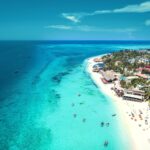
The country also offers remarkable diversity beyond its famous southern and central safari destinations. Travellers can explore the flamingo-rich lakes of the Great Rift Valley, the rugged wilderness of Samburu, the remote landscapes of Laikipia, the forests of Aberdare, the coastal wildlife habitats of Tsavo and the beautiful beaches of Diani, Watamu and Malindi.
One of the first questions travellers ask when planning a Kenyan holiday is:
How much does a Kenya safari cost?
The answer depends on several factors, including the number of safari days, destinations visited, accommodation standards, travel season, park entrance fees, transportation, number of travellers and whether you prefer a private or shared safari.
A budget camping safari to the Maasai Mara can be considerably less expensive than a private luxury safari staying in an exclusive conservancy camp. Similarly, a three-day Amboseli safari has a different budget from a 10-day journey combining the Maasai Mara, Lake Nakuru, Naivasha and Amboseli.
This guide by Astute Africa Safaris, a locally owned Kenyan safari and tour operator based in Nairobi, provides a detailed explanation of Kenya safari costs in 2027. It explores safari prices, park fees, circuits, accommodation, recommended itineraries, seasonal wildlife experiences and ways to plan a rewarding holiday within your budget.
Whether you are planning an affordable camping adventure, a comfortable mid-range safari, a luxury wildlife holiday or an ultra-luxury African experience, this guide will help you understand your options.
You can also explore our Kenya safari packages and tours for more inspiration.
1. How Much Does a Kenya Safari Cost in 2027?
A Kenya safari can cost approximately US$180–300 per person per day for budget camping, US$300–550 for mid-range accommodation, US$550–1,000 for luxury safaris and US$1,000–2,500 or more for ultra-luxury experiences.
These are indicative 2027 planning estimates, not fixed package prices. Actual costs depend on the parks visited, accommodation availability, travel dates, group size, transport arrangements and applicable conservation fees.
Kenya safari prices at a glance
| Safari category | Estimated cost per person per day | Typical accommodation |
|---|---|---|
| Budget camping | $180–300 | Public campsites and basic camping |
| Budget lodge | $220–350 | Guesthouses and simple safari lodges |
| Mid-range | $300–550 | Comfortable lodges and tented camps |
| Luxury | $550–1,000 | Premium safari lodges and camps |
| Ultra-luxury | $1,000–2,500+ | Exclusive lodges and private conservancy camps |
Indicative 2027 planning ranges in US dollars, generally assuming two adults sharing and a ground safari package. Private vehicle arrangements, accommodation, park fees, meals and other inclusions vary. Single supplements, flights and premium activities can increase the total.
Estimated Kenya safari costs by duration
The following table provides a preliminary budget for comparing different safari lengths.
| Safari duration | Budget | Mid-range | Luxury | Ultra-luxury |
|---|---|---|---|---|
| 2 days | $360–600 | $600–1,100 | $1,100–2,000 | $2,000–5,000+ |
| 3 days | $540–900 | $900–1,650 | $1,650–3,000 | $3,000–7,500+ |
| 4 days | $720–1,200 | $1,200–2,200 | $2,200–4,000 | $4,000–10,000+ |
| 5 days | $900–1,500 | $1,500–2,750 | $2,750–5,000 | $5,000–12,500+ |
| 7 days | $1,260–2,100 | $2,100–3,850 | $3,850–7,000 | $7,000–17,500+ |
| 10 days | $1,800–3,000 | $3,000–5,500 | $5,500–10,000 | $10,000–25,000+ |
| 14 days | $2,520–4,200 | $4,200–7,700 | $7,700–14,000 | $14,000–35,000+ |
These are broad planning illustrations based on the daily ranges above, not verified bookable rates. Short safaris can cost more per day because fixed transport and logistical costs are spread across fewer days. International flights, visas, insurance, optional activities and beach extensions are additional unless specifically included.
What is normally included in a Kenya safari package?
A properly prepared quotation should clearly explain the services included in the package.
Depending on the safari, these may include:
-
Private or shared 4×4 safari vehicle.
-
Professional English-speaking driver-guide.
-
Accommodation throughout the safari.
-
Meals according to the itinerary.
-
Applicable national park and reserve entrance fees.
-
Conservancy charges where applicable.
-
Game drives.
-
Drinking water in the safari vehicle.
-
Airport transfers where specified.
-
Domestic flights where specifically included.
-
Camping equipment and crew for camping safaris.
-
Applicable government taxes and service charges.
What is normally excluded?
-
International flights.
-
Kenyan visa or Electronic Travel Authorisation charges, where applicable.
-
Travel and medical insurance.
-
Personal purchases.
-
Tips and gratuities.
-
Alcoholic and premium beverages.
-
Optional excursions not included in the quotation.
-
Balloon safaris unless specifically included.
-
Additional hotel nights.
-
Single-room supplements.
-
Laundry and personal expenses.
Always request a complete itemised quotation before making a booking.

2. What Determines the Cost of a Kenya Safari?
Two visitors travelling to Kenya during the same month and visiting the same national park may receive very different safari quotations.
The difference usually comes down to accommodation, transport, travel dates, group size and the type of safari experience.
A. Accommodation standards
Accommodation is one of the biggest factors influencing the total cost of a Kenya safari.
Travellers can choose from:
-
Public campsites.
-
Budget safari camps.
-
Simple lodges.
-
Mid-range safari lodges.
-
Permanent tented camps.
-
Luxury tented camps.
-
Exclusive conservancy lodges.
-
Ultra-luxury private safari properties.
A traveller using a basic campsite in the Maasai Mara will have a different budget from someone staying in an exclusive conservancy property with private suites, personalised game drives and fine dining.
B. Number of travellers
Safari vehicles, fuel, guides and transfers have operating costs regardless of the number of people travelling.
A private safari for two adults may therefore cost more per person than a private safari for four or six adults sharing the same vehicle.
For families and groups of friends, sharing vehicle costs can provide better value.
C. Season of travel
Kenya’s safari seasons influence accommodation rates and availability.
July to October is particularly popular in the Maasai Mara because of the seasonal Great Migration and the possibility of dramatic Mara River crossings.
Christmas, New Year and other holiday periods can also attract high accommodation demand.
Travelling during quieter periods can sometimes provide better rates and a more relaxed experience.
D. Safari transportation
Kenya offers several ways to explore its wildlife destinations:
-
Private 4×4 safari Land Cruisers.
-
Shared safari vehicles.
-
Safari minibuses.
-
Scheduled domestic flights.
-
Private charter flights.
-
A combination of road and air transfers.
Road safaris are often more affordable and allow travellers to experience the changing landscapes between destinations.
Fly-in safaris are convenient for visitors with limited time or those visiting remote luxury camps, but flights can significantly increase the total cost.
E. Park, reserve and conservancy fees
Kenya has different fee structures for national parks, national reserves and private conservancies.
The Kenya Wildlife Service (KWS) manages several national parks and reserves, while other destinations have different management and payment arrangements.
For example:
-
Maasai Mara National Reserve fees are administered by the relevant county authorities.
-
Private conservancies have their own applicable arrangements.
-
Amboseli and Tsavo have KWS charges.
-
Lake Nakuru has KWS charges.
-
Some private conservancies charge additional conservation fees.
These costs should be clearly reflected in the safari quotation.
3. Kenya’s Main Safari Circuits: Where Should You Go?
Kenya has several distinct safari circuits, each offering different wildlife experiences, landscapes, accommodation options and travel costs.
The best circuit depends on what you want to see, how many days you have and your preferred travel budget.

A. Southern Kenya Safari Circuit
Best for first-time visitors and classic Kenya safaris
The Southern Circuit is among Kenya’s most popular safari regions. It combines iconic wildlife destinations, spectacular scenery and good accommodation choices.
The main destinations include:
-
Maasai Mara National Reserve.
-
Amboseli National Park.
-
Tsavo East National Park.
-
Tsavo West National Park.
-
Chyulu Hills.
-
Lake Naivasha.
1. Maasai Mara National Reserve 
The Maasai Mara is arguably Kenya’s most famous safari destination and one of the most rewarding wildlife-viewing areas in Africa.
Its expansive grasslands, riverine forests, seasonal wetlands and rich wildlife populations create exceptional safari opportunities.
The reserve is particularly famous for:
-
Lions and other large predators.
-
Leopards and cheetahs.
-
Elephants and buffaloes.
-
Wildebeest and zebras.
-
Giraffes and numerous antelope species.
-
Seasonal Great Wildebeest Migration movements.
-
Exceptional birdlife.
The Maasai Mara forms part of the wider Mara–Serengeti ecosystem, which supports one of the world’s most remarkable seasonal wildlife movements.
Best time to visit: July to October is especially popular for migration viewing, although the Mara offers rewarding wildlife experiences throughout the year.
Recommended stay: Three to four nights for a more immersive experience, particularly for travellers interested in wildlife photography and migration viewing.
What influences the cost of a Maasai Mara safari?
-
Season and reserve entry fees.
-
Whether accommodation is inside the reserve or in a nearby conservancy.
-
Type of safari camp.
-
Private or shared safari vehicle.
-
Road or fly-in transportation.
-
Conservancy access and activity charges.
A particularly important consideration is the distinction between the Maasai Mara National Reserve and surrounding private conservancies. Conservancy properties may offer additional activities under their own rules, but the fees and access arrangements differ.
Read our Kenya safari packages and tours for different Maasai Mara holiday possibilities.
2. Amboseli National Park 
Amboseli is internationally recognised for its enormous elephant herds and spectacular views of Mount Kilimanjaro.
The park’s open plains, seasonal swamps and acacia woodlands provide excellent photographic opportunities.
Wildlife includes:
-
African elephants.
-
Lions.
-
Cheetahs.
-
Buffaloes.
-
Giraffes.
-
Zebras.
-
Hyenas.
-
Numerous bird species.
The permanent and seasonal wetlands attract wildlife, especially during dry periods.
Best time to visit: June to October is generally excellent for wildlife viewing. January and February can also be rewarding.
Recommended stay: Two to three nights.
Amboseli is particularly suitable for:
-
Elephant photography.
-
Families.
-
Couples.
-
Short safaris from Nairobi.
-
Travellers combining Kenya and Tanzania.
Accommodation choices: From comfortable safari camps to luxury lodges with views towards Mount Kilimanjaro.
3. Tsavo East National Park 
Tsavo East is one of Kenya’s largest national parks and offers a remarkable wilderness experience.
Its expansive landscapes, red earth, seasonal rivers and open plains make it different from the more concentrated wildlife-viewing areas of the Maasai Mara.
The park is known for:
-
Large elephant populations.
-
The famous red-dust elephants.
-
Lions.
-
Giraffes.
-
Zebras.
-
Buffaloes.
-
Various antelope species.
-
Diverse birdlife.
The Galana River and surrounding landscapes provide important wildlife habitats.
Best for: Travellers seeking expansive wilderness, photographers, visitors travelling between Nairobi and the coast, and people looking for a safari combined with a beach holiday.
4. Tsavo West National Park 
Tsavo West offers dramatic landscapes featuring volcanic hills, lava formations, natural springs and rugged wilderness.
Its attractions include:
-
Mzima Springs.
-
Shetani Lava Flow.
-
Chyulu Hills scenery.
-
Elephants and buffaloes.
-
Leopards and lions.
-
Birdlife.
-
Scenic game drives.
Mzima Springs is particularly interesting because its clear waters support hippos, fish and other aquatic life.
Tsavo West combines well with Amboseli and Tsavo East for longer southern Kenya safaris.
5. Lake Naivasha 
Lake Naivasha is a beautiful freshwater lake in the Great Rift Valley.
It provides a different experience from the conventional savannah safari.
Popular activities include:
-
Boat rides.
-
Hippo viewing.
-
Birdwatching.
-
Nature walks in selected locations.
-
Visits to Crescent Island.
-
Photography.
-
Scenic relaxation.
Lake Naivasha is an excellent addition to a Kenya safari itinerary, especially for travellers visiting Lake Nakuru and the Maasai Mara.
B. Great Rift Valley Safari Circuit
Best for lakes, birdlife, rhinos and scenic landscapes 
The Great Rift Valley is one of Kenya’s most beautiful geographical regions, offering a combination of lakes, escarpments, forests, wildlife habitats and volcanic landscapes.
Important destinations include:
-
Lake Nakuru National Park.
-
Lake Naivasha.
-
Hell’s Gate National Park.
-
Lake Bogoria.
-
Lake Elementaita.
1. Lake Nakuru National Park 
Lake Nakuru is a rewarding wildlife destination, famous for its rhinos, Rothschild’s giraffes, diverse birdlife and scenic lake environment.
Visitors may encounter:
-
Black and white rhinos.
-
Rothschild’s giraffes.
-
Lions.
-
Buffaloes.
-
Zebras.
-
Waterbucks.
-
Various waterbirds.
Flamingo numbers vary considerably according to lake conditions and food availability, so visitors should not assume that the lake will always be covered in pink.
Best for: Rhino enthusiasts, birdwatchers, families and travellers combining the Great Rift Valley with the Maasai Mara.
Recommended stay: One to two nights.
2. Hell’s Gate National Park 
Hell’s Gate offers a different type of Kenyan adventure.
Unlike conventional safari destinations where most wildlife viewing happens from a vehicle, Hell’s Gate allows selected activities such as cycling and walking in designated areas under park regulations.
Experiences include:
-
Cycling.
-
Hiking.
-
Scenic photography.
-
Geological formations.
-
Wildlife observation.
-
Gorge exploration subject to safety and access conditions.
It is especially suitable for active travellers and visitors staying around Lake Naivasha.
3. Lake Bogoria 
Lake Bogoria is known for its geothermal activity, hot springs and seasonal concentrations of flamingos.
It is an attractive destination for birdwatchers, photographers and visitors exploring Kenya’s northern Rift Valley.
C. Northern Kenya Safari Circuit
Best for rare wildlife and exclusive safari experiences 
Northern Kenya offers a more rugged and distinctive safari experience.
The region has different ecosystems from the Maasai Mara and Amboseli, with arid landscapes, riverine forests, mountains and unique wildlife.
Important destinations include:
-
Samburu National Reserve.
-
Buffalo Springs National Reserve.
-
Shaba National Reserve.
-
Ol Pejeta Conservancy.
-
Laikipia Plateau.
-
Meru National Park.
1. Samburu National Reserve 
Samburu is famous for its distinctive wildlife, arid landscapes and the Ewaso Ng’iro River.
One of the reserve’s biggest attractions is the opportunity to encounter the so-called Samburu Special Five:
-
Grevy’s zebra.
-
Reticulated giraffe.
-
Beisa oryx.
-
Somali ostrich.
-
Gerenuk.
Other wildlife includes elephants, lions, leopards, cheetahs and numerous bird species.
Best for: Wildlife photographers, repeat safari visitors, birdwatchers and travellers seeking a different experience from the Maasai Mara.
Recommended stay: Two to three nights.
2. Ol Pejeta Conservancy 
Ol Pejeta is one of Kenya’s leading wildlife conservation destinations.
It is particularly well known for rhino conservation and its work supporting threatened wildlife.
Visitors can experience:
-
Black and white rhinos.
-
Lions.
-
Elephants.
-
Buffaloes.
-
Grevy’s zebras.
-
Conservation and educational experiences.
-
Selected special wildlife encounters subject to availability.
The conservancy is also home to the world’s last two northern white rhinos, which are under intensive protection and are not part of an ordinary public wildlife-viewing encounter.
Best for: Conservation-minded travellers, families, wildlife enthusiasts and visitors interested in rhino conservation.
3. Laikipia 
Laikipia is a diverse safari region with a mix of private conservancies, community conservation areas, ranches and wilderness properties.
It offers a distinctive experience that can include:
-
Private conservancy game drives.
-
Walking safaris where permitted.
-
Horseback wildlife experiences at selected properties.
-
Camel-supported activities at selected camps.
-
Rhino conservation.
-
Exceptional landscape photography.
-
Exclusive luxury accommodation.
Laikipia is particularly appealing to travellers who value privacy, conservation and less conventional safari activities.
4. Meru National Park 
Meru is a beautiful and relatively less-visited safari destination with rivers, woodland, open grassland and diverse wildlife.
It is associated with the conservation history of Elsa the lioness, made famous through Born Free.
Visitors can enjoy:
-
Elephants.
-
Lions.
-
Leopards.
-
Buffaloes.
-
Giraffes.
-
Zebras.
-
Diverse birdlife.
It is particularly suitable for travellers wanting a quieter and more exploratory safari.
D. Coastal Kenya Safari and Beach Circuit
Best for combining wildlife and Indian Ocean holidays 
Kenya’s coastline offers some of East Africa’s most beautiful beaches, marine environments and Swahili cultural destinations.
The coastal region is ideal for travellers who want to combine a wildlife safari with beach relaxation.
Popular destinations include:
-
Diani Beach.
-
Watamu.
-
Malindi.
-
Lamu.
-
Shimba Hills National Reserve.
-
Mombasa.
1. Diani Beach 
Diani is one of Kenya’s best-known beach destinations.
It offers:
-
White-sand beaches.
-
Snorkelling.
-
Diving.
-
Kitesurfing.
-
Boat excursions.
-
Beach resorts.
-
Relaxation and wellness experiences.
Diani combines particularly well with Amboseli, Tsavo East and Tsavo West.
2. Watamu 
Watamu is known for its marine environment, coral reefs, beautiful beaches and coastal accommodation.
It is suitable for:
-
Snorkelling.
-
Diving.
-
Marine excursions.
-
Relaxation.
-
Family beach holidays.
-
Nature and birdwatching experiences.
3. Malindi 
Malindi offers a mixture of beach experiences, Swahili heritage, coastal culture and marine activities.
4. Lamu 
Lamu is particularly attractive to travellers interested in Swahili architecture, heritage, traditional dhow sailing, island culture and a slower-paced holiday.
Which Kenya safari circuit should you choose?
| Circuit | Best for | Recommended duration |
|---|---|---|
| Southern | Maasai Mara, Amboseli, classic wildlife | 5–10 days |
| Great Rift Valley | Lakes, rhinos and birdwatching | 3–6 days |
| Northern | Unique wildlife and conservancies | 5–9 days |
| Coastal | Beach, marine and cultural experiences | 3–7 days |
| Safari and beach | Wildlife followed by relaxation | 8–14 days |
For first-time visitors, I particularly recommend the Maasai Mara, Lake Nakuru and Amboseli combination if enough time is available. For travellers who prefer a more relaxed holiday, it is better to select two or three destinations and spend more time in each rather than rushing through the entire country.
Explore our guide to Kenya safari destinations and national parks for more detailed information.
4. Kenya Safari Accommodation: Budget, Mid-Range, Luxury and Ultra-Luxury
Accommodation selection has a major influence on the overall cost of a Kenya safari.
Kenya offers everything from public campsites and affordable safari camps to comfortable lodges, luxury tented camps and exclusive private conservancy properties.

A. Budget Kenya Safari Accommodation
Budget-friendly
Budget accommodation is ideal for travellers who want to experience Kenya’s wildlife without spending too much on accommodation.
Options include:
-
Public campsites.
-
Basic safari camps.
-
Budget tented accommodation.
-
Guesthouses.
-
Simple lodges.
-
Affordable hotels in safari gateway towns.

Examples of properties and accommodation options to investigate:
| Property | Location | General accommodation style |
|---|---|---|
| Miti Mingi Eco Camp | Maasai Mara area | Budget tented accommodation |
| Enchoro Wildlife Camp | Maasai Mara area | Budget safari camp |
| Rhino Tourist Camp | Maasai Mara area | Affordable tented camp |
| Budget campsites | Amboseli area | Basic camping |
| Budget campsites | Tsavo area | Camping options |
| Simple guesthouses | Naivasha | Budget accommodation |
| Affordable lodges | Nakuru | Budget lodge accommodation |
Facilities and room standards vary, and some properties offer more than one room category. Confirm the exact property, location, en-suite arrangements and facilities before booking.
Advantages of budget accommodation
-
Lower overall safari costs.
-
Affordable multi-day safari options.
-
Suitable for adventurous travellers.
-
Opportunity to visit several destinations.
-
Practical for students, backpackers and groups.
Things to consider
-
Some camps have shared bathroom facilities.
-
Rooms and tents may have basic furnishings.
-
Swimming pools and other luxury facilities may not be available.
-
Public campsites provide a different experience from permanent safari camps.
-
Some budget properties are outside the reserve, so daily entrance arrangements need careful consideration.
B. Mid-Range Kenya Safari Accommodation
Excellent balance between comfort and value 
Mid-range accommodation is ideal for travellers who want comfortable rooms, private bathrooms, restaurant facilities and attractive surroundings without paying the highest luxury rates.
Recommended properties to investigate include:
| Property | Location | Accommodation experience |
|---|---|---|
| Mara Sopa Lodge | Maasai Mara region | Established safari lodge |
| Keekorok Lodge | Maasai Mara Reserve | Classic safari lodge |
| AA Lodge Mara | Maasai Mara area | Lodge and tented accommodation |
| Lake Nakuru Lodge | Lake Nakuru area | Safari lodge |
| Sarova Lion Hill Game Lodge | Lake Nakuru | Comfortable safari lodge |
| Amboseli Sopa Lodge | Amboseli area | Lodge with mountain scenery |
| Ashnil Aruba Lodge | Tsavo East | Safari lodge |
| Samburu Sopa Lodge | Samburu region | Northern Kenya safari lodge |
These properties may have different pricing across seasons and room categories. Some are priced in the upper mid-range or luxury category during peak periods.
Why choose mid-range accommodation?
-
Comfortable en-suite rooms.
-
Restaurant and dining facilities.
-
Swimming pools at selected properties.
-
Attractive safari locations.
-
Good options for couples and families.
-
More affordable than many exclusive luxury camps.
For travellers visiting Kenya for the first time, mid-range accommodation can provide an excellent balance between overall cost and comfort.
C. Luxury Kenya Safari Lodges and Tented Camps
Premium safari experience 
Luxury accommodation offers exceptional comfort, attractive architecture, personalised hospitality and beautiful wilderness settings.
Typical facilities may include:
-
Spacious suites or luxury tents.
-
Private verandas.
-
En-suite bathrooms.
-
High-quality dining.
-
Swimming pools.
-
Spa facilities at selected properties.
-
Premium safari experiences.
-
Exclusive conservancy access at selected camps.
Recommended luxury properties
| Property | Location | Distinctive experience |
|---|---|---|
| Mara Serena Safari Lodge | Maasai Mara | Scenic lodge overlooking the Mara landscape |
| Entim Mara | Maasai Mara | Luxury tented accommodation near wildlife areas |
| Elewana Tortilis Camp | Amboseli | Luxury tented camp with Kilimanjaro scenery |
| Ol Tukai Lodge | Amboseli | Excellent elephant-viewing setting |
| Saruni Samburu | Samburu | Exclusive wilderness accommodation |
| Elewana Elsa’s Kopje | Meru | Distinctive lodge in Meru |
| Kilaguni Serena Safari Lodge | Tsavo West | Scenic lodge near a wildlife waterhole |
| Finch Hattons Luxury Camp | Tsavo West | Premium tented safari experience |
| The Cliff | Lake Nakuru | Luxury accommodation overlooking the lake |
These properties are suitable for couples, photographers, honeymooners and travellers who value comfort and distinctive safari locations.
D. Ultra-Luxury Kenya Safari Accommodation
Exclusive and personalised safari experiences 
Ultra-luxury accommodation represents the highest end of Kenya’s safari hospitality market.
These properties generally offer exclusive locations, beautifully designed suites, personalised service, fine dining and exceptional wildlife experiences.
They are especially suitable for:
-
Luxury honeymoon safaris.
-
Private family holidays.
-
High-end wildlife photography.
-
Exclusive private safaris.
-
Special celebrations.
-
Travellers seeking privacy and exceptional service.
Recommended ultra-luxury properties
| Property | Location | What makes it distinctive |
|---|---|---|
| Angama Mara | Oloololo Escarpment, Mara region | Spectacular views over the Mara landscape |
| Mahali Mzuri | Olare Motorogi Conservancy | Exclusive luxury safari camp |
| Mara Plains Camp | Olare Motorogi Conservancy | Intimate luxury safari experience |
| &Beyond Bateleur Camp | Maasai Mara region | Classic luxury tented safari |
| Cottar’s 1920s Camp | Mara region | Heritage-inspired luxury safari |
| Segera Retreat | Laikipia | Exclusive conservation-focused luxury |
| Ol Jogi | Laikipia | Private conservation estate and exclusive accommodation |
| Sasaab | Samburu region | Distinctive luxury lodge and design |
Some ultra-luxury properties are located in private conservancies rather than inside national reserves. This can provide access to additional experiences under conservancy regulations, but the costs and activities differ.
How to select the right Kenya safari accommodation
| Traveller type | Recommended category |
|---|---|
| Budget-conscious traveller | Camping and simple safari camps |
| Backpacker or student | Shared camping safari |
| Couple | Mid-range or luxury tented camp |
| Family | Spacious family rooms and suitable lodges |
| Honeymoon couple | Luxury or ultra-luxury camps |
| Wildlife photographer | Camp located strategically near wildlife areas |
| Luxury traveller | Exclusive conservancy lodge |
| Large group | Private-use properties or suitable lodges |
Our advice: Do not choose a lodge based only on its appearance or advertised star rating. Consider its location, access to wildlife areas, transfer distances, room configuration, inclusions and seasonal rates.
5. Kenya National Park Fees and Conservancy Charges: What Should You Budget?
Park fees are a particularly important part of Kenya safari costs.
Unlike accommodation, which varies according to the property and room category, national park and reserve charges are determined by the relevant management authority.
For a foreign visitor, park fees can represent a substantial part of the total safari budget, especially when visiting several parks over multiple days.
A. Kenya Wildlife Service park fees
The Kenya Wildlife Service publishes conservation fees for the parks it manages.
The 2025 conservation-fee schedule published by KWS lists the following adult non-resident rates:
| KWS destination | Adult non-resident fee |
|---|---|
| Amboseli National Park | $90 |
| Lake Nakuru National Park | $90 |
| Nairobi National Park | $80 |
| Tsavo East National Park | $80 |
| Tsavo West National Park | $80 |
| Meru National Park | $70 |
| Aberdare National Park | $70 |
| Mount Kenya National Park | $70 |
Rates shown are from the published KWS 2025 conservation-fee schedule and related 2025 regulations. Confirm the current tariff, visitor category, validity period and any subsequent legal changes before quoting a 2027 safari. Child and student rates differ.
The visitor categories are important because Kenya has different fee arrangements for:
-
East African citizens.
-
Kenya residents.
-
African citizens.
-
Non-residents.
A traveller holding a valid Kenyan residence permit may qualify for a different rate from a visitor entering Kenya on a tourist visa. Nationality and residency should not be confused.
For current official information, visit:
B. Maasai Mara National Reserve fees
The Maasai Mara has a separate fee structure administered by the relevant county authorities.
For non-resident adults, published 2026 rates have been:
| Period | Indicative adult non-resident fee |
|---|---|
| January–June | $100 per day |
| July–December | $200 per day |
These rates should be checked against the current Narok County tariff for the actual booking date, as fees, ticket validity and payment arrangements can change.
This difference is particularly important for travellers planning a migration safari between July and October.
For example, two adults staying in the reserve for three days at a $200 per-adult daily rate would have a combined reserve-entry budget of $1,200, before accommodation, transport and other expenses.
This is why a high-season Maasai Mara safari can be considerably more expensive than a safari to some other Kenyan parks.
C. Conservancy fees
Private conservancies operate under different arrangements from national parks and reserves.
Depending on the property, conservancy charges may be included in the accommodation rate or charged separately.
Conservancies can offer:
-
Guided off-road game drives where permitted.
-
Night drives where permitted.
-
Guided walking safaris.
-
Exclusive wildlife experiences.
-
Lower visitor density.
-
Community conservation initiatives.
Examples include Olare Motorogi, Naboisho, Mara North and Ol Kinyei in the Maasai Mara ecosystem.
Always ask whether the quoted accommodation rate includes conservancy charges and whether access to the national reserve is included.
D. Other fees and optional activities
| Item | What to consider |
|---|---|
| Vehicle entry charges | May apply separately in protected areas |
| Conservancy charges | Depends on the property and arrangement |
| Balloon safari | Optional activity with separate pricing |
| Walking safari | Depends on location and operator |
| Boat excursion | Relevant to some lakes and coastal destinations |
| Cultural visit | Check the activity fee and inclusions |
| Camping fees | Vary by campsite and management authority |
| Domestic flights | Additional unless included |
Important: Never calculate the total cost of a Kenya safari using accommodation rates alone. Park fees, conservancy fees, vehicle charges and transportation can substantially affect the final quotation.
6. Recommended Kenya Safari Itineraries and Estimated Costs for 2027
Kenya offers many safari combinations, from short excursions departing Nairobi to longer multi-park holidays.
The following itineraries are designed to help travellers understand what they can experience within different holiday durations.
The estimates are preliminary planning ranges per person, assuming two adults sharing. They are not fixed package quotations and must be adjusted for park fees, accommodation, season and transport.

Itinerary 1: 1-Day Nairobi National Park Safari
Short safari from Nairobi 
Best for: Visitors with limited time, business travellers, stopovers and travellers who want a short wildlife experience before or after an international flight.
Nairobi National Park offers a unique opportunity to experience wildlife close to a major African capital.
Suggested programme
-
Early morning pickup from Nairobi hotel.
-
Drive to Nairobi National Park.
-
Morning game drive.
-
Search for rhinos, lions, giraffes, zebras and other wildlife.
-
Optional visit to another attraction, subject to time and availability.
-
Return to Nairobi.
Estimated budget: US$150–350+ per person, depending on group size, vehicle arrangements, entrance fees and additional attractions.
A one-day safari is an introduction to Kenyan wildlife rather than a substitute for a multi-day safari.
Itinerary 2: 2-Day Amboseli Safari from Nairobi
Short wildlife and mountain-view safari 
Day 1: Nairobi to Amboseli
-
Early departure from Nairobi.
-
Drive to Amboseli.
-
Arrive and enjoy lunch.
-
Afternoon game drive.
-
Dinner and overnight at a selected lodge or camp.
Day 2: Amboseli to Nairobi
-
Early morning game drive.
-
Breakfast.
-
Additional wildlife viewing where time permits.
-
Return to Nairobi.
Estimated budget per person:
-
Budget: $350–600.
-
Mid-range: $600–1,100.
-
Luxury: $1,100–2,000+.
A three-day version is recommended for travellers wanting a more relaxed Amboseli experience.
Itinerary 3: 3-Day Maasai Mara Safari from Nairobi
Classic Kenya safari 
Best for: First-time safari visitors and travellers wanting to experience Kenya’s famous wildlife reserve.
Day 1: Nairobi to Maasai Mara
-
Depart Nairobi.
-
Enjoy scenic views of the Great Rift Valley.
-
Continue to the Maasai Mara.
-
Lunch and afternoon game drive.
-
Overnight in selected accommodation.
Day 2: Full-day Maasai Mara safari
-
Early morning game drive.
-
Explore wildlife-rich plains.
-
Look for lions, elephants, cheetahs and other wildlife.
-
Enjoy a picnic lunch or return to camp.
-
Afternoon game viewing.
Day 3: Maasai Mara to Nairobi
-
Morning game drive where timing permits.
-
Breakfast.
-
Return to Nairobi.
Estimated safari budget per person:
-
Budget: $540–900.
-
Mid-range: $900–1,650.
-
Luxury: $1,650–3,000.
-
Ultra-luxury: $3,000–7,500+.
During high-season migration months, the Maasai Mara reserve fee and accommodation rates can significantly increase these estimates.
Explore our three-day and other Kenya safari packages.
Itinerary 4: 4-Day Amboseli and Tsavo West Safari
Elephants, mountains and volcanic landscapes 
Day 1: Nairobi to Amboseli
-
Travel to Amboseli.
-
Afternoon game drive.
-
Overnight in Amboseli.
Day 2: Full-day Amboseli safari
-
Early morning game drive.
-
Search for elephants, lions, giraffes and other wildlife.
-
Explore the park’s swamps and plains.
-
Overnight in Amboseli.
Day 3: Amboseli to Tsavo West
-
Depart for Tsavo West.
-
Enjoy scenic game viewing.
-
Visit Mzima Springs if included in the programme.
-
Overnight in Tsavo West.
Day 4: Tsavo West to Nairobi
-
Morning game drive.
-
Breakfast.
-
Return to Nairobi.
Estimated budget: US$720–4,000+ per person, depending on accommodation category and travel arrangements.
Read More: Nairobi – Amboseli Tsavo Safari
Itinerary 5: 5-Day Maasai Mara and Lake Nakuru Safari
Big cats, rhinos and Great Rift Valley scenery 
Day 1: Nairobi to Lake Nakuru
-
Depart Nairobi.
-
Travel through the Great Rift Valley.
-
Enjoy an afternoon game drive.
-
Overnight near Lake Nakuru.
Day 2: Lake Nakuru to Maasai Mara
-
Morning game drive.
-
Travel towards the Maasai Mara.
-
Arrive and enjoy an afternoon game drive where timing permits.
-
Overnight in the Mara region.
Day 3: Full-day Maasai Mara safari
-
Explore the reserve.
-
Search for big cats and other wildlife.
-
Enjoy a picnic lunch or return to camp.
Day 4: Additional Maasai Mara safari
-
Morning and afternoon game drives.
-
Explore a different wildlife area.
-
Optional activities depending on location and budget.
Day 5: Return to Nairobi
-
Breakfast.
-
Depart for Nairobi.
Estimated budget: US$900–12,500+ per person across the accommodation categories.
This itinerary is an excellent option for travellers wanting both rhino-viewing opportunities and the classic Maasai Mara experience.
Itinerary 6: 5-Day Amboseli, Tsavo East and Tsavo West Safari
Southern Kenya wildlife circuit 
This itinerary is particularly suitable for travellers who want to explore southern Kenya’s wildlife destinations and can also be adapted for coastal arrivals.
| Day | Destination | Main experience |
|---|---|---|
| 1 | Nairobi to Amboseli | Afternoon game drive |
| 2 | Amboseli | Full-day wildlife exploration |
| 3 | Tsavo West | Game drives and Mzima Springs |
| 4 | Tsavo East | Red elephants and Galana River region |
| 5 | Return / onward coast transfer | Departure or beach extension |
The route requires careful planning to minimise unnecessary driving.
Estimated budget: US$900–12,500+ per person depending on accommodation and inclusions.
Itinerary 7: 6-Day Maasai Mara, Lake Nakuru and Lake Naivasha Safari
Great Rift Valley and classic wildlife combination 
Day 1: Nairobi to Lake Naivasha
-
Scenic drive through the Great Rift Valley.
-
Enjoy a boat excursion if included.
-
Optional Crescent Island visit.
-
Overnight in Naivasha.
Day 2: Lake Naivasha to Lake Nakuru
-
Morning relaxation or additional activity.
-
Travel to Lake Nakuru.
-
Afternoon game drive.
-
Overnight near the park.
Day 3: Lake Nakuru to Maasai Mara
-
Morning game drive where practical.
-
Travel to the Maasai Mara.
-
Afternoon arrival and overnight.
Day 4: Full-day Maasai Mara safari
-
Morning and afternoon wildlife viewing.
-
Search for big cats, elephants, buffaloes and other wildlife.
Day 5: Additional Maasai Mara safari
-
Explore different areas of the reserve.
-
Optional activities subject to availability and additional cost.
Day 6: Return to Nairobi
-
Breakfast.
-
Return transfer.
Estimated budget: US$1,080–15,000+ per person depending on the category, season and transport.
Itinerary 8: 7-Day Classic Kenya Wildlife Safari
One of our strongest recommendations 
This itinerary combines three of Kenya’s most recognisable wildlife destinations.
Suggested route: Nairobi – Maasai Mara – Lake Nakuru – Amboseli – Nairobi.
| Day | Destination | Main activities |
|---|---|---|
| 1 | Nairobi | Arrival and overnight |
| 2 | Maasai Mara | Transfer and afternoon game drive |
| 3 | Maasai Mara | Full-day wildlife safari |
| 4 | Lake Nakuru | Travel and game viewing |
| 5 | Amboseli | Transfer and overnight |
| 6 | Amboseli | Full-day wildlife viewing |
| 7 | Nairobi | Return transfer |
This is an ambitious itinerary because of the long transfers between parks. An eight- or nine-day version is preferable for a more relaxed journey.
Read more: 7 Days Masai Mara and Amboseli Safari
Estimated budget per person:
-
Budget: $1,260–2,100.
-
Mid-range: $2,100–3,850.
-
Luxury: $3,850–7,000.
-
Ultra-luxury: $7,000–17,500+.
Itinerary 9: 7-Day Samburu, Ol Pejeta and Lake Nakuru Safari
Best for northern Kenya wildlife 
This itinerary offers a more varied northern Kenya safari experience.
Day 1: Nairobi to Samburu
Travel north and enjoy an afternoon game drive.
Day 2: Samburu
Full-day wildlife viewing in search of the Samburu Special Five.
Day 3: Samburu to Ol Pejeta
Travel towards Laikipia and enjoy the scenery.
Day 4: Ol Pejeta Conservancy
Explore wildlife habitats and conservation areas.
Day 5: Ol Pejeta to Lake Nakuru
Travel towards the Great Rift Valley.
Day 6: Lake Nakuru
Enjoy wildlife viewing and birdwatching.
Day 7: Return to Nairobi
Breakfast and transfer.
Estimated budget: US$1,260–17,500+ per person depending on accommodation, season and conservancy charges.
Itinerary 10: 8-Day Kenya Safari and Diani Beach Holiday
Safari and beach holiday 
This is an excellent option for travellers who want to combine wildlife exploration with relaxation on Kenya’s Indian Ocean coast.
Day 1: Nairobi
Arrival and overnight.
Day 2: Nairobi to Amboseli
Travel to Amboseli and enjoy an afternoon game drive.
Day 3: Amboseli
Full-day wildlife exploration.
Day 4: Amboseli to Tsavo West
Travel towards Tsavo West and enjoy game viewing.
Day 5: Tsavo West to Tsavo East
Explore the different landscapes and wildlife habitats.
Day 6: Transfer to Diani
Travel towards the coast or use a suitable flight connection.
Day 7: Diani Beach
Relax, swim, snorkel or arrange optional marine activities.
Day 8: Departure
Transfer to the airport or onward travel.
Estimated budget: US$1,440–20,000+ per person depending on the safari and beach accommodation.
Itinerary 11: 10-Day Kenya Safari and Beach Holiday
Recommended for a complete Kenya holiday 
This itinerary provides a longer holiday combining wildlife, landscapes and coastal experiences.
| Day | Destination | Experience |
|---|---|---|
| 1 | Nairobi | Arrival |
| 2–3 | Maasai Mara | Wildlife and game drives |
| 4 | Lake Nakuru | Rhino and birdlife viewing |
| 5–6 | Amboseli | Elephant viewing and mountain scenery |
| 7 | Tsavo West | Wildlife and landscape exploration |
| 8–9 | Diani | Beach holiday |
| 10 | Departure | Airport transfer |
The itinerary can be modified by using domestic flights to reduce road travel.
Estimated budget: US$1,800–25,000+ per person.
Explore more: 10 Days Kenya Safari Itineraries
Itinerary 12: 12–14-Day Kenya Discovery Safari 
For travellers with more time, a longer safari can include northern Kenya, the Great Rift Valley, the Maasai Mara, Amboseli and the coast.
Suggested route:
-
Days 1–2: Nairobi and Samburu.
-
Days 3–4: Ol Pejeta or Laikipia.
-
Days 5–6: Lake Nakuru and Lake Naivasha.
-
Days 7–9: Maasai Mara.
-
Days 10–11: Amboseli.
-
Days 12–14: Diani Beach and departure.
This is a comprehensive journey and should be designed around suitable road or flight connections. It may be preferable to remove one destination and allow more time in the remaining parks.
Estimated budget: US$2,160–35,000+ per person depending on accommodation and exclusivity.
For additional route ideas, read our 7-day Kenya safari itinerary guide.
7. Best Time to Visit Kenya for a Safari in 2027
Kenya is a year-round safari destination, although different months offer different wildlife experiences.
The best time to travel depends on the parks you want to visit, the wildlife you hope to see, your budget and your preferred weather conditions.

Kenya safari seasons
| Period | General conditions | Recommended experiences |
|---|---|---|
| January–February | Generally dry and warm | Amboseli, Maasai Mara, Samburu and wildlife photography |
| March | Transition towards long rains | Wildlife viewing and birdwatching |
| April–May | Long rains in many regions | Green landscapes and selected accommodation offers |
| June | Dry season begins in many areas | Maasai Mara and general wildlife viewing |
| July–September | Peak dry-season safari period | Great Migration, big cats and wildlife photography |
| October | Generally favourable safari conditions | Maasai Mara, Samburu and Amboseli |
| November | Short rains in many areas | Birdwatching and green landscapes |
| December | Generally warm, with variable short rains | Family holidays, wildlife viewing and beach extensions |
These are broad seasonal patterns. Rainfall and wildlife movements vary between regions and from year to year.
January to February: Excellent wildlife viewing 
January and February are generally dry months in many Kenyan safari destinations.
They can be excellent for:
-
Big-cat viewing in the Maasai Mara.
-
Elephant photography in Amboseli.
-
Wildlife viewing in Samburu.
-
Birdwatching.
-
Family safari holidays.
The vegetation in many areas is less dense than during the rainy seasons, which can make wildlife easier to observe.
March to May: Green season and long rains 
The long rains generally occur between March and May, although the timing varies.
Advantages include:
-
Beautiful green landscapes.
-
Excellent scenery for photography.
-
Seasonal bird activity.
-
Potentially attractive accommodation rates.
-
Fewer visitors at some destinations.
However, some roads can become muddy, and certain camps may close seasonally.
Travellers should select accommodation and routes carefully.
June to October: Prime dry-season safari period 
These months are among the most popular for Kenyan wildlife holidays.
The Maasai Mara receives considerable international attention because of the seasonal arrival of migrating wildebeest and zebras from the Serengeti ecosystem.
Visitors may experience:
-
Large wildlife concentrations.
-
Excellent big-cat viewing opportunities.
-
Seasonal migration movements.
-
Mara River crossing opportunities.
-
Good general game-viewing conditions.
-
Beautiful safari photography.
July, August and September are particularly popular for migration-focused holidays.
Accommodation and reserve fees can be substantially higher during this period, so early planning is recommended.
November to December: Short rains and holiday safaris 
The short rains generally occur around November and December, although the pattern varies.
This period can offer:
-
Greener landscapes.
-
Excellent birdwatching.
-
Seasonal wildlife movements.
-
Beautiful photography.
-
Family holiday opportunities.
-
Safari and beach combinations.
Christmas and New Year are busy travel periods, so popular accommodation should be booked early.
8. How Much Does a Maasai Mara Great Migration Safari Cost?
The Great Wildebeest Migration is one of the most important attractions for travellers visiting Kenya.
Every year, enormous herds of wildebeest and zebras move through the greater Serengeti–Mara ecosystem in search of grazing and water.

The Kenyan section of the migration is particularly associated with the Maasai Mara, where herds move into the reserve and surrounding conservancies during part of the year.
When should you visit the Maasai Mara for migration?
| Period | General wildlife experience |
|---|---|
| January–March | Resident wildlife and general game viewing |
| April–June | Changing seasonal conditions and possible migration movements |
| July–September | Important migration period and potential river crossings |
| October | Possible continued migration activity and changing herd distribution |
| November–December | Seasonal movements back towards the southern Serengeti ecosystem |
These are approximate patterns, not a fixed wildlife timetable.
How much should you budget?
A migration safari can cost more than an ordinary Kenya safari because of:
-
Higher reserve entrance fees during peak periods.
-
Increased accommodation demand.
-
Premium camp locations.
-
Fly-in transfers.
-
Conservancy charges.
-
Private vehicle arrangements.
For an international traveller, a realistic starting point for a three-day peak-season Maasai Mara safari may be approximately:
| Category | Indicative planning budget per person |
|---|---|
| Budget | $900–1,500+ |
| Mid-range | $1,500–2,500+ |
| Luxury | $2,500–4,500+ |
| Ultra-luxury | $4,500–8,000+ |
These are illustrative planning ranges, not supplier-verified rates. High-season park fees and accommodation must be calculated separately for the actual dates.
Our recommendation: Spend at least three nights in the Maasai Mara if the Great Migration is your main reason for travelling. Four nights can provide more flexibility to explore different wildlife areas.
Remember that a river crossing is never guaranteed. The herds may spend days near a river before crossing, change direction or move to another part of the ecosystem.
9. Kenya Safari and Beach Holidays: How Much Should You Budget?
Kenya is particularly attractive because travellers can combine a wildlife safari with a relaxing Indian Ocean beach holiday without leaving the country.
After exploring the Maasai Mara, Amboseli or Tsavo, visitors can continue to Diani, Watamu, Malindi or Lamu.
Popular Kenya safari and beach combinations
1. Amboseli and Diani Beach
An excellent combination of elephant viewing and coastal relaxation.
2. Tsavo East and Diani Beach
Suitable for travellers wanting wildlife experiences followed by a beach holiday.
3. Tsavo West, Tsavo East and Watamu
A good combination of wildlife and the northern Kenyan coast.
4. Maasai Mara and Diani Beach
Ideal for travellers wanting a classic wildlife safari followed by a premium beach holiday.
5. Samburu and Watamu
A more unusual combination for travellers interested in northern Kenya wildlife and coastal experiences.
Recommended coastal accommodation locations
| Destination | Best for |
|---|---|
| Diani Beach | White-sand beaches, diving and resorts |
| Watamu | Marine experiences, snorkelling and relaxation |
| Malindi | Beach holidays and coastal culture |
| Mombasa | City, beaches and historical attractions |
| Lamu | Swahili heritage, dhow sailing and island relaxation |
| Kilifi | Quiet beach experiences and coastal relaxation |
Estimated Kenya safari and beach budgets
| Holiday duration | Budget | Mid-range | Luxury |
|---|---|---|---|
| 7 days | $1,400–2,500 | $2,500–4,500 | $4,500–8,000+ |
| 10 days | $1,800–3,500 | $3,500–6,500 | $6,500–12,000+ |
| 14 days | $2,500–4,500 | $4,500–8,500 | $8,500–17,000+ |
Indicative planning budgets per person. International flights, domestic flights, premium excursions, room upgrades and high-season reserve fees can increase the total.
What can you do during a Kenya beach holiday? 
Popular activities include:
-
Snorkelling and diving.
-
Deep-sea fishing.
-
Traditional dhow excursions.
-
Kitesurfing.
-
Marine park visits.
-
Dolphin-watching excursions where responsibly organised.
-
Swahili cultural tours.
-
Beach relaxation.
-
Spa and wellness experiences.
A safari and beach holiday is particularly attractive for honeymooners, families and travellers spending 10–14 days in Kenya.
10. Kenya Safari Costs for Couples, Families, Solo Travellers and Groups
The number of people travelling has a considerable influence on the cost per person.
A. Kenya safari for two people
Couples often prefer private safari vehicles and accommodation in double rooms.
A seven-day mid-range safari could require a preliminary planning budget of approximately US$2,100–3,850 per person, although the actual amount depends on the parks and season.
For couples wanting a more romantic experience, luxury tented camps and conservancy properties offer additional privacy and personalised services.
B. Kenya safari for a family of four
Kenya is a wonderful family safari destination.
A family of four may benefit from sharing a private vehicle, although accommodation arrangements and child rates need to be considered.
When planning a family holiday, consider:
-
Family suites or interconnecting rooms.
-
Child-friendly dining.
-
Shorter driving distances.
-
Flexible game-drive schedules.
-
Swimming pools.
-
Children’s activity programmes where available.
-
Minimum age restrictions for certain activities.
C. Kenya safari for solo travellers
Solo travellers can explore Kenya through private or shared safari arrangements.
A shared safari may reduce individual costs, while a private safari provides more flexibility but usually has a higher per-person vehicle cost.
Single-room supplements may also apply.
D. Kenya safari for groups of friends
Groups can share the cost of a private safari vehicle and selected accommodation arrangements.
For groups of four to six people, a private safari can sometimes offer excellent value.
E. Kenya safari for honeymooners 
Kenya is an excellent honeymoon destination.
A romantic safari can combine:
-
Private game drives.
-
Luxury tented accommodation.
-
Sundowner experiences.
-
Romantic dinners where offered.
-
Scenic flights.
-
Beach relaxation.
-
Spa treatments.
The Maasai Mara, Laikipia, Amboseli and Diani are excellent destinations to consider.
11. How to Save Money When Booking a Kenya Safari
A rewarding Kenya safari does not necessarily require an ultra-luxury budget.
There are several ways to manage costs while maintaining a memorable wildlife experience.
1. Travel outside the busiest periods
Consider shoulder-season dates when accommodation demand is lower.
However, compare the reserve fees as well as accommodation prices. The Maasai Mara’s seasonal fee structure can make a significant difference.
2. Choose the right number of parks
Trying to visit too many destinations within a short period can increase transport expenses and reduce time spent enjoying wildlife.
A well-planned three-park safari can offer a better experience than a rushed six-park itinerary.
3. Consider mid-range accommodation
Comfortable safari lodges and tented camps can offer excellent experiences without the costs of exclusive properties.
4. Share a safari vehicle
Travelling with family or friends can reduce the per-person cost of a private vehicle.
5. Consider camping safaris
Camping can be an economical way to explore Kenya, particularly for adventurous travellers.
6. Compare road and fly-in safaris
Road safaris are generally more affordable, while fly-in safaris can save considerable time.
The best option depends on your available holiday days and destination.
7. Spend more nights in fewer destinations
Longer stays can reduce repeated transfers and provide more opportunities for wildlife viewing.
8. Compare complete quotations
Do not compare only accommodation prices.
Compare:
-
Park and conservancy fees.
-
Accommodation.
-
Meals.
-
Vehicle and guide.
-
Transfers.
-
Flights.
-
Optional activities.
-
Taxes and service charges.
9. Select accommodation strategically
A camp located near the wildlife areas you want to explore can reduce daily travel time.
10. Request a tailor-made safari
An itinerary designed around your budget and priorities can be more efficient than purchasing an unsuitable standard package.
Explore our Kenya safari tours from Nairobi for additional ideas on choosing a route and planning your journey.
12. How to Choose a Reliable Kenya Safari Tour Operator
Selecting a safari operator is just as important as choosing your accommodation and destinations.
A successful safari requires reliable transport, experienced guides, suitable accommodation, accurate park-fee calculations and proper travel coordination.
Before booking a Kenya safari, consider the following:
-
Does the operator have a verifiable business presence?
-
Is the company appropriately registered and licensed for its activities?
-
Does it provide a clear and detailed itinerary?
-
Are the accommodation properties identified by name?
-
Are park and conservancy fees explained?
-
Are vehicle and guide arrangements specified?
-
Are the inclusions and exclusions clear?
-
Are payment and cancellation terms provided?
-
Does the company communicate promptly?
-
Can it explain alternative arrangements if a lodge or transfer becomes unavailable?
-
Are reviews and testimonials genuine and independently verifiable?
-
Does the quotation identify the correct travel dates and number of travellers?
Avoid choosing an operator solely because it advertises the cheapest safari.
A low quotation may exclude park fees, use accommodation far from the intended wildlife areas or leave important transport expenses out of the price.
Read our guide to Kenya safari packages to explore different destinations and travel arrangements.
13. Why Book Your Kenya Safari with Astute Africa Safaris? 
At Astute Africa Safaris, we believe every traveller deserves a safari experience designed around their interests, expectations, available time and budget.
We are a locally owned Kenyan safari and tour operator based in Nairobi, organising personalised safari holidays across Kenya and other East African destinations.
Our approach is simple:
Listen to the traveller. Understand the journey. Design the itinerary around the experience they want.
What makes our Kenya safari planning approach different?
1. Local Kenyan safari knowledge
Being based in Nairobi gives us a practical connection to Kenya’s safari destinations, tourism industry and travel arrangements.
We understand the importance of selecting the right parks, accommodation and transport combinations.
2. Tailor-made Kenya safari itineraries
We help travellers create personalised itineraries based on their travel dates, interests, group size and budget.
3. Budget to ultra-luxury accommodation choices
We can help you compare camping, comfortable lodges, luxury tented camps and exclusive properties.
4. Private and group safari arrangements
Whether you are travelling alone, as a couple, with family or in a group, we can help identify suitable safari arrangements.
5. Multiple Kenya safari circuits
From the Maasai Mara and Amboseli to Samburu, Laikipia, Tsavo and the Great Rift Valley, we can help you explore different destinations.
6. Safari and beach combinations
We can combine wildlife experiences with holidays in Diani, Watamu, Malindi, Mombasa and Lamu.
7. Multi-country East African safari planning
Travellers interested in a broader East African holiday can combine Kenya with Tanzania, Uganda and Rwanda.
Explore our East Africa safari packages and discover possibilities for your next African adventure.
14. Kenya Safari Booking Process: From Enquiry to Confirmation
Planning your Kenya safari should be straightforward and transparent.
At Astute Africa Safaris, we encourage travellers to begin by sharing their travel dates, number of travellers, budget and preferred wildlife experiences.
Step 1: Share your travel requirements
Tell us:
-
Your preferred travel dates.
-
Number of adults and children.
-
Number of safari days.
-
Preferred destinations.
-
Accommodation category.
-
Approximate budget per person.
-
Private or shared safari preference.
-
Whether you want to include a beach holiday.
Step 2: Receive a personalised itinerary
We prepare a proposed safari itinerary according to your requirements.
This should explain the destinations, accommodation, transport, activities and expected travel arrangements.
Step 3: Review your safari quotation
Your quotation should clearly identify:
-
Accommodation properties and room categories.
-
Transport arrangements.
-
Safari activities.
-
Park and conservancy fees.
-
Meals.
-
Airport transfers.
-
Inclusions and exclusions.
-
Payment and cancellation conditions.
Step 4: Confirm your booking
Once you approve the itinerary, the applicable deposit secures the booking, subject to availability and the agreed booking conditions.
Read our safari booking terms and conditions before making payment.
Step 5: Prepare for your Kenya holiday
We help you understand practical travel arrangements, including:
-
Travel documentation.
-
Packing requirements.
-
Safari clothing.
-
Airport transfers.
-
Travel insurance.
-
Optional excursions.
-
Safari departure arrangements.
15. Frequently Asked Questions About Kenya Safari Costs and Holidays
1. How much does a Kenya safari cost per person in 2027?
A Kenya safari can cost approximately US$180–300 per person per day for budget camping, US$300–550 for mid-range accommodation, US$550–1,000 for luxury and US$1,000–2,500+ for ultra-luxury experiences.
These are broad planning ranges. Safaris visiting the Maasai Mara during peak season can cost considerably more because of reserve entrance fees and accommodation rates.
2. How much does a 3-day Maasai Mara safari cost?
A three-day Maasai Mara safari may cost approximately US$900–1,500+ for budget accommodation during higher-fee periods, US$1,500–2,500+ for mid-range, US$2,500–4,500+ for luxury and US$4,500–8,000+ for ultra-luxury accommodation.
The final price depends on season, reserve fees, camp location, transport and inclusions.
3. How much does a 5-day Kenya safari cost?
A five-day safari can cost approximately US$900–1,500 for budget arrangements, US$1,500–2,750 for mid-range, US$2,750–5,000 for luxury and US$5,000 or more for ultra-luxury travel.
The actual price depends on which parks you visit. A Maasai Mara safari during peak season may require a higher budget.
4. How much does a 7-day Kenya safari cost?
A seven-day Kenya safari can cost approximately US$1,260–2,100 for budget arrangements, US$2,100–3,850 for mid-range, US$3,850–7,000 for luxury and US$7,000–17,500+ for ultra-luxury experiences.
5. Is Kenya expensive for a safari?
Kenya can be an expensive safari destination, particularly when visiting popular reserves during peak periods.
However, travellers can manage costs through camping, shared transport, carefully selected accommodation and well-planned itineraries.
6. Which is the best safari destination in Kenya?
The Maasai Mara is an excellent choice for first-time visitors interested in classic African wildlife and the Great Migration.
Amboseli is particularly famous for elephants and Mount Kilimanjaro scenery, while Samburu offers unique northern wildlife and Tsavo provides expansive wilderness.
7. How many days are enough for a Kenya safari?
Three to five days can provide a rewarding introduction to Kenya.
Seven to ten days allow travellers to explore several destinations, while 10–14 days provide opportunities for a more extensive wildlife and beach holiday.
8. What is the cheapest way to go on a Kenya safari?
Camping safaris and shared vehicle arrangements are generally among the most affordable options.
Travelling outside high-demand periods and selecting fewer destinations can also help reduce costs.
9. What is the best month to visit the Maasai Mara?
July to October is particularly popular for the Great Migration.
However, the Maasai Mara offers wildlife viewing throughout the year, and other months can provide excellent experiences with different seasonal conditions.
10. Can I see the Big Five in Kenya?
Kenya has populations of lions, leopards, elephants, buffaloes and black and white rhinos.
The Maasai Mara, Ol Pejeta, Lake Nakuru, Amboseli and selected conservancies offer opportunities to see several of these species.
However, sightings of all five during one safari are never guaranteed.
11. Is a private Kenya safari worth the extra cost?
A private safari offers flexibility, personalised game drives and greater control over your schedule.
It is particularly suitable for couples, families, photographers and groups of friends.
12. Are budget safaris in Kenya safe?
Budget safaris can be rewarding when properly organised.
Travellers should check the operator, vehicle, guide arrangements, accommodation facilities, emergency procedures and park access arrangements before booking.
13. Can I combine Kenya and Tanzania in one safari?
Yes. Travellers can combine the Maasai Mara with the Serengeti, Ngorongoro and other Tanzanian destinations.
The itinerary should account for border crossings, transport connections and the time required in each destination.
14. Can I combine a Kenya safari with a beach holiday?
Absolutely. Popular combinations include the Maasai Mara and Diani, Amboseli and Diani, and Tsavo with Watamu or Malindi.
A 10–14-day holiday provides a good opportunity to enjoy both wildlife and coastal experiences.
15. What accommodation is available during a Kenya safari?
Kenya offers public campsites, budget safari camps, guesthouses, mid-range lodges, luxury tented camps and exclusive ultra-luxury conservancy properties.
16. Are park fees included in Kenya safari packages?
Many full-service safari packages include applicable park and reserve fees.
However, this should always be confirmed in writing. Ask whether conservancy charges, vehicle fees and other additional charges are included.
17. Is Kenya suitable for a family safari?
Yes. Kenya offers family-friendly lodges and safari experiences.
The itinerary should consider children’s ages, driving distances, family room availability and minimum age requirements for selected activities.
18. Do I need to book my Kenya safari in advance?
Advance booking is recommended, particularly during July–October, Christmas and New Year.
Popular Maasai Mara camps and luxury conservancy properties can become fully booked well before the travel dates.
19. Can I fly between Kenya’s national parks?
Yes. Scheduled domestic flights and charter aircraft connect several safari destinations, including the Maasai Mara, Amboseli, Samburu and selected coastal destinations.
Fly-in safaris can save considerable road travel time, although they generally cost more.
20. What currency is used for Kenya safaris?
Kenya uses the Kenyan shilling (KES).
However, many international safari quotations and accommodation rates are expressed in US dollars.
Confirm the currency, exchange rate arrangements and accepted payment methods before booking.
21. Do international visitors need a visa to visit Kenya?
Most foreign visitors need an approved Electronic Travel Authorisation (eTA) before travelling to Kenya, subject to nationality-based exemptions and applicable entry rules.
Travellers should check the official Kenya eTA website before departure.
22. Can I pay for my Kenya safari using bank transfer or credit card?
Payment methods depend on the safari operator.
Confirm the official payment details, accepted currencies, deposit requirements and any card-processing charges before transferring money.
23. How much deposit is required to book a Kenya safari?
Deposit requirements vary according to the operator, accommodation and booking conditions.
Request written confirmation of the required deposit, balance payment deadline and cancellation terms.
24. Is a Kenya safari suitable for honeymooners?
Yes. Kenya offers romantic safari camps, private game drives, scenic flights, luxury lodges and beautiful beach resorts.
The Maasai Mara, Laikipia, Amboseli and Diani are particularly attractive options for couples.
25. Can Astute Africa Safaris organise a tailor-made Kenya safari?
Yes. Astute Africa Safaris can help plan personalised Kenya holidays, including Maasai Mara safaris, Amboseli elephant safaris, Samburu wildlife adventures, luxury conservancy experiences, family holidays and Kenya safari and beach combinations.
Travellers can request itineraries based on their travel dates, budget, group size and preferred accommodation.
16. Plan Your Kenya Safari with Astute Africa Safaris 
Kenya offers some of Africa’s most memorable wildlife and holiday experiences.
Whether you dream of witnessing the Great Wildebeest Migration in the Maasai Mara, photographing elephants beneath Mount Kilimanjaro in Amboseli, discovering the unique wildlife of Samburu, exploring the wilderness of Tsavo or relaxing on the beautiful beaches of Diani and Watamu, Kenya offers remarkable possibilities.
At Astute Africa Safaris, we understand that every traveller has different expectations.
Some want an affordable camping adventure. Others prefer comfortable mid-range lodges, luxury tented camps or exclusive ultra-luxury safari properties.
Some want to concentrate entirely on wildlife, while others prefer combining a safari with a beach holiday or a multi-country East African adventure.
Our approach is to listen to your travel plans, understand the experience you want and design an itinerary around your requirements.
Let us help you plan your Kenya safari for 2027.
Start Planning Your Kenya Safari
Tell us your preferred travel dates, number of travellers, budget and destinations. We will help you explore a suitable safari experience.

Astute Africa Safaris
-
Tailor-made Kenya safari packages.
-
Budget, mid-range, luxury and ultra-luxury options.
-
Private and family safari holidays.
-
Maasai Mara Great Migration experiences.
-
Amboseli and Tsavo wildlife safaris.
-
Samburu and Laikipia conservation experiences.
-
Kenya safari and beach combinations.
-
Multi-country East African holidays.
Website: astuteafricasafaris.com
Email: info@astuteafricasafaris.com
Visit and Read More: Visa Requirements or Explore more: Africa Safari Cost
Your Kenya safari should be more than a holiday. It should be an experience designed around the places you want to explore, the wildlife you want to encounter and the memories you want to create.
Contact Astute Africa Safaris and let us help you plan your next African adventure.
Leave a comment:
You must be logged in to post a comment.