

- 595 Views
- 15 Min Read
- (1) Comment
Kenya remains one of the world’s premier safari destinations; Kenya safari offers a profound connection to nature through its diverse ecosystems, ranging from the sweeping savannahs of the Maasai Mara to the arid, rugged beauty of Samburu. Planning a 10-day expedition requires balancing travel logistics with the desire to witness the “Big Five”—lions, leopards, elephants, buffalo, and rhinos—while managing costs effectively.
Four Recommended 10-Day Kenya Safari Itineraries
1. The Classic Wildlife Circuit
- Days 1-2: Nairobi (Sheldrick Elephant Orphanage, Giraffe Center).
- Days 3-5: Maasai Mara National Reserve (Great Migration viewing, game drives).
- Days 6-7: Lake Nakuru (Birdlife, rhinos).
- Days 8-10: Amboseli National Park (Elephant herds, Mount Kilimanjaro views).
The Classic Kenyan Wildlife Circuit: A Comprehensive Detailed Itinerary/Guide
Kenya remains the quintessential safari destination, offering a profound connection to the natural world. The “Classic Wildlife Circuit” provides an unparalleled opportunity to witness the biodiversity of East Africa, from the urban wildlife sanctuary of Nairobi to the vast, iconic plains of the Maasai Mara and the dramatic vistas of Amboseli.
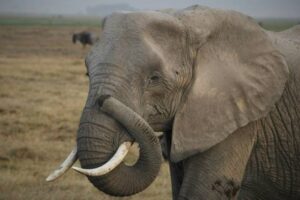
Kenya Safari Amboseli: An elephant walks through Amboseli National Park. Located southeast of Nairobi not far from the Kenyan border with Tanzania, Amboseli is best known for its many elephants.
Day-by-Day Kenya Safari Itinerary
Days 1-2: Nairobi – The Gateway to Wildlife Begin your journey in Nairobi, the “World’s Wildlife Capital.” Spend your first day visiting the Sheldrick Wildlife Trust to witness the rehabilitation of orphaned elephants, followed by an afternoon at the Giraffe Centre to feed the endangered Rothschild’s giraffes.
- Luxury Accommodation: Giraffe Manor or Hemingways Nairobi.
- Budget Accommodation: Wildebeest Eco Camp.
Days 3-5: Maasai Mara National Reserve – The Great Migration Travel to the Maasai Mara, famous for its high density of predators and the annual Great Wildebeest Migration. Spend three days on game drives tracking the “Big Five”—lion, leopard, elephant, buffalo, and rhinoceros.
- Luxury Accommodation: Angama Mara or Mara Serena Safari Lodge.
- Budget Accommodation: Ashnil Mara Camp or various budget-friendly tented camps in the Talek area.
Days 6-7: Lake Nakuru – The Birdlife Haven Head north to Lake Nakuru, a soda lake renowned for its massive flamingo populations and as a sanctuary for both black and white rhinos.
- Luxury Accommodation: The Cliff or Sarova Lion Hill Game Lodge.
- Budget Accommodation: Lake Nakuru Flamingo Lodge.
Days 8-10: Amboseli National Park – Kilimanjaro’s Shadow Conclude your trip in Amboseli, located at the base of Mount Kilimanjaro. This park is world-famous for its large elephant herds and the stunning photographic opportunities provided by the mountain backdrop.
- Luxury Accommodation: Tortilis Camp or Ol Tukai Lodge.
- Budget Accommodation: Kibo Safari Camp.
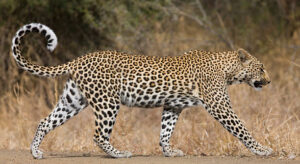
Leopard: Top on the a-must see during Kenya Safari
2. The Northern Frontier & Conservancy Focus
- Days 1-2: Nairobi.
- Days 3-5: Ol Pejeta Conservancy (Rhino conservation, Big Five sightings).
- Days 6-8: Samburu National Reserve (Unique species like Grevy’s zebra and reticulated giraffe).
- Days 9-10: Mount Kenya region or return to Nairobi.
Detailed Itinerary: The Northern Frontier & Conservancy Focus: A 10-Day Kenyan Odyssey
The Northern Frontier of Kenya offers a profound departure from the crowded circuits of the south, providing an intimate encounter with some of Africa’s most unique biodiversity and conservation success stories. This itinerary focuses on the arid, dramatic landscapes of Laikipia and Samburu, where the wildlife is as distinct as the terrain itself. By prioritizing private conservancies and national reserves, travelers can engage deeply with the “Special Five” of the north while supporting vital ecological protection efforts.
10-Day Itinerary Breakdown
Days 1-2: Nairobi – The Gateway Begin your journey in Kenya’s vibrant capital. Use these days to acclimate and visit the David Sheldrick Wildlife Trust or the Giraffe Centre.
- Luxury: Giraffe Manor offers an iconic, high-end experience, while Hemingways Nairobi provides colonial-style luxury.
- Budget: Wildebeest Eco Camp offers a comfortable, social atmosphere that is highly rated for travelers on a budget.
Days 3-5: Ol Pejeta Conservancy – The Rhino Stronghold Travel north to the foothills of Mount Kenya. Ol Pejeta is a private conservancy famous for its high density of black rhinos and the world’s last two northern white rhinos.
- Luxury: The Safari Cottages offer a bespoke, private experience with dedicated chefs and guides.
- Budget: Ol Pejeta Bush Camp provides a more traditional, authentic tented experience at a lower price point compared to the high-end lodges.
Days 6-8: Samburu National Reserve – The Arid Frontier Head further north to the Ewaso Ng’iro River. This region is home to the “Samburu Special Five”: the reticulated giraffe, Grevy’s zebra, Somali ostrich, beisa oryx, and gerenuk.
- Luxury: Sasaab Lodge offers Moroccan-inspired luxury with stunning views over the river.
- Budget: Samburu Simba Lodge provides reliable, comfortable amenities and excellent game-viewing access without the premium price tag of the boutique lodges.
Days 9-10: Mount Kenya Region – Highland Retreat Conclude your trip in the shadow of Mount Kenya. This region offers a cooler climate and opportunities for forest walks or trout fishing.
- Luxury: Fairmont Mount Kenya Safari Club is the gold standard for historic, refined luxury in the region.
- Budget: Mountain Rock Lodge offers a rustic, affordable base for exploring the lower slopes of the mountain.
Conservation and Logistics
The success of this route relies on the integration of private conservancies, which often provide better wildlife protection and more flexible viewing rules than national reserves. When planning your logistics, consider that while flying between these destinations saves time, driving allows for a more gradual appreciation of the changing Kenyan landscape. Always ensure your tour operator is reputable, as the quality of your guide is the single most important factor in the success of your safari experience.
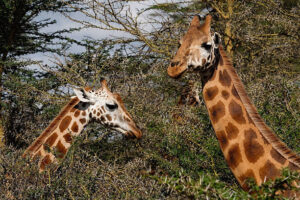
Kenya Safari: Rothschild Giraffes, with the male on the right, feed on bushes inside the Lake Nakuru National Park
3. The Cultural & Conservation Immersion: 10 Day Kenya Safari
- Days 1-2: Nairobi.
- Days 3-6: Maasai Mara (Focus on community-led conservancies).
- Days 7-8: Kileleoni Mara Gateway House (Supporting local women’s co-ops).
- Days 9-10: Return to Nairobi with a stop at local craft markets.
Detailed Itinerary: The Cultural & Conservation Immersion: A 10-Day Kenya Safari Journey
Kenya offers an unparalleled opportunity to engage with both world-class wildlife conservation and the rich, enduring traditions of its indigenous communities. This 10-day itinerary is designed to move beyond the standard tourist circuit, focusing on the symbiotic relationship between the Maasai people and the land they protect. By prioritizing community-led conservancies and local cooperatives, travelers can ensure their visit contributes directly to the socio-economic well-being of the region.
Day-by-Day Itinerary
Days 1-2: Nairobi – The Gateway to Conservation Arrive in Nairobi, the vibrant capital. Spend your first two days acclimatizing and visiting the David Sheldrick Wildlife Trust to learn about elephant rehabilitation, and the Giraffe Centre.
- Luxury Accommodation: Giraffe Manor, an iconic boutique hotel where resident Rothschild giraffes visit during breakfast.
- Budget Accommodation: Wildebeest Eco Camp, which offers a sustainable, comfortable base with a social atmosphere.
Days 3-6: Maasai Mara – Community-Led Conservancies Travel to the Mara, focusing on private conservancies like Naboisho or Ol Kinyei. Unlike the public reserve, these areas are managed by the Maasai, ensuring that tourism revenue directly supports local land rights and wildlife protection.
- Luxury Accommodation: Mara Naboisho Camp, offering exclusive access to private game drives and walking safaris.
- Budget Accommodation: Basecamp Masai Mara, a pioneer in sustainable tourism that employs local staff and supports community projects.
Days 7-8: Kileleoni Mara Gateway House This segment focuses on the Kileleoni area, a high-altitude region known for its stunning vistas and strong community ties. Here, you will engage with local women’s cooperatives, learning about traditional beadwork and sustainable agriculture.
- Luxury Accommodation: Angama Mara, which provides a high-end, immersive experience overlooking the Rift Valley.
- Budget Accommodation: Kileleoni Community Homestays, providing an authentic, grassroots experience that directly benefits local families.
Days 9-10: Return to Nairobi and Craft Markets Return to Nairobi for your final days. Dedicate time to the Utamaduni Craft Centre or the Maasai Market to purchase authentic, locally-made goods, ensuring your travel budget supports the local economy before your departure.
- Luxury Accommodation: Hemingways Nairobi, a luxury boutique hotel offering serene views of the Ngong Hills.
- Budget Accommodation: Khweza Bed and Breakfast, a centrally located, highly-rated budget option.
Conservation and Economic Impact
The success of the “Cultural & Conservation” model relies on the principle that wildlife must have value to the local community to survive. As noted in studies of East African ecosystems, the transition from communal grazing to managed conservancies has allowed for a significant increase in biodiversity, including the recovery of predator populations. The economic equation for a sustainable safari can be represented as:TotalImpact=(ConservationFees×Visitors)+(DirectCommunityEmployment)By choosing to stay in conservancy-based lodges, travelers ensure that their presence helps maintain the 370,000 acres of the Mara ecosystem, keeping it protected from encroachment.
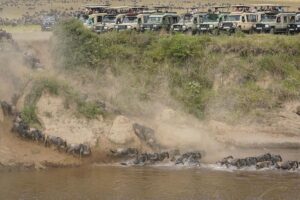
Kenya Safari: Tourists gather near the Mara River to watch wildebeests crossing in the Masai Mara National Reserve in Kenya, Tourists flock to the Masai Mara National Reserve during the country’s peak tourism season from June to October to watch the wildebeest migration.
4. 10-Day Kenya Family Safari & Beach Itinerary
For a family seeking the perfect balance of wildlife discovery and coastal relaxation, a 10-day Kenya safari itinerary provides an immersive experience that transitions from the iconic savannahs to the turquoise waters of the Indian Ocean.
A recommended 10-day family itinerary begins with an arrival in Nairobi, followed by a journey to the Maasai Mara, the Laikipia plateau, and concluding with a beach retreat in Diani.
10-Day Family Kenya Safari & Beach Itinerary
- Day 1: Arrival in Nairobi Arrive at Jomo Kenyatta International Airport. Transfer to a hotel in the Karen suburb. Spend the afternoon visiting the Daphne Sheldrick Elephant Orphanage or the Giraffe Center for an ethical wildlife introduction.
- Day 2-3: The Maasai Mara Fly to the Maasai Mara. Spend two days on private game drives searching for the “Big Five” (lions, elephants, rhinos, leopards, and buffalos). The Mara offers the quintessential African landscape of open plains and acacia trees.
- Day 4-6: Laikipia Conservancy Fly north to the Laikipia region. This area is renowned for its conservation success. Families can engage in active wilderness experiences such as camel safaris, horseback riding, and nature walks, which provide a more hands-on educational experience than standard game drives.
- Day 7-9: Diani Beach Fly south to the Kenyan coast. Diani Beach offers a perfect environment for relaxation. Activities include swimming, snorkeling, kite surfing, or deep-sea fishing. This segment allows the family to unwind after the intensity of the safari.
- Day 10: Departure Fly back to Nairobi to connect with your international flight home, carrying memories of both the bush and the beach.
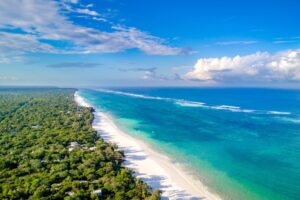
Combine Safari and Beach Holiday at Diani
Luxury vs. Budget: Navigating the Kenya Safari Experience
Choosing between a luxury and a budget safari in Kenya requires a careful evaluation of your travel priorities, comfort expectations, and the type of immersion you seek in the African wilderness. Kenya remains one of the world’s premier safari destinations, offering a spectrum of experiences ranging from exclusive, high-end retreats in private conservancies to rugged, ground-level adventures that prioritize affordability and community engagement.
Luxury safaris in Kenya are defined by their exclusivity and convenience, often utilizing private conservancies that limit visitor numbers to ensure a more intimate wildlife viewing experience. These packages frequently include “fly-in” options, which utilize light aircraft to transport guests directly to remote airstrips, thereby bypassing the long, arduous road journeys that can consume significant portions of a traveler’s time. Accommodations in this tier are characterized by high-end “glamping”—luxurious, permanent, or semi-permanent tented camps—or sophisticated lodges that offer amenities such as private plunge pools, gourmet dining, and personalized butler service.
Furthermore, luxury travelers benefit from the expertise of highly trained, private guides who possess deep ecological knowledge, often enhancing the quality of sightings through their ability to track elusive species. However, these benefits come at a premium, with costs frequently exceeding $700 per person per day, and some critics argue that the insular nature of these high-end lodges can sometimes limit meaningful interaction with local community grassroots initiatives.
Conversely, a budget safari in Kenya offers a more authentic, ground-level perspective of the landscape and its inhabitants. These trips typically range from $190 to $300 per day, making them significantly more accessible to a broader demographic of travelers.
A primary advantage of the budget model is the ability to support local, community-run lodges and smaller operators, which can provide a more direct economic benefit to the regions visited. Despite these advantages, the budget experience is physically more demanding. Travelers often endure long, exhausting transit times between parks on rough roads, and they are typically required to share safari vehicles with other tourists, which can reduce flexibility and personal space.
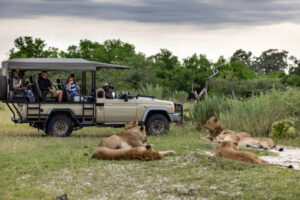
Kenya Safari is one of the most incredible wilderness areas on Earth and is a very popular destination for tourists seeking a safari experience
Additionally, accommodations may consist of basic camping facilities that, while functional, lack the comfort and privacy of luxury alternatives. Ultimately, the decision rests on whether one values the time-saving, opulent comfort of a luxury excursion or the raw, communal, and cost-effective nature of a budget-oriented adventure.
Summary: Luxury vs. Budget: Pros and Cons
Luxury Kenya Safari
- Pros: Access to private conservancies, fly-in options that save hours of driving, high-end “glamping” or lodge amenities, and expert private guides.
- Cons: Significantly higher costs, often exceeding $700+ per night, and less interaction with local community grassroots initiatives.
Budget Kenya Safari
- Pros: More authentic, ground-level experience, significantly lower costs (often $190–$300 per day), and the ability to support local community-run lodges.
- Cons: Longer, more exhausting travel times between parks, shared vehicles with other tourists, and potentially basic, less comfortable camping facilities.
Budget Tips: To maximize your budget, prioritize visiting during the low season (January to June), as park fees are often significantly reduced compared to the peak July-August window. Additionally, booking through local tour operators rather than international middlemen can save substantial funds while ensuring your money supports the local economy.
Must-See Wildlife and The Best Kenya Safari Destinations
Kenya Safari offers an unparalleled safari experience, characterized by diverse ecosystems that support some of the highest concentrations of wildlife on the planet. For travelers seeking the quintessential African safari, selecting the right destination is paramount to witnessing the continent’s most iconic species in their natural habitats.
The Maasai Mara National Reserve stands as the premier destination for wildlife enthusiasts, primarily due to its extraordinary density of big cats and its role as the stage for the Great Migration. This annual event, which sees over two million wildebeest, zebras, and gazelles traverse the landscape, is one of the most significant natural spectacles on Earth. Beyond the migration, the reserve is renowned for its year-round population of lions, leopards, and cheetahs, which thrive in the open savannahs and riverine forests.
Amboseli National Park is widely considered the finest location for elephant photography, offering the iconic visual of massive herds moving against the majestic backdrop of Mount Kilimanjaro. The park’s unique ecosystem, fed by underground springs from the mountain, supports a high concentration of wildlife, including Cape buffalo, giraffes, and a vast array of birdlife.
For those prioritizing the conservation of endangered species, the Ol Pejeta Conservancy (often associated with the broader Laikipia region) provides the most secure and managed environment to observe both black and white rhinoceroses. Unlike many other regions, this conservancy is at the forefront of rhino protection and offers a rare opportunity to witness these animals in a habitat that emphasizes both tourism and rigorous conservation science.
Additionally, the Lakes System of the Great Rift Valley serves as a vital destination for ornithologists and those interested in unique aquatic ecosystems, hosting significant populations of black rhinos and the distinct Nubian giraffe. Meanwhile, Samburu and Buffalo Springs offer a more arid, rugged experience where visitors can encounter species adapted to the desert, such as the Beisa oryx, the reticulated giraffe, and the long-necked gerenuk. Each of these regions contributes to the complex, interconnected web of life that defines the Kenyan wilderness, ensuring that every safari itinerary can be tailored to specific wildlife interests.
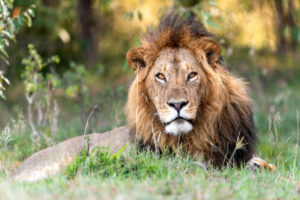
Lion as spotted at Maasai Mara during a Kenya Safari
Conclusion: Planning a 10-day Kenya Safari
Planning a 10-day Kenya safari requires a careful balance of logistical preparation, budgetary awareness, and a strategic selection of wildlife-rich destinations. As established in authoritative travel literature, the success of such an expedition hinges on whether a traveler opts for a professional local tour operator, which is widely considered the most efficient and reliable method for navigating the complexities of Kenyan national parks. While self-drive options were historically explored by budget-conscious travelers, current regulations and the logistical challenges of navigating vast, rugged terrains like the Maasai Mara make the expertise of a professional driver-guide indispensable for both safety and the quality of wildlife sightings.
The ultimate 10-day Kenya safari itinerary should prioritize a mix of iconic landscapes and conservation-focused reserves to maximize the wildlife experience. Key destinations such as the Maasai Mara are essential for witnessing the Great Migration, while Amboseli National Park offers unparalleled views of Mount Kilimanjaro and its famous elephant herds. For those seeking a more intimate encounter with conservation, the Ol Pejeta Conservancy provides a unique opportunity to see the “Big Five” and learn about the protection of endangered species like the northern white rhino.
To manage costs effectively, travelers should consider the significant price fluctuations between peak and low seasons; visiting during the shoulder or low season can lead to substantial savings on park fees and accommodation, while still offering exceptional wildlife viewing opportunities. Ultimately, whether one chooses a luxury glamping experience or a community-supported lodge, the most rewarding safaris are those that integrate cultural engagement with responsible tourism, ensuring that the economic benefits of travel support local communities and conservation efforts.
Leave a comment:
You must be logged in to post a comment.
Comment 01
Astute Africa Safaris,
06 June, 2026REF: Crafting Your Bespoke African Safari Experience with Astute Africa Safaris
Jambo,
Thank you for your interest in exploring the wonders of Africa with Astute Africa Safaris. We pride ourselves on creating immersive, tailor-made journeys that align perfectly with your personal interests, pace, and travel aspirations.
Because every safari is a unique narrative, we do not believe in “one-size-fits-all” pricing. To ensure we provide you with an accurate and competitive quotation that reflects the specific lodges, wildlife experiences, and logistical arrangements you desire, we invite you to connect with our team for a personalized consultation.
Please contact us at info@astuteafricasafaris.com, Whatsapp +254762663272 or fill the inquiry form with a few details regarding your preferred travel dates, group size, and specific interests (e.g., photography, luxury relaxation, or adventure trekking). Once we have these details, we will curate a comprehensive proposal designed specifically for you.
We look forward to the possibility of helping you plan an unforgettable journey.
Warm regards,
Team Astute Africa Safaris