

- 1.3k Views
- 29 Min Read
- (2) Comments
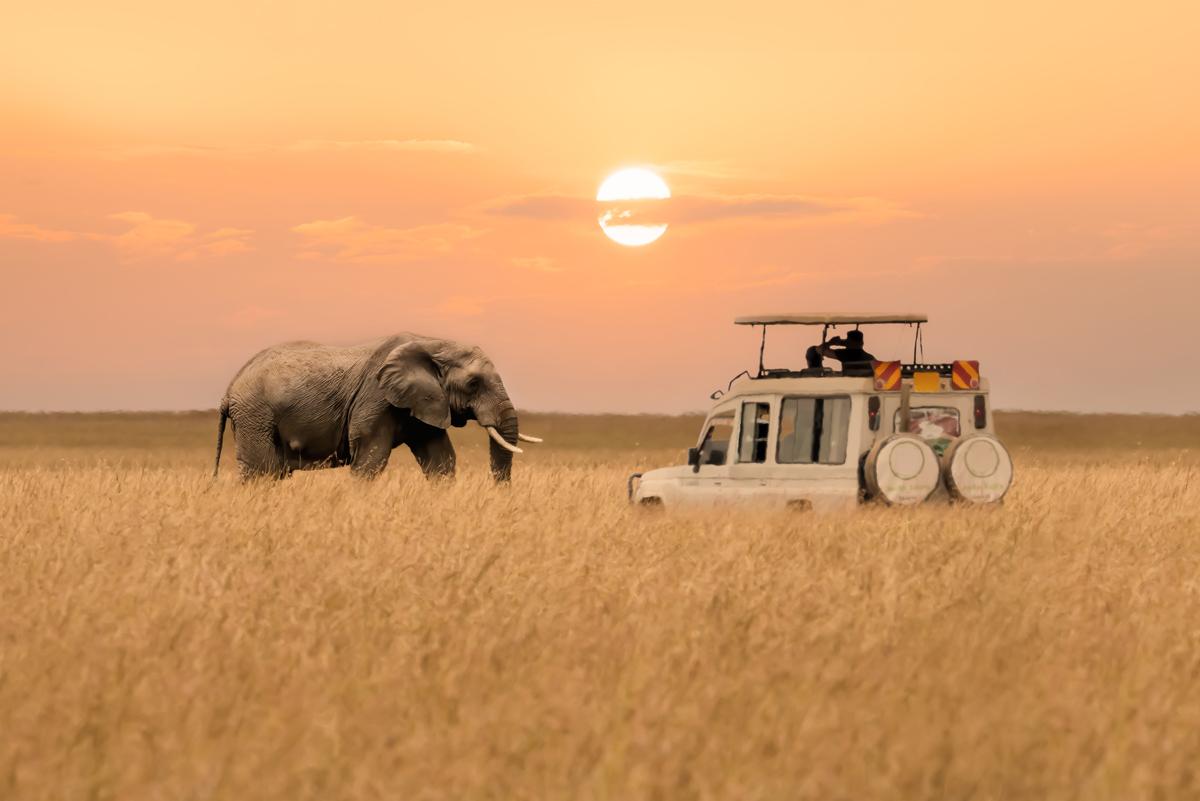
An African safari is more than a holiday. It is the thrill of watching elephants cross an open plain, hearing lions roar in the distance, witnessing thousands of wildebeest move across the savannah, and discovering landscapes and cultures that stay with you long after you return home.
Yet, before these experiences become reality, most important questions ask while thinking of booking your dream African Safari. Which African country should you visit? How much does a safari cost? When should you book? Which parks offer the best wildlife viewing? Should you choose a private safari or a group tour? How can you tell whether a safari company is trustworthy? And what happens after you pay your deposit?
At Astute Africa Safaris, we believe that planning your safari should be as enjoyable and reassuring as the journey itself. The right safari starts with understanding your interests, budget, travel dates and expectations, then building an itinerary around the experience you genuinely want.
This comprehensive guide explains how to book an African safari, from choosing your destination and estimating your budget to comparing accommodation, arranging transport, preparing travel documents and confirming your reservation.
Whether you are planning a luxury honeymoon, an affordable family holiday, a first-time wildlife adventure, a photography expedition or a multi-country African journey, use this guide to make informed decisions and plan with confidence.
1. What should you know before booking an African safari?
Before requesting quotations or paying a deposit, take time to establish what you want your safari to deliver.
Africa is an enormous and diverse continent. A safari in Kenya’s Maasai Mara is different from exploring Tanzania’s Serengeti, tracking mountain gorillas in Uganda, visiting Namibia’s desert landscapes or navigating Botswana’s Okavango Delta.
Your ideal itinerary depends on several factors:
- Your main interests: wildlife, the Great Wildebeest Migration, birdwatching, photography, culture, mountain gorillas or beach relaxation.
- Your travel dates: seasons influence wildlife movements, rainfall, road conditions, prices and availability.
- Your budget: determine how much you can spend on accommodation, transport, park fees, activities, meals and international flights.
- Your travel companions: families with children, honeymooners, solo travelers and older visitors may need different arrangements.
- Your available time: a three-day safari requires a different approach from a two-week, multi-country adventure.
- Your preferred comfort level: choose between budget camping, comfortable mid-range lodges, boutique tented camps and luxury safari retreats.
You do not need to know every detail before contacting a safari specialist. A good starting point is to explain what interests you, when you hope to travel, how many people are coming and your approximate budget.
The itinerary can then be developed around those priorities rather than forcing you into a standard package that may not suit you.
2. Which African country should you choose for your safari?
Choosing the right destination is one of the most important decisions in the booking process. Each country offers distinctive wildlife, landscapes, accommodation and travel experiences.

Kenya: classic wildlife safaris and diverse landscapes
Kenya is an excellent choice for travelers seeking classic savannah wildlife, diverse national parks, cultural experiences and the option of combining a safari with the Indian Ocean coast.
Popular destinations include:
- Maasai Mara National Reserve: famous for lions, cheetahs, leopards, elephants and seasonal Great Wildebeest Migration activity.
- Amboseli National Park: renowned for large elephant herds and views of Mount Kilimanjaro when conditions permit.
- Tsavo East and Tsavo West: expansive wilderness areas with varied landscapes, wildlife and opportunities for longer safari circuits.
- Lake Nakuru National Park: known for rhinos, birdlife and scenic landscapes.
- Samburu National Reserve: offers opportunities to look for distinctive northern Kenyan wildlife, including Grevy’s zebra, reticulated giraffe and gerenuk.
- Laikipia: a varied conservation landscape with opportunities for specialist wildlife experiences, depending on the conservancy and camp.
- Lake Naivasha and Hell’s Gate: attractive additions for boat trips, birdwatching, scenery and selected outdoor activities.
Kenya is also ideal for combining wildlife with coastal relaxation in Diani Beach, Watamu or other coastal destinations.
Who should book Kenya? First-time safari travelers, families, photographers, wildlife enthusiasts, couples and visitors seeking a safari-and-beach holiday.
Explore our Kenya safaris, parks and reserves guide to compare destinations and plan your route.
Tanzania: vast wilderness and iconic wildlife destinations
Tanzania is an excellent option for travelers who want extensive wildlife areas, dramatic scenery and the opportunity to combine several iconic destinations.
Key attractions include:
- Serengeti National Park: famous for its wide-open plains, predators and the Great Wildebeest Migration.
- Ngorongoro Crater: a spectacular natural landscape with rich wildlife viewing opportunities.
- Tarangire National Park: particularly attractive for elephants, baobab landscapes and seasonal wildlife concentrations.
- Lake Manyara National Park: offers forest, lakeshore and savannah habitats, with diverse wildlife and birdlife.
- Nyerere National Park: a major southern Tanzania wilderness destination offering distinctive safari experiences.
- Ruaha National Park: known for remote landscapes and excellent opportunities for specialist wildlife exploration.
Tanzania’s northern circuit is particularly popular, while southern and western destinations may suit travelers looking for a different pace and a more remote wilderness experience.
Who should book Tanzania? Travelers seeking an extended wildlife journey, photographers, couples, migration enthusiasts and visitors interested in combining safari with Zanzibar.
Read our Kenya and Tanzania safari guide to explore multi-country possibilities. If your preferred route includes Zanzibar, allow sufficient time for transfers and beach relaxation.

Uganda: wildlife, forests and mountain gorillas
Uganda offers a different dimension of African adventure by combining savannah wildlife with tropical forests, lakes, rivers and primate encounters.
Highlights include:
- Bwindi Impenetrable National Park: the principal destination for mountain gorilla trekking.
- Queen Elizabeth National Park: known for varied habitats, game drives and boat safaris along the Kazinga Channel.
- Murchison Falls National Park: combines wildlife viewing with the dramatic Nile River and its waterfall.
- Kibale National Park: particularly well known for chimpanzee tracking.
- Lake Mburo National Park: a compact option for wildlife viewing and selected walking or cycling experiences where permitted.
Gorilla trekking requires advance planning, an appropriate permit and compliance with current visitor rules. Permit availability can be a deciding factor when choosing dates.
Who should book Uganda? Travelers who want gorilla trekking, chimpanzee encounters, forest walks and a combination of primate and savannah experiences.
Start with our Uganda wildlife and gorilla trekking safari for an example of how these experiences can be combined.

Rwanda: gorilla trekking and refined nature experiences
Rwanda is particularly known for mountain gorilla trekking in Volcanoes National Park. Travelers can also explore Nyungwe’s forest environment, visit Akagera National Park for savannah wildlife and discover the country’s cultural and scenic attractions.
Rwanda can work well for shorter, carefully planned trips, although permits, accommodation and transfers should be considered together when calculating the total cost.
Who should book Rwanda? Visitors prioritizing gorilla trekking, travelers with limited time and those looking to combine forest experiences with a comfortable, organized itinerary.
South Africa, Botswana and Namibia: other safari possibilities
Depending on your interests and travel plans, other African destinations may be worth considering.
- South Africa: a strong option for combining wildlife reserves, diverse landscapes, cities, food and wine experiences, and family-friendly travel.
- Botswana: attractive for travelers interested in Okavango Delta waterways, Chobe’s elephants and remote wilderness camps.
- Namibia: offers desert scenery, Etosha wildlife viewing, dramatic coastlines and self-drive possibilities on suitable routes.
These destinations may involve different flight arrangements, distances, seasons and price structures. Ask your safari planner to compare them with East African alternatives before making a final decision.
3. When is the best time to book an African safari?
There is no single best month for every African safari. The ideal time depends on the country, the park, the wildlife experience you want and the type of accommodation you prefer.
The dry season often provides favorable wildlife-viewing conditions in many savannah destinations because vegetation may be thinner and animals can concentrate around available water. However, green-season travel can offer lush scenery, migratory birds, dramatic skies and different photographic opportunities.
A practical seasonal guide
| Experience | Booking considerations |
|---|---|
| Great Wildebeest Migration | Movement varies with rainfall and grazing. Choose the destination and dates according to the seasonal route rather than relying on a guaranteed crossing. |
| Kenya wildlife safari | Many travelers favor the drier months, but wildlife viewing is possible year-round. |
| Tanzania safari | Timing depends on the northern or southern circuit and the migration location you want to target. |
| Gorilla trekking in Uganda or Rwanda | Available seasons, trail conditions, permits and accommodation availability should all be considered. |
| Birdwatching safari | Seasonal migrants, breeding activity, water levels and target species can influence the best dates. |
| Safari and beach holiday | Balance wildlife conditions with coastal weather, transfer times and the amount of time you want to relax. |
When should you make your reservation?
For popular camps, peak travel periods, family holidays, migration-focused itineraries and gorilla trekking, booking several months ahead is a sensible approach. For particularly sought-after dates or limited accommodation, planning 6–12 months ahead can provide more choice.
Last-minute trips may still be possible, but you may have fewer options or need to be flexible about accommodation, routes and departure dates.
Important: No responsible operator can guarantee a specific wildlife sighting or wildebeest river crossing on a particular day. Your itinerary should maximize your opportunities while allowing for nature’s unpredictability.
For more detailed seasonal advice, read our best time to visit Africa guide and Great Wildebeest Migration article.
4. How much does an African safari cost?
Safari prices vary considerably. A short road safari with simple accommodation can cost much less than a private fly-in itinerary staying in exclusive camps. The country, season, park fees, accommodation, transport and number of travelers all affect the final quotation.
Rather than relying on a single advertised price, request a quotation based on your specific itinerary.
What determines the total safari cost?
Accommodation: Camping, budget lodges, mid-range tented camps and luxury properties have different price levels.
Transport: Private 4×4 vehicles, shared departures, domestic flights and transfers affect the total.
Park and conservation fees: Charges vary by destination, traveler category, park and date. Ask whether the quotation includes all applicable fees.
Length of stay: Longer trips cost more overall, although the average daily cost can vary with the itinerary.
Season: Peak periods and high-demand camps can be more expensive.
Group size: A private vehicle’s cost can be shared among travelers, while single rooms may attract a supplement.
Activities: Gorilla permits, hot-air balloon safaris, specialist guiding and selected cultural or adventure activities can add to the cost.
International flights and extras: Flights to Africa, visas, insurance, tips, drinks, laundry and optional activities may be excluded from the package.
Budget, mid-range or luxury: which is right for you?
- Budget safari: May use campsites or simpler accommodation, shared transport or other cost-conscious arrangements. Confirm exactly what comfort, meals and services are included.
- Mid-range safari: Often balances comfortable lodges or tented camps with guided wildlife activities and private or shared transport depending on the package.
- Luxury safari: May include high-end camps, premium locations, private guiding, domestic flights and personalized services, depending on the itinerary.
A lower advertised price is not necessarily the best value. Compare the actual inclusions, location, transport arrangements, accommodation standards and service.
How to compare safari quotations fairly
Ask each operator to specify:
- Accommodation names and room categories.
- Number of nights in each location.
- Whether meals and drinking water are included.
- Vehicle type and whether the safari is private or shared.
- Park entry and conservation fees.
- Airport transfers and domestic flights.
- Included activities and optional extras.
- Taxes, payment terms and cancellation conditions.
- Any exclusions you will need to budget for separately.
This makes it easier to compare like with like and avoid unexpected expenses.
For more guidance, read our safari experience: budget vs. luxury in Kenya article.
5. How many days do you need for an African safari?
The right duration depends on your destination, arrival airport, travel pace and wildlife priorities. Remember that a transfer day is not necessarily a full game-viewing day.
One to three days: a short wildlife escape
A short safari can work well for visitors with limited time, especially when departing from a nearby city or airport. In Kenya, possible choices include a short Maasai Mara trip by air or a road-based visit to a suitable nearby destination.
Allow for travel time, and avoid trying to fit too many distant parks into a brief itinerary.
Four to six days: a focused safari
This duration allows you to spend meaningful time in one major wildlife destination or combine two parks with manageable transfers.
Examples include Maasai Mara with Lake Nakuru, or Amboseli with a suitable additional stop, depending on your starting point.
Seven to ten days: a varied wildlife journey
A week or more can accommodate several destinations, provide time for different landscapes and allow a more relaxed pace.
You could explore a Kenya circuit, focus on Tanzania’s northern parks or combine Kenya and Tanzania if flight schedules, border arrangements and travel times make the route practical.
Eleven to fourteen days or longer: a multi-country or specialist safari
Longer trips can combine multiple parks, gorilla trekking, specialist birdwatching, cultural experiences or beach stays.
For example, Kenya and Tanzania can be combined with Zanzibar, or a Uganda itinerary can include both primate experiences and savannah wildlife.
The key is to build a logical route instead of spending most of your holiday travelling between destinations.
6. Sample African safari itineraries to help you plan
The following are planning examples, not fixed departures or guaranteed quotations. Final routes depend on your dates, transport availability, accommodation preferences and budget.
Itinerary A: Three-day Maasai Mara safari, Kenya
Best for: First-time visitors and travelers with limited time.
- Day 1: Travel from Nairobi to the Maasai Mara by road or scheduled/charter flight, depending on your package. Arrive and enjoy an afternoon game drive if timing permits.
- Day 2: Enjoy morning and afternoon game drives, exploring different areas of the reserve or conservancy with your guide.
- Day 3: Take an early game drive where practical, followed by breakfast and your return journey.
A flight-based itinerary can save road travel time, while a road safari may offer a different perspective of the countryside. Confirm baggage restrictions if flying.
Explore our three-day Maasai Mara safari from Nairobi.
Itinerary B: Seven-day Kenya wildlife circuit
Best for: Travelers wanting varied scenery and several wildlife habitats.
- Day 1: Arrive in Nairobi and transfer to your hotel.
- Day 2: Travel to Amboseli for afternoon wildlife viewing.
- Day 3: Explore Amboseli on game drives, with opportunities to look for elephants and other wildlife.
- Day 4: Transfer towards the Great Rift Valley region, with the exact overnight stop determined by the chosen route.
- Day 5: Visit Lake Nakuru or another suitable Rift Valley destination.
- Day 6: Travel to the Maasai Mara and enjoy an afternoon game drive if time allows.
- Day 7: Enjoy a morning game drive if your departure arrangements allow, then return to Nairobi.
This itinerary is an outline. Road distances and the order of destinations should be checked carefully before confirming the final plan.
See our Maasai Mara and Amboseli safari for another itinerary concept.
Itinerary C: Ten-day Kenya and Tanzania safari
Best for: Travelers who want to experience two renowned safari destinations.
- Days 1–2: Arrive in Kenya and explore a selected wildlife destination, such as Amboseli or the Maasai Mara.
- Days 3–4: Continue the Kenyan safari, allowing sufficient time for game viewing.
- Days 5–6: Transfer into Tanzania using a route and border arrangements confirmed in advance, or use suitable flights.
- Days 7–8: Explore a selected Tanzanian destination such as the Serengeti, depending on season and logistics.
- Day 9: Continue to another suitable northern-circuit destination, such as Ngorongoro, if practical.
- Day 10: Return to your departure point or continue to an onward flight, allowing sufficient transfer time.
The Kenya–Tanzania border, flight availability, park entry arrangements and the distances between destinations need careful planning. This example should be adjusted to avoid rushing between parks.
Explore our Kenya and Tanzania safari package for a more focused itinerary starting point.
Itinerary D: Uganda wildlife and gorilla trekking
Best for: Travelers interested in both primates and classic wildlife.
- Day 1: Arrive in Uganda and transfer to your overnight accommodation.
- Days 2–3: Explore a suitable savannah destination such as Queen Elizabeth National Park, depending on your route.
- Day 4: Travel towards the gorilla trekking region, with an overnight stop appropriate to your permit location.
- Day 5: Participate in the scheduled gorilla trek, subject to permit confirmation and park rules.
- Day 6: Depart or continue your Uganda journey, depending on your flights and chosen itinerary.
Longer itineraries can include chimpanzee tracking or Murchison Falls, but these additions need realistic transfer times.
See our Uganda wildlife and gorilla trekking safari.
Itinerary E: Safari and beach holiday in Kenya
Best for: Couples, families and travelers who want both adventure and relaxation.
- Days 1–3: Explore the Maasai Mara or another suitable wildlife destination.
- Days 4–5: Continue your safari or travel back towards Nairobi, depending on your chosen route.
- Days 6–8: Transfer to the Kenyan coast for beach time, swimming where conditions permit, and optional excursions.
- Day 9: Enjoy a relaxed beach day or a selected local activity.
- Day 10: Transfer to the appropriate airport for departure.
Choose the coast and flight arrangements according to your international departure, budget and preferred beach experience.
Read our Kenya beach and safari holiday guide.
7. Should you book a private safari or a group safari?
Both options can be rewarding. The better choice depends on your budget, preferred pace and need for flexibility.
Private safari
A private safari generally means the vehicle and guiding arrangements are reserved for your travel party, according to the package.
Advantages may include:
- More control over your daily pace.
- Greater flexibility to focus on your interests.
- Easier coordination for families and small groups.
- More opportunities to discuss wildlife and photography with your guide.
The cost per traveler can be higher, particularly for small parties.
Shared or group safari
A shared safari brings travelers together on an agreed itinerary and departure.
Potential advantages include lower per-person transport costs, opportunities to meet other travelers and access to organized departures.
However, the itinerary, departure dates, accommodation and time spent at sightings may be less flexible.
Before booking, confirm the maximum group size, vehicle configuration, luggage arrangements and whether all accommodation and park fees are included.
8. How do you choose the right safari accommodation?

A camp close to a wildlife viewing area may allow earlier starts or reduce transfer times. A more remote luxury camp may provide exceptional privacy but cost more to reach. A lodge outside a park may have different entry logistics from accommodation inside it.
Consider the following:
- Location: Is the property inside the park, within a conservancy or outside the main wildlife area?
- Wildlife access: How far must you travel to reach your preferred game-viewing locations?
- Comfort: Does it offer en-suite facilities, reliable electricity, hot water and the room configuration you need?
- Meals: Are all meals included, and can dietary requirements be accommodated?
- Family suitability: Are children accepted, and are there age restrictions on activities?
- Accessibility: Are there stairs, uneven paths or other limitations relevant to your party?
- Special interests: Does the property offer guided walks, birdwatching, photography support or other suitable experiences?
- Transfer arrangements: Is road access appropriate for your travel dates, or is a flight necessary?
Ask for the actual property names before paying. If the quotation says accommodation is “similar,” request an explanation of the alternatives and how substitutions are handled.
9. How do you find a trustworthy African safari company?
Your safari operator helps coordinate accommodation, transport, guides, park arrangements and communication before and during the trip. Choosing carefully is essential.
A practical operator verification checklist
Check the company’s identity. Look for a consistent business name, working contact information, clear destination expertise and a genuine online presence.
Confirm applicable registration and licensing. For a Kenya-based tour operator, ask about relevant Tourism Regulatory Authority licensing and verify the details through the appropriate official channels. Requirements differ by country and business activity.
Read independent reviews. Look for detailed, credible accounts of the actual customer experience. Consider how the company responds to complaints, not just its overall rating.
Ask for a detailed itinerary. It should identify destinations, accommodation, transport, activities, inclusions and exclusions.
Read the terms and conditions. Understand the deposit, final-payment deadline, cancellations, refunds, amendments and what happens if a supplier changes an arrangement.
Verify payment instructions. Confirm the beneficiary’s identity and the payment method through an independently verified company contact. Be cautious of unexpected changes to bank details.
Ask questions. A professional operator should explain practical limitations honestly and should not promise guaranteed sightings of wild animals.
Confirm emergency support. Ask who will assist you if flights change, you become ill, road conditions disrupt a transfer or another unexpected problem arises.
At Astute Africa Safaris, travelers can begin by reviewing the About Astute Africa Safaris page and terms and conditions. Read the actual details and ask for clarification wherever needed before making payment.
10. How does the safari booking process work?
Booking a safari is easier when the process is broken into clear stages.
Step 1: Submit your travel inquiry
Share your preferred destinations, travel dates, number of adults and children, approximate budget, accommodation preferences and special interests.
If your dates are flexible, say so. Flexibility can open up additional accommodation and routing options.
Step 2: Receive a tailored itinerary and quotation
Review the proposed destinations, travel times, number of nights, accommodation and included activities.
Ask whether the package is private or shared and whether the quoted price covers all mandatory fees.
Step 3: Request adjustments
A good itinerary should reflect your priorities. You may wish to add a night in a park, change accommodation categories, include a beach stay or remove an activity to keep the budget under control.
Compare alternatives before committing.
Step 4: Confirm availability and the final price
Accommodation, flights, permits and activities may sell out. Ask the operator to confirm availability for your dates and explain how long any provisional hold remains valid.
Check that the final itinerary matches the quotation you have approved.
Step 5: Read the booking terms
Before paying, confirm the deposit amount, payment deadlines, cancellation policy, amendment fees and refund conditions.
Check whether the terms differ for flights, gorilla permits or other non-refundable components.
Step 6: Pay through the verified method
Use the payment instructions supplied through the operator’s established, verified channels. Keep your receipt and written booking confirmation.
Step 7: Receive your confirmed travel documents
Ask for confirmation of the accommodation, transfers, activities, emergency contact details and any outstanding payments.
Keep digital and offline copies of important documents.
Step 8: Complete your pre-travel preparations
Check passport validity, entry requirements, travel insurance, medical advice, recommended vaccinations, packing requirements and flight arrangements.
Your operator should clarify safari-specific logistics, but official immigration and medical sources should be used for current entry and health advice.
11. What deposit do you pay when booking an African safari?
There is no universal safari deposit. The amount depends on the operator’s terms, the length and type of trip, supplier requirements and how close the departure date is.
Before transferring money, obtain a written breakdown showing:
- The total tour price.
- The required deposit and amount due.
- The final-payment deadline.
- Whether any components require earlier full payment.
- Cancellation and refund conditions.
- Charges for amendments or name changes.
- The treatment of supplier deposits and non-refundable permits.
For Astute Africa Safaris, review the published booking terms and conditions and ask the team to confirm which payment schedule applies to your particular itinerary.
Do not assume that a deposit is refundable or that paying a deposit guarantees every service indefinitely. Written confirmation should state what has been secured and under what conditions.
12. What documents and travel requirements should you prepare?
Travel requirements depend on your nationality, destination, transit countries and itinerary.
Before departure, check:
- Passport: Ensure it meets the validity and other requirements applicable to your destination.
- Entry authorization or visa: Check official government immigration guidance for every country you will enter or transit.
- Yellow fever documentation: Requirements depend on your travel history, origin and the countries you visit. Confirm the applicable rules through official health and immigration sources.
- Travel insurance: Choose cover appropriate for medical expenses, emergency evacuation, cancellations and your planned activities.
- Flight details: Ensure international and domestic flights align with safari transfers.
- Gorilla or other specialist permits: Confirm the permit details, dates and applicable conditions where relevant.
- Traveling with children: Check any documentation, consent or entry requirements applicable to your family.
- Medication and medical advice: Discuss vaccinations, malaria prevention and other health considerations with a qualified travel-health professional.
Do not rely on outdated visa information from old articles or social media. Requirements can change, so verify them close to departure.
13. What should you pack for an African safari?
Packing depends on the season, destination, accommodation and activities, but a practical safari bag generally includes:
Clothing
- Lightweight, breathable clothing.
- Neutral or earth-toned layers for game drives.
- A warm fleece or jacket for cool mornings and evenings.
- Comfortable walking shoes.
- A waterproof layer during rainy periods.
- Sun protection, including a hat and sunglasses.
Personal essentials
- Sunscreen and suitable insect repellent.
- Personal medication and a small first-aid kit.
- Binoculars for wildlife viewing and birdwatching.
- Camera, spare batteries and memory cards.
- Reusable water bottle where suitable.
- Travel documents and copies of bookings.
- Chargers and any necessary power adapters.
If you are taking a safari flight: Check the airline’s baggage weight and bag-type restrictions. Small aircraft often have stricter luggage limits than international flights.
Avoid overpacking. Ask your operator whether laundry is available at your accommodation and whether there are any special requirements for walking safaris or other activities.
14. Is an African safari safe?
A well-planned safari can be an enjoyable travel experience, but safety requires preparation and responsible behavior.
Wild animals are unpredictable, and conditions vary between destinations. Always follow your guide’s instructions, remain within designated areas and never approach or feed wildlife.
Important precautions include:
- Choose a reputable operator and suitable transport.
- Follow park regulations and camp safety briefings.
- Do not leave a vehicle in wildlife areas unless your guide says it is safe and permitted.
- Use caution around water, wildlife and unfamiliar terrain.
- Protect yourself from sun exposure, dehydration and insect bites.
- Keep valuables secure and maintain awareness in towns, airports and busy public areas.
- Purchase appropriate travel insurance and understand its emergency arrangements.
- Follow official travel advice for your destinations.
Families should ask about minimum ages for walking safaris, gorilla trekking and other activities. Some experiences have specific restrictions or physical requirements.
Your operator should provide practical safety information relevant to the places and activities on your itinerary.
15. Can you book an African safari for a family, honeymoon or special occasion?
Yes. A safari can be adapted for different travelers, but the itinerary should reflect their needs rather than simply use the same package for everyone.
Family safari
Look for accommodation with suitable family rooms, child-friendly meal options and activities appropriate for the children’s ages. Consider shorter transfers, downtime between game drives and any age restrictions at camps or parks.
Honeymoon safari
Couples may prefer intimate camps, scenic locations, private transfers or selected special experiences. Tell your planner which experiences matter most so the budget is spent on meaningful details.
Solo safari
Ask whether shared departures are available, how single-room supplements work and whether the itinerary provides the level of independence or group interaction you prefer.
Group safari
For friends, extended families or organized groups, confirm vehicle capacity, room configurations, group pricing and whether all travelers can follow the same itinerary.
Photography and birdwatching safari
Allow enough time in productive locations. Ask about guide expertise, vehicle access, departure times and whether the itinerary can accommodate longer wildlife sightings or specialist interests.
For bird enthusiasts, explore our best birdwatching safari in Kenya guide.
16. Can you combine two or more African countries in one safari?
Yes, but multi-country travel needs careful coordination.
Kenya and Tanzania are a natural combination for some wildlife itineraries. Uganda can be paired with gorilla trekking and savannah wildlife, while Tanzania can be combined with Zanzibar for a safari-and-beach holiday. Other combinations may work depending on your international flights, entry requirements and budget.
Before confirming a multi-country itinerary, check:
- Whether flights or road transfers connect the destinations efficiently.
- Border-crossing procedures and visa requirements.
- Whether park fees and accommodation are charged separately in each country.
- How luggage is transferred between flights and vehicles.
- Whether specialist permits are available for your dates.
- How much time is spent traveling compared with enjoying the destinations.
Avoid adding countries simply to increase the number of destinations on your itinerary. A thoughtfully planned trip to one country can be more rewarding than a rushed journey through several.
17. How can you make your African safari more responsible?
Responsible travel can help support conservation and the communities that make safari destinations special.
Consider the following when selecting an operator and itinerary:
- Choose activities that follow wildlife-protection rules.
- Respect animal viewing distances and avoid operators who encourage harmful interactions.
- Follow photography guidelines and avoid disturbing wildlife.
- Support locally owned businesses and community initiatives where possible.
- Ask how accommodation and activities contribute to local employment or conservation.
- Respect local customs and seek permission before photographing people.
- Minimize litter and use resources responsibly.
Responsible tourism claims should be specific and verifiable. Ask the operator what a particular initiative involves rather than relying on broad sustainability labels.
18. Common mistakes to avoid when booking a safari
Even experienced travelers can overlook important details. Avoid these common problems:
Choosing on price alone. An unusually low quotation may exclude fees, transfers or important services.
Trying to visit too many parks. Long road journeys can reduce your time for wildlife viewing.
Booking too late for peak dates. Your preferred camp, flight or permit may no longer be available.
Assuming wildlife sightings are guaranteed. Nature is unpredictable, even in excellent wildlife areas.
Ignoring travel times. A route that looks short on a map can take much longer on safari roads.
Failing to read cancellation terms. Supplier-specific conditions may differ from the general tour policy.
Overlooking single supplements and child policies. These can materially affect the total cost.
Leaving flights until the last minute. International arrival times and domestic connections must fit the itinerary.
Failing to verify payment details. Confirm changes to payment instructions through an established contact method.
Not asking what is excluded. Tips, drinks, insurance, visas and optional activities may not be included in the quoted price.
19. Frequently asked questions about booking an African safari
How far in advance should I book an African safari?
Several months ahead is a sensible starting point for popular destinations. For peak-season travel, specialist camps, family rooms and gorilla permits, planning 6–12 months ahead can provide greater choice. Availability varies, so confirm your dates as early as possible.
What is the cheapest way to book an African safari?
Compare different seasons, accommodation categories, group sizes and transport options. A shared departure or a shorter, well-designed itinerary may reduce costs. Check the complete inclusions rather than selecting the lowest headline price.
Can I book a safari directly with a lodge?
Yes, some travelers book accommodation directly. However, you may still need to arrange transfers, park fees, guides, activities and connections between destinations. A tour operator can coordinate these elements into one itinerary.
Is it better to book through a local African safari operator?
A reputable local operator may offer destination knowledge, locally informed routing and coordinated arrangements with accommodation and guides. Evaluate the operator’s licensing, communication, terms, reviews and itinerary quality before choosing.
Do I need to pay the full safari cost upfront?
Not necessarily. Deposit schedules and final-payment deadlines differ by operator and itinerary. Some components may require earlier or non-refundable payments. Always read the written terms.
Can I change my itinerary after booking?
Changes may be possible, but they depend on availability, supplier rules, permit conditions and amendment fees. Confirm the change policy before paying and contact your operator promptly if your plans change.
Are park fees included in safari packages?
Some packages include all applicable park and conservation fees; others exclude certain charges. Request an itemized quotation that clearly identifies these costs.
Can I see the Big Five on one safari?
It is possible in several destinations, but sightings are never guaranteed. Your chances depend on the destination, season, time spent in the field and animal movements.
Is the Great Wildebeest Migration visible throughout the year?
The migration is a year-round movement across the Serengeti–Mara ecosystem, but its location changes with rainfall, grazing and other conditions. The timing of river crossings is particularly unpredictable.
Can children go on an African safari?
Many safari destinations welcome children, but age policies vary by camp and activity. Gorilla trekking, walking safaris and some specialist experiences have minimum-age requirements. Check these before booking.
What happens if my international flight is delayed?
Your response depends on the itinerary and transfer arrangements. Provide your flight details to the operator, confirm the procedure for delays and keep emergency contact information accessible. Consider how missed connections or extra accommodation would be handled.
Should I buy travel insurance before booking?
Review suitable travel insurance early, especially if your trip includes non-refundable deposits, flights, permits or expensive accommodation. Check coverage, exclusions, medical evacuation provisions and cancellation terms before purchasing a policy.
How do I know if my safari booking is confirmed?
Request written confirmation showing the itinerary, accommodation, travel dates, included services, payments received and outstanding balance. Ask specifically whether all major services and any required permits have been confirmed.
Can I combine a safari with a beach holiday?
Yes. Kenya’s coast, Zanzibar and other coastal destinations can complement a wildlife safari. The best combination depends on flight connections, available days, seasonal conditions and your budget.
What information should I send when requesting a safari quotation?
Provide your approximate dates, number of travelers, children’s ages if applicable, preferred destinations, accommodation level, budget range and special interests. Mention whether you need international flights or only the safari arrangements.
How do I book an African safari with Astute Africa Safaris?
Start by sharing your travel plans and priorities with Astute Africa Safaris. Review the proposed itinerary and quotation, ask questions about inclusions and payment terms, and confirm availability before paying through a verified payment channel.
Use the company’s website to explore destination guides, safari packages and booking terms before making your decision.
20. Start planning your dream African safari
The most memorable safaris are not necessarily the longest or most expensive. They are the ones thoughtfully designed around the traveler.
You may dream of watching elephants beneath Mount Kilimanjaro, following predators across the Maasai Mara, exploring Tanzania’s Serengeti, meeting mountain gorillas in Uganda or ending a wildlife adventure beside the Indian Ocean. Each journey begins with choosing the right destinations, setting a realistic budget and working with a safari team that understands what matters to you.
At Astute Africa Safaris, the aim is to help travelers plan personalized African safari and holiday experiences with practical local knowledge, clear communication and itineraries shaped around their interests.
Whether you prefer a budget-conscious wildlife adventure, a comfortable mid-range safari, a luxury escape or a multi-country journey, begin with your travel dates, preferred experiences and approximate budget.
Your African adventure starts with a plan that fits you.
Ready to plan and Booking Your Dream African Safari?
Contact Astute Africa Safaris through astuteafricasafaris.com to discuss your preferred destinations, travel dates, accommodation and budget.
Share your ideas, ask questions and request a tailored itinerary before confirming your booking. The earlier you plan for popular travel dates and limited-availability experiences, the more opportunity you may have to choose the right camps, routes and activities.
Plan your African safari with local knowledge and personalized travel support.
Leave a comment:
You must be logged in to post a comment.
Comments (2)
What to wear during an African safari - Astute Africa Safaris,
08 August, 2025[…] carefully considering these recommendations and tailoring them to your specific safari itinerary, you can ensure a comfortable, functional, and memorable […]
Astute Africa Safaris,
05 May, 2026REF: Crafting Your Bespoke African Safari Experience with Astute Africa Safaris
Jambo,
Thank you for your interest in exploring the wonders of Africa with Astute Africa Safaris. We pride ourselves on creating immersive, tailor-made journeys that align perfectly with your personal interests, pace, and travel aspirations.
Because every safari is a unique narrative, we do not believe in “one-size-fits-all” pricing. To ensure we provide you with an accurate and competitive quotation that reflects the specific lodges, wildlife experiences, and logistical arrangements you desire, we invite you to connect with our team for a personalized consultation.
Please contact us at info@astuteafricasafaris.com, Whatsapp +254762663272 or fill the inquiry form with a few details regarding your preferred travel dates, group size, and specific interests (e.g., photography, luxury relaxation, or adventure trekking). Once we have these details, we will curate a comprehensive proposal designed specifically for you.
We look forward to the possibility of helping you plan an unforgettable journey.
Warm regards,
Team Astute Africa Safaris