

- 1.7k Views
- 9 Min Read
- (1) Comment
Guide on How to Book a Safari Tour in Africa
Booking a safari in East Africa, particularly across the iconic landscapes of Kenya and Tanzania, requires meticulous planning to balance the vast geographical distances with the desire to witness the continent’s most spectacular wildlife. A successful safari is not merely about selecting a destination; it is about understanding the seasonal migrations, the logistical requirements of cross-border travel, and the selection of reputable operators who prioritize conservation and guest safety.
Selecting the Best Itinerary For an African Safari
How to book a safari tour in Africa goes hand-in-hand with crafting an itinerary for Kenya and Tanzania, one must account for the “Great Migration,” the annual movement of millions of wildebeest and zebras between the Serengeti in Tanzania and the Maasai Mara in Kenya. As noted, the timing of your visit is the most critical factor in determining your itinerary. For a 14-day trip, it is feasible to combine both nations, but travelers should avoid over-scheduling. A balanced itinerary typically allocates at least 5 to 7 days per country to minimize time spent in transit and maximize time spent on game drives.
Key regions to prioritize include:
- Kenya: The Maasai Mara National Reserve for the migration, Amboseli National Park for iconic views of Mount Kilimanjaro, and Samburu for unique wildlife species adapted to arid environments.
- Tanzania: The Serengeti National Park for its vast plains, the Ngorongoro Crater for its high density of wildlife within a volcanic caldera, and Tarangire National Park, famous for its elephant herds and ancient baobab trees.
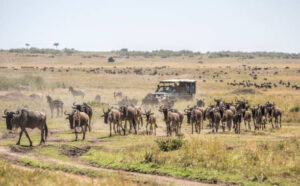
How to book a safari tour in Africa; Herd of wildebeests on the savannah in Masai Mara, Kenya. Safari vehicle with tourists in the background
To ensure a smooth booking process:
- Define Your Budget: Safaris range from budget-friendly camping tours to ultra-luxury fly-in lodges. Understanding your financial parameters early helps narrow down the operator selection.
- Verify Logistics: When crossing the border between Kenya and Tanzania, ensure your operator handles the necessary visa requirements and border-crossing logistics, as these can be complex for independent travelers.
- Check Inclusions: Clarify what is included in your package, such as park entrance fees, internal flights, meals, and the number of game drives per day. Hidden costs can significantly impact the total price of the trip.
Guide on How to Book a Safari Tour in Africa.
For first timers can be an exciting yet complex process. Here’s a step-by-step guide to help you navigate through it effectively:
1. Determine Your Safari Goals Before you start booking, clarify what you want from your safari experience. Are you interested in seeing specific wildlife, such as the Big Five (lion, leopard, rhinoceros, elephant, and Cape buffalo)? Do you want to witness the Great Migration? Knowing your goals will help narrow down your options.
2. Choose Your Destination Africa has numerous countries known for their safaris, including Kenya, Tanzania, South Africa, Botswana, Zambia, and Zimbabwe. Each country offers unique experiences:
- Kenya and Tanzania: Famous for the Great Migration.
- South Africa: Known for private reserves with high chances of spotting the Big Five.
- Botswana: Offers pristine wilderness experiences. Research each destination to find out which aligns best with your interests.
3. Decide When to Go Timing is crucial when planning a safari. The Dry season (May/June to September/October) is generally considered the best time for wildlife viewing due to less dense vegetation and animals congregating around water sources. However, the Green season (November to April) can also be rewarding with lush landscapes and fewer tourists.
4. Set Your Budget Safaris can vary widely in cost depending on factors like accommodation type (luxury lodges vs. budget camping), duration of stay, and included activities. Establish a budget range that you are comfortable with early in the planning process.
5. Research Safari Operators Look for established travel agents or safari operators who specialize in African safaris. Consider their experience, customer reviews on independent platforms like Feefo or TripAdvisor, and whether they offer tailor-made itineraries that suit your preferences.
6. Inquire About Itineraries Once you’ve selected a few potential operators, reach out to them for detailed itineraries based on your goals and budget. Ask about accommodations, transportation methods (self-drive vs guided tours), meal inclusions, and any additional activities available.
7. Review Terms and Conditions Before finalizing your booking, carefully read through the terms and conditions provided by the operator regarding cancellations, refunds, insurance coverage, and other important policies.
8. Make Your Booking After selecting an itinerary that meets your needs and confirming all details with the operator:
- Provide necessary personal information.
- Pay any required deposits or full payments as per their policy. Ensure you receive confirmation of your booking along with all relevant documents.
9. Prepare for Your Trip Once booked:
- Check visa requirements for your destination country.
- Arrange vaccinations or medications if needed (e.g., malaria prophylaxis).
- Plan packing essentials based on climate and activities planned during your safari.
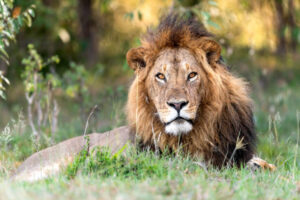
How to book a safari tour in Africa determining factor is knowing what you want and where to visit
Tips for a Successful Safari
The quality of your safari experience is often dictated by the expertise of your guide. A professional guide does more than drive; they interpret the ecosystem, track elusive predators, and ensure that wildlife viewing is conducted ethically without disturbing the animals. Furthermore, travelers should pack light, utilizing soft-sided luggage, as space in safari vehicles and light aircraft is strictly limited. Finally, always consult with a travel clinic regarding necessary vaccinations and malaria prophylaxis well in advance of your departure, as health requirements for East Africa are stringent.
Essential Safari Packing Guide for Kenya and Tanzania
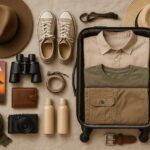
Preparing for a safari in East Africa requires a strategic approach that balances comfort, functionality, and adherence to local customs. Because many safari camps and lodges in Kenya and Tanzania utilize small aircraft for transfers, weight restrictions are strictly enforced, making it essential to pack light and prioritize versatile, multi-purpose items. The climate in these regions can fluctuate significantly, with cool, crisp early mornings and evenings contrasting with warm, sunny days, necessitating a layered approach to clothing.
How to Book a Safari Tour in Africa; Clothing Selection and Color Strategy
The primary goal for safari attire is to remain comfortable while blending into the natural environment. Experts recommend lightweight, breathable fabrics such as cotton or high-performance synthetics that keep you cool and dry. Regarding color, neutral tones are paramount. Khaki, forest green, tan, and brown are the gold standards for safari gear, as they minimize your visual impact on the wildlife and do not show dust easily.
It is highly advised to avoid dark blue or black clothing, as these colors are known to attract tsetse flies, which can be a significant nuisance in certain regions. Furthermore, avoid bright colors like white, red, or neon shades, which may startle animals, and strictly refrain from wearing camouflage or military-patterned clothing, as this is often reserved for local security forces and can be considered unlawful in some East African jurisdictions.
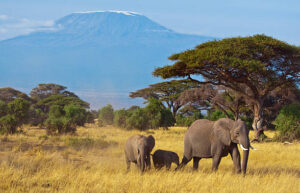
How to book a safari tour in Africa: View of the Kilimanjaro mountain from Kenya, Amboseli National Park
Recommended Packing List
To optimize your luggage, focus on these essentials:
- Layers: Pack a fleece, cardigan, or light jacket for early morning game drives when temperatures drop.
- Shirts: Include a mix of short-sleeved casual shirts and long-sleeved shirts (khaki is preferred) to protect against sun and insects.
- Trousers and Shorts: Bring two pairs of smart-casual trousers or chinos and two pairs of safari shorts.
- Footwear and Accessories: Sturdy, comfortable walking shoes are essential for walking safaris, along with three pairs of sports socks.
- Specialized Gear: A multi-pocket safari vest is highly recommended for photographers to keep lenses, batteries, and memory cards accessible.
- Evening Wear: If your itinerary includes stays at high-end lodges or time in urban centers like Nairobi or Mombasa, a single set of “smart-casual” dinner wear is sufficient.
- Miscellaneous: Do not forget swimwear, nightwear, and a sports bra for bumpy road conditions.
Practical Considerations on How to Book a Safari Tour in Africa
Most reputable safari camps provide efficient laundry services, which is the most effective way to keep your luggage weight down. By utilizing these services, you can comfortably pack for a week-long trip even if you are staying for two weeks. Always verify the specific baggage weight limits with your charter flight operator before departure, as these are often as low as 15 kilograms (approximately 33 pounds) in soft-sided bags.
Essential Photography Gear for African Safari Expeditions
Capturing the majesty of African wildlife requires a strategic approach to equipment, balancing the need for reach, stability, and environmental protection. Accordingly from my experience as a guides on wildlife photography, the primary challenge in a safari setting is the distance between the photographer and the subject, necessitating telephoto lenses with significant focal lengths. Professional wildlife photographers typically recommend a minimum focal length of 300mm to 400mm on a full-frame sensor to adequately frame animals from a vehicle, with many professionals opting for 500mm or 600mm lenses to capture intimate behavioral details.
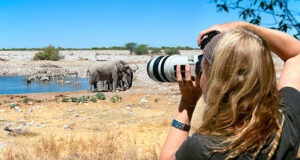
How to book a safari tour in Africa; Woman photographer capturing an image at a waterhole in Tsavo National Park, Kenya
Camera Bodies and Lens Selection
For serious safari photography, dual camera bodies are highly recommended to avoid the need to change lenses in the field, where dust is a constant threat to sensitive sensors. A combination of a high-resolution body for detail and a high-speed body for action sequences is ideal. Regarding lenses, a versatile zoom lens such as a 100-500mm or 200-600mm provides the flexibility required for varying distances, while a fast prime lens (e.g., 400mm f/2.8) is prized for its superior low-light performance during the golden hours of dawn and dusk.
Stability and Environmental Protection
Because safari vehicles are often in motion or idling with engine vibrations, stability is paramount. While tripods are rarely practical inside a vehicle, a beanbag is the industry-standard tool for stabilizing long lenses against the frame of the vehicle. Furthermore, the harsh environment of the savanna—characterized by fine, pervasive dust—requires rigorous protection. Photographers should utilize weather-sealed equipment and carry specialized cleaning kits, including rocket blowers and microfiber cloths, to maintain gear integrity.
Data Management and Power
A safari trip often involves capturing thousands of images, making robust data management essential. Experts suggest bringing multiple high-capacity, high-speed memory cards (such as CFexpress or UHS-II SD cards) and a portable SSD for redundant backups in the field. Given the remote nature of many safari camps, carrying at least four spare batteries and a reliable charging solution is critical to ensure that equipment remains operational throughout long game drives.
By following these steps methodically, you can ensure that your safari tour in Africa is well-planned and tailored to provide an unforgettable experience.
Leave a comment:
You must be logged in to post a comment.

Comment 01
Astute Africa Safaris,
05 May, 2026REF: Crafting Your Bespoke African Safari Experience with Astute Africa Safaris
Jambo,
Thank you for your interest in exploring the wonders of Africa with Astute Africa Safaris. We pride ourselves on creating immersive, tailor-made journeys that align perfectly with your personal interests, pace, and travel aspirations.
Because every safari is a unique narrative, we do not believe in “one-size-fits-all” pricing. To ensure we provide you with an accurate and competitive quotation that reflects the specific lodges, wildlife experiences, and logistical arrangements you desire, we invite you to connect with our team for a personalized consultation.
Please contact us at info@astuteafricasafaris.com, Whatsapp +254762663272 or fill the inquiry form with a few details regarding your preferred travel dates, group size, and specific interests (e.g., photography, luxury relaxation, or adventure trekking). Once we have these details, we will curate a comprehensive proposal designed specifically for you.
We look forward to the possibility of helping you plan an unforgettable journey.
Warm regards,
Team Astute Africa Safaris