

- 1.4k Views
- 20 Min Read
- (2) Comments
A Kenya and Tanzania safari is an unforgettable way to discover two of Africa’s most celebrated wildlife destinations in one extraordinary holiday. From the open grasslands of Kenya’s Masai Mara to Tanzania’s vast Serengeti plains, this combined safari brings together exceptional wildlife viewing, dramatic landscapes, authentic cultural encounters and memorable stays in safari lodges and tented camps. Explore Kenya and Tanzania safari packages with expert local planning. Discover the Masai Mara, Serengeti and Ngorongoro, compare itineraries and request your tailor-made safari today.
Whether you are planning a luxury African safari, a family adventure, a honeymoon, a photographic expedition or an affordable wildlife holiday, combining Kenya and Tanzania allows you to experience different sides of East Africa in one carefully planned itinerary.
With Astute Africa Safaris, you can explore tailor-made safari options that match your travel dates, budget, preferred accommodation and interests. Your journey might include tracking lions across the savannah, watching elephants beneath Mount Kilimanjaro, exploring the wildlife-rich Ngorongoro Crater and experiencing the extraordinary movement of wildebeest across the Serengeti–Masai Mara ecosystem.
Ready to plan your journey? Explore our 10-day Kenya and Tanzania safari and contact Astute Africa Safaris to discuss a personalised itinerary.
Why choose a combined Kenya and Tanzania safari?: Kenya and Tanzania Safari Packages

Kenya and Tanzania share remarkable wildlife habitats, but each destination offers its own character, scenery and safari experiences. Visiting both countries can create a more varied holiday than concentrating on a single destination, especially if you have enough time to explore without rushing between parks.
Here are the main reasons to consider a combined safari.
1. Experience exceptional African wildlife

Kenya and Tanzania are renowned for their wildlife, including the famous Big Five: lion, leopard, elephant, rhinoceros and African buffalo.
Depending on the parks you visit, you may also encounter cheetahs, giraffes, zebras, wildebeest, hippos, hyenas, crocodiles and a remarkable variety of antelope and bird species.
Kenya’s Masai Mara is celebrated for its open savannahs and predator sightings, while Amboseli is particularly well known for its elephants and views of Mount Kilimanjaro. In Tanzania, the Serengeti offers expansive plains and diverse wildlife, while Tarangire is famous for its elephants and baobab-dotted scenery.
The wildlife you see will depend on the season, location, weather and luck. A well-planned route helps you spend more time in productive wildlife areas instead of losing valuable holiday time to unnecessary transfers.
2. Witness the Great Wildebeest Migration

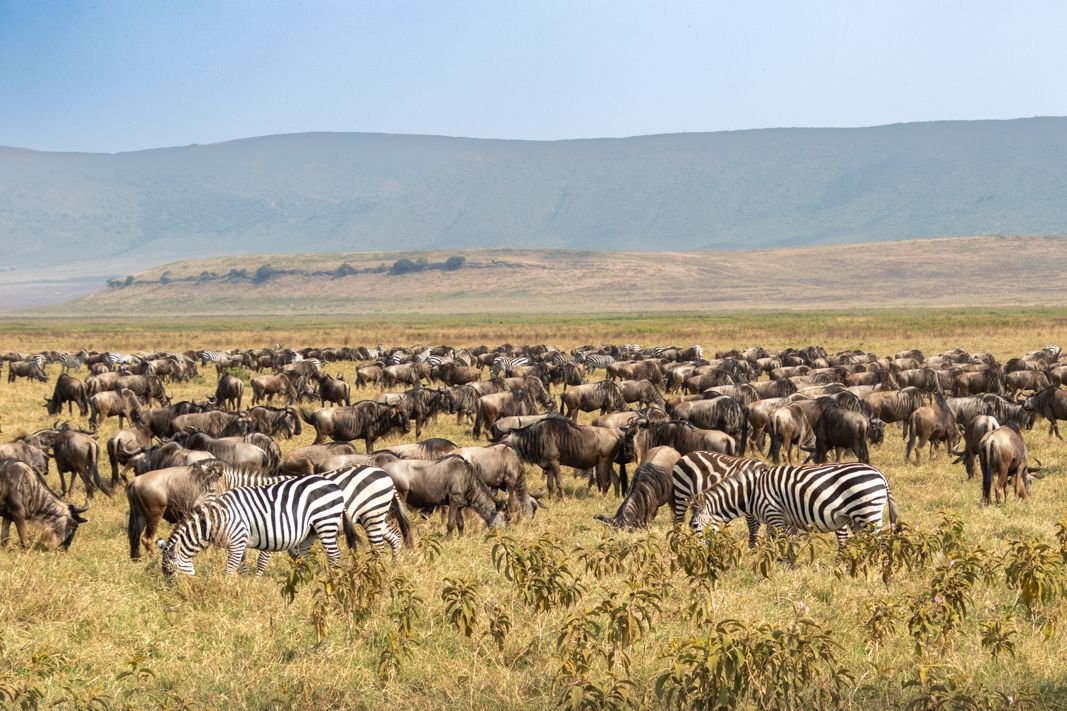
The Great Wildebeest Migration is one of the most extraordinary wildlife spectacles in the world. More than a million wildebeest, accompanied by large numbers of zebras and gazelles, move through the greater Serengeti–Masai Mara ecosystem in search of fresh grazing and water.
The migration moves throughout the year, so the best location for your safari depends on your travel dates and the wildlife experience you want.
-
January to March: The southern Serengeti and Ndutu area are important locations for the wildebeest calving season, when newborn calves attract predators.
-
April to June: Herd movements and grazing conditions change as the animals travel through different parts of the Serengeti ecosystem.
-
July to October: The northern Serengeti and Kenya’s Masai Mara can offer opportunities to see large herds and, when conditions align, dramatic river crossings.
-
October to December: Many herds move southwards as the seasonal rains and availability of fresh grazing influence their journey.
These are broad seasonal patterns rather than fixed dates. Herd movements vary each year, and river crossings cannot be guaranteed.
For the best chance of experiencing the migration, plan your itinerary around your preferred travel dates and allow sufficient time in the relevant region. A combined Kenya and Tanzania safari can be particularly rewarding for travellers hoping to explore different parts of the migration ecosystem.
3. Explore two countries with diverse landscapes

A combined safari is about much more than wildlife. The landscapes change significantly as you travel between destinations.
In Kenya, you can experience the sweeping plains of the Masai Mara, the elephant habitats of Amboseli, the varied ecosystems of Tsavo and the lakes of the Great Rift Valley.
Across the border in Tanzania, the Serengeti presents vast grasslands and seasonal wildlife movements. The Ngorongoro Conservation Area offers spectacular highland scenery and a crater floor renowned for its concentration of wildlife. Tarangire combines riverine habitats, baobab trees and seasonal elephant concentrations.
These contrasts create outstanding opportunities for landscape photography, birdwatching, wildlife observation and memorable sunrise and sunset game drives.
4. Discover Maasai culture and local traditions

The Maasai communities of Kenya and Tanzania have a long-standing cultural connection with the landscapes surrounding several well-known safari destinations.
A thoughtfully organised cultural visit may introduce you to traditional beadwork, local crafts, community history, pastoral traditions and perspectives on living alongside wildlife.
Other cultural experiences can include learning about local food, visiting community enterprises and discovering how different communities maintain their traditions in a changing world.
Choose respectful, community-led experiences that explain what your visit supports. Cultural encounters should be organised with the community’s consent, and photography should always be undertaken respectfully.
5. Enjoy spectacular scenery and photography opportunities

A Kenya and Tanzania safari offers outstanding opportunities for wildlife and landscape photography.
Capture elephants against the backdrop of Mount Kilimanjaro in Amboseli, lions resting beneath acacia trees, giraffes crossing open plains and vast herds stretching across the Serengeti.
Other photographic highlights include the dramatic scenery of Ngorongoro Crater, the baobab trees of Tarangire, the changing colours of the Great Rift Valley lakes and the golden light of early morning and late afternoon.
Photographers should consider spending several nights in selected destinations rather than changing camps every day. More time in one area can allow for repeat sightings, better light and a less hurried experience.
6. Choose a safari that suits your travel style

There is no single way to experience Kenya and Tanzania. The right itinerary depends on your budget, interests, accommodation preferences and available time.
-
Luxury safaris: Consider elegant lodges, premium tented camps, private game drives where available and carefully paced itineraries.
-
Mid-range safaris: Combine comfortable lodges and tented camps with guided game drives and well-planned transfers.
-
Budget-conscious safaris: Explore simpler accommodation, shared departures where available and a focused selection of parks to help manage overall costs.
-
Family safaris: Choose suitable family accommodation, realistic driving times, child-friendly activities and an itinerary that balances wildlife with rest.
-
Honeymoon safaris: Consider intimate camps, private experiences where available, scenic settings and an optional beach extension.
-
Photography safaris: Prioritise time in wildlife-rich areas, flexible game drives and accommodation positioned for your main photographic interests.
Walking safaris, balloon safaris and other specialist activities depend on the destination, operator arrangements, age restrictions and availability. They should be confirmed during itinerary planning.
3. Best national parks and reserves to visit
The destinations below are useful building blocks for a combined Kenya and Tanzania itinerary. You do not need to visit every park on one trip; choosing a practical route is usually more rewarding than trying to cover too much.
Kenya safari destinations

Masai Mara National Reserve
The Masai Mara is one of Kenya’s best-known safari destinations, celebrated for lions, cheetahs, elephants, giraffes and large herds of grazing animals. It is an important part of the Great Wildebeest Migration ecosystem and offers excellent opportunities for wildlife photography.
Best for: Big Five searches, predators, migration-season safaris and classic savannah scenery.

Amboseli National Park
Amboseli is famous for its elephant herds and impressive views of Mount Kilimanjaro when weather conditions allow. Its wetlands and open plains attract a variety of wildlife and birds.
Best for: Elephant photography, scenic views and shorter safari extensions from Nairobi.

Lake Nakuru National Park
Lake Nakuru combines lake scenery, woodland and grassland habitats. It is known for opportunities to see rhinos, Rothschild’s giraffes and numerous bird species.
Best for: Rhino viewing, birdwatching and a stop on selected Rift Valley safari routes.

Tsavo East and Tsavo West National Parks
Together, Tsavo’s parks offer expansive wilderness, varied terrain, elephants, lions and other wildlife. Tsavo West is also known for striking scenery and the Mzima Springs area.
Best for: Less hurried wilderness routes, road safaris and combinations with Kenya’s coast.
Tanzania safari destinations

Serengeti National Park
The Serengeti is central to the Great Wildebeest Migration and is known for its large savannah landscapes, lions, cheetahs, leopards and other wildlife. Different regions offer different experiences throughout the year.
Best for: Migration-focused safaris, big cats and extended wildlife viewing.

Ngorongoro Conservation Area
The spectacular Ngorongoro Crater provides a remarkable setting for wildlife viewing. Its crater floor supports a wide variety of animals, including lions, buffaloes, zebras and, with luck, the endangered black rhinoceros.
Best for: Dramatic scenery, concentrated wildlife viewing and a memorable addition to the northern safari circuit.

Tarangire National Park
Tarangire is known for its baobab-dotted landscapes, elephants and seasonal concentrations of wildlife around water sources.
Best for: Elephant encounters, landscape photography and a varied northern Tanzania itinerary.

Lake Manyara National Park
Lake Manyara offers a different landscape from the open Serengeti plains, with groundwater forest, lake-edge habitats and diverse birdlife. It may be included when routing and travel time make it a good fit.
Best for: Birdwatching, varied habitats and additional wildlife experiences.
For official park information, consult Tanzania National Parks (TANAPA) at Tanzania National Parks and the Kenya Wildlife Service at Kenya Wildlife Service.
4. Recommended Kenya and Tanzania safari itineraries
The ideal itinerary depends on how many days you have, whether you want to focus on the Great Migration, and how much time you wish to spend travelling between destinations.
The following itineraries are planning examples, not fixed departures. Actual routing, park nights, border arrangements and transfers should be confirmed before booking.

7-day Kenya and Tanzania safari
Short combined safari
A focused trip for travellers who want to experience both countries within a limited holiday.
-
Days 1–2: Arrive in Kenya and explore the Masai Mara, subject to arrival arrangements.
-
Days 3–4: Transfer to Tanzania using a suitable border and transport route.
-
Days 5–6: Explore a selected northern Tanzania destination, such as the Serengeti.
-
Day 7: Transfer to the agreed departure airport.
Best for: Travellers with limited time who prioritise a few key wildlife experiences.
Planning note: Seven days is relatively short for both countries. A fly-in safari or a more focused route may be preferable to extensive road transfers.

10-day Kenya and Tanzania safari
Balanced wildlife journey
A popular itinerary length to consider when you want a more varied safari across both countries.
-
Days 1–3: Explore Kenya’s Masai Mara.
-
Days 4–6: Travel to Tanzania and enjoy game drives in the Serengeti.
-
Day 7: Continue to the Ngorongoro area, depending on the selected route.
-
Days 8–9: Explore Ngorongoro and, if the schedule allows, Tarangire.
-
Day 10: Transfer to the departure airport.
Best for: Couples, families with suitable pacing, first-time visitors and wildlife enthusiasts.
This outline requires adjustment according to the border crossing, flight schedule, park access and the amount of time allocated to game drives.

12–14-day Kenya and Tanzania safari
Extended exploration
More time allows you to reduce the pace, spend additional nights in wildlife areas and include a wider range of experiences.
-
Explore the Masai Mara and another Kenyan destination, such as Amboseli or Lake Nakuru.
-
Continue to Tanzania for several nights in the Serengeti.
-
Add Ngorongoro Crater and Tarangire where the route permits.
-
Consider a flight connection or a beach extension if you have extra days.
Best for: Photography enthusiasts, luxury travellers, couples and visitors seeking a deeper East African experience.

Safari and beach holiday
Combine wildlife adventures with time to unwind on the Indian Ocean coast.
Depending on your flights and overall itinerary, you could finish your safari with several nights in Zanzibar or Kenya’s coastal destinations, including Diani Beach.
Best for: Honeymoons, anniversaries, families and travellers who want wildlife, relaxation and coastal culture in one holiday.
Explore Astute’s existing 10-day Kenya and Tanzania safari package for a starting point when planning your own journey.
5. When is the best time to visit Kenya and Tanzania?

Kenya and Tanzania offer wildlife experiences throughout much of the year, but seasonal rainfall, animal movements and individual travel priorities influence the best time to go.
|
Travel period |
What to consider |
|---|---|
|
January–March |
Calving season in parts of the southern Serengeti; excellent opportunities for wildlife photography and predator sightings. |
|
April–May |
Long rains in many areas. Green landscapes, possible seasonal discounts and more challenging road conditions in some locations. |
|
June–October |
Generally favourable dry-season viewing in many parks, with migration activity moving through different parts of the Serengeti–Masai Mara ecosystem. |
|
November–December |
Short rains in many areas, greener scenery and changing herd movements; conditions vary by destination. |
These are broad guidelines rather than guarantees. Kenya’s weather varies by region, and Tanzania’s parks have different seasonal patterns. Official guidance from the Kenya Wildlife Service and Tanzania National Parks can help you refine your travel dates.
Which month should you choose?
-
For the wildebeest calving season, consider January or February in the southern Serengeti region.
-
For opportunities to see migration herds in the Masai Mara, consider the broad July–October period, while remembering that arrivals and river crossings vary.
-
For elephant viewing and dry-season scenery in Tarangire and Amboseli, consider the dry months and check local conditions for your dates.
-
For birdwatching and green landscapes, consider the wetter months and the specific habitats you wish to explore.
If witnessing the Great Migration is your main objective, make the migration the starting point for planning your safari rather than adding it as an afterthought.
6. How much does a Kenya and Tanzania safari cost?

The cost of Kenya and Tanzania safari packages depends on the length of the trip, accommodation standards, season, group size, transport arrangements and number of parks visited.
A budget-conscious trip using simpler accommodation and shared transport will generally have a different price structure from a private luxury safari with premium tented camps and flights between destinations.
The following factors should be considered when comparing quotations.
-
Accommodation: Budget camps, mid-range lodges and luxury tented camps have different nightly rates.
-
Park and conservation fees: These depend on the parks visited, the dates of travel and applicable visitor categories.
-
Transport: Road safaris, private vehicles, shared departures and domestic flights have different costs.
-
Number of travellers: Private vehicle costs may be shared among a group, while accommodation is usually priced per person or room.
-
Season: Demand and accommodation rates can rise during popular travel periods.
-
Border logistics: Cross-border transport arrangements and any required transfers can affect the overall price.
-
Included services: Meals, drinks, airport transfers, activities, guides and gratuities may be treated differently by different operators.
How to get the best value
Instead of choosing a safari solely by its headline price, compare the complete inclusions. Check the accommodation names, number of nights in each park, vehicle arrangements, park fees, meals, airport transfers and any excluded expenses.
If your budget is limited, consider visiting fewer parks and spending more time in each one. This can reduce unnecessary transfers and make the experience more relaxed.
For luxury travellers, prioritise the accommodation, wildlife locations and travel arrangements that matter most rather than adding destinations simply to make the itinerary longer.
Request a personalised quotation from Astute Africa Safaris based on your dates, number of travellers, preferred accommodation and approximate budget. This makes it easier to compare a realistic itinerary with other offers.
7. Luxury, mid-range and budget safari accommodation

Your accommodation is an important part of the overall safari experience. The right choice depends on comfort, location, facilities and how you want to spend your time between game drives.
Luxury accommodation may offer spacious suites, refined dining, attentive service and exclusive experiences, depending on the property.
Mid-range accommodation can provide comfortable rooms or tents, good meals and convenient access to selected parks without the price of the most exclusive lodges.
Budget accommodation may include simpler lodges, campsites or basic tented camps, with facilities varying considerably by property.
When selecting a camp, pay attention to its actual location. A well-positioned property can reduce transfer times to wildlife areas and help you make better use of morning and afternoon game drives.
Ask your safari planner to recommend accommodation according to your preferred level of comfort, wildlife interests and total budget.
8. How to travel between Kenya and Tanzania

Cross-border logistics are an important part of a combined safari. The most suitable arrangement depends on the parks you want to visit, the airports you use, the border crossing available for your itinerary and whether you prefer road or air travel.
Road safaris
Road travel can be rewarding because it allows you to see changing landscapes and local communities along the way. However, distances between safari destinations can be substantial, and a border crossing can add time to the journey.
Fly-in safaris
Domestic or regional flights may help you reach distant destinations more quickly, depending on available routes and flight schedules. This can be particularly useful for travellers with limited time or those prioritising premium accommodation.
Border and entry requirements
Kenya and Tanzania have separate entry requirements. Before travelling, check passport validity, visa or travel authorisation requirements, permitted border crossings and any applicable health documentation with the relevant official authorities.
Do not assume that entry permission for one country automatically covers the other. Requirements depend on nationality, travel purpose and the rules in effect at the time of travel.
A well-organised itinerary should specify how you will move between countries, who is responsible for each transfer and where your next safari vehicle or guide will meet you.
9. Responsible tourism and wildlife conservation

A safari provides an opportunity to appreciate the natural heritage of Kenya and Tanzania while supporting the people and organisations working to protect it.
Responsible safari planning involves more than visiting a national park. It includes respecting wildlife, choosing suitable operators and accommodation, following park rules and considering how tourism benefits surrounding communities.
You can make more responsible choices by:
-
Following your guide’s instructions and maintaining a safe distance from wildlife.
-
Avoiding littering and reducing unnecessary single-use plastics.
-
Choosing respectful cultural visits and locally rooted experiences.
-
Considering accommodation and tourism providers that can explain their conservation or community initiatives.
-
Avoiding activities that involve disturbing, feeding or handling wild animals inappropriately.
Tourism can contribute to conservation and local livelihoods, but the actual impact depends on how a business operates and where the money goes. Ask specific questions about community partnerships and conservation activities rather than relying on general sustainability claims.
For Astute Africa Safaris, publishing verified details about local partnerships, responsible travel practices and genuine community initiatives can also help prospective clients understand the company’s approach.
10. Why plan your Kenya and Tanzania safari with Astute Africa Safaris?

Choosing the right safari operator is an important part of planning a successful holiday. You need an itinerary that suits your interests, clear information about inclusions and costs, suitable accommodation and reliable communication before and during your trip.
Astute Africa Safaris is a locally owned safari company based in Nairobi, Kenya, offering personalised safari planning for travellers exploring East Africa.
When considering Astute for your Kenya and Tanzania safari, you can discuss the following elements of your trip:
-
Tailor-made itineraries: Plan a route around your preferred destinations, travel dates, available time and wildlife interests.
-
Flexible accommodation choices: Explore budget-conscious, mid-range and luxury options according to your preferences.
-
Multi-country planning: Discuss how to combine Kenya and Tanzania with practical transfers and a suitable pace.
-
Personalised travel support: Communicate your requirements before booking so the proposed itinerary reflects the experience you want.
-
Safari and beach combinations: Explore whether extending your trip to Zanzibar or Kenya’s coast fits your schedule.
-
Booking and payment clarity: Review the applicable deposit, balance-payment deadlines, cancellation terms and payment methods before confirming your trip.
For trust and transparency, Astute should provide prospective clients with verifiable company registration and licensing information, named accommodation options, clear inclusions and exclusions, and authentic customer feedback where available.
You can review the company’s terms and conditions before making a booking.
11. How to book your Kenya and Tanzania safari

Planning your safari can be straightforward when you begin with a few key decisions.
-
Choose your travel dates. Decide when you would like to travel and whether you have a specific wildlife event, such as the Great Migration, in mind.
-
Decide how long to travel. Consider seven, ten or fourteen days, or another duration that suits your schedule.
-
Set your budget and accommodation preference. Decide whether you prefer budget, mid-range or luxury accommodation and whether you want a private or shared safari.
-
Select your priority destinations. Discuss the Masai Mara, Serengeti, Ngorongoro Crater, Amboseli and other parks according to your interests.
-
Review your proposed itinerary. Confirm transport, accommodation, park fees, meals, activities and all exclusions before paying.
-
Confirm your booking. Review the written booking terms, payment schedule and cancellation policy, then arrange the agreed deposit.
Start planning your Kenya and Tanzania safari today

Your dream East African holiday could combine the wildlife-rich Masai Mara, the endless plains of the Serengeti, the spectacular Ngorongoro Crater and the unforgettable scenery of Amboseli.
Whether you are looking for an affordable wildlife adventure, a comfortable mid-range holiday, a luxury safari or a personalised family itinerary, the key is to build a journey around your interests rather than follow a one-size-fits-all package.
Let Astute Africa Safaris help you plan your next adventure.
Visit our 10-day Kenya and Tanzania safari to explore an existing itinerary, or visit Astute Africa Safaris to discuss a tailor-made holiday.
Contact us with your preferred travel dates, number of travellers, accommodation level and approximate budget to begin planning your Kenya and Tanzania safari.
12. Frequently asked questions about Kenya and Tanzania safaris
1. Is it worth combining Kenya and Tanzania on one safari?
Yes. Combining the two countries lets you experience destinations such as the Masai Mara, Serengeti and Ngorongoro Crater on one holiday. It is particularly worthwhile if you have enough time for the transfers and several nights in the main wildlife areas.2. How many days do I need for a Kenya and Tanzania safari?
Seven days can work for a focused itinerary, but ten to fourteen days generally allow more time for wildlife viewing and a less rushed experience. The ideal duration depends on your destinations, transport arrangements and departure flights.3. When is the best time to visit Kenya and Tanzania?
June to October is a popular period for dry-season wildlife viewing in many parks. January to March can be rewarding for the wildebeest calving season in the southern Serengeti. The best dates depend on the wildlife you want to see and local conditions.4. Can I see the Great Wildebeest Migration in both countries?
Yes, the migration moves through the greater Serengeti–Masai Mara ecosystem. The herds occupy different regions throughout the year, so your itinerary should be planned around the likely location during your travel dates. River crossings are never guaranteed.5. How much does a Kenya and Tanzania safari cost?
Prices depend on trip duration, accommodation, season, park fees, transport, group size and included activities. Request a personalised quotation based on your travel dates and budget so you can compare complete itineraries rather than headline prices alone.6. Can I book a luxury Kenya and Tanzania safari?
Yes. A luxury itinerary can include premium lodges or tented camps, private game drives where available, selected flights and personalised experiences. Availability and pricing depend on your dates and chosen destinations.7. Is a Kenya and Tanzania safari suitable for families?
Yes. Families can enjoy wildlife viewing, scenic drives and cultural experiences. Choose accommodation that accepts your children’s ages, check activity restrictions and allow enough time for rest and transfers.8. Can I combine my safari with a Zanzibar beach holiday?
Yes. Zanzibar can be a relaxing extension to a Tanzania safari, subject to suitable flight connections and your available time. Kenya’s coast, including Diani Beach, is another option when the overall routing works for your trip.9. What is included in a Kenya and Tanzania safari package?
Inclusions vary by operator and package. They may cover accommodation, meals, safari transport, guide services, game drives and park fees. Flights, visas, drinks, gratuities, insurance and optional activities may cost extra. Always check the written quotation.10. How do I book a Kenya and Tanzania safari with Astute Africa Safaris?
Visit the Astute Africa Safaris website and enquire with your travel dates, number of travellers, preferred accommodation and budget. Review the proposed itinerary and booking terms before confirming your reservation.Leave a comment:
You must be logged in to post a comment.

Comments (2)
Booking Your Dream African Safari: A Quick Guide - Astute Africa Safaris,
05 May, 2025[…] By following these steps—defining your goals, selecting a destination based on timing and type of safari, researching operators carefully, planning an itinerary that balances adventure with relaxation—you can set yourself up for an unforgettable African safari experience. […]
Astute Africa Safaris,
05 May, 2026REF: Crafting Your Bespoke African Safari Experience with Astute Africa Safaris
Jambo,
Thank you for your interest in exploring the wonders of Africa with Astute Africa Safaris. We pride ourselves on creating immersive, tailor-made journeys that align perfectly with your personal interests, pace, and travel aspirations.
Because every safari is a unique narrative, we do not believe in “one-size-fits-all” pricing. To ensure we provide you with an accurate and competitive quotation that reflects the specific lodges, wildlife experiences, and logistical arrangements you desire, we invite you to connect with our team for a personalized consultation.
Please contact us at info@astuteafricasafaris.com, Whatsapp +254762663272 or fill the inquiry form with a few details regarding your preferred travel dates, group size, and specific interests (e.g., photography, luxury relaxation, or adventure trekking). Once we have these details, we will curate a comprehensive proposal designed specifically for you.
We look forward to the possibility of helping you plan an unforgettable journey.
Warm regards,
Team Astute Africa Safaris