

- 1.5k Views
- 28 Min Read
- (1) Comment
Kenya is a destination where extraordinary experiences can unfold in a single holiday. You could watch elephants move across open plains beneath Mount Kilimanjaro, explore a traditional coastal town shaped by centuries of Indian Ocean trade, hike through volcanic landscapes, meet local artisans, or end your journey relaxing on a white-sand beach beside turquoise waters.
For many travellers, Kenya is synonymous with the Big Five and the world-famous Maasai Mara. Yet the country offers much more than a conventional wildlife safari. Its remarkable diversity encompasses mountain ecosystems, freshwater lakes, dramatic escarpments, remote northern deserts, ancient archaeological sites, vibrant cities and a coastline rich in Swahili heritage.
The best Kenya holiday is not necessarily the one that visits the greatest number of destinations. It is the one that brings together the experiences that matter most to you.
At Astute Africa Safaris, travellers can explore ideas for personalised journeys combining unique things to do in Kenya such as wildlife, adventure, culture and relaxation. Whether you are planning a first African holiday, a family adventure, a honeymoon, a photography expedition or a luxury escape, Kenya offers different ways to experience the country at your own pace.

Suggested image caption: Experience the extraordinary landscapes and wildlife that make a Kenya holiday unforgettable.
Planning your trip? Explore our Kenya safari parks, reserves and conservancies to identify the wildlife destinations that best match your interests.
Why choose Kenya for your next holiday?
Kenya is particularly appealing because it combines several distinct types of travel within one country.
-
Wildlife encounters: Search for lions, elephants, leopards, buffalo, rhinos, giraffes and numerous other species with experienced guides.
-
Authentic cultural experiences: Learn about Kenya’s many communities, living traditions, food, music, crafts and history through respectful, locally guided activities.
-
Outdoor adventure: Hike mountain trails, cycle in designated areas, explore dramatic gorges and discover remote landscapes.
-
Indian Ocean escapes: Combine a safari with beaches, coral reefs, marine activities and historic Swahili settlements.
-
Different travel budgets: Choose simple camps, comfortable lodges, tented camps or premium luxury properties, depending on your preferences and budget.
-
Flexible itineraries: Plan a short excursion, a week-long safari, an extended adventure or a safari-and-beach holiday.
Kenya is also suitable for travellers who want more than wildlife viewing. Birdwatchers, photographers, history enthusiasts, families, couples and active travellers can all build a holiday around their interests.
The 20 unique experiences to include in your Kenya holiday
1. Witness the extraordinary wildlife of the Maasai Mara

Few experiences capture the spirit of an African safari like spending time in the Maasai Mara National Reserve. Its open grasslands, seasonal rivers and diverse wildlife make it one of Kenya’s most celebrated destinations for game viewing.
During morning and afternoon game drives, you may encounter lions resting in the grass, elephants moving across the plains, giraffes feeding on acacia trees and cheetahs scanning the landscape for prey. Leopards, buffalo, hyenas, zebras, gazelles and numerous bird species add to the experience.
One of the Mara’s most remarkable natural spectacles is the Great Wildebeest Migration. Large herds move through the greater Mara–Serengeti ecosystem in response to rainfall and grazing conditions. The timing varies, and dramatic river crossings are never guaranteed on particular dates.
Even outside the migration period, the reserve can provide excellent wildlife viewing. Rather than planning your entire holiday around one event, consider the wider wildlife experience, accommodation location and number of nights available.
How to experience it
-
Choose a two- or three-night stay for a short safari, or stay longer if wildlife photography is a priority.
-
Schedule early-morning and afternoon game drives when animals may be active.
-
Consider a hot-air-balloon safari where available, subject to weather, operator arrangements and additional charges.
-
Ask about community conservancies if you prefer a more private setting or activities that differ from those permitted inside the national reserve.
Best for: First-time safari travellers, wildlife photographers, couples, families and luxury safari enthusiasts.
Related Astute guide: The ultimate guide to Kenya safari parks and reserves.
2. Watch elephants beneath Mount Kilimanjaro in Amboseli

For many visitors, Amboseli offers one of the most recognisable landscapes in East African travel. Large elephant herds move across open plains and seasonal wetlands, while Mount Kilimanjaro rises across the border in Tanzania.
The scenery changes throughout the day. Early mornings can offer clear mountain views, while changing light creates beautiful opportunities for wildlife photography. The park’s wetlands also support a range of birdlife and other animals.
Amboseli is an excellent choice for travellers who want to combine wildlife with dramatic scenery. It also works well as part of a longer itinerary incorporating the Maasai Mara, Tsavo or Kenya’s coast.
How to make the most of your visit
Spend at least two nights if your schedule permits. This gives you more opportunities for game drives and reduces the pressure to fit everything into a single day.
Mount Kilimanjaro is not always visible because clouds can obscure the summit, so allow time rather than expecting a perfect mountain view at every moment.
Best for: Elephant enthusiasts, landscape photographers, couples and families.
Related itinerary: 10-day Kenya safari itinerary.
3. Explore Kenya’s northern wildlife in Samburu

Northern Kenya introduces visitors to a very different safari environment. In the Samburu National Reserve, dry hills, rocky outcrops and riverine vegetation create a striking backdrop for wildlife encounters.
Samburu is particularly known for several species associated with Kenya’s arid north, often grouped as the Samburu Special Five:
-
Grevy’s zebra
-
Reticulated giraffe
-
Gerenuk
-
Beisa oryx
-
Somali ostrich
Elephants are also frequently seen around the Ewaso Ng’iro River, an important water source in this dry landscape.
Samburu can feel very different from the grasslands of the Maasai Mara. The light, terrain, vegetation and wildlife create rewarding opportunities for photographers and repeat safari visitors seeking variety.
Travel tip: Allow two or three nights if Samburu is a major highlight of your trip. It can be combined with Laikipia and Ol Pejeta, although driving distances should be considered when designing your route.
Best for: Wildlife enthusiasts, photographers, travellers returning to Kenya and visitors interested in northern ecosystems.
4. Experience community-led conservation in a wildlife conservancy

A safari can offer more than sightings of wild animals. Visiting an appropriately managed community or private conservancy can help travellers understand the relationship between wildlife, land management, local livelihoods and tourism.
In parts of Laikipia and northern Kenya, conservancies work with landowners and local communities to protect habitats and support wildlife management. Depending on the specific property and activity, visitors may learn about ranger patrols, wildlife monitoring, habitat protection or coexistence between people and wildlife.
Activities differ between conservancies. Some offer guided walks, night drives or specialist tracking experiences, while others focus on traditional game drives. These activities should never be assumed to be available everywhere.
Before booking, ask how tourism income supports conservation and participating communities. Look for clear explanations of the conservancy’s governance, employment practices and conservation programmes rather than relying on broad claims about sustainability.
Best for: Responsible travellers, conservation enthusiasts, photographers and visitors seeking a deeper understanding of Kenya.
Related reading: East Africa safari vacations.
5. Walk or cycle through the dramatic landscapes of Hell’s Gate

A visit to Hell’s Gate National Park offers a different kind of adventure from a traditional vehicle-based safari.
Located near Lake Naivasha, the park is known for steep cliffs, volcanic formations, geothermal features and open terrain. Cycling and walking are possible in designated areas, subject to park rules, current conditions and wildlife safety instructions.
The experience is especially rewarding for visitors who want to explore the landscape at a slower pace. You can appreciate the geology, observe birds and wildlife from suitable distances, and enjoy views that are easy to miss while travelling in a vehicle.
Some gorge areas can be affected by flash floods and other hazards. Follow official guidance and use a qualified guide where required; never enter a gorge when conditions are unsafe.
How to include it: Visit as a day trip from the Lake Naivasha area, or combine it with a Rift Valley safari itinerary.
Best for: Active travellers, adventurous families with suitable-age children, landscape photographers and nature lovers.
6. Trek the mountain landscapes of Mount Kenya

For travellers who enjoy walking, Kenya offers a dramatic alternative to the savannah: the high-altitude environment of Mount Kenya National Park.
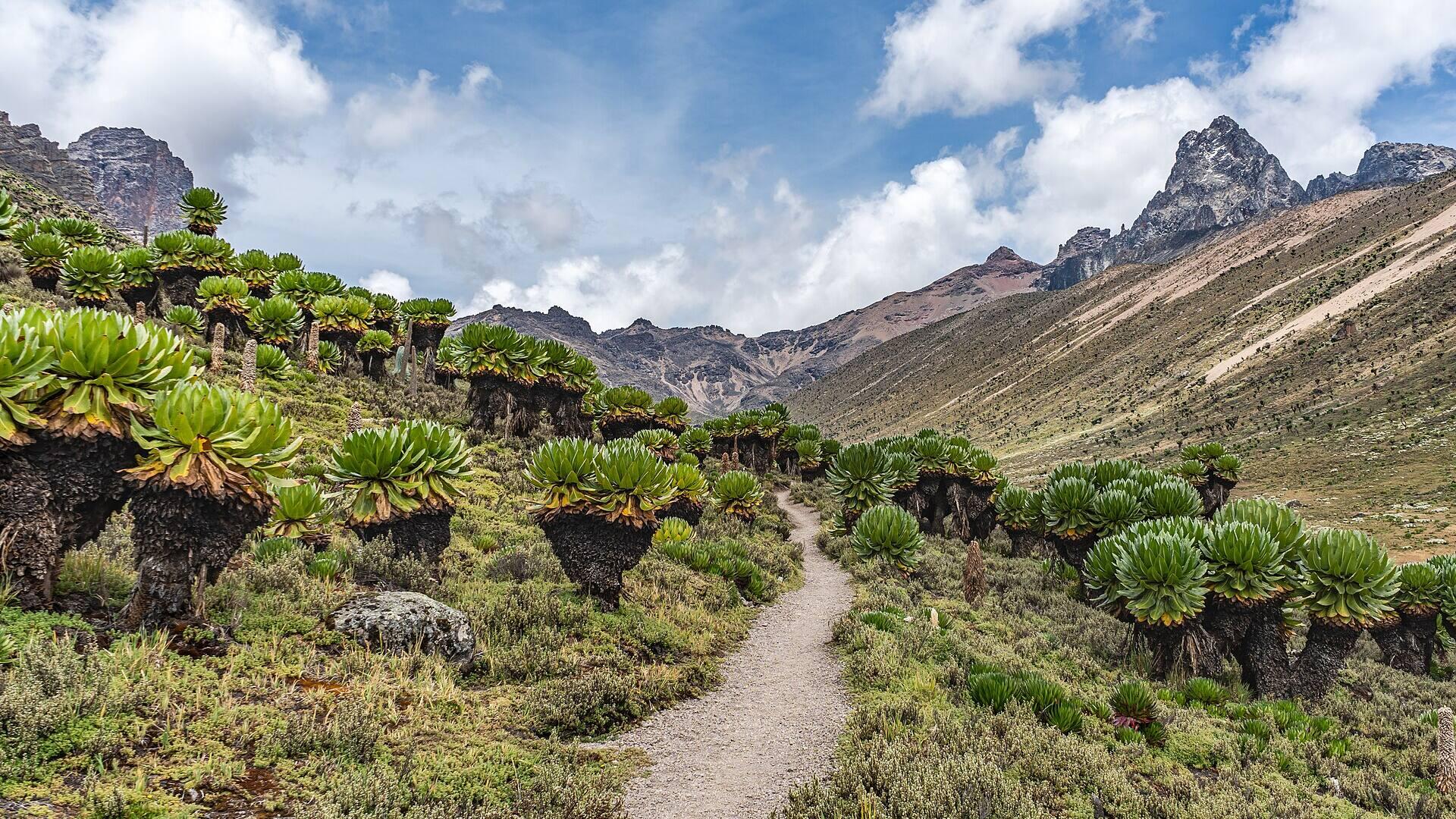
Mount Kenya is Africa’s second-highest mountain. Its landscapes transition from forest and bamboo zones to moorland, alpine vegetation and rugged high-altitude terrain. Giant groundsels and lobelias give parts of the upper mountain an unusual, almost otherworldly appearance.
Trekkers can choose from established routes, with itineraries depending on fitness, acclimatisation, weather and the altitude they wish to reach. Point Lenana is a popular trekking objective, while Batian and Nelion require technical mountaineering skills.
A successful trek requires more than enthusiasm. Allow time for acclimatisation, arrange qualified mountain guides and appropriate equipment, and understand that altitude sickness can affect even fit travellers.
Best for: Hikers, active couples, adventure travellers and visitors seeking a mountain holiday.
Planning advice: A mountain trek needs a dedicated itinerary. Do not squeeze it into a conventional short wildlife safari without allowing sufficient time.
7. Discover the lakes and landscapes of the Great Rift Valley

The Great Rift Valley is one of Kenya’s most fascinating geographical regions, with freshwater lakes, alkaline lakes, escarpments, volcanic formations and important wildlife habitats.
Around Lake Naivasha, visitors can enjoy selected boat excursions, observe hippos from a safe distance, look for fish eagles and other waterbirds, or explore nearby nature areas.
Lake Nakuru offers a different experience, combining lake scenery with woodland and grassland habitats. It is also known for rhino conservation and varied birdlife. Flamingo numbers fluctuate with water conditions and food availability, so the lake should not be presented as guaranteed to be covered in pink birds.
For a broader exploration, combine the Rift Valley with Hell’s Gate or a longer circuit through the Maasai Mara.
Best for: Birdwatchers, nature enthusiasts, families and travellers who enjoy scenic road journeys.
Related guide: 22 tourist attractions in Kenya.
8. Escape to Diani Beach for an Indian Ocean holiday

Kenya’s coastline provides a refreshing contrast to the inland safari circuit. At Diani Beach, white sand, palm-lined shores and warm Indian Ocean waters create a setting for rest and marine adventures.
Depending on the season and local sea conditions, activities may include snorkelling, scuba diving, kayaking, kiteboarding and other water sports. Some activities are suitable for beginners, while others require training or previous experience.
Diani is also an appealing place to slow down after several early mornings on safari. You can enjoy beach walks, explore local restaurants and spend time by the ocean without changing accommodation every night.
Marine activities depend on tides, weather, operator standards and conservation regulations. Choose reputable operators and avoid touching coral or disturbing marine wildlife.
How long should you stay? Three nights is a useful starting point; four to five nights gives more time to relax and enjoy activities.
Best for: Honeymooners, families, beach lovers and travellers combining wildlife with relaxation.
Related guide: Best safari and beach combinations in Kenya.
9. Discover Watamu’s marine world

Watamu is one of the coast’s appealing destinations for travellers interested in marine environments. The area offers opportunities to explore coastal habitats, visit marine protected areas under permitted conditions and learn about coral reef ecosystems.
Depending on conditions and the activity selected, visitors may snorkel, scuba dive, take a boat excursion or simply enjoy the coastline.
Some travellers hear stories about glowing blue water caused by bioluminescent organisms. Such displays can occur in suitable conditions, but their visibility and timing are unpredictable. They should be treated as a possible bonus, not a guaranteed attraction or a reason to book a particular date.
Travel tip: If marine life is a priority, ask about seasonal sea conditions, visibility, tides, operator qualifications and the most suitable activities for your experience level.
Best for: Marine-life enthusiasts, couples, snorkellers and beach holidaymakers.
10. Explore the historic streets of Lamu Old Town

Kenya’s coast is not just about beaches. The historic town of Lamu Old Town offers a different kind of discovery, shaped by centuries of Swahili culture and Indian Ocean trade.
Its narrow streets, carved wooden doors, traditional architecture and historic buildings reflect connections between African, Arab and other maritime trading communities. A guided walk can introduce visitors to the town’s history, craftsmanship, architecture and daily life.
Respectful travel is especially important in places where local traditions and religious life remain central. Dress appropriately, ask before photographing people and follow local guidance when visiting religious or culturally significant sites.
Lamu works particularly well as a dedicated coastal extension rather than a hurried stop between distant safari destinations.
Best for: Cultural travellers, history enthusiasts, couples and visitors interested in architecture.
11. Step into Kenya’s past at Gedi Ruins

Near the coast, the archaeological site of Gedi Ruins offers a fascinating glimpse into a historic Swahili settlement.
Stone structures, surviving walls and the surrounding forest make this a rewarding visit for travellers interested in the region’s history. A guided visit can explain what is known about the settlement, its connections to regional trade and the archaeological work that has helped researchers understand the site.
Gedi also makes an excellent contrast to Kenya’s wildlife attractions. It shows that a holiday here can explore human history and cultural heritage as well as natural landscapes.
Best for: History lovers, cultural travellers, photographers and visitors staying in Watamu or Malindi.
12. Enjoy a traditional food and market experience

One of the most enjoyable ways to understand a destination is through its food. Kenya’s cuisine varies across regions and communities, reflecting local ingredients, history, trade and family traditions.
Depending on where you travel, dishes to explore include nyama choma, ugali, sukuma wiki, chapati, pilau and coastal Swahili specialities influenced by Indian Ocean trade.
A market visit or locally guided food experience can introduce you to ingredients, cooking methods and everyday life. In coastal areas, you may find dishes featuring coconut, spices, rice and seafood.
Choose hygienic food establishments, communicate dietary requirements in advance and ask about ingredients if you have allergies or food restrictions.
Best for: Food lovers, cultural travellers, families and anyone who wants to experience Kenya beyond its famous attractions.
Astute itinerary idea: Include a food or market experience in Nairobi, or arrange a suitable coastal food experience during your beach stay.
13. Go birdwatching in Kenya’s extraordinary habitats

Kenya is a rewarding destination for birdwatchers because its habitats range from wetlands and highland forests to dry northern scrubland, open savannah and coastal ecosystems.
Lake Nakuru and Lake Naivasha are useful starting points for wetland birds. Forest areas offer a different selection of species, while Samburu and other northern destinations provide opportunities to explore dry-country birdlife.
A specialist birding itinerary may focus on particular species, migration periods, photography conditions or the number of habitats visited. For serious birdwatchers, a knowledgeable local guide can make a significant difference to the experience.
Best for: Beginners, experienced birders, wildlife photographers and travellers seeking a quieter, nature-focused holiday.
Related article: The best birdwatching safari in Kenya.
14. Visit an elephant rescue and conservation centre

A visit to a reputable wildlife rescue or conservation centre can help travellers understand the challenges facing orphaned elephants and other wildlife.
The Sheldrick Wildlife Trust is known for its elephant and rhino rescue work. Visitor access, public viewing arrangements and opportunities to support individual animals depend on the organisation’s current policies.
Check the official visitor information before travelling. Do not assume that an adoption or donation includes unrestricted access, direct contact with animals or a private encounter.
Ethical wildlife experiences prioritise animal welfare and professional care. Avoid attractions that encourage touching, riding, feeding or posing with wild animals for entertainment.
Best for: Families, conservation-minded travellers and visitors beginning or ending a safari in Nairobi.
Planning tip: Confirm current arrangements and build the visit around the centre’s actual opening and admission requirements.
15. Experience Kenya’s living cultures respectfully

Kenya is home to many communities with distinct histories, languages, artistic traditions, livelihoods and contemporary ways of life. A cultural experience can be among the most meaningful parts of a holiday when it is organised respectfully.
Depending on the region and host community, visitors may learn about beadwork, music, food, pastoral traditions, farming, crafts or the history of a local settlement.
There is no single cultural experience that represents all of Kenya. Maasai, Samburu, Swahili, Kikuyu, Luo and other communities have their own identities, and traditions continue to evolve.
Choose activities led by community members, ask whether photography is welcome, and find out how the visit is organised and paid for. Avoid treating cultural practices as performances that are owed to tourists.
Best for: Curious travellers, families, cultural photographers and visitors who want a richer understanding of Kenya.
Astute recommendation: Combine a community-led activity with a safari, rather than trying to fit multiple rushed cultural stops into one day.
16. Discover the remote landscapes of Lake Turkana

For travellers seeking a more remote and adventurous journey, Lake Turkana offers an extraordinary contrast to Kenya’s better-known safari circuits.
Its expansive waters, arid surroundings, volcanic scenery and isolated settlements create a distinctive landscape. The wider region also has major archaeological significance, with important fossil discoveries contributing to understanding human evolution.
Reaching Lake Turkana requires careful planning. Distances are substantial, road conditions can vary, and services may be limited compared with established safari destinations.
Arrange reliable transport, suitable accommodation, local expertise and current regional travel advice. Confirm the feasibility of each route before committing to dates.
Best for: Experienced adventure travellers, landscape photographers, geology enthusiasts and visitors interested in archaeology.
Important: Lake Turkana is not a casual add-on to a short Maasai Mara safari. It generally deserves a dedicated itinerary.
17. Explore the Chalbi Desert and northern Kenya

The Chalbi Desert in northern Kenya presents a striking landscape of salt flats, sand and open desert terrain. It is a world away from the green highlands and wildlife-rich savannahs many visitors associate with the country.
For photographers, the changing textures and scale of the landscape can be particularly appealing. The wider northern region also offers opportunities to learn about pastoral livelihoods and how communities adapt to arid conditions.
This is an expedition-style destination, not a conventional lodge-to-lodge safari. Water, fuel, vehicle preparation, experienced drivers and contingency planning are essential.
Travellers should consult current local guidance on road conditions and regional security before visiting.
Best for: Adventure enthusiasts, experienced overland travellers and photographers.
18. Discover the highland forests and waterfalls of the Aberdares

The Aberdare National Park offers a refreshing change from open grasslands. Its forested slopes, waterfalls, moorlands and cool highland atmosphere provide a different view of the country’s natural diversity.
Wildlife includes elephants, buffalo and forest-adapted species, although visibility varies with vegetation and conditions. Birdlife and scenery can be as important as large mammal sightings.
The Aberdares work well for travellers who enjoy forest landscapes, cooler temperatures and a less conventional safari experience. They can be combined with destinations such as Ol Pejeta or Lake Nakuru, depending on the overall route.
Best for: Nature lovers, birdwatchers, photographers and travellers looking to diversify a wildlife holiday.
19. Take a scenic safari flight over Kenya’s landscapes

For visitors with limited time or a preference for fly-in travel, domestic safari flights can transform how a Kenya holiday is organised.
Instead of spending several hours on the road between distant destinations, you may be able to fly to a suitable airstrip serving a safari region and continue to your camp by vehicle. Depending on the route, you may also enjoy aerial views of the countryside.
Flights can reduce transfer time, but they add cost and have baggage restrictions, schedules and operational requirements. Weather and aircraft availability may also affect travel.
Remote areas such as the Maasai Mara and Samburu have air access options, but routes depend on the season and operator. Lake Turkana and other remote destinations require particularly careful logistical planning.
Best for: Luxury travellers, photographers, families with limited time and visitors building a multi-region itinerary.
Related reading: Guide to Kenya safaris from Nairobi.
20. Finish with a tailor-made Kenya safari and beach holiday

One of the best ways to experience Kenya is to combine contrasting environments into a single journey.
You might begin with elephants in Amboseli, continue to Tsavo for a different safari landscape and finish with several days on the coast. Alternatively, spend time in the Maasai Mara before flying to Diani or travelling to Watamu for a coastal break.
A safari-and-beach holiday balances early-morning wildlife drives with time to rest, swim, explore local culture or enjoy marine activities. It can also work well for couples and families whose members have different interests.
The ideal combination depends on arrival and departure airports, the number of nights available, the season, accommodation preferences and budget. Road transfers between distant parks and the coast can be lengthy, so a carefully planned route matters.
Best for: Honeymooners, families, first-time visitors and travellers wanting a varied holiday rather than a wildlife-only trip.
Explore: Best safari and beach combinations in Kenya and Kenya beach and safari holiday ideas.
How to plan the perfect Kenya holiday around your interests
The experiences above can be combined in different ways. The key is to match your destinations to your travel style instead of trying to cover the entire country in one trip.

For luxury travellers
Combine the Maasai Mara or a private conservancy with a premium lodge, private game drives where available and a fly-in transfer. Add Diani Beach for a relaxing finish.
Suggested duration: 8–12 days

For families
Choose a manageable number of destinations, comfortable family-friendly accommodation and activities appropriate for your children’s ages. A safari followed by beach time can reduce travel fatigue.
Suggested duration: 7–10 days

For adventure seekers
Build your trip around Mount Kenya, Hell’s Gate, northern Kenya or selected walking and cycling activities. Allow enough time for transfers, acclimatisation and safety arrangements.
Suggested duration: 7–14 days or longer for remote expeditions

For culture and history lovers
Combine Nairobi’s museums and food experiences with a guided community visit, Lamu Old Town or the Gedi archaeological site.
Suggested duration: 7–10 days, depending on locations

For birdwatchers and photographers
Prioritise habitat diversity, early starts, knowledgeable guides and sufficient time at each location. Lake Naivasha, Lake Nakuru, forests and northern Kenya can offer very different photographic opportunities.
Suggested duration: 8–14 days, depending on species and locations
Suggested Kenya holiday itineraries
These are example routes rather than fixed packages. Actual travel times, accommodation and activity availability should be checked against your dates.
Itinerary 1: 5-day classic wildlife and scenery escape

|
Day |
Suggested experience |
|---|---|
|
1 |
Arrive in Nairobi and transfer to the Maasai Mara, or take a suitable scheduled flight. |
|
2 |
Enjoy morning and afternoon game drives in the Mara. |
|
3 |
Explore more of the reserve or an appropriate conservancy. |
|
4 |
Travel towards Lake Naivasha or return to Nairobi, depending on your preferred pace. |
|
5 |
Enjoy a suitable local excursion before departure, if your flight schedule allows. |
This route is best for visitors whose main priority is wildlife. If you want more time for Lake Naivasha, cultural activities or a beach extension, add nights rather than squeezing in more destinations.
Related page: Planning your 5-day Kenya safari adventure.
Itinerary 2: 7-day Kenya safari and beach holiday

|
Day |
Suggested experience |
|---|---|
|
1 |
Arrive in Nairobi and connect to your safari destination, subject to arrival time. |
|
2 |
Enjoy wildlife viewing and scenery in Amboseli. |
|
3 |
Continue your Amboseli safari with morning and afternoon game drives. |
|
4 |
Transfer to the coast using a suitable road or flight connection. |
|
5 |
Relax on the beach or enjoy a marine activity. |
|
6 |
Explore Diani, enjoy local cuisine or take an optional excursion. |
|
7 |
Transfer to the relevant airport for departure. |
This is a relatively compact example. For a more relaxed safari, consider eight to ten days or more, especially if you wish to include additional parks or spend longer on the coast.
Related page: 7-day safari and beach holiday in Kenya.
Itinerary 3: 10-day wildlife, culture and coastal discovery

|
Days |
Suggested experience |
|---|---|
|
1–2 |
Nairobi sightseeing, a suitable conservation visit and local food experiences. |
|
3–5 |
Maasai Mara wildlife viewing and optional community-led experiences. |
|
6 |
Travel towards Nairobi or a suitable connection for the coast. |
|
7–9 |
Enjoy Diani or Watamu, with beach relaxation, marine activities and cultural exploration. |
|
10 |
Departure, allowing sufficient time for airport transfers. |
This itinerary balances wildlife, city experiences and coastal relaxation. The exact route should be adapted to flight availability and your arrival and departure airports.
For a broader wildlife journey, consider 10-day Kenya safari ideas.
Itinerary 4: 10–14 days for off-the-beaten-path Kenya

Travellers looking beyond the classic safari circuit could consider:
-
Nairobi for arrival and selected cultural experiences.
-
Ol Pejeta or Laikipia for conservation-focused wildlife viewing.
-
Samburu for northern wildlife and distinctive landscapes.
-
Mount Kenya or the Aberdares for highland scenery, if suitable.
-
An optional extension to the coast, provided enough time is available.
Lake Turkana and the Chalbi Desert can be included by travellers prepared for a more demanding expedition. They are not practical additions to every standard two-week itinerary, so route planning and current travel advice are essential.
Explore more: The ultimate guide to Kenya safari tours.
When is the best time to visit Kenya?
Kenya is a year-round destination, but the best time depends on the experiences you want.
|
Period |
What to consider |
|---|---|
|
January–February |
Often a good period for wildlife viewing in many areas; conditions vary by region. |
|
March–May |
The long-rains period typically affects many regions. Expect greener landscapes, possible heavy rain and changing road conditions. |
|
June–October |
Often favourable for classic wildlife safaris, with generally drier conditions in many destinations. Migration movements in the Mara depend on rainfall and grazing. |
|
November–December |
Short rains may occur. Landscapes can be greener, and conditions vary across the country and from year to year. |
These are broad seasonal patterns, not guarantees. Kenya spans several climatic zones, and the coast, mountains, northern deserts and savannah parks can experience different conditions at the same time.
For the Great Wildebeest Migration, remember that herds move across a wider ecosystem in response to environmental conditions. No operator can guarantee a river crossing on a particular day.
For beach holidays, check sea conditions and the seasonal suitability of your intended activities. For mountain trekking, prepare for rapidly changing weather and cold conditions at altitude.
Further reading: Best time to visit Africa.
How much does a Kenya holiday cost?
The cost of a Kenya holiday depends on the number of days, accommodation standard, destinations, transport, park and conservancy fees, activities, season and group size.
A simple safari with shared transport and budget accommodation will generally have a different price structure from a private luxury safari with flights between parks, premium camps and additional experiences.
The main costs to consider are:
-
International flights and any domestic flights.
-
Accommodation and meals.
-
Safari vehicle, driver-guide and transfers.
-
National park, reserve and conservancy fees.
-
Optional activities, such as balloon safaris, diving or guided treks.
-
Travel insurance, visa or entry authorisation requirements, and personal expenses.
-
Tips and any additional services not included in the quotation.
Ask for a written quotation that clearly explains inclusions and exclusions. Park fees and accommodation rates can change, so confirm the current total for your travel dates rather than relying on a generic price published online.
For more detail, read How much does an African safari cost?.
Is Kenya suitable for families, couples and solo travellers?
Yes. Kenya can suit a wide range of travellers, provided the itinerary is planned around their needs.
Families: Choose suitable family rooms, camps with appropriate child policies and a manageable travel pace. Check age restrictions for walking safaris, game drives and other activities.
Honeymooners: Consider private experiences where available, intimate accommodation, scenic destinations and a beach extension. Ask about room categories, privacy and additional activity charges.
Solo travellers: Shared departures may help with costs, while private itineraries offer more flexibility. Confirm transfer arrangements, accommodation and safety guidance before travelling.
Older travellers or people with mobility needs: Discuss walking distances, vehicle access, room layouts, steps and transfer times before confirming a booking. Some remote camps and activities have limited accessibility.
Wildlife photographers: Allow enough nights in key locations, discuss camera equipment and vehicle arrangements with your operator, and avoid itineraries that require long transfers every day.
A well-planned holiday should reflect the traveller, not simply reproduce a standard route.
What should you pack for a Kenya holiday?
Your packing list will depend on the safari destinations, season and activities you choose. For a mixed wildlife and beach holiday, consider:
-
Lightweight, breathable clothing in neutral colours for game drives.
-
A warm layer for early mornings, evenings and highland destinations.
-
Comfortable walking shoes and suitable hiking footwear if needed.
-
Sun protection, including a hat, sunglasses and sunscreen.
-
Insect repellent and any personal medication.
-
Binoculars and a camera, if you enjoy wildlife viewing.
-
Swimwear and appropriate beachwear for the coast.
-
A reusable water bottle where practical and safe.
-
A small day bag and luggage that meets any domestic flight restrictions.
For remote expeditions or mountain trekking, request a destination-specific packing list. High-altitude clothing, specialist equipment and emergency supplies may be necessary.
Read next: The best African safari packing list guide.
Practical travel advice before booking
Before confirming a Kenya holiday, check the following:
-
Entry requirements: Review current Kenyan immigration and electronic travel authorisation requirements through the official government channels relevant to your nationality and circumstances.
-
Health preparation: Consult a qualified travel-health professional about vaccinations, malaria prevention and any other precautions appropriate to your itinerary.
-
Travel insurance: Choose coverage appropriate for your activities, including trekking or specialist adventure travel where relevant.
-
Transport: Check driving times, domestic flight connections, luggage limits and airport transfer arrangements.
-
Wildlife safety: Follow your guide’s instructions, keep a safe distance from animals and respect park rules.
-
Cultural respect: Ask permission before taking photographs of people, respect local customs and support community-led activities on fair terms.
-
Booking terms: Read payment schedules, cancellation conditions and any changes or refund provisions before making a deposit.
For international visitors, the official Kenya tourism portal is a useful starting point for destination information. Verify entry and safety requirements through the relevant official authorities before travelling.
Frequently asked questions about unique things to do in Kenya
1. What are the most unique things to do in Kenya?
Some of the most memorable experiences include watching elephants beneath Mount Kilimanjaro in Amboseli, exploring the Maasai Mara, discovering northern Kenya’s distinctive wildlife, trekking on Mount Kenya, cycling in permitted areas of Hell’s Gate, exploring Lamu Old Town and relaxing on the Indian Ocean coast. The best choice depends on your interests and how much time you have.
2. Is Kenya worth visiting beyond a wildlife safari?
Absolutely. Kenya offers cultural heritage, historical sites, mountain trekking, birdwatching, food experiences, marine activities and beach holidays. You can build a trip around these interests or combine several of them with a traditional wildlife safari.
3. How many days are enough to explore Kenya?
Five to seven days can provide a rewarding introduction to one or two regions. Eight to fourteen days allows more room for different wildlife habitats, cultural experiences and a beach extension. Remote destinations such as Lake Turkana may require additional time and specialist logistics.
4. Can I combine a Kenya safari with a beach holiday?
Yes. Popular combinations include the Maasai Mara or Amboseli followed by Diani, Watamu or another suitable coastal destination. The best route depends on your arrival airport, available connections and preferred safari locations.
5. What is the best month to visit Kenya?
There is no single best month for every experience. June to October is often popular for classic wildlife safaris, while other months can offer green landscapes, birdwatching and different seasonal conditions. Migration timing, mountain weather and coastal sea conditions vary, so plan around your priorities rather than a single calendar date.
6. Is Kenya suitable for a first-time African safari?
Yes. Kenya has established safari destinations, a range of accommodation options and opportunities to combine wildlife viewing with other activities. A well-planned itinerary helps first-time visitors manage travel time, choose suitable accommodation and understand what is realistically possible.
7. Can I enjoy a Kenya holiday on a moderate budget?
Yes. Consider a shorter itinerary, comfortable mid-range accommodation, road transfers where practical and a smaller number of destinations. Compare the full cost of each package, including park fees, meals, transport and activities, rather than comparing accommodation prices alone.
8. Are Kenya’s unique experiences suitable for children?
Many are, including selected game drives, beach activities, cultural experiences and nature excursions. Suitability depends on the child’s age, activity restrictions, transport time and accommodation policies. Mountain trekking and remote expeditions need more careful assessment.
9. Can I visit Kenya’s lesser-known destinations independently?
Some destinations are relatively straightforward to visit, while remote northern areas and specialist mountain routes need additional planning. Research current road conditions, local transport, accommodation, access requirements and regional travel advice before setting out.
10. How can I arrange a personalised Kenya holiday?
Start by identifying your travel dates, group size, preferred experiences, accommodation level and approximate budget. A local safari operator can then recommend a practical route, suitable accommodation and appropriate transport options.
Plan your unique Kenya holiday with Astute Africa Safaris
Kenya’s greatest attraction is its variety. You can spend the morning searching for wildlife across an open savannah, the afternoon discovering local history and the final days of your holiday enjoying the Indian Ocean.
You do not need to experience everything in one trip. Instead, choose the landscapes, wildlife, cultural encounters and activities that matter most to you, and allow enough time to enjoy each one.
At Astute Africa Safaris, we help travellers explore ideas for tailor-made journeys across Kenya, from classic wildlife circuits to conservation-focused safaris, cultural discoveries, mountain adventures and safari-and-beach combinations.
Whether you prefer an affordable adventure, a comfortable mid-range holiday or a luxury safari, the starting point is a journey designed around your interests.
Start planning your Kenya holiday
Tell us what you would like to experience, and we can help you explore suitable destinations, itineraries and accommodation options.
Request a personalised quotation
Share your travel dates, group size and preferred experiences.
Email: bookings@astuteafricasafaris.com · WhatsApp: +254 762 663 272
Your Kenya holiday should be more than a checklist of attractions. Let it be a journey shaped by your interests, the people you meet and the experiences you will remember long after you return home.
Leave a comment:
You must be logged in to post a comment.
Comment 01
Astute Africa Safaris,
05 May, 2026REF: Crafting Your Bespoke African Safari Experience with Astute Africa Safaris
Jambo,
Thank you for your interest in exploring the wonders of Africa with Astute Africa Safaris. We pride ourselves on creating immersive, tailor-made journeys that align perfectly with your personal interests, pace, and travel aspirations.
Because every safari is a unique narrative, we do not believe in “one-size-fits-all” pricing. To ensure we provide you with an accurate and competitive quotation that reflects the specific lodges, wildlife experiences, and logistical arrangements you desire, we invite you to connect with our team for a personalized consultation.
Please contact us at info@astuteafricasafaris.com, Whatsapp +254762663272 or fill the inquiry form with a few details regarding your preferred travel dates, group size, and specific interests (e.g., photography, luxury relaxation, or adventure trekking). Once we have these details, we will curate a comprehensive proposal designed specifically for you.
We look forward to the possibility of helping you plan an unforgettable journey.
Warm regards,
Team Astute Africa Safaris