

- 1.6k Views
- 32 Min Read
- (1) Comment
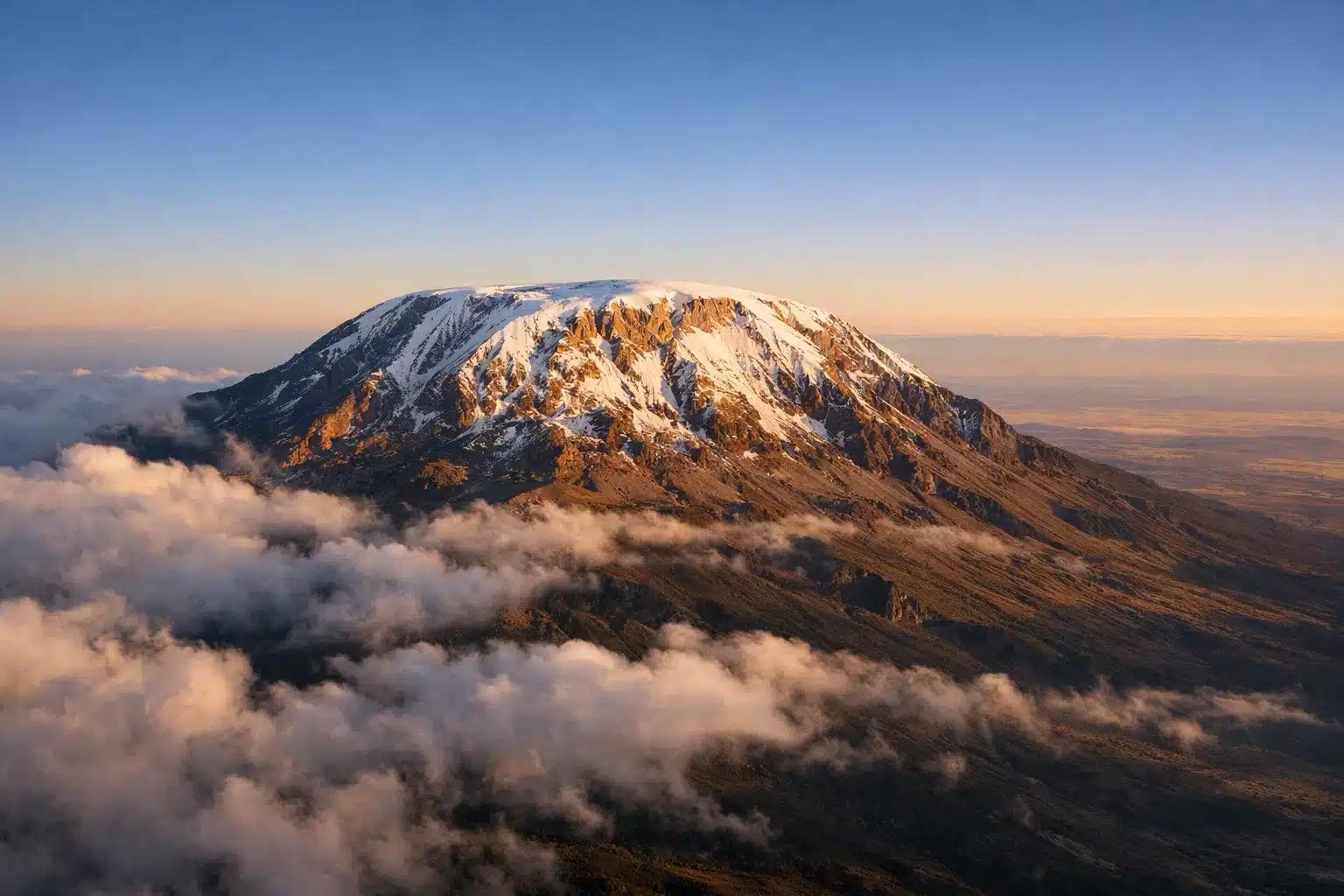
Standing at 5,895 metres (19,341 feet), Mount Kilimanjaro is Africa’s highest mountain and one of the world’s most remarkable trekking destinations. Rising above the plains of northern Tanzania, its snow-dusted summit, volcanic landscapes, giant groundsels and changing ecological zones create an adventure unlike any other in East Africa.
But when is the best time to climb Mount Kilimanjaro?
Choosing the right time to climb Mount Kilimanjaro affects your experience of the mountain, from the condition of the trails and clarity of the views to the cold at the summit, the number of other climbers and your overall comfort. While it is possible to climb during much of the year, some months generally offer more favourable conditions than others.
At Astute Africa Safaris, we encourage travellers to plan their Kilimanjaro adventure around their personal goals, available holiday dates, preferred route, fitness, budget and wider East African travel plans. For some, the priority is clear weather and a classic summit sunrise. Others prefer quieter trails, dramatic photography or a longer holiday that combines mountain trekking with Tanzania’s extraordinary wildlife.
This comprehensive guide explains the best months to climb Kilimanjaro, the advantages and disadvantages of each season, route selection, preparation, costs, safety, packing and how to turn your climb into an unforgettable Tanzania safari.
Quick answer: When is the best time to climb Kilimanjaro?

June to October
Best overall dry-season window
These months are generally popular for firmer trails, good visibility and favourable trekking conditions. July to September is especially popular, so book early if your dates are fixed.

January to early March
A strong alternative for generally warmer conditions at lower elevations, impressive summit scenery and a chance to avoid some of the main mid-year crowds. Weather can still vary.

April and May
Usually the wettest period. Expect a greater likelihood of muddy paths, rain, cloud and reduced visibility. Consider these months only if you understand the trade-offs and have suitable equipment.
These are general seasonal patterns, not guarantees. Kilimanjaro’s weather changes with altitude and exposure, and conditions can differ considerably from one day to another.
1. Understanding Kilimanjaro’s climbing seasons
Unlike destinations with four clearly defined temperate seasons, Kilimanjaro is influenced by equatorial rainfall patterns, elevation and local mountain weather. The year generally includes two drier windows and two wetter periods.

The main climbing seasons at a glance
|
Period |
Typical conditions |
What it means for climbers |
|---|---|---|
|
January–February |
Generally drier, with warm conditions lower down |
Good for trekking and summit photography |
|
Early March |
Seasonal transition, with increasing chance of rain later in the month |
Can be rewarding, but weather becomes less predictable |
|
April–May |
Long rains, especially on many southern and eastern slopes |
Wetter trails, mud, mist and more challenging camping |
|
June |
Transition into the main dry season; often cool |
A good option for travellers who can tolerate colder conditions |
|
July–September |
Generally dry, clear and busy |
Popular for first-time climbers and those prioritising visibility |
|
October |
Often favourable, with changing weather later in the month |
A useful option for travellers seeking a late dry-season climb |
|
November |
Short rains may bring showers and cloud |
Quieter in some periods, but less predictable |
|
December |
Mixed conditions, often improving later in the month |
Festive-season demand can be high; weather varies |
These month-by-month descriptions are general guides. Rainfall does not start or stop on an exact date, and a dry-season climb can still experience rain, strong winds, ice or poor visibility.
Why do the seasons matter?
The season you select influences several parts of your expedition:
-
Trail conditions: Rain can make forest paths muddy, slippery and slower to navigate.
-
Visibility: Clouds can hide the summit, glaciers and surrounding plains.
-
Temperature: Clear nights can be extremely cold, especially at high elevations.
-
Crowds: Popular holiday periods and the main dry season often attract more trekkers.
-
Camping comfort: Wet equipment and damp clothing can make rest more difficult.
-
Safari planning: Your preferred wildlife areas, accommodation availability and beach extension may influence the best dates for the overall holiday.
The right month is therefore the one that balances weather, comfort, crowd levels, budget and your broader travel plans.
2. The best time to climb Kilimanjaro by month

January: A promising start to the year
January is often a good month for travellers seeking a Kilimanjaro adventure during the northern Tanzania dry-season window. Lower slopes can be relatively warm, and periods of clear weather may offer excellent views of the mountain.
Advantages
-
Often favourable trekking conditions.
-
Good opportunities for mountain and landscape photography.
-
An appealing option for combining climbing with a northern Tanzania safari.
-
Suitable for travellers who prefer a New Year adventure.
Considerations
January can be busy around the festive period and into the new year. Conditions vary, and you should be prepared for cold summit temperatures regardless of how warm Moshi feels.
Who should consider January? Travellers with flexible dates who want to start the year with a major adventure and have time for a wildlife safari afterwards.
February: One of the strongest months to consider

February is often one of the most attractive months for a Kilimanjaro climb. It typically falls within a relatively dry period, with warm conditions at lower elevations and the possibility of clear summit views.
Advantages
-
Generally good conditions for trekking.
-
Excellent potential for landscape photography.
-
A convenient period for pairing the climb with a safari in the Serengeti or Ngorongoro area.
-
Often appealing to travellers looking for a climb before the long rains.
Considerations
February is not guaranteed to be dry. Higher elevations remain cold, and summit winds or cloud can change conditions rapidly. Reserve enough days for the climb rather than trying to fit the entire expedition into a very short holiday.
Our recommendation: Consider February if you want a balance of weather prospects, scenic variety and the opportunity to enjoy Tanzania beyond the mountain.
March: A month of changing conditions
March often begins with opportunities for a good climb, but the likelihood of rain generally increases as the long-rains period approaches.
Advantages
-
Potentially quieter trails than during the busiest holiday periods.
-
Green landscapes and atmospheric forest scenery.
-
May work for travellers whose schedules do not fit the main dry season.
Considerations
-
Weather becomes more difficult to predict.
-
Rain, mist and muddy trails may affect comfort and views.
-
A climb extending into later March can encounter increasingly wet conditions.
If you choose March, seek up-to-date local advice before confirming the route and departure date. Do not assume that conditions at the base of the mountain accurately represent those at higher elevations.
April: For experienced planners who accept wet conditions

April falls within the long-rains season and is generally one of the least favourable months for travellers prioritising dry trails and clear summit views.
What to expect
-
Greater likelihood of rain on the lower slopes.
-
Slippery and muddy paths.
-
Cloud that can obscure scenery.
-
More demanding clothing and equipment management.
There can be advantages for travellers seeking quieter trails, but fewer people on the mountain do not automatically make an expedition better. Wet conditions can increase discomfort and logistical challenges.
If your main goal is a first successful summit attempt, we would generally suggest considering a drier period instead.
May: A continuation of the long-rains season
May typically remains wet, although conditions vary from year to year and across different sides of the mountain.
Travellers should be ready for wet trekking days, damp tents where applicable, limited views and colder conditions at higher elevations. Quality waterproof layers, dry bags and careful equipment preparation become especially important.
May may suit travellers with very flexible schedules who deliberately accept the seasonal trade-offs. It is not usually our first recommendation for someone who has never trekked at altitude.
June: The beginning of the main dry-season window

June often brings improving conditions as the mountain moves into its main dry-season window. Temperatures can feel cool, especially overnight, but trails may become firmer and visibility may improve.
Why consider June?
-
A potentially good balance between weather and demand.
-
Good opportunities for scenic trekking.
-
A useful starting point for a wider Tanzania holiday.
-
Often suitable for travellers who prefer cooler walking conditions.
The early part of June can still experience remnants of the wetter season. Confirm conditions and pack for both sunshine and cold weather.
July: Excellent potential, with higher demand
July is a popular time to climb Kilimanjaro, especially for international visitors travelling during northern-hemisphere summer holidays.

Advantages
-
Generally favourable conditions for trekking.
-
Good potential for long-distance mountain views.
-
An attractive period for combining a climb with wildlife viewing in northern Tanzania.
-
A convenient holiday period for families and groups whose schedules align.
Considerations
-
Popular routes and accommodation can fill early.
-
Nights and summit conditions can be very cold.
-
Your preferred route may feel busier than during quieter periods.
Book ahead if you need particular dates, accommodation standards or a private expedition.
August: A classic Kilimanjaro climbing month
August is among the most sought-after months for climbing Kilimanjaro. Dry-season conditions often make it appealing to trekkers who prioritise trail comfort and visibility.
Why travellers choose August
-
Good prospects for clear views.
-
Generally firmer trails.
-
An excellent opportunity to photograph the mountain’s dramatic upper slopes.
-
Convenient for a longer Tanzania safari during the dry season.
What to plan for
Expect significant demand on popular routes. Allow adequate acclimatisation time and make sure your itinerary includes appropriate cold-weather equipment, experienced guides and a sensible descent plan.
September: A strong choice for trekking and safari combinations

September often continues the dry-season pattern and can be an excellent choice for travellers wanting a mountain expedition followed by wildlife viewing.
It can suit:
-
Couples and honeymooners.
-
Photographers and outdoor enthusiasts.
-
Travellers planning the Serengeti, Ngorongoro and Tarangire.
-
Visitors who want to include several experiences in one holiday.
September is popular, so avoid leaving route reservations and accommodation until the last minute. If your safari priority is a particular stage of the Great Wildebeest Migration, plan the safari around current wildlife movements rather than relying on a fixed calendar alone.
October: A useful late dry-season option
October can provide very good climbing conditions, although showers may become more likely toward the end of the month as the short-rains period approaches.
It is worth considering if you want to avoid the peak of summer travel demand while still targeting a generally favourable season.
The most appropriate departure date depends on the route, weather forecasts, availability and the amount of flexibility you have.
November: A quieter but less predictable month

November often experiences the short rains. These are typically less prolonged than the long rains, but showers, mist and slippery paths can still affect the climb.
Potential benefits
-
Some departures may be quieter than during the peak dry season.
-
Lush vegetation creates attractive landscapes.
-
It may work well for travellers with flexible dates and realistic weather expectations.
Potential disadvantages
-
Less predictable visibility.
-
Greater chance of rain.
-
Wet clothing and camping equipment may affect comfort.
The Rongai Route approaches the mountain from the north and is often considered by travellers seeking a relatively drier approach, although it is not immune to rain or poor weather.
December: A festive-season adventure
December can be appealing to travellers planning a year-end holiday. Conditions vary, and the latter part of the month may offer attractive climbing opportunities.
The main issue is often a combination of variable weather and increased demand around Christmas and New Year.
If you intend to climb in December, decide whether the mountain is the main purpose of your holiday or part of a wider Tanzania itinerary. This helps determine how many days to reserve for trekking and whether to place the safari before or after the climb.
3. Which month is best for your travel style?
|
Your priority |
Months to consider |
Important trade-off |
|---|---|---|
|
Generally favourable weather |
July–September |
High demand |
|
A dry-season alternative |
January–February |
Conditions are never guaranteed |
|
Potentially quieter trekking |
Some dates in January–March or November |
More variable weather in transition periods |
|
Mountain photography |
January–February or June–September |
Visibility depends on daily conditions |
|
A climb and northern Tanzania safari |
January–February or June–October |
Safari destinations have their own seasonal patterns |
|
Christmas or New Year holiday |
Late December–January |
Peak-period availability and pricing |
|
Avoiding heavy rain |
Generally June–October or January–February |
These periods are not entirely rain-free |
These are starting points, not guarantees of summit success. Your fitness, acclimatisation, health, route, guide decisions and weather on the mountain all matter.
4. What is the weather like on Mount Kilimanjaro?

One of the most fascinating aspects of climbing Kilimanjaro is the change in climate and landscape as you ascend. Within a few days, you may walk through tropical forest, open moorland, rocky alpine desert and an extremely cold summit environment.
The temperature depends much more on altitude, exposure and time of day than on the weather in the nearest town.
The five broad ecological zones

1. Cultivated foothills and lower slopes
Lower elevations
Farmland, villages and cultivated landscapes give way to the mountain’s natural vegetation. Conditions may feel warm, particularly when walking uphill in the daytime.

2. Montane rainforest
Forested slopes
Expect rich vegetation, mosses, birds and filtered light. Rain, humidity, mud and slippery roots can be part of the experience.

3. Heath and moorland
Open highland terrain
The forest opens into grasses, shrubs and striking giant plants. Expect cooler temperatures, changing winds and expansive views.

4. Alpine desert
High elevations
Sparse vegetation, exposed rock, strong sunshine and rapid temperature changes define this environment. Shade is limited, and hydration becomes especially important.

5. Arctic summit zone
Near 5,895 metres
The summit environment is cold, exposed and low in oxygen. Freezing conditions, wind and snow or ice are possible, making warm layers and careful pacing essential.
Because conditions change dramatically with elevation, do not rely on a town-level weather forecast alone. Check mountain-specific forecasts and follow your guide’s advice.
How cold is the summit?
Temperatures around Uhuru Peak can fall well below freezing, particularly during the night-time summit ascent. Wind can make the conditions feel considerably colder.
A warm morning in Moshi does not mean the summit will be comfortable in light clothing. You need an insulated jacket, suitable base layers, gloves, a warm hat, thermal legwear and footwear appropriate for the conditions.
Is there snow on Kilimanjaro all year?
Kilimanjaro’s upper slopes have glaciers and ice, but the extent and appearance of this ice have changed over time. Snowfall and visible snow cover vary with weather conditions. Do not plan a climb on the assumption that the summit will always look exactly like a photograph.
5. Which Kilimanjaro route should you choose?
The best time to climb Mount Kilimanjaro also depends on the route you select. Routes differ in scenery, duration, traffic, accommodation, elevation profile and acclimatisation opportunities.
Kilimanjaro is a trekking mountain rather than a technical mountaineering climb on its standard routes, but reaching 5,895 metres is physically demanding. The ability to walk uphill is only one part of the challenge; adjusting to the altitude is crucial.
Main Kilimanjaro routes compared
|
Route |
Typical itinerary length |
Best suited to |
|---|---|---|
|
Lemosho Route |
7–8 days |
Travellers seeking varied scenery and a gradual itinerary |
|
Machame Route |
6–7 days |
Fit trekkers wanting dramatic scenery and a popular camping route |
|
Northern Circuit |
8–9 days |
Travellers with more time who want a longer approach and additional acclimatisation opportunities |
|
Rongai Route |
6–7 days |
Climbers seeking a northern approach that is often drier during some weather patterns |
|
Marangu Route |
5–6 days, with longer options |
Those who prefer mountain huts instead of camping |
|
Shira Route |
Commonly 7–8 days |
Experienced planners seeking a western approach, subject to altitude considerations |
|
Umbwe Route |
Commonly 6–7 days |
Strong trekkers comfortable with a steeper, more demanding ascent |
Durations are indicative; itineraries vary by operator. Longer itineraries often provide better acclimatisation opportunities, but no route guarantees a summit. Confirm the precise itinerary and route access with your operator.
Mt. Kilimanjaro National Park
+2
Lemosho Route: Our recommended option for many first-time climbers

Lemosho is an excellent route to consider if you have enough time for a seven- or eight-day ascent. It approaches Kilimanjaro from the west, with beautiful forest scenery, open highlands and expansive mountain views.
Its longer itineraries provide opportunities to gain altitude progressively and include acclimatisation days.
Why choose Lemosho?
-
Excellent landscape variety.
-
Longer itineraries can support better acclimatisation.
-
A rewarding trekking experience for fit first-time climbers.
-
A good fit for travellers who want to make the climb a major part of their holiday.
The route is not easy, and summit night remains challenging. We would generally favour an appropriately paced seven- or eight-day plan over trying to save one day at the expense of acclimatisation.
Machame Route: A scenic and challenging classic

Machame is one of Kilimanjaro’s best-known routes. Its changing scenery, camping experience and opportunities to ascend and descend different sections of the mountain make it attractive to adventurous travellers.
Many itineraries use the principle of “climb high, sleep low” to support acclimatisation. This means reaching a higher elevation during the day before sleeping at a lower elevation where the route allows.
Machame is suitable for trekkers who are comfortable with long walking days and have prepared physically. The shorter itinerary should not automatically be considered the better-value option if a longer version offers a more suitable acclimatisation profile.
Northern Circuit: For travellers with more time

The Northern Circuit follows a longer route around the mountain and offers extensive views and a quieter trekking experience on many sections.
Its principal advantage is time: a longer itinerary can provide additional opportunities for acclimatisation and recovery between strenuous days.
Consider it if you have a generous holiday allowance, want a less hurried experience and are comfortable with the additional cost associated with a longer climb.
Rongai Route: An alternative during wetter periods

Rongai approaches Kilimanjaro from the north, near the Kenyan border. This side of the mountain is often drier than some southern approaches, making Rongai worth considering when seasonal rain is a concern.
However, no route is immune to bad weather. Route selection should also consider your fitness, available days, guide support, camping arrangements and acclimatisation needs.
Marangu Route: Mountain huts rather than camping

Marangu is distinctive because it uses mountain huts rather than tents for overnight accommodation. This appeals to climbers who prefer a more structured sleeping arrangement.
It is sometimes promoted as the easier route because of its accommodation, but hut accommodation does not eliminate the physical demands or risks of altitude. The shorter versions can provide limited time for acclimatisation, so discuss a longer itinerary with your operator.
Our route recommendation: For many travellers planning their first Kilimanjaro climb, a seven- or eight-day Lemosho itinerary or an appropriately paced Machame itinerary is a sensible starting point. Travellers with more time should also compare the Northern Circuit.
6. How many days do you need to climb Kilimanjaro?
Most climbers should plan for a multi-day trek, not a quick ascent. Although some routes are advertised with five- or six-day itineraries, a longer climb generally allows more time to adjust to altitude.
A practical holiday plan should include:
-
Arrival in Tanzania and a hotel night before climbing.
-
A pre-climb briefing and equipment check.
-
The full mountain itinerary.
-
Time to descend and recover.
-
At least one additional night before a demanding onward journey where practical.
-
The Tanzania safari or beach extension, if included.
Example: A 10-day Kilimanjaro-focused holiday

Day 1 — Arrive in Tanzania
Transfer to Moshi or another suitable gateway hotel, rest after your flight and attend a briefing as arranged.

Days 2–8 — Kilimanjaro climb
Follow a seven-day trekking itinerary, including the summit attempt and descent according to your selected route.

Day 9 — Recovery day
Enjoy a relaxed day at your hotel or lodge. Avoid scheduling strenuous activities immediately after the climb.

Day 10 — Safari or onward departure
Begin a safari extension if the schedule permits, or transfer for your onward flight. A meaningful multi-day safari will usually require additional days.
This is a planning illustration, not a fixed package. For a comfortable climb followed by a rewarding wildlife safari, a 12- to 15-day holiday can be more practical.
7. How difficult is climbing Mount Kilimanjaro?
Kilimanjaro does not usually require technical climbing skills on the standard trekking routes, but it should never be underestimated.
The main challenges are:
-
Walking for several hours on consecutive days.
-
Ascending steep, uneven and sometimes rocky paths.
-
Carrying a daypack.
-
Sleeping at increasing elevations.
-
Coping with cold, wind and changing weather.
-
Managing reduced oxygen at high altitude.
-
Completing a long summit-night ascent after several days of trekking.
Summit day is often the most demanding section. Climbers may begin walking around midnight, depending on the route and guide’s plan, to reach Uhuru Peak near sunrise. The exact schedule varies.
What fitness level do you need?
You do not need to be an elite athlete, but you should be able to sustain regular uphill walking and recover between long days.
A preparation programme can include:
-
Brisk walking and hiking several times a week.
-
Longer weekend hikes that gradually increase in duration.
-
Stair climbing or hill training.
-
Leg and core strength exercises.
-
Walking with the daypack you expect to carry.
-
Practising with your trekking boots before departure.
Increase your training progressively and allow time for rest. If you have underlying medical concerns, seek advice from a qualified healthcare professional before undertaking a high-altitude expedition.
Important: Good fitness does not prevent altitude sickness. A very fit person can still develop serious symptoms, and a slower pace with adequate acclimatisation is essential.
8. Altitude sickness on Kilimanjaro: What should every climber know?

Acute mountain sickness (AMS) can occur when your body does not adapt adequately to reduced oxygen availability at altitude. Kilimanjaro’s summit elevation makes altitude a central safety consideration, not a minor inconvenience.
Common symptoms
Symptoms can include:
-
Headache.
-
Nausea or loss of appetite.
-
Dizziness.
-
Unusual tiredness.
-
Difficulty sleeping.
More serious altitude illness can involve breathlessness at rest, worsening cough, confusion, poor coordination or a marked deterioration in the climber’s condition.
How can you reduce the risk?
-
Choose a route with an appropriate acclimatisation profile.
-
Allow enough days for the ascent.
-
Walk slowly and avoid racing ahead of your group.
-
Drink fluids regularly without forcing excessive intake.
-
Eat consistently, even if your appetite changes.
-
Tell your guide promptly if you feel unwell.
-
Follow the guide’s and medical team’s safety decisions.
There is no guaranteed method to prevent altitude sickness.
Never continue ascending when significant altitude-illness symptoms are worsening. Serious symptoms require immediate assessment and descent, with emergency assistance when needed. Confusion, loss of coordination or breathlessness at rest are urgent warning signs.
Ask your healthcare professional whether any preventive medication is appropriate for you. Do not self-prescribe altitude medication or assume that medication makes an unsafe ascent safe.
9. What should you pack for a Kilimanjaro climb?

Packing correctly is especially important because the mountain can be warm in the forest and bitterly cold near the summit.
Clothing
-
Moisture-wicking base layers.
-
Hiking trousers and comfortable trekking clothing.
-
Warm fleece or insulating mid-layers.
-
A windproof and waterproof outer shell.
-
An insulated jacket suitable for sub-zero conditions.
-
Thermal leggings or trousers for summit night.
-
Warm gloves and spare glove liners.
-
A warm hat and sun hat.
-
Several pairs of hiking socks.
-
Waterproof trekking boots that have been broken in.
-
Comfortable camp or lodge footwear.
Essential equipment
-
A comfortable daypack.
-
A suitable sleeping bag and insulated sleeping mat if required by your package.
-
Trekking poles.
-
Headlamp with spare batteries.
-
Sunglasses with good UV protection.
-
Sunscreen and lip balm.
-
Water bottles or a hydration system that can be used in cold conditions.
-
Personal toiletries and a small first-aid kit.
-
Dry bags or waterproof liners.
-
Personal medication and necessary prescriptions.
-
A camera or phone, with spare power options.
What about meals and drinking water?
Ask the operator to explain how meals and drinking water are provided on the mountain. Many guided expeditions include a cook and mountain support crew, but the exact arrangements vary.
Confirm whether the package provides water treatment, sufficient drinking water, dietary accommodations, sleeping equipment and porter support. Do not assume every item is included in the advertised price.
10. How much does it cost to climb Mount Kilimanjaro?
The price of a Kilimanjaro climb depends on the route, duration, group size, accommodation, service level, park charges, guide and porter arrangements, meals and transfers.
There is no single price that accurately represents every expedition.
What determines the cost?
|
Cost component |
What to confirm before booking |
|---|---|
|
Park and camping or hut charges |
Which mandatory fees are included |
|
Guides and mountain crew |
Staffing, support and fair working arrangements |
|
Accommodation |
Pre-climb and post-climb hotel nights |
|
Food and drinking water |
Meals, dietary needs and water treatment |
|
Transfers |
Airport, hotel and trailhead transfers |
|
Equipment |
Sleeping bags, poles and other rental items |
|
Emergency arrangements |
Communication, evacuation procedures and insurance |
|
Tips |
Whether tips are excluded and how customary tipping is handled |
|
Safari extension |
Additional park fees, vehicle, guide, accommodation and flights |
Is a cheaper Kilimanjaro package always better?
Not necessarily. A very low price may reflect a shorter itinerary, fewer inclusions or different standards of support. Compare the complete itinerary rather than the headline figure alone.
Ask for an itemised quotation showing the route, number of trekking days, accommodation, meals, mandatory fees, transfers, crew arrangements, equipment and exclusions.
For an overview of wildlife holiday budgets, see Astute’s Africa Safari Cost Guide. While a mountain expedition has different cost components, this guide can also help you think about budgeting for the wider holiday.
11. Can you climb Kilimanjaro and go on a Tanzania safari?
Absolutely. Combining Kilimanjaro with a wildlife safari is one of the most rewarding ways to experience northern Tanzania.

After several days on the mountain, the transition from alpine landscapes to open savannah is extraordinary. Instead of waking before dawn to trek toward a summit, you can head out in a safari vehicle to search for elephants, lions, giraffes, zebras, buffalo and other wildlife.
The best sequence depends on your physical condition, arrival and departure flights, season and preferred safari parks. Many travellers climb first and enjoy a more relaxed safari afterwards. Others may prefer a safari before the climb, especially if they want to start their holiday with less physically demanding activities.
Allow sufficient recovery time and avoid arranging a rushed transfer immediately after the descent.
Which Tanzania safari destinations should you combine with Kilimanjaro?

Serengeti National Park
Famous for its expansive grasslands, predator sightings and the Great Wildebeest Migration. The best region to visit depends on the season and current wildlife movements.
Ideal for: Big cats, migration-focused safaris and photographic journeys.

Ngorongoro Crater
A spectacular volcanic caldera with varied habitats and a high concentration of wildlife. It is an excellent destination for a focused game-viewing experience.
Ideal for: First-time safari travellers and diverse wildlife viewing.

Tarangire National Park
Known for baobab trees, elephants and seasonal wildlife concentrations around water sources.
Ideal for: Elephant encounters, beautiful landscapes and a shorter northern safari.

Lake Manyara National Park
A varied landscape of forest, lake and escarpment scenery, with opportunities to see different bird and mammal species.
Ideal for: Birdlife, varied scenery and adding diversity to a northern circuit.
Explore Astute Africa Safaris’ Best Tanzania Safari and Tour Itineraries for further planning inspiration.
Sample itinerary 1: Kilimanjaro and northern Tanzania safari — 12 days

Days 1–7: Kilimanjaro climb
Arrive in Tanzania, complete the pre-climb briefing and trek on a seven-day Lemosho itinerary.

Day 8: Recovery and transfer
Enjoy a relaxed day after the climb, subject to your health and the timing of the descent.

Day 9: Tarangire
Enjoy a game drive among baobab trees, elephants and savannah wildlife.

Day 10: Ngorongoro
Explore the crater and surrounding highlands on a guided safari.

Day 11: Serengeti
Travel into the Serengeti for wildlife viewing. Consider an overnight stay in the park if routing and budget permit.

Day 12: Departure
Return by road or scheduled domestic flight as appropriate for your itinerary and international departure.
This is an ambitious itinerary with little spare time. For a more relaxed holiday, add one or two days, especially if you want meaningful time in the Serengeti or a proper recovery day before travelling.
Sample itinerary 2: Kilimanjaro, safari and Zanzibar — 14–16 days

If you want a holiday that combines adventure, wildlife and relaxation, consider a mountain–safari–beach itinerary.
-
Days 1–7: Climb Kilimanjaro on a suitable seven-day route.
-
Day 8: Recover in Moshi or Arusha.
-
Days 9–11: Explore selected northern Tanzania safari destinations.
-
Days 12–14: Fly to Zanzibar for beaches, relaxation and optional cultural activities.
-
Days 15–16: Additional beach time or departure, depending on flights.
This option works particularly well for couples, honeymooners and travellers who want to balance a demanding physical achievement with a comfortable holiday. The itinerary should be adjusted to the chosen route and actual flight schedules.
Explore Astute’s Tanzania safari and tour itineraries and East Africa safari holidays for further ideas.
12. When is the best time to combine Kilimanjaro with the Great Wildebeest Migration?

If witnessing the Great Wildebeest Migration is one of your main goals, you should plan your mountain climb and safari as two connected but distinct experiences. The migration moves across the Serengeti–Mara ecosystem throughout the year, and the best location for viewing it changes with rainfall, grazing conditions and herd movements.
|
Approximate period |
Safari focus |
Planning considerations |
|---|---|---|
|
January–March |
Southern Serengeti and Ndutu, often associated with wildebeest calving |
Can pair well with a Kilimanjaro climb during the early-year climbing window |
|
April–May |
Herd movements through parts of the central and western ecosystem |
Wetter conditions may affect both mountain trekking and safari logistics |
|
June–July |
Western and northern Serengeti movements, depending on conditions |
A potential match for the beginning of the main dry climbing season |
|
August–October |
Northern Serengeti and possible Mara River crossings |
Popular travel period; crossings are unpredictable and never guaranteed |
|
November–December |
Herds often move back toward the southern plains |
Weather and migration locations vary from year to year |
These are broad seasonal patterns, not a wildlife timetable. River crossings cannot be guaranteed, and the best location should be confirmed closer to travel using current information.
For a migration-focused trip, consider spending enough nights in the relevant Serengeti region instead of trying to cover too many parks immediately after the climb.
13. How to get to Mount Kilimanjaro
Most international visitors arrange their climb through northern Tanzania.
The principal access points are:
-
Kilimanjaro International Airport (JRO): A convenient gateway for many international arrivals and departures.
-
Arusha Airport: Useful for some domestic flights and safari connections.
-
Moshi: A common base for mountain briefings, equipment checks and transfers to climbing gates.
-
Arusha: A major tourism hub for northern Tanzania safaris and onward travel.
Your operator should confirm the correct airport, transfer arrangements and hotel location for your chosen route.
If you are arriving from Kenya, cross-border road transfers or flights may be possible depending on your starting point and itinerary. Check visa and entry requirements for your nationality before booking.
Allow a buffer for flight delays and avoid planning a summit expedition that depends on an international flight arriving just before the climb begins.
14. Do you need a guide to climb Kilimanjaro?
Kilimanjaro National Park operates under park regulations, and standard climbs are organised with authorised guides and appropriate support arrangements. Travellers should confirm that their operator meets current park requirements and has clear safety procedures.
Before making a booking, ask:
-
Who is responsible for the expedition?
-
What training and experience do the lead guides have?
-
How many climbers are assigned to each guide?
-
How is the group’s health and acclimatisation monitored?
-
What happens if someone cannot continue?
-
What emergency communication and evacuation arrangements are available?
-
What equipment and meals are included?
-
How are guides and porters supported and treated?
A responsible operator should answer these questions clearly rather than relying solely on photographs, low prices or promises of guaranteed summit success.
15. Is travel insurance necessary for Kilimanjaro?
Travel insurance is strongly recommended, and your policy should explicitly cover high-altitude trekking to your intended elevation.
Ordinary travel insurance may exclude mountaineering, trekking above a specified altitude or emergency evacuation. Read the policy carefully before purchasing it.
Check that it covers, where applicable:
-
Trekking up to 5,895 metres.
-
Emergency medical treatment.
-
Helicopter or other evacuation where medically available and appropriate.
-
Repatriation.
-
Trip cancellation and interruption.
-
Delays or missed connections.
-
Medical expenses related to altitude illness, subject to policy terms.
Confirm the policy’s exclusions, coverage limits and emergency contact procedures. Do not assume that park rescue services replace comprehensive travel insurance.
16. Responsible trekking: Protecting Kilimanjaro

Climbing Kilimanjaro is also an opportunity to support responsible tourism in Tanzania.
Mountain expeditions depend on guides, cooks, porters and other local professionals whose work makes these journeys possible. Choosing a responsible operator helps support the people and communities behind the experience.
As you plan your climb:
-
Choose an operator that follows park regulations and responsible crew practices.
-
Ask how porters are equipped, fed, accommodated and paid.
-
Carry reusable water bottles where practical.
-
Follow instructions about waste disposal.
-
Stay on designated trails.
-
Avoid disturbing wildlife or removing natural materials.
-
Respect local communities and their customs.
-
Follow your guide’s advice about environmental protection and safety.
The goal is not simply to reach the summit, but to do so in a way that respects the mountain and the people who make the journey possible.
17. Frequently asked questions about the best time to climb Mount Kilimanjaro
Kilimanjaro planning FAQs
1. What is the absolute best month to climb Mount Kilimanjaro?
February and September are both strong options to consider. February falls within the early-year drier window, while September is generally within the main dry season. The best month for you depends on weather preferences, availability, crowds and your safari plans.
2. Can I climb Kilimanjaro all year round?
Climbs are organised during much of the year, but conditions vary considerably. The long rains, usually during April and May, tend to make trekking less comfortable. Confirm current park access, route conditions and weather before booking.
3. Is January a good time to climb Kilimanjaro?
Yes. January often provides favourable conditions, although weather is not guaranteed. It is also a useful month for combining the climb with a northern Tanzania safari.
4. Is February better than July for Kilimanjaro?
Neither month is universally better. February can offer warmer conditions at lower elevations, while July often has the advantage of the main dry-season weather pattern. July can also be busier. Your ideal choice depends on your priorities.
5. Can you climb Kilimanjaro in April or May?
It may be possible, subject to route access and local conditions, but these months are generally wetter. Expect a greater chance of muddy trails, rain and reduced visibility. Travellers prioritising comfortable trekking conditions should normally consider a drier period.
6. What is the coldest month on Kilimanjaro?
There is no single month that is reliably the coldest at every elevation. Summit conditions depend on altitude, wind, cloud cover and the weather on the day. Prepare for freezing temperatures in every season.
7. Is there a best time to see snow on Kilimanjaro?
Snow and ice conditions vary. The upper mountain can be extremely cold, but visible snow cover is not guaranteed on a particular date. Plan for the trekking conditions, not just the appearance of the summit.
8. Which Kilimanjaro route has the highest summit success rate?
Success depends on the itinerary, acclimatisation, individual health, guide decisions and other factors. Longer routes such as the Northern Circuit and longer Lemosho itineraries provide more time for altitude adjustment, which can be beneficial. Ask operators for route-specific figures and how those figures are measured.
9. How many days should I allow for Kilimanjaro?
A six- to nine-day climbing itinerary is common, depending on the route. Also allow for arrival, the pre-climb briefing, descent, recovery and onward travel. A longer itinerary may be preferable if it provides a more suitable acclimatisation profile.
10. Do I need previous mountain-climbing experience?
Technical climbing experience is not normally required on standard trekking routes, but physical preparation, suitable equipment and an understanding of altitude risks are essential. Regular hiking experience is useful.
11. Can beginners climb Kilimanjaro?
Yes, many first-time high-altitude trekkers attempt Kilimanjaro. Beginners should choose a suitable route, train consistently, allow sufficient acclimatisation time and understand that reaching the summit is never guaranteed.
12. Can children climb Kilimanjaro?
Tanzania National Parks’ minimum age rules and any applicable exceptions must be checked before planning a family expedition. Altitude, physical demands, maturity and medical suitability also need careful consideration. Confirm the current requirements directly with your operator.
13. How much should I budget for a Kilimanjaro climb?
Costs depend on the route, number of days, park charges, group size, crew, accommodation, meals, transfers and equipment. Obtain a detailed quotation rather than comparing headline prices alone.
14. Can I climb Kilimanjaro and visit the Serengeti on the same trip?
Absolutely. A climb followed by a Serengeti and Ngorongoro safari is a classic northern Tanzania combination. Allow enough time for recovery and the journeys between destinations.
15. Can I finish my Kilimanjaro climb with a Zanzibar beach holiday?
Yes. You can fly to Zanzibar after the climb and safari, subject to available flight schedules. Zanzibar offers beaches, cultural experiences, Stone Town and optional marine activities.
16. Should I go on safari before or after climbing Kilimanjaro?
Either order can work. Climbing first and taking a safari afterwards is appealing to travellers who want to reward their effort with a less physically demanding experience. A safari first may suit travellers who want to begin with wildlife viewing. Your flights, health, route and recovery needs should guide the decision.
17. How far in advance should I book?
Book as early as practical if you have fixed dates, want a particular route, plan to travel during the busy dry season or need specific accommodation. Early planning also makes it easier to coordinate the mountain, safari and international flights.
18. Plan your Mount Kilimanjaro adventure with Astute Africa Safaris

The best Kilimanjaro adventure is not simply about choosing a month. It is about bringing together the right season, a suitable route, adequate acclimatisation, responsible mountain support and an itinerary that matches your travel goals.
Whether you are planning your first high-altitude trek, a special anniversary, a honeymoon or a longer East African holiday, consider the complete experience before choosing your dates.
Astute Africa Safaris can help you explore options for combining a Kilimanjaro adventure with Tanzania’s celebrated wildlife destinations and, if time allows, a relaxing Zanzibar beach extension. The final itinerary should be tailored to your travel dates, budget, accommodation preferences, physical preparation and desired pace.
Explore these related Astute Africa Safaris guides:
-
Best Tanzania Safari and Tour Itineraries — explore Tanzania’s northern circuit and safari extensions.
-
Africa Safari Cost Guide — understand the costs involved in planning a wider wildlife holiday.
-
East Africa Safari Holidays — discover ways to combine different East African destinations.
-
Kenya and Tanzania Safari Packages — explore a multi-country wildlife holiday.
-
About Astute Africa Safaris — learn more about the company and its travel-planning approach.

Ready to plan your Kilimanjaro climb and Tanzania safari?
Tell us when you want to travel, how many days you have, your preferred accommodation level and whether you would like to include the Serengeti, Ngorongoro, Tarangire or Zanzibar.
We can help you explore a personalised itinerary that balances the mountain challenge with memorable wildlife and relaxation experiences.
Plan your African adventure
Ask for a tailored quotation, detailed inclusions and current availability before confirming your trip.
Leave a comment:
You must be logged in to post a comment.
Comment 01
Astute Africa Safaris,
05 May, 2026REF: Crafting Your Bespoke African Safari Experience with Astute Africa Safaris
Jambo,
Thank you for your interest in exploring the wonders of Africa with Astute Africa Safaris. We pride ourselves on creating immersive, tailor-made journeys that align perfectly with your personal interests, pace, and travel aspirations.
Because every safari is a unique narrative, we do not believe in “one-size-fits-all” pricing. To ensure we provide you with an accurate and competitive quotation that reflects the specific lodges, wildlife experiences, and logistical arrangements you desire, we invite you to connect with our team for a personalized consultation.
Please contact us at info@astuteafricasafaris.com, Whatsapp +254762663272 or fill the inquiry form with a few details regarding your preferred travel dates, group size, and specific interests (e.g., photography, luxury relaxation, or adventure trekking). Once we have these details, we will curate a comprehensive proposal designed specifically for you.
We look forward to the possibility of helping you plan an unforgettable journey.
Warm regards,
Team Astute Africa Safaris