

- 1.4k Views
- 25 Min Read
- (1) Comment
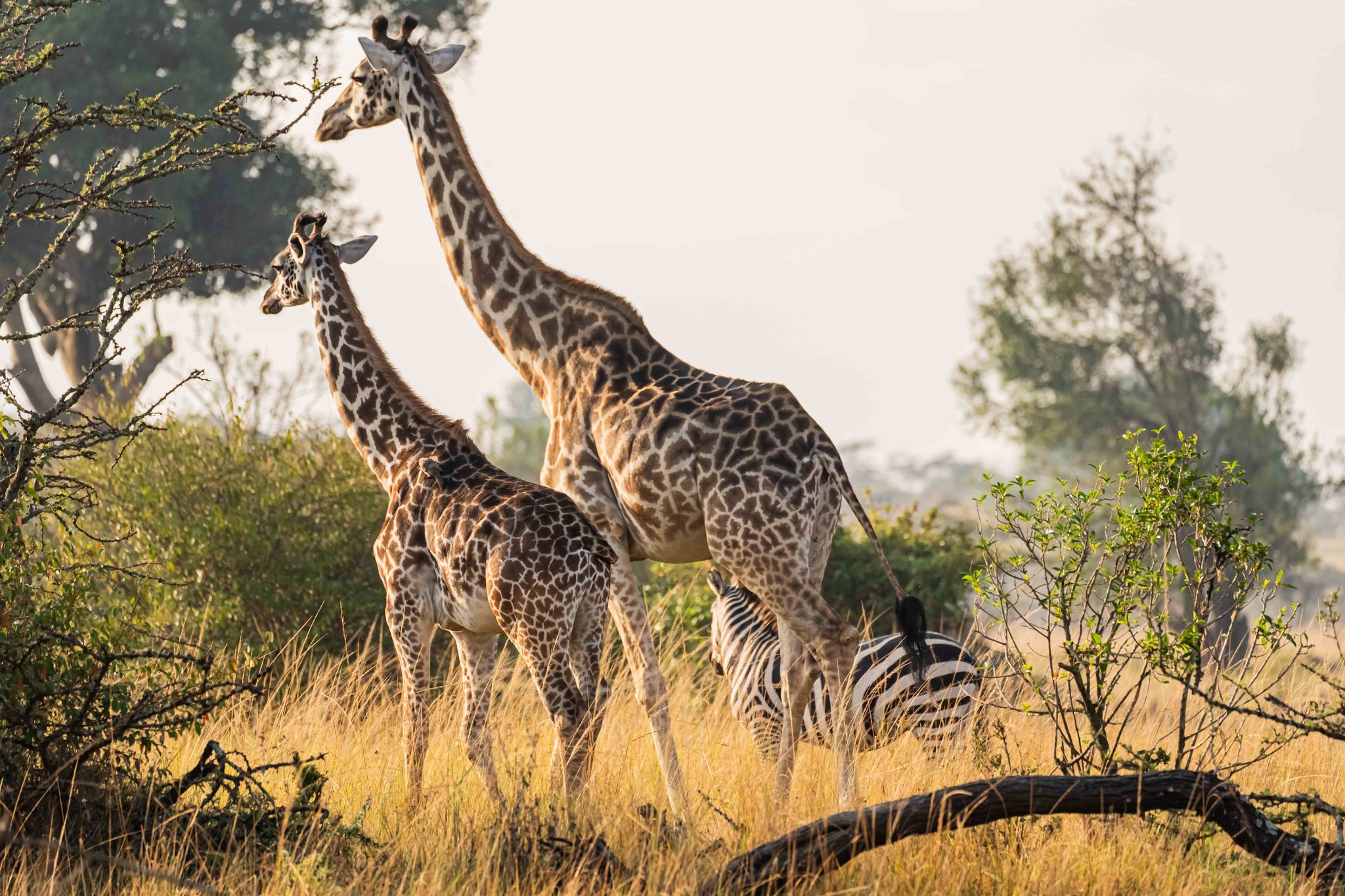
Planning an African safari is an opportunity to discover some of the world’s most extraordinary wildlife, landscapes and cultures. From Kenya’s golden savannahs and Tanzania’s vast wilderness to Uganda’s tropical rainforests and Rwanda’s mist-covered mountains, East Africa offers remarkable experiences for first-time visitors, families, couples, photographers and experienced wildlife enthusiasts.
But which country should you visit? Where can you see lions, elephants, leopards and rhinos? Which destinations offer mountain gorilla trekking? And how can you plan an enjoyable safari while making sensible decisions about personal safety, transport, accommodation and health?
East Africa safari vacations offer the flexibility to combine several of these experiences in one carefully planned journey. You could follow wildlife across the Maasai Mara and Serengeti, explore the Ngorongoro Crater, trek to see mountain gorillas in Uganda or Rwanda, and finish your holiday relaxing on Zanzibar’s Indian Ocean beaches.
The right itinerary depends on your interests, travel dates, budget, preferred accommodation and the amount of time you have available.
At Astute Africa Safaris, travellers can explore tailor-made safari ideas across Kenya, Tanzania, Uganda, Rwanda and Zanzibar, with itineraries designed around individual travel interests.

Quick guide: Where should you go for an East Africa safari?
East Africa is not one uniform safari destination. Each country has its own wildlife habitats, conservation areas, travel logistics and signature experiences.
|
Destination |
Best known for |
Ideal for |
|---|---|---|
|
Kenya |
Maasai Mara, Amboseli, diverse landscapes and wildlife |
First-time safaris, families, couples and photographers |
|
Tanzania |
Serengeti, Ngorongoro Crater and Tarangire |
Wildlife enthusiasts, migration trips and longer safaris |
|
Uganda |
Mountain gorillas, chimpanzees, savannah wildlife and the Nile |
Nature lovers, primate enthusiasts and adventurous travellers |
|
Rwanda |
Mountain gorillas, Volcanoes National Park and Akagera |
Gorilla trekking, conservation experiences and shorter specialist trips |
|
Zanzibar |
White-sand beaches, marine activities and Swahili culture |
Honeymoons, families and safari-and-beach holidays |
Safety should be assessed using current travel advice, the precise places being visited, transport arrangements and planned activities—not a blanket ranking of countries. Conditions can change, and even well-established tourist destinations require sensible precautions.
1. Kenya: Classic African safari experiences
Kenya is one of Africa’s best-known safari destinations, combining extensive wildlife areas, experienced safari operators, diverse accommodation and opportunities to combine a wildlife adventure with a beach holiday.
The country is particularly appealing to visitors seeking classic game drives, big-cat sightings, large elephant herds, birdwatching, cultural experiences and varied landscapes within one itinerary.
Best safari destinations in Kenya

Maasai Mara National Reserve
Famous for its lions, cheetahs, leopards and seasonal movements of wildebeest and zebras. The wider Mara ecosystem includes conservancies that may offer more exclusive wildlife experiences, depending on where you stay.
Best for: Big cats, migration-season safaris, photography and classic game drives.

Amboseli National Park
Known for large elephant herds, open plains and spectacular views of Mount Kilimanjaro when the weather permits. Its wetlands also attract many bird species.
Best for: Elephant photography, scenery, families and combining wildlife with cultural experiences.

Lake Nakuru National Park
A compact, rewarding park known for rhinos, Rothschild’s giraffes, varied birdlife and lake scenery. Flamingo numbers fluctuate with water conditions and food availability.
Best for: Rhino viewing, birdwatching and adding diversity to a Kenya circuit.

Tsavo East and Tsavo West National Parks
Vast wilderness areas with elephants, diverse landscapes, volcanic features and opportunities to enjoy a safari away from some of the busier circuits.
Best for: Extended road trips, wilderness scenery and combining a safari with Kenya’s coast.

Samburu National Reserve and Laikipia
Northern Kenya offers dry-country wildlife, striking landscapes and opportunities to encounter species such as Grevy’s zebra, reticulated giraffe and gerenuk. Wildlife sightings vary by location and season.
Best for: Repeat safari travellers, conservation-focused stays and distinctive northern landscapes.
Is Kenya safe for safari vacations?
Kenya has an established tourism sector, but safety conditions vary between locations. Visitors should review current government travel advisories, use reputable operators, arrange reliable transfers and obtain local advice before travelling.
Practical precautions include:
-
Use trusted airport transfers and transport providers.
-
Avoid walking alone at night in unfamiliar urban areas.
-
Keep valuables discreet in crowded public places.
-
Travel with an experienced guide in parks and conservancies.
-
Remain inside the safari vehicle unless the guide confirms that leaving it is permitted.
-
Check road conditions, driving distances and the safety arrangements at your lodge or camp.
Road travel deserves particular attention. Long journeys, rough tracks, fatigue and driving after dark can create risks even when the wildlife destination itself is well managed. Where appropriate, consider scheduled or charter flights between distant parks.
Reference: Kenya’s tourism safety guidance and current UK travel advice for Kenya.
Best time to visit Kenya
June to October is a popular period for wildlife viewing in many Kenyan parks because drier conditions can make animals easier to locate. January and February can also offer rewarding game drives in many areas.
The Maasai Mara’s wildebeest migration is seasonal, with timing and movements influenced by rainfall. The migration is not guaranteed to be at a particular river crossing on a particular day.
Kenya can also be rewarding during greener months, when landscapes are lush, birdlife is active and some lodges offer seasonal rates. Choose your dates according to the experiences you value most rather than assuming that one month is ideal for every park.
2. Tanzania: Vast wilderness and the Great Migration

Tanzania is an exceptional choice for travellers who want expansive wildlife landscapes, long game drives, rich ecosystems and opportunities to combine several major national parks in one holiday.
The northern safari circuit is particularly popular because the Serengeti, Ngorongoro Conservation Area, Tarangire and Lake Manyara can be combined into a multi-day itinerary. Southern and western Tanzania offer other wilderness experiences for travellers with more time and suitable transport arrangements.
Top safari destinations in Tanzania

Serengeti National Park
A vast ecosystem renowned for predators, grazing herds and the annual Great Migration of wildebeest and zebras. The best area to visit depends on the time of year and where the herds are moving.
Best for: Big cats, migration viewing, photography and multi-day game drives.

Ngorongoro Crater
A dramatic volcanic caldera with a productive wildlife habitat and opportunities to see numerous large mammals in a relatively compact area. It is also a conservation area with specific visitor and land-use rules.
Best for: Scenic landscapes, wildlife diversity and adding a distinctive day to a northern circuit.

Tarangire National Park
Famous for baobab trees, elephants and varied birdlife. Seasonal water sources can influence wildlife distribution, making timing important.
Best for: Elephant encounters, landscapes and a quieter-feeling alternative to some busier safari areas.

Lake Manyara National Park
A varied landscape of woodland, lake habitats and escarpment scenery, with elephants, primates and birdlife. The park’s character differs from the broad open plains of the Serengeti.
Best for: Birdwatching, landscape variety and shorter northern-circuit visits.
Is Tanzania safe for safari holidays?
Many travellers visit Tanzania’s major safari areas through organised tours, but visitors should not assume that all areas have identical security conditions. Check current official travel advice for the exact itinerary, particularly if travelling near border regions or combining remote destinations.
For a well-planned safari:
-
Book through a reputable operator and confirm the details of your vehicle, driver-guide and accommodation.
-
Follow park rules and the guide’s instructions around wildlife.
-
Use established transfers and take care in unfamiliar urban areas.
-
Allow sufficient time between destinations rather than rushing long road journeys.
-
Confirm how the operator handles emergencies, medical assistance and changes to the itinerary.
Reference: UK travel advice for Tanzania.
When should you visit Tanzania?
The best time depends on the park and the experience you want. The dry season is popular for general wildlife viewing, while the Serengeti migration follows changing grazing conditions throughout the year.
Travellers hoping to see the wildebeest calving season should investigate the southern Serengeti and Ndutu area around the early part of the year. Those hoping for migration river crossings often consider the northern Serengeti during the middle to later part of the year, but crossing locations and dates are unpredictable.
For a more comprehensive trip, consider a route combining Tarangire, Ngorongoro and the Serengeti, then add Zanzibar for a relaxing beach extension.
3. Uganda: Wildlife safaris and mountain gorilla trekking

Uganda is often called the Pearl of Africa. Its combination of tropical forests, lakes, wetlands, savannah parks and dramatic river landscapes makes it particularly attractive to travellers who want a safari beyond conventional game drives.
Its signature experience is mountain gorilla trekking, which can be combined with chimpanzee tracking, boat safaris, wildlife drives and visits to traditional communities.
Best safari destinations in Uganda

Bwindi Impenetrable National Park
A major mountain gorilla trekking destination with dense forest, steep trails and guided encounters organised under conservation rules. Trek difficulty varies with terrain, weather and the location of the gorilla group.
Best for: Gorilla trekking, forest biodiversity and specialist wildlife trips.

Queen Elizabeth National Park
A diverse landscape of savannah, wetlands and lakes, known for game drives and boat trips along the Kazinga Channel, where visitors may see hippos, crocodiles and many birds.
Best for: A mix of traditional game viewing, boat safaris and birdwatching.

Murchison Falls National Park
Combines savannah wildlife with the Nile River and its powerful waterfall. Game drives and boat cruises offer different ways to explore the area.
Best for: River scenery, elephants, giraffes, game drives and boat excursions.

Kibale National Park
Known for chimpanzee tracking and rich primate diversity in tropical forest. Tracking involves walking and requires following ranger instructions.
Best for: Chimpanzees, primates and forest experiences.
Is Uganda safe for safari vacations?
Safety depends on current conditions, the precise travel route and the activities planned. Travellers should check official advisories and use registered guides and established accommodation providers.
Gorilla and chimpanzee tracking should be conducted through authorised park arrangements. Visitors should disclose relevant mobility limitations to their operator, follow ranger instructions and avoid approaching or touching wildlife.
Before travelling, consult a qualified travel-health professional about recommended vaccinations, malaria prevention and other precautions appropriate to your itinerary. Check entry requirements and health notices shortly before departure.
Best time to visit Uganda
Uganda can be visited throughout the year, but drier periods are often preferred for forest trekking and wildlife viewing. Forest trails may still be muddy, and rainfall can occur in any season.
For a balanced itinerary, allow time for travel between parks. A combination of Kibale, Queen Elizabeth and Bwindi can deliver chimpanzees, savannah wildlife and gorilla trekking, but driving times and terrain mean that the trip should not be rushed.
4. Rwanda: Gorilla trekking and conservation-focused travel

Rwanda is an appealing choice for travellers interested in mountain gorillas, volcanic scenery, conservation and carefully organised nature experiences. Its relatively compact geography can make it possible to build an itinerary around a few key destinations, although road travel and trekking still require planning.
Top safari and wildlife destinations in Rwanda

Volcanoes National Park
Famous for mountain gorilla trekking in a striking volcanic landscape. Permits, authorised guides and park rules are essential, and trekking conditions vary.
Best for: Gorilla encounters, specialist wildlife trips and conservation-focused holidays.

Akagera National Park
Rwanda’s savannah safari destination, with lakes, grasslands and woodland. Wildlife viewing may include elephants, giraffes, zebras, antelopes and predators.
Best for: Game drives, birdwatching and pairing a savannah safari with gorilla trekking.

Nyungwe Forest National Park
A biodiverse montane rainforest known for chimpanzee tracking, other primates and forest walks. Conditions can be wet, and trails may be steep.
Best for: Forest wildlife, birdwatching, primate enthusiasts and scenic walks.
Is Rwanda safe for safari holidays?
Rwanda is a recognised tourism destination, but no country should be described as entirely risk-free. Review the latest official advice, particularly for any proposed cross-border travel, and follow local guidance throughout your visit.
For a smooth trip, arrange gorilla permits in advance, use established transport and accommodation, and make sure your operator understands your fitness level and trekking preferences.
When to visit Rwanda
The drier periods are often preferred for gorilla trekking and hiking because trails may be less muddy. However, rainforests are naturally wet environments, so waterproof clothing and sturdy footwear remain useful at any time of year.
A Rwanda itinerary might combine gorilla trekking in Volcanoes National Park with a savannah safari in Akagera or forest exploration in Nyungwe. The best combination depends on available days, permit availability and budget.
5. Zanzibar: Add an Indian Ocean beach escape

Although Zanzibar is part of Tanzania, it deserves special consideration when planning East Africa safari vacations. Its beaches, marine life, historic Stone Town and Swahili culture offer a very different experience from the savannah.
A safari-and-beach holiday lets you spend the first part of your trip searching for wildlife and the second part relaxing by the sea.
Popular experiences include:
-
Swimming and beach relaxation where conditions permit.
-
Snorkelling and diving with reputable operators.
-
Exploring Stone Town and its cultural heritage.
-
Taking a guided spice-farm visit.
-
Enjoying Swahili cuisine and local cultural experiences.
-
Arranging a romantic beach stay after a wildlife safari.
Water activities should be booked with reputable providers, with attention to weather, currents, boat safety and appropriate equipment. Zanzibar’s tides can significantly affect swimming conditions on some beaches.
Best combination: A northern Tanzania safari through Tarangire, Ngorongoro and the Serengeti, followed by several nights in Zanzibar.
For travellers starting in Kenya, a Maasai Mara or Amboseli safari followed by a beach stay on Kenya’s coast may also be worth considering.
6. Which East African destinations are safest for safari travellers?
There is no reliable universal ranking that makes one country the safest choice for every visitor. A traveller staying in a well-managed safari lodge and using planned transfers has a different risk profile from someone travelling independently through unfamiliar urban areas or visiting a remote border region.
A more useful approach is to assess the destination, route and activity together.
|
Travel situation |
What to consider |
|---|---|
|
Organised wildlife safari |
Operator reputation, vehicle condition, guide experience, park rules and emergency procedures |
|
Gorilla or chimpanzee trekking |
Authorised permits, trained rangers, fitness requirements and current park guidance |
|
Independent city stay |
Accommodation location, transport arrangements, personal belongings and local security advice |
|
Long-distance road journey |
Daylight travel, road conditions, driver rest, vehicle maintenance and realistic driving times |
|
Safari and beach holiday |
Safe transfers, water activity standards, tides, weather and travel insurance |
|
Family safari |
Age-appropriate activities, medical access, lodge security, child supervision and suitable drive lengths |
What makes a safari itinerary safer?
The quality of the arrangements can be as important as the choice of country.
-
Choose a reputable safari operator. Verify business registration, relevant tourism licensing, insurance and recent customer feedback where available.
-
Ask about your guide and driver. Confirm who will accompany you, whether they are appropriately qualified and how they communicate with lodges and park authorities.
-
Confirm the vehicle arrangements. Ask about seatbelts, vehicle maintenance, luggage capacity and what happens in the event of a breakdown.
-
Understand the emergency plan. Find out how medical assistance, evacuation, delayed arrivals and itinerary changes are handled.
-
Follow wildlife guidance. Do not get out of a vehicle without permission, feed animals, approach wildlife on foot or ignore a ranger’s instructions.
-
Check travel insurance. Confirm that the policy covers your planned activities and medical evacuation from remote locations if required.
-
Review official advice before departure. Conditions can change after you book, so review guidance for each country and region on your itinerary.
For Kenya, the official tourism safety portal recommends precautions such as using reputable transport, following guide instructions, securing valuables and arranging appropriate travel insurance.
7. Best time to plan East Africa safari vacations
One of the most important decisions is choosing when to travel. Wildlife movements, rainfall, road conditions, trekking conditions and accommodation prices can vary by season.

|
Period |
What to expect |
Best planning approach |
|---|---|---|
|
January–February |
Often favourable for wildlife viewing in many areas; calving-season opportunities in parts of the Serengeti ecosystem |
Consider Tanzania, Kenya and selected primate experiences |
|
March–May |
Longer rains affect some regions, roads and trails; greener scenery and potentially seasonal offers |
Choose routes carefully and allow flexibility |
|
June–August |
Popular safari period, with dry-season viewing in many parks and migration activity in parts of the Serengeti and Mara ecosystem |
Book popular lodges and permits well ahead |
|
September–October |
Often favourable for wildlife viewing in several major safari areas |
Consider Kenya, Tanzania and combined itineraries |
|
November–December |
Short rains affect some destinations; landscapes can become greener and birdwatching may be rewarding |
Compare park-specific conditions and festive-season rates |
These are broad seasonal patterns, not guarantees. Local rainfall varies, and the Great Migration is a moving wildlife event rather than a fixed-date attraction.
When should you book?
For travel during popular holiday periods, it is sensible to begin planning several months ahead. Gorilla permits, sought-after lodges, small luxury camps and migration-focused accommodation can have limited availability.
Early planning also helps you compare alternative parks, accommodation categories and travel dates instead of having to accept whatever remains available.
8. The best East Africa safari itineraries
The advantage of a tailor-made safari is the ability to combine destinations around your interests without trying to visit too many places in too little time.
Here are five itinerary ideas to help you start planning.

Itinerary 1: Classic Kenya safari — 5 to 7 days
Suggested route
Nairobi → Maasai Mara → Lake Nakuru or Amboseli → Nairobi
Enjoy game drives in Kenya’s renowned wildlife areas, with opportunities to see big cats, elephants, rhinos and diverse birdlife. The precise route depends on arrival times and whether you prefer road transfers or domestic flights.
Ideal for: First-time visitors, couples and families seeking a classic wildlife experience.

Itinerary 2: Tanzania wildlife circuit — 6 to 9 days
Suggested route
Arusha → Tarangire → Ngorongoro → Serengeti → Arusha
Explore contrasting habitats, look for elephants and predators, and choose accommodation according to the season and desired comfort level.
Ideal for: Wildlife photographers, couples and travellers who want several days in the wilderness.

Itinerary 3: Kenya and Tanzania safari — 8 to 12 days
Suggested route
Nairobi → Maasai Mara → Serengeti → Ngorongoro → Arusha
Combine two celebrated safari countries in one holiday. Depending on the itinerary, border formalities, transport connections and lodge locations, a different route may be more practical.
Ideal for: Travellers who want a broader East African wildlife experience.

Itinerary 4: Uganda gorilla and wildlife safari — 7 to 10 days
Suggested route
Entebbe → Kibale Forest → Queen Elizabeth National Park → Bwindi
Combine primate tracking, savannah game drives and a mountain gorilla trek. Driving distances can be substantial, so avoid overloading the schedule.
Ideal for: Nature enthusiasts and travellers seeking experiences beyond traditional game drives.

Itinerary 5: Safari and beach holiday — 9 to 14 days
Suggested route
Arusha → Tarangire → Serengeti → Ngorongoro → Zanzibar
Spend the first part of your holiday exploring wildlife and the final days enjoying the Indian Ocean, coastal cuisine and island culture.
Ideal for: Honeymoons, anniversaries, families and travellers seeking adventure and relaxation.
These are illustrative itineraries rather than fixed packages. Actual travel times, park access, permit availability and flight schedules should be confirmed before booking.
9. East Africa safari vacations for families

East Africa can be an excellent family holiday destination when the itinerary accounts for children’s ages, interests, comfort and safety.
Children may enjoy spotting elephants, giraffes, zebras and lions, learning about conservation, watching birds and discovering different landscapes. Some lodges also offer family accommodation, educational activities or child-friendly programmes, depending on the property and age requirements.
How to plan a family-friendly safari
-
Choose parks where the journey lengths suit your family.
-
Select accommodation with appropriate family rooms or interconnected units.
-
Ask about minimum ages for game drives, walking activities and primate tracking.
-
Build in time to rest between long drives and early-morning departures.
-
Check whether meals, drinking water and laundry services suit your needs.
-
Confirm the availability of medical assistance and the emergency arrangements.
-
Ask whether the lodge can provide age-appropriate activities when children are not on game drives.
For families with younger children, a shorter Kenya safari followed by a coastal stay may be more comfortable than a multi-country itinerary with frequent transfers.
For families with older children, Kenya and Tanzania can offer an exciting combination of wildlife, photography and cultural learning. Gorilla trekking is more restrictive: minimum ages and permit conditions must be checked directly with the relevant authorities before planning the trip.
10. Luxury, mid-range and budget safari holidays
East Africa safari vacations can be designed for different budgets. The final price depends on the country, season, number of travellers, accommodation standard, park fees, transport and activities.

Luxury safari holidays
Luxury itineraries may include high-end lodges, exclusive-use vehicles, private guides, scenic flights and premium tented camps. In some conservancies, accommodation offers a more secluded setting, but the experience and inclusions vary by property.
Best for: Honeymoons, milestone celebrations, private family trips and travellers seeking high levels of comfort.
Mid-range safari holidays
Mid-range trips balance comfort and cost through well-appointed lodges, quality tented camps and carefully selected transport arrangements. A thoughtfully planned mid-range safari can provide excellent wildlife experiences without choosing the most expensive property in every park.
Best for: Couples, families and travellers seeking comfort with reasonable flexibility.
Budget safari holidays
Budget options may use simpler lodges, campsites, group departures or shared safari vehicles. They can make wildlife experiences more accessible, although location, comfort, inclusions and travel times differ.
Best for: Cost-conscious travellers, students, backpackers and flexible groups.
What affects the cost of an East African safari?
Consider the following when comparing quotations:
-
Number of safari days and nights.
-
Countries and national parks visited.
-
Accommodation category and room type.
-
Private versus shared transport.
-
Domestic flights versus road transfers.
-
Park entry fees and conservation charges.
-
Gorilla or chimpanzee permits where applicable.
-
Meals, drinks and included activities.
-
Travel dates and seasonal demand.
-
International flights, visas and travel insurance.
Do not compare quotations on the total price alone. Check whether both itineraries include the same park fees, transfers, meals, activities, accommodation and taxes. A lower initial price may exclude important costs.
11. Health, wildlife and transport safety: What to prepare before travelling
A well-planned safari includes preparation for health, transport, changing weather and the realities of visiting remote wildlife areas.
Before departure
-
Review entry requirements. Check passport validity, visas or electronic travel authorisations and any requirements specific to your nationality and route.
-
Seek travel-health advice. A qualified health professional can advise on vaccinations, malaria prevention and other measures based on your destinations and personal circumstances.
-
Arrange suitable travel insurance. Check cover for medical treatment, evacuation and planned activities.
-
Prepare for the climate. Pack breathable layers, sun protection, insect repellent and rain protection appropriate to the season.
-
Share important needs with your operator. Tell the planner about dietary requirements, mobility needs, children’s ages and any essential medication.
-
Keep important documents accessible. Store copies of travel documents separately and maintain access to emergency contacts.
During game drives
Wild animals are unpredictable, even when they appear calm. Maintain a safe distance, remain in the vehicle unless authorised to leave it, and follow the guide’s instructions.
Do not feed animals, call predators closer, attempt to touch wildlife or insist that the driver approaches an animal for a photograph. Respectful viewing protects both visitors and wildlife.
During gorilla and chimpanzee trekking
Forest trekking can involve uneven terrain, steep slopes, mud, rain and extended periods of walking. Wear suitable footwear, follow ranger instructions and maintain the required distance from wildlife.
Follow all health and hygiene rules intended to protect primates from human-transmitted diseases. If you feel unwell before a trek, tell your operator and follow the park authority’s instructions.
When travelling between parks
Road conditions, weather and journey times can vary. Allow enough time for transfers, avoid unnecessarily late arrivals and confirm whether the operator has a suitable backup plan for delays or vehicle problems.
12. Responsible and conservation-led safari vacations

A meaningful safari is about more than seeing wildlife. Responsible travel can also support conservation, local employment and communities living alongside wildlife.
When choosing a safari operator, ask how your visit contributes to the places you explore.
Consider these questions:
-
Does the accommodation employ and train people from nearby communities?
-
Are conservation or community contributions explained transparently?
-
Does the operator work with authorised guides and responsible wildlife-viewing providers?
-
Are cultural visits arranged respectfully, with local participation and appropriate consent?
-
Does the property manage waste and water responsibly?
-
Are wildlife encounters conducted without feeding, chasing or disturbing animals?
Conservation claims should be specific and verifiable. Look for clear information about actual practices and partnerships rather than relying on broad claims that a company is “eco-friendly” or “sustainable.”
For travellers who want to explore this approach further, Astute Africa Safaris can also direct readers to its guide on ethical and community-led tourism in Kenya, where relevant.
13. How to choose a reliable East Africa safari operator
The company you choose helps shape your entire experience, from the first enquiry to your final transfer.
Before paying a deposit, carry out a few basic checks.
Request a detailed itinerary and quotation
Confirm the accommodation names, dates, transport, activities, meals, park fees, exclusions and cancellation terms in writing.
Understand the payment terms
Review the deposit schedule, balance due date, cancellation policy, refund conditions and the legal entity receiving payment. Use verified payment details and retain receipts.
Ask about emergencies and changes
Establish who you contact if a flight is delayed, a road is impassable, you become ill or an activity becomes unavailable.
These checks apply whether you choose a local East African operator or an international travel company. They are particularly important when booking a multi-country itinerary involving different suppliers, permits and transport connections.
14. Why plan your East Africa safari with Astute Africa Safaris?

Astute Africa Safaris is a locally owned safari company based in Nairobi, Kenya, offering tailor-made safari and holiday planning for travellers interested in East Africa.
The company focuses on helping travellers develop itineraries around their interests, preferred accommodation, travel dates and budget. Depending on the requested itinerary and availability, trips can be planned across Kenya, Tanzania, Uganda, Rwanda and Zanzibar.
Whether you are looking for a classic Kenyan wildlife safari, a Kenya–Tanzania adventure, gorilla trekking, a family holiday or a safari followed by a beach escape, the starting point should be understanding the experience you want.
A personalised safari plan should clarify:
-
The destinations and parks that best match your interests.
-
How many nights to spend in each location.
-
Whether road transfers or domestic flights are more practical.
-
The accommodation category and available alternatives.
-
The inclusions, exclusions and total quoted price.
-
Permit requirements and booking deadlines.
-
Payment terms, cancellation conditions and emergency arrangements.
Travellers should review the company’s published information and independently verify relevant registration, licensing, reviews and payment terms before booking.
Explore Astute Africa Safaris to begin planning your journey.
15. Frequently asked questions about East Africa safari vacations
Which country is best for an East Africa safari?
Kenya is an excellent option for classic savannah safaris, Tanzania for expansive wildlife ecosystems and the Great Migration, Uganda for combining wildlife with gorilla and chimpanzee trekking, and Rwanda for gorilla trekking and conservation-focused travel. Your best choice depends on your interests, dates, budget and available time.
Is East Africa safe for tourists?
Many travellers visit East Africa on organised safaris, but safety varies by location and current conditions. Review official travel advice for every country and region on your itinerary, book with a reputable operator, use reliable transport and follow local guidance.
Can I visit Kenya and Tanzania on the same safari?
Yes. An itinerary can combine Kenya’s Maasai Mara with Tanzania’s Serengeti and Ngorongoro area. The best route depends on your travel dates, border arrangements, transport options and the locations of the wildlife you want to see.
How many days do I need for an East Africa safari?
Around 5–7 days can work well for a focused safari in one country. Allow approximately 8–12 days for many Kenya–Tanzania combinations, or longer if you want to add gorilla trekking or a beach holiday. The ideal duration depends on travel logistics and how much time you want in each park.
What is the best month for an East Africa safari?
June to October is popular for wildlife viewing in many parks, but the best month depends on the country and experience. Migration movements, rainfall and wildlife distribution vary, so choose dates around the specific parks and activities you want to prioritise.
Can I see the Big Five in East Africa?
Yes. Lions, leopards, elephants, rhinoceroses and African buffalo occur in several East African parks and reserves. However, no safari can guarantee sightings of all five, and the best opportunities depend on the destination, season and time spent in the field.
Can I combine a safari with gorilla trekking?
Yes. You can plan a multi-country itinerary that combines wildlife viewing in Kenya or Tanzania with mountain gorilla trekking in Uganda or Rwanda. Allow sufficient time for flights, transfers, border formalities and permits.
Can I combine a safari with Zanzibar?
Yes. Tanzania’s northern safari circuit pairs naturally with Zanzibar for travellers who want wildlife experiences followed by beach relaxation. Kenya safari itineraries can also be combined with beach stays, depending on flights and travel dates.
Are East Africa safari vacations suitable for children?
Yes, if the itinerary and activities are appropriate for their ages. Choose manageable driving distances, suitable family accommodation and lodges with relevant facilities. Gorilla trekking and certain walking activities have minimum-age requirements that must be confirmed in advance.
How much does an East Africa safari cost?
The price depends on the duration, accommodation, park fees, travel season, group size, transport and activities. Request an itemised quotation that explains all inclusions and exclusions before comparing packages.
Plan your East Africa safari vacation

East Africa offers a remarkable variety of wildlife and travel experiences. From the Maasai Mara and Serengeti to Uganda’s tropical forests, Rwanda’s mountain gorilla habitats and Zanzibar’s beaches, the region makes it possible to build a holiday around wildlife, scenery, culture, adventure and relaxation.
The key to a successful trip is choosing destinations that fit your interests, allowing sufficient time for each experience, using reputable travel providers and checking current safety and entry requirements before departure.
Ready to start planning Your East Africa Safari Vacations?
Astute Africa Safaris can help you explore tailor-made safari options for Kenya, Tanzania, Uganda, Rwanda and Zanzibar.
Start planning your African adventure
Tell us when you want to travel, how many people are travelling, which experiences interest you most and your preferred accommodation level.
Leave a comment:
You must be logged in to post a comment.

Comment 01
Astute Africa Safaris,
05 May, 2026REF: Crafting Your Bespoke African Safari Experience with Astute Africa Safaris
Jambo,
Thank you for your interest in exploring the wonders of Africa with Astute Africa Safaris. We pride ourselves on creating immersive, tailor-made journeys that align perfectly with your personal interests, pace, and travel aspirations.
Because every safari is a unique narrative, we do not believe in “one-size-fits-all” pricing. To ensure we provide you with an accurate and competitive quotation that reflects the specific lodges, wildlife experiences, and logistical arrangements you desire, we invite you to connect with our team for a personalized consultation.
Please contact us at info@astuteafricasafaris.com, Whatsapp +254762663272 or fill the inquiry form with a few details regarding your preferred travel dates, group size, and specific interests (e.g., photography, luxury relaxation, or adventure trekking). Once we have these details, we will curate a comprehensive proposal designed specifically for you.
We look forward to the possibility of helping you plan an unforgettable journey.
Warm regards,
Team Astute Africa Safaris