

- 693 Views
- 6 Min Read
- (1) Comment
Tanzania stands as the crown jewel of East African tourism, offering a seamless blend of raw wilderness and pristine coastal relaxation. For the first-time traveler considering safari and beach destinations in Tanzania, navigating the vast geography of this nation requires a strategic approach to ensure a balance between the rugged plains of the Serengeti and the turquoise waters of the Zanzibar Archipelago.
As of March 2026, the country has implemented advanced sustainable tourism protocols, ensuring that the influx of visitors does not compromise the integrity of its world-renowned ecosystems. The ultimate first-timer’s guide to Tanzania highlights the “Northern Circuit” for premier wildlife viewing—specifically the Serengeti, Ngorongoro Crater, and Tarangire—while recommending the islands of Unguja and Pemba for an unparalleled beach finale.
Introduction to the Tanzanian Experience
Tanzania is a land of superlatives. It is home to the highest peak in Africa (Mount Kilimanjaro), the deepest lake (Lake Tanganyika), and the most celebrated wildlife sanctuary on Earth (the Serengeti). For a first-timer, the sheer scale can be overwhelming. The country is roughly 947,303km2, making it larger than France and Germany combined.
The logic of a first-time trip usually follows a “Bush to Beach” trajectory. This allows travelers to experience the high-intensity adrenaline of dawn game drives before decompressing on the Indian Ocean coast. In 2026, the infrastructure connecting these regions has seen significant upgrades, with regional carriers like Precision Air and Coastal Aviation offering more frequent “bush flights” to minimize travel time.
1. Serengeti National Park: The Theater of Life
No safari and beach destinations in Tanzania itinerary is complete without the Serengeti. Derived from the Maasai word Siringet, meaning “endless plains,” this park hosts the Great Migration. This is a cyclical movement of approximately 1.5million wildebeest and 250,000 zebras.
For first-timers, the timing of the visit is crucial. Between June and October, the herds typically face the dramatic Mara River crossings in the North. By March, the herds are usually in the Southern Ndutu region for calving season. The Serengeti’s predator density is among the highest in the world, offering almost guaranteed sightings of lions, cheetahs, and leopards.
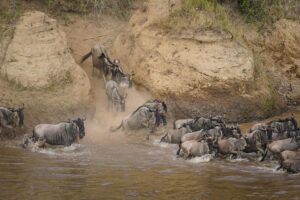
safari and beach destinations in Tanzania is never complete without Serengeti
2. Ngorongoro Crater: The Garden of Eden
The Ngorongoro Crater is the world’s largest inactive, intact, and unfilled volcanic caldera. Formed nearly three million years ago when a giant volcano exploded and collapsed, the crater floor covers approximately 260km2.
This destination is unique because it acts as a natural enclosure for wildlife. Within the crater walls, you can find the “Big Five” (Lion, Leopard, Elephant, Buffalo, and the rare Black Rhino) in a single day. The density of the biomass here is staggering. If we consider the area A=260km2 and an estimated population of 25,000 large mammals, the density D is:D=25,000260≈96animals per km2This makes it one of the most efficient safari destinations for those with limited time.
3. Tarangire National Park: The Land of Giants
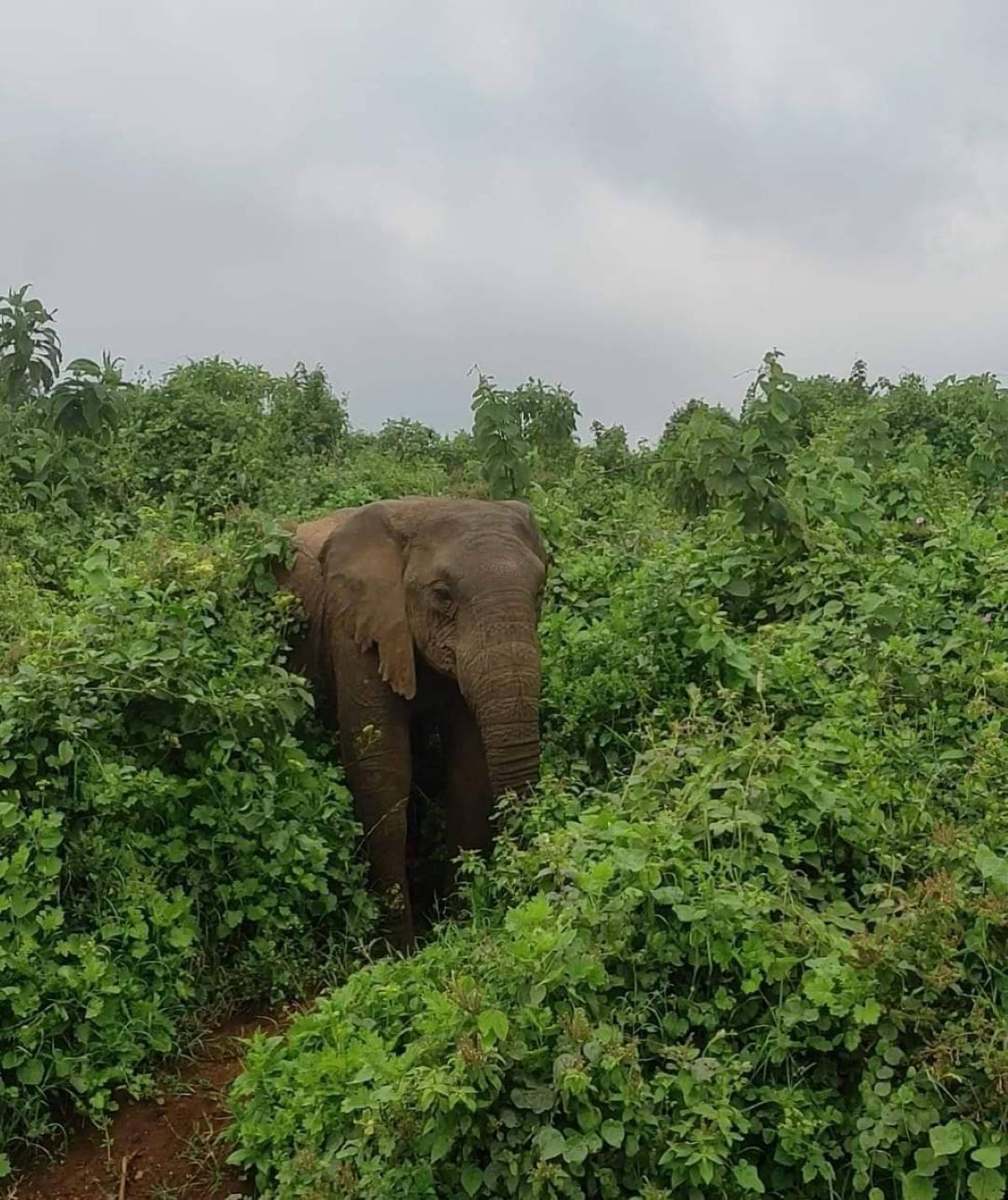
When considering what to do and visit while on safari and beach destinations in Tanzania; Often overshadowed by the Serengeti, Tarangire is a must-visit for its massive elephant populations and iconic Baobab trees. During the dry season (July to October), the Tarangire River becomes the only permanent water source in the region, drawing thousands of animals from the surrounding Maasai Steppe. It provides a more intimate, less crowded experience than the more famous parks, making it an excellent introductory stop on the Northern Circuit.
4. Lake Manyara National Park: The Emerald Gem
Located at the base of the Great Rift Valley escarpment, Lake Manyara is famous for its tree-climbing lions and vast flocks of pink flamingos. The park offers a diverse range of habitats, from groundwater forests to acacia woodlands. It is also an avian paradise, with over 400 species of birds recorded. For the first-timer, Manyara provides a lush contrast to the golden savannahs of the Serengeti.
5. Mount Kilimanjaro: The Roof of Africa
While not a traditional “safari” in the sense of game viewing, Kilimanjaro is an iconic landmark that defines the Tanzanian skyline. Standing at 5,895 meters (19,341 feet), it is the tallest free-standing mountain in the world. Even if you do not intend to summit, visiting the foothills or taking a day hike in the Kilimanjaro National Park is a spiritual experience for many travelers.
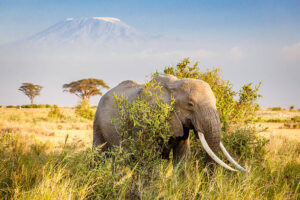
safari and beach destinations in Tanzania; Elephant with Mount Kilimanjaro standing in the distance.
6. Nyerere National Park (Formerly Selous)
For those looking to escape the crowds of the North, Nyerere National Park in Southern Tanzania offers a rugged, “wild” safari experience. It is one of the largest faunal reserves in the world. The Rufiji River is the lifeblood of the park, allowing for boat safaris—a unique perspective where you can view hippos, crocodiles, and thirsty elephants from the water.
7. Stone Town, Zanzibar: A Walk Through History
Transitioning to the “Beach” portion of the trip, Stone Town is the cultural heart of the Zanzibar Archipelago. A UNESCO World Heritage site, its narrow alleys, carved wooden doors, and spice markets tell the story of Swahili culture, Omani influence, and the dark history of the slave trade. It is recommended to spend at least two nights here before heading to the coastal resorts making it a must consider while thinking of safari and beach destinations in Tanzania.
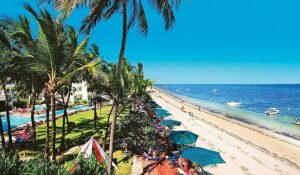
Zanzibar: Top safari and beach destinations in Tanzania
8. Nungwi and Kendwa: The Postcard Beaches
Located on the northern tip of Unguja (Zanzibar Island), Nungwi and Kendwa are home to the most famous beaches in the country. Unlike the east coast, the tide here does not recede for miles, allowing for swimming throughout the day. The white sand and turquoise water are exactly what travelers envision when they think of a tropical paradise.
9. Pemba Island: The Green Island
For the first-timer who prefers solitude over social hubs, Pemba Island is the “authentic” Zanzibar. Located north of the main island, it is characterized by hilly terrain, clove plantations, and some of the best diving in the Indian Ocean. The Misali Island Marine Conservation Area offers coral reefs that remain largely untouched by mass tourism.
10. Mafia Island: Swimming with Giants
Mafia Island is the ultimate destination for marine enthusiasts. It is world-renowned for the opportunity to swim with whale sharks (typically between October and February). The Mafia Island Marine Park protects a diverse ecosystem of coral gardens and mangroves, offering a slower pace of life compared to the bustling resorts of Zanzibar.
Practical Tips for First-Timers in 2026 while considering safari and beach destinations in Tanzania
- Visa Requirements: Most nationalities require a visa. As of 2026, the Tanzania e-Visa system is the most efficient way to apply, with processing times averaging 48 to 72 hours.
- Health: Yellow Fever vaccination is mandatory if traveling from a country with a risk of transmission. Malaria prophylaxis is highly recommended for all safari regions.
- Packing: Pack light, neutral-colored clothing for safaris. Note that many domestic “bush flights” have a strict luggage limit of 15kg (33lbs) in soft-sided bags.
- Currency: The Tanzanian Shilling (TZS) is the official currency, but US Dollars (printed after 2006) are widely accepted in tourist areas.
Conclusion on safari and beach destinations in Tanzania
Safari and beach destinations in Tanzania offers a profound connection to the natural world that few other places can match. By combining the dramatic wildlife spectacles of the Northern Circuit with the historical and coastal allure of the islands, a first-time visitor can experience the full spectrum of East African beauty. Whether you are watching the sunrise over the Ngorongoro Crater or diving into the clear waters of Mafia Island, Tanzania remains an unrivaled destination for 2026 and beyond.
Leave a comment:
You must be logged in to post a comment.


Comment 01
Astute Africa Safaris,
05 May, 2026REF: Crafting Your Bespoke African Safari Experience with Astute Africa Safaris
Jambo,
Thank you for your interest in exploring the wonders of Africa with Astute Africa Safaris. We pride ourselves on creating immersive, tailor-made journeys that align perfectly with your personal interests, pace, and travel aspirations.
Because every safari is a unique narrative, we do not believe in “one-size-fits-all” pricing. To ensure we provide you with an accurate and competitive quotation that reflects the specific lodges, wildlife experiences, and logistical arrangements you desire, we invite you to connect with our team for a personalized consultation.
Please contact us at info@astuteafricasafaris.com, Whatsapp +254762663272 or fill the inquiry form with a few details regarding your preferred travel dates, group size, and specific interests (e.g., photography, luxury relaxation, or adventure trekking). Once we have these details, we will curate a comprehensive proposal designed specifically for you.
We look forward to the possibility of helping you plan an unforgettable journey.
Warm regards,
Team Astute Africa Safaris