

- 1.0k Views
- 34 Min Read
- (2) Comments
A Kenya and Tanzania safari holidays gives you the opportunity to experience two of East Africa’s most celebrated wildlife destinations in one carefully planned journey. You could watch elephants moving across Amboseli National Park, follow lions across the Maasai Mara, explore the vast plains of the Serengeti and descend into the remarkable Ngorongoro Crater—all within the same holiday.
However, combining two countries is not automatically better than visiting one. The value depends on your available time, travel budget, wildlife interests, preferred accommodation and willingness to spend time travelling between destinations.
For some travellers, a week in Kenya’s finest wildlife areas offers a more rewarding experience than rushing through several parks across two countries. For others, a 10- to 14-day itinerary combining Kenya’s iconic reserves with Tanzania’s northern safari circuit creates the variety they are looking for.
The secret is to design the journey around the experience you want, rather than trying to include as many national parks as possible.
This guide explains how to choose between Kenya and Tanzania, select the right parks, plan your route, understand realistic safari costs, choose accommodation and arrange the practical details of travelling across the border.
Whether you are a first-time safari traveller, a couple planning a honeymoon, a family travelling during school holidays or a photographer following the Great Wildebeest Migration, the aim is to help you make an informed decision before requesting a quotation.
At Astute Africa Safaris, a locally owned safari company based in Nairobi, Kenya, we help travellers explore personalized safari and holiday options according to their preferred dates, destinations, accommodation style and budget.
1. Should you combine Kenya and Tanzania on one safari?

The main advantage of a combined safari is the opportunity to experience different landscapes and wildlife areas without having to choose just one country.
Kenya is famous for the Maasai Mara, elephant viewing in Amboseli, the Rift Valley lakes and diverse safari experiences that can be combined with its Indian Ocean coast. Tanzania offers the immense Serengeti ecosystem, Ngorongoro Crater, Tarangire’s baobab landscapes and the possibility of continuing to Zanzibar.
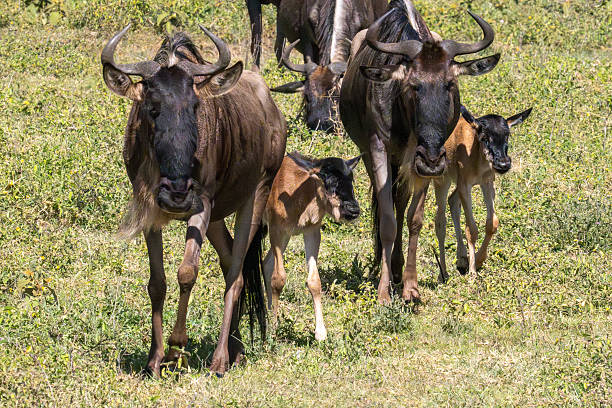
The two countries also share the wider Serengeti–Mara ecosystem, where wildebeest and zebras move in response to rainfall, grazing conditions and water availability.
The advantages of visiting both countries
-
Greater destination variety: Combine Kenya’s savannahs and elephant country with Tanzania’s vast plains, volcanic scenery and baobab woodlands.
-
More migration possibilities: Choose the most appropriate part of the Serengeti–Mara ecosystem for your travel dates, although no particular herd location or river crossing can be guaranteed.
-
Different wildlife-viewing environments: Experience the Maasai Mara, Serengeti and Ngorongoro rather than concentrating on a single reserve.
-
More accommodation choices: Compare comfortable safari lodges, traditional tented camps, premium wilderness properties and luxury fly-in experiences.
-
Safari and beach combinations: Finish in Zanzibar or Kenya’s coastal destinations if your schedule and flight connections allow.
When is one country a better choice?
Choose a Kenya-only safari if you have around five to seven days and want to concentrate on destinations such as the Maasai Mara, Amboseli or Lake Nakuru.
Choose a Tanzania-only safari if your priority is exploring several Serengeti areas, visiting Ngorongoro and Tarangire, or combining the northern circuit with Zanzibar.
A combined Kenya–Tanzania itinerary generally becomes more attractive when you have at least 10 days, particularly if you want to include several major parks.
Our recommendation: For most first-time travellers seeking a multi-park experience across both countries, start by comparing a 10-day itinerary with a 12- or 14-day option. The longer versions can allow more time for game drives and fewer rushed transfers.
2. Kenya vs Tanzania: Which country should you visit first?

Neither country is universally better. The right choice depends on the type of safari you want and how much time you can spend in the wilderness.
| Travel priority | Kenya | Tanzania |
|---|---|---|
| Iconic safari destination | Maasai Mara | Serengeti |
| Elephant photography | Amboseli | Tarangire and other wildlife areas |
| Vast migration landscapes | Maasai Mara | Serengeti |
| Dramatic volcanic scenery | Rift Valley landscapes | Ngorongoro Crater |
| Additional wildlife destinations | Lake Nakuru, Samburu, Tsavo | Tarangire, Lake Manyara, other Serengeti sectors |
| Beach extension | Diani, Watamu, Malindi | Zanzibar and Tanzania’s coast |
| Practical starting point | Nairobi | Arusha or Kilimanjaro International Airport |
| Best approach | Choose a route around the Mara, elephants or other preferred areas | Choose a route around the Serengeti, Ngorongoro and northern circuit |
Kenya: Best for a classic safari with varied extensions
Kenya is an excellent starting point for travellers who want iconic savannah wildlife, elephant photography, a choice of safari accommodation and the possibility of a beach holiday.
The Maasai Mara is particularly attractive for big-cat viewing and seasonal migration experiences. Amboseli offers memorable elephant encounters and, when weather conditions permit, views of Mount Kilimanjaro. Lake Nakuru adds a different setting with rhino-viewing opportunities, woodland, lake scenery and birdlife.
Kenya can also work well for travellers arriving in Nairobi who want to begin with a short city stay before continuing to the wildlife areas.
Explore Maasai Mara safari options when deciding how to structure the Kenyan part of your holiday.
Tanzania: Best for a wider northern-circuit adventure
Tanzania is particularly appealing if you want to experience the enormous Serengeti, the wildlife-rich Ngorongoro Crater and the distinctive scenery of Tarangire.
The Serengeti is so extensive that the area in which you stay matters. The best sector depends on your dates and interests: a camp positioned for one stage of the migration may be far from another stage.
Ngorongoro provides a dramatic contrast to the open plains, while Tarangire is known for elephants, baobabs and seasonal wildlife concentrations.
Tanzania is also a natural choice for travellers wishing to end a wildlife holiday on Zanzibar, where beaches, Swahili heritage and marine activities provide a different pace.
Which country should you visit first?
Start in Nairobi if your itinerary is built around Kenya’s Maasai Mara or Amboseli and the practical border arrangements suit your route. Start in Arusha or through Kilimanjaro International Airport if the main focus is northern Tanzania.
The most sensible order depends on international flight prices, flight schedules, the direction of the wildlife route and the border crossing you will use. Do not assume that beginning in Kenya is always cheaper or easier.
3. The best national parks to include in your combined safari
The most successful combined safaris select a few complementary destinations rather than visiting every famous park.
Kenya’s Maasai Mara National Reserve

The Maasai Mara is one of Kenya’s signature wildlife destinations and an important part of the wider Serengeti–Mara ecosystem.
Its open grasslands and varied habitats support lions, leopards, cheetahs, elephants, buffaloes, giraffes, zebras and many other species. During suitable periods, the reserve and surrounding conservancies may also offer opportunities to observe migrating wildebeest.
Allow: Two to three nights for a classic safari; longer if migration viewing, photography or a slower pace is important.
Best for: First-time safari travellers, big-cat enthusiasts, photographers, families with a suitable itinerary and travellers seeking classic African wildlife.
Planning tip: Decide whether you want to stay inside the reserve or in a nearby conservancy. Location, access rules, activities, fees and accommodation style can differ.
Tanzania’s Serengeti National Park

The Serengeti is a defining feature of many combined Kenya and Tanzania safaris. Its enormous landscapes, predator populations and seasonal concentrations of grazing animals provide opportunities for extended game drives.
Different areas offer different experiences. The southern plains are associated with seasonal calving when conditions are suitable; central Serengeti is known for resident wildlife and useful year-round safari opportunities; western and northern areas may become relevant at other stages of the migration.
Allow: Two to four nights, depending on which sector you visit and whether the migration is your main objective.
Best for: Wildlife photographers, migration-focused travellers, couples, experienced safari visitors and anyone wanting to spend more time exploring Tanzania’s wilderness.
Planning tip: Choose the Serengeti sector before selecting a camp. Accommodation that looks attractive on a map may be poorly positioned for your principal wildlife interest.
Ngorongoro Conservation Area and Crater

Ngorongoro adds volcanic scenery and a distinctive wildlife-viewing environment to a Tanzania itinerary. The crater floor contains grassland, wetlands, woodland and other habitats supporting a variety of animals.
Visitors may encounter lions, elephants, buffaloes, zebras, hippos and other wildlife, with a chance of seeing the endangered black rhinoceros. Sightings are never guaranteed.
Allow: Usually one night in the surrounding area, with a planned crater visit. Additional time can be useful for travellers exploring the wider conservation area.
Best for: First-time safari visitors, photographers, couples and travellers wanting a dramatic landscape alongside wildlife.
Planning tip: Check the current crater-access rules, fees and timing when the itinerary is prepared.
Amboseli National Park, Kenya

Amboseli is particularly famous for its elephants and the possibility of photographing wildlife against Mount Kilimanjaro. The mountain is in Tanzania, but its most recognizable views are often enjoyed from Kenya’s Amboseli region when weather conditions are clear.
Amboseli works especially well for travellers who want an elephant-focused safari or who prefer to combine Kenya’s southern parks with a Tanzania northern-circuit route through the Namanga border.
Allow: One to two nights.
Best for: Elephant lovers, photographers, families and travellers who appreciate distinctive scenery.
Tarangire National Park, Tanzania

Tarangire is known for its baobab trees, elephant populations and seasonal concentrations of wildlife around important water sources. It offers a different atmosphere from the Serengeti’s broad plains.
It is also a useful addition to a northern Tanzania circuit linking Arusha, Ngorongoro and the Serengeti, particularly for travellers who have enough time for several parks.
Allow: One to two nights.
Best for: Elephant enthusiasts, landscape photographers, birdwatchers and travellers wanting more habitat variety.
Lake Nakuru National Park, Kenya

Lake Nakuru can add rhino-viewing opportunities, scenic viewpoints and a contrasting Rift Valley landscape to a Kenyan itinerary. Birdlife is another attraction, although the numbers and species seen around the lake vary with ecological conditions.
It is most useful when the route and available time support a stop between Nairobi and the Maasai Mara, rather than as an extra destination squeezed into an already rushed itinerary.
Allow: One night, or a carefully planned visit if the route permits.
Best for: Rhino enthusiasts, birdwatchers, photographers and travellers wanting to explore more than open savannah.
How many parks should you visit?
For a seven-day combined safari, concentrate on two or three principal destinations. For 10 days, three or four well-chosen areas may be realistic, depending on the route and border arrangements. A 12- to 14-day journey allows more room for variety, although a longer list of parks is not always better.
A good rule is to ask how much time you will actually spend on game drives at each destination after accounting for travel, border formalities, check-in and check-out.
4. Best Kenya and Tanzania safari itineraries: 7, 10, 12 and 14 days
The itinerary you choose should reflect your priorities, not simply the number of parks you can fit into the available days.
The examples below are route concepts. Actual feasibility depends on arrival and departure airports, road conditions, border arrangements, seasonal camp locations and flight availability.

Option A: 7-day Kenya and Tanzania safari
Short and focused
Best for: Travellers with limited leave who want a taste of both countries.
Illustrative route
Nairobi → Maasai Mara → cross-border transfer → selected northern Tanzania destination → departure.
This itinerary is ambitious. A road-based route can lose valuable wildlife-viewing time to transfers and border formalities. Choose one principal Kenyan destination and one practical Tanzanian focus, or consider a carefully coordinated fly-in arrangement.
Recommendation: If the main goal is a relaxed, multi-park safari, compare this with a seven-day trip in one country.

Option B: 10-day Kenya and Tanzania safari
Balanced starting point
Best for: First-time visitors seeking iconic parks in both countries.
Illustrative route
Nairobi → Lake Nakuru → Maasai Mara → appropriate border crossing → Serengeti → Ngorongoro area → departure.
This route introduces the main attractions of both countries without adding every possible park. The order may need to change according to the border selected and the international flight itinerary.
Recommendation: Prioritize the Maasai Mara and Serengeti, then add Lake Nakuru or Ngorongoro according to available time.

Option C: 12-day Kenya and Tanzania safari
Best for: Travellers wanting greater variety and a more measured pace.
Illustrative route
Nairobi → Amboseli → Lake Nakuru or another suitable Kenyan stop → Maasai Mara → Tanzania’s Serengeti → Ngorongoro → Tarangire or Arusha.
This plan provides room to include Amboseli’s elephants alongside the Maasai Mara and Tanzania’s northern circuit. The full route needs careful sequencing to avoid excessive backtracking.
Recommendation: Choose three or four priority parks and use the remaining time for wildlife viewing rather than extra transfers.

Option D: 14-day Kenya, Tanzania and Zanzibar holiday
Best for: Honeymooners, families and travellers wanting wildlife plus relaxation.
Illustrative route
Kenya safari → Serengeti → Ngorongoro → connect by air as appropriate → Zanzibar beach stay.
A two-week holiday can balance several wildlife destinations with three or four nights on the beach. The Kenya portion should remain focused enough to preserve time for Tanzania and the island.
Recommendation: If relaxation is important, protect the beach days instead of treating them as spare time after an overpacked safari.
Sample day-by-day plan for a 10-day combined safari
This is an example of how a traveller might divide the holiday, not a guaranteed transport schedule.
| Day | Suggested plan | Main purpose |
|---|---|---|
| 1 | Arrive in Nairobi | Rest, overnight and safari briefing |
| 2 | Travel to Lake Nakuru | Afternoon wildlife viewing, subject to arrival time |
| 3–4 | Transfer to and explore the Maasai Mara | Two nights of game drives |
| 5 | Cross into Tanzania using the planned route | Border formalities and transfer |
| 6–7 | Serengeti National Park | Full wildlife-viewing opportunities |
| 8 | Travel towards the Ngorongoro area | Scenic transfer and overnight stay |
| 9 | Ngorongoro Crater visit | Planned crater game drive |
| 10 | Transfer to departure airport | Departure, subject to flight timing |
Important: This sample may require adjustment or an additional night to work comfortably as a road-based itinerary. The Mara-to-Serengeti transfer can be lengthy, and the correct border depends on the route. If Lake Nakuru is not a priority, reallocating that night can create a more comfortable journey.
For a more detailed itinerary-specific reference, see The Ultimate 10-Day Kenya Safari Itinerary. That article should retain its focus on Kenya rather than duplicate the planning guidance on this combined-country page.
5. How to travel between Kenya and Tanzania

Cross-border logistics are one of the most important differences between a combined safari and a holiday spent in one country.
The distance between two parks on a map can be misleading. You must consider the condition of the roads, border procedures, the location of accommodation and whether your operator uses separate safari vehicles and guides in each country.
The main border crossings to consider
Namanga border crossing
Commonly considered for routes linking Nairobi or Amboseli with Arusha and Tanzania’s northern safari circuit.
It can be a practical option when the itinerary is designed around Amboseli, Tarangire, Ngorongoro and the Serengeti. The best route depends on the specific parks visited and the direction of travel.
Isebania border crossing
Often considered for itineraries connecting the Maasai Mara with the western Serengeti.
This can help reduce unnecessary backtracking on the appropriate route. Depending on the operator’s arrangements, travellers may need to change from a Kenyan safari vehicle and guide to a Tanzanian vehicle and guide.
The two crossings are not interchangeable for every itinerary. The correct choice should be determined by the actual route, current border procedures, vehicle permissions and the arrangements made by the safari operator.
Can you use the same safari vehicle in both countries?
Do not assume so. Cross-border vehicle and commercial transport permissions can determine whether your Kenyan vehicle and guide can continue into Tanzania.
Many itineraries are arranged with a coordinated handover to a locally operating vehicle and guide at or near the border. Other arrangements may be possible depending on the operator and the permissions in place.
Before booking, ask:
-
Where will the vehicle change take place, if required?
-
Will a guide meet you on the other side?
-
Is the border transfer included in the quotation?
-
Who will handle luggage during the handover?
-
How much driving is expected on the crossing day?
-
What happens if a flight, transfer or border procedure is delayed?
A well-organized handover should be part of the itinerary, not an unexpected arrangement you discover on the day.
Road safari or fly-in safari: Which is better?
| Factor | Road safari | Fly-in safari |
|---|---|---|
| Typical cost | Often more economical | Usually more expensive |
| Travel experience | See landscapes and communities along the route | Spend less time on long road transfers |
| Wildlife time | Depends on distances and transfer days | Can increase time in remote safari areas |
| Flexibility | Useful for multi-stop journeys | Depends on flight schedules and luggage limits |
| Best suited to | Travellers prioritizing value and a road journey | Travellers prioritizing time, comfort or remote camps |
A mixed itinerary can also work well: use road transfers where the journey is practical, then fly between distant destinations if the time saved justifies the additional cost.
Documents and practical border preparation
Before departure, confirm the current entry requirements for both Kenya and Tanzania for every traveller, including children.
Check passport validity, visa or electronic travel authorization requirements as applicable, immigration procedures and any health-document requirements relevant to your nationality and travel history. Entry requirements can change, so verify them through official government channels before travelling.
Also confirm the following with your operator:
-
The precise border crossing and transfer arrangements.
-
The pickup and drop-off locations on each side.
-
Whether luggage is transferred between vehicles.
-
The accepted payment methods for optional expenses.
-
Whether the route has adequate time for delays.
Do not plan an international flight immediately after a long overland crossing unless the schedule includes a sensible buffer.
6. What is the best time for Kenya and Tanzania safari holidays?

The best time depends on whether you prioritize the Great Wildebeest Migration, general wildlife viewing, birdwatching, photography, fewer crowds or a lower overall budget.
Kenya and Tanzania can both offer rewarding safaris throughout the year. However, seasonal rainfall influences grass growth, animal movements, road conditions and the location of wildlife.
Seasonal planning guide
| Period | What to consider | Best suited to |
|---|---|---|
| January–March | Often attractive for southern Serengeti wildlife and potential calving-season experiences, depending on rainfall | Photography, migration interests, predator activity |
| April–May | Long rains in many areas; greener landscapes, possible road challenges and seasonal camp closures | Flexible travellers, green-season photography, some birdwatching |
| June–October | Popular dry-season period in many parks, with strong demand for accommodation | Classic game viewing, first-time safaris, selected migration experiences |
| November–December | Short rains may bring fresh grass; conditions and wildlife movements vary | Flexible itineraries, festive holidays, green landscapes |
These are broad seasonal patterns rather than guarantees. Rainfall can vary between years and destinations, and different areas of the Serengeti can offer very different experiences at the same time.
When should you travel for the Great Wildebeest Migration?
The migration is a continuous movement of wildebeest, zebras and other grazing animals across the Serengeti–Mara ecosystem. It does not begin and end on fixed calendar dates.
As a broad planning guide:
-
January–March: The southern Serengeti and Ndutu region may offer calving-season experiences when herds and grazing conditions align.
-
April–May: Herds may begin moving north or west, depending on rainfall and grass availability.
-
June–July: Some herds may move through the western Serengeti and towards northern areas.
-
July–October: The northern Serengeti and Maasai Mara can be relevant for travellers hoping to see large herds and possible river crossings.
-
November–December: Herds commonly move towards greener southern grazing areas, although routes and timing vary.
River crossings are unpredictable. Herds can gather near rivers without crossing, move to a different crossing point or cross when visitors are elsewhere.
If the migration is your main reason for travelling, select your dates first, identify the most appropriate region and then choose accommodation. Avoid paying a premium for a camp based on the assumption that a particular crossing will occur during your stay.
For a more detailed migration-planning resource, link to Astute’s Great Wildebeest Migration guide if this remains the published URL for that article.
Is the rainy season a bad time for safari?
Not necessarily. The green season can produce beautiful scenery, atmospheric skies and excellent photographic opportunities. Birdwatchers may also appreciate seasonal bird activity.
The trade-offs include potentially muddy roads, longer driving times, reduced visibility in tall vegetation and seasonal accommodation closures in some areas.
The right decision depends on the specific park, accommodation and flexibility of your itinerary—not simply whether a month is labelled wet or dry.
7. How much does a Kenya and Tanzania safari cost?

The cost of a combined Kenya and Tanzania safari depends on accommodation, group size, season, park fees, transport, the number of nights and the amount of time spent in each country.
A two-person private safari with comfortable lodges and several long-distance transfers will cost more than a shared road safari using simpler accommodation. A luxury itinerary with premium camps and domestic flights can cost substantially more again.
The following figures are indicative planning ranges in US dollars, not confirmed Astute Africa Safaris package prices. They are intended to help travellers understand the order of magnitude of a land-based combined safari; actual quotations should be calculated for the exact dates, route and inclusions.
Estimated combined safari budget
| Safari style | Indicative cost per person per day | Indicative 10-day land safari per person |
|---|---|---|
| Budget-conscious | $200–$350 | $2,000–$3,500 |
| Mid-range | $350–$700 | $3,500–$7,000 |
| Luxury | $700–$1,500+ | $7,000–$15,000+ |
Planning estimates only. They are not live supplier quotations. Actual costs can fall outside these ranges, especially for peak-season accommodation, private vehicles, single travellers, exclusive-use properties and fly-in safaris. International flights and optional extensions may be additional.
These broad tiers reflect the wide differences in safari pricing seen in current travel-market guides. Accommodation level, season, transport and park fees are major cost drivers.
What does each budget level usually mean?

Budget-conscious safari
Suitable for travellers who prioritize wildlife experiences over luxury accommodation.
Depending on the itinerary, this may include simpler lodges or tented camps, shared transport where available, full-board meals and scheduled game drives. Some lower-priced camps are outside park boundaries, which can affect travel time and entry arrangements.
Best saving strategy: Choose fewer parks, travel in a suitable shoulder or green season and compare shared versus private transport.

Mid-range safari
A strong option for travellers who want comfort, good guiding and practical logistics without paying for the most exclusive properties.
Accommodation may include en-suite tented camps or lodges, meals, game drives and a private vehicle, depending on the package. The precise inclusions must be confirmed in the quotation.
Best suited to: Couples, families, small groups and first-time visitors seeking a balance between comfort and value.

Luxury safari
Designed for travellers who prioritize premium accommodation, personalized service and carefully positioned camps.
Depending on the property and itinerary, this can include luxury tented suites, private game drives, selected drinks, special dining experiences and domestic flights between distant parks.
Best suited to: Honeymooners, milestone celebrations, photographers and travellers seeking extra comfort or reduced road-transfer time.
What is normally included in a safari quotation?
Ask the operator to confirm whether the price includes:
-
Accommodation and the specified meal plan.
-
Park entrance and conservation fees.
-
Safari vehicle, driver-guide and game drives.
-
Border transfers and any required vehicle handover.
-
Road transfers or domestic flights.
-
Airport pickups and drop-offs.
-
Government taxes and applicable levies.
-
Drinking water and other stated inclusions.
What might cost extra?
Potential exclusions include:
-
International flights to Nairobi or Kilimanjaro International Airport.
-
Visas or other entry authorizations.
-
Travel insurance and medical cover.
-
Optional hot-air balloon safaris.
-
Alcoholic drinks and premium beverages.
-
Tips and personal purchases.
-
Laundry, spa treatments and special activities.
-
Zanzibar or Kenya coast accommodation, unless included in the package.
A lower quotation is not necessarily the better deal. Compare the same route, number of nights, accommodation standard, park fees and transport arrangements before deciding.
How can you make the safari more affordable without losing the experience?
The most effective savings often come from simplifying the itinerary.
-
Prioritize two or three major wildlife areas. Fewer stops mean fewer transfers and check-in days.
-
Travel outside the most expensive demand periods if your dates are flexible.
-
Compare shared and private safaris. Shared arrangements can lower costs when a suitable departure is available.
-
Choose accommodation strategically. A well-positioned mid-range camp may provide better value than a cheaper property requiring long drives.
-
Compare road and fly-in arrangements. Road travel may reduce transport costs, while flying can preserve time for wildlife viewing.
-
Ask for a complete quotation. Confirm fees, meals, border logistics and exclusions before paying a deposit.
8. Which lodges and tented camps should you consider?
Accommodation is not just somewhere to sleep. Its location determines how easily you can reach wildlife areas, how much time you spend travelling and, in some seasons, how close you may be to the migration.
Instead of choosing camps based on photographs alone, compare their location, access, facilities, meal arrangements, cancellation terms and suitability for your travel group.
Accommodation examples to research
The following are examples of established properties to compare, not a confirmation of current availability or inclusion in an Astute package. Their suitability and prices depend on your route and travel dates.
| Destination | Budget-conscious or simpler options | Mid-range options to investigate | Luxury options to investigate |
|---|---|---|---|
| Maasai Mara | Camps outside the reserve selected for access and value | Mara Serena Safari Lodge; selected comfortable tented camps | Angama Mara; &Beyond Kichwa Tembo Tented Camp |
| Serengeti | Simple camps or lodges suited to the selected sector | Serengeti Serena Safari Lodge; selected seasonal tented camps | Four Seasons Safari Lodge Serengeti; &Beyond Grumeti Serengeti River Lodge |
| Ngorongoro area | Lodges or guesthouses in a practical nearby base | Ngorongoro Serena Safari Lodge | &Beyond Ngorongoro Crater Lodge |
| Amboseli | Simple camps or lodges around the park | Amboseli Serena Safari Lodge | Tortilis Camp, subject to itinerary and availability |
| Tarangire | Simple lodges or tented camps suited to the route | Tarangire Safari Lodge | Chem Chem Lodge, subject to route and availability |
Budget categories are particularly dependent on the exact property, room type, season and whether the accommodation is inside or outside a protected area. Some of the named properties are premium or luxury options rather than budget choices; they should be compared as examples, not treated as equivalent products.
How to choose the right camp
For the Maasai Mara: Compare whether the property is inside the reserve or in a conservancy, its access to your preferred wildlife areas, and the applicable fees and activity rules.
For the Serengeti: Choose a camp based on the sector and your travel dates. A seasonal camp may be useful for a migration-focused trip, while a centrally located camp may suit travellers interested in resident wildlife.
For Ngorongoro: Consider the location relative to the crater access point, the planned descent time and whether the property is suitable for your budget.
For Amboseli: Check the location, views, game-drive arrangements and how the property manages seasonal conditions.
For Tarangire: Look at the park entrance used, the planned game-drive schedule and the seasonal location of wildlife.
For families, also ask about minimum ages, family rooms, child rates, swimming pools, meal flexibility and whether children can join the planned activities.
9. Tanzania and Kenya safari holidays for families and couples

A combined safari can suit families, honeymooners and small private groups, but the itinerary should reflect the needs of the travellers rather than simply follow a standard route.
Family safari holidays
For families, the biggest planning considerations are driving time, children’s ages, accommodation arrangements and the suitability of each activity.
A comfortable family itinerary should consider:
-
Fewer long transfers and adequate rest time.
-
Family rooms, interconnecting rooms or suitable tents.
-
Child policies for accommodation and activities.
-
Flexible meal times and any dietary requirements.
-
Age-appropriate game drives and learning experiences.
-
Suitable vehicle arrangements and child restraints where required.
-
A realistic daily schedule that allows children to rest.
Younger children often benefit from fewer destinations and longer stays. Older children and teenagers may enjoy photography, birdwatching, wildlife tracking with qualified guides where available and conservation-focused experiences.
For additional guidance, link to Astute’s family safari holidays in Africa and Kenya safari with children guide.
Honeymoon and romantic safaris

For couples, a combined Kenya and Tanzania safari can bring together classic wildlife experiences and a more private style of travel.
Consider:
-
A private safari vehicle for flexibility.
-
Two or three nights at a particularly appealing camp.
-
A well-positioned Serengeti stay selected around your travel dates.
-
A special dinner or celebration arranged by the property.
-
A flight between distant parks to reduce long road transfers.
-
A beach extension in Zanzibar or on Kenya’s coast.
A safari followed by several nights at the beach can be especially attractive for honeymooners. However, it is important to budget for the flights, transfers and extra accommodation rather than treating the beach as an automatic addition.
Solo travellers and small groups
Solo travellers should compare single supplements, group departures and the availability of shared safari vehicles. Private travel offers flexibility but may cost more per person.
For groups, request a quotation that specifies the number of vehicles, room arrangements and whether everyone can travel together throughout the itinerary. A group discount should never be assumed without confirmation.
10. What should you know before booking a combined safari?
Once you have decided on your route, a few practical details can make the difference between a smooth holiday and an expensive last-minute change.
Flights and arrival planning
Compare international flights into Nairobi and Kilimanjaro International Airport, and check whether your chosen route works in either direction. Arusha is an important starting point for northern Tanzania, while Nairobi is a common starting point for Kenya safaris.
If your trip ends in a different city from where it begins, check the cost and availability of the return flight before finalizing the itinerary.
Allow a sensible buffer for international arrivals, domestic connections and the final departure. Avoid planning a tight international connection immediately after a long road transfer.
Visas, health and travel insurance
Entry requirements vary according to nationality and can change. Check the current official requirements for both countries before travel, including any electronic travel authorizations, visas, passport-validity requirements or applicable health documentation.
Ask a qualified travel-health professional about vaccinations, malaria prevention and other health precautions for your particular itinerary. Ensure your travel insurance covers the activities planned and any emergency evacuation needs specified by your policy.
Packing for two countries
Pack for early-morning game drives, warm afternoons, cooler evenings and the possibility of rain.
Useful items include:
-
Lightweight neutral-coloured clothing.
-
A warm layer for early game drives.
-
Comfortable walking shoes.
-
A sun hat, sunglasses and sunscreen.
-
Insect repellent.
-
Binoculars and a camera, if desired.
-
Necessary medication and personal supplies.
-
Copies of travel documents and insurance details.
If your itinerary includes a small aircraft, check the operator’s luggage allowance and bag restrictions before departure.
For a more detailed checklist, link to Safari Preparation Tips for Kenya.
Payments, deposits and cancellation terms
Before confirming a booking, request a written quotation showing the full price, currency, inclusions, exclusions, deposit schedule, final-payment deadline and cancellation conditions.
Ask how changes to flights, accommodation or park access are handled, and whether the quoted price is subject to any stated seasonal or government-fee changes.
Read the operator’s terms before making payment. You should know what happens if you cancel, if a supplier becomes unavailable or if an itinerary needs to change because of operational or weather conditions.
For Astute Africa Safaris, travellers can review the published terms and conditions and request clarification on any point before confirming a booking.
11. Can you combine a Kenya and Tanzania safari with Zanzibar?

Yes. A Kenya and Tanzania safari can be extended with a beach holiday, and Zanzibar is one of the most appealing options for travellers who want to finish their wildlife adventure beside the Indian Ocean.
A safari-and-beach holiday combines early-morning game drives, wildlife photography and time in the wilderness with swimming, relaxation, marine activities and opportunities to explore Swahili culture.
Suggested 14-day safari and beach combination
| Days | Suggested experience |
|---|---|
| 1–3 | Explore selected Kenyan wildlife destinations |
| 4–6 | Maasai Mara safari, depending on the route |
| 7–9 | Serengeti wildlife viewing |
| 10 | Ngorongoro excursion and transfer arrangements |
| 11–14 | Fly to Zanzibar for beach relaxation |
This is an illustrative structure, not a confirmed flight or road schedule. It may require additional travel time, and the Kenya section should be adjusted to fit the chosen border crossing and international flights.
For travellers who want a more relaxed beach stay, a 15- or 16-day holiday may be preferable.
Zanzibar or Kenya’s coast?
Choose Zanzibar if you want an island experience with beaches, marine activities and historic Stone Town. Choose Kenya’s coast if you want to finish your holiday at destinations such as Diani Beach, Watamu or Malindi.
Both options can work well. The better choice depends on the safari route, available flights, accommodation budget and the number of nights you can spare.
Explore East Africa safari holidays for broader inspiration, but keep this article focused on planning the Kenya–Tanzania combination.
12. Responsible travel on a Kenya and Tanzania safari
A well-planned safari should consider not only the wildlife experience but also the places and communities that make it possible.
When choosing a camp or tour operator, ask how its activities interact with wildlife, conservation areas and nearby communities. Responsible travel involves following park rules, respecting wildlife distances and minimizing disturbance during sightings.
You can support more responsible travel by:
-
Choosing guides who follow wildlife-viewing regulations.
-
Never encouraging drivers to harass animals for photographs.
-
Respecting local customs and asking permission before photographing people.
-
Choosing cultural experiences arranged with local hosts’ consent.
-
Following park rules on waste disposal and restricted areas.
-
Asking whether community tourism fees or conservation contributions are included.
Cultural visits should be respectful and locally guided. No single experience represents an entire community, and travellers should have the opportunity to understand how the visit is organized and who benefits.
The aim is to enjoy East Africa’s remarkable natural and cultural heritage while respecting the people and environments that sustain it.
13. Why plan your Kenya and Tanzania safari with Astute Africa Safaris?
Planning a two-country safari involves more than selecting beautiful lodges. The route must work geographically, the accommodation must match the season, and the transport arrangements must connect smoothly across the border.
Astute Africa Safaris is a locally owned safari company based in Nairobi, Kenya, focused on personalized safari and holiday planning.
The aim is to help travellers compare practical options and develop a journey around their interests, preferred accommodation, travel dates and budget.
When requesting a tailor-made Kenya and Tanzania safari, discuss:
-
Your travel priorities: Migration, big cats, elephants, photography, birdwatching, family travel or a romantic escape.
-
Your preferred pace: A focused 7-day safari, a balanced 10-day journey or a more extensive 12- to 14-day itinerary.
-
Your accommodation budget: Budget-conscious camps, comfortable mid-range lodges or luxury properties.
-
Your transport preference: Road travel, domestic flights or a combination of both.
-
Your preferred route: Which Kenyan and Tanzanian parks you want to visit and which border crossing best supports the itinerary.
-
Your booking requirements: Deposit, balance, cancellation terms, inclusions and exclusions.
-
Any extensions: Zanzibar, Kenya’s coast or additional nights in a particular destination.
A good safari quotation should explain not only what is included but also why the proposed route makes sense.
You should understand how many nights you will spend in each park, how long transfers may take, which accommodation has been selected and what you can reasonably expect from the experience.
14. Frequently asked questions about Kenya and Tanzania safari holidays
Is it worth combining Kenya and Tanzania on one safari?
Yes, especially if you have enough time to experience their distinctive landscapes and wildlife. Kenya offers destinations such as the Maasai Mara and Amboseli, while Tanzania offers the Serengeti, Ngorongoro Crater and Tarangire.
For a short holiday, visiting one country may allow more time for game drives and less time on the road.
How many days do I need for a Kenya and Tanzania safari?
Ten to fourteen days is a useful starting point for travellers wanting to explore several destinations across both countries. Seven days can work for a focused itinerary, but it requires careful route planning and fewer stops.
The ideal duration depends on your interests, starting airport, budget and whether you want to include Zanzibar.
Is Kenya or Tanzania better for a safari?
Neither is universally better. Kenya is particularly known for the Maasai Mara, Amboseli and its coastal destinations. Tanzania is renowned for the Serengeti, Ngorongoro Crater, Tarangire and Zanzibar.
Combining the countries makes sense when you want to experience the highlights of both without rushing through them.
What is the best month for a combined Kenya and Tanzania safari?
June to October is popular for general dry-season wildlife viewing in many parks. January to March can be attractive for potential calving-season experiences in the southern Serengeti.
The best period depends on your priorities, and the Great Migration should be planned around expected herd movements rather than fixed dates.
How much does a 10-day Kenya and Tanzania safari cost?
For preliminary budgeting, allow approximately $2,000–$3,500 per person for a budget-conscious itinerary, $3,500–$7,000 for a mid-range experience and $7,000–$15,000 or more for luxury travel.
These are indicative planning ranges, not live package quotations. Actual prices depend on dates, accommodation, group size, transport, park fees and inclusions. International flights and beach extensions may cost extra.
Can I visit the Maasai Mara and Serengeti on the same trip?
Yes. Both form part of the wider Serengeti–Mara ecosystem. A combined visit requires careful coordination of the route, border crossing, vehicles, guides and accommodation.
The correct crossing depends on the specific itinerary. Allow sufficient time for transfers rather than assuming the journey between the parks is a short drive.
Can I use one vehicle for the entire Kenya and Tanzania safari?
Not necessarily. Vehicle permissions and cross-border operating arrangements may require a change of vehicle and guide. Confirm the arrangements with your operator before booking.
Can I see the Big Five in both countries?
Both countries support the Big Five: lion, leopard, elephant, buffalo and rhinoceros. However, no safari can guarantee sightings of all five. Your chances depend on the destinations visited, time spent on game drives and wildlife conditions.
Is a private safari better than a group safari?
A private safari offers greater flexibility over departure times, stops and daily activities. It is particularly useful for families, photographers and travellers with specific interests.
A group safari can be more affordable, especially for solo travellers who can join a suitable departure. The best choice depends on your budget, preferred pace and available departures.
Can I combine Kenya, Tanzania and Zanzibar in one holiday?
Yes. You can explore selected Kenyan parks, continue to Tanzania’s northern safari circuit and then fly to Zanzibar for a beach stay.
Allow sufficient time for transfers and flights. A two-week holiday is a useful starting point for this combination, although a longer trip can provide a more relaxed pace.
Do I need a visa for both Kenya and Tanzania?
Entry requirements depend on your nationality, passport and travel circumstances. You should check the latest official requirements for each country before departure, including any applicable electronic travel authorization or visa arrangements.
Do not assume that permission to enter one country automatically gives you permission to enter the other.
When should I book my safari?
Book as early as practical if you are travelling during peak migration periods, school holidays, Christmas or New Year, or if you want a particular luxury camp.
Early planning generally provides a wider accommodation choice. Your operator can confirm current availability and the applicable booking conditions.
Conclusion: Plan a Kenya and Tanzania safari holidays that fits your journey

Kenya and Tanzania safari holidays offer an exceptional opportunity to experience two of East Africa’s most celebrated wildlife destinations in one journey. From the Maasai Mara’s open plains and Amboseli’s elephants to the Serengeti’s vast landscapes and Ngorongoro’s volcanic scenery, each destination adds something different.
But the best combined safari is not necessarily the one that visits the most parks. It is the one that gives you enough time to enjoy the wildlife, follows a practical route, fits your budget and matches the experience you want.
Start by deciding when you want to travel, how many days you have and which wildlife experiences matter most. Then compare suitable parks, accommodation, transport and the overall cost before confirming your booking.
Whether you are planning a first African safari, a family holiday, a honeymoon or a luxury wildlife adventure, Astute Africa Safaris can help you explore options for a personalized Kenya and Tanzania journey.
Ready to plan your Kenya and safari holidays?
Tell Astute Africa Safaris your travel dates, group size, preferred accommodation and budget. Request a tailor-made itinerary with clear routing, accommodation options and inclusions.
Explore Astute Africa SafarisExplore the 10-day Kenya itinerary
You can also contact Astute Africa Safaris through the contact details published on its website to discuss your preferred Kenya–Tanzania route.
Explore: East Africa Visa Requirements
Explore: Booking Terms and Conditions
Leave a comment:
You must be logged in to post a comment.
Comments (2)
Astute Africa Safaris,
05 May, 2026REF: Crafting Your Bespoke African Safari Experience with Astute Africa Safaris
Jambo,
Thank you for your interest in exploring the wonders of Africa with Astute Africa Safaris. We pride ourselves on creating immersive, tailor-made journeys that align perfectly with your personal interests, pace, and travel aspirations.
Because every safari is a unique narrative, we do not believe in “one-size-fits-all” pricing. To ensure we provide you with an accurate and competitive quotation that reflects the specific lodges, wildlife experiences, and logistical arrangements you desire, we invite you to connect with our team for a personalized consultation.
Please contact us at info@astuteafricasafaris.com, Whatsapp +254762663272 or fill the inquiry form with a few details regarding your preferred travel dates, group size, and specific interests (e.g., photography, luxury relaxation, or adventure trekking). Once we have these details, we will curate a comprehensive proposal designed specifically for you.
We look forward to the possibility of helping you plan an unforgettable journey.
Warm regards,
Team Astute Africa Safaris
Discover the Magic of Tanzania and Kenya Safari Holidays with Astute Africa Safaris - Astute Africa Safaris,
05 May, 2026[…] promises unparalleled wildlife encounters and breathtaking landscapes. When planning your journey (Read a comprehensive guide on Tanzania and Kenya safari holidays), choosing a reputable operator is essential to ensure a seamless and ethical adventure. Astute […]