

- 688 Views
- 12 Min Read
- (2) Comments
Embarking on an African safari in Kenya is widely considered one of the most transformative travel experiences available. Whether you are a family seeking educational adventure, a couple looking for a romantic escape, or a group of friends chasing the “Big Five,” Kenya offers a unique blend of accessible infrastructure, extraordinary wildlife density, and diverse landscapes. Planning such a journey requires careful consideration of logistics, timing, and personal travel style to ensure that your time in the bush is as immersive as possible.
To plan a successful African safari in Kenya, you must prioritize spending adequate time in each location—ideally 3 to 5 nights per camp—to truly absorb the rhythm of the bush, while balancing your itinerary between iconic national parks for wildlife density and private conservancies for exclusive experiences like night drives and walking safaris. By working with a professional consultant, you can navigate the complexities of seasonality, luggage restrictions for bush flights, and the nuances of tipping, ensuring your trip is both seamless and deeply impactful.
Understanding the Kenyan Safari Landscape
Kenya’s safari circuit is vast, and choosing the right combination of parks is the foundation of your itinerary. For first-time visitors, a “less is more” approach is recommended; focusing on two to three parks over a seven-to-ten-day period prevents the fatigue of constant transit.
Iconic National Parks a Must-visit During African Safari in Kenya
- Masai Mara National Reserve: The crown jewel of Kenyan tourism, the Mara is essential for witnessing the Great Migration (July–October). Its open savannahs provide the best opportunity to see lions, cheetahs, and leopards.
- Amboseli National Park: Famous for its massive elephant herds and iconic views of Mount Kilimanjaro, this park is compact and highly productive for photography.
- Lake Nakuru National Park: A vital stop for birdwatchers and rhino enthusiasts, this park offers a unique ecosystem centered around a soda lake.
- Tsavo East and West: As Kenya’s largest protected area, Tsavo offers a wild, rugged experience with its famous “red elephants” and volcanic landscapes.
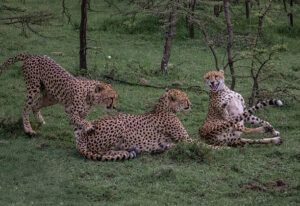
African Safari in Kenya: A candid editorial-style shot of three cheetahs in the grass, with one standing over another and a third rolling playfully with an open-mouthed expression.
The Role of Private Conservancies influence in African Safari in Kenya
While national parks are state-run and often subject to higher vehicle density, private conservancies—such as those surrounding the Masai Mara or the Ol Pejeta Conservancy—offer a more exclusive experience. Conservancies are managed with a focus on conservation and community engagement, allowing for activities that are typically prohibited in national parks, such as off-roading, guided bush walks, and night game drives.
Kenya’s private conservancy model has revolutionized wildlife conservation by integrating local Maasai landownership with sustainable tourism, offering visitors exclusive, high-density wildlife viewing experiences that often surpass those found in crowded national parks. Among the most prominent, Mara Naboisho Conservancy is widely regarded as one of the best for big cat sightings, boasting a lion density among the highest on the continent, alongside frequent leopard encounters and access to the Great Migration corridor.
Similarly, Olare Motorogi Conservancy is celebrated for its partnership between Maasai landowners and tourism operators, providing a sanctuary for one of the densest populations of lions in East Africa, as well as elephants, rhinos, and African wild dogs, all while strictly limiting visitor numbers to ensure an intimate experience.
For those seeking historical significance and conservation leadership, Ol Kinyei Conservancy stands out as the pioneer of the movement in the Mara ecosystem. Established in 2005, it has successfully transformed former cattle-grazing land into a thriving wildlife haven that supports large prides of lions, leopards, and cheetahs. In the Laikipia region, Lewa Wildlife Conservancy serves as a premier destination for rhino conservation, hosting both black and white rhino populations in a landscape that offers a game density second only to the Masai Mara.
Additionally, Ol Pejeta Conservancy is globally recognized for its Sweetwaters Chimpanzee Sanctuary and its role in protecting the last remaining northern white rhinos, making it an essential stop for conservation-minded travelers. For travelers prioritizing luxury and exclusivity, Olarro in the Loita Hills provides a sophisticated, intimate setting that sits along the migration corridor, while Borana Conservancy in Laikipia is highly lauded for its sustainable practices and support for local community health and education initiatives.
Ultimate African Safari in Kenya
Strategic Planning: Timing and Seasonality
While Kenya is a year-round destination, your choice of season will dictate the wildlife behavior, landscape, and cost. Determining the optimal time for wildlife viewing in Kenya’s private conservancies involves balancing the desire for high-density animal sightings with preferences for weather and visitor traffic. While the Masai Mara National Reserve is famous for the Great Migration, the surrounding private conservancies offer a more exclusive experience that remains excellent for wildlife viewing year-round.
The dry season, spanning from June through October, is widely considered the best time for wildlife viewing in Kenya’s conservancies. During these months, the lack of rainfall causes vegetation to thin out and surface water to become scarce, forcing wildlife to congregate predictably around permanent water sources and rivers. This period provides the clearest visibility for spotting animals, including the “Big Five,” and is the time when the Great Migration typically enters the Masai Mara region.
For travelers who prefer to avoid the crowds associated with the peak migration months, the conservancies are particularly advantageous because they strictly limit the number of vehicles allowed at any given sighting, ensuring a more intimate and less congested safari experience compared to the main National Reserve.
Alternatively, the “Green Season”—which occurs from November through May—offers a different but equally rewarding experience. Following the short rains (November–December) and the long rains (March–May), the landscape transforms into lush, vibrant greenery. This is an exceptional time for birdwatching, as thousands of migratory birds arrive, and it is also the “baby boom” season, where many herbivores give birth, drawing predators and creating high-action wildlife encounters.
While the denser foliage can make spotting animals slightly more challenging than in the dry season, the lower visitor numbers and reduced accommodation rates make this an attractive option for those seeking a quieter, more photographic safari.
Summary on the Best Time for African Safari In Kenya
- Peak Season (July–October): This is the dry season, coinciding with the Great Migration. Wildlife is concentrated around water sources, making sightings frequent and dramatic. However, this is also the most expensive and crowded time to visit.
- Shoulder Season (January–March): Often considered the “sweet spot,” this period offers excellent weather, lower prices, and fewer crowds, making it ideal for those seeking value without sacrificing quality.
- Green Season (April–June, November): Characterized by lush, green landscapes and newborn animals, this is the most affordable time to travel. While some tracks may be muddy, the photography light is superb, and the parks are blissfully quiet.
Essential Logistics for the Modern Traveler
Packing and Preparation
The climate in Kenya is deceptive; while midday temperatures can be high, early morning and evening game drives are often cold. Packing in layers is essential. A standard kit should include a base layer, a fleece or lightweight jacket, and a scarf. Furthermore, because many internal transfers utilize small bush planes, you must adhere to strict luggage weight limits—often 20kg total—making the use of camp laundry services a necessity rather than a luxury.
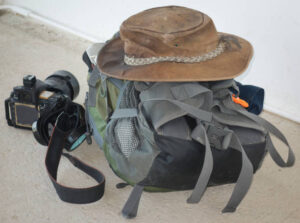
African Safari in Kenya: Cowboy Hat With Camera And Rucksack
The “Out of Office” Mentality
An African safari in Kenya is an opportunity to disconnect from the digital world. Many remote camps have limited or no Wi-Fi, and attempting to stay connected can detract from the experience. Embracing a “back-to-nature” approach allows you to fully engage with the environment, which is the primary goal of the journey.
Budgeting for Gratuities
Tipping is an integral part of the safari culture in Kenya, as it directly supports the staff who make your experience possible. It is recommended to budget for your guide and the general camp staff separately. A standard guideline is approximately $10–$20 per guest per day for your guide, with a similar amount allocated for the camp staff tip pool.
Crafting the Perfect Itinerary
Crafting an exceptional safari itinerary in Kenya requires a strategic balance of logistics, seasonal timing, and wildlife objectives. Kenya is widely regarded as a premier destination for observing the “Big Five”—lions, leopards, rhinos, elephants, and buffalo—within diverse ecosystems ranging from the savannahs of the Maasai Mara to the arid landscapes of Samburu.
The most effective way to organize a Kenyan safari is to engage a reputable local tour operator, to manage complex logistics such as park permits, vehicle maintenance, and expert driver-guides who utilize radio networks to track wildlife movements. While self-drive options were once considered, they are now restricted in key areas like the Maasai Mara, and the logistical burden of navigating remote terrain often outweighs potential cost savings. For a comprehensive experience, a 7-to-10-day itinerary is recommended, allowing travelers to acclimate in Nairobi before venturing into major reserves.
Key destinations often include the Maasai Mara for the Great Migration, Amboseli for iconic views of Mount Kilimanjaro and elephant herds, and the Ol Pejeta Conservancy for unique rhino conservation efforts. Travelers should be aware that costs are heavily influenced by the choice of accommodation, vehicle type (minivan versus Land Cruiser), and the timing of the visit, with peak season (June–October) offering the best weather but higher prices.
When designing your trip and best African safari in Kenya, consider the following factors to ensure a balanced experience:
- Define Your Priorities: Are you a photographer looking for big cats, a family needing child-friendly lodges, or a couple seeking a romantic sundowner experience?
- Select Your Accommodations: From luxury tented camps to permanent lodges, your choice of stay will define your daily comfort. Ensure your accommodation aligns with your preference for connectivity and privacy.
- Incorporate Diverse Activities: Beyond the standard morning and afternoon game drives, look for opportunities to engage in cultural visits, hot air ballooning, or guided bush walks to gain a deeper perspective on the ecosystem.
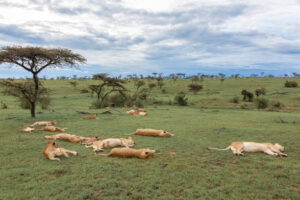
African Safari in Kenya: The lion pride, rest together after eating their fill. Masai Mara, Kenya, East Africa
The Cost of an African Safari in Kenya
An African safari in Kenya is a premier wildlife experience, offering unparalleled access to iconic landscapes like the Maasai Mara and Amboseli National Park. Planning such a trip requires a clear understanding of the financial commitment, as costs have evolved significantly following recent adjustments to park fees.
The cost of a safari in Kenya is primarily determined by the level of accommodation, the mode of transport, and the duration of the stay, with typical private safaris starting at approximately $300 per person per day. This base rate generally covers park entrance fees, full-board accommodation, a vehicle, and a driver-guide. Since July 2024, increased park fees—which can account for roughly 30% of the total budget—have standardized pricing across East African destinations.
Budget Safari Entitlements and Considerations
Budget safaris are designed for accessibility and often utilize shared group tours or basic camping setups. These packages can cost as little as $180 per person per day.
- Entitlements: These typically include transport in pop-top minibuses, basic tented camps or lodges, and communal facilities.
- Pros: Highly cost-effective for solo travelers and those prioritizing wildlife viewing over luxury amenities.
- Cons: Less flexibility in itineraries, potentially less experienced guides, and the physical discomfort of shared vehicles or basic camping gear.
Luxury Safari Entitlements and Considerations
Luxury safaris offer a high-end, bespoke experience, with costs ranging from $600 to over $5,000 per person per day for “Luxury Plus” tiers.
- Entitlements: Guests stay in exclusive lodges or tented camps featuring amenities like infinity pools, spas, and gourmet dining. Transport often involves charter flights to private airstrips, and game drives are conducted in high-specification 4×4 Toyota Land Cruisers with expert guides.
- Pros: Unrivaled comfort, privacy, personalized service (including butlers), and access to exclusive private conservancies that offer a more intimate wildlife experience.
- Cons: Significantly higher financial barrier and the potential for a more “insulated” experience away from the local culture.
Conclusion On Why African Safari in Kenya is Must-do
By carefully selecting your destinations and working with experts who understand the “lay of the land,” you can ensure that your African safari in Kenya is not just a vacation, but a life-changing encounter with the natural world.
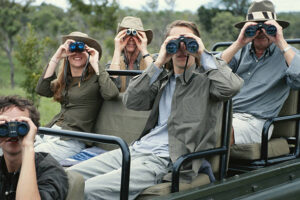
Tourists on game drives at Amboseli during their African safari in Kenya
Travelers should prioritize a well-structured itinerary that avoids the common mistake of over-scheduling. Staying in each location for at least two to three nights is highly recommended to allow for a deeper connection with the environment and to maximize the probability of witnessing rare wildlife behaviors. For those seeking to integrate cultural depth into their journey, visiting Maasai communities provides an invaluable perspective on the region’s heritage.
These interactions, when conducted through ethical, community-led operators, allow visitors to engage in traditional activities like beadwork, fireside storytelling, and learning about the pastoralist lifestyle, all while ensuring that tourism revenue directly benefits the local population.
Logistically, Kenya is highly accessible, with Nairobi serving as the primary hub for international arrivals. From the capital, travelers can utilize bush planes to reach remote reserves, which is often the most efficient and scenic method of transport. When selecting accommodation, the choice between luxury lodges and intimate tented camps should align with the desired level of comfort and immersion.
Regardless of the choice, the daily rhythm of a safari—characterized by early morning game drives, midday siestas, and evening sundowners—remains a consistent and rewarding structure for exploring the African bush. Ultimately, the “ultimate” safari is one that respects the delicate balance of the ecosystem, adheres to responsible tourism practices, and remains flexible enough to embrace the unpredictable nature of the wild.
Leave a comment:
You must be logged in to post a comment.

Comments (2)
Astute Africa Safaris,
06 June, 2026REF: Crafting Your Bespoke African Safari Experience with Astute Africa Safaris
Jambo,
Thank you for your interest in exploring the wonders of Africa with Astute Africa Safaris. We pride ourselves on creating immersive, tailor-made journeys that align perfectly with your personal interests, pace, and travel aspirations.
Because every safari is a unique narrative, we do not believe in “one-size-fits-all” pricing. To ensure we provide you with an accurate and competitive quotation that reflects the specific lodges, wildlife experiences, and logistical arrangements you desire, we invite you to connect with our team for a personalized consultation.
Please contact us at info@astuteafricasafaris.com, Whatsapp +254762663272 or fill the inquiry form with a few details regarding your preferred travel dates, group size, and specific interests (e.g., photography, luxury relaxation, or adventure trekking). Once we have these details, we will curate a comprehensive proposal designed specifically for you.
We look forward to the possibility of helping you plan an unforgettable journey.
Warm regards,
Team Astute Africa Safaris
Safari Preparation Tips Kenya - Astute Africa Safaris,
06 June, 2026[…] From the vast plains of the Maasai Mara to the arid beauty of Samburu, the Kenyan landscape demands specific preparation regarding health, gear, and logistics. A well-structured plan allows travelers to focus on the […]