

- 279 Views
- 26 Min Read
- (1) Comment
Africa is one of the world’s most fascinating travel destinations, offering extraordinary wildlife encounters, breathtaking landscapes, rich cultural heritage and unforgettable safari experiences. From watching elephants cross the open plains of Amboseli to witnessing the Great Wildebeest Migration in the Maasai Mara and Serengeti, an African safari is an experience many travellers dream of enjoying at least once in their lifetime.
However, before booking their first safari, many international visitors ask an important question: Is it safe to go on safari in Africa?
It is a reasonable concern. Africa is home to some of the world’s largest and most powerful wild animals, including lions, elephants, buffaloes, leopards and rhinoceroses. Safari destinations are also often located in remote wilderness areas where medical facilities, communication networks and emergency services may be limited.
Beyond wildlife, travellers may have questions about personal security, road transportation, malaria, food and water safety, accommodation, political conditions and travelling with children.
The reassuring news is that professionally organised safaris can be enjoyed safely when travellers choose suitable destinations, use responsible and experienced safari operators, follow local regulations and prepare adequately for their journeys.
Nevertheless, no international destination is entirely risk-free. Safety conditions differ between countries, regions, parks and individual safari activities.
This comprehensive African safari safety guide by Astute Africa Safaris explores what travellers should know before going on an African safari. Whether you are planning a luxury wildlife holiday, a family safari, a honeymoon, a photography expedition or a multi-country East African adventure, this guide will help you make informed decisions.

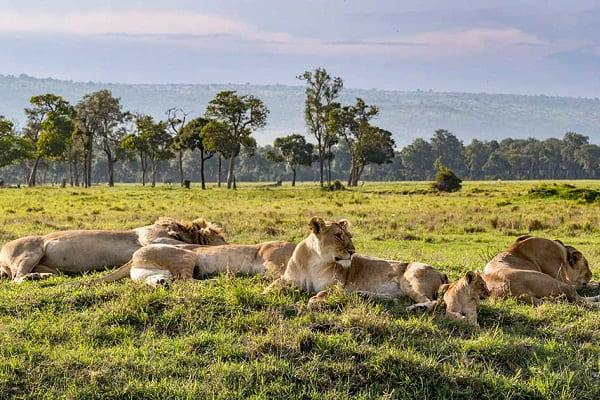
A professionally guided game drive offers opportunities to observe African wildlife while maintaining appropriate safety distances.
1. Is It Safe to Go on Safari in Africa?
Yes, an African safari can be a safe and rewarding travel experience when properly planned, but safety should never be taken for granted.
Thousands of travellers visit African national parks, wildlife reserves, conservation areas and private conservancies to experience the continent’s extraordinary biodiversity.
Professional safari guides, park rangers, conservation teams, accommodation staff and tour operators play important roles in helping visitors enjoy these environments responsibly.
However, safety depends on several factors:
-
The destination and its current security conditions.
-
The experience and professionalism of the safari guide.
-
The condition and suitability of safari vehicles.
-
Compliance with national park and wildlife regulations.
-
The standard of accommodation and its security arrangements.
-
Appropriate health preparations and travel insurance.
-
The traveller’s willingness to follow instructions.
Wild animals are unpredictable. Even animals that appear calm or accustomed to safari vehicles can react defensively when threatened, surprised or approached too closely.
The US Centers for Disease Control and Prevention (CDC) explains that many wildlife-related injuries occur when visitors disregard safety rules, including approaching, feeding or attempting to handle animals.
Travellers should therefore approach safari as a guided wilderness experience rather than an ordinary sightseeing excursion.
2. Understanding the Main Safety Risks on an African Safari
Before choosing a safari destination, it is important to understand the potential risks and how to minimise them.
A. Wildlife-related risks
Africa is famous for its magnificent wildlife. However, some animals can be dangerous when approached without appropriate precautions.

Elephants
Elephants are intelligent, powerful animals and can become aggressive when they feel threatened, especially when protecting their young.
Visitors should never attempt to approach elephants on foot, block their movement or position vehicles too close to them.
Lions
Lions are powerful predators. Although they may appear relaxed while resting during daytime game drives, they remain wild animals.
Visitors should remain inside safari vehicles unless their professional guide has identified a permitted and safe place to leave the vehicle.
Buffaloes
African buffaloes are particularly unpredictable. They can become aggressive when disturbed, injured or approached too closely.
Leopards
Leopards are generally elusive and often avoid people. However, their strength and predatory instincts mean they should never be approached or treated as harmless.
Rhinoceroses
Both black and white rhinoceroses require respectful observation from appropriate distances. Their size, speed and defensive behaviour make close encounters potentially dangerous.
Hippopotamuses and crocodiles
Water bodies in African parks may contain dangerous wildlife. Hippopotamuses can be highly territorial, while crocodiles are powerful predators.
Never swim, wade or approach riverbanks in wildlife areas unless the activity is specifically authorised and supervised.
The golden rule is simple: admire wildlife from a safe distance, listen to your guide and never attempt to interact with wild animals.
B. Insects and other small wildlife
Mosquitoes, ticks and other biting insects can expose travellers to diseases.
Safari visitors should use recommended insect repellents, wear suitable clothing and follow medical advice regarding malaria prevention.
C. Road and transportation risks
Road transportation is an important part of many African safari itineraries.
Some national parks are reached through long journeys on highways, rural roads and rough tracks. Weather conditions can also affect road surfaces.
Travellers should:
-
Use suitable, well-maintained safari vehicles.
-
Wear seat belts throughout the journey.
-
Avoid unnecessary night-time road travel.
-
Use experienced drivers familiar with local routes.
-
Allow sufficient time between destinations.
-
Avoid travelling in overcrowded vehicles.
The CDC highlights road traffic injuries as an important travel risk in sub-Saharan Africa, particularly during long-distance journeys.
D. Personal security and crime
Like other international travel destinations, African cities, towns and tourist areas can experience petty theft, scams, robbery and other security incidents.
Travellers should take reasonable precautions, including:
-
Avoid displaying expensive jewellery and large amounts of cash.
-
Keep passports and valuables secure.
-
Use reputable airport transfers and transportation providers.
-
Avoid isolated areas, especially after dark.
-
Follow local security guidance.
-
Stay informed about current travel advisories.
Kenya’s official tourism guidance also recommends using reputable tour operators, following park regulations and arranging appropriate travel insurance.
3. Is Kenya Safe for a Safari Holiday?
Kenya is among Africa’s best-known safari destinations, offering exceptional wildlife experiences, diverse ecosystems and established tourism infrastructure.

Popular safari destinations include:
-
Maasai Mara National Reserve – famous for lions, cheetahs, elephants and the Great Wildebeest Migration.
-
Amboseli National Park – renowned for elephant herds and views of Mount Kilimanjaro.
-
Tsavo East National Park – known for expansive wilderness and red-dust elephants.
-
Tsavo West National Park – featuring diverse landscapes, wildlife and volcanic scenery.
-
Lake Nakuru National Park – known for its birdlife, rhinos and other wildlife.
-
Samburu National Reserve – home to distinctive northern Kenyan wildlife species.
These destinations offer rewarding experiences for visitors travelling with professional guides and following local safety requirements.
However, travellers should not assume that every part of Kenya has the same security conditions.
Some border and remote areas have additional security risks. Government travel advisories identify specific regions where travel should be avoided or reconsidered. These warnings can change and should be checked before departure.
Practical recommendation: Choose an itinerary that uses established tourism routes and reputable accommodation, and confirm the latest security advice for every region you intend to visit.
4. Is Tanzania Safe for an African Safari?
Tanzania is another outstanding safari destination, particularly for travellers interested in the Serengeti, Ngorongoro Conservation Area, Tarangire and Lake Manyara.

Some of the most popular destinations include:
-
Serengeti National Park – famous for the Great Wildebeest Migration and abundant predators.
-
Ngorongoro Conservation Area – home to remarkable wildlife within the Ngorongoro Crater.
-
Tarangire National Park – renowned for elephants and iconic baobab trees.
-
Lake Manyara National Park – known for diverse habitats, birdlife and tree-climbing lion sightings.
Safaris in Tanzania can be rewarding when travellers use suitable transport, reputable accommodation and qualified local guides.
Nevertheless, Tanzania has its own security and health considerations. Visitors should review current government travel advice, particularly concerning urban travel, remote areas and border regions.
5. Is Uganda Safe for a Safari Holiday?
Uganda offers a different kind of safari experience, combining traditional savannah game drives with forest exploration, birdwatching and mountain gorilla trekking.

Popular destinations include:
-
Bwindi Impenetrable National Park – famous for mountain gorilla trekking.
-
Queen Elizabeth National Park – known for savannah wildlife, boat safaris and diverse birdlife.
-
Murchison Falls National Park – featuring spectacular waterfalls and wildlife.
-
Kibale National Park – particularly popular for chimpanzee tracking.
Gorilla trekking requires visitors to follow strict park authority instructions. The experience involves walking through forest terrain, sometimes on steep and slippery trails.
Visitors should:
-
Obtain permits through authorised channels.
-
Follow ranger instructions throughout the trek.
-
Maintain the required distance from gorillas.
-
Avoid trekking when unwell and disclose relevant symptoms to park authorities.
-
Wear suitable hiking boots and protective clothing.
Uganda also has regional security considerations, so travellers should check current official advice and confirm that their chosen itinerary is appropriate.
6. Is Rwanda Safe for Safari and Wildlife Tourism?
Rwanda has developed an internationally recognised tourism offering, particularly in mountain gorilla conservation, forest tourism and wildlife experiences.

Important destinations include:
-
Volcanoes National Park – famous for mountain gorilla trekking.
-
Akagera National Park – offering savannah wildlife safaris.
-
Nyungwe National Park – known for rainforest biodiversity, chimpanzees and birdwatching.
As with all destinations, visitors should observe park regulations, use authorised guides and check current travel advice, including any warnings relating to border areas.
Comparing East African safari destinations
| Destination | Main experience | Important safety consideration |
|---|---|---|
| Kenya | Classic wildlife safaris | Wildlife and regional security |
| Tanzania | Serengeti and Ngorongoro | Wildlife and transport |
| Uganda | Gorilla trekking and game drives | Forest trekking and health |
| Rwanda | Gorilla trekking and savannah safaris | Trekking and regional advice |
The best destination depends on your interests, health requirements, travel dates and current security conditions.
7. How to Stay Safe During an African Safari Game Drive
Game drives are among the most exciting activities on an African safari. They allow visitors to observe animals in their natural habitats without disturbing their behaviour.
However, following safety instructions is essential.

Important game drive safety rules:
-
Remain inside the safari vehicle unless your guide authorises you to get out at a designated safe location.
-
Never stand up or lean dangerously outside the vehicle when close to wildlife.
-
Avoid shouting, sudden movements or loud noises.
-
Never attempt to attract animals by making noises or throwing objects.
-
Do not feed wildlife under any circumstances.
-
Keep your hands and belongings inside the vehicle.
-
Follow your guide’s instructions when approaching wildlife.
-
Never encourage a driver to pursue or harass an animal for a photograph.
-
Respect park speed limits and designated driving routes.
-
Do not insist on getting closer to an animal simply to obtain a better photograph.
A responsible safari is not measured by how close visitors get to dangerous animals. It is measured by the quality of the experience and the respect shown towards wildlife.
8. Are Walking Safaris in Africa Safe?
Walking safaris provide a more intimate experience of the African wilderness.
Unlike vehicle-based game drives, walking safaris allow visitors to explore the natural environment on foot, learning about animal tracks, plants, insects, birdlife and the smaller details of the ecosystem.

However, walking safaris require additional precautions because participants are exposed to the natural environment without the protection of a vehicle.
For a safer walking safari:
-
Participate only in activities authorised by the relevant park or conservancy.
-
Use properly qualified and authorised guides or rangers.
-
Follow instructions without hesitation.
-
Wear appropriate walking shoes and clothing.
-
Avoid touching unfamiliar plants or animals.
-
Maintain group discipline.
-
Never wander away from the group.
-
Inform guides of medical conditions or mobility concerns before the activity.
Some walking safaris may require an armed ranger, depending on the destination, regulations and wildlife conditions.
Walking safaris are not suitable for everyone. Children may have minimum age restrictions, and some activities may not be appropriate for people with certain mobility or medical limitations.
Always confirm requirements before booking.
9. Is It Safe to Stay in African Safari Lodges and Tented Camps?
Accommodation is another important consideration when planning an African safari.
Many safari lodges and tented camps are situated within or near wildlife conservation areas. This offers guests an extraordinary opportunity to experience nature, but it also requires awareness of the surrounding environment.

Wild animals sometimes move through or near accommodation areas, especially after dark.
For this reason, visitors should:
-
Follow camp staff instructions about moving around the property.
-
Request an escort where accommodation rules require one.
-
Avoid walking outside designated areas at night.
-
Keep tent or room entrances secured as instructed.
-
Never leave food outside in ways that attract wildlife.
-
Avoid approaching animals that enter the camp.
-
Keep children supervised.
-
Familiarise themselves with emergency procedures.
Some camps are unfenced, allowing wildlife to move naturally through the surrounding area. This is part of the wilderness experience, but it also means guests must take accommodation safety instructions seriously.
Before booking, ask the accommodation provider about security arrangements, wildlife procedures, emergency communication and medical assistance.
10. Health and Medical Safety Before Going on Safari
Health preparation is an essential part of planning an African safari.
Different destinations have different health risks depending on their climate, altitude, wildlife environment and local disease patterns.
The CDC recommends pre-travel medical consultation tailored to the traveller’s itinerary, including planned parks and activities.
A. Malaria prevention
Malaria is present in many sub-Saharan African safari destinations.
Travellers should consult a qualified travel health professional about whether malaria prevention medication is appropriate for their itinerary.
Additional precautions include:
-
Applying suitable insect repellent.
-
Wearing long-sleeved shirts and trousers, particularly in the evening.
-
Sleeping in accommodation with appropriate insect protection.
-
Using mosquito nets where provided or recommended.
-
Avoiding unnecessary exposure to mosquito bites.
Do not assume that staying in a luxury safari lodge eliminates malaria risk.
B. Vaccinations and travel health advice
Depending on your country of origin, destinations and travel route, vaccinations may be recommended or required.
These may include:
-
Yellow fever.
-
Hepatitis A.
-
Typhoid.
-
Tetanus and routine vaccinations.
-
Other vaccines based on individual medical assessment.
Yellow fever requirements differ between countries and may depend on the traveller’s previous destinations or transit route.
For multi-country safaris, travellers should check the entry requirements for every country on their itinerary, including transit countries.
Seek advice from a qualified travel medicine professional well before departure.
C. Food and drinking water safety
Food is an important part of the African travel experience. Visitors can enjoy a variety of local and international dishes at safari lodges, hotels and restaurants.
Nevertheless, travellers should observe basic food and water precautions.
-
Drink properly treated or sealed drinking water.
-
Avoid untreated water from rivers, lakes and unknown sources.
-
Wash hands before eating.
-
Eat food prepared and stored under hygienic conditions.
-
Carry any prescribed medication required during the trip.
-
Use hand sanitiser when soap and clean water are unavailable.
The CDC recommends careful food and water precautions and carrying appropriate medical supplies, especially when visiting remote destinations.
D. Medical facilities and emergency assistance
Many safari destinations are located far from major hospitals.
Some lodges have first-aid facilities, while others may have access to local clinics or emergency evacuation arrangements.
Travellers should establish:
-
The nearest appropriate medical facility.
-
How emergency assistance is arranged.
-
Whether mobile communication is available.
-
Whether the safari operator has an emergency response procedure.
-
Whether medical evacuation is covered by their insurance.
This is especially important for travellers visiting remote wilderness areas, participating in gorilla trekking or undertaking multi-day expeditions.
11. Is Africa Safe for Family Safaris with Children?
Africa offers wonderful family safari opportunities. Children can learn about wildlife, conservation, geography, ecosystems and different cultures while enjoying unforgettable experiences.

However, family safaris require additional planning.
Not all lodges, camps and safari activities have the same age requirements.
Some walking safaris, gorilla trekking activities and specialist wildlife experiences have minimum age restrictions.
Family safari safety recommendations:
-
Choose family-friendly accommodation with appropriate facilities and security arrangements.
-
Confirm children’s age requirements before booking activities.
-
Ensure children remain supervised throughout the safari.
-
Teach children never to approach or feed wild animals.
-
Avoid allowing children to move around camps without adult supervision.
-
Choose reasonable driving distances.
-
Pack essential medicines, appropriate clothing and insect protection.
-
Select itineraries with sufficient rest periods.
For families with younger children, private safari vehicles can provide additional flexibility, allowing parents to manage game drive durations and daily schedules according to their children’s needs.
The right safari itinerary should balance adventure, comfort, education and safety.
12. Is It Safe for Women to Travel Alone on an African Safari?
Solo travel is becoming an increasingly popular way to experience Africa.
Women travelling alone can enjoy wildlife safaris, cultural experiences, beach holidays and conservation activities, provided they take sensible precautions and choose appropriate arrangements.

Recommended precautions include:
-
Book through a reputable tour operator.
-
Arrange airport transfers before arrival.
-
Choose accommodation with appropriate security.
-
Avoid isolated areas after dark.
-
Keep friends or family informed of your itinerary.
-
Use established transport providers.
-
Confirm whether game drives are shared or private.
-
Review destination-specific advice concerning personal security and local laws.
Women should also consider accommodation arrangements, room security, guide arrangements and communication options when selecting a safari.
A well-planned safari can provide a wonderful solo travel experience without overlooking the practical considerations of travelling independently.
13. Is It Safe to Go on an African Safari as an Older Traveller?
Age alone should not prevent someone from enjoying an African safari.
Many older travellers enjoy wildlife photography, scenic game drives, luxury tented camps and nature experiences.
However, safari activities differ considerably in their physical demands.

Before booking, consider:
-
The length of road journeys.
-
Accessibility of accommodation and safari vehicles.
-
Walking distances.
-
Availability of suitable meals.
-
Access to medical assistance.
-
Climate and altitude conditions.
-
Personal health and medication requirements.
Travellers with existing health concerns should seek medical advice before departure.
A comfortable safari itinerary can include shorter game drives, fewer accommodation changes, quality lodges and sufficient rest periods.
14. How to Choose a Safe and Reliable African Safari Tour Operator
Choosing the right tour operator is one of the most important decisions you will make when planning an African safari.
A safari company does more than organise accommodation and transport. It coordinates your movements, guides, activities and support arrangements in unfamiliar environments.

Before booking, investigate the following:
1. Business registration and licensing
Check whether the company is properly registered and holds the applicable tourism licences or permits required in the country where it operates.
2. Professional safari guides
Ask about guide experience, training, qualifications and familiarity with your chosen destinations.
3. Safari vehicle condition
Find out whether vehicles are properly maintained, suitable for the terrain and equipped for the planned journey.
4. Insurance arrangements
Ask about relevant operator and activity insurance, and obtain your own comprehensive travel insurance.
5. Accommodation standards
Check independent reviews, security arrangements, facilities and suitability for your travel group.
6. Emergency support
Understand how the operator responds to medical emergencies, vehicle breakdowns, itinerary disruptions and other unexpected situations.
7. Transparent booking conditions
A reliable company should clearly explain prices, inclusions, exclusions, payment arrangements, cancellation policies and refund conditions.
8. Genuine customer feedback
Look for independently verifiable customer reviews and testimonials rather than relying entirely on promotional material.
9. Responsible wildlife practices
Choose operators who respect wildlife, conservation regulations and the welfare of local communities.
10. Communication and personalised support
A professional operator should be willing to answer your questions, explain your itinerary and help you understand what to expect before travelling.
Do not choose a safari company solely because it offers the lowest price. The quality of planning, guides, transport, accommodation and emergency support can make a significant difference to your experience.
15. What Should You Pack for a Safe African Safari?
Packing appropriately can improve your comfort and help you prepare for changing weather and outdoor conditions.

Here is a practical packing checklist.
| Item | Why it is important |
|---|---|
| Comfortable neutral-coloured clothing | Suitable for outdoor activities |
| Closed walking shoes | Protect feet during nature walks |
| Wide-brimmed hat | Protection from the sun |
| Sunglasses | Eye protection |
| Sunscreen | Protection against sun exposure |
| Insect repellent | Reduces insect bites |
| Binoculars | Observing wildlife from a distance |
| Camera | Wildlife photography |
| Personal medication | Managing individual health needs |
| Basic first-aid supplies | Minor medical needs |
| Reusable water bottle | Staying hydrated |
| Travel insurance documents | Access to insurance assistance |
| Passport and travel documents | Identification and entry requirements |
| Power bank | Maintaining device charge |
Depending on your safari destination and season, you may also need warm clothing for early morning game drives, rain protection and suitable trekking equipment.
For specialist activities such as gorilla trekking, follow the specific equipment and clothing guidance provided by your tour operator and park authorities.
16. Is Travel Insurance Necessary for an African Safari?
Travel insurance is strongly recommended for African safaris.
Safari holidays can involve long-distance transportation, remote accommodation, outdoor activities and destinations where emergency medical assistance may require significant coordination.
A suitable policy should be checked for:
-
Emergency medical expenses.
-
Medical evacuation and repatriation.
-
Trip cancellation and interruption.
-
Lost, stolen or damaged baggage.
-
Travel delays.
-
Personal liability.
-
Activities included in your itinerary, such as trekking or other adventure experiences.
An important distinction: Ordinary travel insurance does not automatically cover every safari activity or medical evacuation arrangement.
Read the policy carefully and confirm that your exact destinations and planned activities are covered.
The World Health Organization recommends comprehensive travel insurance and advises travellers to carry sufficient prescribed medication and relevant health documents.
17. What Happens If There Is a Medical Emergency During a Safari?
Medical emergencies can happen anywhere, including during an African safari.
The challenge in remote wilderness destinations is that emergency services may not be immediately accessible.
A responsible safari operator should be able to explain its emergency arrangements before your journey begins.
These may include:
-
Immediate first-aid assistance.
-
Communication with local medical providers.
-
Ground transportation to an appropriate medical facility.
-
Coordination with an emergency medical evacuation provider where necessary.
-
Communication with the traveller’s insurance provider or emergency assistance company.
Before departure, ask your operator:
-
Who should I contact in an emergency?
-
Is there reliable communication in the safari areas?
-
Which medical facilities serve the destinations on my itinerary?
-
What happens if a vehicle breaks down?
-
Is medical evacuation available, and who arranges it?
Do not assume that every safari lodge or operator provides an air ambulance service. Confirm the actual arrangements and insurance coverage.
18. Is It Safe to Travel Between African Safari Destinations?
Many visitors combine two or more destinations to experience different landscapes, wildlife and cultures.
For example, a traveller might combine Kenya’s Maasai Mara and Amboseli with Tanzania’s Serengeti and Ngorongoro.

Multi-country safaris can be rewarding, but they require careful logistical planning.
Important considerations include:
-
Border crossing procedures.
-
Passport validity and entry permissions.
-
Visa or electronic travel authorisation requirements.
-
Health and vaccination requirements.
-
Approved border crossing points.
-
Vehicle and transport arrangements.
-
Travel time between destinations.
-
Current security conditions.
Travellers should never assume that an entry permit for one country automatically authorises entry into another.
For Kenya, Tanzania, Uganda and Rwanda, entry requirements should be checked against the traveller’s nationality, travel route and current regulations.
When crossing borders, use properly organised transportation and allow sufficient time for immigration and other formalities.
19. Is It Safe to Visit African National Parks During the Rainy Season?
African safari destinations experience different rainfall patterns, and conditions vary considerably across the continent.
Rainy seasons can create beautiful landscapes, improve birdwatching opportunities and offer excellent photographic conditions.

However, heavy rainfall can also affect road conditions, accessibility and travel schedules.
Potential challenges include:
-
Muddy or slippery roads.
-
Flooded tracks and water crossings.
-
Reduced visibility.
-
Delayed transfers.
-
Changes to scheduled activities.
-
Increased insect activity in some environments.
Travellers should consult their operator before travelling, particularly when visiting remote parks.
A flexible itinerary with appropriate vehicles and experienced drivers can help manage seasonal challenges.
20. Responsible Tourism and Wildlife Conservation: An Important Part of Safari Safety
A safe African safari should also be a responsible safari.
Tourism contributes to wildlife conservation, employment, community livelihoods and the protection of natural ecosystems.

Responsible safari tourism means respecting wildlife, supporting local communities and protecting the natural environment.
Travellers can contribute by:
-
Choosing responsible safari operators.
-
Respecting park rules and conservation regulations.
-
Avoiding activities that exploit or mistreat wild animals.
-
Supporting locally owned tourism businesses.
-
Purchasing authentic locally produced products.
-
Respecting local traditions and cultural practices.
-
Minimising waste and plastic pollution.
-
Supporting legitimate conservation and community initiatives.
Wildlife conservation and community wellbeing are closely connected. When local communities benefit from tourism, they have greater opportunities to participate in protecting the natural resources that attract visitors.
At Astute Africa Safaris, we believe that meaningful African travel should create positive experiences for visitors while recognising the importance of conservation and local community participation.
You can learn more about our approach through our Economic, Environmental and Social Responsibility Policy.
21. The Safest Way to Plan Your First African Safari
For first-time visitors, planning an African safari can feel overwhelming.
There are different destinations, accommodation categories, transportation options, wildlife experiences and travel requirements to consider.
The best approach is to plan your safari around your interests, travel dates, budget, health needs and preferred level of comfort.
Here is a practical planning sequence:
Your African safari planning checklist
-
Choose your safari destination
Decide whether you want to visit Kenya, Tanzania, Uganda, Rwanda or combine several countries.
-
Select suitable accommodation
Compare lodges, tented camps and hotels based on location, security, facilities and your budget.
-
Choose a reliable safari operator
Verify registration, licensing, experience, guides, vehicles and emergency arrangements.
-
Check health requirements
Consult a travel health professional about vaccinations, malaria prevention and personal medication.
-
Review travel advisories
Check current security advice for every destination and route.
-
Arrange travel insurance
Confirm medical evacuation and activity coverage.
-
Confirm travel documents
Check passports, visas, entry permissions and any applicable vaccination certificates.
-
Understand the itinerary
Confirm transportation, driving distances, activities, accommodation and booking conditions.
-
Prepare for the wilderness
Pack suitable clothing, personal medication, insect protection and other essentials.
22. Why Choose Astute Africa Safaris for Your African Safari?
Planning a memorable African safari requires more than selecting a national park and booking accommodation. It requires understanding the destination, listening to the traveller and designing an itinerary that balances wildlife experiences, comfort, logistics and responsible tourism.

Astute Africa Safaris is a locally owned Kenyan tour operator based in Nairobi, organising personalised African safari holidays and travel experiences across East Africa.
Our safari planning approach is centred on understanding what each traveller wants to experience and designing an itinerary around those expectations.
We assist travellers interested in:
-
Kenya wildlife safaris.
-
Tanzania and Serengeti wildlife experiences.
-
Uganda gorilla trekking and wildlife safaris.
-
Rwanda wildlife and gorilla experiences.
-
Multi-country East African safaris.
-
Luxury and mid-budget safari holidays.
-
Family-friendly safari arrangements.
-
Honeymoon and private safari experiences.
-
Birdwatching and wildlife photography.
-
Safari and beach holiday combinations.
We recognise that every traveller has different expectations, budgets and comfort requirements.
That is why we believe in personalised travel support, clear communication and flexible itinerary planning.
We also recognise that responsible tourism should benefit more than the visitor. It should contribute positively to wildlife conservation, local livelihoods and the communities surrounding tourism destinations.
Whether you are planning your first African safari or returning to explore more of the continent, our team can help you understand your options and plan an experience suited to your interests.
Plan your African safari with local knowledge and personalised travel support.
Ready to plan your African safari?
Discover the beauty of Africa through carefully planned wildlife experiences, exceptional landscapes and meaningful travel encounters.
Let us help you design a safari that reflects your interests, travel dates and budget.
Personalised safari planning
Kenya & East Africa
23. Frequently Asked Questions About African Safari Safety
These questions are particularly useful for travellers researching whether to book an African safari.
1. Is it safe to go on safari in Africa for the first time?
Yes, a first-time safari can be a rewarding experience when properly organised. Choose a suitable destination, use a reputable tour operator, follow wildlife safety rules and prepare for health and travel requirements.
2. Are African safaris dangerous?
Safaris involve real wilderness risks, particularly from wildlife, road transportation and remote environments. However, professional guiding, appropriate vehicles, park regulations and responsible visitor behaviour help reduce these risks.
3. Which African country is safest for a safari?
There is no universally safest African safari destination. Kenya, Tanzania, Uganda and Rwanda offer established safari experiences, but security conditions, infrastructure, health risks and travel requirements vary. Check current travel advisories before choosing.
4. Can tourists safely see lions and elephants?
Yes. Visitors regularly observe lions and elephants during professionally guided game drives. The important requirement is maintaining appropriate distances and following the guide’s instructions.
5. Can I walk around safari lodges at night?
This depends on the accommodation. In some unfenced camps, wild animals may move through the property. Follow lodge instructions and request an escort whenever required.
6. Is malaria a concern during African safaris?
Yes. Malaria occurs in many African safari destinations. Consult a travel health professional about preventive medication, insect repellents and other precautions before travelling.
7. Is an African safari safe for children?
Yes, family safaris can be suitable for children when accommodation, activities and itineraries are selected appropriately. Always check minimum age requirements and maintain adult supervision.
8. Is it safe for a woman to go on an African safari alone?
Solo female safaris are possible. Choose reputable operators, secure accommodation and reliable transfers, and follow local security advice.
9. Do I need travel insurance for an African safari?
Comprehensive travel insurance is strongly recommended. Check that it covers medical expenses, evacuation, cancellations and all activities on your itinerary.
10. Are luxury African safaris safer than budget safaris?
Price alone does not determine safety. Both luxury and budget safaris can be well organised. Evaluate the operator, vehicle condition, guide experience, accommodation security and emergency arrangements rather than relying solely on price.
11. What should I avoid doing during a safari?
Never feed wild animals, approach them on foot without authorisation, leave vehicles in prohibited areas, ignore guides or attempt to provoke animals for photographs.
12. Is it safe to combine Kenya and Tanzania in one safari?
Yes, multi-country safaris are possible when border arrangements, entry requirements, transportation and current security conditions are properly considered.
13. What happens if I become sick during a safari?
Contact your guide or accommodation staff immediately. They should help coordinate appropriate medical assistance. Travellers should have suitable medical insurance and understand emergency evacuation arrangements before departure.
14. Are African safari vehicles safe?
Well-maintained safari vehicles operated by experienced drivers are an important part of responsible safari planning. Always wear seat belts, follow vehicle instructions and use suitable vehicles for the terrain.
15. Should I be worried about crime when visiting African safari destinations?
Travellers should take sensible precautions, particularly in urban areas, transport hubs and unfamiliar locations. Use reputable transfers, secure valuables and follow current local security guidance.
24. Final Thoughts: Enjoy Africa Safely and Responsibly
An African safari is much more than a holiday. It is an opportunity to experience extraordinary wildlife, explore breathtaking landscapes, learn about diverse cultures and appreciate the importance of conservation.
From the vast plains of Kenya’s Maasai Mara to Tanzania’s Serengeti, Uganda’s tropical forests and Rwanda’s mountain gorilla habitats, Africa offers unforgettable experiences for travellers with different interests and expectations.
However, a successful safari begins with informed decisions.
Choose your destination carefully, work with a responsible tour operator, prepare for health and security requirements, obtain appropriate travel insurance and respect wildlife and local communities.
Remember that no safari destination is entirely without risk, and conditions can change. Always consult current official travel advisories and professional health advice before departure.
Africa is waiting to be explored. Plan wisely, travel responsibly and experience its extraordinary beauty.
Let Astute Africa Safaris help you plan your next African adventure.
Start planning your African safari with Astute Africa Safaris
Explore: East Africa Visa Requirements
Explore: Safari booking and cancellation terms
Leave a comment:
You must be logged in to post a comment.
Comment 01
Astute Africa Safaris,
11 November, 2026REF: Crafting Your Bespoke African Safari Experience with Astute Africa Safaris
Jambo,
Thank you for your interest in exploring the wonders of Africa with Astute Africa Safaris. We pride ourselves on creating immersive, tailor-made journeys that align perfectly with your personal interests, pace, and travel aspirations.
Because every safari is a unique narrative, we do not believe in “one-size-fits-all” pricing. To ensure we provide you with an accurate and competitive quotation that reflects the specific lodges, wildlife experiences, and logistical arrangements you desire, we invite you to connect with our team for a personalized consultation.
Please contact us at info@astuteafricasafaris.com, Whatsapp +254762663272 or fill the inquiry form with a few details regarding your preferred travel dates, group size, and specific interests (e.g., photography, luxury relaxation, or adventure trekking). Once we have these details, we will curate a comprehensive proposal designed specifically for you.
We look forward to the possibility of helping you plan an unforgettable journey.
Warm regards,
Team Astute Africa Safaris