

- 2.1k Views
- 24 Min Read
- (4) Comments
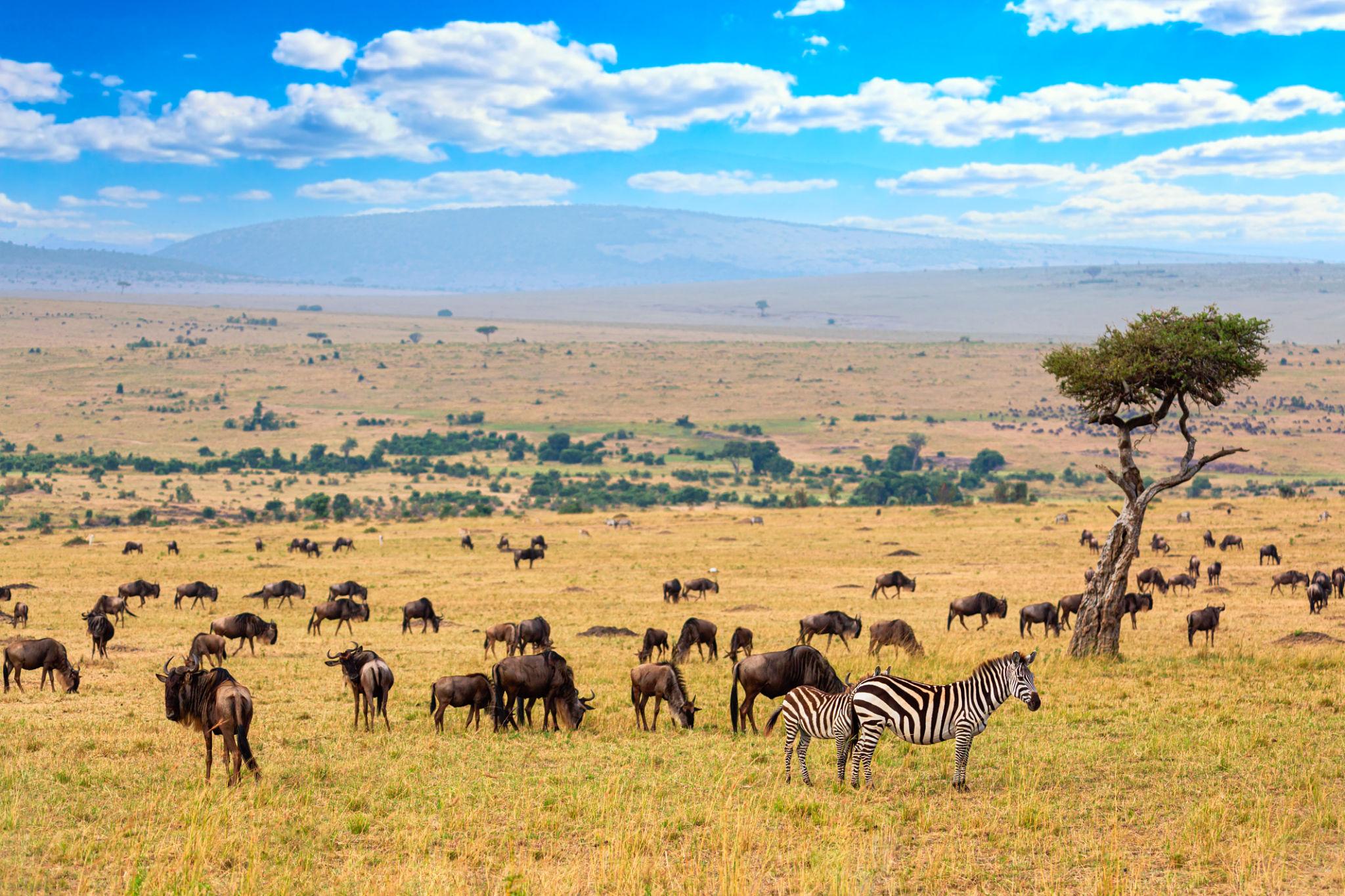
An African safari is one of the most rewarding ways to experience nature, wildlife and diverse cultures. From watching elephants roam beneath Mount Kilimanjaro in Amboseli to witnessing the Great Wildebeest Migration across the Maasai Mara and Serengeti, Africa offers extraordinary experiences that attract travellers from around the world.
Beyond the excitement of wildlife encounters, however, there is an important question every responsible traveller should consider: How can you enjoy an African safari while helping protect the wildlife, natural environments and communities that make these destinations special?
This is where sustainable African safari tourism becomes important.
A sustainable safari considers more than the destination and accommodation. It involves choosing responsible tour operators, respecting wildlife, supporting local businesses, protecting natural resources, respecting cultural heritage and understanding how tourism affects the people who live alongside wildlife.
Whether you are planning a luxury African safari, a mid-range wildlife holiday, a family adventure, a honeymoon or a multi-country East African journey, responsible travel practices can be incorporated into your arrangements.
At Astute Africa Safaris, we believe that safari planning should begin with understanding the traveller’s expectations and designing an itinerary around the experiences they value. Responsible travel considerations can form part of that planning process, from accommodation choices and wildlife activities to the communities and destinations included.
This guide explores everything you should know before booking a sustainable African safari, including the best destinations, accommodation considerations, wildlife welfare, community conservation, costs, travel planning and questions to ask your safari operator.

Experience Africa’s wildlife responsibly: elephants and other wild animals should always be observed without disturbing their natural behaviour.
What is a sustainable African safari?
A sustainable African safari is a wildlife or nature-based holiday planned and operated with consideration for its environmental, economic, social and cultural impacts.
The objective is to allow travellers to enjoy exceptional wildlife and cultural experiences while reducing unnecessary environmental damage and supporting the long-term well-being of host communities.
According to UN Tourism, sustainable tourism considers its current and future economic, social and environmental impacts, addressing the needs of visitors, the tourism industry, the environment and host communities.
In practical terms, a sustainable safari should consider four important areas.
1. Wildlife conservation and habitat protection
Africa’s wildlife depends on healthy ecosystems, protected habitats and effective conservation management.
Responsible safari tourism should respect animal behaviour, minimise unnecessary disturbance and follow the rules established by national parks, conservancies and wildlife authorities.
This includes:
-
Observing animals from appropriate distances.
-
Avoiding chasing or surrounding wildlife.
-
Not feeding wild animals.
-
Staying on authorised tracks.
-
Avoiding unnecessary noise.
-
Respecting restrictions around breeding animals and young wildlife.
- Choosing wildlife activities that do not involve harmful handling or exploitation.

2. Supporting local communities
Tourism can create valuable opportunities for people living near wildlife areas.
These opportunities may include employment, professional training, guiding, accommodation, transport, food supply, cultural activities and locally produced crafts.
Community-owned tourism initiatives and conservancies can also provide mechanisms for local participation and benefit-sharing.
However, travellers should ask how these benefits are actually delivered. Simply visiting a destination does not automatically mean local communities receive a fair share of tourism income.
3. Protecting the environment
Safari accommodation and transport require energy, water, food and infrastructure. These activities can create pressure on fragile environments, particularly in remote and dry regions.
Responsible businesses should consider:
-
Renewable energy where practical.
-
Water conservation.
-
Waste reduction and recycling where appropriate.
-
Responsible wastewater disposal.
-
Reduced single-use plastics.
-
Suitable construction and land management.
-
Local procurement where feasible.
4. Respecting cultures and heritage
East Africa is home to diverse communities with different languages, traditions, histories and ways of life.
Responsible cultural tourism should involve meaningful participation, respect for privacy, appropriate photography permissions and fair arrangements for community-led activities.
A sustainable safari should create opportunities for cultural understanding without exploiting or stereotyping local people.
Why is sustainable safari tourism important in Africa?
Wildlife tourism is an important economic activity in many African destinations. It can support jobs, businesses, conservation programmes and the management of protected natural areas.
However, poorly managed tourism can also contribute to wildlife disturbance, habitat degradation, waste, excessive resource consumption and cultural exploitation.
The challenge is to ensure that tourism benefits both nature and people.
Wildlife conservation
Safari tourism can generate revenue for park management, conservancies, wildlife monitoring and other conservation activities.
Depending on the destination, tourism-related contributions may come through:
-
National park and conservation-area fees.
-
Conservancy fees and agreements.
-
Employment of wildlife rangers and guides.
-
Conservation partnerships.
-
Accommodation or tour operator contributions.
-
Community-led conservation programmes.
It is important to distinguish between money paid directly to an authority, money paid to a private business and money allocated to a specific conservation initiative. Ask for evidence rather than assuming that every safari payment funds wildlife protection.
Protecting endangered species
East Africa is home to several threatened species and important wildlife populations, including black and white rhinoceroses, African elephants, mountain gorillas and numerous other mammals and birds.
Tourism can contribute to conservation incentives, research and protected-area management, although it is only one part of the wider conservation effort.

Rhinos, mountain gorillas and elephants are among the remarkable species that benefit from effective habitat protection and wildlife conservation efforts.
Supporting local livelihoods
Wildlife areas often overlap with community land, pastoral landscapes and agricultural environments.
Tourism can help make wildlife conservation economically valuable to surrounding communities by supporting employment, local enterprises and agreed conservation arrangements.
This matters because people living alongside wildlife can experience both the benefits and costs of conservation, including crop damage, livestock losses and restrictions associated with protected areas.
Sustainable tourism should acknowledge these realities rather than present wildlife conservation as something that benefits everyone automatically.
Protecting natural landscapes
Africa’s safari destinations include savannahs, forests, wetlands, mountains, rivers and coastal ecosystems.
These environments support wildlife, local livelihoods, water systems and biodiversity.
Tourism development should therefore consider its effects on land use, water availability, waste disposal and sensitive habitats.
Best sustainable safari destinations in East Africa
Kenya, Tanzania, Uganda and Rwanda offer some of Africa’s most varied wildlife and nature experiences.
Each country has different habitats, wildlife attractions, protected areas and community tourism opportunities. The best destination depends on your interests, available time, budget and preferred activities.

Kenya, Tanzania, Uganda and Rwanda offer complementary safari experiences, from open savannah wildlife viewing to tropical forest and primate encounters.
Sustainable safari in Kenya

Kenya is an excellent destination for travellers interested in traditional savannah safaris, wildlife photography, birdwatching, community tourism and conservation experiences.
Some destinations to consider include:
Maasai Mara National Reserve and surrounding conservancies
The Maasai Mara is renowned for its wildlife populations and the annual wildebeest migration. Surrounding conservancies offer additional opportunities for wildlife viewing and, in some cases, community-linked conservation arrangements.
Travellers should compare the management and visitor rules of individual conservancies, including how local landowners and communities participate.
Amboseli National Park
Amboseli is famous for elephants and views of Mount Kilimanjaro. It is a rewarding destination for travellers interested in elephant behaviour, wildlife photography and the relationship between wildlife and the surrounding landscape.
Ol Pejeta Conservancy
Ol Pejeta is particularly relevant to travellers interested in rhino conservation and wildlife protection. Visitors can learn about the conservancy’s specific conservation programmes and current visitor activities.
Samburu National Reserve
Samburu offers semi-arid landscapes and distinctive wildlife, including Grevy’s zebra, reticulated giraffe and gerenuk. Its northern Kenya setting also offers opportunities to learn about local pastoral cultures.
Lake Nakuru National Park
This destination combines lake, woodland and grassland habitats and offers opportunities to view rhinos and other wildlife.
Birdwatching destinations
Kenya’s wetlands, forests, lakes and dry-country habitats provide excellent birdwatching opportunities. A specialist guide can help visitors identify species and understand their habitats.
Related Astute Africa Safaris guides:
Sustainable safari in Tanzania

Tanzania offers outstanding wildlife experiences, including the Serengeti, Ngorongoro Conservation Area and Tarangire.
Serengeti National Park
The Serengeti is famous for its wildlife and the Great Migration. Responsible planning includes following park rules, avoiding excessive vehicle congestion and choosing accommodation with transparent environmental practices.
Ngorongoro Conservation Area
The Ngorongoro landscape is an important conservation destination with a complex relationship between wildlife, tourism and human communities. Visitors should respect current conservation-area regulations and understand that this is a living landscape, not simply a wildlife attraction.
Tarangire National Park
Tarangire is well known for elephants, baobab landscapes and seasonal wildlife concentrations. It can be a valuable addition to a Northern Tanzania safari.
Lake Manyara National Park
Lake Manyara offers varied habitats, birdlife and other wildlife experiences that can complement a wider Northern Circuit itinerary.
Zanzibar
Travellers can extend a Tanzania safari with a coastal holiday in Zanzibar. Responsible coastal tourism should consider marine wildlife, reef protection, waste management and locally operated businesses.
Related Astute guides:
Sustainable safari in Uganda

Uganda is particularly attractive for travellers seeking forest biodiversity, gorilla trekking, chimpanzee tracking and savannah wildlife.
Important destinations include:
-
Bwindi Impenetrable National Park: mountain gorilla trekking and forest biodiversity.
-
Mgahinga Gorilla National Park: gorilla and golden monkey experiences subject to applicable regulations and availability.
-
Kibale National Park: chimpanzee tracking and forest wildlife.
-
Queen Elizabeth National Park: savannah, wetlands, wildlife and boat-based experiences.
-
Murchison Falls National Park: wildlife viewing and the Nile River landscape.
Gorilla and chimpanzee trekking require strict visitor rules. These include following guide instructions, respecting applicable distance requirements, observing group-size limits and complying with health restrictions designed to protect the primates.
Permit availability, fees, age limits and current conditions should always be confirmed before booking.
Related: Combining Kenya, Uganda and Tanzania Safari
Sustainable safari in Rwanda

Rwanda offers forest and savannah wildlife experiences, with mountain gorilla trekking being one of its most recognised attractions.
Consider:
-
Volcanoes National Park: mountain gorilla trekking and other regulated forest experiences.
-
Akagera National Park: savannah wildlife and wetland ecosystems.
-
Nyungwe National Park: forest biodiversity, chimpanzee experiences and other guided nature activities.
A responsible Rwanda safari should follow official park rules and use properly authorised guides and activities.
Which East African destination should you choose?
| Traveller’s interest | Destinations to consider |
|---|---|
| Great Migration | Maasai Mara and Serengeti |
| Elephants | Amboseli and Tarangire |
| Rhinos | Ol Pejeta and Lake Nakuru |
| Mountain gorillas | Bwindi, Mgahinga and Volcanoes |
| Chimpanzees | Kibale and Nyungwe |
| Birdwatching | Kenya, Tanzania, Uganda and Rwanda |
| Community-linked conservation | Selected conservancies and community-led projects |
| Safari and beach | Kenya’s coast or Tanzania and Zanzibar |
| Multi-country adventure | Kenya, Tanzania, Uganda and Rwanda |
A multi-country itinerary should be based on the experiences you want, rather than trying to visit as many countries as possible in a limited number of days.
Explore: East Africa Visa Requirements
How to choose a genuinely sustainable safari lodge or camp
Accommodation is one of the most important decisions when planning a responsible safari.
An eco-lodge or tented camp may advertise solar power, conservation partnerships or community support. These are useful features to investigate, but no single feature establishes that an entire property is sustainable.

Safari accommodation can combine comfort with responsible resource management, thoughtful design and meaningful local participation.
What should you check before booking?
Energy use
Does the property use solar energy, energy-efficient equipment or other appropriate energy-saving systems? Does it manage generator use where required?
Water conservation
How does it manage water in a dry environment? Does it monitor consumption, reuse suitable water and treat wastewater responsibly?
Waste management
Does the property reduce disposable plastics, separate waste where appropriate and have suitable disposal arrangements?
Local employment
Does it recruit and train local residents? Are staff provided with fair working conditions and opportunities for professional development?
Local procurement
Does it purchase food, supplies, crafts and services from local businesses where suitable?
Wildlife protection
Does the property respect wildlife corridors, avoid harmful animal interactions and follow the applicable rules for the area?
Cultural respect
Does it work with local communities respectfully and ensure that cultural experiences are offered with appropriate participation and consent?
Independent verification
Does the property have a credible, current certification or independently assessed sustainability programme? If so, what exactly does the assessment cover?
Are luxury safari lodges sustainable?
Luxury and sustainability are compatible, but a high price does not automatically mean responsible operation.
A luxury lodge may have excellent water management, renewable energy, local employment and conservation partnerships. It may also have high resource consumption because of extensive facilities, private flights, swimming pools or remote supply chains.
A mid-range tented camp can also have responsible practices.
The important question is not whether the property is luxurious, but how it is managed.
Can a budget safari be sustainable?
Yes. Responsible travel is possible at different accommodation levels.
Consider:
-
Well-managed mid-range lodges.
-
Locally owned accommodation with transparent practices.
-
Shared transfers where practical.
-
Fewer destinations and longer stays.
-
Carefully selected parks and conservancies.
-
Locally operated guiding and cultural activities.
You should never compromise essential safety, legitimate permits or wildlife regulations simply to obtain a cheaper safari.
Explore Safari Experience: Budget vs luxury safari in Kenya
How to identify an ethical safari operator
Choosing the right safari company is just as important as selecting the destination.
A responsible operator should be transparent about its itinerary, accommodation, transport, wildlife activities, local partners and booking conditions.
Ten questions to ask your safari operator
-
How do you ensure that wildlife viewing follows park and conservancy regulations?
-
Which accommodation providers do you recommend, and what are their environmental practices?
-
How does your company work with local guides and suppliers?
-
Are community-led cultural experiences genuinely managed with local participation?
-
Do your proposed lodges have conservation partnerships or independently verified sustainability practices?
-
How do you minimise unnecessary road transfers and domestic flights?
-
How do you handle waste, plastic use and responsible resource consumption during a safari?
-
Are all park, conservancy and activity fees clearly explained?
-
Are any sustainability contributions included in the quotation, and who receives them?
-
Can you provide written booking, payment, cancellation and refund conditions?
Does booking with a locally owned African safari company make a difference?
It can make a difference when the business has meaningful local involvement and responsible supplier relationships.
Locally owned operators may bring valuable destination knowledge, local logistical experience and access to local guiding and accommodation networks.
However, local ownership alone does not guarantee sustainable tourism. A company’s actual practices, employment relationships, supplier choices and environmental management remain important.
Astute Africa Safaris is a locally owned safari company based in Nairobi, Kenya, offering tailor-made East African travel experiences.
Travellers considering a booking should review the company’s background, itinerary proposal, accommodation choices and booking conditions, and ask specific questions about the responsible tourism arrangements included in their proposed trip.
Responsible wildlife viewing: What should you do on safari?
A sustainable African safari should allow wildlife to behave naturally without unnecessary disturbance.
Responsible wildlife viewing means observing animals without chasing, crowding or interfering with their natural activities.
Responsible safari behaviour
-
Maintain appropriate distances from wildlife.
-
Never feed wild animals.
-
Do not request that guides chase animals for photographs.
-
Avoid loud noises and sudden movements.
-
Follow park and conservancy driving rules.
-
Do not block animal movement.
-
Avoid off-road driving unless specifically authorised.
-
Respect nesting sites, dens and sensitive habitats.
-
Do not leave litter behind.
-
Listen to your guide’s safety and wildlife instructions.
Which wildlife encounters should you avoid?
Travellers should be cautious of attractions involving:
-
Petting lion cubs or other wild predators.
-
Walking with captive-bred lions where the activity compromises animal welfare.
-
Unregulated wildlife handling.
-
Taking photographs while holding wild animals.
-
Feeding wild animals for entertainment.
-
Activities that encourage direct contact with wild primates.
The name of a facility does not prove that its practices are ethical. Ask about its licensing, animal welfare policies, conservation role and visitor activities.
Is gorilla trekking ethical and sustainable?
Regulated gorilla trekking can support conservation and tourism-related livelihoods. It also carries risks, particularly disease transmission from humans to gorillas and disturbance from visitors.
To participate responsibly:
-
Obtain official permits.
-
Follow the authorised guide.
-
Observe the applicable distance and group rules.
-
Do not touch or feed gorillas.
-
Follow current health and hygiene instructions.
-
Do not trek when prohibited by the relevant health rules.
-
Respect the allocated viewing time.
Gorilla trekking is a specialist experience that should be arranged through properly authorised channels.
How safari tourism benefits local communities
The long-term success of wildlife conservation depends partly on the relationship between people and their surrounding natural environments.
Tourism can create economic opportunities for communities, but the benefits need to be meaningful, fairly distributed and consistent with local priorities.

Community participation may include local guiding, cultural enterprises, crafts, employment and involvement in conservation arrangements.
Community employment and skills development
Safari accommodation, transport businesses, guiding companies and cultural enterprises can provide employment.
These opportunities may include:
-
Professional safari guiding.
-
Camp and lodge employment.
-
Transport and logistics.
-
Food production and supply.
-
Craft production and sales.
-
Cultural interpretation.
-
Conservation support and monitoring.
Community-owned conservancies
Some conservancies operate through arrangements with local landowners and communities.
Depending on the individual model, tourism may contribute through lease payments, conservation agreements, employment or other agreed benefits.
For example, parts of Kenya’s Maasai Mara ecosystem have community conservancies that link tourism and wildlife conservation with local land management.
However, the arrangements differ between conservancies. Travellers should ask how the particular property or conservancy distributes benefits.
Responsible cultural tourism
Cultural experiences can add depth to a safari when they are offered respectfully and with community participation.
Visitors may learn about:
-
Traditional pastoral livelihoods.
-
Beadwork and craft production.
-
Local food and agricultural practices.
-
Traditional knowledge of the environment.
-
Music, storytelling and cultural heritage.
Always respect photography restrictions, privacy and community preferences. A cultural experience should not reduce people to a tourist attraction.
How can travellers support local businesses?
-
Buy authentic local products.
-
Use qualified local guides.
-
Choose locally owned accommodation where suitable.
-
Support community-led experiences.
-
Pay fair prices for services.
-
Respect local customs and working conditions.
How much does a sustainable African safari cost?
A sustainable safari does not have one fixed price. The total depends on the country, accommodation, travel season, number of travellers, transportation, park fees and activities.
Some conservation-focused or remote lodges may charge higher rates because of their location, operating arrangements and facilities. However, sustainable practices can also be incorporated into affordable and mid-range safaris.
What influences the cost?
| Factor | Cost consideration |
|---|---|
| Accommodation | Budget, mid-range and luxury properties have different rates |
| Park fees | Vary according to country, park, visitor category and applicable rules |
| Conservancy fees | Depend on the specific conservancy and arrangement |
| Transport | Private vehicles, shared vehicles, flights and transfers |
| Season | Peak wildlife and holiday periods may have higher rates |
| Permits | Gorilla and chimpanzee permits have separate conditions and fees |
| Activities | Specialist guides, cultural experiences and other excursions |
| Group size | Some shared costs can be distributed among more travellers |
How can you reduce costs without compromising responsible travel?
-
Choose a realistic travel budget.
-
Consider mid-range accommodation with transparent operating practices.
-
Avoid unnecessary flights and excessive transfers.
-
Stay longer in fewer destinations.
-
Travel in a suitable season that matches your priorities and budget.
-
Confirm all fees and inclusions before paying.
-
Compare complete itineraries rather than only accommodation prices.
Explore: How much does an African safari cost?.
Also read: Safari experience: budget versus luxury in Kenya.
How to plan a sustainable African safari itinerary
A responsible safari should balance wildlife experiences, travel time, accommodation, budget and local activities.
The most efficient itinerary is not necessarily the one covering the greatest number of parks or countries.
Step 1: Choose your main interests
Decide whether your priorities are wildlife photography, Big Five viewing, birdwatching, the Great Migration, gorilla trekking, family activities or cultural experiences.
Step 2: Choose suitable destinations
Match your interests to the appropriate country, park and season.
Step 3: Select suitable accommodation
Compare the actual practices of the proposed lodges and camps rather than relying on eco-labels.
Step 4: Avoid unnecessarily complicated routing
Consider road distances, flight connections and the number of overnight stops.
Step 5: Check permits and travel requirements
For multi-country trips, check the entry requirements for every destination, relevant transit rules and any special wildlife activity permits.
Related guide: East Africa safari visa requirements.
Step 6: Review the quotation and booking conditions
Ensure that accommodation, park fees, activities, meals, transport, taxes and exclusions are clearly explained.
Related guide: Astute Africa Safaris terms and conditions.
Example: A 10-day responsible Kenya safari

Days 1–2: Nairobi
Arrival, relaxation and a suitable guided nature or conservation experience.
Days 3–5: Amboseli

Days 6–8: Maasai Mara region
Wildlife viewing, with a suitable conservancy or community-linked experience where appropriate.

Days 9–10: Cultural experience and departure
An appropriate community-led experience, followed by return travel and departure.
This is an illustrative route, not a guaranteed conservation package. Its suitability depends on the travel dates, accommodation availability and transport arrangements.
Read: The ultimate 10-day Kenya safari itinerary.
Sustainable safari and family holidays
Families can enjoy responsible wildlife experiences while helping children develop an appreciation for nature and conservation.

A family safari can include:
-
Guided wildlife viewing.
-
Birdwatching.
-
Nature education.
-
Suitable cultural experiences.
-
Responsible photography.
-
Conservation interpretation.
-
Age-appropriate outdoor activities.
Parents should check the minimum ages for activities, particularly gorilla trekking, chimpanzee tracking and walking safaris. Accommodation should also suit the children’s ages and requirements.
Related article: The ultimate guide to an African safari with children.
Sustainable luxury African safaris
Luxury does not need to conflict with responsible tourism.
A luxury safari can combine excellent accommodation, private guiding, carefully planned transfers and exceptional wildlife experiences with thoughtful environmental and community practices.
Travellers should evaluate:
-
Water and energy management.
-
Local staff employment and training.
-
Conservation partnerships.
-
Waste reduction.
-
Wildlife viewing policies.
-
Local procurement.
-
Community participation.
Luxury safari accommodation can offer comfort and exclusivity while being evaluated against the same environmental and social responsibility standards as other properties.
Related article: How to plan a luxury African safari.
Reducing the environmental footprint of your African safari
Travel inevitably uses resources, and safari tourism is no exception. However, travellers and businesses can make choices that reduce avoidable impacts.
Can you reduce the carbon footprint of a safari?
Consider:
-
Avoiding unnecessary short flights.
-
Combining nearby destinations sensibly.
-
Staying longer in fewer locations.
-
Sharing suitable transfers.
-
Choosing accommodation with transparent energy practices.
-
Reducing unnecessary vehicle movements.
A road journey is not automatically more sustainable than a flight. Emissions depend on distance, occupancy, vehicle type, aircraft and route.
Is carbon offsetting enough?
No. Offsetting should not be treated as a substitute for reducing emissions.
If you purchase offsets, investigate the project’s verification, additionality, permanence and reporting. Be cautious of claims that a trip is carbon-neutral simply because an offset has been purchased.
How can you reduce waste?
Carry reusable items where practical, avoid unnecessary disposable packaging and use the waste facilities provided by your accommodation.
Never leave rubbish in parks, forests, beaches or community areas.
How should you use water responsibly?
Water is especially important in arid safari environments. Follow accommodation guidance, avoid unnecessary water consumption and choose properties that can explain their water management arrangements.
What should you pack for a responsible African safari?
A thoughtful packing list can reduce unnecessary purchases and help you travel comfortably.
| Item | Why it is useful |
|---|---|
| Reusable water bottle | Reduces reliance on disposable bottles where safe refill facilities exist |
| Reusable travel bag | Helps avoid unnecessary plastic bags |
| Binoculars | Encourages wildlife observation without approaching animals |
| Camera with suitable zoom | Allows responsible wildlife photography |
| Neutral-coloured clothing | Practical for many safari activities |
| Appropriate sun protection | Helps protect against strong sun |
| Refillable toiletries | Can reduce unnecessary packaging |
| Comfortable walking shoes | Useful for permitted walking activities |
| Personal medication | Helps avoid unnecessary last-minute purchases |
| Travel documents | Essential for permits, entry and booking arrangements |
Check the requirements of your specific destination and activity before travelling.
Frequently asked questions about sustainable African safaris
1. What is the difference between sustainable and eco-friendly safaris?
Eco-friendly safaris generally focus on reducing environmental impacts. Sustainable safaris consider the environment alongside local economic benefits, cultural respect, wildlife welfare and long-term business management.
2. Which African country is best for sustainable safaris?
There is no single best country. Kenya and Tanzania offer savannah wildlife and conservancy experiences, while Uganda and Rwanda are particularly relevant for forest and primate experiences. The actual sustainability of a trip depends on the operators, properties and activities selected.
3. Are sustainable African safaris more expensive?
Not necessarily. Some specialist accommodation and conservation experiences cost more, but responsible travel practices can be incorporated into budget, mid-range and luxury itineraries.
4. Are eco-lodges always sustainable?
No. Ask about actual energy, water, waste, employment, wildlife and community practices. Verify any claimed certification.
5. How does a safari help conservation?
Tourism may contribute through park and conservancy fees, employment, conservation partnerships and other funding arrangements. The actual benefits depend on the destination and how funds are managed.
6. How can I ensure that local communities benefit?
Ask about local employment, community-led activities, local procurement, conservancy agreements and the distribution of tourism-related benefits.
7. Is the Great Wildebeest Migration a sustainable safari experience?
It can be experienced responsibly by following park regulations, choosing appropriate accommodation, respecting wildlife and avoiding overcrowded or disruptive sightings.
8. Is gorilla trekking responsible tourism?
Regulated gorilla trekking can support conservation and local economic activity. It must be managed carefully to protect gorillas from disease transmission and visitor disturbance.
9. Can I combine Kenya and Tanzania in one sustainable safari?
Yes. The combination can be suitable for travellers interested in the Maasai Mara and Serengeti, for example. Routing, season, border formalities and travel time should be planned carefully.
10. Can I combine a safari with Zanzibar or Kenya’s coast?
Yes. A safari and beach combination is a popular option. Consider the extra transfers and select responsible accommodation and marine activities.
11. Are community visits always sustainable?
No. The quality of an experience depends on local participation, consent, fair payment and respect for cultural practices. Ask who organises the visit and how the community benefits.
12. How do I identify a greenwashing claim?
Be cautious of broad promises such as carbon-neutral, zero-impact, fully sustainable or guaranteed conservation benefits without measurable evidence. Ask for specific practices and independent verification.
13. Can families enjoy sustainable safaris?
Yes. Family safaris can include guided wildlife experiences, nature education and age-appropriate cultural activities. Check activity restrictions and accommodation suitability.
14. How far ahead should I book?
Book early when your plans involve peak seasons, popular accommodation or limited-permit activities. Confirm current availability and cancellation conditions before making non-refundable payments.
15. What should a responsible safari quotation include?
It should clearly explain accommodation, transport, park fees, permits, meals, activities, taxes, exclusions, deposit requirements, final payment dates and cancellation conditions.
16. Does booking a locally owned safari operator guarantee sustainable tourism?
No. Local ownership may improve local involvement and destination knowledge, but the actual practices of the operator and its suppliers must still be evaluated.
17. What is the GSTC and why is it important?
The Global Sustainable Tourism Council provides international sustainability standards for tourism businesses. Its tour operator standard covers effective sustainability management, social and economic benefits, cultural heritage and environmental impacts. It is a useful reference for assessing tourism businesses, but do not assume a company is certified merely because it follows some of its principles.
Plan a sustainable African safari with Astute Africa Safaris
A meaningful African safari should create lasting memories while respecting the wildlife, natural landscapes and communities that make the experience possible.
Whether you are interested in Kenya’s savannah wildlife, Tanzania’s Great Migration, Uganda’s mountain gorillas, Rwanda’s forests or a combination of East African destinations, the right itinerary begins with understanding what matters most to you.
Astute Africa Safaris is a locally owned safari company based in Nairobi, Kenya, offering personalised safari and holiday planning across East Africa.
We invite travellers to share their interests, preferred travel dates, group size, budget and accommodation expectations so that suitable destinations and arrangements can be considered.
When planning your safari, you can also ask us about:
-
Accommodation options and their environmental practices.
-
Wildlife viewing regulations and responsible activities.
-
Community-led experiences and local guiding.
-
Road and flight arrangements.
-
Park fees and special permits.
-
Budget, mid-range and luxury accommodation.
-
Family-friendly safari arrangements.
-
Combining wildlife experiences with beach holidays.
We believe that the best safari is one designed around the traveller’s expectations, with clear information and responsible choices throughout the planning process.
Explore Africa thoughtfully: exceptional wildlife experiences and responsible travel can go hand in hand.
Start planning your journey:
Plan your African safari with local knowledge and personalised travel support.
Discover Africa. Respect its wildlife. Appreciate its people. Travel responsibly.
Leave a comment:
You must be logged in to post a comment.


Comments (4)
Astute Africa Safaris,
05 May, 2026REF: Crafting Your Bespoke African Safari Experience with Astute Africa Safaris
Jambo,
Thank you for your interest in exploring the wonders of Africa with Astute Africa Safaris. We pride ourselves on creating immersive, tailor-made journeys that align perfectly with your personal interests, pace, and travel aspirations.
Because every safari is a unique narrative, we do not believe in “one-size-fits-all” pricing. To ensure we provide you with an accurate and competitive quotation that reflects the specific lodges, wildlife experiences, and logistical arrangements you desire, we invite you to connect with our team for a personalized consultation.
Please contact us at info@astuteafricasafaris.com, Whatsapp +254762663272 or fill the inquiry form with a few details regarding your preferred travel dates, group size, and specific interests (e.g., photography, luxury relaxation, or adventure trekking). Once we have these details, we will curate a comprehensive proposal designed specifically for you.
We look forward to the possibility of helping you plan an unforgettable journey.
Warm regards,
Team Astute Africa Safaris
Community-Led Tourism in Kenya: Authentic Experiences for the Conscious Traveler - Astute Africa Safaris,
05 May, 2026[…] of the most profound experiences is participating in the “Manyatta” visits within Maasai or Samburu communities. As […]
Discover the Magic of Tanzania and Kenya Safari Holidays - Astute Africa Safaris,
05 May, 2026[…] safari operators have long pioneered “community-based tourism,” where visitors are frequently invited to visit manyattas (traditional homesteads) to […]
The Kenyan Safari with Maasai Warriors: A Deep Dive into Culture and Conservation - Astute Africa Safaris,
05 May, 2026[…] their role in tourism, Maasai warriors are increasingly involved in community-based conservation initiatives. Historically, the Maasai were pastoralists who occasionally viewed […]