

- 1.6k Views
- 30 Min Read
- (1) Comment
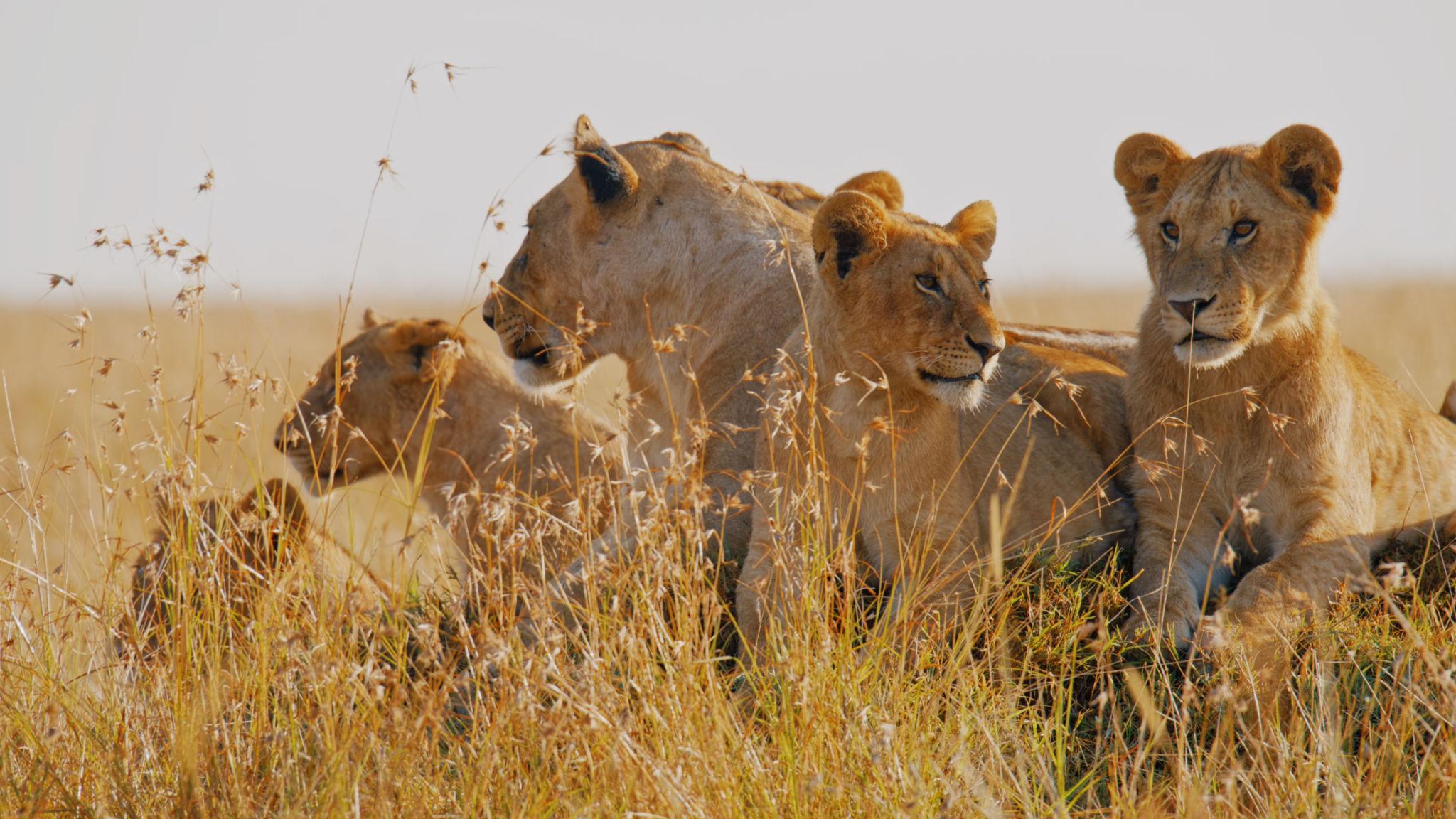
A Maasai Mara National Reserve safari is one of the most memorable ways to experience the African wilderness. Picture golden grasslands stretching towards distant hills, lions resting beneath acacia trees, elephants moving across the plains, cheetahs scanning the horizon and enormous herds of wildebeest travelling through the greater Serengeti–Mara ecosystem.
Located in southwestern Kenya, the Maasai Mara is celebrated for its remarkable wildlife, dramatic landscapes, exceptional big-cat viewing and the annual Great Wildebeest Migration. Yet this destination offers much more than a seasonal wildlife spectacle. It is also a rewarding choice for first-time safari travellers, families, honeymooners, birdwatchers, wildlife photographers and anyone seeking a meaningful connection with nature.
The experience you have depends on more than the destination itself. Your travel dates, accommodation location, number of nights, preferred activities and budget all influence the quality of your safari. Staying inside the national reserve, for example, offers a different experience from staying in a neighbouring community conservancy or near a reserve gate.
At Astute Africa Safaris, we help travellers plan personalised Kenya holidays around their interests, preferred comfort level and available time. Whether you want a short safari from Nairobi, an exclusive luxury escape, a family adventure or a longer journey combining Kenya and Tanzania, the Maasai Mara can be tailored to suit your plans.
This guide explains what to expect, when to travel, where to stay, what a safari costs, how to reach the reserve, which activities to consider and how to choose the right itinerary.
At a glance: Maasai Mara National Reserve

Best for
Big cats, the Great Migration, classic African landscapes, wildlife photography and first-time safaris.
Recommended duration
Three to four days for a dedicated safari; longer for photography, relaxation or a multi-destination trip.
Best-known season
July to October is popular for migration viewing, but wildlife safaris are rewarding throughout the year.
Accommodation
Budget camps near the gates, comfortable lodges, classic tented camps and exclusive conservancy retreats.
Table of contents
-
Where is the Maasai Mara National Reserve?
-
What makes the Maasai Mara special?
-
Wildlife and the Big Five
-
The Great Wildebeest Migration
-
Best time to visit
-
Reserve versus conservancies
-
Where to stay: lodges and camps by budget
-
Best activities and experiences
-
Suggested safari itineraries
-
Safari costs and budgeting
-
How to get there
-
Family safaris, honeymoons and photography
-
Packing, health and practical advice
-
Responsible tourism and Maasai culture
-
Frequently asked questions
-
How to plan your Maasai Mara safari with Astute Africa Safaris
1. Where is the Maasai Mara National Reserve?

The Maasai Mara National Reserve is in Narok County, southwestern Kenya, near the Tanzanian border. It forms the northern part of the wider Serengeti–Mara ecosystem, an interconnected landscape that supports vast herds of grazing animals and the predators that follow them.
The reserve covers approximately 1,510 square kilometres. Its terrain includes open grasslands, rolling hills, seasonal streams, riverine forests and the Mara and Talek river systems. The Oloololo Escarpment provides striking views across parts of the western Mara.
The wider Greater Mara ecosystem also includes privately managed and community-owned conservancies. These neighbouring areas are important wildlife habitats in their own right, but they are not all part of the national reserve. That distinction matters when choosing accommodation and planning game drives.
How far is the Maasai Mara from Nairobi?
Road journeys from Nairobi commonly take around five to seven hours, depending on the camp’s location, road conditions, traffic and stops. Some journeys take longer, especially during wet weather or when travelling to remote camps.
Flying is a convenient alternative. Scheduled and charter flights operate from Nairobi to airstrips serving different parts of the Mara region. Flight time is generally around 45–60 minutes, depending on the route and airstrip, followed by a transfer to your camp.
For a short holiday, flying can preserve more time for wildlife viewing. Driving may be more economical for some travellers and can form part of a wider road safari.
Useful related guide: The Ultimate Guide to Kenya Safaris from Nairobi.
2. What makes the Maasai Mara a special safari destination?

The Mara combines several qualities that make it one of Africa’s best-known wildlife destinations.
Exceptional big-cat viewing
Lions, leopards and cheetahs are among the animals that draw travellers to the Mara. Its open landscapes can make wildlife easier to observe than in densely forested environments, although sightings always depend on animal movements, vegetation and luck.
The Great Wildebeest Migration
During parts of the year, wildebeest and zebras enter the Kenyan side of the ecosystem from Tanzania. Large herds, dramatic river crossings and predator activity can create remarkable wildlife encounters.
Diverse landscapes
The Mara is not one continuous, uniform grassland. Its rivers, wooded areas, rocky outcrops, rolling plains and escarpment views offer different settings for game drives and photography.
Different accommodation styles
Travellers can choose from practical budget camps near the reserve, established safari lodges, intimate tented camps and high-end properties in private conservancies. You do not need to book an ultra-luxury lodge to enjoy a rewarding safari.
A destination for different kinds of travellers
-
First-time visitors: a classic introduction to African wildlife.
-
Families: an opportunity for children to learn about animals, ecosystems and conservation.
-
Couples: private game drives, secluded accommodation and romantic bush dining where offered.
-
Photographers: opportunities to photograph predators, grazing herds, birds and changing light.
-
Repeat safari travellers: specialised guiding, different conservancies and longer wildlife-focused stays.
3. Wildlife in the Maasai Mara: what animals can you see?

The Maasai Mara is famous for its high diversity of savannah wildlife. Although no operator can guarantee a particular sighting, spending several days exploring different habitats generally gives you more opportunities than a brief visit.
The Big Five

Lion
Lions are among the Mara’s signature animals. Guides may locate prides resting in shade, patrolling territories or interacting with cubs. Early morning and late afternoon are often productive periods.

Leopard
Leopards are often more elusive than lions. Riverine woodland, trees and rocky areas provide cover, so patience and an experienced guide are particularly useful.

African elephant
Elephants may be seen moving across the plains or gathering near water and feeding areas. Keep a respectful distance and follow your guide’s instructions.

African buffalo
Buffalo often travel in herds and are an important part of the Mara ecosystem. Their size and unpredictable behaviour mean that they should always be observed from a safe distance.

Rhinoceros
Rhinos occur in the wider Mara landscape, but they are much less reliably sighted than some other members of the Big Five. Seeing all five during a single trip is possible but never guaranteed.
Other animals to look for
The Mara’s wildlife includes:
-
Cheetahs, spotted hyenas and jackals.
-
African bush elephants and hippos.
-
Giraffes, zebras and wildebeest.
-
Topis, impalas, gazelles and hartebeest.
-
Warthogs, baboons and vervet monkeys.
-
Crocodiles in suitable river habitats.
-
Numerous raptors, vultures, storks, rollers and other bird species.
Birdwatchers can enjoy the Mara’s varied habitats, which support resident and migratory species. If birds are a priority, ask your operator to plan slower drives, suitable habitats and dedicated birdwatching time rather than concentrating exclusively on large mammals.
For a wider wildlife itinerary, explore Kenya Safari Parks, Reserves and Conservancies.
4. The Great Wildebeest Migration: when should you visit?

The Great Wildebeest Migration is one of the most celebrated wildlife movements on Earth. Wildebeest, zebras and other grazing animals move through the Serengeti–Mara ecosystem in response to rainfall, grass growth and water availability.
The migration is a continuous cycle rather than a scheduled event. Herds can arrive earlier or later than expected, spread across different areas or remain in Tanzania during periods when visitors hope to see them in Kenya.
What happens during migration season?
During the middle and later parts of the year, large herds may move into the Maasai Mara. Some gather near the Mara River, where crossing attempts can bring them into contact with crocodiles and predators.
River crossings are unpredictable. A herd may gather for hours before crossing, change direction or move elsewhere. No camp, guide or safari package can honestly guarantee that you will witness a crossing on a particular date.
Best months for migration viewing
-
July and August: often popular for travellers hoping to see herds in Kenya, although their precise location varies.
-
September and October: can offer excellent wildlife viewing and large herds in parts of the Mara, depending on rainfall and migration movements.
-
Other months: the reserve remains a worthwhile destination for resident wildlife, big cats, birds and landscapes even when the main herds are elsewhere.
How can you improve your chances?
Choose accommodation based on the area you want to explore, allow enough nights, and use a guide who understands local wildlife movements. If river crossings are your priority, discuss the location of your camp, driving arrangements and how much flexibility your itinerary offers.
A three- or four-night stay usually gives more time to explore than a one-night visit. A longer stay is especially worthwhile for wildlife photographers and travellers who want a less hurried experience.
Related guide: The Reason Why the Maasai Mara Safari Is Kenya’s Premier Safari Destination.
5. Best time to visit the Maasai Mara National Reserve

There is no single best time for every traveller. The right month depends on whether you prioritise migration herds, predator sightings, green landscapes, photography, lower accommodation costs or school holidays.
|
Period |
What to expect |
Best suited to |
|---|---|---|
|
January–February |
Often relatively dry, with good opportunities for general wildlife viewing |
First-time visitors and photographers |
|
March |
Conditions can be variable as the wetter season approaches |
Flexible travellers and birdwatchers |
|
April–May |
Long rains commonly bring greener landscapes and potentially more challenging roads |
Green-season travellers and those seeking quieter periods |
|
June |
Transition towards drier conditions; wildlife viewing can be rewarding |
Travellers seeking a shoulder-season option |
|
July–October |
Popular migration period, with variable herd movements and demand |
Migration-focused safaris |
|
November–December |
Short rains often bring fresh vegetation, though rainfall varies |
Birdwatching, green landscapes and flexible itineraries |
These are general seasonal patterns, not a weather forecast. Actual rainfall, road conditions and wildlife movements differ from year to year.
Is the Maasai Mara worth visiting outside migration season?
Absolutely. Lions, leopards, elephants, giraffes and many other resident species do not disappear when the migration herds move away. Outside peak migration months, you can still enjoy rewarding game drives, photography, birdwatching and cultural experiences.
Some camps offer lower rates during selected periods, but pricing varies by property, occupancy and season. Always compare the full package cost rather than the room rate alone.
For travellers deciding between several parks, read The Best Time to Visit Africa.
6. Maasai Mara National Reserve versus private conservancies

One of the most important decisions when planning a Maasai Mara safari is where to stay. The national reserve and the neighbouring conservancies are connected ecologically, but the visitor experience and access rules differ.
|
Feature |
National reserve |
Private/community conservancy |
|---|---|---|
|
Wildlife viewing |
Excellent opportunities across public reserve areas |
Excellent opportunities, depending on location and wildlife movements |
|
Vehicle activity |
Can be busy in popular wildlife areas |
Often more controlled, subject to conservancy rules |
|
Accommodation |
Established lodges and tented camps |
Many intimate camps, including exclusive luxury properties |
|
Activities |
Primarily regulated game drives and permitted activities |
May permit guided walks or night drives, depending on local rules |
|
Fees |
Reserve entry fees apply |
Conservancy and accommodation charges apply according to the booking |
|
Best for |
Classic safari and access to reserve habitats |
More secluded experiences and additional activities where permitted |
Conservancies are not simply luxury extensions of the reserve. Many are community-linked conservation landscapes in which tourism income supports landowners and helps maintain wildlife habitat. They also have specific operating rules, visitor limits and activity restrictions.
Should you stay inside the reserve?
Choose a camp inside the reserve if you want direct access to reserve game-drive areas and prefer to spend your safari time exploring those habitats.
A camp near the Mara River or in a productive wildlife-viewing area can be useful for particular interests, but location does not guarantee a river crossing or any individual sighting.
Should you stay in a conservancy?
A conservancy can suit travellers who value fewer vehicles in some viewing areas, intimate camps, specialist guiding and activities such as night drives or guided walks where authorised.
However, conservancy access does not automatically mean unrestricted access to the national reserve. Confirm whether reserve visits, transfer time and additional entry fees are included in the package.
What about camps outside the reserve near the gates?
Accommodation near Talek, Sekenani and other access points can help travellers manage their budget. Such camps may offer a comfortable base for organised game drives, but the location of the camp and the time needed to reach wildlife areas should be factored into the itinerary.
For a short safari, the cheapest room is not always the best value if it involves long transfers or additional fees. Compare the total cost and the amount of time available for game viewing.
7. Best Maasai Mara lodges and camps: where to stay by budget

Choosing the right camp can transform your holiday. Some travellers want a practical base for morning and afternoon game drives; others prefer a private conservancy, an intimate tented camp or an exclusive lodge with spacious suites and personalised service.
The following accommodation shortlist includes established properties and alternatives to the camps commonly featured in broad destination guides. Budget classifications are indicative rather than fixed: a property may be mid-range in one season and expensive during peak migration dates.
A. Accommodation inside the national reserve
These properties are suitable starting points for travellers who want to stay within the reserve boundary. Confirm each property’s precise location and the applicable access arrangements before booking.

1. Mara Serena Safari Lodge
Mid-luxury
Set on a hill in the Mara Triangle, this established lodge offers panoramic views, a conventional lodge setting and access to wildlife-viewing areas in the western reserve. It is worth considering for travellers who prefer lodge facilities to a small tented camp.
Best for: Couples, first-time visitors and travellers exploring the Mara Triangle.

2. Ashnil Mara Camp
Mid-luxury
A permanent tented camp associated with the Mara River area. It offers a classic safari atmosphere and can suit visitors who want comfortable accommodation with access to established game-drive routes.
Best for: Couples, friends and travellers interested in riverine wildlife habitats.

3. Mara Intrepids Tented Camp
Mid-luxury to luxury
A long-established safari camp with spacious tented accommodation and facilities suited to a traditional wildlife holiday.
Best for: Families and travellers looking for a recognised safari-camp experience.

4. Governors’ Camp
Luxury
An established camp in the Musiara area, known for its classic tented safari style and proximity to productive wildlife-viewing habitats. The Governors’ collection also includes Little Governors’ Camp and Governors’ Il Moran, which offers a more intimate experience.
Best for: Couples, photographers and travellers seeking a classic luxury safari.

5. Rekero Camp
Luxury
A small tented camp in the Talek River area, often considered by travellers interested in migration-season wildlife and a more intimate camp atmosphere.
Best for: Wildlife enthusiasts, photographers and couples.

6. Mara Ngenche Safari Camp
Luxury
An intimate camp in the Talek–Mara river confluence area, worth investigating for travellers who prefer a smaller setting and riverine surroundings.
Best for: Couples, small groups and travellers seeking an intimate safari.

7. Little Governors’ Camp
Luxury
A smaller camp in the Governors’ collection, with a traditional tented setting and a strong emphasis on guided wildlife viewing.
Best for: Couples and travellers seeking a smaller camp environment.
Location note: Some accommodation directories classify camps differently, particularly around reserve boundaries, conservancy land and adjoining management areas. Do not label a property “inside the reserve” based solely on its proximity to a gate or its use of the Maasai Mara name. Verify the exact location directly with the property.
B. Luxury camps in the surrounding conservancies

The conservancies offer another way to experience the Mara ecosystem. These properties are especially worth considering if you prefer intimate accommodation, controlled vehicle numbers and, where permitted, activities beyond standard daytime game drives.

8. Mara Plains Camp — Olare Motorogi Conservancy
Top luxury
An exclusive tented safari experience associated with high-end guiding, personalised service and access to a private conservancy landscape.
Best for: Luxury travellers, wildlife photographers and special-occasion holidays.

9. Mahali Mzuri — Olare Motorogi Conservancy
Top luxury
A distinctive high-end camp with contemporary design and a strong focus on a private, tailored safari experience.
Best for: Honeymooners, luxury travellers and guests seeking design-led accommodation.

10. Porini Lion Camp — Olare Motorogi Conservancy
Mid-luxury to luxury
A conservation-oriented camp option for visitors who want a smaller safari setting within a private conservancy.
Best for: Wildlife enthusiasts and travellers interested in lower-impact safari experiences.

11. Kicheche Bush Camp — Olare Motorogi Conservancy
Luxury
A small bush camp with an intimate tented style and a location suited to exploring the conservancy’s wildlife areas.
Best for: Experienced safari travellers, couples and photographers.

12. Naboisho Camp — Mara Naboisho Conservancy
Luxury
A camp to consider for travellers seeking an intimate safari in the Naboisho landscape, where conservancy rules may allow selected specialist activities.
Best for: Walking-safari enthusiasts where permitted, couples and wildlife-focused travellers.

13. Encounter Mara — Mara Naboisho Conservancy
Mid-luxury to luxury
An intimate safari camp to compare with other Naboisho properties for guiding, atmosphere, activities and overall value.
Best for: Couples and travellers seeking a smaller camp experience.

14. Basecamp Eagle View — Mara Naboisho Conservancy
Mid-luxury to luxury
A conservancy camp to consider for landscape views, wildlife activities and a more intimate bush setting.
Best for: Couples, nature lovers and travellers interested in community-linked conservation.

15. Offbeat Mara Camp — Mara North Conservancy
Luxury
A classic tented camp option for travellers comparing smaller conservancy properties and seeking a more personal safari atmosphere.
Best for: Couples, repeat safari visitors and wildlife photographers.
C. Budget-friendly camps near the reserve gates

Travellers do not need a luxury budget to visit the Maasai Mara. Accommodation around Talek, Sekenani and other access points can provide a practical base for an organised safari.
These are examples to investigate, not a guarantee of the lowest available rates. Confirm the property’s current operating status, room type, exact location, meals and game-drive arrangements before making a reservation.

16. Talek Bush Camp
Budget to mid-range
A practical option for travellers seeking a simpler base in the Talek area. Check whether the quoted package includes park entry, transport and game drives.

17. Rhino Tourist Camp
Budget to mid-range
Worth comparing for travellers prioritising practical accommodation and organised safari activities over high-end facilities.

18. Enchoro Wildlife Camp
Budget to mid-range
A tented-camp option to investigate when comparing value-oriented safari packages and access to the reserve.

19. Mara Explorers Camp
Budget to mid-range
An alternative to consider for travellers seeking an informal camp experience. Confirm its current accommodation offering and transport arrangements.
Important distinction: These budget options should not be presented as camps inside the reserve unless their precise location has been verified. Camps outside the boundary may require additional travel to reach game-viewing areas and may not include reserve fees or transfers in their advertised room rates.
How much should you budget for accommodation?
Rather than publish fixed nightly prices that may quickly become inaccurate, compare quotations using these broad categories:
|
Budget level |
What to expect |
Best approach |
|---|---|---|
|
Budget |
Simple tents, campsites or practical lodgings, with varying facilities |
Stay near a suitable gate and compare the complete safari package |
|
Mid-range |
Comfortable rooms or permanent tents, meals and standard facilities |
Prioritise location, guiding and included transport |
|
Mid-luxury |
Higher comfort, stronger service and more attractive camp settings |
Compare the room, vehicle and fee inclusions |
|
Top luxury |
Exclusive suites or tents, personalised service and premium locations |
Check private vehicle arrangements, flights, special activities and conservancy fees |
The terms “mid-luxury” and “top luxury” are useful editorial labels, not standardised accommodation ratings. A reliable comparison should include the actual property, season, room category and total package price.
For more options, use Astute’s dedicated Maasai Mara Safari Lodges and Camps Guide.
8. Best things to do in the Maasai Mara

8.1 Morning and afternoon game drives
Game drives are the central activity on a classic Maasai Mara safari. Early mornings often offer cooler temperatures and opportunities to observe active wildlife. Afternoon drives can reveal animals returning to open areas as the day cools.
A good guide does more than search for famous animals. They explain tracks, animal behaviour, bird calls, vegetation, habitats and the ecological relationships that make the Mara special.
8.2 Full-day wildlife safaris
If your camp permits and the itinerary includes the necessary arrangements, a full-day drive with a picnic lunch can give you more flexibility to explore distant areas.
Ask whether the package allows a full-day drive or includes only morning and afternoon outings. This can materially affect the experience.
8.3 Hot-air balloon safari

A balloon safari offers a different perspective on the plains at sunrise. Depending on the operator and weather conditions, the experience generally includes an early transfer, a flight and a post-flight breakfast.
It is usually an additional cost. Confirm departure arrangements, age and weight restrictions, weather-related cancellation terms and whether transfers are included.
8.4 Responsible Maasai cultural experiences
A cultural visit can introduce travellers to Maasai history, pastoral traditions, beadwork, community life and the relationship between local livelihoods and wildlife conservation.
Choose a community-led experience in which hosts participate willingly, visitors are informed about photography etiquette and fees are transparent. Avoid treating communities as tourist spectacles or assuming that every Maasai family follows the same customs.
8.5 Birdwatching and wildlife photography
The Mara is rewarding for birdwatchers and photographers because of its varied habitats, open landscapes and diverse wildlife. Ask for a guide who is comfortable identifying birds or interpreting animal behaviour if these are priorities.
Photographers should consider camera equipment, light, vehicle arrangements and the amount of time available at sightings when selecting their itinerary.
8.6 Bush meals and sundowners
Some camps offer bush breakfasts, picnics or sundowners in designated areas, subject to their operating policies and safety arrangements. These experiences add variety to a safari, but they should never take priority over wildlife safety or conservation rules.
9. Suggested Maasai Mara safari itineraries
The right itinerary balances travel time, game viewing, accommodation and rest. The examples below are planning frameworks, not fixed departures or confirmed package prices.

Option 1: 3-day Maasai Mara safari from Nairobi
Best for: Short holidays and first-time visitors
Day 1: Depart Nairobi by road or fly to the Mara. Transfer to camp and enjoy an afternoon game drive if timing allows.
Day 2: Explore the reserve with morning and afternoon game drives, or arrange a full-day drive if available.
Day 3: Enjoy an early drive where timing permits, then return to Nairobi.
Accommodation: Budget, mid-range or luxury depending on your preference.

Option 2: 4-day Maasai Mara migration safari
Best for: Wildlife enthusiasts and photographers
Day 1: Arrive in the Mara and settle into your camp.
Day 2: Explore the plains and riverine habitats with your guide.
Day 3: Spend additional time following wildlife activity, with migration viewing as a priority when conditions are favourable.
Day 4: Enjoy a final game drive if time permits, then return to Nairobi.
Accommodation: Choose a location based on your travel dates and preferred viewing area. River crossings are never guaranteed.

Option 3: 5-day Maasai Mara reserve and conservancy safari
Best for: Travellers wanting different safari settings
Day 1: Travel to the Mara and enjoy an afternoon game drive.
Day 2: Explore the national reserve.
Day 3: Transfer to a conservancy camp, allowing for the relevant entry and transfer arrangements.
Day 4: Enjoy conservancy activities permitted by the property and local rules.
Day 5: Return to Nairobi by road or air.
Accommodation: Combine a reserve camp with a conservancy stay, subject to availability.

Option 4: 6-day family Maasai Mara and Lake Nakuru safari
Best for: Families wanting varied wildlife habitats
Days 1–3: Travel to the Maasai Mara, settle into a family-friendly camp and enjoy game drives at a suitable pace.
Day 4: Transfer to Lake Nakuru, allowing adequate time for the journey.
Day 5: Explore Lake Nakuru National Park and its wildlife habitats.
Day 6: Return to Nairobi.
Accommodation: Family rooms or suitable interconnected units, subject to availability and the ages of the children.

Option 5: 8–10-day Maasai Mara and Diani Beach holiday
Best for: Honeymooners, families and safari-and-beach travellers
Days 1–3 or 1–4: Enjoy a Maasai Mara safari, with time for game drives and optional experiences.
Next 4–5 days: Fly or connect via the appropriate route to Diani Beach for swimming, relaxation and optional marine excursions.
Final day: Transfer for your departure flight according to your booking arrangements.
Accommodation: Choose a safari camp and beach resort that suit your budget and preferred style.
Explore more trip ideas through Astute’s Maasai Mara safari options and Kenya beach and safari holidays.
10. How much does a Maasai Mara safari cost?

The cost depends on when you travel, where you stay, how many people are travelling, whether you drive or fly, the number of nights, park or conservancy charges and which activities you include.
A useful quotation should break down the following components.
-
Accommodation and meal plan.
-
Reserve entry fees or conservancy charges, as applicable.
-
Safari vehicle, guide and game drives.
-
Road transfers or internal flights.
-
Airport transfers and any overnight stays in Nairobi.
-
Optional balloon flights or cultural activities.
-
Applicable taxes, service charges and booking fees.
Which costs should you confirm before booking?
Reserve and conservancy fees can change, and different visitor categories may have different rates. Ask for the applicable official tariff for your travel dates and visitor status. Do not assume that a price advertised for a camp automatically includes every wildlife-access fee.
Also ask whether the safari is private or shared, whether the vehicle is dedicated to your group, whether bottled drinking water is included and whether gratuities, flights and travel insurance are excluded.
How to make a Maasai Mara safari more affordable
-
Travel in a period when your preferred camp offers lower rates, if your dates are flexible.
-
Compare budget camps near suitable gates with camps inside the reserve.
-
Compare the complete cost of road and flying safaris, not just the transfer price.
-
Travel with a suitable group if a shared arrangement fits your preferences.
-
Choose the right number of nights rather than trying to visit too many destinations.
-
Compare meal plans, fees and activities before selecting the lowest advertised rate.
Is a luxury safari worth the additional cost?
It can be worthwhile if you value exclusivity, high-end accommodation, attentive service, specialist guiding or private activities. However, a less expensive camp with a well-planned itinerary and an excellent guide can still provide exceptional wildlife encounters.
The best choice is the one that matches your priorities and budget rather than simply selecting the most expensive property.
11. How to get to the Maasai Mara

By road from Nairobi
Road travel allows you to experience Kenya’s changing landscapes and may be more economical for some itineraries. However, journey times depend on road conditions, weather, traffic and the camp’s location.
Ask your operator for an honest estimate of driving time and the expected arrival time. This is particularly important if you want an afternoon game drive on the day you arrive.
By air
Flying to a suitable Mara airstrip can save substantial road time. Your camp or operator should confirm which airstrip serves the accommodation, luggage restrictions, transfer times and the flight schedule.
The nearest airstrip is not necessarily the best choice if your accommodation is in a different part of the ecosystem.
From Mombasa, Diani or other coastal destinations
A Maasai Mara safari can be combined with a beach holiday, but routes depend on the available flight schedules. Some itineraries require a connection through Nairobi.
Plan the flights and accommodation together so that you do not lose valuable safari time or create an impractical connection.
12. Family safaris, honeymoons and specialist holidays
Maasai Mara family safari

A family safari should balance wildlife viewing with rest, meals, bathroom breaks and activities suitable for the children’s ages.
Before booking, ask about minimum ages for game drives or special activities, family room configurations, child rates, private vehicle options and any camp rules. A private vehicle can offer more flexibility when travelling with younger children.
Consider staying for at least three nights if your schedule permits. This reduces the pressure to see everything in a short time and allows children to enjoy the experience at a comfortable pace.
Read Luxury Family Safari Africa for wider family itinerary ideas.
Maasai Mara honeymoon safari

For a honeymoon, consider a small luxury camp, a private vehicle, a slower itinerary and a room with a private deck or outdoor seating. Some camps can arrange private dining or other special experiences with advance notice.
A conservancy stay may suit couples who prefer a more secluded setting, while the national reserve can be ideal for travellers who prioritise its wildlife-viewing areas.
Wildlife photography safari
Photography travellers should prioritise the guide, vehicle configuration, time available at sightings and seasonal wildlife activity.
Discuss whether the camp offers specialist photographic vehicles, private guiding or flexible game drives. Such arrangements are not available at every property and may cost extra.
Birdwatching safari
A bird-focused itinerary benefits from a guide with relevant identification skills, suitable habitats and enough time to observe species without rushing between sightings.
The Mara can also form part of a wider Kenya birdwatching itinerary that includes forests, wetlands and other ecosystems.
13. What should you pack for a Maasai Mara safari?

Pack for cool early mornings, warm afternoons, dust and possible rain.
-
Neutral-coloured, comfortable clothing.
-
A warm fleece or jacket for early game drives.
-
Comfortable walking shoes and sandals for camp.
-
A sun hat, sunglasses and sunscreen.
-
Insect repellent.
-
Binoculars and a camera with spare batteries.
-
Personal medication and basic toiletries.
-
A reusable water bottle, where practical.
-
A lightweight rain jacket during wetter periods.
-
Soft-sided luggage if travelling on a small aircraft, within the operator’s baggage allowance.
Avoid packing unnecessary hard-sided luggage for bush flights without checking the airline’s restrictions. Luggage allowances can vary by aircraft and route.
14. Health, safety and travel preparations
Consult a qualified travel-health professional before departure for advice appropriate to your itinerary, medical history and travel dates. Malaria prevention may be relevant, and recommendations should be individualised. Use insect protection and follow your clinician’s advice.
Make sure your travel insurance covers the activities you intend to undertake, including any flights or specialist experiences relevant to your booking.
During the safari:
-
Follow your guide’s instructions around wildlife.
-
Never approach or feed wild animals.
-
Remain in the vehicle unless your guide confirms that leaving it is permitted and safe.
-
Respect camp rules, especially after dark.
-
Keep a safe distance from rivers, hippos, crocodiles and other potentially dangerous wildlife.
-
Follow local guidance about photography and cultural visits.
Check entry requirements, passport validity, visa or electronic travel authorisation rules and any relevant transit requirements for your nationality before travelling.
15. Responsible tourism and the Maasai community

The Maasai Mara’s long-term future depends on healthy wildlife habitats and the livelihoods of the people who live alongside them. Community conservancies can create incentives for wildlife protection by linking tourism with local landowners, employment and conservation initiatives.
Travellers can support responsible tourism by choosing operators and camps that are transparent about their community relationships, local employment and conservation commitments.
When visiting a Maasai community, ask permission before taking photographs, respect the hosts’ customs and understand how any visit fee is used. A cultural experience should be a genuine exchange rather than a staged encounter that treats people as part of the scenery.
Responsible safari travel also means following wildlife-viewing rules, avoiding litter, respecting vehicle limits and selecting ethical operators for optional activities.
For further reading, explore Astute’s guide to ethical and community-led tourism in Kenya if that page is live and relevant to your current content plan.
16. Frequently asked questions about a Maasai Mara safari
1. How many days do you need in the Maasai Mara?
Three days is a useful starting point for a dedicated safari. Four or five days provide more flexibility for wildlife viewing, photography, relaxation and exploring different areas. Longer stays can suit travellers with specialist interests.
2. What is the best month to visit the Maasai Mara?
July to October is popular for Great Migration viewing, but herd movements vary. January and February can also be rewarding for general wildlife viewing. The best month depends on your priorities, budget and tolerance for seasonal weather.
3. Can I see the Big Five in the Maasai Mara?
The Mara ecosystem supports lions, leopards, elephants, buffalo and rhinoceros. Sightings depend on animal movements and habitat conditions, and seeing all five on a single trip is never guaranteed.
4. Are river crossings guaranteed during migration season?
No. River crossings depend on herd movements, rainfall and other natural conditions. Even during peak season, herds may gather without crossing or move to another area.
5. Is it better to stay inside the reserve or in a conservancy?
Neither is universally better. The reserve is a good choice for travellers prioritising its wildlife-viewing areas. Conservancies may offer a more intimate experience, fewer vehicles in some areas and additional activities where permitted.
6. Can I visit the Maasai Mara on a budget?
Yes. Consider practical camps near suitable gates, travel dates outside peak periods and shared arrangements if appropriate. Compare the total cost including reserve entry, transport, meals and game drives.
7. Is the Maasai Mara suitable for children?
Yes, many families enjoy it. Check the camp’s age rules, vehicle arrangements, family accommodation and activity restrictions before booking. Shorter drives or a private vehicle may make the experience more comfortable.
8. Is a flying safari worth it?
It can be, especially for short holidays or when connecting the Mara with the coast. Compare the airfare and transfers against the time saved and the full road-safari cost.
9. Are park fees included in Maasai Mara safari packages?
Sometimes, but not always. Ask for a written quotation specifying reserve entry or conservancy fees, vehicle charges where applicable, accommodation, meals, transfers and optional activities.
10. Can I combine the Maasai Mara with Tanzania’s Serengeti?
Yes. Kenya and Tanzania can be combined in one holiday, but border arrangements, flight connections, park fees and the locations of camps require careful planning. A cross-border road transfer is not always the most practical option.
11. Is the Maasai Mara open throughout the year?
The destination offers safari opportunities throughout the year, although individual camps, roads, activities and access arrangements may vary seasonally. Confirm conditions for your travel dates.
12. What is the difference between the Maasai Mara and the Serengeti?
They are neighbouring parts of the same wider ecosystem, separated by the Kenya–Tanzania border. Both support exceptional wildlife and migration movements, but they have different access rules, fees, landscapes and accommodation options.
13. Is a hot-air balloon safari included in the normal safari price?
It is usually optional and charged separately unless specifically included in your package. Confirm the price, flight conditions, transfers and cancellation policy.
14. How do I choose the right lodge or camp?
Start with your dates, budget, preferred wildlife-viewing area and travel style. Then compare location, meal plan, vehicle arrangements, fees, room category, cancellation conditions and recent property information.
15. Can I combine a Maasai Mara safari with a Kenyan beach holiday?
Yes. Many travellers combine three or four nights in the Mara with a beach stay in Diani, Mombasa or another coastal destination. Flights and transfers should be coordinated before confirming accommodation.
17. Plan your Maasai Mara National Reserve safari with Astute Africa Safaris

A well-planned Maasai Mara holiday begins with choosing the right experience, not simply selecting a destination or the most expensive camp.
Astute Africa Safaris can help you plan a safari around your preferred travel dates, accommodation budget, wildlife interests, transport arrangements and available time. Whether you are looking for a short wildlife escape, a family-friendly holiday, a luxury conservancy experience or a safari followed by a beach retreat, your itinerary should reflect the experience you want.
When requesting a quotation, share:
-
Your intended travel dates and number of nights.
-
The number of adults and children, including children’s ages.
-
Your preferred accommodation category.
-
Whether you prefer road transfers or flights.
-
Your main interests, such as migration viewing, big cats, birdwatching or photography.
-
Your approximate budget and any destinations you wish to combine.
We can then help you compare suitable accommodation and itinerary options, subject to current availability and the terms of the relevant suppliers.
Explore more options:
Ready to plan your Maasai Mara safari? Contact Astute Africa Safaris through astuteafricasafaris.com to discuss a personalised itinerary.
Travel information note: Accommodation classifications, access arrangements, park and conservancy fees, flight schedules and activity availability can change. Confirm the details that apply to your booking before travel.
Leave a comment:
You must be logged in to post a comment.
Comment 01
Astute Africa Safaris,
05 May, 2026REF: Crafting Your Bespoke African Safari Experience with Astute Africa Safaris
Jambo,
Thank you for your interest in exploring the wonders of Africa with Astute Africa Safaris. We pride ourselves on creating immersive, tailor-made journeys that align perfectly with your personal interests, pace, and travel aspirations.
Because every safari is a unique narrative, we do not believe in “one-size-fits-all” pricing. To ensure we provide you with an accurate and competitive quotation that reflects the specific lodges, wildlife experiences, and logistical arrangements you desire, we invite you to connect with our team for a personalized consultation.
Please contact us at info@astuteafricasafaris.com, Whatsapp +254762663272 or fill the inquiry form with a few details regarding your preferred travel dates, group size, and specific interests (e.g., photography, luxury relaxation, or adventure trekking). Once we have these details, we will curate a comprehensive proposal designed specifically for you.
We look forward to the possibility of helping you plan an unforgettable journey.
Warm regards,
Team Astute Africa Safaris