

- 832 Views
- 37 Min Read
- (1) Comment
Africa is famous for its spectacular wildlife, beautiful beaches, extraordinary landscapes and rich cultural heritage. However, there is another experience that can make an African safari holiday even more memorable: discovering the food and drinks enjoyed by local communities.
Imagine spending the morning watching elephants in Amboseli National Park, enjoying freshly prepared East African local foods like Kenyan nyama choma for lunch, tasting traditional Swahili pilau along the Indian Ocean coast, and ending the day with a cup of locally grown Kenyan coffee.
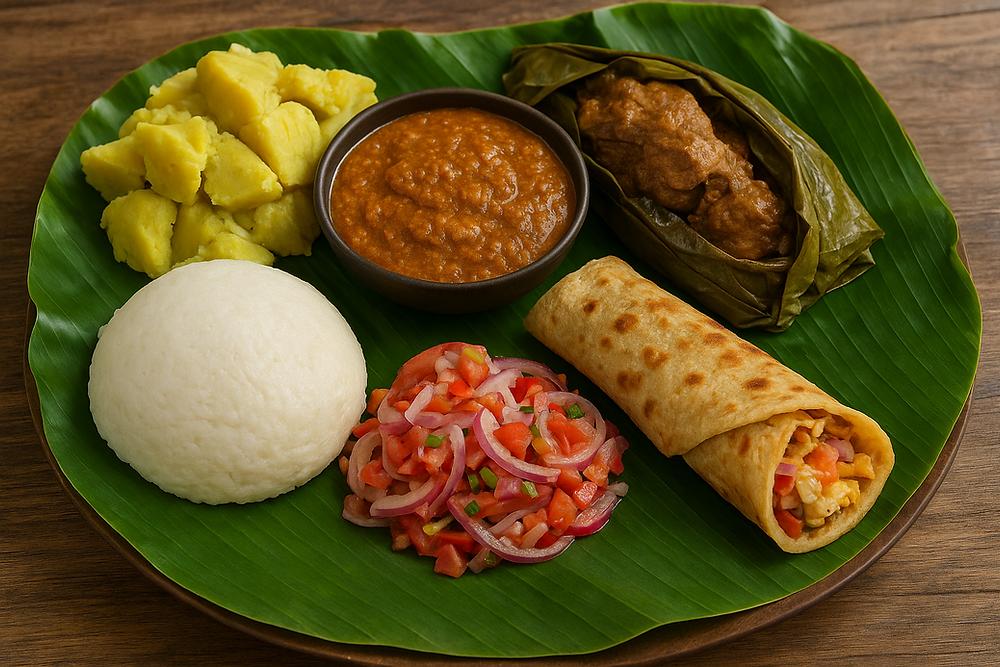
Or picture yourself exploring Uganda’s Queen Elizabeth National Park before tasting matoke with groundnut sauce, discovering the famous Rolex street food in Kampala, and enjoying freshly grilled fish beside Lake Victoria.
In Tanzania, the experience might involve aromatic pilau, charcoal-grilled mishkaki, chipsi mayai and freshly prepared coconut seafood in Zanzibar. In Rwanda, it could be grilled brochettes, isombe, sweet potatoes and locally brewed beverages.
Food is not simply something to eat during an African holiday. It offers an opportunity to understand local traditions, agricultural practices, history, hospitality and everyday life.

East African cuisine is particularly diverse. Inland communities traditionally rely on maize, bananas, beans, cassava, sweet potatoes, millet, sorghum, vegetables and meat. Along the Indian Ocean coastline, coconut, seafood, rice and aromatic spices feature prominently.
Further south, South Africa, Botswana, Zimbabwe, Namibia and Zambia offer their own distinctive culinary traditions, from South African braai and bobotie to Zimbabwean sadza and Namibian kapana.
This guide explores what travellers should eat and drink when visiting these destinations, how popular dishes are prepared, where to experience local food, which street foods are worth trying, and what to know about food safety and dietary requirements when travelling.
Whether you are planning a luxury African safari, a mid-range wildlife holiday, a family adventure, a honeymoon or a multi-country African tour, make room in your itinerary for local cuisine.
1. Traditional Kenyan Foods: What to Eat When Visiting Kenya

Kenyan cuisine reflects the country’s remarkable cultural and geographical diversity. Different communities have their own traditional foods, preparation methods and favourite ingredients.
The highlands are known for maize, potatoes, beans and leafy vegetables, while northern Kenya has distinctive pastoral food traditions. The coastal region, particularly Mombasa, Lamu, Malindi and Watamu, is famous for Swahili cooking influenced by centuries of Indian Ocean trade.
For safari travellers, Kenya offers an excellent opportunity to combine traditional meals with wildlife viewing, cultural experiences and coastal holidays.
1. Nyama Choma – Kenya’s Famous Grilled Meat

Nyama choma means roasted meat in Swahili. It is one of Kenya’s most recognisable foods and an important part of social gatherings.
Goat meat is particularly popular, although beef, chicken and other meats are also available.
How nyama choma is prepared
-
Fresh meat is cut into manageable pieces.
-
It is seasoned, commonly with salt.
-
The meat is placed over a charcoal grill or open fire.
-
It is turned regularly to ensure even cooking.
-
It is roasted until properly cooked, with a delicious smoky exterior.
-
It is chopped into smaller pieces and served hot.
Nyama choma is usually accompanied by ugali, kachumbari and vegetables.
What does it taste like?
Expect a smoky, savoury flavour with a slightly charred exterior. Goat meat has a more distinctive flavour than beef.
Where should you try it?
Try it at established nyama choma restaurants in Nairobi, Nakuru, Naivasha, Nanyuki and other Kenyan towns. Your safari guide can also recommend a suitable restaurant along your route.
2. Ugali – Kenya’s Everyday Staple

Ugali is a firm maize-meal preparation eaten throughout Kenya. It is also popular in neighbouring East African countries under different names.
How ugali is prepared
-
Water is brought to a boil in a cooking pot.
-
Maize flour is gradually added.
-
The mixture is stirred continuously.
-
More flour is added until it becomes thick.
-
It is cooked and turned until smooth and firm.
-
It is shaped into a mound and served hot.
Ugali is generally eaten with meat, fish, vegetables or stew.
What should you eat with ugali?
-
Sukuma wiki.
-
Nyama choma.
-
Beef stew.
-
Fried tilapia.
-
Traditional chicken stew.
-
Fresh kachumbari.
Visitors can also learn how to eat ugali using their hands, as many Kenyans traditionally do.
3. Sukuma Wiki – Traditional Kenyan Leafy Greens

Sukuma wiki is a popular vegetable dish prepared using collard greens or similar leafy vegetables.
The name is commonly understood as stretching or making food last through the week.
How it is prepared
-
Wash the greens thoroughly.
-
Remove tough stems where necessary.
-
Chop the leaves into thin strips.
-
Fry onions in a little cooking oil.
-
Add chopped tomatoes.
-
Add the greens.
-
Season with salt and cook until tender.
It is commonly served with ugali, beans, rice or grilled meat.
4. Kenyan Pilau – Aromatic Spiced Rice 
Kenyan pilau is especially associated with the coastal Swahili food tradition, although it is enjoyed throughout the country.
It is prepared using rice, meat and fragrant spices, including cardamom, cinnamon, cumin and cloves.
How pilau is prepared
-
Onions are fried until golden brown.
-
Whole or ground pilau spices are added.
-
Beef, chicken or another protein is introduced.
-
The meat is cooked until tender.
-
Washed rice is added.
-
Water or stock is poured in.
-
The rice is covered and cooked gently until the liquid is absorbed.
Pilau is usually served with kachumbari or vegetables.
5. Kenyan Githeri – Maize and Beans 
Githeri is a traditional Kenyan dish particularly associated with communities in the central highlands, although it is eaten elsewhere.
It combines boiled maize and beans into a nutritious and filling meal.
How it is prepared
-
Dry maize and beans are washed and soaked where necessary.
-
They are boiled until tender.
-
Onions and tomatoes are fried separately.
-
The cooked maize and beans are added.
-
Vegetables, potatoes or seasonings may be incorporated.
-
The mixture is simmered until the flavours combine.
It is an excellent option for travellers interested in traditional vegetarian meals.
6. Mukimo – Mashed Potatoes, Peas and Maize 
Mukimo is a traditional Kenyan dish associated particularly with the Kikuyu community.
It is made by mashing potatoes with ingredients such as green peas, maize and sometimes pumpkin leaves.
How it is prepared
-
Potatoes are peeled and boiled.
-
Green peas and maize are cooked.
-
Pumpkin leaves or other vegetables are prepared separately.
-
The ingredients are combined.
-
They are mashed together until the mixture is smooth.
-
It is served with stew, meat or vegetables.
Its colour and texture depend on the ingredients used.
7. Mutura – Kenyan Grilled Traditional Sausage 
Mutura is a traditional Kenyan sausage often sold at evening street-food stalls and nyama choma establishments.
It is generally prepared using meat and offal, with seasonings and other ingredients depending on the recipe.
How it is prepared
-
The sausage casing is cleaned and prepared.
-
A seasoned meat mixture is assembled.
-
The casing is filled.
-
It is cooked thoroughly.
-
It may be finished over charcoal to give it a smoky exterior.
-
It is sliced and served hot.
Mutura is particularly popular among adventurous local-food enthusiasts. Because preparation and hygiene vary, choose a reputable vendor and make sure it is thoroughly cooked.
8. Kenyan Coastal Foods – Biryani, Coconut Fish and Seafood 
Kenya’s coastline offers a different culinary experience from the inland safari regions.
Mombasa, Diani, Watamu, Malindi and Lamu are particularly interesting for travellers who enjoy seafood and aromatic Swahili cooking.
Some dishes worth trying include:
-
Swahili biryani.
-
Wali wa nazi (coconut rice).
-
Fish cooked in coconut sauce.
-
Grilled prawns.
-
Coconut bean curry.
-
Freshly grilled snapper.
-
Viazi karai (spiced fried potatoes).
-
Bhajia (fried vegetable or potato snacks).
How coconut fish is prepared
-
Fresh fish is cleaned and cut into portions.
-
Onions, garlic, ginger and spices are fried.
-
Tomatoes may be added.
-
Coconut milk is introduced.
-
The fish is placed into the sauce.
-
It is simmered gently until cooked.
-
It is served with rice, chapati or another local accompaniment.
9. Mandazi and Mahamri – Kenyan Fried Dough Snacks 
Mandazi and mahamri are popular East African fried dough snacks.
Mandazi is commonly prepared using flour, sugar, yeast or baking powder, while coastal mahamri often contains coconut milk and cardamom.
How they are prepared
-
Flour is mixed with the other ingredients.
-
Water or coconut milk is added.
-
The dough is kneaded.
-
It is allowed to rest or rise where required.
-
It is divided and shaped.
-
Pieces are deep-fried until golden brown.
They are delicious with Kenyan tea or coffee, particularly at breakfast.
10. Kenyan Street Foods Worth Trying 
Other popular street-food experiences include:
-
Viazi karai: Potatoes coated in seasoned batter and fried.
-
Bhajia: Crispy potato or vegetable fritters.
-
Samosas: Fried pastries filled with meat or vegetables.
-
Roasted maize: Fresh maize roasted over charcoal.
-
Boiled eggs with kachumbari: A simple and popular street snack.
-
Mahamri: Especially popular along the coast.
For visitors, Nairobi, Mombasa and other towns offer opportunities to discover these foods with a knowledgeable local guide.
What should you drink in Kenya? 
Kenya has an interesting selection of traditional refreshments, locally produced beverages and beers.
| Drink | What to expect |
|---|---|
| Kenyan chai | Black tea prepared with milk, often with ginger or spices |
| Kenyan coffee | Locally grown coffee, particularly from the central highlands |
| Madafu | Fresh coconut water |
| Tamarind juice | Refreshing sweet-and-sour fruit drink |
| Passion fruit juice | Fresh tropical fruit beverage |
| Dawa | A popular honey, lime and spirit-based cocktail |
| Tusker Lager | One of Kenya’s best-known beers |
| White Cap Lager | A popular locally produced beer |
| Pilsner Lager | A familiar Kenyan beer |
| Senator Keg | A locally brewed beer product |
Which Kenyan beer should you try?
Travellers interested in locally produced beer can ask about Tusker, White Cap or Pilsner at licensed establishments. Availability varies between hotels, restaurants and destinations.
2. Traditional Tanzanian Foods: What to Eat During a Tanzania Safari 
Tanzanian cuisine is influenced by the country’s diverse communities, agricultural traditions and coastal trading history.
Mainland Tanzania offers filling meals prepared using maize, rice, beans, bananas, meat and vegetables. Along the coast, particularly in Dar es Salaam, Tanga and Zanzibar, coconut milk, seafood and aromatic spices are important ingredients.
Travellers visiting Arusha, Tarangire, Serengeti and Ngorongoro can experience traditional mainland cuisine, while those extending their safari to Zanzibar can discover a remarkable Swahili food culture.
11. Tanzanian Pilau
Tanzanian pilau is one of the country’s most popular celebratory and family dishes.
How it is prepared
-
Onions are fried until golden.
-
Spices such as cardamom, cumin, cloves and cinnamon are added.
-
Meat is introduced and browned.
-
Water or stock is added.
-
The meat is simmered until tender.
-
Rice is introduced.
-
The mixture is covered and cooked gently until the rice absorbs the liquid.
It is commonly accompanied by fresh tomato and onion salad.
12. Mishkaki – Charcoal-Grilled Meat Skewers 
Mishkaki is a popular Tanzanian street food consisting of marinated meat grilled on skewers.
Beef, goat and chicken are commonly used.
How mishkaki is prepared
-
Meat is cut into small cubes.
-
It is marinated with ingredients such as garlic, ginger, onion, lime and spices.
-
The meat is placed on skewers.
-
The skewers are grilled over charcoal.
-
They are turned regularly until cooked.
-
They are served with bread, chips, salad or chilli sauce.
Mishkaki is particularly enjoyable in the evening at local grills.
13. Chipsi Mayai – Tanzania’s Chips Omelette 
Chipsi mayai literally means chips and eggs. It is one of Tanzania’s best-known street foods.
How it is prepared
-
Potatoes are cut into chips and fried.
-
Eggs are beaten in a bowl.
-
The chips are placed in a heated frying pan.
-
Beaten eggs are poured over them.
-
The mixture is cooked until the egg sets.
-
It is turned or folded and cooked thoroughly.
-
It is served with kachumbari or chilli sauce.
This is an inexpensive, filling meal and a great introduction to Tanzanian street-food culture.
14. Wali na Maharage – Rice and Beans 
Rice and beans are an important part of everyday Tanzanian cuisine.
Along the coast, rice may be cooked with coconut milk, creating a richer flavour.
How it is prepared
-
Beans are soaked where necessary and boiled until tender.
-
Onions and tomatoes are fried.
-
Spices are added.
-
The cooked beans are incorporated and simmered.
-
Rice is cooked separately with water or coconut milk.
-
Both are served together, sometimes with vegetables.
15. Ugali na Samaki – Ugali with Fish 
Ugali is a major staple in Tanzania, just as it is in Kenya.
One popular way to enjoy it is with freshly prepared fish, particularly in communities near Lake Victoria, Lake Tanganyika and the Indian Ocean.
Fish may be grilled, fried or cooked in tomato-based sauce.
16. Mtori – Banana and Meat Soup 
Mtori is a traditional dish particularly associated with the Chagga communities around Mount Kilimanjaro.
It is a thick soup prepared using green bananas and meat, often beef.
How it is prepared
-
Green bananas are peeled.
-
Meat is washed and prepared.
-
The ingredients are cooked in water or stock.
-
The bananas soften during cooking.
-
They are mashed or blended into the broth.
-
The soup is seasoned and served hot.
It is a comforting meal, especially in cooler highland areas.
17. Ndizi Nyama – Bananas Cooked with Meat 
Ndizi nyama combines cooking bananas with meat in a savoury stew.
How it is prepared
-
Green bananas are peeled and chopped.
-
Meat is browned with onions.
-
Tomatoes, garlic and seasoning are added.
-
Bananas are introduced.
-
Water or stock is added.
-
The mixture is simmered until the bananas and meat are tender.
18. Tanzanian Street Foods and Snacks 
Other foods worth trying include:
-
Vitumbua: Small rice-and-coconut pancakes.
-
Mandazi: Fried dough snacks.
-
Muhogo: Cassava, boiled, fried or grilled.
-
Chipsi: Fried potato chips.
-
Chapati: Soft flatbread.
-
Kachumbari: Fresh tomato and onion salad.
What should you drink in Tanzania? 
| Drink | Description |
|---|---|
| Tangawizi tea | Ginger-flavoured tea |
| Kahawa | Locally prepared coffee |
| Fresh sugarcane juice | Pressed sugarcane drink |
| Madafu | Fresh coconut water |
| Baobab juice | Fruit-based traditional refreshment |
| Kilimanjaro Premium Lager | Popular Tanzanian beer |
| Safari Lager | Widely recognised Tanzanian beer |
| Serengeti Lager | Another locally produced beer |
Tanzanian beers are generally available in licensed hotels, restaurants and bars. Travellers should check availability at their safari lodges.
3. Zanzibar Foods: What to Eat on a Zanzibar Beach Holiday
Although Zanzibar is part of Tanzania, its food culture deserves a separate section.
Zanzibar’s location along historic Indian Ocean trade routes helped create a distinctive cuisine combining African, Swahili, Arab, Persian and Indian influences.
The island is particularly famous for seafood, coconut-based curries, aromatic rice dishes, fresh fruit, spices and colourful street-food markets.
Stone Town is one of the best places to experience this culinary heritage.
19. Urojo – Zanzibar Mix 
Urojo, commonly called Zanzibar Mix, is among the island’s most distinctive street foods.
It is a tangy, spicy soup served with a mixture of toppings, which may include potatoes, bhajias, boiled eggs, cassava and chutneys.
How it is prepared
-
A spiced, tangy soup base is prepared.
-
Potatoes and other ingredients are cooked.
-
Bhajias and fritters are fried separately.
-
Chutneys and chilli sauces are prepared.
-
The toppings are arranged in a bowl.
-
The hot soup is poured over them.
-
Additional sauces and garnishes are added.
The result is a combination of crunchy, soft, sour, spicy and savoury flavours.
Where to try it: Forodhani Gardens in Stone Town is particularly famous for its evening food market.
20. Zanzibar Pizza 
Zanzibar pizza is not traditional Italian pizza. It is a stuffed flatbread cooked on a hot, lightly oiled griddle.
How it is prepared
-
Soft dough is prepared.
-
It is stretched into a thin sheet.
-
Minced meat, eggs, onions and vegetables are added.
-
The edges are folded over the filling.
-
The parcel is placed on a hot griddle.
-
It is cooked on both sides until golden.
-
It is cut and served hot.
Sweet versions containing banana, chocolate and other fillings are also available.
21. Zanzibar Seafood Curry 
Seafood is central to Zanzibar’s coastal cuisine.
Visitors can enjoy fresh fish, prawns, crab, lobster and octopus prepared with coconut milk and spices.
How coconut seafood curry is prepared
-
Seafood is cleaned and prepared.
-
Onions, garlic and ginger are fried.
-
Spices and tomatoes are added.
-
Coconut milk is introduced.
-
Seafood is added.
-
The mixture is cooked until the seafood is properly done.
-
It is served with rice or chapati.
Ask about the day’s catch when ordering seafood.
22. Wali wa Nazi – Coconut Rice 
Wali wa nazi is rice cooked with coconut milk.
It is particularly popular along the Swahili coast and pairs beautifully with fish, beans and seafood curries.
23. Zanzibar Octopus Curry 
Octopus is a familiar ingredient in Zanzibar’s seafood culture.
How it is prepared
-
The octopus is cleaned.
-
It is cooked until tender.
-
Onions, garlic and ginger are fried.
-
Spices are introduced.
-
Coconut milk and tomatoes are added.
-
The octopus is returned to the sauce.
-
It is simmered until the flavours combine.
24. Zanzibar Mishkaki and Grilled Seafood 
Evening street-food stalls and restaurants offer grilled meat skewers and seafood.
Try these alongside fresh lime, salad or local sauces.
25. Zanzibar Snacks and Sweets 
Look out for:
-
Vitumbua – coconut rice pancakes.
-
Kaimati – sweet fried dough balls.
-
Mandazi – fried dough snacks.
-
Fresh mangoes and pineapples.
-
Tamarind-based refreshments.
-
Coconut-based sweets.
What should you drink in Zanzibar? 
Popular refreshments include:
-
Fresh coconut water.
-
Sugarcane juice.
-
Tamarind juice.
-
Passion fruit juice.
-
Fresh mango juice.
-
Spiced coffee.
-
Ginger tea.
Tanzania-produced beers such as Kilimanjaro, Safari and Serengeti may be available in licensed tourist hotels and restaurants. Alcohol availability is more limited in some establishments and neighbourhoods because of local religious and cultural practices. Respect the setting and local customs.
4. Traditional Ugandan Foods: What to Eat During a Uganda Safari
Uganda is sometimes called the Pearl of Africa, and its cuisine is as varied as its landscapes and communities.
The country has fertile agricultural regions that produce bananas, cassava, sweet potatoes, maize, groundnuts, beans, vegetables and tropical fruits.
Ugandan food is particularly interesting for visitors combining gorilla trekking, chimpanzee tracking, savannah game drives and cultural experiences.
Kampala is an excellent starting point for discovering local food, while regional towns and communities offer additional traditional dishes.
26. Matoke – Uganda’s Famous Green Cooking Bananas
Matoke, also called matooke, is one of Uganda’s most recognised traditional foods.
It is made using green cooking bananas, which are steamed until soft and often mashed before serving.
How matoke is prepared
-
Green bananas are peeled.
-
They are wrapped in banana leaves or placed in a cooking vessel.
-
They are steamed until tender.
-
They are mashed or pressed.
-
They are served with groundnut sauce, meat stew, beans or vegetables.
Matoke is a must-try for visitors interested in Ugandan food culture.
27. Luwombo – Meat or Groundnut Sauce Steamed in Banana Leaves
Luwombo is a distinctive traditional Ugandan dish particularly associated with the Baganda people.
It is prepared by cooking meat, chicken, fish or groundnut sauce inside banana leaves.
How it is prepared
-
Meat, chicken or fish is prepared.
-
Onions, tomatoes and seasonings are added.
-
Clean banana leaves are prepared.
-
The ingredients are placed inside the leaves.
-
The leaves are folded into a parcel.
-
The parcel is steamed slowly.
-
The food is cooked until tender.
-
It is served with matoke, rice or another staple.
The banana leaves help retain moisture and provide a subtle aroma.
28. Rolex – Uganda’s Famous Street Food 
Uganda’s Rolex has nothing to do with luxury watches!
It is a combination of chapati and an omelette, usually containing eggs, tomatoes, onions and other vegetables.
How Rolex is prepared
-
Chapati dough is prepared and rolled.
-
A chapati is cooked on a hot pan.
-
Eggs are beaten with chopped vegetables.
-
The egg mixture is fried into an omelette.
-
The chapati is placed over the omelette.
-
Both are cooked together.
-
They are rolled into a convenient wrap.
-
It is served hot.
Where to try it: Kampala’s street-food stalls and markets are particularly well known for Rolex.
29. Katogo – Traditional Ugandan Breakfast 
Katogo is a filling one-pot meal commonly eaten for breakfast.
It may contain matoke, cassava, sweet potatoes, beans, meat or vegetables.
How it is prepared
-
The main starch is peeled and chopped.
-
Meat or beans are prepared.
-
Onions and tomatoes are fried.
-
The ingredients are combined.
-
Water or stock is added.
-
The mixture is simmered until tender.
-
It is seasoned and served hot.
30. Posho – Ugandan Maize Meal 
Posho is a maize-meal staple similar to Kenyan ugali.
It is prepared by adding maize flour to boiling water and stirring until thick and firm.
It is commonly served with beans, vegetables, meat or groundnut sauce.
31. Groundnut Sauce – A Favourite Ugandan Accompaniment 
Groundnut sauce is made from ground peanuts and is an important part of Ugandan cuisine.
How it is prepared
-
Groundnuts are roasted or prepared.
-
They are ground into a paste.
-
Water is added to achieve the desired consistency.
-
Onions and seasoning may be added.
-
The sauce is simmered until smooth and cooked.
It is delicious with matoke, sweet potatoes, cassava and other staples.
32. Muchomo – Ugandan Grilled Meat 
Muchomo refers to grilled meat, usually prepared over charcoal.
Goat, beef and chicken are popular options. It is often served with roasted plantain known as gonja.
33. Ugandan Street Foods Worth Trying 
Other interesting foods include:
-
Gonja – roasted plantain.
-
Roasted maize.
-
Samosas.
-
Chapati.
-
Nsenene – seasonal fried grasshoppers.
-
Nswaa – seasonal flying termites.
Nsenene and nswaa are seasonal foods, so their availability depends on the time of year and local supply.
They may be an interesting cultural experience for adventurous travellers, although they are certainly not for everyone.
What should you drink in Uganda? 
Uganda has a strong agricultural tradition and produces excellent coffee, tea and tropical fruits.
| Drink | Description |
|---|---|
| Ugandan coffee | Locally grown Arabica and Robusta coffee |
| Chai | Milk tea, often served with ginger |
| Passion fruit juice | Fresh tropical juice |
| Pineapple juice | Refreshing fruit drink |
| Fresh sugarcane juice | Popular in some towns |
| Nile Special | Popular Ugandan beer |
| Bell Lager | Established Ugandan beer |
| Club Pilsener | Locally produced beer |
| Uganda Waragi | Traditional-style local spirit brand |
Travellers can also enjoy locally produced non-alcoholic beverages at hotels and restaurants.
5. Traditional Rwandan Foods: What to Eat When Visiting Rwanda 
Rwanda offers a distinctive food experience shaped by its agricultural heritage and regional traditions.
The country’s fertile hills support the cultivation of bananas, beans, cassava, potatoes, sweet potatoes, maize and vegetables.
Rwandan cuisine is generally built around filling staples accompanied by vegetables, meat, fish or sauces.
Visitors exploring Kigali, Volcanoes National Park, Akagera National Park and Lake Kivu can experience different aspects of Rwandan food culture.
34. Brochettes – Rwanda’s Popular Grilled Skewers 
Brochettes are among Rwanda’s most familiar restaurant and evening foods.
Goat meat is particularly popular, although beef, chicken and fish varieties are also available.
How brochettes are prepared
-
Meat is cut into small pieces.
-
It is seasoned or marinated.
-
The pieces are placed on skewers.
-
They are grilled over charcoal.
-
They are turned until properly cooked.
-
They are served with potatoes, vegetables or plantains.
35. Isombe – Cassava Leaf Stew 
Isombe is a traditional dish prepared using cassava leaves.
Groundnuts may be added to create a rich, creamy texture. Some preparations also include fish.
How it is prepared
-
Cassava leaves are washed and prepared appropriately.
-
They are crushed or finely processed.
-
They are cooked thoroughly.
-
Groundnut paste is added where used.
-
Onions and seasonings are introduced.
-
The mixture is simmered until tender.
-
It is served with a staple such as ugali.
Cassava leaves must be properly prepared and thoroughly cooked; they should never be eaten raw.
36. Ibihaza – Pumpkin and Beans 
Ibihaza is a traditional Rwandan combination of pumpkin and beans.
How it is prepared
-
Pumpkin is cut into pieces.
-
Beans are cooked until tender.
-
Pumpkin is added.
-
Onions and seasonings are introduced.
-
Everything is simmered until the pumpkin softens.
-
The ingredients combine into a thick, satisfying dish.
It is particularly appealing to travellers interested in traditional plant-based meals.
37. Ugali and Cassava-Based Staples 
Rwanda has several firm staple preparations made from maize or cassava flour.
They are commonly served with vegetables, beans, fish or meat.
38. Isambaza – Small Fish from Lake Kivu 
Isambaza are small fish associated with Lake Kivu and are an interesting food to seek out when visiting the lakeside towns.
They are commonly fried and served with other local accompaniments.
How they are prepared
-
Fresh fish are cleaned.
-
They are seasoned.
-
They are fried until crisp.
-
They are served with vegetables, plantains or another local staple.
39. Rwandan Sweet Potatoes and Beans 
Sweet potatoes and beans are important foods in Rwanda.
They may be boiled separately or incorporated into stews and other traditional meals.
40. Rwandan Street Foods and Snacks 
Look out for:
-
Grilled brochettes.
-
Fried potatoes.
-
Mandazi.
-
Roasted maize.
-
Chapati.
-
Fresh tropical fruits.
What should you drink in Rwanda? 
Rwanda is well known for coffee production, and visitors can enjoy excellent locally grown coffee.
Other drinks include:
| Drink | Description |
|---|---|
| Rwandan coffee | Locally grown coffee, including high-quality Arabica |
| Ikivuguto | Traditional fermented milk |
| Fresh passion fruit juice | Popular tropical drink |
| Pineapple juice | Fresh fruit refreshment |
| Banana beer | Traditional fermented banana beverage |
| Primus | Recognised Rwandan beer |
| Skol | Popular locally produced beer |
| Mützig | Beer available in the Rwandan market |
Traditional banana beverages can vary considerably in preparation, strength and availability.
6. African Street Foods: What Travellers Should Try During Their Safari 
Street food deserves particular attention when planning a food-focused African holiday.
While safari lodges and luxury hotels offer excellent dining experiences, local street-food markets provide another opportunity to understand everyday African life.
You can watch food being prepared, interact with vendors, discover unfamiliar ingredients and sample dishes that may not appear on international hotel menus.
Here are some particularly worthwhile street-food experiences:
| Country | Street food | What makes it special |
|---|---|---|
| Kenya | Mutura | Traditional grilled sausage |
| Kenya | Viazi karai | Spiced fried potatoes |
| Kenya | Bhajia | Crispy fritters |
| Tanzania | Chipsi mayai | Chips and egg omelette |
| Tanzania | Mishkaki | Grilled meat skewers |
| Tanzania | Vitumbua | Coconut rice pancakes |
| Uganda | Rolex | Chapati and egg wrap |
| Uganda | Muchomo | Grilled meat |
| Uganda | Gonja | Roasted plantain |
| Rwanda | Brochettes | Grilled meat skewers |
| Rwanda | Isambaza | Small fried fish |
| Zanzibar | Urojo | Spiced soup with toppings |
| Zanzibar | Zanzibar pizza | Stuffed fried flatbread |
Where can you experience street food? 
Some interesting locations include:
-
Nairobi’s established food markets and local eateries.
-
Mombasa’s Old Town and coastal food establishments.
-
Dar es Salaam’s local food markets and evening grills.
-
Kampala’s popular Rolex stalls.
-
Kigali’s local restaurants and food markets.
-
Forodhani Gardens in Zanzibar’s Stone Town.
A useful travel tip: Arrange street-food visits through a knowledgeable local guide, especially if you are unfamiliar with the area or local food preparation practices.
7. Local Foods in Southern Africa: South Africa, Botswana, Zimbabwe, Namibia and Zambia
East Africa is the main focus of this guide, but travellers exploring further south will discover another fascinating range of traditional African dishes.
Southern African food culture is influenced by indigenous agricultural traditions, pastoral communities, local ingredients and historical cultural exchanges.
If you are planning a wider African holiday that includes South Africa, Botswana, Zimbabwe, Namibia or Zambia, these are some of the dishes worth discovering.
South African Foods 
South Africa has one of the continent’s most varied food cultures. Its cuisine combines indigenous African dishes, Cape Malay influences, European traditions and other cultural influences.
41. Braai – South African Barbecue

A braai is much more than grilling meat. It is a social occasion where families and friends gather around an open fire.
Popular foods include beef, lamb chops, chicken and boerewors.
Preparation involves seasoning the meat, grilling it over wood or charcoal and serving it with salads, bread or pap.
42. Boerewors – Traditional South African Sausage

Boerewors is a seasoned sausage traditionally made with beef and sometimes other meats.
It is usually grilled over an open fire and served with pap, bread or chakalaka.
43. Bobotie – Cape Malay Baked Minced Meat

Bobotie is a distinctive South African dish associated with Cape Malay cooking.
It consists of seasoned minced meat, often with spices and dried fruit, baked under an egg-based topping.
How it is prepared
-
Minced meat is cooked with onions.
-
Curry spices and seasonings are added.
-
Bread soaked in milk may be incorporated.
-
Dried fruit may be added.
-
The mixture is placed in a baking dish.
-
An egg and milk topping is poured over it.
-
It is baked until the topping sets.
44. Pap and Chakalaka

Pap is a maize-based staple served with many South African meals.
Chakalaka is a spicy vegetable relish usually prepared using tomatoes, onions, peppers, carrots and seasoning.
Together they make a popular accompaniment to braai.
45. Biltong – South African Dried Meat

Biltong is seasoned meat that is cured and air-dried.
Beef is common, although other meats may also be used. It is a popular snack for travellers and locals alike.
South African drinks to try

-
Rooibos tea.
-
Locally produced fruit juices.
-
Amarula cream liqueur.
-
Castle Lager.
-
Carling Black Label.
-
Savanna cider.
Botswana Foods 
Botswana’s traditional cuisine is closely connected to livestock farming, agriculture and local communities.
46. Seswaa – Traditional Slow-Cooked Beef

Seswaa is one of Botswana’s best-known traditional dishes.
It is prepared using meat, often beef or goat, which is slowly cooked until tender and then shredded or pounded.
How it is prepared
-
Meat is cut into large portions.
-
It is placed in a cooking pot with water.
-
It is cooked slowly until tender.
-
Salt and simple seasonings are added.
-
The meat is shredded or pounded.
-
It is served with bogobe or another local staple.
47. Bogobe – Traditional Sorghum or Maize Porridge

Bogobe is a traditional porridge prepared using ingredients such as sorghum or maize.
Different preparations may have different consistencies and flavours.
48. Morogo – Traditional African Leafy Vegetables

Morogo refers to edible leafy vegetables that are cooked and served with staple foods.
They may be prepared with onions, tomatoes and seasonings.
Botswana drinks to try

-
Traditional sorghum beer, where available.
-
Ginger-based refreshments.
-
St Louis Lager.
-
Local fruit juices.
Zimbabwean Foods
Zimbabwean food is centred on maize, groundnuts, vegetables, beans and meat.
49. Sadza – Zimbabwe’s Traditional Maize Staple

Sadza is one of Zimbabwe’s most important staple foods.
It is prepared by stirring maize meal into boiling water until it forms a thick, firm consistency.
It is commonly eaten with meat, vegetables and traditional relishes.
50. Nyama – Traditional Meat Stew

Meat stews are popular in Zimbabwe.
Beef, chicken and goat may be cooked with tomatoes, onions and seasonings and served with sadza.
51. Muriwo – Traditional Leafy Vegetables

Muriwo refers to leafy vegetables prepared in different ways.
Some versions incorporate groundnuts or peanut butter to create a richer dish.
52. Dovi – Peanut Butter Sauce

Dovi is a peanut-based sauce that can accompany vegetables and other foods.
It offers a delicious introduction to Zimbabwean cooking for visitors interested in plant-based meals.
Zimbabwean drinks to try

-
Maheu – a traditional fermented maize-based drink, with commercial and homemade variations.
-
Traditional sorghum beverages.
-
Zambezi Lager.
-
Chibuku, a traditional-style opaque beer.
Namibian Foods 
Namibian food reflects its arid landscapes, livestock traditions and diverse communities.
Meat, maize, millet and locally available vegetables feature prominently.
53. Kapana – Namibian Street Grilled Meat

Kapana is a popular Namibian street food made from meat grilled over an open fire.
It is commonly sold at informal markets and street-food areas, particularly in Windhoek.
How it is prepared
-
Beef is cut into small pieces.
-
It is seasoned.
-
The pieces are grilled over hot charcoal.
-
They are turned until cooked.
-
They are served hot with sauces and other accompaniments.
54. Oshifima – Traditional Namibian Staple

Oshifima is a traditional firm porridge commonly made from mahangu, or pearl millet, particularly in northern Namibia.
It is eaten with meat, fish or vegetable dishes.
55. Potjiekos – Slow-Cooked Pot Food

Potjiekos is a slow-cooked dish prepared in a traditional three-legged cast-iron pot.
Meat and vegetables are layered and slowly cooked, producing a rich stew.
Namibian drinks to try

-
Oshikundu – traditional fermented millet and sorghum drink.
-
Rooibos tea.
-
Windhoek Lager.
-
Tafel Lager.
Zambian Foods 
Zambian cuisine is based on maize, groundnuts, vegetables, fish and meat.
56. Nshima – Zambia’s Traditional Maize Meal

Nshima is Zambia’s best-known staple food.
It is prepared using maize meal and water, cooked until it forms a firm consistency.
It is eaten with vegetables, beans, fish or meat.
57. Ifisashi – Vegetables in Groundnut Sauce

Ifisashi is a traditional vegetable dish prepared with groundnuts.
How it is prepared
-
Leafy vegetables are washed and chopped.
-
Groundnuts are crushed into a paste.
-
The vegetables are cooked.
-
Groundnut paste is incorporated.
-
The mixture is simmered until tender.
-
It is served with nshima.
58. Kapenta – Small Dried Fish

Kapenta is a small freshwater fish eaten in Zambia, particularly around Lake Tanganyika and Lake Kariba.
It may be dried and fried with tomatoes and onions.
59. Chikanda – African Wild Orchid Cake

Chikanda is a distinctive Zambian traditional food made using processed wild orchid tubers, groundnuts and spices.
It develops a firm, cake-like texture and is often eaten as a snack.
Its production raises important sustainability considerations because some orchid species are vulnerable to overharvesting. Travellers should purchase it from responsible, lawful sources.
Zambian drinks to try

-
Munkoyo – a traditional fermented maize-based beverage.
-
Maheu.
-
Locally produced fruit juices.
-
Mosi Lager.
-
Castle Lager, where available.
8. Best Traditional Non-Alcoholic Drinks to Try in Africa 
You do not need to drink alcohol to enjoy the beverage culture of Africa. In fact, some of the most interesting local refreshments are entirely non-alcoholic.
Here are some drinks worth looking out for.
| Drink | Where to try it | What it is |
|---|---|---|
| Madafu | Kenya, Tanzania, Zanzibar | Fresh coconut water |
| Tangawizi | Kenya, Tanzania | Ginger tea or ginger drink |
| Kenyan chai | Kenya | Milk tea |
| Ugandan coffee | Uganda | Locally grown coffee |
| Rwandan coffee | Rwanda | Locally grown coffee |
| Ikivuguto | Rwanda | Fermented milk |
| Sugarcane juice | East Africa | Freshly pressed cane |
| Tamarind juice | Kenya, Tanzania, Zanzibar | Sweet-and-sour fruit drink |
| Passion fruit juice | East Africa | Fresh tropical juice |
| Baobab juice | Tanzania and other African regions | Fruit-based drink |
| Rooibos tea | South Africa, Namibia | Naturally caffeine-free herbal infusion |
| Maheu | Southern Africa | Fermented maize-based beverage |
| Oshikundu | Namibia | Millet and sorghum beverage |
| Munkoyo | Zambia | Traditional fermented drink |
Are traditional African drinks alcoholic?
Not all traditional drinks are alcoholic.
Some are fresh juices, teas, fermented milk or non-alcoholic grain-based beverages. Others, such as traditional sorghum beer, banana beer and certain fermented beverages, contain alcohol.
Always ask about the ingredients and fermentation process before ordering if you avoid alcohol.
9. Which Local Beers Should You Try in Each African Country? 
For adult travellers who enjoy beer, trying a locally produced beer can be another way of discovering a destination’s food and beverage culture.
The following are recognisable brands associated with the countries covered in this guide.
| Destination | Local or widely recognised beers |
|---|---|
| Kenya | Tusker, White Cap, Pilsner, Senator Keg |
| Tanzania | Kilimanjaro, Safari Lager, Serengeti Lager |
| Uganda | Nile Special, Bell Lager, Club Pilsener |
| Rwanda | Primus, Skol, Mützig |
| Zanzibar | Kilimanjaro, Safari, Serengeti, where available |
| South Africa | Castle Lager, Carling Black Label, Windhoek, depending on market |
| Botswana | St Louis Lager |
| Zimbabwe | Zambezi Lager, Chibuku |
| Namibia | Windhoek Lager, Tafel Lager |
| Zambia | Mosi Lager, Castle Lager |

Tips for trying local beer during your safari
-
Try locally produced beers at licensed establishments.
-
Ask your guide or hotel which local brands are available.
-
Check whether the drink is a regular lager, stout, traditional brew or fermented beverage.
-
Drink responsibly and never combine alcohol with driving or safari activities.
-
Respect cultural and religious expectations, especially in Zanzibar and other communities where alcohol consumption is less prominent.
-
Check local laws concerning age restrictions and alcohol consumption.
Alcohol is entirely optional. Travellers who do not drink can enjoy the extensive range of coffees, teas, juices and traditional refreshments instead.
10. What Food Can You Expect at African Safari Lodges and Camps? 
One question many first-time safari travellers ask is:
Will I be able to eat local African food during my safari, or will I only find international meals?
The answer depends on the accommodation, destination, location and type of safari.
Most established safari lodges and camps cater for international guests and offer a mixture of international and locally inspired dishes.
Budget safari accommodation
Budget safari camps and simple lodges may provide:
-
Rice and vegetables.
-
Ugali or other maize-based staples.
-
Beans and lentils.
-
Chicken and beef stew.
-
Pasta.
-
Fresh fruit.
-
Tea and coffee.
Meals are generally straightforward and filling.
Mid-range safari lodges
Mid-range accommodation may provide a broader selection, including:
-
Continental and cooked breakfasts.
-
Fresh fruit and cereals.
-
Local vegetables.
-
Grilled meat.
-
Rice and chapati.
-
Fish and chicken.
-
Traditional desserts.
-
Vegetarian meals on request.
Luxury safari lodges and tented camps 
Luxury properties often provide more varied dining experiences, which may include:
-
À la carte menus.
-
International cuisine.
-
African-inspired dishes.
-
Bush breakfasts.
-
Sundowner refreshments.
-
Private dinners.
-
Special dietary menus.
-
Locally sourced ingredients where available.
Some properties may arrange traditional cooking demonstrations or special local-food experiences, but these should be confirmed when booking.
Can you request traditional African food at your safari lodge?
Yes. Tell your tour operator and accommodation provider that you want to experience local cuisine.
You can request traditional dishes such as:
-
Kenyan nyama choma.
-
Ugandan matoke.
-
Tanzanian pilau.
-
Rwandan brochettes.
-
Zanzibari seafood curry.
-
South African braai.
Not every property will prepare every dish, so advance arrangements are helpful.
11. Can Vegetarians and Vegans Enjoy East African Local Foods?

Absolutely. East African cuisine offers many plant-based foods.
Although meat is popular in many traditional meals, vegetables, beans, groundnuts, cassava, maize and bananas are important parts of everyday cooking.
Good vegetarian options
| Country | Vegetarian foods |
|---|---|
| Kenya | Githeri, mukimo, sukuma wiki, ugali, chapati |
| Tanzania | Wali na maharage, vegetable pilau, chipsi mayai |
| Uganda | Matoke, groundnut sauce, posho, vegetable katogo |
| Rwanda | Ibihaza, beans, isombe without fish, sweet potatoes |
| Zanzibar | Vegetable pilau, coconut beans, cassava, vegetable urojo |
| South Africa | Chakalaka, pap, vegetable curries |
| Botswana | Bogobe, morogo, vegetable dishes |
| Zimbabwe | Muriwo, sadza, dovi-based vegetable dishes |
| Namibia | Mahangu porridge, vegetable stews |
| Zambia | Nshima, ifisashi, vegetable relishes |
What about vegan travellers?
Vegan travellers should explain that they avoid all animal-derived ingredients, including milk, butter, eggs and honey.
Some dishes that appear vegetarian may contain:
-
Meat stock.
-
Fish.
-
Dried fish.
-
Butter.
-
Milk.
-
Eggs.
Ask restaurants and lodges to confirm ingredients before ordering.
12. Is East African Food Suitable for Children? 
Yes. Many East African foods are suitable for children, particularly when prepared with mild seasoning.
Good introductory dishes include:
-
Chapati.
-
Rice.
-
Ugali.
-
Matoke.
-
Grilled chicken.
-
Fresh fruit.
-
Potatoes.
-
Beans.
-
Mild vegetable stews.
-
Mandazi.
Some street foods may contain chilli, strong spices or unfamiliar ingredients. Ask for mild preparations when necessary.
Families travelling with young children should inform their safari operator and lodges about food preferences, allergies, age-specific requirements and any special meal arrangements.
For more family travel information, see our guide to African safari holidays with children.
13. Is African Street Food Safe for Tourists? 
One of the most common concerns among international visitors is whether local street food is safe to eat.
The answer is that street food can be enjoyable, but travellers should make sensible choices about food preparation and hygiene.
Practical food safety tips
1. Choose busy food stalls
A busy vendor with a regular flow of customers may have fresher food and higher turnover.
2. Eat food that is freshly cooked
Choose meat, fish and other hot foods that are cooked thoroughly and served hot.
3. Be careful with raw salads
Wash or avoid uncooked produce if you are unsure about the water used to clean it.
4. Drink safe water
Use sealed bottled water or properly treated water where the local supply is uncertain.
5. Be cautious with ice
Ask whether ice is made using safe drinking water.
6. Check seafood carefully
Choose reputable restaurants and vendors with appropriate refrigeration and good food-handling practices.
7. Wash your hands
Wash with soap and clean water or use hand sanitiser before eating.
8. Communicate food allergies
Make sure your guide and accommodation provider understand any allergies or dietary restrictions.
9. Introduce unfamiliar foods gradually
If you have a sensitive stomach, start with small portions rather than sampling many unfamiliar dishes at once.
10. Ask your guide for recommendations
A local guide can help identify reputable restaurants and suitable places to try traditional food.
For destination-specific health advice, consult an appropriate travel-health professional before departure.
14. What Should You Eat During Different Safari Experiences?
The best food experiences often depend on where you are travelling and what activities you are doing.
| Safari experience | Food experiences to consider |
|---|---|
| Maasai Mara safari | Nyama choma, ugali, Kenyan tea |
| Amboseli safari | Local beef stew, ugali, sukuma wiki |
| Samburu safari | Regional traditional foods through appropriate cultural experiences |
| Tsavo safari | Kenyan coastal-inspired dishes and grilled meat |
| Serengeti safari | Tanzanian pilau, grilled meat, local coffee |
| Ngorongoro safari | Mtori, banana dishes and traditional meals around the highlands |
| Zanzibar beach holiday | Urojo, seafood curry, Zanzibar pizza |
| Uganda gorilla trekking | Matoke, groundnut sauce and Rolex |
| Queen Elizabeth safari | Local fish, grilled meat and traditional staples |
| Rwanda gorilla trekking | Brochettes, isombe and Rwandan coffee |
| Cape Town and Kruger | Braai, bobotie, biltong |
| Botswana safari | Seswaa and bogobe |
| Zimbabwe safari | Sadza, meat stew and muriwo |
| Namibia safari | Kapana and oshifima |
| Zambia safari | Nshima, ifisashi and kapenta |
8. What Do Safari Lodges and Camps Serve? Will You Have to Eat Only Local Food? 
One question many travellers ask before booking an African safari is whether they will have to eat traditional local dishes throughout their holiday.
The answer is no.
Safari lodges, luxury tented camps, hotels and established safari camps generally offer a combination of local and international dishes.
Depending on the property, meals may include:
-
Continental and cooked breakfasts.
-
Fresh fruit, yoghurt and cereals.
-
Eggs, toast and pastries.
-
Rice, potatoes and pasta.
-
Grilled meat and fish.
-
Chicken and vegetable dishes.
-
Traditional local foods.
-
Vegetarian and vegan options.
-
Desserts and fresh juices.
What does a typical safari breakfast look like? 
Breakfast commonly includes eggs, toast, cereals, fruit, tea and coffee. Some lodges also offer traditional local breakfast dishes.
What does safari lunch look like? 
Depending on the safari schedule, lunch may be served at the lodge, in a picnic setting or at a designated dining location within a park.
Picnic lunches commonly contain sandwiches, fruit, snacks, salads and drinks.
What does safari dinner look like? 
Dinner is often a more elaborate experience, with soups, salads, meat, fish, vegetables and desserts.
Some camps organise outdoor dinners, traditional entertainment or special bush dining experiences where permitted and safe.
Can I request local food at my safari lodge?
Yes. It is advisable to communicate your interest in local cuisine when making your booking.
You may request:
-
A Kenyan traditional dinner.
-
A Swahili coastal meal.
-
Ugandan matoke and groundnut sauce.
-
Tanzanian pilau and local dishes.
-
Rwandan brochettes.
-
A traditional food demonstration where available.
Availability depends on the lodge, chef, ingredients and itinerary.
Astute Africa Safaris recommendation: Travellers should not have to choose between enjoying traditional African cuisine and having familiar international meals. A well-planned safari can combine both.
Can Vegetarians and Vegans Enjoy East African Local Foods? 
Absolutely. Many traditional African dishes are based on vegetables, grains, legumes, roots and fruits.
Some excellent vegetarian options include:
| Country | Vegetarian dishes |
|---|---|
| Kenya | Githeri, mukimo, sukuma wiki, ugali, beans |
| Tanzania | Wali na maharage, vegetable pilau, cassava, plantains |
| Uganda | Matoke, groundnut sauce, posho, beans, sweet potatoes |
| Rwanda | Ibihaza, beans, isombe without fish, sweet potatoes |
| Zanzibar | Vegetable urojo, coconut vegetable curry, vegetable Zanzibar pizza |
| South Africa | Umngqusho, chakalaka, morogo |
| Botswana | Bogobe, dikgobe, morogo |
| Zimbabwe | Sadza with vegetables, muriwo une dovi |
| Namibia | Oshifima with vegetables, wild spinach |
| Zambia | Nshima with ifisashi, beans and vegetables |
However, some apparently vegetarian dishes may contain meat stock, dried fish, animal fat or other animal products.
Vegans should also ask about milk, butter, eggs, yoghurt and honey.
If you have strict dietary requirements, inform your safari operator and accommodation before travelling.
Can People with Food Allergies Enjoy Local African Food?
Yes, but preparation and communication are important.
Some traditional dishes contain common allergens:
| Potential allergen | Foods where it may appear |
|---|---|
| Peanuts/groundnuts | Ugandan groundnut sauce, Rwandan isombe, Zambian ifisashi |
| Dairy | Milk tea, yoghurt, fermented milk and some sauces |
| Gluten/wheat | Chapati, mandazi, bread and some pastries |
| Eggs | Rolex, chipsi mayai and some pastries |
| Seafood | Coastal fish dishes, prawns, octopus and dried fish |
| Sesame | Some breads, sauces and snacks |
If you have a severe allergy, explain it clearly before ordering. Ask about cross-contamination, shared cooking oil and preparation surfaces. Carry any prescribed emergency medication and do not rely on verbal assurances if an allergy could be life-threatening.
NOTE:
Children who enjoy trying new foods can gradually explore local specialties such as pilau, Rolex, chipsi mayai and nyama choma.
For younger children, ask restaurants and safari lodges to prepare appropriately sized portions and avoid excessive chilli.
Parents should also pay attention to food allergies, safe drinking water and food hygiene.
For more family travel guidance, see Astute Africa Safaris’ family safari holidays in Africa and ultimate guide to an African safari with children
Explore helpful articles:
- Visa requeirements in East Africa
- Safari Booking term and cancellation policies
- Cost of Africa Safari
- 10 best safari Itineraries in Kenya
- 10 best itineraries in Tanzania
- 10 best itineraries in Uganda
- 10 best itineraries in Rwanda
Leave a comment:
You must be logged in to post a comment.



Comment 01
Astute Africa Safaris,
09 September, 2026REF: Crafting Your Bespoke African Safari Experience with Astute Africa Safaris
Jambo,
Thank you for your interest in exploring the wonders of Africa with Astute Africa Safaris. We pride ourselves on creating immersive, tailor-made journeys that align perfectly with your personal interests, pace, and travel aspirations.
Because every safari is a unique narrative, we do not believe in “one-size-fits-all” pricing. To ensure we provide you with an accurate and competitive quotation that reflects the specific lodges, wildlife experiences, and logistical arrangements you desire, we invite you to connect with our team for a personalized consultation.
Please contact us at info@astuteafricasafaris.com, Whatsapp +254762663272 or fill the inquiry form with a few details regarding your preferred travel dates, group size, and specific interests (e.g., photography, luxury relaxation, or adventure trekking). Once we have these details, we will curate a comprehensive proposal designed specifically for you.
We look forward to the possibility of helping you plan an unforgettable journey.
Warm regards,
Team Astute Africa Safaris