
- 1.4k Views
- 5 Min Read
- (1) Comment
Planning a safari is a bucket-list dream for many, but the financial logistics can be complex. As of March 2026, the cost of a safari in Africa varies significantly based on the country, the level of luxury, and the season of travel. On average, to get an idea of safari cost in Africa, travelers should expect to spend anywhere from $250 to $1,500 per person, per day, depending on whether they choose a budget, mid-range, or luxury experience. This price typically includes accommodation, meals, park entrance fees, and guided game drives, but often excludes international flights, visas, and gratuities.
To understand the total investment required, one must break down the costs into logical categories: destination, accommodation tier, and seasonal timing.
The Cost Breakdown by Tier; Safari Cost in Africa
The most significant factor in your budget is the “tier” of service you select. In 2026, the industry has seen a slight increase in pricing due to enhanced conservation levies and inflation in fuel costs for bush planes.
- Budget Safaris ($250 – $450 per day): These typically involve “overland” trucks or shared minivans. You will likely stay in large permanent campsites or budget lodges outside the main park gates. Meals are often communal, and you may be part of a larger group of 12 to 20 people.
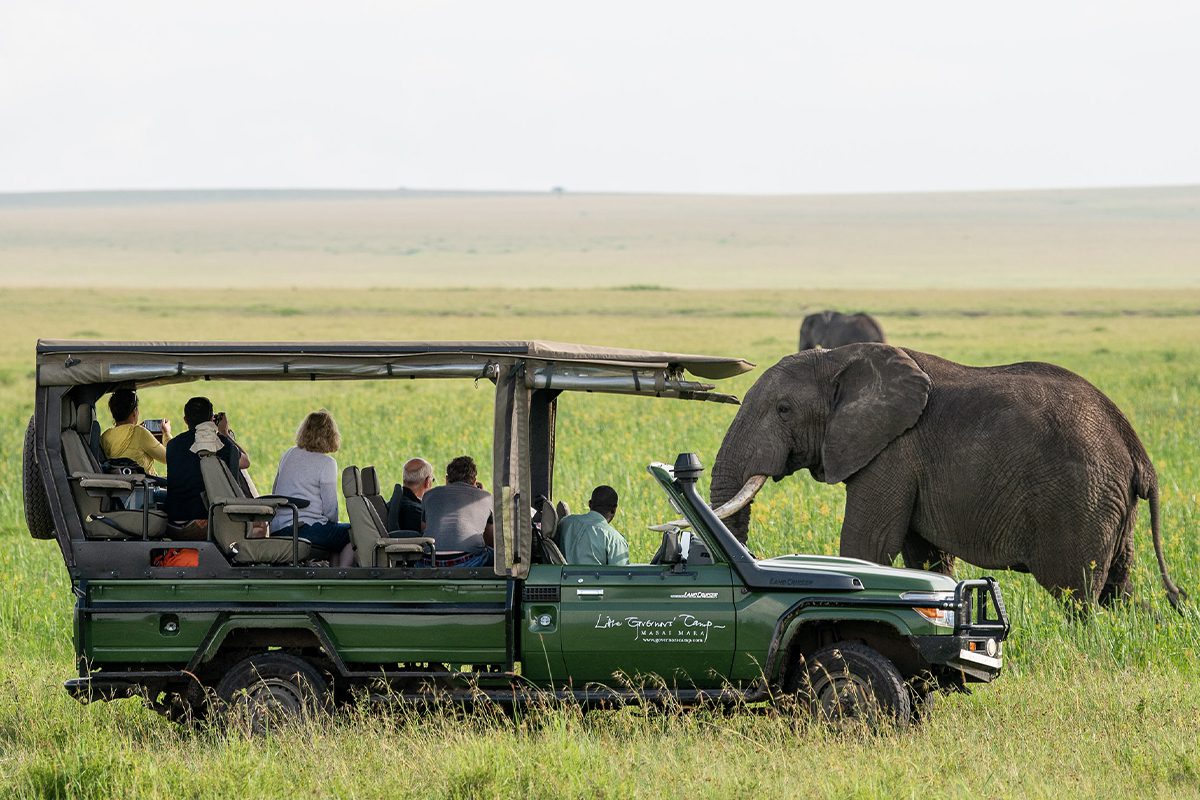
- Mid-Range Safaris ($500 – $850 per day): This is the most popular category. It includes stay in comfortable tented camps or lodges with en-suite bathrooms. You will usually travel in a 4×4 Land Cruiser with a maximum of 6 passengers, ensuring a window seat for everyone.
- Luxury Safaris ($1,000 – $3,000+ per day): These offer “fly-in” capabilities, meaning you skip the long dusty roads and fly directly between private airstrips. Accommodations are world-class, often featuring private plunge pools, gourmet dining, and exclusive access to private concessions where off-roading is permitted.
Regional Price Variations
The geography of Africa plays a massive role in pricing. East Africa (Kenya and Tanzania) operates differently than Southern Africa (South Africa, Botswana, Namibia).
Kenya and Tanzania (East Africa)
In East Africa, park fees are a major component of the daily cost. For example, entering the Ngorongoro Crater in Tanzania involves a vehicle fee of approximately $300 per entry, plus individual conservation fees.
- Kenya (Maasai Mara): Known for the Great Migration. A 7-day mid-range safari here in 2026 costs roughly $3,500 per person.
- Tanzania (Serengeti): Generally slightly more expensive than Kenya due to higher logistics costs. Expect to pay $4,000 for a similar 7-day experience.
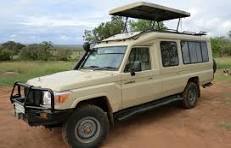
The choice of vehicle and number person determines the Safari Cost in Africa
South Africa and Botswana (Southern Africa)
- South Africa (Kruger National Park): This is the most budget-friendly destination. Because of the excellent road infrastructure, “self-drive” safaris are possible. You can rent a car and stay in government-run “Rest Camps” for as little as $150 per day.
- Botswana (Okavango Delta): This is the most expensive safari destination in Africa. Botswana follows a “low volume, high cost” tourism model to protect the environment. Most camps are only accessible by light aircraft. Expect to pay a minimum of $1,200 per day during the peak flood season.
Safari Cost in Africa, depends on the budget one has among other factors
The Impact of Seasonality
The time of year you travel can change the price by as much as 40%.
- High/Peak Season (June – October): This is the dry season when wildlife congregates around water holes. Prices are at their highest.
- Low/Green Season (November – May): This is the rainy season. While some roads may be muddy, the landscape is lush, and many lodges offer “stay 3, pay 2” deals. You can often find luxury lodges at mid-range prices during this window.
Calculating the Total Cost Formula
To estimate your total trip cost (Ctotal), you can use the following logical formula:
Ctotal=(D×R)+Fint+V+G
Where:
- D = Number of days on safari.
- R = Daily rate (based on tier).
- Fint = International flight costs (typically $1,200 – $2,000 from the US/Europe).
- V = Visa fees (approx. $50 – $100 per country).
- G = Gratuities/Tips (standard is $20 – $30 per day for guides).
Hidden Safari Cost in Africa to Consider
When budgeting, many travelers forget the “extras” that aren’t included in the package price:
- Internal Flights: In places like Botswana or for “fly-in” safaris in Kenya, bush planes can cost $300 – $600 per leg.
- Vaccinations and Meds: Yellow Fever vaccinations and Malaria prophylaxis can cost $200+ depending on your home country’s healthcare.
- Travel Insurance: Essential for remote bush travel, usually costing 5-10% of the total trip price.
- Hot Air Ballooning: A popular add-on in the Maasai Mara or Serengeti, costing roughly $450 – $600 per person.
Why is it so Expensive?
The high cost of an African safari is driven by the extreme logistics of operating in remote areas. Lodges must generate their own electricity (often solar), treat their own water, and transport all food and supplies over hundreds of miles of unpaved roads. Furthermore, a significant portion of your daily fee (often 30% or more) goes directly toward government park fees and community conservation projects which protect the animals from poaching.
Summary Table of Estimated on Safari Cost in Africa (Per Person for 7 Days)
| Category | South Africa (Kruger) | Kenya (Maasai Mara) | Botswana (Delta) |
|---|---|---|---|
| Budget | $1,200 | $1,800 | $3,000 |
| Mid-Range | $2,800 | $3,500 | $5,500 |
| Luxury | $6,000+ | $7,500+ | $10,000+ |
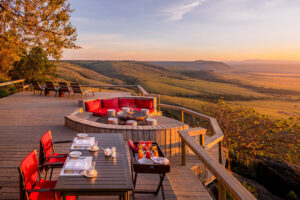
Accommodation is the determining factor affecting Safari Cost in Africa
In conclusion, while the price tag of an African safari can be daunting, the experience of seeing the “Big Five” in their natural habitat is unparalleled. By choosing the right region and season, you can tailor the cost to fit your personal financial plan.
Leave a comment:
You must be logged in to post a comment.
Comment 01
Astute Africa Safaris,
05 May, 2026REF: Crafting Your Bespoke African Safari Experience with Astute Africa Safaris
Jambo,
Thank you for your interest in exploring the wonders of Africa with Astute Africa Safaris. We pride ourselves on creating immersive, tailor-made journeys that align perfectly with your personal interests, pace, and travel aspirations.
Because every safari is a unique narrative, we do not believe in “one-size-fits-all” pricing. To ensure we provide you with an accurate and competitive quotation that reflects the specific lodges, wildlife experiences, and logistical arrangements you desire, we invite you to connect with our team for a personalized consultation.
Please contact us at info@astuteafricasafaris.com, Whatsapp +254762663272 or fill the inquiry form with a few details regarding your preferred travel dates, group size, and specific interests (e.g., photography, luxury relaxation, or adventure trekking). Once we have these details, we will curate a comprehensive proposal designed specifically for you.
We look forward to the possibility of helping you plan an unforgettable journey.
Warm regards,
Team Astute Africa Safaris