

- 1.2k Views
- 6 Min Read
- (1) Comment
The Ultimate Guide to Kenya: Why an Africa Safari in Kenya is a Must-Do
Kenya stands as the quintessential destination for travelers seeking the authentic heart of Africa. The country continues to lead the continent in conservation efforts, sustainable tourism, and unparalleled wildlife experiences. Choosing Africa safari in Kenya for your safari is not merely a vacation; it is an immersion into a landscape that has captivated explorers for centuries. The combination of the Great Migration, diverse ecosystems ranging from savannahs to alpine mountains, and the warm hospitality of the Kenyan people makes it a bucket-list priority for global travelers.
The primary reason an Africa safari in Kenya is a must-do is the unrivaled opportunity to witness the Great Migration in the Maasai Mara, where millions of wildebeest and zebras traverse the plains, creating one of the most spectacular natural phenomena on Earth. Beyond this, Kenya offers a unique diversity of experiences that cater to every type of traveler, from luxury seekers to budget-conscious adventurers.
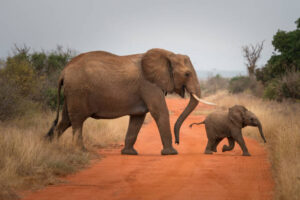
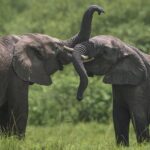
Elephant among the big five is a must see during Africa Safari in Kenya
Kenya is renowned as one of the premier safari destinations in Africa, offering an unparalleled experience for wildlife enthusiasts and adventure seekers alike. Here are several compelling reasons why going on a safari in Kenya is a must-do:
1. Rich Wildlife Diversity
Kenya boasts some of the most diverse wildlife populations on the continent. The country is home to the Big Five—lions, elephants, leopards, rhinos, and buffalos—as well as countless other species such as cheetahs, giraffes, zebras, and various antelope species. This rich biodiversity can be experienced in numerous national parks and reserves across the country.
2. Iconic National Parks
Kenya features world-famous national parks like the Masai Mara National Reserve, Amboseli National Park, and Tsavo National Park. The Masai Mara is particularly famous for its annual wildebeest migration—a spectacular event where millions of wildebeests cross the Mara River while being pursued by predators. This natural phenomenon attracts visitors from around the globe.
The Maasai Mara National Reserve
The Maasai Mara is the crown jewel of Kenya’s tourism. It is world-renowned for its high density of predators, including lions, leopards, and cheetahs. The ecosystem is defined by the Mara River, which serves as the stage for the dramatic river crossings during the migration. Visitors can experience this via traditional game drives or by taking a hot air balloon safari at dawn, providing a panoramic view of the vast plains that feel like the set of a classic nature documentary.
Spotting at Leopard during an Africa Safari in Kenya is the most exciting experience
Amboseli National Park: The Land of Giants
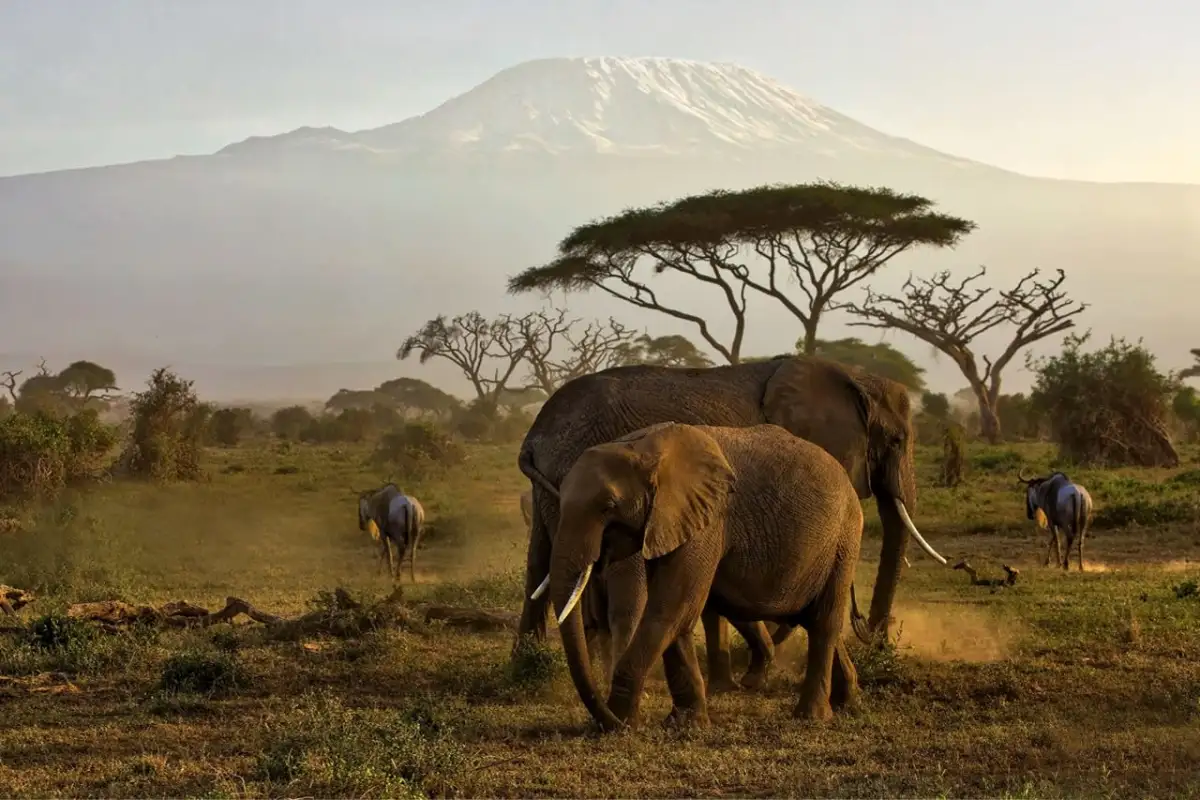
For those seeking the iconic image of Africa, Amboseli is essential. Located at the foot of Mount Kilimanjaro—the highest free-standing mountain in the world—Amboseli offers the best views of the mountain while providing a sanctuary for massive herds of free-ranging elephants. The park’s unique landscape, characterized by dried-up lake beds and swampy springs, creates a stark contrast that makes wildlife photography particularly rewarding.
Tsavo East and West: The Theatre of the Wild
Tsavo, divided into East and West, is one of the largest protected areas in the world. It is famous for its “Red Elephants,” which get their color from the iron-rich dust of the region. Tsavo West is particularly noted for the Mzima Springs, where crystal-clear water flows from volcanic rock, allowing visitors to view hippos and crocodiles through underwater observation tanks. The sheer scale of the Tsavo ecosystem ensures that visitors can enjoy a sense of solitude and wilderness that is increasingly rare in modern travel.
3. Accessibility
Kenya has one of the largest international airports in Africa (Jomo Kenyatta International Airport), making it easily accessible from major cities worldwide. Direct flights from cities like London and Amsterdam facilitate travel without excessive layovers or connections.
4. Experienced Tour Operators
Booking a safari with local tour operators ensures that you have knowledgeable guides who can enhance your experience by providing insights into wildlife behavior and ecology. These experts know the best spots for sightings and can navigate through parks efficiently.
5. Cultural Experiences
In addition to wildlife viewing, Kenya offers rich cultural experiences with indigenous communities such as the Maasai people. Visitors have opportunities to learn about traditional customs, dances, and lifestyles that have been preserved over generations.
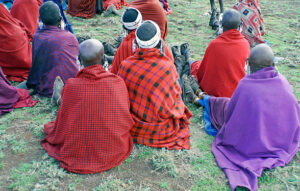
During an Africa Safari in Kenya, It’s recommended to do cultural visit at Maasai village
Coastal Beauty and Cultural Heritage
Kenya is not just about the bush; it is also home to a stunning coastline along the Indian Ocean. Diani Beach, consistently voted one of the best beaches in Africa, offers white sands and turquoise waters perfect for snorkeling, diving, and kite surfing. Furthermore, the historic town of Lamu, a UNESCO World Heritage site, provides a glimpse into Swahili culture, where life moves at a slower pace, and motorized vehicles are replaced by donkeys and dhows.
6. Scenic Landscapes
The landscapes in Kenya are incredibly varied—from savannas and grasslands to mountains and lakes—providing stunning backdrops for your safari adventures. Locations like Mount Kilimanjaro offer breathtaking views that enhance the overall experience.
7. Conservation Efforts
Many safari operators in Kenya are committed to conservation efforts that protect wildlife habitats and promote sustainable tourism practices. By participating in a safari, visitors contribute to these initiatives aimed at preserving Kenya’s natural heritage for future generations.
Conservation and Sustainability
Kenya has made significant strides in protecting its biodiversity. The country’s commitment to community-led conservation means that tourism revenue directly supports local Maasai and Samburu communities. By visiting, travelers contribute to the protection of endangered species like the black rhino and the Grevy’s zebra. The integration of conservation with tourism ensures that the natural beauty of Kenya remains preserved for future generations, making it a responsible choice for the modern, eco-conscious traveler.
8. Unique Safari Options
Kenya offers various types of safaris including self-drive options (though now restricted in certain areas), guided tours with local operators, luxury lodge safaris, or even fly-in safaris where guests can travel between lodges via small aircrafts for a more exclusive experience.
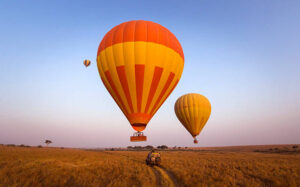
Hot air balloons during Africa Safari in Kenya over the Masai mara
9. Year-Round Wildlife Viewing
While there are peak seasons for specific events like the wildebeest migration (July to September), Kenya’s diverse ecosystems allow for excellent wildlife viewing year-round. Each season brings unique opportunities to see different animal behaviors and landscapes.
In summary, a safari in Kenya provides an unmatched combination of rich wildlife diversity, iconic national parks, accessibility, cultural experiences, scenic landscapes, conservation efforts, unique safari options, and year-round viewing opportunities that make it an essential adventure for any traveler seeking an authentic African experience.
Planning Your Africa Safari in Kenya
When planning your trip, consider the seasonal variations. The dry season, from June to October, is generally considered the best time for wildlife viewing as animals congregate around water sources. However, the “green season” offers lush landscapes and excellent bird-watching opportunities. Regardless of when you visit, the logistical infrastructure in Kenya, including domestic flights and high-quality safari lodges, ensures a seamless experience. As you calculate your travel budget, remember that the value of an Africa safari in Kenya is often measured by the density of wildlife sightings, which can be expressed as D=NA, where N is the number of animals observed and A is the area covered. In Kenya, this density remains among the highest in the world.
Leave a comment:
You must be logged in to post a comment.
Comment 01
Astute Africa Safaris,
05 May, 2026REF: Crafting Your Bespoke African Safari Experience with Astute Africa Safaris
Jambo,
Thank you for your interest in exploring the wonders of Africa with Astute Africa Safaris. We pride ourselves on creating immersive, tailor-made journeys that align perfectly with your personal interests, pace, and travel aspirations.
Because every safari is a unique narrative, we do not believe in “one-size-fits-all” pricing. To ensure we provide you with an accurate and competitive quotation that reflects the specific lodges, wildlife experiences, and logistical arrangements you desire, we invite you to connect with our team for a personalized consultation.
Please contact us at info@astuteafricasafaris.com, Whatsapp +254762663272 or fill the inquiry form with a few details regarding your preferred travel dates, group size, and specific interests (e.g., photography, luxury relaxation, or adventure trekking). Once we have these details, we will curate a comprehensive proposal designed specifically for you.
We look forward to the possibility of helping you plan an unforgettable journey.
Warm regards,
Team Astute Africa Safaris