
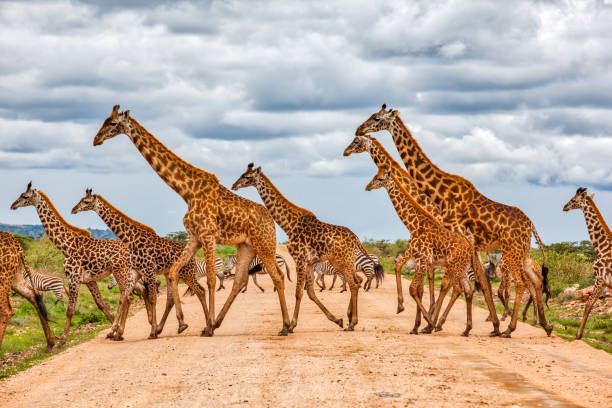

- 1.2k Views
- 9 Min Read
- (1) Comment
Planning an East African safari requires a strategic decision between two of the world’s premier wildlife destinations. Kenya, home to the iconic Maasai Mara, and Tanzania, which boasts the vast Serengeti and the Ngorongoro Crater, offer distinct experiences shaped by geography, infrastructure, and wildlife migration patterns. While both countries share the ecosystem of the Great Migration, the logistical approach to visiting them varies significantly.
Advantages of East African safari Combining Kenya and Tanzania
The primary advantage of a dual-country safari is the ability to witness the Great Migration across the Mara River in Kenya and the vast plains of the Serengeti in Tanzania, providing a comprehensive view of the ecosystem. This combination allows travelers to experience the cultural richness of the Maasai in Kenya alongside the unique geological wonders of Tanzania, such as the Ngorongoro Crater, which is often described as the “Eighth Wonder of the World.” By visiting both, you maximize your chances of seeing the “Big Five” in diverse landscapes, from the savannahs of Amboseli to the lush highlands of Tanzania.
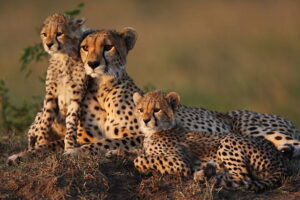
Cheetah with two 2 cubs on a termite mound in the Masai Mara as often spotted during East African safari
Disadvantages of Combining Both
The main disadvantage of a combined itinerary is the increased travel time and logistical complexity, often involving multiple border crossings and additional flight costs. Moving between countries can be time-consuming, and the visa requirements for both nations can add to the administrative burden and overall trip expense. Furthermore, trying to cover too much ground in a short period can lead to “safari fatigue,” where the pace of travel detracts from the quality of the wildlife viewing experience.
Advantages of Choosing One Country
Selecting a single destination allows for a deeper, more immersive experience with less time spent in transit. Choosing Kenya offers superior infrastructure for shorter, high-impact trips, while choosing Tanzania provides a more remote, expansive wilderness experience that feels less crowded. Focusing on one country allows you to explore secondary parks—such as Kenya’s Samburu or Tanzania’s Tarangire—which are often overlooked in rushed, multi-country itineraries.
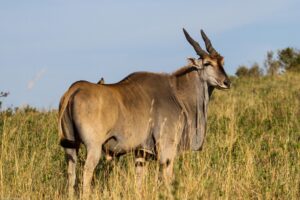
Eland is commonly found during an East African safari in all parks
Best Time to do East African safari
The optimal time for a safari in both countries is during the dry season, from late June to October, when wildlife congregates around water sources, making them easier to spot. This period also aligns with the Great Migration, where herds move between the Serengeti and the Maasai Mara. For those seeking fewer crowds and lush scenery, the “short rains” in November or the shoulder season in May can offer excellent value, though wildlife viewing requires more patience.
The Optimal Timing for an East African Safari
Planning an East African safari requires balancing wildlife visibility, weather conditions, and seasonal migration patterns. The region, primarily encompassing Kenya and Tanzania, experiences two distinct wet seasons and two dry seasons, which dictate the movement of animals and the accessibility of national parks. Generally, the best time for an East African safari is during the long dry season from June to October, as the lack of rain forces wildlife to congregate around permanent water sources, making them significantly easier to spot.
Dry Season: June to October
During these months, the vegetation thins out, and water holes become the focal point for wildlife activity. This is the prime period for visiting the Maasai Mara in Kenya and the Serengeti in Tanzania, as the Great Migration is typically in the northern regions, offering spectacular river crossing opportunities. The weather is cooler and less humid, which is ideal for game drives. This period is also considered the best time for trekking to see mountain gorillas in Uganda and Rwanda, as the trails are drier and less slippery.
Short Dry Season: January to February
This “short dry” window is a hidden gem for safari enthusiasts. It follows the short rains of November and December, resulting in lush, green landscapes that are excellent for photography. This is the peak time for the calving season in the southern Serengeti and the Ngorongoro Conservation Area, where thousands of wildebeest calves are born, attracting high concentrations of predators.
Wet Seasons: November to December and March to May
While these periods are often avoided due to heavy rainfall, they offer unique advantages. The “green season” brings lower tourist numbers and reduced accommodation rates. Bird watching is at its absolute peak during these months as migratory species arrive in the region. However, travelers should be aware that some remote camps may close due to impassable roads, and game viewing can be more challenging due to dense foliage.
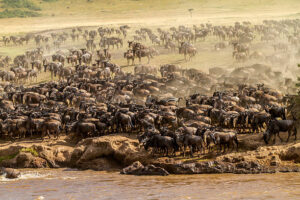
The Great Migration: East African safari Ecological and Tourism Engine
The Great Migration: East African safari Ecological and Tourism Engine
he Great Migration is a perpetual, circular movement of over 1.5 million wildebeest, accompanied by hundreds of thousands of zebras and gazelles, across the Serengeti-Mara ecosystem. This phenomenon is the primary driver of East African tourism, as it dictates the seasonal movement of wildlife and the subsequent influx of international visitors.
The migration is not a single event but a continuous cycle of grazing and calving, which sustains the biodiversity of the region and provides a unique spectacle for safari enthusiasts. The ecological impact is profound, as the grazing patterns of these herds stimulate grass growth and provide essential nutrients to the soil, while their presence supports a complex food web involving apex predators like lions, cheetahs, and crocodiles.
To experience this phenomenon during your East African safari, travelers should focus on two primary countries: Tanzania and Kenya. In Tanzania, the migration begins with the calving season in the southern Serengeti (Ndutu area) from January to March, where the nutrient-rich grasses support the birth of thousands of calves daily. As the dry season approaches in May and June, the herds move north through the Central Serengeti and Western Corridor.
By July through October, the migration reaches its most dramatic phase: the Mara River crossings in the Northern Serengeti and the Masai Mara National Reserve in Kenya. The most authoritative time to visit for the iconic river crossings is between July and September, specifically within the Masai Mara in Kenya or the Northern Serengeti in Tanzania, as these months offer the highest probability of witnessing the herds navigating crocodile-infested waters.
Planning a Family East Africa Safari Itinerary
Embarking on a 10-day East African safari across Kenya and Tanzania is a transformative experience for families, offering unparalleled educational opportunities and wildlife encounters. When planning a multi-country itinerary, the primary logistical consideration is the age of the children. While many lodges welcome children of all ages, the consensus among safari experts is that children should be at least 6 to 8 years old to fully appreciate and safely endure the rigors of a 10-day safari itinerary. Younger children may struggle with the long hours spent in a safari vehicle, the bumpy terrain, and the strict safety protocols required when in proximity to wild animals.
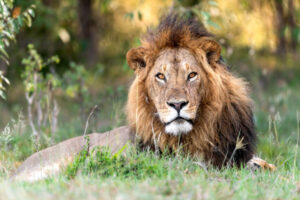
Lion king, the dominating the plains across all parks and key influencer on East African safari
Step-by-Step Planning for a 10-Day East African safari Itinerary
To ensure a successful trip, consider the following logical progression:
- Age Appropriateness and Health: Before booking, ensure your children are up to date on all recommended vaccinations, including Yellow Fever, which is often required for travel between Kenya and Tanzania. Consult a travel clinic at least 8 weeks before departure.
- Selecting Child-Friendly Lodges: Prioritize accommodations that offer “Young Ranger” programs or fenced perimeters. Many high-end lodges in the Maasai Mara and Serengeti provide specialized activities like guided nature walks, tracking lessons, and cultural interactions that keep children engaged without the need for long game drives.
- Optimizing the Itinerary: A 10-day trip should be paced to avoid “safari fatigue.” A recommended split involves 4 days in Kenya (e.g., Maasai Mara and Lake Nakuru) and 6 days in Tanzania (e.g., Serengeti and Ngorongoro Crater). Limit daily game drives to 3–4 hours, interspersed with downtime at the lodge pool or educational workshops.
- Logistics and Transport: For a 10-day cross-border trip, flying between major parks is highly recommended over driving to minimize travel time. This reduces the physical strain on children and maximizes time spent viewing wildlife.
Safety and Engagement Tips
During any East African safari tour, safety is paramount when traveling with minors. Always adhere to the “stay in the vehicle” rule unless a professional guide explicitly states it is safe to exit. Furthermore, to keep children engaged, provide them with binoculars and a wildlife checklist to turn the game drive into an interactive scavenger hunt. By focusing on shorter, high-impact activities, you ensure that the safari remains an enjoyable adventure rather than an exhausting endurance test for the younger members of your family.
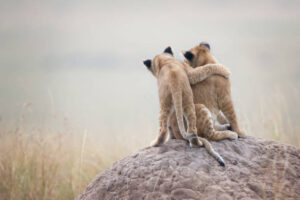
Maasai Mara, cubs in late afternoon light at Maasai Mara during an East African safari
Conclusion: Planning Your Ultimate East African Safari
Embarking on an East African safari is a transformative journey that blends raw natural beauty with profound cultural discovery. To ensure your adventure is both memorable and seamless, consider these logical steps for planning your trip. First, identify your primary wildlife goals, such as witnessing the Great Migration, which occurs exclusively in the plains of Kenya and Tanzania. Second, align your travel dates with the optimal viewing windows—typically January to March or July to October—to maximize your chances of seeing the “Big Five” and other iconic species. Finally, choose between a group tour or a custom, private itinerary to best suit your personal travel style and comfort preferences.
Beyond the game drives, East African safari offers a rich tapestry of experiences, from the historic Swahili Coast and vibrant urban centers like Nairobi and Dar es Salaam to the awe-inspiring landscapes of the Ngorongoro Crater and Victoria Falls. Whether you are trekking for mountain gorillas in Rwanda or relaxing on the white-sand beaches of Zanzibar, the region provides a perfect balance of adventure and wellness. By carefully selecting your destinations, respecting local customs, and engaging with knowledgeable guides, you can ensure that your safari is not only a bucket-list experience but also a sustainable contribution to the conservation of Africa’s precious wildlife and cultural heritage.
Leave a comment:
You must be logged in to post a comment.

Comment 01
Astute Africa Safaris,
05 May, 2026REF: Crafting Your Bespoke African Safari Experience with Astute Africa Safaris
Jambo,
Thank you for your interest in exploring the wonders of Africa with Astute Africa Safaris. We pride ourselves on creating immersive, tailor-made journeys that align perfectly with your personal interests, pace, and travel aspirations.
Because every safari is a unique narrative, we do not believe in “one-size-fits-all” pricing. To ensure we provide you with an accurate and competitive quotation that reflects the specific lodges, wildlife experiences, and logistical arrangements you desire, we invite you to connect with our team for a personalized consultation.
Please contact us at info@astuteafricasafaris.com, Whatsapp +254762663272 or fill the inquiry form with a few details regarding your preferred travel dates, group size, and specific interests (e.g., photography, luxury relaxation, or adventure trekking). Once we have these details, we will curate a comprehensive proposal designed specifically for you.
We look forward to the possibility of helping you plan an unforgettable journey.
Warm regards,
Team Astute Africa Safaris