

- 807 Views
- 9 Min Read
- (1) Comment
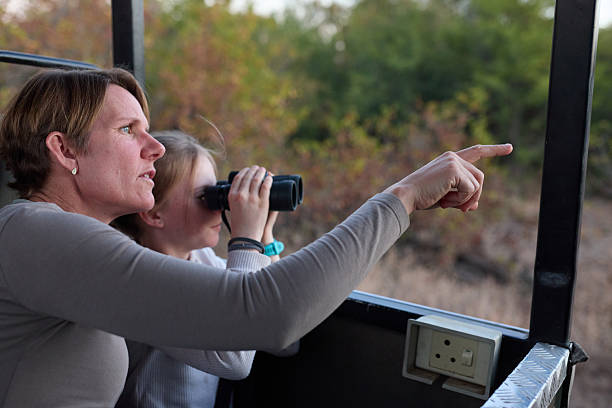
Planning a Family African safari requires meticulous preparation to ensure that the experience is both educational and safe for children. The first step involves selecting a destination that is malaria-free or low-risk, such as certain private reserves in South Africa, which are often recommended for families with younger children due to their specialized kid-friendly programs. Once the destination is set, families must calculate their total expenditure, which includes international flights, internal transfers, park fees, and accommodation.
Choosing the Best Season for Your Kids
The timing of your safari is critical for both wildlife viewing and comfort. The dry season, typically from June to October, is widely considered the best time for game viewing because vegetation is sparse and animals congregate around water holes, making them easier to spot. During this period, the weather is generally cooler, which is more comfortable for children, and the risk of malaria is significantly lower. Conversely, the “green season” offers lush landscapes and lower prices, but families should be aware of increased mosquito activity and the potential for rain, which can limit outdoor activities.
Safety and Health Considerations
Safety is paramount when traveling with children in the wild. It is essential to choose lodges that are fenced and have strict safety protocols regarding wildlife interactions. Parents should ensure that all routine vaccinations are up to date and consult a travel clinic regarding malaria prophylaxis, as the health of the child is the highest priority. Furthermore, always adhere to the guidance of professional rangers during game drives, as they are trained to read animal behavior and maintain a safe distance.
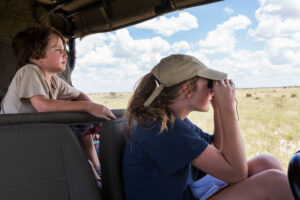
Family Africa Safari on a game drives at Maasai mara
Budgeting for a Family African Safari
To manage costs effectively, families should consider booking all-inclusive packages that cover meals, game drives, and park fees, which helps in avoiding unexpected expenses. The most cost-effective approach is to travel during the shoulder season (May or November), which balances wildlife visibility with more affordable rates compared to the peak dry season. By planning at least 12 months in advance, families can secure better rates and ensure availability at family-oriented lodges that offer specialized kids’ clubs and educational bush walks.
Family African Safari Planner: East Africa Edition
Planning a family African safari in East Africa requires meticulous preparation to balance adventure with safety and comfort. The region remains a premier destination for wildlife enthusiasts, offering world-class infrastructure for families. The first step is selecting a destination that offers a blend of high-density wildlife viewing and robust tourism safety protocols. When considering safety, Tanzania, Kenya and Rwanda are currently ranked as the most stable and tourist-friendly destinations in East Africa, providing excellent security for international travelers and specialized family-oriented lodges.
Why Choose East Africa for Your Family African Safari
East Africa is distinguished by its accessibility and the diversity of its ecosystems. Unlike other regions, the proximity of national parks in Tanzania and the conservation efforts in Rwanda allow for shorter travel times between game drives, which is essential for families with children. Furthermore, the “Big Five” (lion, leopard, elephant, buffalo, and rhino) are easily observable in their natural habitats, providing an educational experience that is unmatched globally. The safety index for these countries is bolstered by dedicated tourism police units and high-standard private conservancies that prioritize visitor security.
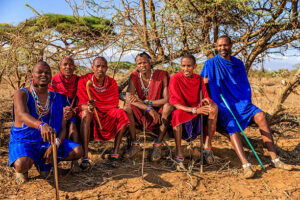
Family African safari: Warriors from Maasai tribe, central Kenya, Africa. Maasai tribe inhabiting southern Kenya and northern Tanzania, and they are related to the Samburu.
Recommended Family Itinerary: The Northern Circuit and Volcanoes
A balanced 10-day itinerary is recommended to minimize fatigue and maximize wildlife exposure.
- Days 1-3: Arrive in Arusha, Tanzania, and transfer to Tarangire National Park, famous for its massive elephant herds and baobab trees.
- Days 4-6: Travel to the Ngorongoro Crater, a UNESCO World Heritage site where the wildlife density is so high that children are guaranteed sightings within minutes of entering the caldera.
- Days 7-10: Fly to Rwanda for a cultural experience and a visit to Volcanoes National Park. The trekking here is highly regulated, ensuring a safe environment for families to observe golden monkeys and learn about mountain gorilla conservation.
Essential Planning Tips for a family African safari
Planning a family African safari is a rewarding endeavor that requires careful preparation to ensure a safe, educational, and memorable experience for all generations. Because the logistics of traveling in the African wilderness can be complex, success relies on meticulous attention to detail, from selecting the right destination to managing health and safety requirements.
Choosing the Right Destination and Timing
The first logical step is to determine the most suitable location for your family. While many countries offer incredible wildlife viewing, Tanzania is frequently cited for its accessibility to the “Big 5” and diverse family-friendly activities. When selecting a destination, consider the flight logistics; direct flights or manageable layovers are preferred when traveling with children to minimize fatigue. It is highly recommended to book your trip at least three months in advance, as popular lodges and camps fill up quickly, especially during peak seasons.
Age Considerations and Accommodations
While considering family African safari, understanding age restrictions is critical, as many safari lodges have minimum age requirements, typically ranging from 8 to 12 years old, due to the inherent risks of the wilderness. While some resorts may accommodate children as young as 6, it is essential to verify these policies before making any payments. For families with very young children or infants, experts generally advise caution, as the environment can be challenging regarding heat, noise, and distance from medical facilities.
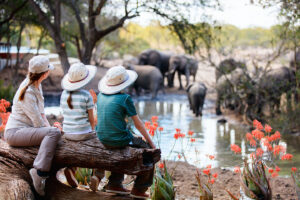
A family African safari is never complete without escorted guided walks and game viewing
Health and Safety Preparations
Before finalizing any travel plans, you must consult with a medical professional regarding necessary vaccinations, some of which require administration weeks or months in advance. Furthermore, securing comprehensive travel insurance is a mandatory safety measure, as it covers unexpected illnesses or accidents and is often a legal requirement for entry into certain African nations. Always pack a well-stocked first aid kit, including essential medications such as antimalarials, antihistamines, and rehydration salts, tailored to your family’s specific health needs.
Expert Planning and Itinerary Design
To ensure a seamless experience, working with a luxury safari specialist can be invaluable. These professionals help navigate the complexities of multi-generational travel, ensuring that accommodations are accessible for grandparents and that activities are engaging for children. A well-balanced itinerary should incorporate variety; while game drives are the highlight, adding activities like nature walks, cultural visits, or tree-top canopy tours helps keep younger travelers engaged and prevents fatigue. By focusing on personalized planning and expert guidance, you can transform the logistical challenges of a safari into a collaborative and stress-free adventure.
Safari Style Guide: Navigating Dress Codes on a family African Safari
Planning a family safari requires careful consideration of both comfort and practicality, as the environment is vastly different from a typical vacation destination. Generally, there is no formal dress code on an African safari, as the primary focus is on functionality, safety, and comfort in the bush. Most lodges and camps maintain a relaxed, “safari casual” atmosphere, meaning you do not need to pack formal wear or high-end fashion items. The environment is dusty, rugged, and often unpredictable, so your clothing choices should prioritize protection from the elements and insects while allowing for ease of movement during game drives and walking safaris.
Daytime Safari Attire: Function Over Fashion
During the day, your clothing should be designed to handle the heat, sun, and potential insect bites. The most effective strategy is to dress in layers using breathable, natural fabrics like cotton or linen, or specialized moisture-wicking synthetic materials. It is highly recommended to wear neutral colors such as khaki, beige, tan, or olive green, as these colors help you blend into the natural environment, keep you cooler in the sun, and are less likely to attract certain insects like tsetse flies.
Avoid bright colors, which can startle wildlife, and dark navy or black, which are known to attract tsetse flies. Additionally, always pack a lightweight, windproof jacket or fleece for early morning game drives, as temperatures can drop significantly before sunrise.
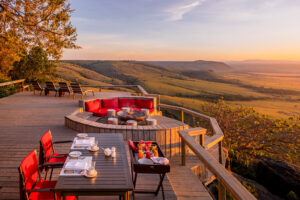
Selecting the best accommodation during your family African safari is key to a memorable stay.
Dinner Time: Relaxed and Comfortable
When it comes to dinner time, the atmosphere remains informal, even at luxury lodges. While some guests may choose to change into “smart-casual” attire, there is no requirement for formal wear like suits or evening gowns. A clean pair of trousers or jeans paired with a comfortable shirt or blouse is perfectly acceptable. The main consideration for evening wear is protection; even at dinner, it is wise to wear long sleeves and long trousers to protect against mosquitoes, which are most active during the twilight and evening hours.
Ultimately, the goal is to feel comfortable and relaxed after a long day of exploring, so prioritize practical, modest clothing that allows you to enjoy your meal without worrying about formal dress standards during your Family African Safari.
My take on Family African safari adventure
Planning a family safari in East Africa requires balancing wildlife density, child-friendly logistics, and malaria-free or low-risk zones. The most authoritative approach involves selecting regions with established infrastructure that cater to multi-generational travelers, ensuring safety and educational value.
For families, the best places to visit in East Africa are the Maasai Mara in Kenya and the Serengeti in Tanzania, specifically during the Great Migration, combined with the Ngorongoro Crater for its high density of easily visible wildlife. The Maasai Mara offers exceptional game viewing, and many lodges there provide specialized “junior ranger” programs that engage children in tracking and conservation education. For those seeking a mix of adventure and relaxation, the island of Zanzibar is the premier destination, offering pristine beaches and historical tours that are accessible for all ages.
When considering where to stay, prioritize lodges that offer family suites and fenced perimeters to ensure safety. In the Maasai Mara, properties like the Angama Mara or Governor’s Camp are highly regarded for their family-oriented amenities. In Tanzania, the Four Seasons Safari Lodge Serengeti is widely considered the gold standard for families due to its dedicated kids’ club and swimming pool, which is a rarity in the bush. For a more intimate experience in the Ngorongoro Conservation Area, andBeyond Ngorongoro Crater Lodge provides excellent family-friendly services and proximity to the crater floor, minimizing travel time for younger children.
Leave a comment:
You must be logged in to post a comment.

Comment 01
Astute Africa Safaris,
05 May, 2026REF: Crafting Your Bespoke African Safari Experience with Astute Africa Safaris
Jambo,
Thank you for your interest in exploring the wonders of Africa with Astute Africa Safaris. We pride ourselves on creating immersive, tailor-made journeys that align perfectly with your personal interests, pace, and travel aspirations.
Because every safari is a unique narrative, we do not believe in “one-size-fits-all” pricing. To ensure we provide you with an accurate and competitive quotation that reflects the specific lodges, wildlife experiences, and logistical arrangements you desire, we invite you to connect with our team for a personalized consultation.
Please contact us at info@astuteafricasafaris.com, Whatsapp +254762663272 or fill the inquiry form with a few details regarding your preferred travel dates, group size, and specific interests (e.g., photography, luxury relaxation, or adventure trekking). Once we have these details, we will curate a comprehensive proposal designed specifically for you.
We look forward to the possibility of helping you plan an unforgettable journey.
Warm regards,
Team Astute Africa Safaris