

- 12 Views
- 18 Min Read
- (0) Comment
East African Local Foods You Need to Try: A Culinary Journey Through Kenya, Tanzania, Uganda, Rwanda and Zanzibar
If you are planning a safari or holiday in East Africa, do not limit your adventure to wildlife, beaches and spectacular landscapes. Food is one of the best ways to experience the culture of a destination.
From smoky nyama choma in Kenya and aromatic pilau in Tanzania, to Uganda’s famous Rolex, Rwanda’s delicious brochettes, and Zanzibar’s unforgettable urojo, East African cuisine offers an extraordinary combination of locally grown ingredients, traditional cooking techniques and influences from centuries of trade.
East African food is remarkably diverse. Inland cuisines rely heavily on maize, bananas, beans, cassava, sweet potatoes, vegetables and meat, while the Swahili coast and Zanzibar are particularly known for coconut, seafood, rice and aromatic spices. Indian Ocean trade also contributed ingredients and culinary techniques that are now deeply incorporated into coastal cooking.
So, whether you are visiting Kenya, Tanzania, Uganda, Rwanda or Zanzibar, make room in your itinerary for a culinary adventure.
Here are 20 East African foods you should try.
🇰🇪 Traditional Kenyan Foods You Need to Try
Kenyan cuisine varies considerably between communities and regions. The country’s food culture includes hearty inland dishes, grilled meats and vegetables as well as the distinctive Swahili cuisine of the coast. Kenya’s more than 40 communities contribute to this culinary diversity.
1. Nyama Choma – Kenya’s Famous Roasted Meat

Nyama choma literally means “roasted meat” in Swahili and is one of Kenya’s best-known foods.
Goat meat is particularly popular, although beef, chicken and other meats are also prepared as nyama choma. The meat is traditionally roasted over charcoal or an open fire, creating a smoky exterior while retaining the natural flavour of the meat.
How nyama choma is prepared
A traditional preparation can be remarkably simple:
- Cut goat or beef into manageable pieces.
- Season primarily with salt.
- Place the meat over hot charcoal.
- Turn the pieces regularly so they cook evenly.
- Continue roasting until the outside is beautifully charred and the inside is cooked.
- Cut into smaller pieces before serving.
Unlike heavily marinated barbecue, traditional nyama choma often emphasizes the flavour of the meat and smoke rather than a complicated marinade. It is commonly accompanied by ugali, kachumbari and vegetables. Kenya’s tourism materials describe nyama choma as a major social food and national favourite.
What to expect: smoky, juicy, savoury and slightly charred.
Best way to experience it: Visit a traditional local nyama choma restaurant or grill rather than only ordering it in a hotel.
2. Ugali – The East African Staple

Few foods are more closely associated with everyday East African meals than ugali.
Ugali is a firm maize-meal staple eaten extensively across Kenya and other parts of East Africa. Depending on the country and community, similar preparations can have different names and may be made from maize, cassava, millet or sorghum.
How ugali is prepared
The basic preparation is simple:
- Bring water to a boil in a cooking pot.
- Gradually add maize flour.
- Stir continuously to prevent lumps.
- Add more flour until the mixture becomes thick and firm.
- Continue stirring and turning the mixture.
- Cook until it develops a smooth, firm consistency.
- Shape it into a mound before serving.
Ugali is generally not heavily seasoned. Instead, it acts as a deliciously neutral accompaniment for meat, vegetables, fish and stews.
What to eat with ugali
Try it with:
- Nyama choma
- Sukuma wiki
- Beef stew
- Fried fish
- Kachumbari
- Chicken stew
For many visitors, learning to eat ugali with their hands becomes part of the cultural experience.
3. Sukuma Wiki – Kenyan Collard Greens

Sukuma wiki is one of Kenya’s most familiar vegetable dishes.
The Swahili expression is commonly translated as “stretch the week,” reflecting its reputation as an affordable everyday vegetable dish. It is generally prepared from collard greens or similar leafy greens.
How sukuma wiki is prepared
- Wash the leafy greens thoroughly.
- Remove tough stems where necessary.
- Slice the leaves into thin strips.
- Fry chopped onions in a little cooking oil.
- Add chopped tomatoes.
- Cook until the tomatoes soften.
- Add the greens.
- Season with salt and other preferred spices.
- Cook until tender but still pleasantly green.
Sukuma wiki is particularly delicious with ugali and nyama choma.
4. Kenyan Pilau – Aromatic Spiced Rice

Kenyan pilau is especially associated with the country’s coastal Swahili cuisine, although it is enjoyed far beyond the coast.
The dish combines rice with meat and fragrant spices such as cardamom, cumin, cinnamon and cloves. Indian Ocean trade and Indian culinary influence have played an important role in the development of coastal East African cuisine.
How Kenyan pilau is prepared
- Brown onions in oil.
- Add pilau spices and allow their aromas to develop.
- Add beef, chicken or another preferred protein.
- Cook until the meat is tender.
- Add washed rice.
- Add the appropriate amount of water or stock.
- Bring to a boil.
- Reduce the heat and allow the rice to cook gently.
- Leave covered until the rice is fluffy and the liquid has been absorbed.
It is commonly served with kachumbari, making a wonderfully aromatic and colourful meal.
🇹🇿 Traditional Tanzanian Foods You Need to Try
Tanzania’s cuisine reflects its enormous geographical and cultural diversity. Mainland dishes include maize, rice, beans, bananas, meat and fish, while the coast incorporates coconut, seafood and spices.
5. Tanzanian Pilau

Tanzanian pilau is an aromatic rice dish that is especially popular during celebrations, family gatherings and special occasions.
How Tanzanian pilau is prepared
Typically:
- Fry onions until deeply golden.
- Add a mixture of whole spices such as cardamom, cinnamon, cumin and cloves.
- Add meat and brown it.
- Add water or stock.
- Simmer until the meat becomes tender.
- Add washed rice.
- Adjust the liquid and seasoning.
- Cover and cook on low heat until the rice is fluffy.
The result is fragrant rice infused with the flavour of spices and meat.
6. Mishkaki – Tanzanian Grilled Meat Skewers

If you enjoy grilled food, mishkaki should be on your Tanzanian food bucket list.
Mishkaki consists of pieces of meat threaded onto skewers and grilled over charcoal. Beef, goat and chicken are commonly used.
How mishkaki is prepared
- Cut meat into small cubes.
- Marinate it with ingredients such as onion, garlic, ginger, chilli and spices.
- Leave the meat to absorb the flavours.
- Thread the pieces onto wooden or metal skewers.
- Grill slowly over charcoal.
- Turn frequently.
- Cook until the meat is tender and nicely charred.
Mishkaki is particularly popular as street food and evening food.
7. Chipsi Mayai – Tanzania’s Famous Chips Omelette

Chipsi mayai is one of Tanzania’s most recognizable street foods.
The name combines chips and mayai, meaning eggs. Essentially, French fries are combined with beaten eggs to create a substantial omelette.
How chipsi mayai is prepared
- Prepare or fry potato chips.
- Beat several eggs in a bowl.
- Heat a frying pan with a little oil.
- Add the chips.
- Pour beaten eggs over them.
- Allow the bottom to set.
- Turn or fold the omelette.
- Cook until the egg is completely set.
It is often served with kachumbari or chilli sauce.
Why try it? It is inexpensive, filling and gives visitors a taste of everyday Tanzanian street-food culture.
8. Wali na Maharage – Rice and Beans

Wali na maharage means rice and beans and is a comforting Tanzanian staple.
The rice may be cooked with coconut milk, particularly in coastal areas, while the beans are generally simmered with onions, tomatoes and spices.
How it is prepared
For the beans:
- Soak dry beans where appropriate.
- Boil until tender.
- Fry onions and tomatoes.
- Add spices.
- Add the cooked beans.
- Simmer until the flavours combine.
For the rice:
- Wash the rice.
- Add water or coconut milk.
- Add salt and, depending on the recipe, spices.
- Cook until fluffy.
Serve the rice alongside the beans, often with vegetables or kachumbari.
🇺🇬 Traditional Ugandan Foods You Need to Try
Uganda’s food culture is built around staples such as bananas, maize, cassava, groundnuts, sweet potatoes and vegetables. Regional differences are significant, and dishes such as matoke, luwombo and Rolex have become particularly well known.
9. Matoke – Uganda’s Steamed Green Bananas

Matoke, also called matooke, is one of Uganda’s signature foods.
It is prepared using green cooking bananas that are cooked until soft. Matoke can be eaten with groundnut sauce, meat stew or other accompaniments.
How matoke is prepared
A traditional method involves:
- Peel the green bananas.
- Wrap them in banana leaves or place them in a suitable cooking vessel.
- Steam them until tender.
- Mash or press them into a soft consistency.
- Serve with groundnut sauce, meat stew or vegetables.
Matoke is a staple in many parts of Uganda.
10. Luwombo – A Traditional Banana-Leaf Dish

Luwombo is one of Uganda’s most distinctive traditional dishes.
It consists of meat, chicken, fish or groundnut sauce cooked or steamed in banana leaves. Uganda’s Ministry of Foreign Affairs describes Luwombo as a dish in which meat or groundnut sauce is steamed in banana leaves.
How luwombo is prepared
- Prepare the meat, chicken, fish or groundnut sauce.
- Season with onions, tomatoes and appropriate spices.
- Prepare clean banana leaves.
- Place the ingredients inside the leaves.
- Fold the leaves securely.
- Steam the parcel slowly.
- Cook until the meat is tender and the flavours have combined.
- Serve with matoke, rice or another local staple.
The banana leaves help retain moisture and contribute a subtle aroma.
11. Rolex – Uganda’s Iconic Street Food

Don’t confuse Uganda’s Rolex with a luxury watch.
In Uganda, Rolex is a popular street-food combination of chapati and omelette, often containing tomatoes, onions and other vegetables.
How a Ugandan Rolex is prepared
- Prepare a chapati.
- Beat eggs with chopped onions, tomatoes and vegetables.
- Fry the egg mixture as an omelette.
- Place the chapati over the omelette while it is cooking.
- Allow the egg and chapati to stick together.
- Flip the combination.
- Roll it tightly.
- Serve hot.
The cooking technique allows the steam from the egg to soften the chapati, making it easier to roll.
Best place to try it: local street-food stalls and markets in Kampala and other Ugandan towns.
12. Katogo – Uganda’s Hearty Mixed Breakfast

Katogo is a hearty Ugandan mixed dish traditionally made using a starch such as matoke, cassava, sweet potato or yam combined with beans, meat or another accompaniment.
Ugandan local-government tourism information describes katogo as a pottage combining ingredients such as matoke, cassava, sweet potato or yam with beans.
How katogo is prepared
- Peel and chop the starch ingredient.
- Prepare meat, beans or another protein.
- Fry onions and tomatoes.
- Add the protein.
- Add the chopped starch.
- Add water or stock.
- Cover and simmer until everything is tender.
- Season to taste.
The result is a one-pot meal that is filling and deeply comforting.
🇷🇼 Traditional Rwandan Foods You Need to Try
Rwandan cuisine is strongly connected to locally grown crops including bananas, plantains, beans, sweet potatoes and cassava. Meat and fish are also enjoyed, particularly in urban areas and around Lake Kivu.
13. Brochettes – Rwanda’s Popular Grilled Skewers

Brochettes are grilled meat skewers and are among the foods visitors should look for when exploring Rwanda.
Goat is particularly common, although beef, fish and other meats may also be used.
How brochettes are prepared
- Cut the meat into small pieces.
- Season or marinate it.
- Thread the meat onto skewers.
- Place the skewers over charcoal.
- Turn regularly.
- Grill until browned and cooked.
- Serve with potatoes, bananas, salad or another side.
Rwandan tourism sources identify brochettes as one of the country’s most popular evening foods.
14. Isombe – Cassava Leaf Stew

Isombe is a traditional dish made from cassava leaves.
The leaves are mashed or finely prepared and cooked into a thick savoury dish. Groundnuts may be incorporated to create a richer flavour and texture, and dried fish can also be used in traditional preparations.
How isombe is prepared
- Wash and prepare cassava leaves appropriately.
- Pound or finely crush the leaves.
- Cook them thoroughly.
- Add groundnut paste or another traditional ingredient.
- Add onions and seasonings.
- Simmer slowly until thick and tender.
- Serve with ugali, bananas or another staple.
Flavour profile: earthy, nutty and savoury.
15. Rwandan Ugali

Ugali, locally also called bugali, is an important staple in Rwanda.
It can be prepared using maize or cassava flour and is generally eaten alongside vegetables, beans, meat or fish.
How it is prepared
- Boil water.
- Gradually add maize or cassava flour.
- Stir continuously.
- Continue adding flour until the mixture becomes thick.
- Cook while stirring until smooth.
- Shape into a mound.
- Serve alongside stew or vegetables.
For an authentic Rwandan meal, try it with isombe or beans.
16. Ibihaza – Pumpkin and Beans

Ibihaza is a traditional Rwandan dish combining pumpkin with beans.
It is an excellent example of how locally available agricultural ingredients can be transformed into a simple but satisfying meal.
How it is prepared
- Cut pumpkin into pieces.
- Remove seeds and peel if desired.
- Cook beans until tender.
- Add the pumpkin.
- Add onions and seasoning.
- Simmer until the pumpkin becomes tender.
- Allow some of the pumpkin to break down into the sauce.
- Serve with another local staple if desired.
This is particularly interesting for travellers looking for traditional plant-based foods.
🌴 Traditional Zanzibar Foods You Need to Try
Zanzibar deserves its own section because its cuisine has developed through centuries of interaction between African, Swahili, Arab, Persian and Indian Ocean cultures.
Rice, coconut, seafood and spices such as cloves, cardamom, cinnamon and cumin feature prominently in Zanzibari cuisine.
17. Urojo – Zanzibar Mix

If there is one street food you should put on your Zanzibar itinerary, consider Urojo, popularly called Zanzibar Mix.
It is a flavourful soup or sauce served with an assortment of toppings that may include potatoes, bhajias, cassava, eggs, chutneys and other ingredients.
How urojo is prepared
The exact recipe varies between vendors, but the preparation generally involves:
- Prepare a spiced, tangy soup base.
- Prepare potatoes and other toppings.
- Fry bhajias or other fritters.
- Prepare chutneys and chilli sauces.
- Place the toppings into a serving bowl.
- Pour the hot soup over them.
- Add additional chutney, chilli or fresh ingredients.
The result is a combination of sour, spicy, creamy, crunchy and savoury flavours.
Where to try it
Forodhani Gardens in Stone Town is particularly famous for Zanzibar’s evening street-food culture.
18. Zanzibar Pizza

Despite its name, Zanzibar Pizza isn’t traditional Italian pizza.
It is closer to a filled, pan-fried flatbread or savoury parcel.
Popular fillings include minced meat, egg, onions, vegetables and cheese, while sweet versions may include banana, chocolate or other fillings.
How Zanzibar pizza is prepared
- Prepare a soft dough.
- Stretch it thinly on a flat surface.
- Add minced meat, egg, onion and other fillings.
- Fold the edges over the filling.
- Place the parcel on a hot, oiled griddle.
- Fry both sides until golden brown.
- Cut into pieces.
- Serve hot with sauces.
What makes it special? The crispy exterior contrasts with the juicy, richly flavoured filling.
19. Zanzibari Pilau

Pilau is an important part of the wider Swahili culinary tradition and is particularly associated with celebrations and special meals.
How Zanzibari pilau is prepared
- Heat oil.
- Fry onions until richly browned.
- Add cardamom, cinnamon, cloves, cumin and other spices.
- Add meat or another protein.
- Cook until tender.
- Add washed rice.
- Add stock or water.
- Cover and simmer gently.
- Allow the rice to absorb the aromatic stock.
- Serve with salad, vegetables or meat.
The spices give the rice its characteristic fragrance.
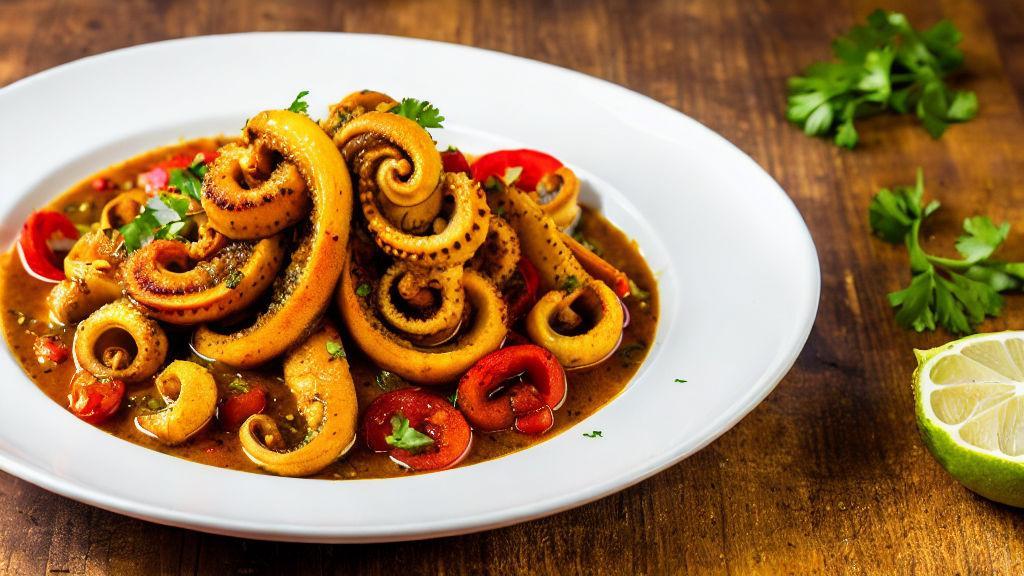
20. Octopus Curry – Zanzibar’s Coastal Seafood Favourite

With the Indian Ocean surrounding the Zanzibar Archipelago, seafood naturally plays an important role in local cuisine.
Octopus curry is one of the dishes worth seeking out, particularly if you enjoy seafood.
How octopus curry is prepared
- Clean and tenderize the octopus.
- Cut it into bite-sized pieces.
- Cook it until tender.
- Fry onions, garlic and ginger.
- Add spices such as turmeric, cumin or coriander.
- Add tomatoes where appropriate.
- Pour in coconut milk.
- Add the cooked octopus.
- Simmer gently until the sauce thickens.
- Serve with rice, chapati or another local accompaniment.
The combination of tender seafood, coconut milk and Swahili spices creates a distinctly coastal flavour.
Zanzibar’s food culture is particularly known for seafood, coconut, rice and aromatic spices.
Bonus East African Foods Worth Trying
If you have more time, don’t stop at the 20 dishes above.
Mandazi

Mandazi is a popular East African fried dough snack, commonly enjoyed with tea or coffee.
The dough may contain flour, sugar, coconut milk or spices. It is rolled or shaped before being deep-fried until golden.
Kachumbari

Kachumbari is a fresh salad made primarily from chopped tomatoes and onions, often accompanied by chilli, coriander and lime.
It is particularly popular alongside nyama choma and other grilled foods.
East African Foods at a Glance
| Country | Food to try | Main ingredients | Typical preparation |
|---|---|---|---|
| 🇰🇪 Kenya | Nyama Choma | Goat/beef, salt | Charcoal roasted |
| 🇰🇪 Kenya | Ugali | Maize flour, water | Boiled and stirred |
| 🇰🇪 Kenya | Sukuma Wiki | Leafy greens, tomato, onion | Fried/braised |
| 🇰🇪 Kenya | Pilau | Rice, meat, spices | Spiced and simmered |
| 🇹🇿 Tanzania | Pilau | Rice, spices, meat | Spiced rice |
| 🇹🇿 Tanzania | Mishkaki | Beef/goat/chicken | Marinated and grilled |
| 🇹🇿 Tanzania | Chipsi Mayai | Chips, eggs | Pan-fried omelette |
| 🇹🇿 Tanzania | Wali na Maharage | Rice, beans | Boiled/stewed |
| 🇺🇬 Uganda | Matoke | Green bananas | Steamed/mashed |
| 🇺🇬 Uganda | Luwombo | Meat/groundnuts, banana leaves | Steamed |
| 🇺🇬 Uganda | Rolex | Chapati, eggs, vegetables | Pan-fried and rolled |
| 🇺🇬 Uganda | Katogo | Matoke/cassava, beans/meat | One-pot cooking |
| 🇷🇼 Rwanda | Brochettes | Goat/beef/fish | Charcoal grilled |
| 🇷🇼 Rwanda | Isombe | Cassava leaves, groundnuts | Slow cooked |
| 🇷🇼 Rwanda | Ugali | Maize/cassava flour | Boiled and stirred |
| 🇷🇼 Rwanda | Ibihaza | Pumpkin, beans | Stewed |
| 🇹🇿 Zanzibar | Urojo | Spiced soup, potatoes, fritters | Soup + toppings |
| 🇹🇿 Zanzibar | Zanzibar Pizza | Dough, meat/egg/vegetables | Pan-fried |
| 🇹🇿 Zanzibar | Pilau | Rice, spices, meat | Spiced and simmered |
| 🇹🇿 Zanzibar | Octopus Curry | Octopus, coconut, spices | Coconut curry |
Why Food Should Be Part of Your East African Safari
An East African holiday is not complete when you have only seen the Big Five.
Food allows travellers to experience another side of the region:
1. It connects you with local communities
Eating in local restaurants, markets and family-run establishments can provide a more direct cultural experience than eating exclusively at international hotels.
2. It reveals the history of the region
The combination of African staples with rice, coconut, spices, chapati and other ingredients reflects centuries of movement and cultural exchange across East Africa and the Indian Ocean.
3. Every destination has a different flavour
Kenya offers nyama choma, ugali, sukuma wiki and diverse coastal cuisine.
Tanzania combines mainland staples with Swahili coastal dishes.
Uganda is famous for matoke, luwombo and Rolex.
Rwanda offers brochettes, isombe, plantains, beans and other agricultural staples.
Zanzibar takes the coastal experience further with seafood, coconut, spices, pilau, urojo and Zanzibar pizza.
How to Eat Like a Local in East Africa
If you want your food experience to be memorable, consider these tips.
Visit local markets
Markets provide an opportunity to see fresh produce, spices, meat, fish and prepared foods.
Try street food
Some of East Africa’s most memorable dishes are street foods, including Rolex, mishkaki, chipsi mayai, Zanzibar pizza and urojo.
Ask about the ingredients
If you are unsure about a dish, ask the vendor or restaurant staff what it contains.
Start with familiar foods
If you are new to African cuisine, start with:
- Chapati
- Pilau
- Grilled meat
- Rice and beans
- Mandazi
- Chipsi mayai
Then move toward dishes such as isombe, luwombo and urojo.
Tell your safari guide you want a food experience
When booking a safari, tell your tour operator that local cuisine is part of your travel experience. A good itinerary can incorporate local restaurants, markets, cooking demonstrations and cultural experiences alongside wildlife viewing.
A Food-Focused East African Safari Itinerary
For travellers who want to combine wildlife, culture and food, consider a multi-country itinerary such as:
Kenya – 4 to 6 days
- Nairobi
- Maasai Mara
- Local nyama choma
- Ugali and sukuma wiki
- Kenyan pilau
Tanzania – 4 to 6 days
- Arusha
- Tarangire
- Serengeti
- Ngorongoro
- Try mishkaki and Tanzanian pilau
Zanzibar – 3 to 5 days
- Stone Town
- Spice farms
- Forodhani food market
- Urojo
- Zanzibar pizza
- Seafood and octopus curry
Uganda – 4 to 6 days
- Kampala
- Queen Elizabeth National Park
- Bwindi region
- Matoke
- Luwombo
- Rolex
Rwanda – 3 to 5 days
- Kigali
- Volcanoes National Park
- Lake Kivu
- Brochettes
- Isombe
- Ibihaza
This type of journey allows visitors to experience East Africa beyond the traditional safari.
Frequently Asked Questions About East African Local Foods
What is the most famous East African food?
There is no single food that represents the entire region. Ugali, nyama choma, pilau, chapati, matoke and grilled meats are among the most recognizable foods across different East African countries.
What food should I try first in Kenya?
Start with nyama choma, ugali and sukuma wiki, followed by Kenyan coastal dishes such as pilau and other Swahili foods.
What food is Uganda famous for?
Uganda is particularly known for matoke, luwombo and Rolex. Uganda’s official diplomatic information also highlights matoke, posho, groundnut sauce and luwombo among typical foods.
What food is Rwanda famous for?
Try brochettes, isombe, ugali, matoke and ibihaza. Rwandan cuisine is strongly based on locally produced plantains, cassava, beans, sweet potatoes and other crops.
What food is Zanzibar famous for?
Zanzibar is particularly famous for urojo, Zanzibar pizza, pilau, seafood, octopus curry and mishkaki. Its cuisine is strongly associated with spices, coconut, rice and seafood.
Is East African food spicy?
Not necessarily. Some dishes are mild and rely more on herbs, spices, smoke or coconut than chilli. Chilli sauces can often be added separately, allowing visitors to control the heat.
Taste East Africa Beyond the Safari
From the smoky aroma of Kenyan nyama choma to the fragrant spices of Zanzibari pilau, the comforting softness of Ugandan matoke, the grilled brochettes of Rwanda, and the irresistible street-food culture of Rolex and Zanzibar pizza, East African cuisine is an essential part of the travel experience.
The greatest food experiences often happen away from formal dining rooms: at a roadside grill, a busy market, a family-run restaurant, a coastal food stall or around a shared table.
So when you plan your next East African safari, don’t just ask where you will see the wildlife. Ask what you will eat.
For a safari and holiday experience combining Kenya, Tanzania, Uganda, Rwanda and Zanzibar, local food can become one of the most memorable parts of the journey.


Leave a comment:
You must be logged in to post a comment.