

- 1.5k Views
- 25 Min Read
- (1) Comment
Kenya vs Tanzania Safari: Which Destination Is Best for Your African Adventure?
Planning an African safari is an opportunity to experience some of the world’s most extraordinary wildlife, dramatic landscapes and rich cultural traditions. For travellers considering East Africa, two destinations stand out: Kenya and Tanzania.
A Kenya vs Tanzania safari comparison is not simply a choice between two countries. It is a decision about the kind of adventure you want, the animals you hope to see, the landscapes you want to explore, the season you plan to travel and the budget you wish to work with.
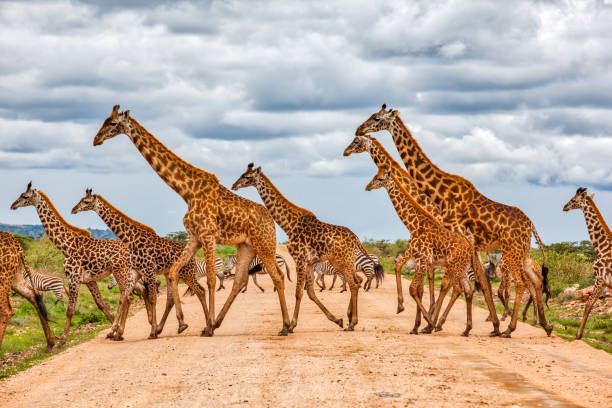
Kenya is famous for the Maasai Mara’s remarkable wildlife viewing, Amboseli’s elephants against the backdrop of Mount Kilimanjaro, the dramatic scenery of the Great Rift Valley and the beaches of the Indian Ocean. Tanzania offers the enormous plains of the Serengeti, the extraordinary Ngorongoro Crater, the elephant-rich landscapes of Tarangire and the tropical beaches of Zanzibar.
Both countries are home to the Big Five — lion, leopard, elephant, buffalo and rhinoceros — although sightings of individual species are never guaranteed. Both also form part of the wider Serengeti–Mara ecosystem, where millions of wildebeest and other grazing animals move seasonally in search of fresh pasture and water.
For some travellers, Kenya is the perfect destination for a shorter, wildlife-focused holiday. Others prefer Tanzania’s expansive wilderness and distinctive collection of parks. Those with more time can combine both countries into one remarkable East African journey.
This guide compares Kenya and Tanzania in detail to help you select the right destination for your interests, travel dates, budget and expectations.
1. Kenya vs Tanzania safari at a glance

|
Safari feature |
Kenya |
Tanzania |
|---|---|---|
|
Most famous safari destination |
Maasai Mara National Reserve |
Serengeti National Park |
|
Distinctive landscape |
Savannah, Rift Valley lakes, mountains and coast |
Vast plains, volcanic highlands, crater landscapes and wilderness |
|
Great Migration highlight |
Seasonal herd arrivals and Mara River crossings |
Calving season, herd movements and seasonal river crossings |
|
Big Five safari |
Maasai Mara, Ol Pejeta, Lake Nakuru and other protected areas |
Serengeti, Ngorongoro and other protected areas |
|
Elephant experiences |
Amboseli, Tsavo and Samburu |
Tarangire, Serengeti and other parks |
|
Special scenery |
Mount Kilimanjaro views from Amboseli, Rift Valley lakes |
Ngorongoro Crater, Serengeti plains and Mount Kilimanjaro |
|
Beach extension |
Diani, Watamu, Malindi and Lamu |
Zanzibar, including Stone Town and coastal beaches |
|
Cultural experiences |
Maasai, Samburu, Swahili and other communities |
Maasai, Hadzabe, Iraqw, Chagga and other communities |
|
Suitable trip length |
Short breaks to extended safaris |
Short circuits to extended northern or southern itineraries |
|
Combined-country safari |
Can be the starting point for a cross-border journey |
Can be combined with Kenya for a wider wildlife experience |
Neither country is universally better. The most suitable destination depends on what you value most: migration viewing, big cats, elephants, dramatic landscapes, remote wilderness, beaches, cultural activities or the opportunity to experience two countries in one holiday.
2. Wildlife viewing: Kenya vs Tanzania
Wildlife is the main reason many international visitors travel to East Africa. Kenya and Tanzania provide exceptional opportunities to observe animals in their natural habitats, but their different parks offer distinct experiences.
Wildlife in Kenya

Kenya is particularly attractive to travellers who want a varied safari featuring open savannahs, large herbivore herds and excellent opportunities to search for predators.
Maasai Mara National Reserve is renowned for lions, cheetahs, leopards, elephants, buffalo, giraffes, zebras and numerous antelope species. The open grasslands can provide excellent visibility, especially when vegetation is shorter.
Amboseli National Park is famous for its elephants and views of Mount Kilimanjaro when weather conditions allow. It is an outstanding destination for wildlife photography, particularly for travellers hoping to capture elephants against a mountain backdrop.
Tsavo East and Tsavo West national parks cover extensive areas of varied terrain, including open plains, volcanic features, rocky hills and woodland. Tsavo is especially associated with large elephant herds and distinctive red-dust elephants.
Samburu National Reserve offers a different wildlife community, including Grevy’s zebra, reticulated giraffe, gerenuk and Beisa oryx. These species make northern Kenya especially appealing to travellers who have already visited the country’s better-known southern parks.
Lake Nakuru National Park and Ol Pejeta Conservancy add further possibilities, including rhinos and diverse birdlife. Ol Pejeta is particularly notable for its conservation work involving endangered rhinoceroses.
Kenya is therefore more than a Maasai Mara destination. Travellers who combine several parks can experience striking differences in scenery, animal species and safari atmosphere.
Wildlife in Tanzania

Tanzania’s safari appeal comes from its vast landscapes, varied ecosystems and remarkable collection of wildlife destinations.
Serengeti National Park is internationally recognised for its great herds of wildebeest and zebra, as well as lions, leopards, cheetahs, elephants and other wildlife. Its broad plains and seasonal grazing patterns create different experiences throughout the year.
Ngorongoro Conservation Area offers a spectacular volcanic landscape. The Ngorongoro Crater floor supports a rich concentration of wildlife, including lions, elephants, buffalo and rhinoceroses. Its enclosed geography can make it an excellent place to search for several major mammal species in a single day, although no sighting is guaranteed.
Tarangire National Park is known for its elephants, baobab trees and seasonal concentrations of wildlife around the Tarangire River.
Lake Manyara National Park provides a contrast to the open plains, with groundwater forest, lake-edge habitats and birdlife. It is also known for occasional sightings of tree-climbing lions.
For travellers with more time, southern Tanzania’s Ruaha National Park and Nyerere National Park offer opportunities to explore large protected landscapes beyond the most frequently visited northern circuit.
Which country should you choose for wildlife?
Choose Kenya if you want a classic savannah safari combining the Maasai Mara with Amboseli, Samburu or Tsavo. Choose Tanzania if you want to combine the Serengeti with Ngorongoro and Tarangire.
If your priority is seeing a wide variety of wildlife rather than visiting a particular country, the better question is which parks and habitats suit your travel dates and how many days you have available.
3. The Great Wildebeest Migration: Maasai Mara vs Serengeti

The Great Wildebeest Migration is one of the most extraordinary wildlife spectacles on Earth. It involves large herds of wildebeest accompanied by zebras and gazelles moving through the Serengeti–Mara ecosystem in response to rainfall, fresh grazing and water availability.
The migration is a continuous seasonal cycle, not a scheduled event. Herd locations and river crossings vary from year to year, so no responsible safari operator can guarantee that a crossing will occur on a particular day.
Experiencing the migration in Kenya
The Maasai Mara is especially famous for the period when migrating herds move into Kenya, generally during the middle and later parts of the year.
From approximately July to October, depending on conditions, visitors may have opportunities to observe large herds in the reserve and surrounding conservancies. Mara River crossings can be particularly dramatic, with wildebeest navigating steep banks and crocodile-inhabited waters.
However, not every herd crosses the river during a visit. Some may remain on one side for days, while others move through different areas. Excellent resident wildlife viewing is still possible outside the main migration period.
Best suited to: travellers whose main goal is the Mara’s seasonal migration spectacle, particularly its famous river crossings.
Experiencing the migration in Tanzania
Tanzania offers opportunities to follow different stages of the migration across a wider portion of the annual cycle.

-
January to March: The southern Serengeti and Ndutu area are often important for calving, when many wildebeest give birth.
-
April to June: Herds generally begin moving north and west, although the timing and route depend on rainfall.
-
July to October: Some herds may occupy the northern Serengeti, where river crossings can occur.
-
November to December: Many herds move back towards the eastern and southern plains as seasonal rains and grazing conditions change.
These are broad planning windows, not fixed dates. The migration may arrive earlier or later, and different sections of the herd may be spread across large distances.
Best suited to: travellers who want to plan around calving season, explore the Serengeti’s enormous plains or follow different phases of the migration.
Kenya or Tanzania for the Great Migration?
If river crossings are your priority, compare the Maasai Mara with the northern Serengeti for your intended travel dates. If you want to see newborn wildebeest, Tanzania’s southern Serengeti and Ndutu area are usually more appropriate during the calving season.
For a more comprehensive migration holiday, consider a combined Kenya and Tanzania itinerary. The route should be planned around seasonal herd movements rather than assuming the animals will be in a particular place on a particular date.
4. National parks and landscapes: what makes each country unique?
The strongest reason to compare Kenya and Tanzania is that their landscapes and parks provide different combinations of scenery, wildlife and activities.
Kenya’s most distinctive safari destinations

Amboseli National Park
Choose Amboseli for elephant encounters, open plains, wetlands and potential views of Kilimanjaro.

Samburu National Reserve
Ideal for arid northern scenery and distinctive species such as gerenuk and Grevy’s zebra.

Tsavo East and West
Explore broad wilderness areas, elephants, volcanic scenery and contrasting habitats.
Other destinations add further variety:
-
Lake Nakuru National Park: A Rift Valley lake, rhinos, diverse birdlife and wooded escarpments.
-
Ol Pejeta Conservancy: Rhino conservation and guided wildlife experiences.
-
Laikipia: Conservancies, varied wildlife experiences and opportunities to learn about conservation.
-
Mount Kenya National Park: Mountain scenery, hiking and high-altitude ecosystems.
-
Aberdare National Park: Forested mountains, waterfalls and distinctive highland habitats.
Tanzania’s most distinctive safari destinations

Serengeti National Park
Choose the Serengeti for expansive savannah, predator viewing and the seasonal Great Migration.

Ngorongoro Crater
A dramatic volcanic caldera with varied habitats and a rich concentration of wildlife.

Particularly appealing for elephants, baobab scenery and seasonal wildlife concentrations.
Additional Tanzanian destinations include:
-
Lake Manyara National Park: Forest, lake-edge scenery and birdlife.
-
Mount Kilimanjaro National Park: Trekking and mountain landscapes rather than a conventional game-drive safari.
-
Ruaha National Park: A large southern wilderness destination with varied wildlife and landscapes.
-
Nyerere National Park: Broad wilderness areas and the possibility of boat-based wildlife experiences in designated areas.
-
Mahale Mountains and Gombe: Destinations associated with chimpanzee trekking, subject to the relevant park rules and availability.
What is the practical difference?
Kenya works particularly well for travellers who want to combine the Maasai Mara with contrasting destinations such as Samburu, Amboseli or the coast. Tanzania is especially attractive for a northern circuit combining the Serengeti, Ngorongoro and Tarangire.
Neither country is limited to its famous parks. If you have additional days, a less frequently visited destination can provide a more varied itinerary than simply adding more nights to the best-known reserve.
5. Kenya vs Tanzania safari cost: which offers better value?
Cost is an important part of planning a Kenya vs Tanzania safari. However, comparing only the advertised package price can be misleading. Two safaris may have very different accommodation standards, park fees, transport arrangements, meal plans and inclusions.
Kenya can offer a wide range of safari styles, from shared camping trips to exclusive private conservancies and luxury fly-in safaris. Tanzania also offers budget camping, comfortable lodges, luxury tented camps and high-end fly-in experiences.
What determines the price of a safari?

The main factors affecting the cost of either destination include:
-
Accommodation: Budget campsites, standard lodges, mid-range tented camps and exclusive luxury properties have different rates.
-
Park and conservation fees: Charges vary by destination, visitor category, season and applicable regulations.
-
Transport: Private 4×4 safari vehicles, shared departures and domestic flights have different costs.
-
Trip duration: Longer trips usually cost more overall, although the daily average may change with the itinerary.
-
Travel season: Popular wildlife periods and school holidays can increase accommodation demand and rates.
-
Group size: Private vehicle costs can be shared among more travellers, where the vehicle and package arrangements permit.
-
Special activities: Hot-air balloon safaris, guided walking experiences, cultural visits and other optional activities can add to the budget.
-
International flights and transfers: These depend on the departure country, entry airport and connections selected.
Budget, mid-range and luxury safari options
|
Safari category |
What to expect |
|---|---|
|
Budget |
Camping or simpler accommodation, practical transport arrangements and essential safari activities |
|
Mid-range |
Comfortable lodges or tented camps, private or shared arrangements depending on the package, and well-planned game drives |
|
Luxury |
Premium camps or lodges, more exclusive locations, personalised service and potentially domestic flights |
|
Ultra-luxury |
Highly exclusive camps, specialist experiences and extensive private arrangements |
Is Kenya cheaper than Tanzania? Not in every situation. Kenya may offer more convenient routes or competitive options for some itineraries, while Tanzania’s longer distances, particular park fees and remote destinations can increase the price of certain trips. Luxury accommodation, season and the specific parks selected may matter more than the country alone.
For an accurate comparison, request quotations for equivalent travel dates, accommodation standards, meal plans, park visits and transport arrangements.
Before paying a deposit, confirm what is included and excluded, the cancellation terms, the payment schedule and how any changes to the itinerary will be handled.
6. The best time to visit Kenya or Tanzania

Kenya and Tanzania are year-round safari destinations, but the experience changes with rainfall, vegetation, animal movements and visitor demand.
June to October: the main dry-season window
These months are popular for general wildlife viewing in many parts of both countries. As vegetation becomes less dense in some areas and water sources become more limited, wildlife can be easier to spot.
This period is particularly appealing for travellers hoping to visit the Maasai Mara or northern Serengeti during the migration season.
The disadvantages can include higher accommodation demand, busy wildlife-viewing locations and increased prices at sought-after camps.
January to March: calving and warm-weather safaris
This period is often attractive for visiting the southern Serengeti and Ndutu area to look for wildebeest calving. Kenya can also offer excellent wildlife viewing in destinations such as Amboseli and the Maasai Mara, depending on local conditions.
The landscape may be greener in some regions, and the combination of wildlife, newborn animals and photography opportunities can be rewarding.
April and May: the long-rains period
The long rains typically affect parts of Kenya and Tanzania during this period, although the timing and intensity vary by location and year.
Travellers may encounter lush scenery, fewer visitors in some destinations and attractive accommodation offers. However, heavy rainfall can affect road conditions, transfers and some outdoor activities.
Not every park experiences the same conditions, so it is important to plan according to the specific route.
November and December: short rains and seasonal changes
The short rains often bring fresh vegetation and changing wildlife movements. Some areas can provide rewarding game drives with fewer visitors than during the busiest travel periods.
Because rainfall varies, a safari during these months requires destination-specific planning rather than assuming all parks will be wet.
Which season is right for you?
|
Your main priority |
Planning window to consider |
|---|---|
|
Maasai Mara migration viewing |
Approximately July–October, subject to herd movements |
|
Southern Serengeti calving |
Approximately January–March |
|
General dry-season wildlife viewing |
Often June–October, depending on destination |
|
Green scenery and potential value |
Consider shoulder or rainy-season travel |
|
A quieter safari |
Explore less-visited areas or flexible travel dates |
These are general planning guidelines, not guarantees. Astute Africa Safaris should confirm current local conditions and recommend the most appropriate parks for your travel dates.
7. Kenya vs Tanzania for a safari and beach holiday
One of the greatest advantages of visiting East Africa is the ability to combine wildlife adventures with a relaxing Indian Ocean beach holiday.
Kenya: safari followed by the coast

Kenya offers a diverse coastal experience, with beaches, marine parks, historic towns and Swahili cultural heritage.
Diani Beach is popular for its white sand, warm ocean, resorts and water-based activities. It can be a relaxing finale after several days of game drives.
Watamu is attractive to visitors interested in marine life, snorkelling, diving and coastal nature experiences.
Malindi combines beach relaxation with historical and cultural attractions.
Lamu offers a distinctive Swahili heritage experience, with historic architecture, narrow streets, traditional dhow boats and a slower pace of life.
A Kenya safari can be combined with a few nights on the coast, with domestic flights helping reduce travel time on suitable routes.
Tanzania: safari followed by Zanzibar

Zanzibar is an appealing extension to a Tanzanian safari, particularly for couples, honeymooners and travellers seeking a mix of wildlife and relaxation.
Highlights include:
-
Stone Town: Historic Swahili architecture, cultural heritage and lively streets.
-
Nungwi and Kendwa: Beaches known for their coastal scenery and resort options.
-
Paje and Jambiani: Coastal villages associated with wide beaches, water activities and a relaxed atmosphere.
-
Marine excursions: Snorkelling, diving and boat trips, depending on conditions and local regulations.
Travellers should consider tides, swimming conditions, transfer times and the type of beach experience they prefer when choosing a Zanzibar hotel.
Can you combine a Kenya safari with Zanzibar?
Yes. A Kenya safari can be followed by a flight to Zanzibar, subject to available flight routes and schedules. This creates a multi-destination holiday without requiring the safari itself to take place in Tanzania.
Equally, a Tanzania safari can be combined with Zanzibar, often making it a natural choice for travellers visiting the Serengeti, Ngorongoro and other northern circuit parks.
For a holiday that includes both Kenya and Tanzania, the routing should be planned carefully so that border transfers and flights do not consume too much of the time intended for wildlife viewing.
8. Cultural experiences in Kenya and Tanzania

A safari is about more than animals. Both countries have diverse communities, histories, languages, food traditions and contemporary ways of life.
Cultural experiences in Kenya
Depending on the itinerary and community arrangements, travellers may have opportunities to learn about:
-
Maasai traditions and contemporary community life in parts of southern Kenya.
-
Samburu culture and pastoralist traditions in northern Kenya.
-
Swahili heritage in coastal towns such as Lamu and Mombasa.
-
Kenya’s diverse culinary traditions, including regional dishes and locally prepared foods.
-
Conservation initiatives involving communities, conservancies and wildlife habitats.
Cultural experiences in Tanzania
Tanzania also offers a wide range of cultural experiences, which may include:
-
Maasai community experiences in suitable locations.
-
Chagga cultural heritage around the slopes of Mount Kilimanjaro.
-
Hadzabe cultural experiences in the Lake Eyasi area, where available and appropriately arranged.
-
Swahili culture and history in Zanzibar.
-
Local food, craft and agricultural experiences in selected regions.
How to choose a meaningful cultural visit
Choose experiences that are organised with community participation, clear consent and fair compensation. Ask whether the visit supports local livelihoods and whether photography is permitted.
Avoid treating communities as attractions to be observed without context. A respectful visit should provide an opportunity to learn about people’s lives, knowledge and heritage on their own terms.
9. Kenya vs Tanzania for families, couples and honeymooners
The right safari also depends on who is travelling and how they want to experience the destination.

Family safaris
Kenya can work well for families who want a varied route with manageable travel times between selected parks. Tanzania offers excellent family experiences too, particularly when the itinerary is designed around suitable lodges and realistic driving distances.
Check minimum ages for activities, child policies, vehicle arrangements and family-room availability.

Honeymoons and couples
Both countries offer intimate tented camps, private game drives and memorable landscapes. Tanzania pairs naturally with Zanzibar, while Kenya can combine wildlife with Diani, Watamu or Lamu.

Wildlife photographers
The Maasai Mara and Serengeti both offer outstanding opportunities. Choose the destination according to the animals, lighting, habitat and seasonal activity you want to photograph.

Luxury travellers
Both countries have exclusive camps, private guides and fly-in safaris. Your preferred camp location, privacy, service style and activities should guide the decision more than the country label.
Which country is best for first-time safari travellers?
Either can be excellent. Kenya is a strong option for travellers seeking a classic safari with a choice of parks and coastal extensions. Tanzania is equally compelling for visitors who want to experience the Serengeti and Ngorongoro on one trip.
For first-time visitors, a well-paced itinerary with enough nights in each location is often more valuable than trying to cover every famous destination.
10. Suggested Kenya vs Tanzania safari itineraries
The following examples illustrate how Astute Africa Safaris can structure different holidays. They are planning templates, not fixed packages; actual routes depend on travel dates, accommodation availability, flight schedules and the traveller’s budget.
Option A: 5-day Kenya safari

Ideal for: first-time visitors, couples and travellers with limited time.
|
Day |
Suggested experience |
|---|---|
|
1 |
Arrive in Nairobi, meet your safari team and transfer to your selected destination or stay overnight in Nairobi. |
|
2 |
Travel to the Maasai Mara and enjoy an afternoon game drive. |
|
3 |
Spend a full day exploring the reserve or a suitable conservancy with your guide. |
|
4 |
Enjoy a morning game drive and transfer towards the Lake Nakuru area, or spend another night in the Mara for a slower pace. |
|
5 |
Visit Lake Nakuru if the routing allows, then return to Nairobi for departure. |
This itinerary prioritises the Maasai Mara and can be adjusted to include Lake Nakuru, depending on transport arrangements and the amount of time you want in the reserve.
Explore Astute Africa Safaris’ Maasai Mara and Lake Nakuru safari.
Option B: 7-day Tanzania northern circuit safari

Ideal for: travellers who want the Serengeti, Ngorongoro and varied wildlife habitats.
|
Day |
Suggested experience |
|---|---|
|
1 |
Arrive in the Arusha area and prepare for your safari. |
|
2 |
Explore Tarangire National Park, subject to the selected route and conditions. |
|
3 |
Travel towards the Serengeti, enjoying wildlife viewing along the way where permitted. |
|
4 |
Spend a full day exploring the Serengeti in the area most appropriate for the season. |
|
5 |
Continue wildlife viewing and travel towards the Ngorongoro area. |
|
6 |
Enjoy a planned Ngorongoro Crater excursion, subject to permits and current regulations. |
|
7 |
Return towards Arusha for onward travel. |
The Serengeti is vast, so a seven-day trip needs careful routing. If the Great Migration is your priority, the itinerary should place more nights in the appropriate seasonal region rather than attempting to cover too many parks.
Option C: 10-day combined Kenya and Tanzania safari

Ideal for: travellers wanting a multi-country safari with varied parks and wildlife.
|
Day |
Suggested experience |
|---|---|
|
1 |
Arrive in Nairobi and prepare for the safari. |
|
2 |
Travel to the Maasai Mara and enjoy an afternoon game drive. |
|
3 |
Spend a full day exploring the Mara. |
|
4 |
Transfer towards the Tanzania portion of the journey using a confirmed border route or appropriate flight connections. |
|
5–6 |
Explore the Serengeti in the area that best suits the season. |
|
7 |
Continue through the Serengeti or travel towards the Ngorongoro area. |
|
8 |
Enjoy a planned Ngorongoro Crater excursion. |
|
9 |
Explore Tarangire or another suitable destination, depending on the route. |
|
10 |
Transfer to the appropriate departure airport for your international flight. |
A combined safari offers a broader experience but requires careful attention to border arrangements, entry requirements, vehicle and guide logistics, flight connections and park fees. The precise route may need to change depending on your arrival and departure airports.
See Astute Africa Safaris’ 10-day Kenya and Tanzania safari.
Option D: 12–14 days combining safari and beach
For travellers with two weeks available, consider combining a wildlife circuit with a few relaxing days by the ocean.
Possible approaches include:
-
Kenya’s Maasai Mara and Amboseli, followed by Diani Beach.
-
Tanzania’s Serengeti, Ngorongoro and Tarangire, followed by Zanzibar.
-
A carefully planned Kenya–Tanzania safari, ending in Zanzibar if flight schedules and the overall budget permit.
Allow enough time to enjoy each destination. A longer holiday should mean richer experiences, not simply more transfers.
11. How to choose between Kenya and Tanzania: a practical decision guide
Use these questions to narrow down your options.
What matters most to you?
How much time do you have?
What accommodation level do you prefer?
Would you like a beach extension?
The purpose of this comparison is to identify the experience that matters most to you. Once that is clear, the itinerary can be designed around the most suitable parks, accommodation and travel season.
12. Why book a tailor-made Kenya or Tanzania safari?
A carefully designed itinerary can make a substantial difference to your overall experience. Rather than selecting destinations solely because they are famous, consider how each stop contributes to the holiday.
A tailor-made safari should take into account:
-
Your travel dates: Seasonal rainfall and wildlife movements influence which parks make the most sense.
-
Your interests: Big cats, elephants, birdwatching, photography, culture, walking experiences or beach relaxation.
-
Your budget: The right combination of accommodation, transport and park visits.
-
Your pace: Enough time for wildlife viewing without excessive driving or repeated packing and unpacking.
-
Your group: Family requirements, accessibility needs, honeymoon preferences or private group arrangements.
-
Your comfort level: Road transfers, scheduled flights, private vehicles and accommodation preferences.
Astute Africa Safaris can use these considerations to develop a Kenya itinerary, Tanzania itinerary or combined-country safari that fits your priorities.
For travellers comparing the two countries, start by exploring the existing Kenya and Tanzania safari comparison and the East Africa safari holidays guide.
13. Frequently asked questions about Kenya vs Tanzania Safari
Is Kenya or Tanzania better for an African safari?
Both countries offer excellent wildlife experiences. Kenya is known for the Maasai Mara, Amboseli and diverse safari circuits, while Tanzania is famous for the Serengeti, Ngorongoro Crater and Tarangire. Your travel dates, budget, interests and available time should determine the choice.
Is a Kenya safari cheaper than a Tanzania safari?
Either country can offer budget, mid-range and luxury options. The final cost depends on accommodation, park fees, transport, season, group size and the itinerary. Compare complete quotations rather than relying on a general country-wide price estimate.
Where is the Great Wildebeest Migration best experienced?
The Maasai Mara is famous for seasonal migration herds and river crossings, while Tanzania’s Serengeti provides opportunities to see different stages of the annual migration, including calving. The best location depends on your travel dates and the actual movement of the herds.
Can I visit Kenya and Tanzania on one safari?
Yes. A combined itinerary can include destinations such as the Maasai Mara, Serengeti, Ngorongoro and Tarangire. Allow enough time for border arrangements, transfers, park visits and any necessary flights.
How many days do I need for a Kenya and Tanzania safari?
Seven to ten days can provide a meaningful introduction to selected parks in both countries, but the route must be planned carefully. Ten to fourteen days generally offers more flexibility for wildlife viewing and additional destinations. Longer trips allow for a more relaxed pace or a beach extension.
Which country is better for a family safari?
Both are suitable for families when the itinerary and accommodation are selected appropriately. Consider children’s ages, driving distances, lodge policies, family rooms and any minimum-age restrictions for activities.
Is Zanzibar part of Kenya or Tanzania?
Zanzibar is part of Tanzania. It can be combined with a Tanzanian safari or reached after a Kenya safari through suitable flight connections.
Can I see the Big Five in both countries?
Yes. Both Kenya and Tanzania have destinations where travellers can search for lions, leopards, elephants, buffalo and rhinoceroses. Sightings depend on the park, wildlife distribution, season and luck.
Is the Maasai Mara the same as the Serengeti?
No. They are separate protected areas in Kenya and Tanzania, respectively, but form part of the wider Serengeti–Mara ecosystem used by migrating wildlife. Each has its own management, landscape characteristics, fees and visitor arrangements.
What should I pack for a Kenya or Tanzania safari?
Bring comfortable neutral-coloured clothing, a warm layer for early morning game drives, sun protection, a hat, comfortable shoes, insect repellent and binoculars if available. Check baggage restrictions for small aircraft if your itinerary includes a fly-in safari.
Can I combine a safari with a beach holiday?
Yes. Popular options include Kenya’s Maasai Mara followed by Diani Beach, or Tanzania’s Serengeti and Ngorongoro followed by Zanzibar. Flight availability and the number of days available will influence the best arrangement.
14. Final verdict: Kenya vs Tanzania Safari — which safari should you choose?

Kenya and Tanzania each offer a remarkable introduction to East Africa’s wildlife, landscapes and cultural heritage. The right destination is the one that best matches the experience you want.
Choose Kenya if you are drawn to the Maasai Mara, elephants in Amboseli, distinctive northern wildlife, diverse safari circuits and the opportunity to finish your trip on the Indian Ocean coast.
Choose Tanzania if you want to explore the Serengeti’s immense plains, plan around the wildebeest calving season, visit Ngorongoro Crater and Tarangire, or combine your safari with a Zanzibar beach holiday.
Choose both countries if you have sufficient time and want to explore different parts of the Serengeti–Mara ecosystem, experience contrasting parks and enjoy a broader East African adventure.
Ultimately, the best safari is not necessarily the one that visits the most destinations. It is the one that gives you enough time to enjoy the places, wildlife and experiences that matter most to you.
Plan your Kenya or Tanzania safari with Astute Africa Safaris

Whether you are planning your first African safari, a family holiday, a honeymoon, a luxury wildlife adventure or a multi-country journey, Astute Africa Safaris can help you explore the available options and develop an itinerary around your travel preferences.
Tell us when you would like to travel, how many people are travelling, your preferred accommodation level and the wildlife experiences you most want to enjoy.
Ready to plan your adventure?
-
Explore our Kenya and Tanzania safari packages.
-
Discover more East Africa safari holidays.
-
Visit Astute Africa Safaris to start planning your tailor-made safari.
Your East African adventure begins with choosing the right journey.
Leave a comment:
You must be logged in to post a comment.
Comment 01
Astute Africa Safaris,
05 May, 2026REF: Crafting Your Bespoke African Safari Experience with Astute Africa Safaris
Jambo,
Thank you for your interest in exploring the wonders of Africa with Astute Africa Safaris. We pride ourselves on creating immersive, tailor-made journeys that align perfectly with your personal interests, pace, and travel aspirations.
Because every safari is a unique narrative, we do not believe in “one-size-fits-all” pricing. To ensure we provide you with an accurate and competitive quotation that reflects the specific lodges, wildlife experiences, and logistical arrangements you desire, we invite you to connect with our team for a personalized consultation.
Please contact us at info@astuteafricasafaris.com, Whatsapp +254762663272 or fill the inquiry form with a few details regarding your preferred travel dates, group size, and specific interests (e.g., photography, luxury relaxation, or adventure trekking). Once we have these details, we will curate a comprehensive proposal designed specifically for you.
We look forward to the possibility of helping you plan an unforgettable journey.
Warm regards,
Team Astute Africa Safaris