

- 451 Views
- 24 Min Read
- (1) Comment
Introduction: Two Countries, One Extraordinary African Safari
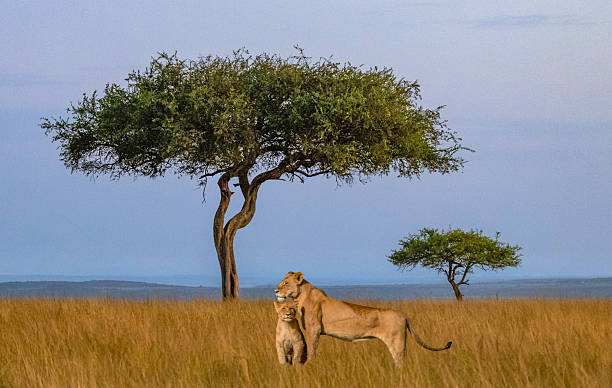
Imagine watching a pride of lions resting beneath an acacia tree in Kenya, travelling across the legendary plains of Tanzania’s Serengeti, descending into the wildlife-rich Ngorongoro Crater, and ending your day at a beautiful safari lodge overlooking the African wilderness.
This is the magic of Tanzania and Kenya safari holidays — an opportunity to explore two neighbouring East African countries with remarkable wildlife, dramatic scenery, fascinating cultures and unforgettable safari experiences.
Kenya and Tanzania share one of Africa’s most celebrated wildlife ecosystems. Their landscapes support elephants, lions, leopards, cheetahs, buffaloes, giraffes, zebras, wildebeest and hundreds of bird species. Both countries are also central to the Great Wildebeest Migration, one of the world’s most remarkable natural spectacles.
Yet Kenya and Tanzania are not identical destinations. Kenya offers the legendary Maasai Mara, Amboseli’s elephant herds and spectacular views of Mount Kilimanjaro, while Tanzania features the enormous Serengeti ecosystem, the extraordinary Ngorongoro Crater and the baobab-dotted landscapes of Tarangire National Park.
Combining the two countries allows you to experience their distinctive attractions in one carefully coordinated holiday.
At Astute Africa Safaris, we help travellers plan personalized East African journeys that reflect their interests, travel dates, preferred accommodation and budget. Whether you are arranging your first African safari, a luxury honeymoon, a family adventure or an extended wildlife photography trip, your itinerary can be designed around the experiences that matter most to you.

The Serengeti’s immense plains are a highlight of Tanzania safari holidays and part of the wider Great Migration ecosystem.
1. Why Choose a Combined Kenya and Tanzania Safari?
A combined safari is ideal for travellers who want more than one country’s wildlife experience. Instead of choosing between Kenya and Tanzania, you can explore the signature landscapes of both.
Experience two iconic safari destinations
Kenya and Tanzania offer different settings for wildlife viewing, photography and relaxation.
In Kenya, the Maasai Mara is famous for its abundant wildlife, open grasslands and seasonal wildebeest migration. Amboseli is particularly renowned for elephants and views of Mount Kilimanjaro, while Lake Nakuru offers a different experience around a scenic Rift Valley lake.
In Tanzania, the Serengeti is celebrated for its vast savannahs, predators and migrating herds. Ngorongoro offers a dramatic volcanic landscape with excellent opportunities for wildlife viewing, and Tarangire is known for elephants and magnificent baobab trees.
Follow the Great Wildebeest Migration
The Great Wildebeest Migration is a continuous, seasonal movement of wildebeest, zebras and other grazing animals through the Serengeti–Mara ecosystem.
The animals move in response to rainfall, fresh grass and water availability. Their location changes throughout the year, so the best itinerary depends on your travel dates and the particular migration experience you hope to see.
A combined Kenya and Tanzania safari gives you the opportunity to explore different parts of this ecosystem. However, it does not guarantee a river crossing or a particular wildlife sighting.
Enjoy diverse scenery and cultures
A single journey can include open grasslands, volcanic craters, Rift Valley lakes, ancient baobabs, mountain views and traditional pastoral landscapes.
You can also arrange respectful, locally guided cultural experiences, subject to community availability and the preferences of the people involved.
Choose from different accommodation styles
Depending on your budget, a combined safari may include:
-
Comfortable lodges and tented camps.
-
Mid-range safari accommodation with private facilities.
-
Luxury lodges with panoramic wilderness views.
-
High-end tented camps offering intimate wildlife experiences.
-
Fly-in safari arrangements that reduce lengthy road transfers.
The best option depends on the season, availability, park locations and the amount you wish to spend.
2. Best Places to Visit on Tanzania and Kenya Safari Holidays
The secret to a memorable combined safari is selecting destinations that complement one another. Rather than trying to visit every park, choose a practical route with enough time for game drives and relaxation.
Kenya’s Maasai Mara National Reserve

The Maasai Mara is one of Africa’s most famous wildlife destinations. Its rolling grasslands, scattered acacia trees and abundant wildlife make it a memorable destination for first-time safari visitors, photographers, couples and families.
What makes the Maasai Mara special?
-
Excellent opportunities to look for lions, elephants, leopards, buffaloes and other wildlife.
-
Seasonal movements of wildebeest and zebras through the Mara ecosystem.
-
Diverse birdlife and dramatic savannah scenery.
-
Guided game drives and, where available and permitted, hot-air balloon safaris.
-
A range of accommodation, from comfortable tented camps to luxurious safari lodges.
Best for: Classic African game drives, big-cat photography, migration-season safaris and travellers who want a quintessential Kenya safari.
Recommended stay: Two to three nights, with additional nights for a slower-paced trip or a specific wildlife objective.
Explore the Maasai Mara safari options when planning the Kenya portion of your holiday.
Tanzania’s Serengeti National Park

The Serengeti is a natural highlight of Tanzania and one of the world’s best-known wildlife destinations. Its immense grasslands, woodland areas and seasonal water sources support large populations of grazing animals and predators.
The park is particularly associated with the Great Wildebeest Migration, although excellent wildlife viewing is possible outside the main migration periods.
What makes the Serengeti unique?
-
Expansive landscapes that convey the scale of the African wilderness.
-
Opportunities to look for lions, leopards, cheetahs, elephants and other wildlife.
-
Seasonal concentrations of wildebeest and zebras.
-
Varied habitats that support numerous resident and migratory bird species.
-
A broad choice of camps and lodges, including properties positioned for seasonal wildlife movements.
Best for: Travellers who want extensive wildlife viewing, dramatic landscapes, predator photography and the possibility of experiencing the migration.
Recommended stay: Two to four nights, depending on your budget, route and preferred area of the park.
Because the Serengeti is enormous, choosing the correct sector for your travel dates is important. A camp in the wrong part of the park can mean long drives to reach the wildlife you hope to see.
Ngorongoro Crater and Conservation Area

The Ngorongoro Conservation Area is one of Tanzania’s most distinctive destinations. Its famous crater is a vast volcanic caldera whose floor contains grasslands, woodland, wetlands and a soda lake.
The relatively concentrated wildlife on the crater floor makes it a valuable addition to a longer northern Tanzania safari.
What makes Ngorongoro special?
-
A dramatic crater landscape unlike the open plains of the Maasai Mara.
-
Good opportunities to see several large mammal species during a game drive.
-
Potential sightings of lions, elephants, buffaloes, zebras, hippos and other wildlife.
-
Possibilities of spotting the endangered black rhinoceros, although sightings are never guaranteed.
-
Cultural and conservation heritage within the wider Ngorongoro Conservation Area.
Best for: First-time safari travellers, photographers, couples and visitors who want a striking landscape alongside wildlife.
Recommended stay: One or two nights in the surrounding area, with the actual crater visit planned around park regulations and your itinerary.
The Ngorongoro Conservation Area is a living landscape with conservation and human-community dimensions. Visitors should follow local guidance and respect designated access rules.
Amboseli National Park, Kenya

Amboseli is renowned for its elephant herds and iconic views of Mount Kilimanjaro across the border in Tanzania. Its open plains, swamps and seasonal wetlands provide distinctive scenery for game drives.
Why visit Amboseli?
-
Opportunities to photograph elephants against the Kilimanjaro backdrop when weather conditions allow.
-
A range of wildlife, including zebras, giraffes, buffaloes and predators.
-
Excellent birdwatching in wetland habitats.
-
A distinctive contrast to the Mara and Serengeti grasslands.
-
Comfortable safari lodges and camps within reach of the park.
Best for: Elephant lovers, landscape photographers, families and travellers who want an iconic East African safari setting.
Recommended stay: Two nights, particularly if you want several game drives and time for photography.
Mount Kilimanjaro is frequently affected by cloud cover, so its visibility cannot be guaranteed.
Tarangire National Park, Tanzania

Tarangire offers a different atmosphere from the Serengeti. Its distinctive baobab trees, river valley and seasonal wildlife concentrations make it an appealing destination for travellers exploring northern Tanzania.
Highlights include:
-
Large elephant herds, especially when seasonal conditions concentrate animals near water.
-
Impressive baobab trees and beautiful open landscapes.
-
Lions, giraffes, zebras, antelopes and a variety of birdlife.
-
A quieter-feeling safari environment in some areas and seasons.
-
A practical addition to itineraries linking Arusha, Ngorongoro and the Serengeti.
Best for: Elephant enthusiasts, birdwatchers, landscape photographers and travellers looking for variety beyond the two major migration destinations.
Recommended stay: One or two nights.
Lake Nakuru National Park, Kenya

Lake Nakuru provides a different habitat from Kenya’s open savannah reserves. Set in the Great Rift Valley, the park includes a lake, woodland, grassland and important wildlife habitats.
What makes it worth including?
-
Opportunities to look for white rhinos and, in suitable areas, black rhinos.
-
Rothschild’s giraffes and other wildlife.
-
Rich birdlife, with the numbers and species around the lake varying according to ecological conditions.
-
Scenic viewpoints and a contrast to the grasslands of the Mara.
-
A useful stop on some road itineraries between Nairobi and the Maasai Mara.
Best for: Birdwatchers, wildlife photographers and travellers interested in rhinos and Rift Valley landscapes.
Recommended stay: One night for a well-paced multi-park safari, although a day visit may suit some routes.
3. Kenya vs Tanzania: What Makes Each Country Different?
Although the two countries share wildlife and ecosystems, each offers a different set of experiences.
|
Feature |
Kenya |
Tanzania |
|---|---|---|
|
Signature destinations |
Maasai Mara, Amboseli, Lake Nakuru, Tsavo |
Serengeti, Ngorongoro, Tarangire |
|
Famous landscapes |
Savannah plains, Rift Valley lakes, Kilimanjaro views |
Vast Serengeti plains, volcanic crater, baobab woodlands |
|
Wildlife highlights |
Big cats, elephants, rhinos, seasonal migration |
Migration herds, big cats, elephants and diverse wildlife |
|
Photography |
Wildlife, elephants against Kilimanjaro, savannah sunsets |
Wide-open landscapes, crater scenery, wildlife concentrations |
|
Safari style |
Road safaris, fly-in safaris, conservancy experiences |
Northern-circuit safaris, fly-in trips and extended wilderness journeys |
|
Beach extensions |
Diani, Watamu and the Kenyan coast |
Zanzibar and Tanzania’s Indian Ocean coast |
Which country should you spend more time in?
Spend more time in Kenya if the Maasai Mara, Amboseli, rhinos or Kenya’s coast are priorities. Spend more time in Tanzania if you want to explore different Serengeti sectors, visit Ngorongoro and Tarangire, or combine wildlife with Zanzibar.
If the Great Migration is your main reason for travelling, decide on the season first and build the itinerary around the most suitable area. The migration is a moving natural event, not a fixed-date attraction.
4. Best Tanzania and Kenya Safari Itineraries
The right itinerary should balance wildlife viewing with travel time. Cross-border safaris require careful coordination of vehicles, accommodation, border formalities and park fees.
Here are four itinerary concepts that can be tailored to your travel dates.

7-day Kenya and Tanzania safari
For travellers with limited time
A short combined safari can be arranged around selected highlights, such as the Maasai Mara and a focused northern Tanzania visit. However, seven days is tight for covering both countries, so it is important to minimize transfers and avoid trying to visit too many parks.
Possible focus: Maasai Mara plus Serengeti, subject to practical border arrangements and the starting and ending airports.

10-day Kenya and Tanzania safari
For a classic multi-park experience
Ten days can provide a more balanced wildlife itinerary across the two countries.
Possible route: Nairobi → Lake Nakuru → Maasai Mara → Serengeti → Ngorongoro → Tarangire or another suitable final stop.
The precise order depends on the border crossing, travel dates, transport mode and departure airport.

12-day Kenya and Tanzania safari
For greater destination variety
Twelve days allow more time to combine Kenya’s wildlife destinations with Tanzania’s northern circuit without making every day a long transfer.
Possible route: Nairobi → Amboseli → Lake Nakuru → Maasai Mara → Serengeti → Ngorongoro → Tarangire or Arusha.

14-day Kenya, Tanzania and Zanzibar holiday
For safari and beach relaxation
Combine game drives in Kenya and Tanzania with several days on Zanzibar’s beaches.
Possible route: Kenya safari → Serengeti → Ngorongoro → flight to Zanzibar → beach stay.
This is particularly appealing to honeymooners and travellers who want a wildlife adventure followed by time to relax.
For an existing package to use as a planning reference, see Astute Africa Safaris’ 10-day Kenya and Tanzania safari. The published route includes Lake Nakuru, the Maasai Mara, Serengeti, Ngorongoro, Tarangire and Amboseli. Confirm the current itinerary, availability and price before booking.
5. The Great Wildebeest Migration: When Should You Travel?

The Great Wildebeest Migration is one of the biggest reasons travellers combine Kenya and Tanzania. Each year, huge herds move through the Serengeti–Mara ecosystem in response to rainfall and the availability of fresh grazing.
The precise timing changes from year to year. The following is a broad planning guide rather than a guaranteed wildlife calendar.
|
Approximate period |
Potential migration experience |
Areas to consider |
|---|---|---|
|
January–March |
Calving season and predator activity, depending on rainfall |
Southern Serengeti and Ndutu area |
|
April–May |
Seasonal movement through the Serengeti as rains influence grazing |
Serengeti, with route depending on conditions |
|
June–July |
Herd movements northward; some years bring river crossings |
Central and western Serengeti, then northern areas |
|
July–October |
Potential Mara River crossings and herds in the northern ecosystem |
Northern Serengeti and Maasai Mara |
|
November–December |
Herd movements back towards greener southern grazing areas |
Northern, central and southern Serengeti depending on conditions |
The most important planning principle is to choose the migration area based on your actual travel dates, rather than booking a generic migration safari and assuming the herds will be nearby.
River crossings are unpredictable. Herds may gather at a river for hours or days before crossing, and some may cross in locations far from your camp.
For travellers who are not focused on migration, other times of the year can still deliver rewarding game drives, birdwatching, beautiful scenery and a more flexible itinerary.
6. Best Time for Tanzania and Kenya Safari Holidays
Kenya and Tanzania can be visited throughout the year, but seasonal weather affects road conditions, vegetation, wildlife distribution and the overall safari experience.
June to October: A popular dry-season period
This period is popular for wildlife viewing in many parks because vegetation is often less dense and animals may congregate around reliable water sources.
Potential advantages include:
-
Good general wildlife-viewing conditions in many destinations.
-
Popular travel periods for the Maasai Mara and northern Serengeti.
-
Pleasant opportunities for photography in suitable weather.
-
Strong demand for sought-after lodges and tented camps.
The trade-off is that accommodation can be expensive and availability limited, particularly during school holidays and peak migration periods.
January to March: Warm weather and possible calving-season experiences
These months can be attractive for travellers interested in the southern Serengeti’s seasonal wildebeest calving, depending on rainfall and grazing conditions.
Other possible advantages include:
-
Wildlife photography in many destinations.
-
Green landscapes in some areas, depending on recent rainfall.
-
Opportunities to combine safari with a beach extension.
Conditions vary between parks, so the route should be designed for your particular dates.
April and May: Long rains in many areas
The long-rains period often brings lush vegetation, dramatic skies and changing road conditions. Some camps may close seasonally, while others continue operating.
Potential benefits include fewer visitors in some areas and beautiful landscapes for photography. However, muddy roads and rain can affect travel times and game drives.
November and December: Short rains and festive travel
Short rains often arrive during this period, although their timing and intensity vary. Wildlife viewing can remain rewarding, and many travellers combine safari with a Christmas or New Year holiday.
Book early if travelling over the festive season, especially if your itinerary includes popular lodges or Zanzibar.
7. Luxury, Mid-Range and Budget Safari Holidays
The cost of a combined Kenya and Tanzania safari depends on the travel season, accommodation category, number of travellers, park fees, route, transport and included activities.
A useful quotation should clearly explain what is included rather than relying on the label “budget” or “luxury”.

Luxury Kenya and Tanzania safari
Luxury safaris can include high-end lodges, elegant tented camps, private vehicles, personalized guiding and selected fly-in transfers. They suit honeymooners, photographers and travellers who value comfort and privacy.

Mid-range safari
Mid-range trips offer comfortable accommodation and guided wildlife viewing without necessarily including the most expensive properties or private aviation. They are a useful option for couples, families and small groups balancing comfort with cost.

Budget-conscious safari
Budget-conscious itineraries can use simpler lodges, camps or suitable shared transport arrangements. A practical route with fewer stops can help control costs without removing the essential wildlife experience.
What affects the total safari price?
When comparing quotations, check the following:
-
Number of nights and parks visited.
-
Accommodation category and meal plan.
-
Private versus shared safari vehicle.
-
Road transfers versus domestic flights.
-
National park and conservation fees.
-
Cross-border transport and arrangements.
-
Optional experiences, such as hot-air balloon safaris.
-
International flights, visas, insurance and gratuities.
-
Whether the itinerary includes Zanzibar or another beach destination.
A lower headline price may exclude important costs, so compare quotations on a like-for-like basis.
For a more accurate estimate, request a personalized quotation based on your dates, group size and preferred accommodation.
8. Safari and Beach Holidays: Add Zanzibar to Your Trip

Why finish your safari when you can extend the holiday with time by the Indian Ocean?
Zanzibar offers a relaxing contrast to early-morning game drives and long days in the wilderness. Depending on your interests, you can spend your beach stay swimming, relaxing, enjoying water activities or exploring Stone Town’s historic streets and Swahili heritage.
A safari-and-beach holiday may include:
-
Wildlife viewing in the Maasai Mara and Serengeti.
-
A visit to Ngorongoro Crater.
-
A flight to Zanzibar after the safari.
-
Several nights in a beachfront resort or boutique hotel.
-
Optional cultural, historical or marine activities.
For honeymooners, this combination balances adventure with privacy and relaxation. For families, it can create a varied holiday with wildlife experiences followed by downtime at the coast.
Zanzibar is part of Tanzania, but reaching it from a safari circuit usually requires a flight or other separately arranged transfer. Allow enough time for connections and confirm luggage allowances for any small aircraft used during the safari.
9. Cultural Experiences in Kenya and Tanzania

A safari is not only about wildlife. Kenya and Tanzania are home to diverse communities, languages, traditions, foods and artistic practices.
Depending on the destination and the wishes of local hosts, your itinerary may include a community-led visit, an opportunity to learn about traditional beadwork, a guided cultural walk or an introduction to local food and daily life.
In some areas, visitors can learn about Maasai pastoral traditions and the relationship between communities, livestock and wildlife landscapes.
The most rewarding cultural encounters are those that are respectful, locally guided and arranged with the community’s consent. Ask whether fees support the people hosting the experience, and follow local rules about photography and participation.
Avoid assuming that every community has the same customs or that one short visit represents an entire culture.
10. Family-Friendly Tanzania and Kenya Safari Holidays

Kenya and Tanzania can make a wonderful family holiday when the itinerary is planned around children’s ages, interests and comfort.
A family-friendly itinerary should consider:
-
Driving times between destinations.
-
Age restrictions for particular activities and accommodation.
-
Family rooms or adjoining rooms.
-
Meal arrangements and any dietary needs.
-
Flexible game-drive schedules.
-
Swimming pools or relaxation time where available.
-
Reliable transfers and appropriate child restraints when required.
Young children may benefit from fewer destinations and shorter transfers. Older children and teenagers may enjoy photography, birdwatching, guided nature activities and learning about wildlife conservation.
For families travelling during school holidays, book accommodation early. If you are considering a private vehicle, ask whether the added cost would make the journey more flexible for your family.
11. Honeymoon and Romantic Safari Holidays

For couples, a combined safari can be designed around privacy, memorable scenery and carefully chosen accommodation.
Consider spending several nights in the Serengeti or Maasai Mara, enjoying game drives at a comfortable pace, and then continuing to a secluded beach resort.
Romantic additions may include:
-
A private safari vehicle.
-
A room with a wilderness or landscape view.
-
A special dinner arranged by the lodge.
-
A hot-air balloon safari, where available.
-
A Zanzibar beach extension.
-
Extra nights in one destination rather than changing accommodation daily.
Availability, age requirements and additional charges vary by property and activity. Tell your safari planner which experiences matter most so the budget can be allocated accordingly.
12. Wildlife Photography on a Kenya and Tanzania Safari

Kenya and Tanzania offer exceptional opportunities for wildlife and landscape photography. However, the best photographic itinerary depends on the animals you want to photograph, the season and your preferred style.
For big cats: Consider the Maasai Mara and Serengeti, both of which support populations of lions, leopards and cheetahs.
For elephants: Amboseli and Tarangire offer distinctive settings, including Kilimanjaro views at Amboseli and baobab scenery in Tarangire.
For landscapes: Ngorongoro’s crater scenery, the vast Serengeti plains and Kenya’s Rift Valley provide contrasting compositions.
For migration photography: Choose accommodation near the expected seasonal movement of the herds, recognizing that wildlife movements are unpredictable.
Before booking, tell your operator whether you prefer a private vehicle, extended time at sightings, a photography-oriented guide or space for long camera lenses. These details can significantly influence the safari experience.
13. Practical Travel Planning for a Combined Tanzania and Kenya safari holidays
Cross-border safari holidays require more coordination than a single-country trip. Planning these details early can make the journey smoother.
Border crossings and transport
A Kenya–Tanzania itinerary may use road transfers, designated border crossings, domestic flights or a combination of these.
Do not assume that the same safari vehicle and guide will operate throughout both countries. Vehicle and guide arrangements depend on the itinerary and local operating requirements.
Ask your operator to explain the transfer plan, expected driving times, border formalities and whether any vehicle changes are required.
Passports, visas and entry requirements
Entry rules depend on your nationality, travel purpose and itinerary. Check the current official immigration requirements for both countries before departure.
Make sure your passport meets the applicable validity requirements, and confirm whether you need separate visas or other travel authorizations. If visiting Zanzibar, remember that it is part of Tanzania, but additional travel or insurance requirements may apply to particular visitors.
Health and travel insurance
Consult a qualified travel-health professional before departure about recommended vaccinations, malaria prevention and other precautions for your destinations.
Carry suitable travel insurance that covers your planned activities, medical emergencies and evacuation where appropriate. Check whether your policy covers safari activities and any additional adventures you plan to undertake.
Money and tipping
Kenya uses the Kenyan shilling, while Tanzania uses the Tanzanian shilling. Some tourism services quote prices in US dollars, but payment arrangements vary.
Ask which currency is accepted for your specific bookings, how gratuities are handled and whether credit cards are accepted at your accommodation.
What to pack
Useful safari essentials include:
-
Lightweight, breathable clothing.
-
Neutral-coloured layers for early-morning game drives.
-
A warm jacket for cool mornings and evenings.
-
Comfortable walking shoes.
-
Sun protection, a hat and sunglasses.
-
Insect repellent and personal medication.
-
Binoculars and a camera, if desired.
-
A suitable day bag and any required travel documents.
For fly-in safaris, check baggage weight and size restrictions before travelling.
14. Responsible and Conservation-Conscious Safari Travel

The long-term appeal of Kenya and Tanzania depends on healthy ecosystems, effective conservation and the involvement of local communities.
Travellers can make more responsible choices by selecting operators and accommodation providers that explain their conservation practices and community relationships clearly.
Consider these practical steps:
-
Follow your guide’s instructions around wildlife.
-
Never pressure a driver to approach animals too closely.
-
Avoid feeding, touching or disturbing wild animals.
-
Respect restrictions on off-road driving and protected areas.
-
Ask how community visits are arranged and who benefits.
-
Minimize single-use plastics where practical.
-
Respect cultural traditions and request permission before photographing people.
Responsible travel does not guarantee that every activity is sustainable. Ask specific questions about the practices of the operator, lodge or activity provider rather than relying on broad marketing labels.
15. Why Plan Your Kenya and Tanzania Safari with Astute Africa Safaris?
Astute Africa Safaris is a locally owned safari company based in Nairobi, Kenya, focused on personalized African safari and holiday planning.
The company offers Kenya and Tanzania safari options that can be combined into a multi-country itinerary, with accommodation choices and travel arrangements tailored to your preferences.
When planning your trip with Astute Africa Safaris, you can discuss:
-
Personalized itineraries: Choose the destinations, length of stay and experiences that suit your travel goals.
-
Destination combinations: Explore ways to link Kenya’s signature parks with Tanzania’s northern safari circuit.
-
Accommodation choices: Compare budget-conscious, mid-range and luxury options.
-
Family and couple travel: Plan around children’s needs, privacy, comfort and special occasions.
-
Safari and beach extensions: Explore the possibility of adding Zanzibar or Kenya’s coast.
-
Booking and payment arrangements: Request clear information about deposits, balances, inclusions and cancellation conditions before confirming your trip.
The best itinerary is not necessarily the one with the largest number of parks. It is the one that uses your available time well, gives you meaningful wildlife-viewing opportunities and fits your budget.
To learn more about the company, visit the Astute Africa Safaris About page.
16. Frequently Asked Questions About Tanzania and Kenya Safari Holidays
Is it worth combining Kenya and Tanzania on one safari?
Yes, combining the countries can be rewarding for travellers who have enough time to experience their distinctive landscapes and wildlife. Kenya offers destinations such as the Maasai Mara and Amboseli, while Tanzania offers the Serengeti, Ngorongoro and Tarangire.
For a short trip, concentrating on one country may provide more time for game drives and less time travelling.
How many days do I need for a Kenya and Tanzania safari?
Around 10–14 days is a useful starting point for a multi-park itinerary across both countries. Seven days is possible for a more focused trip, but you will need to limit the number of destinations.
The ideal duration depends on your arrival airport, travel dates, budget and whether you want to add Zanzibar.
What is the best month for a Kenya and Tanzania safari?
There is no single best month for every traveller. June to October is popular for general dry-season wildlife viewing in many areas, while January to March can be attractive for the southern Serengeti’s calving season.
If migration is your priority, select your dates and accommodation according to the expected location of the herds.
Can I see the Big Five in both countries?
Both Kenya and Tanzania support the Big Five: lions, leopards, elephants, buffaloes and rhinoceroses. However, seeing all five during a particular trip is never guaranteed. Your chances depend on the parks visited, time spent in the field and wildlife conditions.
Can I see the Great Wildebeest Migration in Kenya and Tanzania?
Both countries form part of the wider Serengeti–Mara ecosystem. The herds move seasonally between different grazing areas, with the timing affected by rainfall and other environmental conditions.
A well-planned itinerary can target the most suitable area for your dates, but sightings and river crossings cannot be guaranteed.
Is a Kenya and Tanzania safari suitable for children?
Yes, provided the itinerary, accommodation and activities are suitable for the children’s ages. Consider shorter transfers, family rooms, flexible game drives and any minimum-age restrictions that apply to specific lodges or activities.
Can I combine a safari with a Zanzibar beach holiday?
Yes. A common approach is to complete the Kenya and Tanzania safari first, then fly to Zanzibar for a few days of beach relaxation. Allow enough time for transfers and flight connections, and confirm that the overall route works with your international departure.
What is included in a Kenya and Tanzania safari package?
Inclusions vary by operator and package. They may include accommodation, meals, a safari vehicle, a professional driver-guide, game drives, park fees and some transfers.
Always request a written breakdown covering international flights, domestic flights, border transfers, optional activities, gratuities and other exclusions.
How do I get a quote for a combined safari?
Contact Astute Africa Safaris with your preferred travel dates, number of travellers, trip duration, accommodation category and must-see destinations. Mention whether you want a private or shared safari and whether you would like to add Zanzibar or Kenya’s coast.
These details help create a more accurate itinerary and quotation.
Conclusion: Start Planning Your Tanzania and Kenya Safari Holiday
Tanzania and Kenya safari holidays offer an extraordinary opportunity to explore two of East Africa’s most celebrated wildlife destinations in one journey. From the Maasai Mara’s open grasslands to the Serengeti’s immense plains, from Ngorongoro’s dramatic volcanic landscape to Amboseli’s elephants beneath Mount Kilimanjaro, each destination contributes something different.
The key to a successful combined safari is choosing the right season, allowing enough time for each park and selecting accommodation and transport that fit your travel style.
Whether you are planning a luxury honeymoon, a family holiday, a wildlife photography adventure or a safari followed by Zanzibar’s beaches, Astute Africa Safaris can help you explore itinerary options tailored to your interests and budget.
Ready to discover Kenya and Tanzania?
Plan your journey with Astute Africa Safaris and request a personalized itinerary for your preferred dates.
Leave a comment:
You must be logged in to post a comment.
Comment 01
Astute Africa Safaris,
05 May, 2026REF: Crafting Your Bespoke African Safari Experience with Astute Africa Safaris
Jambo,
Thank you for your interest in exploring the wonders of Africa with Astute Africa Safaris. We pride ourselves on creating immersive, tailor-made journeys that align perfectly with your personal interests, pace, and travel aspirations.
Because every safari is a unique narrative, we do not believe in “one-size-fits-all” pricing. To ensure we provide you with an accurate and competitive quotation that reflects the specific lodges, wildlife experiences, and logistical arrangements you desire, we invite you to connect with our team for a personalized consultation.
Please contact us at info@astuteafricasafaris.com, Whatsapp +254762663272 or fill the inquiry form with a few details regarding your preferred travel dates, group size, and specific interests (e.g., photography, luxury relaxation, or adventure trekking). Once we have these details, we will curate a comprehensive proposal designed specifically for you.
We look forward to the possibility of helping you plan an unforgettable journey.
Warm regards,
Team Astute Africa Safaris