

- 655 Views
- 24 Min Read
- (3) Comments
Imagine watching a pride of lions resting in the golden grass, spotting elephants crossing an open plain, hearing the calls of birds at sunrise, and witnessing thousands of wildebeest moving across the savannah. This is the magic of a safari in the Maasai Mara National Reserve.
Located in southwestern Kenya, the Maasai Mara is one of Africa’s most celebrated wildlife destinations. Its rolling grasslands, scattered acacia trees, winding rivers, seasonal wildlife movements, and rich biodiversity make it an exceptional destination for wildlife enthusiasts, photographers, families, couples, and first-time safari travellers.
The Mara is particularly famous for its lions, cheetahs, leopards, elephants, buffaloes, and the spectacular Great Wildebeest Migration. However, its appeal extends far beyond these iconic attractions. Visitors can explore community conservancies, experience Maasai culture through responsible community visits, enjoy sunrise game drives, take hot-air balloon safaris where available, and relax in camps and lodges overlooking the African wilderness.
For travellers planning a Kenyan holiday, the Maasai Mara can be a destination in its own right or part of a wider itinerary combining Lake Nakuru, Lake Naivasha, Amboseli, Samburu, or Kenya’s Indian Ocean coastline.
At Astute Africa Safaris, the aim is to help travellers plan a Maasai Mara safari around their preferred travel dates, interests, comfort level, and budget.
1. The Great Wildebeest Migration: One of Africa’s Greatest Wildlife Spectacles

One of the strongest reasons to visit the Maasai Mara is its role in the annual Great Wildebeest Migration, a vast movement of wildebeest, zebras, and other grazing animals across the connected Serengeti–Mara ecosystem of Tanzania and Kenya.
The migration is not a single event that happens on a fixed date. It is a continuous ecological journey influenced by rainfall, fresh grass, water availability, and changing environmental conditions. Herds move between feeding grounds, sometimes spreading across enormous plains and sometimes gathering in large numbers near rivers.
When can you see the Great Migration in the Maasai Mara?
The main migration season in the Mara is generally associated with the middle and later parts of the year, particularly around July to October. Herds may arrive earlier or remain later, depending on seasonal conditions. Some years follow a different pattern.
|
Travel period |
What you may experience |
|---|---|
|
January–March |
Resident wildlife, predators, grazing herds, and quieter safari experiences |
|
April–May |
Green landscapes, seasonal rains, and potentially challenging road conditions |
|
June–July |
Changing migration patterns, arriving herds in some years, and excellent wildlife photography |
|
August–October |
A strong period to plan for migration viewing, with the possibility of large herds and river crossings |
|
November–December |
Seasonal changes, resident wildlife, and fresh grass following some rains |
These are general planning windows, not guarantees of wildlife sightings.
Can you guarantee a wildebeest river crossing?
No. River crossings are among the most unpredictable events in wildlife tourism. Wildebeest may gather along a riverbank for hours or days before crossing, change direction, or move to another crossing point.
A safari guide can monitor herd movements and make informed decisions, but nobody can guarantee a crossing on a particular day.
The Mara Triangle’s official migration guidance explains why patience and responsible viewing are essential. Visitors should not pressure animals, block their routes, or make excessive noise in an attempt to trigger a crossing.
Who should choose a migration safari?
-
Wildlife photographers hoping to capture dramatic animal movements.
-
First-time safari visitors who want to experience one of Africa’s best-known natural spectacles.
-
Couples and honeymooners looking for a memorable wildlife holiday.
-
Families with an interest in animal behaviour and conservation.
-
Experienced safari travellers who want to explore the wider Serengeti–Mara ecosystem.
If migration viewing is your main objective, consider allowing at least three or four nights in the Mara. A longer stay provides more opportunities to explore different areas and adapt to changing wildlife movements.
2. Exceptional Big Five Wildlife Viewing

The Maasai Mara is renowned for its diversity of large mammals and its excellent opportunities to observe predators and their prey in a natural environment.
The famous Big Five are the lion, leopard, elephant, African buffalo, and rhinoceros. The term originated in hunting history, but modern safari travellers use it to describe five iconic African mammals.
What animals can you see in the Maasai Mara?

Lions
Lions are among the Mara’s most sought-after sightings. They may be seen resting in the shade, moving through the grasslands, interacting with their pride, or hunting. Early morning and late afternoon drives can be particularly rewarding.

Leopards
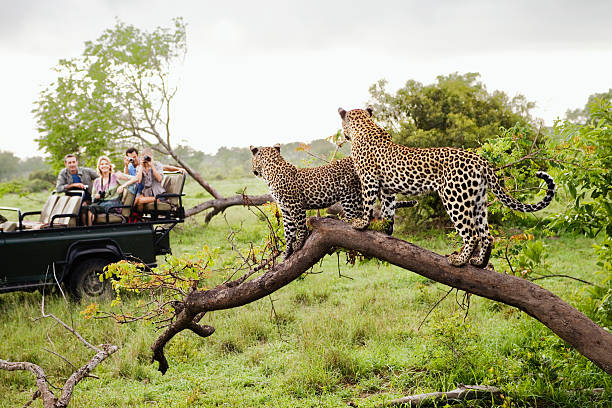
Leopards are elusive and often prefer riverine woodland, thickets, and areas with trees. Their camouflage makes sightings especially exciting, and a knowledgeable guide can help visitors look for them without disturbing the animal.

Cheetahs
The Mara’s open plains offer suitable habitat for cheetahs, which use speed to hunt smaller antelopes. Their long-distance vision and distinctive body markings make them fascinating subjects for wildlife photography.

Elephants
Elephants can be observed feeding, moving in family groups, drinking at water sources, and interacting with their young. Their behaviour offers rewarding viewing opportunities for adults and children alike.

African buffaloes
Buffaloes often gather in herds and are important members of the Mara ecosystem. Their interactions with predators are part of the complex relationship between grazers and carnivores.
Rhinos are also part of the wider Mara wildlife story, although sightings are less predictable than those of many other large mammals. Do not assume that every visitor will see all five Big Five species during a short safari.
Beyond the Big Five, travellers may encounter giraffes, zebras, wildebeest, topis, impalas, Thomson’s gazelles, elands, hippos, crocodiles, hyenas, jackals, and many bird species.
Why this matters: The Mara offers more than a checklist of animals. Repeated game drives allow you to observe how animals feed, communicate, protect their young, compete for territory, and respond to changing conditions.
3. Open Savannah Landscapes and Outstanding Photography

The Maasai Mara’s open grasslands are a major part of its appeal. Unlike destinations where thick vegetation can make wildlife difficult to see, many areas of the Mara offer broad views across the plains.
These landscapes are particularly attractive to photographers, nature lovers, and travellers who want to experience the scale of the African wilderness.
The scenery changes with the seasons. During greener periods, the plains can appear lush and dramatic. In drier months, golden grasses and dusty tracks create the classic East African safari landscape.
What makes the Mara special for photography?
-
Wildlife against open backgrounds: Animals may be visible across the plains without dense vegetation obscuring every view.
-
Beautiful natural light: Sunrise and late afternoon often provide warm light and attractive shadows.
-
Predator behaviour: Lions, cheetahs, and hyenas offer opportunities to photograph natural behaviour when sightings permit.
-
Herd photography: Migrating and resident grazers can create striking patterns across the landscape.
-
Bird photography: Raptors, vultures, storks, and other birds add variety to a safari portfolio.
For the best results, travel with a guide who understands wildlife behaviour and photography etiquette. A good guide will position the vehicle carefully, avoid crowding animals, and allow time for observation instead of rushing from one sighting to another.
4. A Predator-Rich Ecosystem for Big Cat Enthusiasts

The Mara is particularly popular among travellers who want to observe Africa’s large carnivores.
Its grasslands support a food web in which predators depend on antelopes, zebras, wildebeest, and other prey species. Lions, cheetahs, leopards, spotted hyenas, and jackals each have different hunting and survival strategies.
A game drive may reveal a lion pride resting after feeding, a cheetah scanning the plains, a leopard concealed in vegetation, or hyenas moving between territories.
However, wildlife is never staged for visitors. Predators may sleep for much of the day, disappear into thick cover, or remain far from the roads. Responsible safari planning leaves room for patience and uncertainty.
A useful tip: If big cats are a priority, consider a safari of three to five nights, with morning and afternoon game drives where permitted. The extra time improves your opportunities to explore different habitats and follow sightings responsibly.
5. The Mara River, Hippos, Crocodiles, and Wildlife Encounters

The Mara River is one of the most recognisable features of the wider ecosystem. It supports wildlife throughout the year and becomes especially well known when migrating herds approach its banks.
The river and surrounding vegetation can support hippos, Nile crocodiles, birds, and animals that come to drink. During migration season, wildebeest may gather near the water before attempting a crossing.
Yet the river is not merely a dramatic backdrop. It is an important part of a connected ecosystem, providing water and habitat for wildlife and influencing the movement of animals through the landscape.
River-crossing viewing should always be conducted under local rules and the guidance of qualified safari professionals. Visitors should never ask a driver to crowd animals or obstruct their escape routes to obtain a photograph.
6. Maasai Culture and Community Experiences

The Maasai Mara takes its name from the Maasai people, whose pastoral heritage and connection to the wider landscape form an important part of the region’s identity.
A visit can provide opportunities to learn about Maasai traditions, beadwork, livestock keeping, local livelihoods, architecture, and the relationship between communities and wildlife.
Cultural visits vary considerably. Some are organised demonstrations, while others may offer more meaningful opportunities for conversation and learning. Travellers should choose experiences that are transparent about fees, respectful of community wishes, and organised with local participation.
How to make a cultural visit more meaningful
-
Ask permission before taking photographs of people.
-
Buy crafts directly from local makers when possible.
-
Listen to community members rather than expecting every experience to be a performance.
-
Respect local customs and any restrictions on photography.
-
Choose operators who explain how community visits are arranged and how payments are distributed.
The Maasai Mara’s wider conservation landscape includes community conservancies, where tourism can support employment, wildlife protection, and income for participating landowners. The precise benefits depend on the conservancy’s arrangements and management, so responsible operators should explain their partnerships clearly.
7. Maasai Mara National Reserve vs. Community Conservancies

When planning a Maasai Mara safari, one of the most important decisions is whether to stay inside the national reserve, in a community conservancy, or combine both.
These options are connected to the same wider ecosystem, but they can offer different experiences.
|
Feature |
National reserve |
Community conservancy |
|---|---|---|
|
Main attraction |
Classic Mara game drives and access to reserve wildlife areas |
Wildlife viewing in designated community conservation areas |
|
Migration viewing |
Access depends on herd location and the area visited |
Depends on the conservancy’s location and seasonal wildlife movements |
|
Vehicle density |
Some sightings and locations can become busy |
Visitor numbers may be more restricted, depending on the conservancy |
|
Activities |
Governed by reserve regulations |
Some conservancies permit additional activities, subject to local rules |
|
Accommodation |
Options vary from camps to lodges |
Often includes camps and lodges operating under conservancy arrangements |
|
Community connection |
Tourism contributes through several local and public channels |
Tourism may be linked more directly to participating landowners and conservation agreements |
Not every conservancy has the same rules, facilities, or wildlife-viewing conditions. Night drives and guided walks, for example, are only available where permitted and arranged by an authorised operator.
Which should you choose?
-
Choose a reserve-focused stay if your priority is exploring the main reserve and its famous wildlife areas.
-
Consider a conservancy if you value a quieter experience, specialist guiding, and activities that are permitted in that particular area.
-
Combine both if your budget and itinerary allow you to experience different parts of the Mara ecosystem.
Before booking accommodation, ask exactly where the camp is located. “Maasai Mara” may refer to the reserve, the Mara Triangle, or a conservancy elsewhere in the greater ecosystem. Location affects transfer time, access, fees, and the game-viewing areas available to you.
8. Hot-Air Balloon Safaris Over the Maasai Mara

A hot-air balloon safari is one of the most memorable experiences available in the Maasai Mara. Instead of observing the plains from a safari vehicle, you float above the landscape as the sun rises over the savannah.
From the air, you may see winding rivers, scattered acacia trees, herds of grazing animals, and the patterns formed by wildlife moving through the grasslands. The experience offers a different perspective on the size and beauty of the ecosystem.
What should you expect?
Most balloon safaris begin before sunrise. Guests are transferred to the launch site, receive a safety briefing, and board the balloon with the licensed operating team. Flight duration, landing arrangements, and any celebratory breakfast depend on the operator and package.
Balloon safaris are usually an additional expense rather than a standard inclusion in every safari package. Weather conditions also affect whether flights can operate.
This experience is particularly appealing to honeymooners, couples celebrating special occasions, photographers, and travellers seeking a premium safari adventure.
Planning tip: Book in advance, confirm whether the flight and transfers are included in the quoted price, and check any age, health, weight, or mobility requirements with the operator.
9. Birdwatching in the Maasai Mara

Although the Mara is best known for large mammals, it is also rewarding for birdwatchers.
Its grasslands, riverine habitats, seasonal wetlands, and wooded areas support a range of birds. Depending on the location and season, visitors may spot eagles, vultures, secretary birds, ostriches, storks, hornbills, rollers, and numerous smaller species.
Raptors can be particularly fascinating to observe because of their hunting strategies and their role in the ecosystem. Vultures also perform an essential ecological function by consuming animal remains.
Why birdwatchers should consider the Mara
-
The variety of habitats creates opportunities to observe different bird groups.
-
Birds can add interest to game drives even when large mammals are resting or less active.
-
Specialist guides can help identify species by their calls, flight patterns, colours, and behaviour.
-
Birdwatching combines well with general wildlife viewing, photography, and conservation education.
If birdwatching is your main interest, tell your safari planner before travelling so that the itinerary, pace, and guiding arrangements can reflect your priorities.
10. A Wide Choice of Safari Accommodation

The Maasai Mara caters to a broad range of travellers, from those seeking comfortable, affordable accommodation to guests looking for exclusive luxury camps.
The right camp or lodge can shape the entire safari experience. Consider not only the room and facilities but also the location, distance to wildlife-viewing areas, guiding arrangements, meal plans, and the atmosphere you prefer.
Budget and value-focused camps
Budget-oriented accommodation can help travellers manage their overall safari cost while enjoying guided game drives and the Mara’s wildlife.
Depending on the property, facilities may include simple en-suite rooms or tents, communal dining areas, and basic amenities. Some lower-cost camps are outside the reserve, so transfer times and entry arrangements should be checked carefully.
This category may suit solo travellers, friends, backpackers, and families looking to prioritise wildlife experiences over elaborate facilities.
Mid-range lodges and tented camps

Mid-range accommodation often combines comfortable rooms or safari tents with private bathrooms, restaurant facilities, guided game drives, and attractive natural surroundings.
This can be an excellent balance for couples, families, and travellers who want comfort without choosing the most expensive properties.
Check whether game drives, park or conservancy fees, drinks, transfers, and other activities are included. Two packages at apparently similar prices may cover very different services.
Luxury safari camps and lodges

Luxury accommodation may offer spacious suites, private decks, high-quality dining, attentive service, premium guiding, and carefully designed wilderness settings.
Some properties also provide private vehicles, spa treatments, plunge pools, or special dining arrangements, although these features are not universal.
Luxury is not simply about the room. For many travellers, the greatest benefit is the combination of an excellent location, fewer logistical worries, flexible guiding, and a well-organised overall experience.
Important: Accommodation rates and inclusions vary by season and property. Request a quotation that clearly separates accommodation, transport, meals, entry or conservancy fees, and optional activities.
11. The Best Time to Visit the Maasai Mara

The best time to visit depends on what you want from your safari.
If your priority is the Great Wildebeest Migration, the middle and later parts of the year are popular planning periods. If you prefer greener landscapes, fewer visitors at some properties, or a different photography experience, other months may suit you.
No season guarantees a particular animal sighting or weather condition.
|
Period |
Potential advantages |
Things to consider |
|---|---|---|
|
January–March |
Resident wildlife, attractive photographic conditions in many areas |
Migration herds may be elsewhere in the wider ecosystem |
|
April–May |
Green landscapes, dramatic skies, seasonal birdlife |
Rain can affect roads and journey times |
|
June–July |
Changing migration activity and the start of the main migration-viewing period in some years |
Herd movements vary, and conditions can change |
|
August–October |
Popular period for migration-focused safaris |
High demand can mean higher accommodation prices and busier wildlife-viewing locations |
|
November–December |
Changing landscapes, resident wildlife, and opportunities for varied safari experiences |
Rainfall and wildlife distribution vary from year to year |
For the most accurate planning, confirm current conditions, accommodation availability, and the location of wildlife activity close to your travel dates.
12. How Many Days Do You Need in the Maasai Mara?
The length of your stay affects how much time you have to explore different habitats, enjoy game drives, and experience the destination at a relaxed pace.

2 days / 1 night
Suitable for travellers with limited time, particularly when flying in. It offers a short introduction but leaves little flexibility for wildlife searches.

3 days / 2 nights
A practical short safari with opportunities for several game drives. This is a common option for travellers combining the Mara with other Kenyan destinations.

4–5 days / 3–4 nights
Gives you more time to explore different parts of the ecosystem and is particularly worth considering for wildlife photographers or migration-focused visitors.

6 days or longer
Ideal for travellers who prefer a slower pace, wish to combine the reserve with a conservancy, or want to include additional destinations and special experiences.
These are suggested durations, not fixed packages. Your ideal itinerary depends on transport, arrival time, budget, and the activities you want to include.
13. How to Get to the Maasai Mara from Nairobi

Most international travellers begin their Kenyan safari in Nairobi. From there, the Maasai Mara can be reached by road or by a scheduled or chartered safari flight, depending on the camp, airstrip, and service availability.
Travelling by road
A road safari can offer changing scenery as you leave Nairobi and travel towards the Mara region. Journey time varies with the route, traffic, road conditions, stops, and the exact accommodation location.
Road transfers can be a practical option for travellers who want a ground safari and are combining several destinations. However, long journeys may take up a substantial part of the day.
Flying to the Mara
Flying can reduce travel time and allow more time for wildlife activities, depending on flight schedules and the transfer from the airstrip to your camp.
Consider luggage restrictions, baggage weight limits, flight costs, and any additional transfers when comparing a flying safari with a road safari.
Which option should you choose?
-
Road: Often attractive for value-focused travellers and multi-stop itineraries.
-
Air: Worth considering for shorter holidays, luxury trips, or travellers who want to minimise long road transfers.
Your planner should explain the full journey, not just the headline travel time.
14. Sample Maasai Mara Safari Itineraries
These examples illustrate how you might structure a safari. They are itinerary concepts rather than confirmed, bookable packages.

Option A: 3-Day Maasai Mara Wildlife Safari
Ideal for short holidays and first-time visitors
Day 1: Travel from Nairobi to the Mara by road or air, arrive at camp, and enjoy an afternoon game drive if timing permits.
Day 2: Take a morning game drive and an afternoon drive, exploring different habitats in search of lions, elephants, giraffes, antelopes, and other wildlife.
Day 3: Enjoy an early game drive where timing allows, then return to Nairobi according to your transport arrangements.
Best for: Travellers with limited time who want a focused introduction to the Mara.

Option B: 4-Day Maasai Mara Migration Safari
Ideal for travellers prioritising wildlife and photography
Day 1: Arrive in the Mara and settle into your camp.
Day 2: Explore the plains and riverine areas with your guide, following current wildlife activity.
Day 3: Spend more time in promising wildlife-viewing areas. During migration season, your guide may monitor herd movements and suitable viewing locations.
Day 4: Enjoy a final game drive if departure arrangements permit, then travel back to Nairobi.
Best for: Visitors who want more time for wildlife encounters. River crossings cannot be guaranteed.

Option C: 6-Day Maasai Mara and Amboseli Safari
Ideal for combining two distinctive Kenyan wildlife destinations
Days 1–3: Explore the Maasai Mara, enjoying game drives and opportunities to observe its predators, grazers, and birdlife.
Day 4: Transfer towards Amboseli using a suitable road or flight connection and onward transport.
Days 5–6: Explore Amboseli, famous for its elephants, open plains, wetlands, and views of Mount Kilimanjaro when weather conditions allow.
Best for: Travellers who want different landscapes and wildlife experiences in one holiday. Transport connections should be planned carefully.
You can also extend a Maasai Mara safari with Lake Nakuru, Lake Naivasha, Samburu, or a beach stay on Kenya’s coast.
For a related itinerary, explore Maasai Mara and Lake Nakuru safari options.
15. Maasai Mara Safaris for Families, Couples, and Honeymooners

The Mara can suit different types of travellers, but the best itinerary will depend on individual needs.
Family safaris: Choose accommodation with suitable family rooms, child-friendly meals, and activities appropriate for your children’s ages. Confirm age restrictions for game drives, walking activities, and balloon flights before booking.
Honeymoon safaris: Consider a private vehicle, a scenic tented camp, flexible game drives, and special dining arrangements. A longer stay can create a more relaxed experience than rushing between destinations.
Luxury travellers: Prioritise location, service, guide quality, and the inclusions in the package rather than judging accommodation by its star rating alone.
Solo travellers and friends: Shared game drives can help manage costs, while private vehicles offer greater flexibility for photography and personal interests.
Senior travellers: Review transfer times, camp accessibility, vehicle comfort, walking requirements, and access to medical assistance when planning.
The best safari is not necessarily the most expensive one. It is the one that matches the traveller’s expectations with realistic logistics and appropriate accommodation.
16. Responsible Tourism and Conservation in the Maasai Mara

The long-term future of the Maasai Mara depends on healthy habitats, functioning wildlife corridors, responsible tourism, and cooperation with communities living alongside wildlife.
Community conservancies are an important part of the wider landscape. Their individual arrangements differ, but some work with local landowners to protect wildlife habitat while generating income through tourism and related employment.
Travellers can support responsible tourism by choosing operators and accommodation providers that explain their conservation and community practices clearly.
How to make your safari more responsible
-
Follow your guide’s instructions and all reserve or conservancy rules.
-
Never encourage drivers to chase animals, crowd predators, or block wildlife movement.
-
Keep a respectful distance and avoid excessive noise.
-
Avoid littering and minimise unnecessary single-use plastics.
-
Ask how cultural visits are organised and whether local participants benefit.
-
Consider purchasing authentic local crafts directly from artisans.
-
Choose operators who can explain their conservation partnerships without relying on vague environmental claims.
Responsible tourism does not mean every safari activity is automatically sustainable. Asking clear questions helps you understand how your visit contributes to local livelihoods and wildlife protection.
17. How Much Does a Maasai Mara Safari Cost?
The cost of a Maasai Mara safari depends on your travel dates, accommodation, group size, transport, park or conservancy fees, and the activities you choose.
A budget camping safari and a luxury fly-in safari can have very different prices, even if both include game drives.
|
Cost factor |
What affects the price |
|---|---|
|
Accommodation |
Budget camp, mid-range tented camp, or luxury lodge |
|
Season |
Demand, availability, and seasonal rates |
|
Transport |
Road transfer, scheduled flight, or charter |
|
Group size |
Shared vehicle versus private vehicle |
|
Duration |
Number of nights and game drives |
|
Entry and conservancy fees |
Applicable rates and length of stay |
|
Optional experiences |
Balloon safaris, private guiding, and other activities |
|
Additional services |
Drinks, tips, laundry, transfers, and special arrangements |
For a useful quotation, provide your travel dates, number of adults and children, preferred accommodation standard, and whether you would rather travel by road or air.
Request an itemised proposal that specifies what is included and excluded. Check the applicable reserve or conservancy fees for your dates before confirming your booking.
18. Why Plan Your Maasai Mara Safari with Astute Africa Safaris?
A successful safari involves much more than selecting a destination. Accommodation location, realistic driving times, guide arrangements, seasonal wildlife movements, and transport connections all influence the quality of the experience.
Astute Africa Safaris is a locally owned safari company based in Nairobi, Kenya, offering tailor-made African safari holidays. The company can help travellers explore options for a Maasai Mara safari and combine the destination with other experiences in Kenya and the wider East African region.
When planning your trip, consider discussing the following:
-
Personalised itineraries: Match the length of your safari to your interests, travel dates, and budget.
-
Accommodation choices: Compare budget, mid-range, and luxury properties according to location and inclusions.
-
Transport planning: Evaluate road and air options, including transfer times.
-
Wildlife priorities: Plan around interests such as the Great Migration, big cats, birdwatching, or photography without assuming that sightings can be guaranteed.
-
Multi-destination holidays: Consider adding Lake Nakuru, Amboseli, or a Kenyan beach destination.
-
Booking clarity: Request a written itinerary, transparent cost breakdown, payment terms, and cancellation conditions before confirming.
Explore Astute Africa Safaris’ Maasai Mara and Lake Nakuru safari or visit the East Africa safari vacations guide to consider a broader holiday.
Frequently Asked Questions About the Maasai Mara
1. Why is the Maasai Mara considered one of Africa’s premier safari destinations?
The Mara combines diverse wildlife, open savannah landscapes, strong opportunities for predator viewing, the seasonal Great Wildebeest Migration, and access to community conservancies. These features make it attractive to first-time visitors and experienced safari travellers.
2. What is the best month to visit the Maasai Mara?
July to October is a popular period for migration-focused safaris, but the timing of herds varies from year to year. Other months can also provide excellent wildlife viewing. Choose your dates according to your interests, budget, and preferred conditions.
3. Can I see the Big Five in the Maasai Mara?
The Mara supports all five Big Five species, but seeing every species on one trip is not guaranteed. Rhinos are generally more difficult to spot than many other large mammals.
4. How many nights should I spend in the Mara?
Two nights provide a useful introduction, while three or four nights give you more time for game drives and changing wildlife conditions. Photography and migration-focused trips may benefit from a longer stay.
5. Is the Maasai Mara suitable for children?
Yes, many families enjoy the Mara. Select accommodation and activities appropriate for your children’s ages, check property policies, and discuss vehicle comfort, meal arrangements, and the length of game drives in advance.
6. Is the national reserve different from a conservancy?
Yes. The reserve and surrounding community conservancies have different management arrangements, access rules, activities, and fee structures. Your accommodation’s exact location can influence the experience.
7. Can I combine the Maasai Mara with a beach holiday?
Yes. Many travellers combine a wildlife safari with Kenya’s coast, including destinations such as Diani Beach, Watamu, or Mombasa. The itinerary depends on flight connections, travel dates, and the number of nights available.
8. Are wildebeest river crossings guaranteed during migration season?
No. Herd movements and river crossings depend on natural conditions and cannot be predicted precisely. A longer stay may give you more opportunities, but no responsible operator should guarantee a crossing.
9. Is a road safari or fly-in safari better?
Road safaris may suit travellers combining destinations or managing their budget. Fly-in safaris can save travel time, particularly for shorter or higher-end trips. Compare the full itinerary and costs before choosing.
Conclusion: Discover the Maasai Mara on a Safari Designed Around You

The Maasai Mara stands out as one of Kenya’s most remarkable safari destinations because it brings together abundant wildlife, iconic African landscapes, fascinating predator behaviour, the Great Wildebeest Migration, and opportunities to learn about local communities and conservation.
Whether you dream of watching lions on the open plains, photographing elephants at sunrise, exploring the Mara River, taking a hot-air balloon flight, or combining a safari with a relaxing beach holiday, the Mara offers a wealth of possibilities.
The key is to plan around your priorities rather than simply following a standard itinerary. Choose suitable travel dates, allow enough time for game drives, select accommodation in the right location, and understand what your package includes.
Ready to plan your Maasai Mara safari?
Astute Africa Safaris can help you explore a tailor-made itinerary based on your preferred dates, budget, accommodation style, and wildlife interests.
Start planning your Kenyan safari
Tell us when you would like to travel, how many people are in your group, and whether you prefer budget, mid-range, or luxury accommodation.
Explore safari options
Compare itineraries and consider combining the Mara with other Kenyan destinations.
Plan a wider East African holiday
Discover possibilities for multi-destination safari holidays.
Leave a comment:
You must be logged in to post a comment.
Comments (3)
Experience the Magic: Balloon Safaris in the Maasai Mara - Astute Africa Safaris,
04 April, 2026[…] budgeting for your trip, consider that the peak season—coinciding with the Great Migration from July to October—often […]
Astute Africa Safaris,
05 May, 2026REF: Crafting Your Bespoke African Safari Experience with Astute Africa Safaris
Jambo,
Thank you for your interest in exploring the wonders of Africa with Astute Africa Safaris. We pride ourselves on creating immersive, tailor-made journeys that align perfectly with your personal interests, pace, and travel aspirations.
Because every safari is a unique narrative, we do not believe in “one-size-fits-all” pricing. To ensure we provide you with an accurate and competitive quotation that reflects the specific lodges, wildlife experiences, and logistical arrangements you desire, we invite you to connect with our team for a personalized consultation.
Please contact us at info@astuteafricasafaris.com, Whatsapp +254762663272 or fill the inquiry form with a few details regarding your preferred travel dates, group size, and specific interests (e.g., photography, luxury relaxation, or adventure trekking). Once we have these details, we will curate a comprehensive proposal designed specifically for you.
We look forward to the possibility of helping you plan an unforgettable journey.
Warm regards,
Team Astute Africa Safaris
The Ultimate East African Circuit: A Comprehensive Guide to Combining Kenya, Tanzania, and Uganda Safari of a Lifetime - Astute Africa Safaris,
06 June, 2026[…] is often regarded as the birthplace of the modern safari. The Maasai Mara National Reserve is the crown jewel, famous for the annual migration of over 1.5 million wildebeest and […]