

- 1.6k Views
- 33 Min Read
- (3) Comments
Discover Africa Through the People Who Call It Home
Africa’s greatest travel experiences are not found exclusively in its national parks, luxury safari lodges or beautiful beaches. Some of the most meaningful journeys happen when travellers connect with the people whose cultures, traditions, knowledge and livelihoods are closely connected to the landscapes they visit.
From the Maasai and Samburu communities of Kenya to the Chagga communities of Tanzania, the Batwa communities of Uganda, the cultural communities surrounding Rwanda’s national parks and the Swahili communities of Zanzibar, East Africa offers opportunities to experience the continent through local perspectives.
Ethical community-led tourism in Kenya provides a way to explore these places while supporting the people who host visitors. It places local communities at the centre of tourism planning, decision-making and economic participation, rather than treating them simply as attractions.
Visitors can participate in guided cultural walks, learn about traditional food preparation, discover local crafts, explore community conservancies, meet local guides, experience traditional farming and understand how communities protect wildlife and natural resources.
However, responsible community tourism is about more than visiting a traditional village or purchasing a handmade souvenir. It involves respecting local customs, obtaining consent, ensuring fair compensation, protecting cultural dignity and supporting tourism arrangements that create meaningful benefits for the host communities.
At Astute Africa Safaris, we believe that an African holiday can offer much more than wildlife viewing. By incorporating carefully selected community experiences into tailor-made safaris, travellers can discover the cultural richness of Kenya and neighbouring East African destinations while contributing to more inclusive tourism.
This guide explores what ethical community-led tourism means, where to experience it, what activities are available, how communities benefit and how to plan a responsible community-based holiday across Kenya, Tanzania, Uganda, Rwanda and Zanzibar.
1. What Is Ethical Community-Led Tourism?
Ethical community-led tourism is a form of responsible travel in which local communities have meaningful involvement in designing, managing, delivering and benefiting from tourism activities taking place in or around their homes, lands and cultural environments.
Unlike conventional tourism models where most decisions and financial benefits may be controlled by external businesses, community-led tourism aims to give local residents a stronger voice and a fairer share of the economic opportunities generated by visitors.
Community participation can take several forms:
- Community-owned accommodation and cultural tourism enterprises.
- Locally operated walking tours and cultural experiences.
- Community conservancies and wildlife conservation initiatives.
- Women’s craft cooperatives and artisan enterprises.
- Traditional farming, fishing and food experiences.
- Community-managed nature and heritage attractions.
- Partnerships between communities and responsible tourism businesses.
Not every community tourism project needs to be entirely owned by local residents. Some successful arrangements involve partnerships between communities, conservation organisations, private investors and tour operators.
What matters is whether the community has genuine decision-making power, transparent agreements, fair economic participation and the ability to determine how its culture and resources are presented to visitors.
What Makes Community Tourism Ethical?

Local participation and decision-making
Residents should have a meaningful opportunity to determine which activities are offered, how visitors interact with their community and what cultural information is appropriate to share.
Fair financial benefits
Local guides, artisans, performers, accommodation providers, farmers and other service providers should receive fair payment for their contributions.
Cultural respect
Visitors should not be encouraged to treat traditional customs, ceremonies, sacred places or people’s daily lives as entertainment without permission.
Environmental responsibility
Tourism should support the protection of wildlife habitats, forests, water resources and other natural environments rather than degrading them.
Transparency and accountability
Responsible projects should be able to explain who owns or manages the experience, how fees are distributed and what benefits are delivered locally.
Inclusion and equal opportunities
Women, young people, persons with disabilities and historically underrepresented groups should have opportunities to participate in tourism businesses and decision-making.
Ethical tourism is not established simply because a business describes itself as sustainable or community-based. Travellers should look for practical evidence of local participation and benefits.
2. Why Is Community-Led Tourism Important in Kenya?
Kenya is internationally recognised for its wildlife, national parks, beaches and extraordinary cultural diversity. Yet the country’s tourism appeal extends far beyond traditional game drives.
Many communities live alongside important wildlife habitats, maintain traditional knowledge of their environments and operate businesses that provide visitors with a different perspective of Kenya.
Community-led tourism can help diversify rural livelihoods, strengthen cultural preservation, create employment and provide economic reasons to protect natural environments.
It can also distribute tourism opportunities beyond the most frequently visited national parks and established safari destinations.
Kenya’s community conservancies are particularly important because they connect wildlife conservation with local land ownership, livelihoods and tourism.
For example, in northern Kenya, community conservancies provide frameworks through which participating landowners can benefit from wildlife tourism while supporting habitat protection and community development.
In the Maasai Mara ecosystem, community landowners can participate in conservation and tourism arrangements that support wildlife movement and provide economic opportunities.

3. The Best Community-Led Tourism Experiences in Kenya
Kenya offers a remarkable variety of community experiences. Travellers can combine cultural encounters with wildlife safaris, mountain adventures, coastal holidays and visits to rural communities.
3.1 Maasai Community Experiences in the Maasai Mara and Amboseli
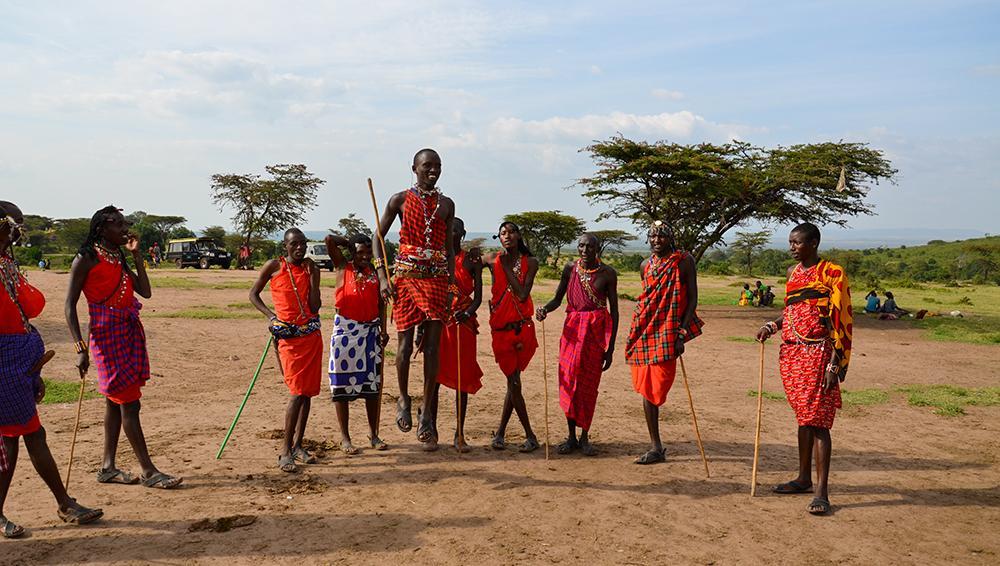
The Maasai are among East Africa’s best-known pastoralist communities. Their cultural heritage, traditional livestock keeping, distinctive beadwork and historical relationship with the savannah landscapes make community encounters an important part of some Kenyan holidays.
Visitors can arrange guided experiences with participating Maasai community groups.
Possible activities include:
- Learning about Maasai pastoralist traditions and livestock management.
- Understanding traditional homestead organisation and architecture.
- Discovering the meaning and craftsmanship of Maasai beadwork.
- Learning about traditional food and everyday household practices.
- Participating in community-approved cultural performances.
- Understanding the relationship between livestock, wildlife and land management.
- Visiting community craft projects and purchasing locally made products.
Some experiences take place in or near traditional homesteads, often referred to as manyattas.
A responsible visit should be arranged with the community and should have agreed fees, appropriate local guides and clear photography permissions.
Visitors should also understand that Maasai communities are not identical. Customs, lifestyles and economic activities differ between locations and households.
Where to experience it: Maasai Mara, surrounding conservancies and Amboseli’s neighbouring community areas.
Best suited for: Families, cultural travellers, photographers, educational groups and travellers combining wildlife safaris with cultural discovery.
3.2 Samburu Community Tourism in Northern Kenya
Northern Kenya offers some of the country’s most distinctive community tourism opportunities.
The Samburu people have longstanding pastoralist traditions and a deep connection to the semi-arid landscapes of northern Kenya.
Community experiences can introduce visitors to:
- Traditional beadwork and jewellery-making.
- Pastoralist lifestyles and livestock management.
- Local food and traditional household practices.
- Community storytelling and oral heritage.
- Traditional ecological knowledge.
- Local conservation initiatives.
- Community-led cultural interpretation.
The Samburu region is also associated with important wildlife conservation landscapes.
Community conservancies in northern Kenya can provide opportunities to combine wildlife viewing with cultural experiences, conservation education and visits to locally managed enterprises.
Travellers can explore areas around Samburu, Kalama, Westgate and other participating conservancy landscapes, depending on the particular experience available.
An important distinction is that a community conservancy is not simply a cultural village. It is a conservation and land-management arrangement that can also create tourism employment and income.
3.3 Community Conservancies in Laikipia and Northern Kenya
Community conservancies are among the strongest examples of how tourism can support conservation and local economic participation.
In Laikipia and northern Kenya, conservancy initiatives bring together landowners, conservation organisations, tourism businesses and other partners.
Depending on the conservancy and its arrangements, tourism can contribute through:
- Accommodation and tourism-related employment.
- Conservancy and visitor fees.
- Local guiding and transport services.
- Craft and food supply businesses.
- Conservation employment.
- Community development programmes.
- Wildlife monitoring and habitat protection.
Travellers may enjoy game drives, guided nature walks where permitted, birdwatching and conservation-focused experiences.
Some conservancies also offer opportunities to learn about the coexistence of livestock, people and wildlife.
The Northern Rangelands Trust provides information about tourism in its member conservancies and explains how tourism revenue can support conservation operations and community projects.
Travellers should ask whether their accommodation or activity actually contributes to the relevant conservancy rather than assuming that every lodge located near a conservancy supports it.
3.4 Women’s Craft Cooperatives and Beadwork Enterprises

Across different regions, women produce beadwork, woven baskets, jewellery, pottery, textiles and other locally made products.
Visitors can arrange opportunities to:
- Observe traditional craft-making.
- Learn about the materials and techniques used.
- Understand the cultural significance of different designs.
- Purchase handmade products directly from participating artisans.
- Participate in approved workshops.
These activities provide opportunities for visitors to understand the skills and creativity behind local products.
Purchasing directly from artisans or recognised cooperatives can help ensure that a greater share of the purchase price reaches the people producing the items.
However, travellers should avoid assuming that all craft enterprises are women-owned or that every purchase automatically funds a community project. Ask who produces the item and how the payment is distributed.
3.5 Coastal Community Tourism in Lamu
Kenya’s coast offers a very different form of community-led tourism.
Lamu is particularly important for understanding Swahili heritage, traditional maritime activities, architecture, cuisine and the history of Indian Ocean trade.
Lamu Old Town is a UNESCO World Heritage Site and offers opportunities to explore a living cultural environment through knowledgeable local guides.
Possible experiences include:
- Guided heritage walks through historic streets.
- Learning about traditional Swahili architecture.
- Discovering local food and cooking traditions.
- Exploring traditional dhow sailing.
- Understanding local fishing and maritime livelihoods.
- Discovering traditional wood carving and craftsmanship.
- Learning about Swahili poetry, music and storytelling.
Community-based coastal experiences can also be explored in other parts of the Kenyan coastline, including Mombasa, Watamu and surrounding fishing communities.
Travellers should distinguish between a locally owned cultural experience and an ordinary commercial excursion that merely takes place in a traditional setting.
3.6 Arabuko-Sokoke Forest and Community Conservation
Arabuko-Sokoke Forest, located along Kenya’s coast, provides an important opportunity to understand the relationship between forest conservation and neighbouring communities.
The forest is internationally significant for biodiversity, including important birdlife.
Community-linked activities in the surrounding landscape can include guided nature experiences, conservation education, butterfly-related enterprises, beekeeping and other livelihood initiatives, depending on the participating project.
Visitors can learn how communities benefit from protecting forest resources and developing alternative income-generating activities.
A well-planned visit can complement a beach holiday in Watamu or Malindi.
3.7 Nairobi Community and Urban Cultural Experiences
Community tourism does not have to take place in remote villages.
Nairobi offers opportunities to discover local creativity, neighbourhood history, food culture, crafts and social enterprises.
Experiences can include:
- Guided historical and cultural walking tours.
- Local food experiences.
- Visits to artisan workshops.
- Community craft enterprises.
- Local market visits with knowledgeable guides.
- Visits to approved social enterprises and community projects.
Visitors interested in crafts can also explore established artisan enterprises, including Kazuri Beads, while checking the current visitor arrangements and the nature of its social impact.
A responsible urban experience should use knowledgeable local guides, respect residents’ privacy and avoid turning disadvantaged neighbourhoods into photographic attractions.
3.8 Community Tourism Around Lake Turkana and Northern Kenya
Northern Kenya provides opportunities to discover the cultural diversity of pastoralist and fishing communities.
The Lake Turkana region is home to communities including the Turkana, El Molo and Rendille, among others.
Visitors may encounter traditional fishing livelihoods, pastoralist heritage, crafts, local food and cultural exchange opportunities.
The Lake Turkana Cultural Festival, when scheduled, offers an opportunity to experience cultural diversity and exchange between participating communities.
Because northern Kenya is geographically remote, travel requires careful planning, suitable transport, appropriate accommodation and consultation about local conditions.
Community experiences should be arranged with the relevant local organisers rather than assuming that visitors can arrive unannounced.
4. Community-Led Tourism in Tanzania

Its community tourism landscape includes cultural tourism programmes, pastoralist communities, agricultural experiences, conservation partnerships and locally managed visitor activities.
Unlike Kenya’s particularly visible community conservancy model, Tanzania also has a strong tradition of organised cultural tourism programmes in which local communities develop and deliver visitor experiences.
4.1 Maasai Community Experiences in Tanzania
The Maasai communities of northern Tanzania share some cultural connections with communities across the Kenya-Tanzania border.
Travellers visiting the Serengeti, Ngorongoro Conservation Area, Tarangire and surrounding landscapes may be able to arrange community-led cultural activities.
Possible experiences include:
- Learning about pastoralist livelihoods.
- Discovering traditional beadwork.
- Understanding the relationship between livestock and the environment.
- Exploring traditional architecture.
- Learning about local food and customs.
- Understanding community perspectives on wildlife conservation.
Visits should be organised through participating communities, with fair payment and clear agreements about what can be shared.
4.2 Tanzania Cultural Tourism Programme
Tanzania’s Cultural Tourism Programme provides a useful framework for visitors interested in community-based experiences.
Participating communities organise activities that allow visitors to explore local lifestyles, history, farming, traditional knowledge and natural surroundings.
Depending on the location, experiences may include:
- Village walks.
- Local food preparation.
- Traditional farming.
- Coffee cultivation and processing.
- Craft-making.
- Cultural storytelling.
- Nature walks.
- Local history and heritage interpretation.
Travellers can investigate available programmes around northern Tanzania, including areas associated with Arusha, Moshi and the Kilimanjaro region.
The exact activities, fees and arrangements differ between participating communities.
4.3 Chagga Community Experiences Around Mount Kilimanjaro
The Chagga people live on the fertile slopes of Mount Kilimanjaro.
Their agricultural traditions, especially coffee cultivation, offer interesting opportunities for community tourism.
Visitors can arrange experiences involving:
- Coffee farming and traditional processing.
- Learning about local agricultural systems.
- Exploring traditional homes and historical sites.
- Discovering local food.
- Guided village walks.
- Understanding the relationship between agriculture and mountain environments.
A Chagga village experience can complement a Mount Kilimanjaro adventure or a northern Tanzania safari.
4.4 Hadzabe and Datoga Cultural Encounters
The Lake Eyasi region is associated with the Hadzabe and Datoga communities.
The Hadzabe are traditionally hunter-gatherers, while the Datoga have strong pastoralist and metalworking traditions.
Visitors sometimes arrange cultural encounters to learn about their respective livelihoods, traditional skills and relationship with the surrounding environment.
These encounters require particular sensitivity.
The communities should control the nature and terms of visitor interaction. Activities should not encourage the staging of daily life, intrusive photography or the treatment of people as living exhibits.
Where appropriate, use locally approved guides and pay the agreed community fees.
4.5 Community Tourism Around Ngorongoro
The Ngorongoro landscape is associated with pastoralist communities and a complex relationship between people, wildlife, conservation and land use.
Travellers can explore approved cultural experiences while learning about conservation and community livelihoods.
It is important not to assume that every visit or accommodation arrangement in the Ngorongoro area is community-owned.
Ask who manages the experience, what the community receives and whether the activity is authorised by the relevant local stakeholders.
5. Community-Led Tourism in Uganda

The country’s cultural diversity, agricultural traditions, forests, lakes and rural communities provide opportunities for responsible community tourism.
Community experiences can be particularly meaningful when combined with gorilla trekking, wildlife safaris and nature-based travel.
5.1 Batwa Cultural Heritage and Forest Knowledge
The Batwa are Indigenous forest-associated communities whose history is closely connected to the forests of the Great Lakes region.
In Uganda, Batwa cultural experiences are available in some locations around Bwindi Impenetrable Forest and Mgahinga Gorilla National Park.
Depending on the community programme, visitors may learn about:
- Historical relationships with forest environments.
- Traditional knowledge and forest resources.
- Music, storytelling and cultural heritage.
- Traditional skills and livelihoods.
- The changes experienced following forest conservation and displacement.
These experiences must be approached with particular care.
Batwa communities have experienced significant historical marginalisation, including displacement from ancestral forest environments. A responsible visit should respect their rights, dignity, consent and control over cultural representation.
Travellers should ask whether the programme is community-led, how participants are compensated and whether the experience reflects the community’s own priorities.
5.2 Bakiga Community Experiences Around Bwindi
The communities around Bwindi Impenetrable Forest offer opportunities to discover local agricultural practices, food traditions, crafts and rural life.
Possible activities include:
- Guided village walks.
- Traditional food preparation.
- Local farming experiences.
- Cultural performances arranged with community consent.
- Craft-making and local enterprise visits.
- Community conservation education.
These activities can complement a gorilla trekking itinerary, offering a wider understanding of the people and livelihoods surrounding the forest.
5.3 Community Tourism Around Kibale Forest
The Kibale region is known for chimpanzee tracking and exceptional biodiversity.
Community experiences around the forest can help visitors understand how local livelihoods interact with forest conservation.
Depending on the participating projects, travellers may encounter:
- Local farming and agricultural activities.
- Community-guided nature experiences.
- Traditional food preparation.
- Craft enterprises.
- Conservation education.
- Village cultural experiences.
These visits can add depth to a chimpanzee trekking holiday.
5.4 Community Experiences Around Queen Elizabeth National Park
Communities surrounding Queen Elizabeth National Park have a close relationship with wildlife, fishing, agriculture and tourism.
Some tourism initiatives offer visitors opportunities to learn about local livelihoods and conservation.
Activities may include approved fishing community visits, local cultural interpretation, craft enterprises and community conservation activities.
Visitors should select experiences that respect residents’ privacy and demonstrate genuine local participation.
6. Community-Led Tourism in Rwanda

The country’s tourism model includes important conservation partnerships around national parks, cultural experiences and community initiatives.
6.1 Community Experiences Around Volcanoes National Park
Volcanoes National Park is internationally recognised for mountain gorilla trekking and golden monkey tracking.
The surrounding region also offers opportunities to understand local livelihoods and community participation in conservation.
Travellers may be able to arrange:
- Community cultural visits.
- Traditional craft experiences.
- Local food and agricultural activities.
- Cultural storytelling.
- Community-led educational experiences.
- Visits to recognised local initiatives.
These experiences can help visitors understand how tourism and conservation relate to the lives of people living around protected areas.
6.2 Iby’Iwacu Cultural Village
The Iby’Iwacu Cultural Village, also known as the Gorilla Guardians Village, near Volcanoes National Park, is a well-known example of a cultural tourism initiative.
It provides visitors with opportunities to learn about Rwandan cultural traditions through locally organised activities.
Depending on the programme, visitors may experience:
- Traditional music and dance.
- Cultural storytelling.
- Traditional food.
- Craft demonstrations.
- Traditional architecture and household practices.
- Historical and cultural interpretation.
The initiative is associated with former poachers who became involved in alternative livelihoods and community tourism.
Travellers should check current programmes and fees directly or through their tour operator.
6.3 Community Experiences Around Nyungwe Forest
Nyungwe Forest National Park is renowned for chimpanzees, other primates, birdlife and rainforest biodiversity.
Community experiences around the forest can introduce visitors to local farming, cultural heritage and conservation-related livelihoods.
Possible activities include guided cultural walks, agricultural experiences, local crafts and community tourism initiatives.
A visit can complement chimpanzee trekking and forest exploration.
6.4 Cultural Experiences Around Lake Kivu
Lake Kivu offers a different side of Rwanda.
Travellers visiting Rubavu, Karongi and surrounding communities can explore fishing traditions, local agriculture, lakeside livelihoods and Rwandan food culture.
Depending on the local arrangements, experiences may include guided community walks, fishing-related activities, coffee experiences and locally organised cultural visits.
These can complement a Rwanda itinerary that includes gorilla trekking, national parks and Kigali.
7. Community-Led Tourism in Zanzibar

Although Zanzibar is part of Tanzania, it has a distinctive cultural and historical identity that deserves separate consideration when planning a holiday.
7.1 Swahili Cultural Experiences in Stone Town
Stone Town is a UNESCO World Heritage Site and one of East Africa’s most important historic urban environments.
Visitors can arrange locally guided heritage walks to understand:
- Swahili architecture.
- Indian Ocean trade history.
- Traditional Swahili food.
- Local craftsmanship.
- Cultural and religious heritage.
- The historical development of Zanzibar.
Local guides can provide perspectives that visitors might otherwise miss when exploring independently.
Respect for residents, religious customs and private homes is particularly important.
7.2 Community Spice Farm Experiences
Zanzibar’s spice heritage is closely connected to its agricultural history.
Visitors can arrange spice farm experiences where local guides explain the cultivation and uses of cloves, cinnamon, nutmeg, vanilla and other spices.
Depending on the farm, activities may include:
- Guided agricultural walks.
- Learning about spice cultivation.
- Discovering traditional uses of spices.
- Tasting local fruits and food.
- Purchasing locally produced spices.
Choose locally managed farms or transparent partnerships where the people providing the experience receive fair compensation.
7.3 Fishing and Coastal Community Experiences
Zanzibar’s coastal communities have longstanding relationships with the Indian Ocean.
Fishing, seaweed farming and other marine-related livelihoods are important in parts of the archipelago.
Responsible visitor experiences can introduce travellers to these livelihoods through locally organised activities.
Depending on location and availability, visitors may learn about traditional fishing, marine ecosystems, seaweed production and coastal conservation.
Activities should not interfere with working livelihoods or encourage visitors to handle equipment, wildlife or marine resources without permission.
7.4 Seaweed Farming and Women’s Livelihoods
Seaweed farming has provided economic opportunities for women in parts of Zanzibar.
Some community initiatives provide opportunities for visitors to learn about seaweed cultivation, processing and its role in local livelihoods.
Such visits can offer insight into the relationship between tourism, coastal economies and women’s economic participation.
Visitors should select programmes where community members have chosen to participate and receive fair compensation.
8. What Activities Can You Experience Through Community-Led Tourism?
Community-led tourism is not limited to traditional village visits.
Across East Africa, travellers can select a wide range of experiences depending on their interests, destination and available time.
Cultural and Heritage Experiences
These can include guided village walks, traditional architecture, storytelling, local history, music, dance, food preparation and heritage interpretation.
Traditional Crafts and Artisan Experiences
Visitors can learn about beadwork, basket weaving, pottery, wood carving, textiles and other traditional or contemporary craft practices.
Purchasing directly from artisans can support local creative enterprises.
Agricultural and Farm Experiences
Agricultural experiences can introduce travellers to coffee cultivation, spice farming, tea production, traditional food crops and rural farming systems.
Community Conservation Experiences
Travellers can learn about community conservancies, wildlife monitoring, habitat restoration, forest protection and the relationship between conservation and local livelihoods.
Food and Culinary Experiences
Food offers an important way to understand local culture.
Visitors can participate in approved cooking demonstrations, market visits and traditional meals.
Community Nature Walks and Birdwatching
Locally guided walks can provide insight into birds, plants, landscapes and the traditional ecological knowledge of communities.
Such activities should follow local conservation rules and use authorised guides.
9. How Does Community-Led Tourism Benefit Local Communities?
The benefits of community-led tourism extend beyond the money visitors spend during a single activity.
When tourism is properly organised, it can contribute to long-term economic, cultural and environmental development.
9.1 Employment and Local Income
Community tourism can create opportunities for local guides, drivers, cooks, craft producers, accommodation workers, performers, farmers and other service providers.
These opportunities can diversify household incomes and reduce reliance on a limited number of economic activities.
9.2 Women’s Economic Empowerment
Women participate in tourism through craft production, accommodation, food services, agricultural activities and community enterprises.
Tourism can create additional opportunities for women to develop businesses, earn independent incomes and participate in local decision-making.
9.3 Youth Employment and Skills Development
Young people can develop skills in guiding, hospitality, customer service, languages, digital marketing, business management and conservation.
Community tourism can also provide opportunities for young entrepreneurs to establish locally owned businesses.
9.4 Cultural Preservation
When communities control how their heritage is shared, tourism can create incentives to preserve traditional skills, languages, stories, food knowledge and craftsmanship.
It can also provide opportunities for younger generations to learn from elders.
9.5 Wildlife and Environmental Conservation
Tourism revenue can help finance conservation activities, including habitat management, ranger operations, wildlife monitoring and environmental education.
In community conservancies, tourism can help create a financial connection between healthy ecosystems and local livelihoods.
9.6 Community Infrastructure and Social Development
Some community tourism arrangements contribute to education, healthcare, water access and other development priorities.
However, these benefits should never be assumed.
Visitors should look for transparent evidence of actual contributions rather than relying solely on promotional statements.
10. How to Identify Ethical Community Tourism Experiences
One of the most important questions for a responsible traveller is how to distinguish genuine community-led tourism from commercial experiences that simply use cultural imagery for marketing.
Before booking, consider the following questions:
- Who owns or manages the experience?
- Are local community members involved in decision-making?
- Who receives the visitor fees?
- Are local guides and service providers fairly compensated?
- Does the community consent to the activities being offered?
- Are photography and cultural interactions managed respectfully?
- Does the initiative contribute to conservation or local livelihoods?
- Are there clear visitor guidelines?
- Can the operator explain the partnership or benefit-sharing arrangement?
- Are the advertised community benefits supported by credible information?
Warning Signs of Irresponsible Community Tourism
Be cautious when an experience:
- Encourages visitors to photograph people without consent.
- Presents poverty as a tourist attraction.
- Pressures residents or children to perform for visitors.
- Does not explain where visitor payments go.
- Uses cultural activities without community approval.
- Makes exaggerated claims about charitable donations.
- Disturbs wildlife or damages natural environments.
- Offers encounters with vulnerable people without appropriate safeguards.
A responsible tourism experience should make the community feel respected, not exploited.
11. Responsible Cultural Etiquette: What Should Visitors Know?
Visitors should remember that they are entering living communities, not museums.
A few simple practices can make a significant difference.
Ask before taking photographs. Always obtain permission before photographing individuals, children, homes or cultural activities.
Respect religious and cultural practices. Follow local guidance regarding clothing, behaviour, sacred places and ceremonies.
Pay fairly. Respect agreed prices for guides, crafts, performances and other services.
Avoid intrusive questions. Be sensitive when discussing family structures, poverty, historical displacement or other personal matters.
Do not distribute money or gifts indiscriminately. If you want to contribute, use established community initiatives or arrangements recommended by the community itself.
Support local businesses. Where appropriate, purchase locally produced crafts, use local guides and choose locally managed services.
Respect environmental rules. Do not litter, disturb wildlife, remove natural resources or enter restricted areas.
Follow your guide’s advice. Local guides understand the appropriate boundaries for visitors and can help prevent uncomfortable or disrespectful interactions.
12. Community-Led Tourism for Different Types of Travellers
Community tourism can be incorporated into many different styles of African holidays.
Family Holidays
Families can introduce children to African cultures through age-appropriate activities such as craft workshops, food preparation, guided nature walks and cultural storytelling.
These experiences can encourage curiosity, respect for different cultures and an understanding of conservation.
Visits should be arranged around activities that are suitable for children’s ages and attention spans.
Luxury African Safaris
Community-led tourism is not limited to budget travel.
Luxury travellers can include private guided cultural experiences, locally hosted culinary activities, conservation education and visits to community enterprises as part of a high-end itinerary.
Luxury accommodation and responsible community participation can coexist when the tourism arrangements are transparent and locally respectful.
Honeymoon Holidays
Couples can combine romantic safari experiences with carefully selected cultural activities.
For example, a Kenya safari can include a community conservancy experience followed by a beach stay in Diani or Watamu.
In Tanzania, a northern safari can be combined with a Chagga cultural experience and a Zanzibar beach holiday.
Photography Holidays
Community photography requires particular sensitivity.
Visitors should obtain permission before photographing people and should never assume that paying an entry fee automatically provides unlimited photography rights.
Photography-focused experiences should be organised with the community and should respect restrictions on sacred places, ceremonies and private activities.
Educational and Cultural Holidays
Students, researchers and travellers interested in anthropology, history, conservation and traditional knowledge can benefit from well-organised community-led experiences.
These should be designed around appropriate learning objectives and community consent.
13. How to Combine Community Tourism with an East African Safari
One of the best ways to experience community-led tourism is to integrate it naturally into a broader holiday.
Rather than planning an entire safari around cultural visits, travellers can combine wildlife viewing, community experiences, nature and relaxation.
Example 1: Kenya Wildlife and Maasai Cultural Safari
A possible 7-day itinerary:
- Day 1: Arrive in Nairobi and enjoy an introductory city experience.
- Day 2: Travel to Amboseli for wildlife viewing.
- Day 3: Explore Amboseli and arrange an approved Maasai community experience.
- Day 4: Travel towards the Maasai Mara.
- Day 5: Enjoy game drives and wildlife viewing.
- Day 6: Visit a participating community or conservancy initiative.
- Day 7: Return to Nairobi or extend the holiday.
Example 2: Kenya Safari, Samburu Culture and Laikipia Conservation
A possible 8-day itinerary:
- Day 1: Arrive in Nairobi.
- Day 2: Travel to Samburu.
- Day 3: Explore Samburu’s wildlife and landscapes.
- Day 4: Arrange a community-led cultural experience.
- Day 5: Travel to Laikipia.
- Day 6: Enjoy conservation-focused wildlife activities.
- Day 7: Explore a participating community conservation initiative.
- Day 8: Return to Nairobi.
Example 3: Tanzania Safari and Zanzibar Community Experience
A possible 9-day itinerary:
- Day 1: Arrive in Arusha.
- Day 2: Explore a local cultural or agricultural experience.
- Day 3: Travel towards Tarangire.
- Day 4: Enjoy a wildlife safari.
- Day 5: Explore the Ngorongoro landscape.
- Day 6: Continue with a Serengeti safari.
- Day 7: Fly to Zanzibar.
- Day 8: Explore Stone Town or a community spice farm.
- Day 9: Enjoy a coastal experience or depart.
Example 4: Uganda Gorilla Trekking and Community Heritage
A possible 7-day itinerary:
- Day 1: Arrive in Entebbe.
- Day 2: Travel towards Bwindi.
- Day 3: Gorilla trekking, subject to permit availability.
- Day 4: Arrange a suitable community cultural experience.
- Day 5: Explore the surrounding landscape.
- Day 6: Return towards Lake Bunyonyi or another selected destination.
- Day 7: Return to Entebbe.
Example 5: Rwanda Gorilla Trekking and Community Tourism
A possible 6-day itinerary:
- Day 1: Arrive in Kigali.
- Day 2: Explore Kigali and its cultural heritage.
- Day 3: Travel to the Volcanoes region.
- Day 4: Gorilla trekking or another approved national park activity.
- Day 5: Visit a community cultural initiative.
- Day 6: Return to Kigali.
These are illustrative itineraries rather than fixed departures. Travel times, access, activity availability and the suitability of particular community experiences must be confirmed before booking.
14. How Much Does Community-Led Tourism Cost in East Africa?
There is no single price for community-led tourism because the cost depends on the destination, activity, duration, group size, transport and the organisation delivering the experience.
Some activities are relatively affordable, while private guided experiences, remote community visits and conservation-focused stays can cost considerably more.
The overall holiday budget may include:
- Community experience or visitor fees.
- Local guiding charges.
- Transport to and from the community.
- Accommodation.
- Meals and refreshments.
- Cultural workshop or activity charges.
- Park and conservancy fees where applicable.
- Additional donations or purchases, if voluntarily offered.
Travellers should request a clear breakdown of charges.
A particularly important question is whether the quoted price includes a community fee or whether this is paid separately.
For multi-country holidays, international flights, domestic flights, border arrangements and additional transport can significantly affect the overall cost.
At Astute Africa Safaris, itineraries can be planned around different accommodation categories and travel budgets, with community experiences selected according to availability and the traveller’s interests.
15. When Is the Best Time to Experience Community-Led Tourism?
Community tourism is available throughout much of the year, although the best timing depends on the destination and the activities involved.
Kenya
Kenya’s community experiences can generally be incorporated throughout the year.
Wildlife-focused visits to the Maasai Mara and surrounding conservancies are particularly popular during the Great Migration season, while coastal and cultural experiences can be enjoyed at other times.
Tanzania
Cultural tourism and agricultural experiences can be arranged throughout the year, although farming activities and seasonal conditions vary.
Northern Tanzania safari planning should take account of wildlife movements and rainfall patterns.
Uganda
Community experiences can complement gorilla and chimpanzee trekking holidays throughout the year.
Weather, forest conditions and permit availability should be considered when arranging travel.
Rwanda
Cultural activities can be incorporated into holidays throughout the year.
Gorilla trekking requires advance planning and confirmed permits.
Zanzibar
Stone Town heritage tours, spice experiences and many cultural activities can be arranged throughout the year.
Coastal conditions and weather should be considered when selecting marine and beach activities.
For a wider seasonal comparison, see our guide to the Best Time to Visit Africa.
16. How to Book an Ethical Community-Led Tourism Experience
Planning a responsible community-based holiday requires more consideration than simply adding a village visit to a safari itinerary.
The quality of the experience depends on selecting appropriate local partners, confirming access arrangements and understanding what the community wants visitors to experience.
Before confirming a booking, consider these steps:
Step 1: Identify your interests.
Decide whether you are interested in traditional crafts, local food, pastoralist culture, community conservation, agriculture, heritage or a combination.
Step 2: Choose the destination.
Kenya offers particularly varied community conservancies and cultural experiences. Tanzania provides cultural tourism programmes and agricultural experiences. Uganda and Rwanda offer opportunities to combine community heritage with forest conservation and primate tourism. Zanzibar provides Swahili heritage and coastal livelihoods.
Step 3: Confirm the local arrangements.
Ask who organises the experience, who guides visitors, what the community receives and what visitor guidelines apply.
Step 4: Choose suitable accommodation and transport.
The best accommodation depends on the destination, budget, travel style and proximity to the experience.
Step 5: Allow sufficient time.
A meaningful community experience should not feel rushed. Depending on the activity, allow enough time for interaction, learning and questions.
Step 6: Respect local guidance.
Follow the instructions of community hosts and guides throughout the visit.

17. How Astute Africa Safaris Can Help Plan a Community-Led African Holiday
At Astute Africa Safaris, we believe that the best African holidays are designed around the experiences travellers genuinely want to have.
As a locally based East African safari company in Nairobi, Kenya, we help travellers plan personalised holidays that can combine wildlife safaris, cultural discovery, conservation-focused experiences, scenic landscapes and beach relaxation.
Our safari planning covers Kenya, Tanzania, Uganda, Rwanda and Zanzibar.
Depending on your interests and the availability of suitable local arrangements, we can help incorporate experiences such as:
- Maasai and Samburu cultural visits in Kenya.
- Community conservancy experiences in Kenya.
- Locally guided heritage experiences in Lamu and other coastal destinations.
- Cultural tourism and agricultural experiences in Tanzania.
- Community experiences around Uganda’s wildlife and forest destinations.
- Cultural heritage experiences around Rwanda’s national parks.
- Swahili heritage, spice farming and coastal community experiences in Zanzibar.
We aim to work with appropriate local providers and arrange experiences that respect the communities hosting visitors.
Every community experience is different. We therefore encourage travellers to discuss their interests, preferred travel dates, group size, accommodation expectations and budget before an itinerary is finalised.
Whether you are planning a family safari, luxury holiday, honeymoon, photography expedition or multi-country East African adventure, we can help you explore suitable options.
Plan Your African Safari With Local Knowledge and Personalized Travel Support.
Explore our African safari experiences
Contact Astute Africa Safaris to start planning your tailor-made East African holiday.
18. Frequently Asked Questions About Ethical Community-Led Tourism in Kenya and East Africa
What is community-led tourism in Kenya?
Community-led tourism in Kenya involves tourism experiences where local residents participate meaningfully in planning, managing and delivering visitor activities while receiving economic and other benefits.
Examples include community conservancies, cultural visits, artisan workshops, local guiding, agricultural experiences and community-managed tourism enterprises.
What is the difference between community-based tourism and community-led tourism?
The terms overlap considerably.
Community-based tourism generally describes tourism activities developed around local communities and their participation.
Community-led tourism places particular emphasis on community control, ownership, decision-making and leadership.
A project can be community-based without being genuinely community-led, so travellers should investigate how decisions are made and who benefits.
Is community tourism ethical?
It can be, provided that the community has given informed consent, receives fair benefits, participates in decisions and retains control over how its culture and resources are presented.
Not every experience marketed as community tourism automatically meets these standards.
Which communities can I visit in Kenya?
Depending on the location and available arrangements, visitors may encounter Maasai, Samburu, Turkana, Rendille, Swahili and other Kenyan communities through locally organised cultural and heritage experiences.
Visits should always be arranged with participating communities.
Can I visit a Maasai village during a Kenya safari?
Yes. Some Maasai communities around the Maasai Mara and Amboseli offer organised cultural experiences.
The activities, fees and arrangements differ, so visitors should confirm the details before travelling.
Can community tourism be combined with a luxury safari?
Yes. Community experiences can be incorporated into luxury itineraries alongside private game drives, high-quality lodges, conservation experiences and beach holidays.
The accommodation standard does not determine whether the community experience is ethical.
Is community-led tourism suitable for children?
Yes. Many experiences can be suitable for families, particularly craft workshops, food preparation, cultural storytelling and guided nature walks.
The activities should be selected according to the children’s ages and the wishes of the host community.
Does community tourism support wildlife conservation?
It can. Community conservancies and other conservation-linked initiatives can generate income for habitat management, wildlife protection and local development.
However, the exact contribution varies between projects.
Can I experience community tourism in Tanzania?
Yes. Tanzania has cultural tourism programmes and community experiences involving pastoralist heritage, farming, crafts and local traditions.
What community tourism experiences are available in Uganda?
Visitors can explore community cultural activities around Bwindi, Mgahinga, Kibale and other destinations, including selected Batwa heritage experiences and local agricultural activities.
Can I combine gorilla trekking with community tourism in Uganda or Rwanda?
Yes. Community cultural experiences can be included before or after gorilla trekking, depending on location, time and the availability of participating community programmes.
What is the best community tourism experience in Zanzibar?
Popular options include Swahili heritage walks in Stone Town, spice farm experiences, locally guided coastal activities and learning about seaweed farming and fishing livelihoods.
How do I know whether my money benefits local communities?
Ask who manages the experience, who receives the fees, whether local guides and artisans are paid and whether the project can explain its benefit-sharing arrangements.
Should I give money directly to children or residents?
It is generally better to use established community initiatives and pay for agreed services rather than distributing money or gifts indiscriminately.
How long should I spend on a community tourism experience?
This depends on the activity. Some experiences take a few hours, while agricultural, conservation or more immersive cultural programmes may require half a day or longer.
Can community tourism be arranged privately?
Some experiences can be arranged for private groups, subject to community approval, local capacity and availability.
Private arrangements should not be assumed to provide unrestricted access to people’s homes or cultural activities.
Is community-led tourism available throughout the year?
Many experiences operate throughout the year, but individual activities can be affected by weather, agricultural seasons, community schedules and local conditions. Confirm availability before booking.
Conclusion: Experience East Africa While Supporting the People Who Make It Special
Community-led tourism offers a meaningful way to discover East Africa beyond its celebrated wildlife parks and beaches.
In Kenya, visitors can learn from Maasai and Samburu communities, explore community conservancies, support artisan enterprises and discover the cultural heritage of the Swahili coast.
In Tanzania, cultural tourism programmes, Chagga agricultural traditions and other community experiences provide opportunities to understand local lifestyles and heritage.
In Uganda, community experiences around Bwindi, Mgahinga and Kibale can complement extraordinary forest and wildlife adventures.
In Rwanda, cultural initiatives and community experiences around Volcanoes National Park and other destinations offer another perspective on the relationship between tourism, heritage and conservation.
In Zanzibar, Swahili history, spice farming, fishing traditions and coastal livelihoods provide an opportunity to understand the island beyond its beautiful beaches.
Ultimately, responsible community tourism should benefit both visitors and the people who welcome them.
For travellers, it creates opportunities for deeper cultural understanding and more meaningful holidays. For communities, when properly organised, it can support livelihoods, cultural preservation, conservation and local enterprise.
The most rewarding experience is not simply seeing how another community lives. It is being welcomed on terms that respect its people, culture, choices and future.
Ready to experience East Africa beyond the traditional safari?
Let Astute Africa Safaris help you plan a personalised Kenya, Tanzania, Uganda, Rwanda and Zanzibar holiday that brings together wildlife, culture, conservation and responsible community experiences.
Contact Astute Africa Safaris to start planning your journey.
Explore: East Africa Visa Requirements
Explore: Booking Terms and Conditions
Leave a comment:
You must be logged in to post a comment.


Comments (3)
Astute Africa Safaris,
05 May, 2026REF: Crafting Your Bespoke African Safari Experience with Astute Africa Safaris
Jambo,
Thank you for your interest in exploring the wonders of Africa with Astute Africa Safaris. We pride ourselves on creating immersive, tailor-made journeys that align perfectly with your personal interests, pace, and travel aspirations.
Because every safari is a unique narrative, we do not believe in “one-size-fits-all” pricing. To ensure we provide you with an accurate and competitive quotation that reflects the specific lodges, wildlife experiences, and logistical arrangements you desire, we invite you to connect with our team for a personalized consultation.
Please contact us at info@astuteafricasafaris.com, Whatsapp +254762663272 or fill the inquiry form with a few details regarding your preferred travel dates, group size, and specific interests (e.g., photography, luxury relaxation, or adventure trekking). Once we have these details, we will curate a comprehensive proposal designed specifically for you.
We look forward to the possibility of helping you plan an unforgettable journey.
Warm regards,
Team Astute Africa Safaris
The Principles of a Guilt-Free Africa Safari - Astute Africa Safaris,
05 May, 2026[…] achieve a guilt-free Africa safari, one must first evaluate the commitment to “conservation-led tourism.” This involves selecting lodges that operate on private concessions or conservancies, which […]
Discover the Magic of Tanzania and Kenya Safari Holidays - Astute Africa Safaris,
05 May, 2026[…] safari operators have long pioneered “community-based tourism,” where visitors are frequently invited to visit manyattas (traditional homesteads) to […]