

- 1.1k Views
- 33 Min Read
- (1) Comment
Introduction: Discover the History, Heritage and Cultural Treasures of East Africa
East Africa is a region of extraordinary natural beauty, remarkable cultural diversity and fascinating historical depth. Beyond its celebrated wildlife reserves, spectacular mountains, tropical islands and beautiful beaches lies a rich heritage shaped by ancient civilisations, historic trading networks, traditional kingdoms, archaeological discoveries and centuries of cultural exchange.
For travellers interested in understanding Africa beyond its wildlife, historical and cultural tours in East Africa offer an opportunity to discover the stories that have shaped the region.
From the ancient Swahili settlements along Kenya’s Indian Ocean coastline to the historic trading towns of Tanzania, the royal heritage of Uganda, Rwanda’s cultural institutions and Zanzibar’s remarkable Indian Ocean history, the region offers an impressive collection of places that bring the past into the present.
These journeys can take visitors through ancient settlements, archaeological ruins, historic forts, traditional palaces, museums, sacred landscapes, old towns, cultural centres and communities preserving important aspects of their heritage.
They also offer opportunities to understand the relationship between historical events and contemporary East African society. Architecture, languages, food, music, religious traditions, craftsmanship and local customs all reveal different chapters of the region’s development.
At Astute Africa Safaris, we believe that discovering East Africa should involve more than visiting famous attractions. It should also mean understanding the destinations, appreciating their history and experiencing the stories, people and traditions that make every place distinctive.
We design personalised journeys across Kenya, Tanzania, Uganda, Rwanda and Zanzibar, allowing travellers to combine historical exploration, cultural discovery, wildlife experiences, nature excursions and relaxing coastal holidays.
Whether you are a history enthusiast, an educational traveller, a family interested in learning experiences, a photography enthusiast or a traveller seeking a deeper understanding of Africa, East Africa offers opportunities for a memorable journey through time.
1. Why Choose Historical and Cultural Tours in East Africa?
 Historical and cultural tourism provides a different perspective on travel. Instead of concentrating exclusively on landscapes and wildlife, it introduces visitors to the historical developments, social structures, traditions and human experiences that have shaped destinations.
East Africa is particularly rewarding because its history encompasses ancient human origins, indigenous societies, powerful kingdoms, maritime trade, religious influences, colonial encounters, independence movements and contemporary cultural development.
A historical and cultural holiday can include:
-
Exploring ancient archaeological settlements and ruins.
-
Discovering historic towns and traditional architecture.
-
Visiting royal palaces and cultural kingdoms.
-
Learning about ancient trade routes and Indian Ocean connections.
-
Exploring museums and historical monuments.
-
Understanding traditional African craftsmanship and artistic expression.
-
Discovering local food, music, storytelling and dance.
-
Learning about indigenous knowledge and traditional livelihoods.
-
Visiting important religious and cultural landmarks.
-
Understanding conservation, community heritage and the preservation of historic places.
One of the greatest advantages is flexibility. A cultural and historical holiday can be designed around particular interests, whether that means archaeology, architecture, African kingdoms, maritime history, traditional societies, religious heritage or contemporary African culture.
Travellers can also combine historical experiences with traditional wildlife safaris, mountain adventures, gorilla trekking, beach holidays and other activities.
2. Historical and Cultural Tours in Kenya

Kenya is one of East Africa’s most rewarding destinations for historical and cultural exploration. Its heritage includes ancient settlements, Swahili civilisation, archaeological discoveries, traditional communities, colonial-era landmarks, religious heritage and important historical sites.
From Nairobi’s museums to the coastal heritage of Mombasa and Lamu, Kenya offers numerous opportunities to understand the country’s historical development.
A. Fort Jesus, Mombasa: A Landmark of Coastal History

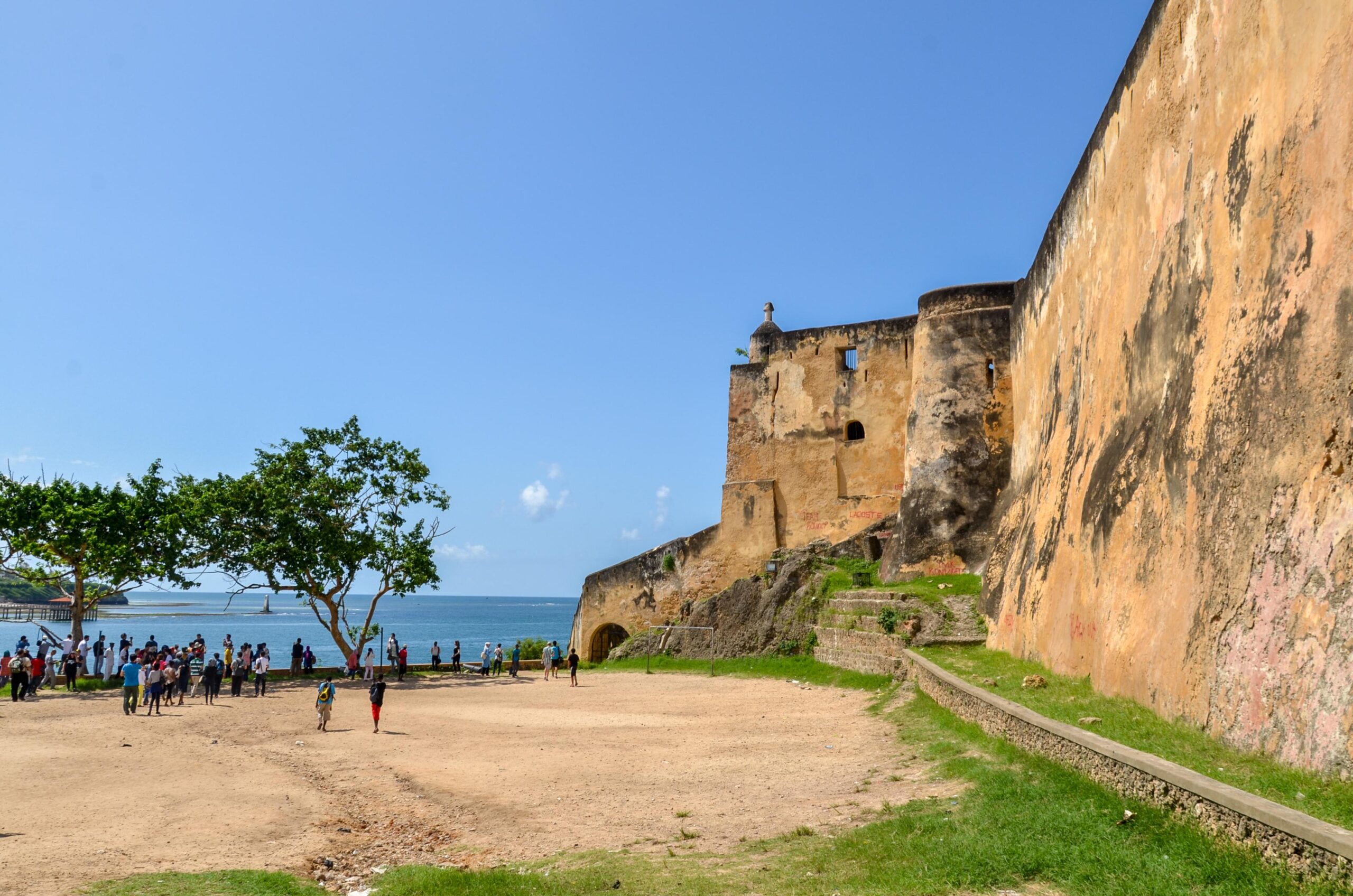
One of Kenya’s most significant historical attractions is Fort Jesus.
Built by the Portuguese in the late sixteenth century, the fort reflects the strategic importance of Mombasa in the Indian Ocean trading world.
Its architecture, defensive walls, courtyards and historic structures provide an introduction to the commercial, military and political competition that shaped the East African coastline.
A guided visit can help travellers understand:
-
Portuguese involvement in the Indian Ocean.
-
The historical importance of Mombasa as a trading port.
-
The arrival and influence of different maritime powers.
-
The development of coastal settlements.
-
The architectural and military history of the fort.
Fort Jesus is particularly interesting for travellers combining historical sightseeing with Mombasa’s beaches and coastal attractions.
B. Lamu Old Town: Discover the Swahili Civilisation

Lamu Old Town is among the most remarkable historical destinations in East Africa.
Recognised as a UNESCO World Heritage Site, Lamu is renowned for its preserved Swahili architecture, narrow winding streets, coral-stone buildings, intricately carved wooden doors and traditional courtyards.
The town reflects centuries of interaction between African coastal communities and trading networks extending across Arabia, Persia, India and other parts of the Indian Ocean.
Visitors can explore:
-
Traditional Swahili houses and architecture.
-
Historic mosques and religious landmarks.
-
Traditional waterfront settlements.
-
Local markets and craft workshops.
-
Swahili cuisine and culinary traditions.
-
Maritime history and traditional dhow sailing.
-
Cultural festivals and local community life.
Lamu is particularly suitable for travellers interested in architecture, history, photography, heritage preservation and authentic coastal experiences.
Its living character is equally important. It is not simply an archaeological attraction but a functioning historic town where local residents continue their daily lives and traditions.
C. Gedi Ruins: An Ancient Swahili Trading Settlement
 The Historic Town and Archaeological Site of Gedi provides an exceptional opportunity to explore the remains of an ancient Swahili settlement.
Located near Malindi and surrounded by coastal forest, Gedi flourished as an important urban centre between approximately the tenth and seventeenth centuries.
The archaeological remains include:
-
Stone houses and residential structures.
-
A grand mosque.
-
Palace remains.
-
Ancient tombs.
-
Historic streets and settlement walls.
-
Wells and water-management infrastructure.
The site provides evidence of sophisticated urban development and international commercial connections across the Indian Ocean.
Objects recovered from Gedi, including imported goods, demonstrate its historical connections with trading centres beyond East Africa.
Gedi was inscribed on the UNESCO World Heritage List in 2024, making it an especially valuable addition to a Kenya heritage itinerary.
D. Nairobi National Museums and Kenya’s Historical Collections

The Nairobi National Museum is an important destination for travellers seeking an introduction to Kenya’s history, archaeology, natural heritage and cultural diversity.
Museum collections provide context for understanding Kenya’s historical development, early human history, traditional communities, art and natural environment.
A Nairobi heritage excursion can also incorporate:
-
Historical landmarks within the capital.
-
Cultural and artistic galleries.
-
Local craft markets.
-
Traditional Kenyan cuisine.
-
Important public monuments.
-
Contemporary Kenyan cultural experiences.
For visitors beginning or ending a safari in Nairobi, a city heritage tour offers an excellent way to enrich the overall holiday.
E. Thimlich Ohinga: Ancient Dry-Stone Architecture

Located in western Kenya, Thimlich Ohinga is an important archaeological site featuring impressive dry-stone enclosure structures.
Its walls and settlement layout demonstrate the architectural and organisational skills of communities that inhabited the region.
The site provides an opportunity to learn about historical settlement patterns, construction methods and the development of communities in the Lake Victoria region.
It is particularly interesting for travellers seeking destinations beyond Kenya’s conventional safari circuit.
F. Other Important Kenyan Heritage Experiences
Kenya’s historical attractions extend beyond its major coastal towns and archaeological sites.
Other destinations worth considering include:
-
Sacred Mijikenda Kaya Forests: Sacred forest landscapes associated with the heritage and spiritual traditions of Mijikenda communities.
-
Karen Blixen Museum: A historic residence associated with the colonial-era history of the Nairobi region.
-
Hyrax Hill Prehistoric Site: An archaeological destination offering insight into prehistoric settlement.
-
Koobi Fora: An internationally significant region for understanding human evolution and palaeoanthropology.
-
Lamu Museum: A cultural institution introducing visitors to Swahili history and coastal traditions.
Kenya can also offer opportunities to combine historical discovery with a Maasai Mara safari, Amboseli wildlife experience, Mount Kenya holiday or Indian Ocean beach extension.
3. Historical and Cultural Tours in Tanzania

Tanzania has an exceptionally diverse historical and cultural landscape.
Its heritage includes ancient rock art, archaeological discoveries, historic Swahili trading settlements, traditional kingdoms, mountain communities, coastal towns and the cultural influences of Indian Ocean trade.
A historical holiday in Tanzania can be combined with wildlife destinations such as Serengeti National Park, Ngorongoro Conservation Area and Tarangire National Park.
A. Stone Town, Zanzibar: A Journey Through Indian Ocean History
 Stone Town is one of East Africa’s most important historical urban destinations.
Its architecture and cultural identity reflect centuries of interaction between African coastal societies and traders and settlers from Arabia, Persia, India and Europe.
The town’s narrow streets, carved wooden doors, historic buildings, mosques and waterfront structures provide a fascinating introduction to Swahili coastal civilisation.
A guided historical tour can explore:
-
The historical development of the Swahili coast.
-
The influence of Indian Ocean commerce.
-
Zanzibar’s sultanate history.
-
The history of the slave trade and its abolition.
-
Traditional architecture and urban planning.
-
The development of local cuisine and artistic traditions.
-
The continuing importance of Swahili language and culture.
Important attractions include the Old Fort, the former slave market and Anglican Cathedral complex, the Palace Museum and other historic buildings, subject to current opening arrangements.
Stone Town’s UNESCO recognition makes it a particularly valuable destination for heritage-focused travel.
B. Kilwa Kisiwani and Songo Mnara: Ancient Maritime Civilisations
 The historic ruins of Kilwa Kisiwani and Songo Mnara offer an extraordinary opportunity to explore the history of medieval Swahili civilisation.
These settlements were important centres of maritime trade, connecting the East African coast with commercial networks across the Indian Ocean.
Their remains include mosques, palaces, residential buildings and other structures constructed using coral stone.
Travellers interested in archaeology and ancient trading networks will find these destinations particularly rewarding.
The visits require additional logistical planning compared with the more accessible northern safari circuit, making them especially suitable for travellers with a dedicated historical interest.
C. Kondoa Rock-Art Sites: Ancient Artistic Expression
 The Kondoa Rock-Art Sites are among Tanzania’s most fascinating archaeological attractions.
The rock shelters contain ancient paintings depicting animals, human figures and other forms of artistic expression.
These works provide insights into the history of human settlement, artistic traditions and relationships between people and their environments.
For travellers interested in ancient art, archaeology and human history, Kondoa offers a distinctive experience far removed from conventional wildlife tourism.
D. Olduvai Gorge: Understanding Human Origins
 Olduvai Gorge is internationally recognised for its importance in palaeoanthropology and the study of human evolution.
The area has produced important archaeological and fossil discoveries that have contributed significantly to scientific understanding of early human history.
A visit introduces travellers to:
-
Important discoveries associated with early human evolution.
-
Archaeological research in East Africa.
-
The geological formation of the gorge.
-
The relationship between prehistoric environments and human development.
-
The scientific importance of fossil preservation.
Olduvai Gorge can be incorporated into a northern Tanzania safari, especially when travelling between the Ngorongoro area and the Serengeti.
E. Bagamoyo: A Historic Coastal Town
 Bagamoyo has an important place in Tanzania’s coastal history.
The town was associated with nineteenth-century Indian Ocean trade, caravan routes, missionary activities and the history of the slave trade.
Its heritage includes historic buildings, religious landmarks and sites associated with the town’s commercial and colonial past.
A guided visit provides an opportunity to understand the wider history of coastal Tanzania and the connections between inland trade routes and the Indian Ocean.
F. Chagga Heritage and Traditional Life Around Mount Kilimanjaro
 The foothills of Mount Kilimanjaro offer opportunities to explore the heritage of the Chagga communities.
Cultural experiences may introduce travellers to traditional farming, coffee production, food, local architecture and the historical relationship between communities and the mountain environment.
A cultural excursion can include:
-
Traditional coffee preparation.
-
Village and agricultural experiences.
-
Local food tasting.
-
Historical irrigation systems.
-
Guided walks through cultivated landscapes.
-
Traditional crafts and storytelling.
This experience is particularly suitable for travellers combining Kilimanjaro trekking with a cultural holiday or northern Tanzania safari.
4. Historical and Cultural Tours in Uganda

Uganda has a fascinating historical landscape shaped by traditional kingdoms, ancient settlement patterns, religious developments, colonial encounters and modern national history.
The country is particularly interesting for visitors who want to understand the development of its traditional political institutions and cultural heritage.
A Uganda historical itinerary can be combined with gorilla trekking, chimpanzee tracking, wildlife safaris, Lake Victoria excursions and mountain adventures.
A. Kasubi Tombs: The Royal Heritage of Buganda
 The Kasubi Tombs are among Uganda’s most important cultural heritage attractions.
The site is associated with the royal burial traditions of the Buganda Kingdom and provides insight into the kingdom’s history, royal institutions and spiritual traditions.
Its traditional architectural design and historical importance make it a particularly significant destination for understanding Uganda’s cultural development.
Visitors can learn about:
-
The history of the Buganda Kingdom.
-
Traditional royal institutions.
-
Royal burial customs.
-
Traditional architecture.
-
Cultural leadership and heritage preservation.
The tombs are recognised as a UNESCO World Heritage Site. Access and the status of individual structures should be checked before travel because the site has undergone restoration following a devastating fire in 2010.
B. Mengo Palace and the Buganda Kingdom
 Mengo Palace provides another opportunity to explore the historical significance of the Buganda Kingdom.
A wider Buganda heritage excursion may include other important royal and cultural landmarks, subject to access arrangements.
These visits can help visitors understand traditional leadership, royal institutions, the kingdom’s historical development and its relationship with modern Uganda.
C. Bigo bya Mugenyi: Ancient Earthworks
 Located in western Uganda, Bigo bya Mugenyi is an archaeological landscape featuring extensive earthworks.
The site is associated with historical settlement and political developments in the region.
It is an interesting destination for travellers seeking archaeological attractions beyond the more widely visited national parks.
D. Fort Patiko: A Window Into Nineteenth-Century History

Fort Patiko is a historic site associated with nineteenth-century regional history and the activities of Samuel Baker.
The remains provide an opportunity to discuss the historical trade networks and political developments that affected northern Uganda.
It can be incorporated into a broader northern Uganda journey, although transport and accommodation arrangements need careful planning.
E. Uganda’s Cultural Museums and Traditional Heritage
 The Uganda Museum provides an introduction to the country’s ethnographic, historical and natural heritage.
A visit can complement a wider exploration of Uganda’s traditional kingdoms and regional communities.
Other cultural experiences worth considering include:
-
Traditional music and dance.
-
Local craft-making.
-
Baganda cultural heritage.
-
Bagisu traditions around Mount Elgon.
-
Karamojong heritage in northeastern Uganda.
-
Batwa heritage experiences in southwestern Uganda, where community-led visits are available.
For more on living cultural traditions, travellers can also explore Astute’s East African cultural safaris guide.
5. Historical and Cultural Tours in Rwanda

Rwanda offers a compelling combination of royal history, traditional architecture, museums, contemporary heritage and important sites of remembrance.
The country’s cultural experiences can be incorporated into journeys that also include mountain gorilla trekking, chimpanzee tracking, national parks and Lake Kivu.
A. King’s Palace Museum, Nyanza
The King’s Palace Museum is an important destination for understanding Rwanda’s royal history.The museum introduces visitors to traditional royal architecture, historical leadership and aspects of the country’s cultural development.
Its traditional palace structure and historical interpretation make it an interesting destination for travellers seeking a deeper understanding of Rwanda’s past.
B. Rwanda’s Ethnographic Museum in Huye
 The Ethnographic Museum contains collections that introduce visitors to Rwanda’s traditional life, material culture, craftsmanship and social history.
Its collections provide useful context for understanding:
-
Traditional household objects.
-
Agricultural tools.
-
Traditional clothing.
-
Basketry and crafts.
-
Music and cultural expression.
-
Historical lifestyles and social organisation.
For educational travellers, the museum offers an excellent introduction to the country’s heritage.
C. Kigali Genocide Memorial: A Place of Remembrance 
The Kigali Genocide Memorial is one of the country’s most important places of remembrance.
It commemorates the victims of the 1994 Genocide against the Tutsi and provides historical documentation and educational interpretation.
A visit is a solemn experience that requires sensitivity and respect.
Visitors can learn about the historical circumstances leading to the genocide, the human consequences, remembrance and the importance of reconciliation and peacebuilding.
This experience should never be treated as ordinary sightseeing or entertainment. Travellers should allow sufficient time for reflection and follow the memorial’s visitor guidelines.
D. Traditional Rwandan Music, Dance and Craftsmanship
 Rwanda’s living cultural heritage includes music, dance, storytelling, basketry and other traditional crafts.
The Intore dance tradition is particularly recognised for its energetic movements, distinctive costumes and rhythmic performances.
Visitors may also explore traditional basket weaving, local pottery, craft cooperatives and food experiences, depending on the location and participating hosts.
These experiences are especially valuable when arranged through local cultural organisations and artisans who benefit directly from visitor participation.
E. Rwanda’s Historic and Cultural Landscapes
A wider Rwandan heritage itinerary can incorporate:
-
Historical sites associated with traditional royal institutions.
-
Museums and cultural centres.
-
Historic churches and religious landmarks.
-
Agricultural heritage experiences.
-
Local markets and craft cooperatives.
-
Cultural experiences around Musanze and Lake Kivu.
Rwanda is particularly suitable for combining historical discovery with a gorilla trekking holiday in Volcanoes National Park.
6. Zanzibar: Swahili Heritage, Maritime History and Coastal Traditions

Although Zanzibar forms part of Tanzania, its distinctive historical and cultural identity deserves special attention.
The islands have long been associated with maritime commerce, Swahili civilisation, Indian Ocean trading networks and the development of coastal settlements.
Zanzibar’s historical importance is reflected in its architecture, language, cuisine, religious traditions and traditional maritime activities.
A. The Old Fort of Zanzibar
 The Old Fort is one of the island’s most recognisable historical buildings.
Its architecture reflects the defensive and political importance of Zanzibar during earlier periods.
Today, the site is associated with cultural events, local crafts and visitor activities, although current programmes and access should be confirmed.
B. Zanzibar’s Spice Heritage
 Zanzibar is internationally associated with spice production and the historical spice trade.
A guided spice excursion can introduce travellers to cloves, cinnamon, nutmeg, cardamom, vanilla and other tropical crops.
Visitors can learn about:
-
The history of spice cultivation.
-
The development of the island’s agricultural economy.
-
Traditional uses of spices.
-
Local food preparation.
-
Farming and processing techniques.
-
The relationship between agriculture and coastal trade.
Spice experiences are particularly enjoyable for families, food enthusiasts and travellers interested in agricultural heritage.
C. Traditional Dhow Sailing and Maritime Heritage

Traditional dhows are closely associated with the maritime history of the East African coastline.
Historically, these vessels connected coastal trading communities across the Indian Ocean.
A responsibly organised sailing experience can introduce visitors to traditional boat construction, coastal navigation, fishing livelihoods and the importance of the sea to Swahili culture.
D. Zanzibar’s Food and Culinary Traditions

Zanzibar’s cuisine reflects the island’s rich cultural history.
Its culinary traditions incorporate African, Arab, Indian and other influences.
Travellers can explore:
-
Zanzibar pilau.
-
Biryani.
-
Coconut-based curries.
-
Seafood dishes.
-
Chapati and local breads.
-
Spiced tea and coffee.
-
Tropical fruits and locally prepared snacks.
A food-focused excursion provides another way to understand the island’s history and cultural connections.
7. Discovering East Africa’s Traditional Kingdoms and Indigenous Heritage
 East Africa’s historical heritage is not limited to ancient ruins and colonial-era buildings.
The region also has a rich history of traditional kingdoms, indigenous knowledge systems, oral traditions and social institutions.
These heritage experiences provide a more complete understanding of the region’s development.
Some important cultural themes include:
Traditional kingdoms: The Buganda Kingdom in Uganda and Rwanda’s royal heritage provide opportunities to explore historical systems of leadership, political organisation and cultural identity.
Pastoral heritage: Maasai, Samburu, Turkana, Rendille and other pastoral communities offer insight into livestock keeping, traditional knowledge and adaptation to dryland environments.
Forest heritage: Batwa communities in parts of Uganda and the wider Great Lakes region have longstanding connections with forest environments.
Coastal civilisation: Swahili communities along Kenya and Tanzania’s coast preserve important maritime, architectural, religious and culinary traditions.
Agricultural heritage: Communities around Mount Kilimanjaro, Mount Kenya and Rwanda’s highlands provide opportunities to explore traditional farming and food production.
For a deeper exploration of communities, traditional livelihoods and cultural experiences, see our dedicated East African cultural safari article.
8. Ancient Archaeology, Human Origins and Historical Discoveries in East Africa
 East Africa has an extraordinary place in the study of human origins and ancient settlement.
Its archaeological sites, fossil discoveries, prehistoric landscapes and ancient rock art attract researchers, students and travellers interested in understanding humanity’s past.
Some important destinations include:
|
Destination |
Historical interest |
|---|---|
|
Olduvai Gorge, Tanzania |
Human evolution and archaeological discoveries |
|
Koobi Fora, Kenya |
Fossils and early human history |
|
Kondoa, Tanzania |
Ancient rock art |
|
Gedi, Kenya |
Medieval Swahili urban settlement |
|
Thimlich Ohinga, Kenya |
Ancient dry-stone architecture |
|
Bigo bya Mugenyi, Uganda |
Archaeological earthworks |
|
Kilwa Kisiwani, Tanzania |
Medieval maritime civilisation |
These destinations can be incorporated into educational journeys, specialist heritage holidays and tailor-made historical expeditions.
Travellers should understand that archaeological sites are protected heritage resources. Visitors should not remove objects, disturb structures or enter restricted areas.
9. UNESCO World Heritage Sites Worth Exploring in East Africa
 UNESCO World Heritage recognition identifies places considered to have outstanding universal value.
East Africa contains a remarkable collection of cultural heritage sites, many of which are suitable for historical and cultural itineraries.
Some particularly relevant examples include:
|
Country |
Heritage destination |
|---|---|
|
Kenya |
Fort Jesus |
|
Kenya |
Lamu Old Town |
|
Kenya |
Sacred Mijikenda Kaya Forests |
|
Kenya |
Historic Town and Archaeological Site of Gedi |
|
Kenya |
Thimlich Ohinga |
|
Tanzania |
Stone Town of Zanzibar |
|
Tanzania |
Kilwa Kisiwani and Songo Mnara |
|
Tanzania |
Kondoa Rock-Art Sites |
|
Uganda |
Tombs of Buganda Kings at Kasubi |
The selection above focuses on cultural heritage rather than the region’s natural World Heritage properties. UNESCO’s official listings should be consulted for current site information and conservation updates.
10. Combining Historical and Cultural Tours with Wildlife Safaris

One of the greatest advantages of travelling in East Africa is the opportunity to combine historical and cultural discovery with wildlife experiences.
Rather than treating heritage visits as separate holidays, travellers can incorporate them into a broader safari itinerary.
Kenya: History, Culture and Wildlife
A Kenya itinerary could combine:
-
Nairobi’s historical attractions.
-
Maasai Mara wildlife viewing.
-
A locally hosted cultural experience.
-
Fort Jesus in Mombasa.
-
Gedi archaeological ruins.
-
Lamu Old Town.
-
A relaxing Indian Ocean beach holiday.
Tanzania: Ancient History and Wildlife
A Tanzania journey could combine:
-
Arusha cultural experiences.
-
Tarangire National Park.
-
Serengeti National Park.
-
Ngorongoro Conservation Area.
-
Olduvai Gorge.
-
Hadzabe and Datoga heritage experiences around Lake Eyasi, where locally arranged visits are available.
-
Stone Town and Zanzibar’s coastal heritage.
Uganda: Royal Heritage and Wildlife
A Uganda holiday could include:
-
Kampala city heritage.
-
Kasubi Tombs, subject to access.
-
Buganda royal heritage.
-
Murchison Falls National Park.
-
Kibale Forest chimpanzee tracking.
-
Bwindi gorilla trekking.
-
Batwa cultural experiences where appropriate community-led arrangements are available.
Rwanda: Cultural Heritage and Gorilla Trekking
A Rwanda journey could combine:
-
Kigali’s cultural and historical attractions.
-
Kigali Genocide Memorial.
-
King’s Palace Museum.
-
Ethnographic Museum.
-
Volcanoes National Park gorilla trekking.
-
Lake Kivu relaxation.
-
Nyungwe Forest experiences.
Multi-Country East African Heritage Journeys
Travellers with more time can combine Kenya, Tanzania, Uganda, Rwanda and Zanzibar into one personalised holiday.
Such itineraries can include different historical periods, cultural traditions and landscapes, providing a more comprehensive understanding of the region.
Explore our African holiday destinations and multi-country safari ideas when considering a broader journey.
11. Suggested Historical and Cultural Tour Itineraries in East Africa
 Historical and cultural holidays can be arranged as short excursions, dedicated heritage journeys or extended multi-country itineraries.
The following examples illustrate how Astute Africa Safaris can organise different experiences according to travellers’ interests, available time and preferred accommodation.
Itinerary 1: Kenya Historical and Coastal Heritage – 7 Days
Suggested itinerary

|
Day |
Destination and activities |
|---|---|
|
Day 1 |
Arrive in Nairobi. Explore selected historical attractions and the National Museum. |
|
Day 2 |
Travel to Mombasa. Discover Fort Jesus and the historic Old Town. |
|
Day 3 |
Explore the coastal heritage and traditional architecture of Mombasa. |
|
Day 4 |
Visit Gedi archaeological ruins and discover ancient Swahili civilisation. |
|
Day 5 |
Travel towards Lamu and explore the island’s coastal setting. |
|
Day 6 |
Guided historical walk through Lamu Old Town, local markets and cultural attractions. |
|
Day 7 |
Enjoy a relaxed coastal morning before departure. |
Itinerary 2: Tanzania Historical and Zanzibar Heritage – 10 Days

|
Day |
Destination and activities |
|---|---|
|
Day 1 |
Arrive in Arusha and enjoy a relaxed city introduction. |
|
Day 2 |
Discover local cultural heritage and traditional crafts. |
|
Day 3 |
Travel towards the Ngorongoro region. |
|
Day 4 |
Explore Olduvai Gorge and its archaeological significance. |
|
Day 5 |
Discover the Ngorongoro landscape and wildlife. |
|
Day 6 |
Fly or travel to Zanzibar. |
|
Day 7 |
Explore Stone Town and its historical landmarks. |
|
Day 8 |
Visit a spice farm and learn about Zanzibar’s agricultural heritage. |
|
Day 9 |
Enjoy traditional dhow sailing and coastal experiences. |
|
Day 10 |
Relax before departure. |
Itinerary 3: Uganda Royal Heritage and Wildlife – 8 Days

|
Destination and activities |
|
|---|---|
|
Day 1 |
Arrive in Entebbe and transfer to Kampala. |
|
Day 2 |
Explore Uganda Museum and selected Kampala heritage attractions. |
|
Day 3 |
Discover Buganda heritage and visit Kasubi Tombs, subject to access. |
|
Day 4 |
Travel towards Murchison Falls National Park. |
|
Day 5 |
Enjoy wildlife viewing and a Nile River experience. |
|
Day 6 |
Explore local heritage and the surrounding region. |
|
Day 7 |
Return towards Entebbe. |
|
Day 8 |
Departure. |
Itinerary 4: Rwanda Historical and Cultural Discovery – 6 Days

|
Day |
Destination and activities |
|---|---|
|
Day 1 |
Arrive in Kigali and enjoy a city introduction. |
|
Day 2 |
Visit the Kigali Genocide Memorial and selected cultural attractions. |
|
Day 3 |
Travel to Nyanza and visit the King’s Palace Museum. |
|
Day 4 |
Explore Huye and the Ethnographic Museum. |
|
Day 5 |
Travel towards Lake Kivu for relaxation and cultural experiences. |
|
Day 6 |
Return to Kigali for departure. |
Itinerary 5: Grand East African Historical and Cultural Expedition – 18 Days
 This extended itinerary is suitable for travellers wanting to discover several East African countries in one journey.
|
Days |
Destination |
Main experiences |
|---|---|---|
|
1–4 |
Kenya |
Nairobi heritage, Fort Jesus, Gedi and Swahili coastal history |
|
5–8 |
Tanzania |
Arusha, northern Tanzania heritage and Olduvai Gorge |
|
9–11 |
Zanzibar |
Stone Town, spice heritage and maritime traditions |
|
12–14 |
Uganda |
Kampala, Buganda royal heritage and cultural museums |
|
15–18 |
Rwanda |
Kigali, Nyanza royal heritage and cultural discovery |
These are suggested routing concepts, not confirmed departure schedules. Actual sequencing, transport, site access and available experiences depend on travel dates and logistics.
12. Best Time to Enjoy Historical and Cultural Tours in East Africa
 Historical and cultural attractions in East Africa can generally be explored throughout the year. However, weather conditions, accessibility, road conditions and the type of experiences travellers want to enjoy can influence the best travel period.
Kenya
Kenya’s coastal heritage destinations, Nairobi museums and historical attractions can be visited throughout the year.
For journeys combining cultural exploration with wildlife safaris, the drier months are often attractive because of generally more favourable conditions for wildlife viewing and road travel.
Tanzania
Historical sites around Arusha, Kilwa, Bagamoyo and Zanzibar can be explored in different seasons.
The northern safari circuit is particularly popular during the drier periods, while Zanzibar’s coastal weather should be considered when planning sailing, beach and outdoor activities.
Uganda
Uganda’s cultural attractions and museums are available throughout the year, subject to opening schedules.
For itineraries combining heritage visits with gorilla trekking or chimpanzee tracking, travellers should also consider permit availability, forest conditions and road accessibility.
Rwanda
Rwanda’s museums, cultural institutions and historical attractions can be visited throughout the year.
Travellers combining cultural discovery with gorilla trekking should consider seasonal rainfall, trekking conditions and permit availability.
Zanzibar
Zanzibar’s historical attractions, spice farms and cultural experiences are available throughout much of the year.
Weather and sea conditions can influence the suitability of certain marine excursions and traditional sailing activities.
Our recommendation: Choose your travel period according to the complete holiday rather than one attraction alone. A multi-country itinerary requires careful coordination of weather, flights, transfers and activity availability.
13. Responsible Historical and Cultural Tourism: Preserving Africa’s Heritage

Historical and cultural tourism can contribute to the preservation of important heritage resources while supporting local communities.
However, responsible tourism requires more than simply visiting historic locations or purchasing souvenirs.
It involves respecting local communities, protecting cultural resources and ensuring that tourism activities contribute positively to the places being visited.
Respecting Local Traditions and Beliefs
Some cultural and historical sites have religious, spiritual or ceremonial significance.
Visitors should follow local guidance concerning dress, photography, access and behaviour.
Sacred places should not be treated as ordinary sightseeing attractions.
Supporting Local Artisans and Small Businesses
Purchasing locally made crafts, using local guides and supporting community-owned enterprises can help sustain traditional skills and livelihoods.
Travellers can explore:
-
Traditional basket weaving.
-
Beadwork and jewellery.
-
Wood carving.
-
Pottery.
-
Textile production.
-
Traditional food preparation.
-
Local music and artistic performances.
Whenever possible, purchase directly from artisans and pay fair prices.
Protecting Archaeological and Historical Sites
Historical sites are irreplaceable resources.
Visitors should avoid removing artefacts, touching fragile structures, climbing restricted monuments or leaving litter.
Professional guides and responsible operators can help travellers understand site regulations and conservation requirements.
Ensuring Community Participation
Cultural tourism should involve communities in decisions about how their heritage is presented.
Visitors should choose experiences that are locally organised, transparent about fees and respectful of community wishes.
Promoting Conservation and Sustainable Tourism
Heritage preservation and environmental protection are closely connected.
Many historical destinations are surrounded by forests, coastal ecosystems, agricultural landscapes and other sensitive environments.
Responsible travel can support conservation, local employment and long-term heritage protection.
Read more about our approach to sustainable tourism and environmental responsibility.
14. Historical and Cultural Tours for Families, Students and Educational Travellers

Historical and cultural journeys are suitable for different types of travellers, including families, students, educational groups, researchers and independent holidaymakers.
Family Heritage Holidays
Families can enjoy destinations such as Nairobi museums, Lamu Old Town, Stone Town and cultural centres in Rwanda and Uganda.
These experiences can introduce children to geography, history, architecture, different languages and cultural traditions.
Itineraries should be designed around children’s ages, interests, travel tolerance and the sensitivity of particular historical attractions.
Educational and Student Tours
East Africa provides opportunities for educational travel focused on:
-
African history.
-
Archaeology.
-
Anthropology.
-
Human evolution.
-
Geography.
-
Architecture.
-
Conservation.
-
Cultural heritage.
-
Traditional economies.
-
Maritime trade and global connections.
School and university groups can benefit from guided visits, museum experiences and educational interpretation.
Any specialist research activities or access to protected collections require appropriate institutional permission.
Photography and Heritage Exploration
Historic towns, ancient ruins, museums, traditional architecture and cultural landscapes provide fascinating opportunities for photography.
Travellers should always seek permission before photographing individuals, ceremonies, private homes or sensitive sites.
Luxury Historical and Cultural Holidays
Historical travel does not need to mean basic accommodation or complicated logistics.
A luxury heritage itinerary can include carefully selected boutique hotels, premium lodges, private transport, specialist local guides, private excursions where available and relaxing coastal stays.
Astute Africa Safaris can combine historical discovery with luxury safari accommodation and personalised travel arrangements.
15. How Much Do Historical and Cultural Tours in East Africa Cost?

The cost of historical and cultural tours in East Africa depends on several factors.
Unlike a standard sightseeing excursion, a tailor-made heritage holiday may involve different destinations, private transport, specialist guides, accommodation, domestic flights and entrance fees.
The main factors affecting the overall price include:
|
Cost factor |
How it affects the holiday |
|---|---|
|
Destination |
Some remote historical attractions require additional transport. |
|
Accommodation |
Budget hotels, boutique properties and luxury resorts have different rates. |
|
Transport |
Private vehicles, domestic flights and boat transfers influence costs. |
|
Guide services |
Specialist historical and cultural guides may affect the budget. |
|
Entrance fees |
Museums, monuments and archaeological sites may charge admission. |
|
Length of stay |
Longer itineraries generally involve higher overall expenditure. |
|
Group size |
Private arrangements and group travel have different per-person costs. |
|
Multi-country travel |
Flights, border crossings and additional logistics influence pricing. |
Budget and Mid-Range Heritage Holidays
Travellers seeking affordable experiences can consider shared excursions, comfortable guesthouses, locally operated cultural activities and carefully planned transport.
Luxury Heritage Holidays
Luxury travellers may prefer private guides, boutique hotels, premium coastal accommodation, exclusive transfers and personalised sightseeing.
Family and Group Heritage Holidays
Families and educational groups can benefit from coordinated transport, accommodation arrangements and experiences suitable for different ages.
Astute Africa Safaris prepares personalised quotations based on the actual itinerary, travel dates, group size and accommodation preferences rather than presenting a generic price that may not reflect the traveller’s requirements.
16. How to Plan a Historical and Cultural Tour in East Africa

Planning a successful heritage holiday requires selecting the right destinations and allowing enough time to understand them.
We recommend considering the following:
1. Identify your historical interests.
Decide whether you are most interested in ancient civilisations, archaeology, African kingdoms, Swahili history, architecture, museums, religious heritage or traditional cultures.
2. Select the countries and destinations.
Choose Kenya, Tanzania, Uganda, Rwanda and Zanzibar according to your interests and available travel time.
3. Decide how much time you have.
A short holiday may focus on one city or coastal destination, while a longer journey can incorporate several countries.
4. Choose the appropriate accommodation.
Consider the location of hotels and lodges in relation to the historical attractions you want to visit.
5. Arrange knowledgeable local guides.
A good guide adds historical context and helps visitors understand the significance of the places they explore.
6. Check site access and opening arrangements.
Museums, archaeological attractions and heritage institutions may have different opening hours, admission requirements and access restrictions.
7. Review travel documentation.
Check passport validity, entry requirements, visas and any necessary permits for your destinations.
For practical preparation, consult our guide to East African safari visa requirements.
8. Plan the right balance of activities.
Avoid filling every day with sightseeing. Allow time for relaxation, meals, local experiences and spontaneous exploration.
9. Consider combining heritage and wildlife.
East Africa is particularly rewarding when historical and cultural experiences are combined with wildlife safaris, nature excursions and coastal holidays.
10. Book with clear terms and conditions.
Review payment arrangements, cancellation policies and booking requirements before confirming your holiday. See our booking terms and conditions.
17. Why Choose Astute Africa Safaris for Historical and Cultural Tours in East Africa?

At Astute Africa Safaris, we understand that travellers have different interests, expectations and reasons for exploring Africa.
Some want to discover ancient civilisations and archaeological sites. Others are fascinated by traditional kingdoms, historical architecture, Swahili civilisation, museums, local food or the cultural traditions of different communities.
Our approach is to listen to the traveller, understand the journey and design the itinerary around the experience they want.
As a locally owned Kenyan tour operator based in Nairobi, we plan personalised African holidays with a strong focus on East African destinations.
Our historical and cultural travel arrangements can include:
-
Tailor-made historical itineraries.
-
Kenya heritage and archaeological tours.
-
Tanzania historical and cultural experiences.
-
Uganda royal heritage and cultural discovery.
-
Rwanda museums and historical attractions.
-
Zanzibar Swahili heritage and coastal holidays.
-
Private guided sightseeing.
-
Luxury and mid-budget accommodation.
-
Family-friendly historical holidays.
-
Educational and specialist heritage journeys.
-
Multi-country East African itineraries.
-
Safari and beach combinations.
We also recognise the importance of responsible tourism, respectful community engagement and the preservation of cultural and natural heritage.
Our aim is not simply to arrange visits to attractions. It is to create journeys that give travellers a better understanding of the places they visit and the stories behind them.
Whether you want a short historical excursion, a dedicated cultural holiday, a luxury heritage journey or a comprehensive multi-country expedition, we can help you develop an itinerary that reflects your interests.
18. Frequently Asked Questions About Historical and Cultural Tours in East Africa

1. What are the best historical and cultural tours in East Africa?
Some of the most rewarding experiences include exploring Lamu Old Town, Fort Jesus, Gedi Ruins and Thimlich Ohinga in Kenya; Stone Town, Kilwa Kisiwani and Olduvai Gorge in Tanzania; Kasubi Tombs in Uganda; and the King’s Palace Museum and Kigali Genocide Memorial in Rwanda.
The best itinerary depends on your interests and travel time.
2. Which East African country is best for historical tourism?
Each country offers different historical experiences.
Kenya is particularly interesting for Swahili heritage, archaeological sites and coastal history. Tanzania offers ancient maritime settlements, rock art and archaeological attractions. Uganda provides insight into traditional kingdoms, while Rwanda offers royal heritage, museums and important places of remembrance.
Zanzibar is especially rewarding for Swahili and Indian Ocean history.
3. Can I combine historical tours with an African safari?
Yes. Historical and cultural experiences can be combined with wildlife safaris in Kenya, Tanzania, Uganda and Rwanda.
For example, travellers can explore Olduvai Gorge during a northern Tanzania safari or combine Buganda heritage with a Uganda wildlife holiday.
4. Are there UNESCO World Heritage Sites in East Africa?
Yes. Examples include Lamu Old Town, Fort Jesus, Gedi, Thimlich Ohinga, Stone Town of Zanzibar, Kilwa Kisiwani and Songo Mnara, Kondoa Rock-Art Sites and Kasubi Tombs.
5. How many days are needed for a historical and cultural tour in East Africa?
A short heritage excursion may take one to three days. A dedicated country itinerary may require approximately six to ten days, while a multi-country expedition may need two to three weeks or longer.
The ideal duration depends on the number of destinations and the travel pace.
6. Are historical and cultural tours suitable for children?
Many historical and cultural attractions are suitable for families, including museums, historic towns, craft workshops and selected guided heritage experiences.
Some sites, particularly memorials and archaeological locations with challenging terrain, require age-appropriate planning and additional consideration.
7. Can I arrange private historical tours in East Africa?
Yes. Private historical tours can be arranged around individual interests, preferred accommodation, travel dates and group size, subject to destination access and guide availability.
8. What is the best time to visit historical sites in East Africa?
Many historical attractions are open throughout the year. However, the best time depends on weather, accessibility and whether the itinerary also includes wildlife safaris, gorilla trekking or beach activities.
9. What is the difference between cultural tourism and historical tourism?
Historical tourism concentrates on understanding past events, ancient settlements, monuments, archaeology and historical developments.
Cultural tourism focuses on traditions, contemporary community life, food, music, language, craftsmanship and social practices.
The two forms of tourism complement each other and can be combined in one holiday.
10. Can I combine Kenya, Tanzania, Uganda, Rwanda and Zanzibar in one holiday?
Yes. Multi-country itineraries can be designed to connect different destinations through suitable flights, road transfers and other transport arrangements.
The itinerary should allow sufficient time for travel, border procedures and individual experiences.
11. Are cultural visits arranged directly with local communities?
Where suitable community-led experiences are available, visits should be arranged through appropriate local hosts and organisations.
Activities, fees, photography permissions and visitor access should be agreed in advance.
12. Can Astute Africa Safaris organise luxury historical and cultural holidays?
Yes. Astute Africa Safaris can incorporate historical attractions, cultural experiences, private guiding, premium accommodation, wildlife safaris and coastal stays into personalised luxury itineraries.
Discover East Africa Through Its History, Heritage and Living Cultures

East Africa’s history is written across its ancient settlements, historic towns, archaeological landscapes, traditional kingdoms, cultural institutions and coastal communities.
From the historic streets of Lamu and Stone Town to the archaeological significance of Gedi and Olduvai Gorge, from Uganda’s royal heritage to Rwanda’s museums and places of remembrance, every destination offers a different perspective on the region’s remarkable past.
A historical and cultural holiday offers more than an opportunity to see famous landmarks. It creates an opportunity to understand the people, events, traditions and influences that have shaped East Africa.
At Astute Africa Safaris, we invite you to discover these remarkable destinations through carefully planned and personalised journeys.
Whether you are interested in ancient civilisations, African kingdoms, Swahili heritage, archaeology, traditional architecture, museums, cultural experiences or a combination of history and wildlife, we can help you plan an unforgettable East African holiday.
Listen to the traveller. Understand the journey. Design the itinerary around the experience they want.
Plan your historical and cultural tour in East Africa with Astute Africa Safaris.
-
Website: https://astuteafricasafaris.com/
-
Email: info@astuteafricasafaris.com
-
Telephone/WhatsApp: +254 762 663 272
-
Base: Nairobi, Kenya
Enquire today and let us help you discover the history, heritage and cultural treasures of East Africa.
Leave a comment:
You must be logged in to post a comment.



Comment 01
Astute Africa Safaris,
05 May, 2026REF: Crafting Your Bespoke African Safari Experience with Astute Africa Safaris
Jambo,
Thank you for your interest in exploring the wonders of Africa with Astute Africa Safaris. We pride ourselves on creating immersive, tailor-made journeys that align perfectly with your personal interests, pace, and travel aspirations.
Because every safari is a unique narrative, we do not believe in “one-size-fits-all” pricing. To ensure we provide you with an accurate and competitive quotation that reflects the specific lodges, wildlife experiences, and logistical arrangements you desire, we invite you to connect with our team for a personalized consultation.
Please contact us at info@astuteafricasafaris.com, Whatsapp +254762663272 or fill the inquiry form with a few details regarding your preferred travel dates, group size, and specific interests (e.g., photography, luxury relaxation, or adventure trekking). Once we have these details, we will curate a comprehensive proposal designed specifically for you.
We look forward to the possibility of helping you plan an unforgettable journey.
Warm regards,
Team Astute Africa Safaris