


- 1.1k Views
- 28 Min Read
- (1) Comment
Discover East Africa Through Responsible Nature Travel
East Africa is one of the world’s most extraordinary regions for travellers seeking authentic encounters with nature, wildlife, wilderness landscapes and diverse cultures. From the expansive savannahs of Kenya and Tanzania to the tropical rainforests of Uganda and Rwanda, and the coral reefs and coastal ecosystems of Zanzibar, the region offers remarkable opportunities to explore nature while contributing to its protection.
Eco-tourism in East Africa goes beyond conventional sightseeing. It connects travellers with natural environments through responsible wildlife safaris, guided forest walks, mountain trekking, birdwatching, conservation experiences, marine exploration and meaningful community encounters.
For nature enthusiasts, these experiences offer an opportunity to understand the relationship between wildlife, ecosystems, local communities and sustainable tourism.
Whether you dream of observing elephants beneath Mount Kilimanjaro, tracking mountain gorillas through ancient forests, exploring the Serengeti wilderness, discovering rare birds in Uganda or snorkelling above Zanzibar’s coral reefs, East Africa offers a diverse range of nature-based adventures.
However, responsible eco-tourism is not simply about visiting beautiful natural places. It is also about making informed travel decisions, respecting wildlife, supporting local livelihoods, reducing environmental impacts and contributing to the long-term protection of the destinations visited.
At Astute Africa Safaris, we believe that memorable African holidays should combine exceptional travel experiences with respect for nature and the communities that make these destinations special.
We help travellers explore tailor-made safari and nature experiences across Kenya, Tanzania, Uganda, Rwanda and Zanzibar, with journeys designed around their interests, preferred travel style, available time and budget.
What Is Eco-Tourism and Why Is It Important in East Africa?
Eco-tourism is a form of responsible travel that focuses on experiencing natural environments while supporting environmental conservation, local communities and sustainable tourism practices.
Unlike tourism that concentrates exclusively on attractions and sightseeing, eco-tourism encourages visitors to understand the natural and cultural environments they explore.
Its central principles include:
- Environmental conservation: Supporting the protection of forests, wetlands, mountains, rivers, oceans and wildlife habitats.
- Wildlife protection: Observing animals responsibly without disturbing their natural behaviour.
- Community participation: Supporting locally owned businesses, community initiatives and employment opportunities.
- Environmental education: Learning about biodiversity, ecosystems, conservation challenges and responsible resource management.
- Responsible travel: Minimising waste, avoiding unnecessary environmental damage and respecting local customs.
- Long-term sustainability: Encouraging tourism practices that benefit both present and future generations.
Why East Africa Is Ideal for Eco-Tourism
East Africa contains an exceptional variety of natural environments within a relatively connected geographical region.
Travellers can experience:
- Open savannah ecosystems supporting elephants, lions, giraffes, zebras and other wildlife.
- Tropical rainforests containing chimpanzees, mountain gorillas, forest elephants and diverse birdlife.
- Mountain environments including Mount Kenya, Mount Kilimanjaro and the Virunga volcanic landscape.
- Freshwater ecosystems encompassing the Great Lakes, rivers, wetlands and waterfalls.
- Coastal ecosystems featuring mangrove forests, seagrass beds, coral reefs and marine wildlife.
- Community-managed conservancies and locally led conservation initiatives.
These natural environments make it possible to combine different forms of eco-adventure within one holiday.
1. Eco-Tourism in Kenya: Wildlife Safaris, Conservation and Wilderness Adventures
Kenya is among East Africa’s most diverse nature-tourism destinations. Its combination of savannah grasslands, mountain forests, wetlands, semi-arid landscapes, lakes and coastal ecosystems creates opportunities for different types of eco-adventures.
Travellers can explore internationally recognised wildlife destinations while discovering lesser-known conservation areas and community-based tourism initiatives.
Maasai Mara: Wildlife Conservation and Community Conservancies
The Maasai Mara is one of Africa’s most celebrated wildlife destinations. Its open grasslands support substantial populations of lions, elephants, leopards, cheetahs, giraffes, zebras and numerous other species.
The reserve and surrounding conservancies offer opportunities to learn about wildlife conservation, habitat protection and the relationship between tourism and pastoral communities.
Experiences include:
- Guided game drives to observe wildlife.
- Wildlife photography and nature observation.
- Birdwatching across grassland and riverine habitats.
- Learning about the Great Migration and its ecological importance.
- Visiting appropriately organised community initiatives.
- Staying in camps and lodges that demonstrate responsible environmental practices.
The surrounding conservancies are particularly important to understanding how tourism revenue, land stewardship and community participation can contribute to conservation.
Visitors should respect wildlife viewing guidelines and avoid operators who crowd animals or interfere with natural behaviour.
Amboseli National Park: Elephants and Mountain Ecosystems
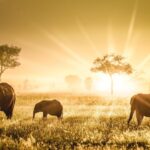
Amboseli is renowned for its large elephant herds and impressive views of Mount Kilimanjaro.
The park’s wetlands, open plains and seasonal water sources support a range of wildlife and bird species.
Eco-adventure opportunities include:
- Responsible elephant observation.
- Guided interpretation of elephant behaviour.
- Birdwatching around wetlands.
- Photography of wildlife and mountain landscapes.
- Learning about the importance of wetlands and seasonal water resources.
Amboseli is also a valuable destination for understanding human-wildlife coexistence and the conservation challenges facing communities living near protected areas.
Samburu and Northern Kenya: Unique Wildlife and Dryland Conservation
Northern Kenya offers a different safari environment from the traditional southern safari circuit.
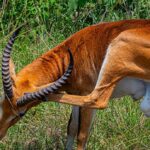
Samburu National Reserve and neighbouring conservation landscapes are known for distinctive dry-country wildlife, including Grevy’s zebra, reticulated giraffe, gerenuk and Somali ostrich.
Visitors can experience:
- Guided wildlife observation.
- Birdwatching in dry-country habitats.
- Nature photography.
- Learning about pastoral livelihoods and conservation.
- Experiences with appropriately organised community conservancies.
This region is especially appealing to repeat safari travellers and nature enthusiasts seeking less conventional wildlife landscapes.
Laikipia: Community Conservation and Wildlife Protection
Laikipia is an important destination for understanding conservation partnerships, private and community conservancies, wildlife management and human-wildlife coexistence.
Depending on the conservancy and activities available, visitors may experience guided nature walks, wildlife tracking, birdwatching and educational conservation encounters.
Some conservation landscapes support endangered species such as black rhinos and Grevy’s zebras.
Laikipia is particularly suitable for travellers interested in learning how conservation can be integrated with community livelihoods and land management.
Mount Kenya: Mountain Trekking and Forest Biodiversity
Mount Kenya offers opportunities for mountain trekking, forest exploration and high-altitude nature experiences.
Its ecosystems change with elevation, creating distinct habitats ranging from montane forest to bamboo zones, moorland and alpine vegetation.
Nature-based experiences include:
- Guided mountain hikes.
- Forest and birdwatching walks.
- Landscape photography.
- Learning about mountain biodiversity.
- Exploring the ecological importance of mountain water catchments.
Travellers should choose routes that match their fitness and acclimatisation needs and use qualified mountain guides.
Lake Nakuru and Rift Valley Lakes: Birdlife and Wetland Conservation
Kenya’s Great Rift Valley lakes are important habitats for resident and migratory birds.
Lake Nakuru National Park offers opportunities to observe flamingos when conditions favour their presence, pelicans, other waterbirds, rhinos and additional wildlife.
Lake Naivasha provides opportunities for boat-based wildlife and bird observation, subject to local regulations and water conditions.
These destinations are useful for travellers interested in understanding wetlands, freshwater biodiversity and the importance of protecting aquatic ecosystems.
Tsavo East and Tsavo West: Vast Wilderness and Elephant Conservation
Tsavo’s expansive landscapes offer a more remote wilderness atmosphere.
The parks are known for elephants, diverse birdlife, dry-country vegetation, volcanic landscapes and seasonal water sources.
Travellers can enjoy:
- Wildlife game drives.
- Nature photography.
- Birdwatching.
- Learning about elephant conservation.
- Exploring geological and ecological features.
Tsavo is also an excellent addition to itineraries combining wildlife experiences with Kenya’s Indian Ocean coastline.
Suggested Kenya eco-adventure combinations: Maasai Mara and Laikipia, Amboseli and Tsavo, or Samburu and Ol Pejeta.
2. Eco-Tourism in Uganda: Rainforests, Mountain Gorillas and Biodiversity
Uganda is one of Africa’s most rewarding destinations for nature enthusiasts because of its extraordinary biodiversity and combination of tropical forests, savannah parks, mountains, lakes and rivers.
Often associated with mountain gorilla trekking, Uganda offers much more than primate experiences.
Its landscapes support chimpanzees, forest elephants, tree-climbing lions, numerous bird species, hippos and a wide range of other wildlife.
Bwindi Impenetrable National Park: Mountain Gorilla Conservation

Its ancient rainforest is home to mountain gorillas and numerous other species, making it a remarkable destination for forest-based eco-tourism.
Mountain gorilla trekking is conducted under strict conservation regulations and requires an authorised permit.
The experience involves hiking through forest terrain with trained guides and trackers to locate an assigned gorilla family.
Important responsible trekking practices include:
- Maintaining the required distance from gorillas.
- Following ranger instructions.
- Avoiding trekking when ill.
- Not feeding or touching wildlife.
- Respecting the permitted viewing duration.
- Avoiding littering and unnecessary noise.
Gorilla tourism can support conservation and local livelihoods through regulated visitor activity, although visitors should also understand the importance of habitat protection and wider community participation.
Kibale National Park: Chimpanzee Tracking and Forest Ecology
Kibale National Park is widely recognised for its chimpanzee population and exceptional forest biodiversity.
Chimpanzee tracking provides an opportunity to observe these intelligent primates in their natural habitat.
Visitors may also encounter other primates and a wide variety of forest birds.
Activities include:
- Guided chimpanzee tracking.
- Nature walks.
- Birdwatching.
- Forest biodiversity interpretation.
- Learning about primate conservation.
Kibale is an excellent addition to an itinerary combining chimpanzee tracking with gorilla trekking in Bwindi.
Queen Elizabeth National Park: Savannah Wildlife and Wetland Ecosystems
Queen Elizabeth National Park contains diverse habitats, including savannah, wetlands, lakes and woodland.
The park supports elephants, buffaloes, lions, leopards, hippos, crocodiles and numerous bird species.
The Kazinga Channel is particularly important for water-based wildlife observation and birdwatching.
Visitors can enjoy:
- Guided game drives.
- Boat cruises along the Kazinga Channel.
- Birdwatching.
- Wildlife photography.
- Learning about wetland ecosystems and wildlife conservation.
The park’s Ishasha sector is also known for tree-climbing lions, although sightings are never guaranteed.
Murchison Falls National Park: River Adventures and Wildlife
Murchison Falls National Park combines savannah landscapes, riverine environments, woodland and the dramatic Victoria Nile.
The Nile passes through a narrow gorge at Murchison Falls, creating one of Uganda’s most impressive natural spectacles.
Eco-adventure activities include:
- Guided wildlife drives.
- Boat safaris along the Nile.
- Birdwatching.
- Nature photography.
- Guided hikes to viewpoints around the falls, where permitted.
The river ecosystem supports hippos, crocodiles, elephants and a variety of water-associated birds.
Rwenzori Mountains: Mountain Hiking and Alpine Landscapes
The Rwenzori Mountains provide one of East Africa’s most distinctive mountain adventures.
Their unusual alpine landscapes include montane forests, bamboo vegetation, giant groundsels, lobelias and high-altitude wetlands.
Depending on the selected route and experience level, visitors can enjoy:
- Guided mountain trekking.
- Multi-day hiking expeditions.
- Forest exploration.
- Mountain photography.
- Learning about high-altitude ecosystems.
These treks require appropriate preparation, equipment and experienced guides.
Lake Bunyonyi: Responsible Lake Tourism
Lake Bunyonyi is known for its scenic islands, terraced hillsides and tranquil waters.
It offers opportunities to relax after gorilla trekking while enjoying a slower form of nature tourism.
Experiences may include canoeing with appropriate local guidance, birdwatching, cultural encounters and scenic walks.
Suggested Uganda eco-adventure combination: Kibale, Queen Elizabeth National Park, Bwindi and Lake Bunyonyi.
3. Eco-Tourism in Tanzania: Serengeti Wilderness, Conservation and Mountain Adventures
Tanzania offers some of the continent’s most remarkable wilderness landscapes.
Its natural attractions range from the Serengeti’s extensive grasslands and the Ngorongoro highlands to the baobab landscapes of Tarangire, the forests of the Eastern Arc Mountains and the marine ecosystems of the Indian Ocean.
Serengeti National Park: Ecosystems and the Great Migration
The Serengeti is one of Africa’s most important wildlife ecosystems.
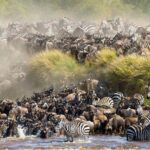
Its annual wildebeest migration is a major ecological event involving millions of wildebeest, accompanied by zebras and other herbivores moving in response to seasonal grazing and water availability.
The ecosystem supports predators such as lions, cheetahs, leopards and hyenas.
Eco-tourism experiences include:
- Guided wildlife safaris.
- Wildlife photography.
- Learning about predator-prey relationships.
- Understanding migration patterns.
- Responsible observation of wildlife.
- Staying at camps that demonstrate good environmental management.
The location of migration herds changes throughout the year, so itineraries should be planned around seasonal movements rather than guaranteed sightings.
Ngorongoro Conservation Area: Wildlife and Human Coexistence
The Ngorongoro Conservation Area is an extraordinary landscape containing volcanic highlands, grasslands, forests and the famous Ngorongoro Crater.
The area is significant for its wildlife and conservation importance, as well as its human and pastoral heritage.
Visitors can experience:
- Wildlife game drives.
- Scenic viewpoints.
- Birdwatching.
- Learning about volcanic landscapes.
- Understanding conservation and pastoral land-use relationships.
Travellers should respect current conservation regulations and local community rights.
Tarangire National Park: Elephants and Baobab Landscapes
Tarangire is well known for its elephants, baobab trees and seasonal concentrations of wildlife.
The Tarangire River plays an important role in attracting wildlife during dry periods.
Eco-tourism experiences include game drives, birdwatching, wildlife photography and learning about the ecological importance of seasonal rivers.
Mount Kilimanjaro: Responsible Mountain Tourism
Mount Kilimanjaro is Africa’s highest mountain and one of its most recognised trekking destinations.
Its ecological zones range from cultivated lower slopes and montane forest to moorland, alpine desert and the summit environment.
Mountain trekking offers opportunities to learn about:
- Mountain ecosystems.
- Forest biodiversity.
- Altitude-related environmental changes.
- Water catchment protection.
- Responsible waste management in high-altitude environments.
Climbers should choose responsible trekking operators, allow sufficient time for acclimatisation and follow mountain safety guidance.
Lake Manyara: Forests, Wildlife and Birdwatching
Lake Manyara National Park combines groundwater forests, open woodland, grasslands and lake habitats.
It is suitable for travellers interested in birdlife, wildlife photography and varied landscapes.
The park can be combined with Tarangire, Ngorongoro and Serengeti on a Northern Tanzania safari.
Nyerere National Park: River and Wilderness Experiences
Nyerere National Park offers a different wildlife experience from Tanzania’s northern circuit.
Its landscapes include extensive woodland, grassland and river ecosystems.
Depending on permitted activities and seasonal conditions, visitors can enjoy:
- Game drives.
- Regulated boat safaris.
- Guided walking safaris.
- Birdwatching.
- Nature photography.
This destination is particularly appealing to travellers interested in varied wilderness experiences.
Suggested Tanzania eco-adventure combination: Tarangire, Serengeti, Ngorongoro and a Zanzibar coastal extension.
4. Eco-Tourism in Rwanda: Gorilla Trekking, Rainforest Exploration and Conservation
Rwanda has developed a strong international reputation for conservation-focused tourism, particularly mountain gorilla trekking.
Its compact geography allows visitors to combine forest experiences, savannah wildlife, lakes and cultural encounters within relatively manageable travel distances.
Volcanoes National Park: Mountain Gorilla Trekking

The park forms part of the wider Virunga conservation landscape, which extends across Rwanda, Uganda and the Democratic Republic of Congo.
Visitors can participate in authorised gorilla trekking experiences led by park guides.
The activity offers an opportunity to learn about mountain gorilla conservation, habitat protection and the importance of responsible wildlife tourism.
Golden Monkey Tracking
Volcanoes National Park is also known for golden monkey tracking.
These attractive primates inhabit the bamboo forest zones of the Virunga Mountains.
Tracking them provides a different perspective on forest biodiversity and primate conservation.
Nyungwe National Park: Rainforest and Chimpanzee Experiences
Nyungwe National Park protects one of the region’s important montane rainforest ecosystems.
It is known for chimpanzees, other primates, forest birds and diverse plant life.
Experiences include:
- Guided chimpanzee tracking.
- Guided forest walks.
- Birdwatching.
- Canopy walkway experiences.
- Forest photography.
- Learning about rainforest conservation.
The canopy walkway provides an elevated perspective of the forest environment and should be experienced according to park safety rules.
Akagera National Park: Savannah Wildlife Conservation
Akagera National Park provides a different nature experience from Rwanda’s forest destinations.
Its landscapes include savannah, wetlands, lakes and woodland.
The park supports a range of wildlife, including elephants, lions, rhinos, giraffes, zebras and antelopes.
Visitors can enjoy:
- Game drives.
- Birdwatching.
- Guided wildlife experiences.
- Boat-based wildlife observation where available.
- Learning about protected-area management and wildlife restoration.
Akagera is an excellent option for travellers wishing to combine gorilla trekking with a traditional savannah safari.
Lake Kivu: Freshwater Landscapes and Responsible Community Tourism
Lake Kivu offers beautiful scenery, lakeside relaxation and opportunities for responsible community-based experiences.
Visitors can explore selected lakeside communities, enjoy local cultural experiences and participate in suitable guided water activities.
Tourism businesses should follow responsible waste management and water-safety practices to help protect this important freshwater ecosystem.
Suggested Rwanda eco-adventure combination: Volcanoes National Park, Nyungwe Forest, Akagera National Park and Lake Kivu.
5. Eco-Tourism in Zanzibar: Coral Reefs, Marine Conservation and Coastal Adventures

Unlike the traditional savannah and rainforest safari environments, the Zanzibar archipelago offers coral reefs, seagrass meadows, mangrove forests, marine wildlife and culturally rich coastal communities.
It is an excellent destination for travellers wishing to combine a wildlife safari with a beach holiday.
Mnemba Island and Marine Conservation
The waters surrounding Mnemba Island are known for their marine biodiversity and snorkelling opportunities.
Visitors may encounter colourful reef fish, coral formations and other marine life.
Responsible marine tourism involves:
- Avoiding contact with coral reefs.
- Not standing on or collecting coral.
- Avoiding feeding marine animals.
- Using reef-conscious practices.
- Choosing responsible boat operators.
- Respecting designated conservation areas.
Marine wildlife encounters should always be conducted without chasing, touching or harassing animals.
Chumbe Island Coral Park: Community and Marine Conservation
Chumbe Island is particularly relevant to eco-tourism because of its marine conservation and environmental education work.
Its protected reef and forest environments provide opportunities to understand marine biodiversity and conservation management.
Visitors should check current access arrangements and permitted activities before planning a visit.
Jozani Forest: Red Colobus Monkeys and Forest Biodiversity
Jozani-Chwaka Bay National Park protects important forest and wetland habitats.
It is particularly associated with the Zanzibar red colobus monkey, an endemic primate.
Visitors can enjoy guided forest walks and learn about:
- Endemic wildlife.
- Forest conservation.
- Mangrove ecosystems.
- Wetland biodiversity.
- The importance of habitat protection.
Zanzibar’s Mangrove Forests and Seagrass Ecosystems
Mangroves and seagrass beds are important coastal ecosystems.
They provide nursery habitats for marine organisms, support biodiversity, contribute to coastal protection and store carbon.
Responsible eco-adventure experiences may include guided mangrove interpretation, educational coastal walks and appropriately organised community conservation activities.
Responsible Snorkelling, Diving and Marine Excursions
Zanzibar offers excellent opportunities for marine exploration.
Travellers can consider:
- Snorkelling.
- Scuba diving with qualified operators.
- Responsible sailing excursions.
- Marine wildlife observation.
- Guided coastal nature experiences.
When selecting a marine excursion, prioritise operators who respect wildlife, avoid damaging reefs and follow local conservation regulations.
Combining Zanzibar with a Tanzania Safari
Zanzibar is an excellent extension to a Tanzania safari.
Travellers can spend several days exploring Tarangire, Serengeti and Ngorongoro before flying to Zanzibar for beach relaxation, marine activities and cultural exploration.
It is also possible to combine Kenya’s wildlife destinations with Zanzibar, subject to suitable flight connections and itinerary arrangements.
6. The Best Eco-Adventure Activities in East Africa

Wildlife Safaris and Game Drives
Game drives remain one of the most popular ways to experience East Africa’s natural environments.
Travellers can observe elephants, lions, leopards, buffaloes, giraffes, zebras, antelopes and numerous other species.
Responsible game drives should involve:
- Maintaining appropriate distances from wildlife.
- Remaining on permitted tracks.
- Avoiding excessive vehicle congestion.
- Following guide instructions.
- Never feeding wild animals.
- Keeping noise to a minimum.
Gorilla and Chimpanzee Trekking
Primate trekking is among East Africa’s most distinctive nature experiences.
Uganda and Rwanda are leading destinations for mountain gorilla encounters, while Uganda also offers outstanding chimpanzee tracking opportunities.
Travellers should plan early because permits are limited and subject to official availability.
Birdwatching and Ornithological Safaris
East Africa is an exceptional region for birdwatching.
Its forests, wetlands, lakes, savannahs, mountains and coastal ecosystems support a wide diversity of resident and migratory bird species.
Important birdwatching destinations include:
- Lake Nakuru and Lake Naivasha in Kenya.
- Kakamega Forest in Kenya.
- Queen Elizabeth and Mabamba wetlands in Uganda.
- Bwindi and Kibale in Uganda.
- Serengeti and Lake Manyara in Tanzania.
- Nyungwe Forest in Rwanda.
- Akagera wetlands in Rwanda.
- Jozani and coastal habitats in Zanzibar.
Specialist birdwatching guides can help travellers identify species, understand habitats and develop a more meaningful appreciation of biodiversity.
Mountain Trekking and Hiking
Mountain adventures offer an opportunity to experience East Africa’s changing ecosystems.
Popular destinations include Mount Kenya, Mount Kilimanjaro and the Rwenzori Mountains.
Other options include guided forest hikes and nature trails within designated protected areas.
Choose routes based on fitness, weather, altitude, experience and safety considerations.
Canoeing, Kayaking and Boat Safaris
Water-based nature experiences offer a different perspective on wildlife and ecosystems.
Examples include:
- Boat safaris along the Kazinga Channel in Uganda.
- Boat excursions on Lake Naivasha in Kenya.
- River experiences along the Nile.
- Suitable canoeing experiences on Lake Bunyonyi.
- Responsible marine excursions in Zanzibar.
Activities must be conducted according to local regulations and environmental guidelines.
Nature Photography
East Africa offers exceptional photography opportunities.
From migrating wildebeest and mountain gorillas to colourful birds, forests, waterfalls, elephants and coral reefs, travellers can document a remarkable range of natural environments.
Responsible photographers should avoid disturbing wildlife, use appropriate lenses rather than approaching animals unnecessarily, and respect restrictions around sensitive species.
Cultural and Community-Based Nature Experiences
Nature tourism becomes more meaningful when visitors understand the communities connected to the landscapes they explore.
Depending on the destination, travellers can learn about pastoral livelihoods, traditional knowledge, local food systems, handicrafts and community conservation initiatives.
Community visits should be arranged respectfully and with appropriate local participation and consent.
7. How Eco-Tourism Supports Wildlife Conservation and Local Communities
Eco-tourism can play an important role in conservation when tourism activities are responsibly planned and managed.
Many protected areas and conservation landscapes depend on a combination of public funding, conservation partnerships, responsible tourism revenue and community participation.
Supporting Wildlife Protection
Park entry fees, conservation levies and tourism-related contributions can support protected-area management, depending on how the relevant authorities allocate revenue.
Tourism also creates economic reasons to protect wildlife and natural habitats.
However, responsible tourism must complement, rather than replace, broader conservation funding and effective environmental management.
Creating Local Employment Opportunities
Tourism supports livelihoods through:
- Local safari guides.
- Drivers and tour coordinators.
- Lodge and camp employees.
- Community tourism enterprises.
- Boat operators.
- Local food suppliers.
- Artisans and cultural practitioners.
- Conservation and park support services.
Choosing locally owned businesses where appropriate can help more tourism spending remain within destination communities.
Supporting Education and Community Development
Community-linked tourism initiatives can contribute to education, healthcare, clean water access and livelihood opportunities.
Visitors can support legitimate community programmes through responsible visits, transparent donations and partnerships with credible organisations.
Reducing Human-Wildlife Conflict
Communities living near wildlife habitats can experience crop damage, livestock losses and other challenges associated with wildlife.
Responsible conservation programmes should recognise these costs and support practical coexistence measures.
Tourism should not overlook the people who share their landscapes with wildlife.
Protecting Forests, Wetlands and Marine Ecosystems
Eco-tourism can encourage greater awareness of habitats that might otherwise receive limited public attention.
Forest conservation, mangrove protection, wetland restoration and marine conservation are all important parts of maintaining biodiversity.
8. How to Choose Responsible Eco-Tourism Operators in East Africa
The company you choose can influence the environmental and social impact of your holiday.
Before booking an eco-adventure, consider the following:
1. Transparent conservation practices
Ask what environmental measures the operator and accommodation providers actually implement.
2. Local employment
Find out whether local guides, drivers, suppliers and community enterprises participate in the tourism experience.
3. Wildlife ethics
Avoid operators who advertise touching, feeding, chasing or otherwise disturbing wild animals.
4. Waste management
Ask about plastic reduction, responsible waste disposal and water management.
5. Respect for local communities
Community experiences should be conducted with consent, respect and appropriate local participation.
6. Responsible accommodation
Consider the property’s environmental management, energy use, water practices and relationship with its surrounding community.
7. Proper authorisation
Verify permits, park regulations, guide qualifications and any required licences for specialist activities.
8. Honest marketing
Be cautious of operators making unverified claims about carbon neutrality, conservation donations or sustainability certifications.
A responsible operator should be able to explain its practices rather than relying exclusively on environmental marketing language.
9. Best Time to Experience Eco-Tourism in East Africa
East Africa can be visited throughout the year, but the best travel period depends on the destination, activity and weather conditions.
| Destination | Typical favourable periods | Popular nature experiences |
|---|---|---|
| Kenya | June–October; January–February | Wildlife safaris, birdwatching and trekking |
| Tanzania | June–October; January–February | Serengeti wildlife, Ngorongoro and Kilimanjaro |
| Uganda | June–September; December–February | Gorilla trekking, chimpanzees and forest walks |
| Rwanda | June–September; December–February | Gorilla trekking and rainforest experiences |
| Zanzibar | June–October; December–February | Beach holidays, marine activities and coastal exploration |
These are general seasonal guidelines, not guarantees of dry weather or wildlife sightings.
The rainy seasons can also provide excellent opportunities for photography, birdwatching and observing greener landscapes.
Travellers should consider the following when selecting dates:
- Gorilla and chimpanzee permit availability.
- Mountain trekking conditions.
- Seasonal wildlife movements.
- Rainfall and road accessibility.
- Bird migration patterns.
- Marine conditions and visibility.
- Accommodation availability and pricing.
For more detailed planning, see our East Africa Safari Visa Requirements guide.
10. Where to Stay: Eco-Lodges, Tented Camps and Responsible Safari Accommodation
Accommodation is an important part of responsible nature tourism.
East Africa offers a range of options, from simple nature lodges and community accommodation to luxury safari camps and beach resorts.
When selecting accommodation, consider more than the appearance of the property.
Look for evidence of:
- Responsible water consumption.
- Effective waste management.
- Reduced single-use plastics.
- Energy efficiency and appropriate renewable energy use.
- Local employment and purchasing.
- Respect for wildlife and surrounding habitats.
- Meaningful community relationships.
Budget-Friendly Nature Accommodation
Budget-conscious travellers can consider selected campsites, guesthouses, locally owned lodges and basic safari accommodation.
These options can make nature experiences more accessible while supporting local businesses.
Mid-Range Eco-Lodges and Tented Camps
Mid-range properties can offer comfortable accommodation, guided nature activities and convenient access to protected areas.
Travellers should evaluate each property’s actual environmental and community practices rather than assuming that the term eco-lodge guarantees sustainability.
Luxury Conservation-Focused Safari Lodges
Luxury travellers can find high-quality accommodation in selected conservancies, national parks and wilderness destinations.
The best choice is a property that combines excellent hospitality with responsible environmental management and meaningful local participation.
11. Suggested East African Eco-Adventure Itineraries
The best eco-tourism itinerary is one that allows sufficient time to appreciate the places visited rather than attempting to cover too many destinations in a short holiday.
Here are some example journeys that can be tailored to different interests.
Itinerary 1: 7-Day Kenya Wildlife and Conservation Adventure
Destinations: Maasai Mara, Lake Nakuru and Lake Naivasha.
- Day 1: Arrival in Nairobi and safari briefing.
- Day 2: Travel to Lake Nakuru and enjoy an afternoon game drive.
- Day 3: Explore the Rift Valley and Lake Naivasha.
- Day 4: Travel to the Maasai Mara.
- Day 5: Full-day wildlife viewing and conservation-focused experiences.
- Day 6: Explore the Mara ecosystem and surrounding landscapes.
- Day 7: Return to Nairobi.
Ideal for: First-time visitors, wildlife photographers and travellers interested in classic African ecosystems.
Itinerary 2: 10-Day Uganda Primate and Forest Adventure
Destinations: Kibale, Queen Elizabeth, Bwindi and Lake Bunyonyi.
- Day 1: Arrival in Entebbe.
- Day 2: Travel to Kibale Forest.
- Day 3: Chimpanzee tracking and forest exploration.
- Day 4: Transfer to Queen Elizabeth National Park.
- Day 5: Game drive and Kazinga Channel boat safari.
- Day 6: Travel towards Bwindi.
- Day 7: Mountain gorilla trekking.
- Day 8: Explore the Bwindi region.
- Day 9: Relax and explore Lake Bunyonyi.
- Day 10: Return towards Entebbe, with suitable transport arrangements.
Ideal for: Primate enthusiasts, forest lovers and adventurous travellers.
Itinerary 3: 10-Day Tanzania Wilderness and Zanzibar Eco-Holiday
Destinations: Tarangire, Serengeti, Ngorongoro and Zanzibar.
- Day 1: Arrival in Arusha.
- Day 2: Explore Tarangire National Park.
- Day 3: Travel towards the Serengeti.
- Day 4: Full-day Serengeti wildlife exploration.
- Day 5: Continue exploring the Serengeti.
- Day 6: Travel towards Ngorongoro.
- Day 7: Explore the Ngorongoro Crater.
- Day 8: Fly to Zanzibar.
- Day 9: Enjoy a guided coastal or marine experience.
- Day 10: Explore Zanzibar’s cultural and natural attractions.
Ideal for: Travellers seeking wildlife, wilderness and a relaxing coastal extension.
Itinerary 4: 12-Day Rwanda Conservation and Nature Adventure
Destinations: Akagera, Volcanoes National Park, Lake Kivu and Nyungwe.
- Day 1: Arrival in Kigali.
- Day 2: Travel to Akagera National Park.
- Day 3: Wildlife exploration and nature experiences.
- Day 4: Return towards Kigali.
- Day 5: Travel to Volcanoes National Park.
- Day 6: Mountain gorilla trekking, subject to permit availability.
- Day 7: Golden monkey tracking or another permitted forest experience.
- Day 8: Explore Lake Kivu.
- Day 9: Travel towards Nyungwe.
- Day 10: Chimpanzee tracking or forest exploration.
- Day 11: Canopy walkway and birdwatching, where available.
- Day 12: Return to Kigali.
Ideal for: Nature enthusiasts, primate lovers and conservation-focused travellers.
Itinerary 5: 18-Day Grand East African Nature Adventure
Destinations: Kenya, Tanzania, Uganda, Rwanda and Zanzibar.
This ambitious multi-country journey combines East Africa’s major natural environments.
- Days 1–4: Kenya, including Amboseli and the Maasai Mara.
- Days 5–8: Tanzania, including Serengeti and Ngorongoro.
- Days 9–12: Uganda, including Kibale and Bwindi.
- Days 13–15: Rwanda, including Volcanoes National Park and Kigali.
- Days 16–18: Zanzibar for marine experiences and beach relaxation.
This is an illustrative route rather than a fixed schedule. It requires careful flight planning, border arrangements, sufficient travel time and advance permits. Travellers may benefit from extending it to three weeks or longer to reduce the pace.
12. What Does an Eco-Tourism Holiday in East Africa Cost?
The cost of an eco-tourism holiday depends on the destination, duration, accommodation category, transport, activities, permits and group size.
Some experiences, particularly gorilla trekking, specialised mountain expeditions and private wildlife safaris, have additional costs.
Typical cost components include:
- Accommodation.
- Safari vehicles and professional guides.
- National park and conservation fees.
- Gorilla or chimpanzee permits where applicable.
- Domestic flights and transfers.
- Mountain guides and trekking equipment.
- Boat excursions and specialist activities.
- Meals and other travel arrangements.
Budget, mid-range and luxury journeys can all be arranged, but the total cost should be calculated using the actual travel dates and requested experiences.
For a more detailed breakdown, read our African Safari Cost Guide.
13. How to Travel More Responsibly During Your East African Adventure
Every traveller can make decisions that help reduce the environmental and social impact of a holiday.
Consider these practical measures:
- Choose reputable operators who follow wildlife and park regulations.
- Carry reusable water bottles where safe and practical.
- Avoid unnecessary single-use plastic.
- Never feed, touch or chase wild animals.
- Follow instructions from guides and park authorities.
- Stay on authorised walking trails and roads.
- Respect local customs and photography permissions.
- Purchase locally made products from legitimate businesses.
- Avoid activities involving captive wildlife exploitation.
- Respect marine habitats and never damage coral.
- Minimise unnecessary water and energy consumption.
- Consider longer stays and thoughtfully designed itineraries to reduce excessive travel between destinations.
Responsible travel is not about achieving perfection. It is about making informed decisions that respect the places and people encountered.
14. Is Eco-Tourism in East Africa Suitable for Families, Couples and Solo Travellers?
Yes. Eco-tourism can be adapted to different travel styles and interests.
Family Eco-Adventures
Families can enjoy wildlife drives, nature walks, birdwatching, suitable boat excursions and educational conservation experiences.
Activities should be selected according to children’s ages, park regulations and safety requirements.
Some specialist activities, including gorilla trekking, have minimum age requirements.
Honeymoon and Romantic Nature Holidays
Couples can combine private wildlife safaris, scenic lodges, mountain landscapes and Zanzibar’s beaches.
A safari-and-beach holiday offers a particularly appealing combination of adventure and relaxation.
Solo Nature Travellers
Solo travellers can explore East Africa through private arrangements or suitable group departures.
A professional guide and carefully planned transport arrangements can make remote nature destinations easier to navigate.
Wildlife Photographers and Birdwatchers
Specialist journeys can be designed around particular species, habitats, seasonal movements and photography requirements.
These itineraries benefit from knowledgeable guides and sufficient time at each destination.
15. Frequently Asked Questions About Eco-Tourism in East Africa
What is the best country for eco-tourism in East Africa?
There is no single best country for every traveller. Kenya and Tanzania are excellent for savannah wildlife, Uganda and Rwanda are particularly attractive for primate and rainforest experiences, while Zanzibar is ideal for marine and coastal nature tourism.
Which East African countries offer gorilla trekking?
Uganda and Rwanda offer regulated mountain gorilla trekking experiences. Both require advance planning and official permits.
Can I combine Kenya, Tanzania, Uganda, Rwanda and Zanzibar in one holiday?
Yes, although visiting all five destinations requires sufficient time, carefully arranged flights, border planning and advance activity bookings. A longer itinerary is generally more comfortable.
Is eco-tourism the same as sustainable tourism?
The terms are related but not identical. Eco-tourism focuses particularly on responsible experiences in natural environments, while sustainable tourism is broader and includes environmental, social and economic considerations across all forms of travel.
What activities can nature enthusiasts enjoy in East Africa?
Activities include wildlife safaris, birdwatching, mountain trekking, gorilla trekking, chimpanzee tracking, forest walks, boat safaris, snorkelling, diving, nature photography and community-based experiences.
Is eco-tourism expensive?
It can range from affordable nature excursions to luxury conservation-focused safaris. Permits, accommodation, transport and specialist activities influence the final cost.
When is the best time for eco-tourism in East Africa?
June to October is generally favourable for many traditional wildlife safari destinations. January and February can also offer excellent experiences. Forest trekking, birdwatching and marine activities have their own seasonal considerations.
How can I ensure my safari is environmentally responsible?
Choose operators who respect wildlife, work with responsible accommodation providers, follow conservation regulations, reduce waste and demonstrate meaningful local participation.
Does eco-tourism benefit local communities?
It can create employment, support locally owned enterprises and contribute to conservation-linked community initiatives. The actual benefits depend on how tourism is managed and how revenue is distributed.
Can I enjoy a luxury eco-tourism holiday?
Yes. Luxury nature holidays can combine excellent accommodation, professional guiding, private transport and conservation-focused experiences, provided that the individual businesses demonstrate responsible practices.
16. Plan Your East African Eco-Adventure with Astute Africa Safaris
East Africa offers extraordinary opportunities to experience nature, wildlife and diverse cultures.
From the open plains of Kenya and Tanzania to Uganda’s tropical forests, Rwanda’s volcanic mountains and Zanzibar’s coastal ecosystems, every destination offers a different perspective on the natural world.
An exceptional eco-adventure should be more than a collection of destinations. It should be a thoughtfully planned journey that allows travellers to appreciate wildlife, understand ecosystems, connect with local communities and make responsible travel choices.
At Astute Africa Safaris, we design personalised African safari and holiday experiences based on the interests, travel preferences and expectations of each traveller.
Whether you are interested in a wildlife safari, mountain gorilla trekking, chimpanzee tracking, birdwatching, mountain adventures, conservation experiences or a combination of safari and beach relaxation, we can help you develop an itinerary across Kenya, Tanzania, Uganda, Rwanda and Zanzibar.
Our approach is simple:
Listen to the traveller. Understand the journey. Design the itinerary around the experience they want.
Start Planning Your Eco-Tourism Holiday in East Africa
Tell us where you would like to travel, what you hope to experience, your preferred accommodation category and when you intend to visit.
We will help you explore suitable destinations and develop a personalised travel proposal.
Contact Astute Africa Safaris
Website: https://astuteafricasafaris.com/
Email: info@astuteafricasafaris.com
WhatsApp: +254 762 663 272
Explore our African safari and holiday experiences and begin planning a nature adventure that brings you closer to East Africa’s extraordinary wildlife, landscapes and cultures.
Travel responsibly. Discover more. Experience East Africa.
Leave a comment:
You must be logged in to post a comment.
Comment 01
Astute Africa Safaris,
05 May, 2026REF: Crafting Your Bespoke African Safari Experience with Astute Africa Safaris
Jambo,
Thank you for your interest in exploring the wonders of Africa with Astute Africa Safaris. We pride ourselves on creating immersive, tailor-made journeys that align perfectly with your personal interests, pace, and travel aspirations.
Because every safari is a unique narrative, we do not believe in “one-size-fits-all” pricing. To ensure we provide you with an accurate and competitive quotation that reflects the specific lodges, wildlife experiences, and logistical arrangements you desire, we invite you to connect with our team for a personalized consultation.
Please contact us at info@astuteafricasafaris.com, Whatsapp +254762663272 or fill the inquiry form with a few details regarding your preferred travel dates, group size, and specific interests (e.g., photography, luxury relaxation, or adventure trekking). Once we have these details, we will curate a comprehensive proposal designed specifically for you.
We look forward to the possibility of helping you plan an unforgettable journey.
Warm regards,
Team Astute Africa Safaris