

- 643 Views
- 24 Min Read
- (1) Comment
Kenya is one of Africa’s most rewarding destinations for a wildlife safari, offering sweeping savannahs, elephant-filled wetlands, dramatic mountain scenery, remarkable birdlife, cultural experiences and tropical beaches along the Indian Ocean. Whether you are planning your first African holiday, a romantic honeymoon, a family adventure, a photography expedition or an extended East African journey, Kenya offers a remarkable range of experiences to bring together in one itinerary.
But what is the best Kenya safari itinerary? How many days should you spend in the country? Should you visit the Maasai Mara, Amboseli, Tsavo, Samburu or Lake Nakuru? Is it better to travel by road or domestic flight? When should you visit to see the Great Migration, and how much should you budget for your holiday?
The right answers depend on your travel dates, interests, preferred accommodation, available time and budget.
At Astute Africa Safaris, we believe that the best safari is not necessarily the longest or most expensive. It is the one designed around what you genuinely want to experience. A thoughtfully planned journey can combine exceptional wildlife viewing, comfortable accommodation, knowledgeable local guiding and time to relax without spending too much of your holiday travelling between destinations.
This guide explores the best Kenya safari trip ideas, suggested itineraries, destinations, travel seasons, transport options, accommodation choices, approximate budgeting considerations and practical advice to help you plan a rewarding African holiday.
1. Why choose Kenya for your African safari?

Kenya is particularly attractive because it combines several different holiday experiences within one country.
-
Exceptional wildlife: Search for lions, elephants, giraffes, buffaloes, zebras, hippos, crocodiles and numerous other species.
-
The Great Migration: During the relevant seasonal period, the Maasai Mara may host large herds of wildebeest and zebras moving through the wider Mara–Serengeti ecosystem.
-
Distinctive landscapes: Explore open grasslands, volcanic terrain, mountain backdrops, forests, lakes and semi-arid northern wilderness.
-
Safari experiences for different budgets: Choose from public campsites, comfortable lodges, mid-range tented camps, boutique properties and luxury safari retreats.
-
Family-friendly holidays: Combine game drives with educational wildlife experiences, suitable accommodation and beach relaxation.
-
Safari and beach combinations: Follow days in the wilderness with time in Diani, Watamu, Malindi or another coastal destination.
-
Cultural discovery: Learn about local communities through respectful, community-led experiences arranged with appropriate hosts.
-
Flexible itineraries: Travel by road, use selected domestic flights or combine both.
Kenya also works well as part of a multi-country holiday. Travellers with additional time can consider combining Kenya with Tanzania, Uganda or Rwanda, depending on their interests, border arrangements and budget.
Explore Astute’s broader guide to East Africa safari holidays for ideas beyond Kenya.
2. Which Kenyan safari destination should you visit?
The most suitable destination depends on the wildlife you hope to see, the landscapes you prefer, the time available and how you want to travel.

Maasai Mara National Reserve
Best for classic safari, big cats and seasonal migration
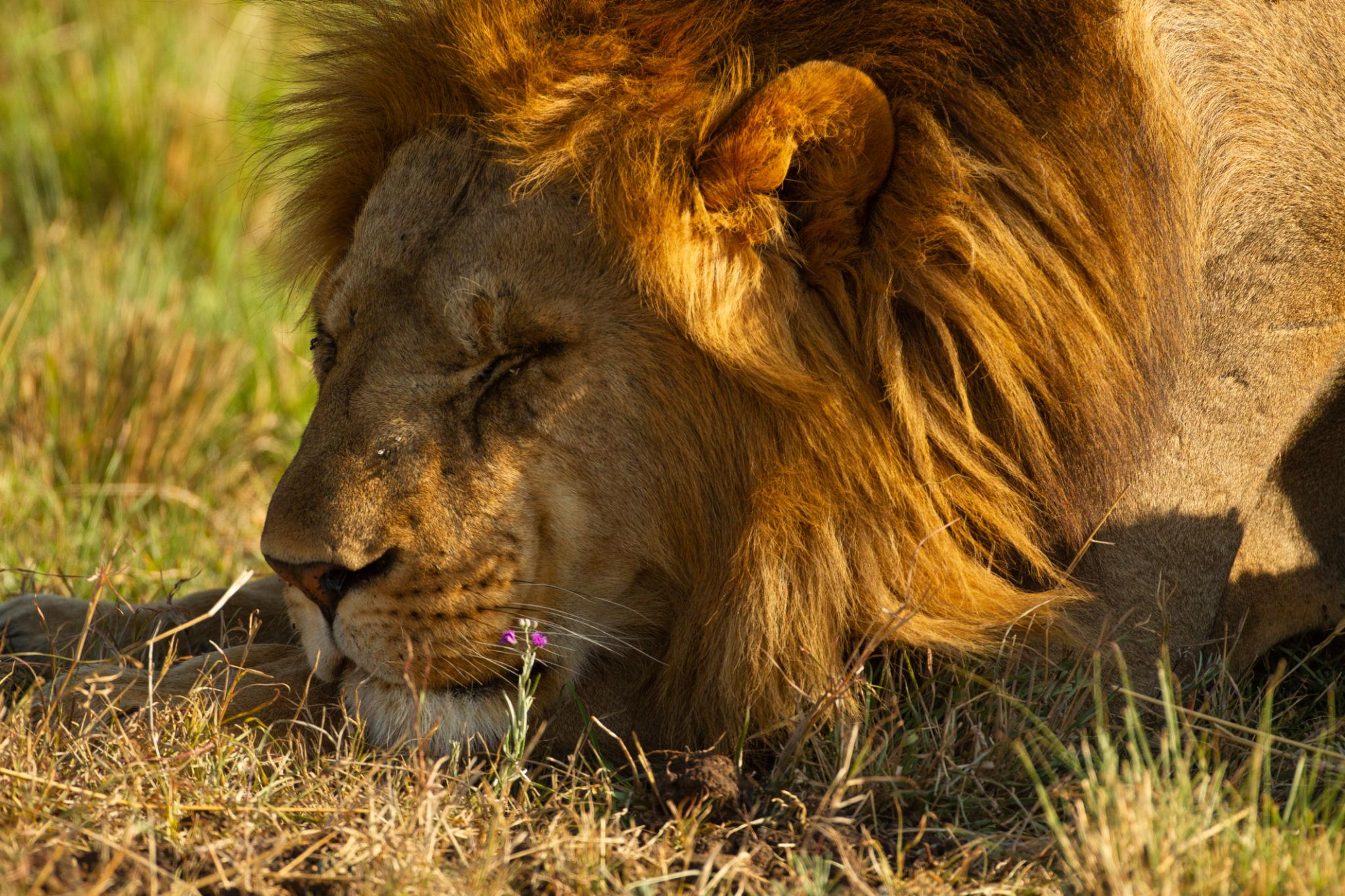
The Maasai Mara is renowned for lions, cheetahs, leopards, elephants, buffaloes and expansive grasslands. It is also a key part of the wider Great Migration ecosystem.
A stay of three or four nights gives you more opportunities to explore different areas and enjoy multiple game drives. Migration sightings and river crossings are seasonal and never guaranteed.
Read next: The Maasai Mara Safari Guide and Maasai Mara National Reserve.

Amboseli National Park
Best for elephants and mountain scenery
Amboseli is famous for large elephant herds, open plains and spectacular views towards Mount Kilimanjaro when the weather is clear. Its wetlands attract wildlife and provide excellent opportunities for photography.
Two nights are a useful starting point for a more relaxed visit, especially if you want both morning and afternoon game drives.
Consider combining Amboseli with Tsavo or the Kenyan coast.
Read next: Kenya safari parks, reserves and conservancies.

Tsavo East and Tsavo West
Best for expansive wilderness and coastal combinations
Tsavo offers vast landscapes, elephants, predators, birdlife and a sense of scale. Tsavo East is known for open plains and red-dusted elephants, while Tsavo West features rugged scenery, lava flows and Mzima Springs.
These parks are particularly useful for travellers combining a safari with Mombasa or Diani Beach. Because distances are substantial, allow enough time rather than trying to cover both parks in a rushed excursion.
Read next: Kenya beach and safari holidays.

Samburu National Reserve
Best for distinctive northern wildlife and quieter landscapes
Samburu’s semi-arid scenery and riverine habitats offer a different atmosphere from the southern savannah parks. Wildlife associated with northern Kenya includes Grevy’s zebra, reticulated giraffe and gerenuk.
Consider Samburu if you have already visited the Maasai Mara or want a varied itinerary focused on landscapes, photography and distinctive species.

Lake Nakuru National Park
Best for rhinos, birdlife and a Rift Valley circuit
Lake Nakuru is a useful addition to a road safari between Nairobi, the Rift Valley and the Maasai Mara. The park offers opportunities to see rhinos, giraffes, buffaloes and numerous bird species.
Two nights can suit travellers who want a slower pace, while a shorter visit may fit into a longer circuit if driving distances and lodge check-in times allow.

Ol Pejeta and Laikipia
Best for conservation-focused travel
These northern and central Kenya areas are attractive to travellers interested in conservation, rhino protection, specialist guiding and more varied wildlife experiences. Specific activities depend on the conservancy, property and current availability.
They can be excellent choices for repeat visitors, photographers, families and travellers who want conservation to be a meaningful part of their holiday.
For a more detailed comparison of protected areas and where to stay, see the Kenya safari parks and reserves guide.
3. The best Kenya safari itinerary for your available time
How many days should you spend on safari in Kenya? A short trip can deliver memorable wildlife encounters, but a longer itinerary allows you to explore more than one ecosystem without continually packing, driving and checking in.
The following are suggested planning frameworks, not fixed packages. Actual travel times and feasibility depend on accommodation locations, road conditions, park entry arrangements, flight schedules and the dates of travel.

3-day Kenya safari: Maasai Mara highlights
Best for: Travellers with limited time, business visitors extending a Nairobi stay and first-time safari guests.
-
Day 1: Travel from Nairobi to the Maasai Mara by road or suitable scheduled/chartered flight. Enjoy an afternoon game drive if arrival time permits.
-
Day 2: Take morning and afternoon game drives to explore the reserve or an appropriate conservancy.
-
Day 3: Enjoy an early game drive if time allows, then return to Nairobi.
What makes it special: The Mara gives you a chance to experience classic East African savannah wildlife within a relatively short holiday.
What to consider: A three-day trip is brief. Driving both ways reduces wildlife-viewing time, while flying usually increases transport costs. Consider adding a night if your budget and schedule permit.
Explore the 3-day Maasai Mara safari from Nairobi.
5-day Kenya safari: Maasai Mara and Lake Nakuru
Best for: Travellers wanting a combination of big-cat country, rhino viewing and Rift Valley scenery.
-
Day 1: Nairobi to Lake Nakuru, with an afternoon visit if time permits.
-
Day 2: Morning wildlife viewing, followed by onward travel to the Maasai Mara.
-
Day 3: Full-day Maasai Mara safari.
-
Day 4: Further game drives and time to explore the Mara ecosystem.
-
Day 5: Return to Nairobi, allowing sufficient time for the journey.
Planning note: This route can be enjoyable, but road transfers are substantial. For a slower experience, extend the trip by a night or use suitable flight connections where practical.
7-day Kenya safari: A classic wildlife circuit
Best for: First-time visitors seeking a more varied safari.

One possible itinerary is:
-
Day 1: Arrive in Nairobi and settle into your hotel.
-
Day 2: Travel to Amboseli and enjoy an afternoon game drive.
-
Day 3: Explore Amboseli’s plains and wetlands.
-
Day 4: Transfer towards the Maasai Mara using a carefully planned road or flight connection.
-
Day 5: Full-day Maasai Mara safari.
-
Day 6: Further game drives, with a conservancy experience if appropriate.
-
Day 7: Return to Nairobi for departure or an additional overnight stay.
This itinerary prioritises two distinct ecosystems. It is important to check the transfer logistics before confirming the route; in some cases, an alternative itinerary centred on the Mara and Lake Nakuru will be more practical.
For another route comparison, read Planning Your Ultimate 7-Day Kenya Safari Tour Itinerary.
10-day Kenya safari: Wildlife, scenery and conservation
Best for: Travellers wanting a deeper exploration rather than simply visiting the most famous park.
A possible route is:
-
Days 1–2: Nairobi and nearby attractions.
-
Days 3–4: Ol Pejeta or Laikipia for wildlife and conservation experiences.
-
Days 5–6: Lake Nakuru or another suitable Rift Valley destination.
-
Days 7–9: Maasai Mara game drives.
-
Day 10: Return to Nairobi.
This route can be adjusted to include Samburu instead, depending on your interests and transport arrangements.
A ten-day holiday could also follow a southern circuit through Amboseli and Tsavo. The best choice depends on whether you prefer northern wildlife diversity, classic savannah game viewing, mountain scenery or a beach extension.
12–14-day Kenya safari and beach holiday
Best for: Couples, families and international travellers who want wildlife followed by relaxation.

A sample 14-day plan could include:
-
Days 1–2: Arrive in Nairobi and explore at a relaxed pace.
-
Days 3–5: Amboseli National Park.
-
Days 6–9: Maasai Mara.
-
Days 10–13: Diani Beach, with optional marine activities and local excursions.
-
Day 14: Transfer to the appropriate airport for departure.
This is a framework rather than a fixed routing recommendation. Depending on flights and the beach property selected, an overnight stop or a different order may be more efficient.
Discover Kenya’s best safari and beach holiday combinations and the 7-day safari and beach holiday.
4. What is the best time to visit Kenya for a safari?

Kenya can be visited throughout the year, but weather, vegetation, animal movements and individual interests affect the best time for your holiday.
| Period | What to expect | Best suited to |
|---|---|---|
| January–February | Often relatively dry in many safari areas, although local conditions vary | General wildlife viewing and photography |
| March–May | Long-rain season, with greener landscapes and potentially challenging road conditions | Flexible travellers, green-season photography and selected birding trips |
| June | Transitional period; conditions vary by region | Travellers seeking varied landscapes and safari experiences |
| July–October | Generally a popular safari period; the Mara may receive migrating herds during part of this window | Migration-focused trips and classic wildlife safaris |
| November–December | Short rains often occur, but timing and intensity vary | Green landscapes, birding and travellers with flexible dates |
These are broad seasonal patterns, not weather guarantees. Rainfall varies between regions and from year to year.
When is the Great Migration in Kenya?
The Great Migration is a year-round movement of wildebeest and other grazers through the Serengeti–Mara ecosystem. Large herds may reach the Maasai Mara during part of the middle and later months of the year, but exact arrival dates, herd locations and river crossings vary.
If the migration is your priority:
-
Allow several nights in the Mara rather than planning around a single game drive.
-
Choose accommodation based on the actual area you want to explore.
-
Ask your safari planner about seasonal patterns and the location of your chosen camp.
-
Treat river crossings as a possibility, not a promise.
-
Consider whether the broader wildlife experience would still satisfy you if the herds were elsewhere.
Read our Maasai Mara safari guide for more on planning a wildlife-focused visit.
5. How much does a Kenya safari cost?
There is no single price for a Kenya safari. The final cost depends on the number of travellers, accommodation standard, season, park and conservancy fees, vehicle arrangements, domestic flights, meals and activities.
A lower-cost safari may use shared transport, simpler accommodation or campsites where available. A mid-range trip might feature private transport, comfortable lodges and tented camps. Luxury safaris can include premium properties, private guiding, flights between parks and specialist experiences.
The following table explains the main cost drivers rather than promising prices that may no longer be current.
| Cost factor | How it affects the budget |
|---|---|
| Accommodation | Campsites, budget lodges, mid-range camps and luxury lodges have different rates |
| Travel season | Peak demand and specific travel dates may increase accommodation and transport costs |
| Group size | Sharing a private vehicle can reduce the per-person transport cost |
| Transport | Road safaris and domestic flights have different cost structures |
| Park and conservancy fees | Fees vary by location, visitor category and applicable rules |
| Trip length | More nights usually increase the total cost, although daily averages can vary |
| Optional activities | Balloon flights, specialist experiences and private excursions add to the budget |
| Beach extension | Coastal accommodation, transfers and marine activities add costs |
How can you plan a safari that fits your budget?
First, decide which experience matters most. If seeing the Maasai Mara is essential, prioritise enough nights there rather than visiting too many parks in a short period.
Second, compare the complete itinerary rather than accommodation prices alone. A seemingly cheaper lodge can require expensive transfers, while a well-positioned property may reduce travel time.
Third, consider travelling outside the busiest dates if your schedule allows. You can also compare road and fly-in arrangements, shared and private vehicles, and different accommodation categories.
Finally, request a quotation with clear inclusions and exclusions. Confirm whether the price covers park fees, meals, transfers, drinking water, guide services, taxes and optional activities.
Astute Africa Safaris can help tailor the itinerary to your preferred comfort level and budget. Review the available Kenya safari tour itineraries for inspiration.
6. Should you choose a road safari or a fly-in safari?

Both options can work well. The right choice depends on your budget, itinerary, tolerance for long drives and interest in seeing the countryside between destinations.
Road safaris
Road travel is useful for travellers who want a connected journey through multiple parks. It allows you to experience changing landscapes and can be economical when vehicle costs are shared.
However, distances between parks can be considerable. Road conditions and traffic can also affect journey times, so avoid designing an itinerary with too many long transfers.
Fly-in safaris
Domestic flights can reduce the time spent travelling between distant safari areas and are particularly useful for shorter trips or travellers seeking a more comfortable journey.
However, air transfers usually cost more, luggage restrictions may apply, and flights still require coordination with airstrips, lodges and ground transfers.
Which safari vehicle should you choose?
A purpose-built 4×4 safari vehicle is suitable for many game drives, particularly in areas where terrain and road conditions require it. Safari vans can be an economical option on some routes, while a Land Cruiser may be preferred for particular private or remote itineraries.
Vehicle choice should be based on the route, road conditions, group size, luggage, accessibility needs and the operator’s actual vehicle specification. Do not assume every vehicle has the same viewing arrangements or comfort features.
See our detailed guide to choosing the best Africa safari vehicle.
7. Where should you stay on a Kenya safari?

Accommodation is part of the safari experience, not simply a place to sleep. Your choice affects comfort, privacy, travel time and access to wildlife-viewing areas.
Budget accommodation: Suitable for travellers prioritising affordability. Options may include campsites, simple guesthouses and basic lodges, depending on the route.
Mid-range lodges and tented camps: Often a good balance between comfort, location and cost. Check the actual room facilities, meal arrangements, transport access and game-drive options.
Luxury safari camps and lodges: May offer spacious suites or tents, attentive service, distinctive settings, fine dining and additional experiences. Luxury does not automatically mean better wildlife sightings, so location still matters.
Private conservancy accommodation: Can provide access to different activities and wildlife-management arrangements from those available in a national reserve. Rules and activities differ by conservancy.
Before booking, ask:
-
How far is the property from the park entrance or wildlife-viewing areas?
-
Are game drives included or charged separately?
-
Are meals and drinking water included?
-
Is there a minimum stay requirement?
-
Are children welcome, and are age restrictions applicable to activities?
-
What are the cancellation and payment terms?
-
What are the arrangements for transfers and special dietary needs?
For location-based accommodation planning, use the Kenya safari parks, reserves and conservancies guide and the Maasai Mara safari guide.
8. Can you combine a Kenya safari with a beach holiday?
Absolutely. A safari followed by the coast is one of the most appealing Kenya holiday combinations because the experiences are so different.

After early starts and game drives, the coast offers time to swim where conditions permit, relax, enjoy local cuisine, take boat excursions and explore the region’s cultural heritage.
Diani Beach
Diani is popular for its white-sand shoreline, water activities and resort options. It suits couples, families and travellers who want a relaxed finish to a safari.
Watamu
Watamu is attractive to travellers interested in coastal scenery, marine experiences and a quieter holiday atmosphere. Activities depend on season, weather and local conditions.
Mombasa
Mombasa offers beach resorts alongside urban history, coastal food and cultural attractions. It can be convenient for travellers using the coast’s transport connections.
Malindi, Kilifi and Lamu
These destinations provide additional options for travellers seeking different coastal atmospheres, from marine activities and laid-back stays to historical and Swahili cultural experiences.
The ideal combination depends on the location of your final safari camp and the transport connections available. A domestic flight can sometimes make the transfer easier, while a road transfer may suit routes where destinations are reasonably connected.
Explore The Best Kenya Beach and Safari Holiday or the dedicated Safari and Beach Holiday in Kenya.
9. Is Kenya suitable for a family safari?

Kenya can be an excellent family destination when the itinerary is designed around the ages, interests and needs of the travellers.
For younger children, shorter transfers, family rooms, suitable meal arrangements and flexible game drives can make a substantial difference. Older children may enjoy photography, wildlife tracking discussions with guides, birdwatching and age-appropriate conservation activities.
Consider these planning principles:
-
Avoid changing accommodation every night.
-
Check minimum ages for walking safaris, balloon flights and other activities.
-
Confirm whether family rooms or interconnecting rooms are available.
-
Choose a vehicle arrangement that provides appropriate space and comfort.
-
Plan rest time between travel days and game drives.
-
Discuss medical, dietary, mobility and accessibility requirements before booking.
-
Select cultural experiences that are respectful, locally hosted and appropriate for children.
For a holiday combining wildlife and the coast, allocate enough time at each destination so the family does not spend the entire trip in transit.
Explore Astute’s family safari holidays in Africa and luxury family safari guide.
10. What about a honeymoon or romantic safari?

A honeymoon safari can combine private wildlife experiences, beautiful accommodation, quiet evenings and a coastal retreat.
For couples who want a classic safari, the Maasai Mara is a natural starting point. Amboseli offers dramatic scenery, while private conservancies can provide different activities depending on the property. A beach extension adds time for relaxation after the safari.
When choosing a romantic itinerary, consider:
-
The level of privacy offered by the accommodation.
-
Whether the property can arrange special meals or celebrations.
-
How many nights are available for wildlife viewing.
-
Whether flights would save valuable holiday time.
-
The kind of experience you prefer: adventurous, luxurious, cultural or relaxed.
-
Whether the coast should be part of the itinerary.
Do not select a property based on photographs alone. Confirm the room category, actual inclusions, transfer arrangements and any additional charges before paying.
11. What wildlife can you expect to see in Kenya?

Kenya supports an impressive variety of wildlife, but sightings vary by destination, habitat, season and natural animal behaviour.
The best-known animals include:
-
Lions: Often associated with open savannah and prey-rich ecosystems.
-
Leopards: Elusive cats that may be found in woodland, riverine habitat and other suitable environments.
-
Elephants: Seen in several Kenyan parks, including Amboseli and Tsavo.
-
Buffaloes: Present in many wildlife areas.
-
Rhinoceroses: Sightings depend on the park or conservancy, population and current wildlife movements.
-
Cheetahs: Often associated with open habitats where they can pursue prey.
-
Giraffes and zebras: Found across several Kenyan ecosystems, with distinctive species in northern regions.
-
Hippos and crocodiles: Associated with rivers, lakes and suitable water habitats.
-
Birdlife: Kenya offers a wide range of resident and migratory birds, making it attractive for both casual birdwatchers and specialists.
The famous Big Five are lion, leopard, elephant, buffalo and rhinoceros. Seeing all five on a single trip is possible in appropriate locations, but never guaranteed.
Birdwatchers may prefer a route that includes a variety of habitats rather than focusing exclusively on large mammals. Explore The Best Birdwatching Safari in Kenya for further ideas.
12. Culture, conservation and responsible tourism

A rewarding Kenya holiday can include learning about the country’s living cultures and the people whose livelihoods are connected to tourism and conservation.
Choose community experiences that are arranged with local hosts, explain how visitors should participate and respect photography preferences. Cultural traditions are diverse and evolving; no single visit can represent every community.
Responsible safari planning also means considering the effect of tourism on wildlife and habitats.
Look for operators and accommodation providers that can explain their conservation practices, community partnerships and local employment. Ask specific questions rather than relying on broad claims such as “eco-friendly” or “sustainable” without supporting information.
As a traveller, you can help by:
-
Following your guide’s instructions around wildlife.
-
Keeping a safe distance from animals and never encouraging unsafe interactions.
-
Avoiding litter and respecting park rules.
-
Supporting genuine locally owned businesses and community-led initiatives where appropriate.
-
Respecting cultural boundaries and asking permission before taking photographs of people.
-
Choosing wildlife experiences that prioritise animal welfare.
For a broader perspective, see Astute’s guide to East Africa safari holidays.
13. What should you pack for a Kenya safari?

Your packing list depends on the season, altitude, destinations, activities and whether you are travelling by road or aircraft.
A practical starting list includes:
-
Lightweight, breathable clothing.
-
A warm layer for cool mornings and evenings.
-
Comfortable walking shoes.
-
A sun hat, sunglasses and sunscreen.
-
Binoculars for wildlife viewing.
-
A camera or smartphone with sufficient storage.
-
Insect repellent.
-
Personal medication and a basic personal-care kit.
-
A reusable water bottle where suitable.
-
Travel documents, insurance details and copies of essential bookings.
-
A small day bag for game drives.
-
Appropriate clothing for cultural visits and beach activities.
Neutral colours can be practical for game drives, although there is no need to buy an entirely new wardrobe. Follow your operator’s advice for specific activities.
If you are flying between safari camps, check luggage dimensions and weight restrictions with the actual airline or charter operator. Some small aircraft have stricter limits than international flights.
14. Kenya travel requirements, health and safety
Travel requirements can change, so check the official information relevant to your nationality and itinerary before departure.
Entry documents
Confirm passport validity, entry permission or electronic travel authorisation requirements, and any documentation required for children or onward travel. Use the official Kenya Electronic Travel Authorisation website for current application guidance and requirements.
Health preparation
Consult a qualified travel-health professional sufficiently in advance to discuss recommended vaccinations, malaria prevention where relevant, prescription medication and any health considerations specific to your route.
Travel insurance
Consider travel insurance that covers medical expenses, emergency assistance, cancellations and the activities included in your holiday. Check exclusions carefully, particularly for specialist adventure activities.
Money and payments
Confirm which payment methods your accommodation and operator accept. Keep payment confirmations and receipts, and clarify the currency, payment schedule, cancellation terms and any bank or card charges before making a booking.
Personal safety
Follow current local advice, use reputable transport providers, secure valuables and listen to your guide. In wildlife areas, never leave a vehicle or approach animals unless explicitly permitted by an authorised guide.
For multi-country trips, check entry requirements separately for every destination and confirm that your planned route and transport connections are feasible.
15. How to choose a reliable Kenya safari operator

The company arranging your safari can influence your experience from the first enquiry to your return home. A well-organised booking should provide clear information, realistic expectations and a practical way to resolve questions before and during the trip.
Before confirming a safari, check:
-
Business identity: Verify the company’s contact details and applicable registration or tourism licensing information.
-
A clear itinerary: Confirm destinations, dates, transfer arrangements, accommodation and planned activities.
-
Transparent pricing: Request a written quotation with inclusions, exclusions, taxes, park fees and optional extras explained.
-
Payment security: Verify payment instructions independently, use the company’s confirmed payment channels and keep receipts.
-
Booking terms: Read deposit requirements, balance deadlines, cancellation rules and refund provisions.
-
Accommodation details: Check the actual property and room category rather than relying on general descriptions.
-
Transport and guiding: Clarify vehicle arrangements, guide services, luggage limits and domestic flight connections.
-
Support: Confirm who to contact before departure and during the safari.
-
Independent evidence: Look for genuine reviews and relevant, verifiable information about the operator’s experience.
At Astute Africa Safaris, the aim is to help travellers plan personalised journeys based on their preferences, available time and budget. You can review the company’s terms and conditions and contact the team to discuss your itinerary.
A trustworthy operator should welcome questions and explain the booking process clearly. Avoid making a payment based solely on an attractive social-media post or an unusually low price.
16. Frequently asked questions about Kenya safari trips
How many days do I need for a Kenya safari?
Three to five days can work for a focused safari in one main region. Seven to ten days provides more flexibility to combine destinations, while 12–14 days can accommodate a wider safari and beach holiday without rushing every transfer.
What is the best month to visit Kenya for wildlife?
Many travellers favour the drier periods for game viewing, but wildlife can be seen throughout the year. For the Great Migration in the Maasai Mara, seasonal herd movements matter more than a fixed calendar date. Confirm current conditions before travelling.
Is Kenya suitable for a first African safari?
Yes. Kenya offers established safari destinations, a variety of accommodation options and opportunities to combine wildlife with cities and beaches. The right itinerary depends on your budget, travel dates and interests.
Can I see the Big Five in Kenya?
It is possible in suitable wildlife areas, but no operator can guarantee sightings of every species. Wildlife is free-ranging and sightings depend on natural conditions and animal movements.
Is a Kenya safari expensive?
Costs vary considerably. Camping, budget lodges, shared transport and flexible travel dates may reduce costs, while luxury accommodation, private flights and specialist experiences increase them. Compare complete quotations rather than room rates alone.
Can I combine Kenya and Tanzania in one trip?
Yes. A multi-country itinerary can combine destinations such as the Maasai Mara and Serengeti, but the route needs careful planning around border crossings, transport, park fees and the time needed in each ecosystem.
Can I visit Kenya and Zanzibar on the same holiday?
Yes. Travellers can combine a Kenyan safari with Zanzibar, subject to suitable flights, entry requirements, accommodation availability and the overall budget. Zanzibar is part of Tanzania, so plan for the international connection.
Should I book a private or shared safari?
A private safari offers greater flexibility over pace, stops and itinerary design, but usually costs more overall. A shared safari may be more affordable if its departure dates, route, vehicle arrangements and group size suit your needs.
Can I book a Kenya safari at the last minute?
Last-minute bookings may be possible, but availability can be limited during popular periods. Flights, accommodation and park arrangements should be confirmed before making non-refundable commitments.
How do I choose between the Maasai Mara and Amboseli?
Choose the Maasai Mara if your priorities include classic savannah wildlife, big cats and the seasonal Great Migration. Choose Amboseli if elephant viewing and views towards Mount Kilimanjaro are particularly important. With enough time, consider visiting both.
17. Plan your Kenya safari with Astute Africa Safaris

Your Kenya holiday should reflect the experiences you value most. You might dream of watching elephants beneath Mount Kilimanjaro, spending several days exploring the Maasai Mara, discovering northern Kenya’s distinctive wildlife, travelling with children or ending your safari with a few relaxing days on the Indian Ocean coast.
Whatever your priorities, the key is to build an itinerary around realistic travel times, suitable accommodation, meaningful wildlife experiences and a budget you are comfortable with.
Astute Africa Safaris can help you explore safari routes and tailor the details to your preferred dates, accommodation standard, group size and interests.
Ready to plan your Kenya safari?
Tell us when you want to travel, how many people are in your group, how long you have and whether you prefer budget, mid-range or luxury accommodation.
Start planning your Kenya safari
Explore our safari ideas and get in touch to discuss a personalised itinerary.
Explore safari options
Add a beach holiday
Discuss your trip
Your African adventure begins with a plan that reflects what matters most to you. Let local knowledge, thoughtful preparation and a personalised itinerary help you make the most of your time in Kenya.
Leave a comment:
You must be logged in to post a comment.

Comment 01
Astute Africa Safaris,
05 May, 2026REF: Crafting Your Bespoke African Safari Experience with Astute Africa Safaris
Jambo,
Thank you for your interest in exploring the wonders of Africa with Astute Africa Safaris. We pride ourselves on creating immersive, tailor-made journeys that align perfectly with your personal interests, pace, and travel aspirations.
Because every safari is a unique narrative, we do not believe in “one-size-fits-all” pricing. To ensure we provide you with an accurate and competitive quotation that reflects the specific lodges, wildlife experiences, and logistical arrangements you desire, we invite you to connect with our team for a personalized consultation.
Please contact us at info@astuteafricasafaris.com, Whatsapp +254762663272 or fill the inquiry form with a few details regarding your preferred travel dates, group size, and specific interests (e.g., photography, luxury relaxation, or adventure trekking). Once we have these details, we will curate a comprehensive proposal designed specifically for you.
We look forward to the possibility of helping you plan an unforgettable journey.
Warm regards,
Team Astute Africa Safaris