

- 959 Views
- 33 Min Read
- (3) Comments
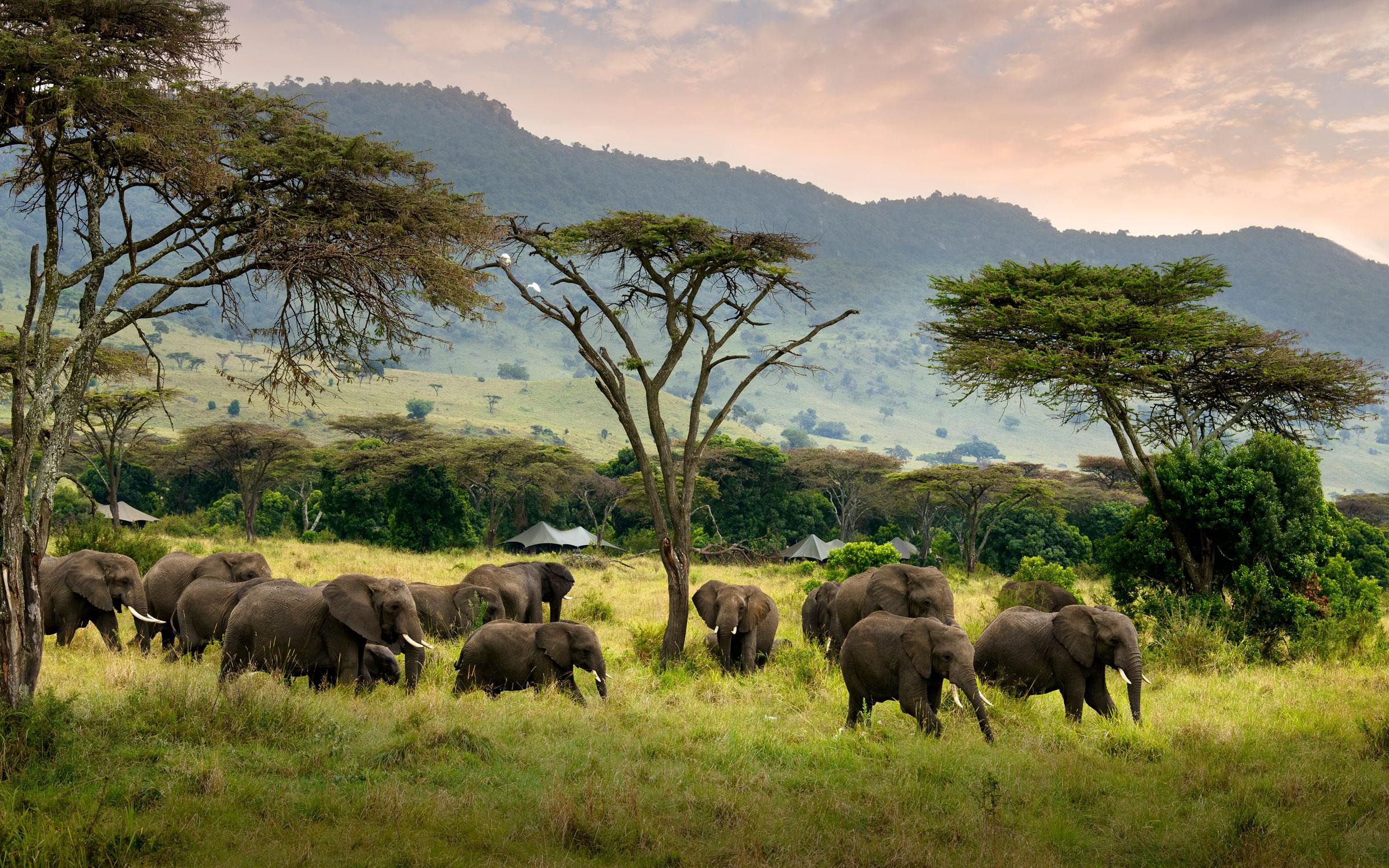
Imagine watching elephants cross an open plain beneath dramatic skies, photographing lions against fresh green grass, waking to birdsong at a peaceful tented camp, and enjoying a guide’s undivided attention without the intense visitor traffic of the busiest travel months.
Now imagine enjoying these experiences as explained I what I would call “Secret Season Safari Guide” while potentially paying less for accommodation and selected safari packages than you would during the busiest periods.
This is the appeal of the secret season safari — travelling during quieter or lower-demand periods when the right destinations, accommodation and itinerary can offer excellent value without sacrificing the essential African safari experience.
At Astute Africa Safaris, we believe that an unforgettable African safari should not be reserved for travellers with the largest budgets. The secret is understanding how rainfall, wildlife movements, accommodation demand and travel logistics vary across East Africa.
The quieter season is not identical across every destination. April and May can be particularly wet in many parts of Kenya and Tanzania, while November may offer attractive conditions in some parks. January and February can be rewarding in selected destinations, but they are not automatically low-season months everywhere.
The right strategy is therefore not simply to travel when prices are lowest. It is to choose the best combination of destination, travel dates, accommodation and wildlife experiences for your budget and expectations.
Whether you are travelling from Nairobi, Mombasa, Arusha, Dar es Salaam, Kigali or Kampala, or flying into East Africa from Europe, North America, Asia or elsewhere, this guide explains how to plan a rewarding safari outside the busiest travel periods.
You will discover:
-
Which months can offer better value in different East African destinations.
-
How to choose budget, mid-range, luxury and ultra-luxury accommodation.
-
Which parks and wildlife experiences suit different seasons.
-
How to travel from major East African cities without unnecessary transport costs.
-
How families, couples, honeymooners, photographers and first-time safari visitors can benefit.
-
How to reduce costs without compromising important safety, comfort or wildlife-viewing priorities.
Most importantly, you will learn how to book with confidence rather than worrying that travelling outside peak season means missing out.
1. What is the secret season in African safari travel?

The secret season is a traveller-friendly term for periods when a destination experiences lower visitor demand, seasonal accommodation offers or a different balance of weather, scenery and wildlife viewing opportunities.
It is not one official season shared by all African countries. Nor does it mean that every lodge reduces its prices or that every park becomes quiet at the same time.
In East Africa, travellers generally consider three broad categories when looking for better value.

The green season
Often includes periods of rain, fresh vegetation, dramatic skies, excellent birdwatching and fewer visitors in some locations.
This can be especially attractive for wildlife photographers, birdwatchers and travellers seeking quieter camps. In some destinations, April and May offer particularly strong opportunities for seasonal savings.

The shoulder season
A transition between busy and quieter travel periods.
These dates may provide an attractive balance of wildlife viewing, manageable visitor numbers and accommodation prices. The exact shoulder months differ between the Maasai Mara, Serengeti, gorilla trekking destinations and coastal resorts.

The quieter dry-season windows
Selected dates outside the busiest school holidays, migration periods or festive travel weeks.
Not every value-focused safari needs to take place during heavy rainfall. Travelling just before or after a major demand peak can sometimes preserve favourable wildlife conditions while reducing accommodation costs.
The important distinction is between a cheap safari and a well-planned value safari. A cheaper itinerary that involves excessive driving, poorly located accommodation or inaccessible roads may deliver less enjoyment than a slightly more expensive trip with a better route and more time in the wilderness.
Astute Africa Safaris can help travellers compare these trade-offs before committing to a booking.
2. Why consider an African safari outside peak season?
Potential savings on accommodation

Accommodation can account for a substantial part of a safari budget, particularly in private conservancies, remote wilderness camps and high-end lodges.
During selected lower-demand periods, some properties offer reduced rates, stay-longer promotions, discounted single supplements or packages that include additional nights. Offers vary by property and dates, so they must be confirmed before booking.
Savings can be particularly valuable for:
-
Families paying for several rooms or a family suite.
-
Couples planning a multi-night safari.
-
Travellers combining two or more national parks.
-
Honeymooners seeking premium accommodation at a more manageable cost.
-
Travellers adding a beach holiday after a wildlife safari.
A crucial point: the lowest accommodation rate does not always mean the lowest overall safari cost. A remote lodge with a discounted room may still require expensive flights or transfers. Compare the full package, including park fees, meals, transfers, activities and applicable taxes.
Fewer visitors at selected camps and wildlife locations

Outside the busiest travel windows, some parks and camps may feel quieter. This can mean a more relaxed atmosphere at meals, less competition for preferred accommodation and more peaceful time enjoying the scenery.
Visitor numbers vary by park and date. A famous reserve can remain busy during a public holiday even if the weather is wet, while a less-visited destination can offer a quieter experience during the dry season.
Private conservancies can also offer a less crowded wildlife experience because of their vehicle limits and management rules, regardless of the time of year.
Exceptional scenery for photography

The green season transforms familiar landscapes. Fresh grass, flowering plants, reflective pools and cloud formations can create images that look very different from the classic dry-season safari photograph.
Photographers may appreciate:
-
Dramatic skies and changing light.
-
Rich green backgrounds and colourful birdlife.
-
Dust-free conditions after rainfall.
-
Young animals in some ecosystems during seasonal birthing periods.
-
Reflections around temporary pools and watercourses.
The trade-off is that dense vegetation can obscure some animals, and rain can interrupt a game drive. A good itinerary should allow enough time to enjoy wildlife encounters without expecting every outing to produce perfect photographic conditions.
More flexibility when planning a tailor-made safari
When accommodation demand is lower, you may have more choice of rooms, camps or alternative travel dates. This is particularly useful for travellers who want a particular family room, a private vehicle or a specific combination of parks.
However, gorilla permits, limited-capacity camps and high-demand luxury properties can still sell out. Lower-season travel should not be treated as a reason to postpone every booking until the last minute.
3. When is the secret season? A practical East Africa calendar
The following calendar is a starting point, not a guarantee of weather, prices or wildlife sightings.
East Africa seasonal planning calendar
January–February
Good value in selected areas
Warm conditions in many lowland destinations and potentially excellent wildlife viewing. Southern Serengeti and Ndutu are major areas of interest during the wildebeest calving period, subject to rainfall and grazing conditions. Some beach destinations and popular lodges remain in high demand.
March
Transition period
Conditions begin changing in many regions as longer rains approach. Early March may offer a different experience from late March. Check local forecasts and the operating dates of individual camps.
April–May
Potential savings
The long rains affect many safari areas. This can be one of the most attractive periods for price-conscious travellers who are flexible about weather, but some camps close and road access can become difficult. Plan carefully rather than choosing a destination based on discounts alone.
June
Shoulder varies by park
Conditions begin improving in many areas, although the season varies by region. Some destinations offer a useful balance before the busiest July–October demand period.
July–October
Peak demand in key areas
Popular for dry-season game viewing and the Great Migration in parts of the Serengeti–Mara ecosystem. It can be expensive in sought-after camps, especially during school holidays and migration-focused travel dates.
November
Potential value window
Short rains may bring greener landscapes and seasonal offers. Rainfall varies, and some properties remain busy depending on destination and travel dates.
December
Dates matter
Early December may differ substantially from Christmas and New Year. Festive periods often attract high demand and can be expensive even when rainfall occurs.
For a more detailed month-by-month breakdown, link this section to Astute’s guide: Best Time to Visit Africa.
For travellers comparing the peak season with quieter travel windows in Kenya, see The Best Time for a Kenya Safari.
4. Kenya: Discover excellent-value safaris beyond the busiest months

Kenya is an excellent starting point for travellers who want to compare safari styles and budgets. Nairobi provides a major international gateway, while domestic flights and road transfers connect travellers to a wide range of national parks and conservancies.
The secret-season strategy in Kenya is to look beyond a single famous destination and compare the full experience.
Maasai Mara: Big cats, open plains and seasonal accommodation value
The Maasai Mara remains one of Africa’s most celebrated wildlife destinations. Lions, elephants, buffaloes, leopards, cheetahs, hyenas and many other species can be encountered throughout the year, although sightings are never guaranteed.
The Great Migration adds another dimension, but the herds’ movements depend on rainfall and grazing conditions. Travellers who specifically want migration activity should not choose dates solely because accommodation is discounted.
During selected quieter periods, consider properties that remain operational and have good access to wildlife areas. A well-positioned camp can be more valuable than a heavily discounted property that requires lengthy transfers to reach productive game-drive locations.

Accommodation examples to investigate:
-
Budget: simple tented camps and budget lodges around the reserve’s access towns, including the Talek and Sekenani areas. Check the precise location, facilities and transfer arrangements.
-
Mid-range: comfortable tented camps with en-suite facilities, full-board meals and convenient access to the reserve or an adjacent conservancy.
-
Luxury: established safari camps such as Basecamp Maasai Mara or Mara Serena Safari Lodge, depending on location and the experience you prefer.
-
Ultra-luxury: specialist properties such as Angama Mara or &Beyond Bateleur Camp, subject to availability and your preferred setting.
These are examples across different styles and price levels, not a claim that each property offers a secret-season discount. Confirm seasonal rates, opening dates, park access, inclusions and cancellation conditions directly in your safari quotation.
How to save: Compare a stay inside the reserve with a camp in a nearby conservancy or surrounding area. Conservancy stays may provide a different mix of exclusivity, activities and fees. Staying outside the reserve may reduce accommodation costs, but daily entry fees, gate access and transfer time must be considered.
For more detailed choices, link to Astute’s Maasai Mara Safari Lodges and Camps guide.
Amboseli: Elephants, Mount Kilimanjaro and wide-open views

Amboseli is renowned for elephant herds and its potential views of Mount Kilimanjaro. It can be rewarding in different seasons, but the mountain’s visibility depends on cloud cover and weather.
Green-season scenery can be beautiful, although heavy rainfall may affect tracks and journey times.
Accommodation examples to investigate:
-
Budget: basic camps and guesthouses around the Amboseli access area, with transport arrangements checked in advance.
-
Mid-range: established lodges such as AA Lodge Amboseli, subject to the precise room category and seasonal rate.
-
Luxury: properties such as Ol Tukai Lodge, known for its setting within the Amboseli landscape.
-
High-end alternatives: private tented accommodation and specialist camps may be available depending on dates, but check the actual operating season and total package price.
A budget-conscious traveller can often improve value by combining Amboseli with one nearby destination rather than trying to cover several distant parks in a short trip.
Tsavo East and Tsavo West: Space, elephants and fewer crowds in selected areas

Tsavo’s expansive landscapes offer a different experience from the Mara’s open grasslands. Tsavo East is famous for its red-earth scenery and elephants, while Tsavo West has varied terrain, volcanic features and springs.
Travellers arriving from Mombasa or the Kenyan coast may find Tsavo especially practical for a road-based safari.
Accommodation examples to investigate:
-
Budget: simple lodges, campsites and accommodation around park access points.
-
Mid-range: Voi Safari Lodge or comparable established safari lodges, depending on the park and route.
-
Luxury: Kilaguni Serena Safari Lodge and selected private safari camps.
-
Premium wilderness stays: specialist tented camps can offer a more secluded experience where operating dates and access allow.
Seasonal road conditions are particularly important in Tsavo. Ask about the actual route, vehicle type and expected driving time before choosing an accommodation offer.
Lake Nakuru and nearby parks: A practical short safari

For visitors with only two or three nights available, Lake Nakuru can be a useful choice. The park is known for rhinos, varied birdlife and scenic landscapes, although flamingo numbers fluctuate with changing lake conditions.
Accommodation strategy: compare simple guesthouses and camps outside the park with full-service lodges near the park’s access points. Mid-range and luxury choices should be assessed by room type, location, meal plan and transport needs.
A shorter safari can save money by reducing overnight stays, fuel costs and park-entry expenses. It may be more practical than trying to fit the Maasai Mara and several other parks into a very short trip.
For additional route ideas, link to The Ultimate Guide to Kenya Safari Tours and The Cheapest Safari in Kenya.
5. Tanzania: Experience the Serengeti and beyond at a better-value time

Tanzania offers enormous wilderness areas, the Serengeti, Ngorongoro Crater, Tarangire and many other destinations. The best secret-season strategy depends on which part of Tanzania you intend to visit.
Travellers should remember that northern Tanzania’s popular parks can remain expensive even during months when rain is possible. Park fees, conservation charges, long distances and internal flights can also influence the final cost.
Serengeti National Park: Choose your region according to the season
The Serengeti’s wildlife moves across a vast ecosystem. The southern plains are often associated with the calving season around January–March, while the central, western and northern areas can become more relevant at other times of year.
The precise location of herds changes, and neither a particular river crossing nor a specific wildlife encounter can be promised.

Accommodation examples to investigate:
-
Budget: public campsites and simpler camps, with a clear understanding of facilities, park logistics and transport costs.
-
Mid-range: seasonal tented camps or established lodges such as Serengeti Serena Safari Lodge, depending on the region and itinerary.
-
Luxury: properties such as Kubu Kubu Tented Lodge or selected specialist tented camps, with location checked against the wildlife area you intend to explore.
-
Ultra-luxury: premium mobile camps and high-end lodges such as &Beyond Serengeti Under Canvas or Singita properties, depending on the relevant region and operating dates.
How to save: Rather than selecting a camp simply because it has a lower nightly rate, choose the Serengeti region that best suits your travel dates. This can reduce unnecessary driving and improve the time available for game drives.
Ngorongoro Conservation Area: Crater wildlife and highland scenery

Ngorongoro is a strong choice for travellers seeking dramatic scenery and opportunities to see a variety of wildlife in a relatively concentrated area. Conditions, visibility and road access can vary with weather.
Accommodation on the crater rim often commands a premium because of the setting and access. Travellers seeking value can compare properties in Karatu, while accounting for early starts, driving time, conservation fees and the cost of crater access.
Accommodation examples:
-
Budget: guesthouses and simpler lodges in Karatu.
-
Mid-range: established lodges and tented accommodation around Karatu and the surrounding highlands.
-
Luxury: Ngorongoro Serena Safari Lodge or comparable properties, depending on dates.
-
Ultra-luxury: specialist crater-rim lodges, including properties such as &Beyond Ngorongoro Crater Lodge.
A lower room rate farther away may not translate into a lower overall price if the itinerary requires additional transport or overnight stays. Request a complete cost comparison before deciding.
Tarangire National Park: Elephants, baobabs and a different safari atmosphere

Tarangire is known for its baobab trees, elephants and seasonal changes in wildlife distribution. Dry-season concentrations can be spectacular, while greener months offer attractive landscapes and birdlife.
Accommodation examples to investigate:
-
Budget: simpler lodges and camps near the park’s access areas.
-
Mid-range: Tarangire Safari Lodge and comparable properties, subject to availability and location.
-
Luxury: established tented camps with good access to the park.
-
Ultra-luxury: specialist camps and private wilderness properties, where available for your dates.
For travellers arriving through Arusha, a northern-circuit itinerary combining Tarangire, Ngorongoro and the Serengeti may be more practical than adding distant parks without enough time.
Explore Astute’s Kenya and Tanzania Safari Packages and Combined Tanzania and Kenya Safari Holidays when comparing single-country and multi-country options.
6. Uganda: A rewarding secret-season safari beyond the gorilla permits

Uganda is an appealing destination for travellers who want to combine traditional wildlife safaris with forest adventures, chimpanzee tracking and mountain gorilla trekking. Its landscapes include savannah parks, wetlands, tropical forests and mountain regions.
The secret-season opportunity in Uganda is to build an itinerary around the activities that matter most, while checking which parks and accommodation properties are best suited to the expected weather.
Rainfall can make forest trails slippery and some roads challenging. However, a rainy forecast does not automatically mean gorilla trekking or wildlife viewing will be cancelled. Activities operate under destination-specific rules, and conditions should be confirmed with the relevant authorities and operators.
Queen Elizabeth National Park: Wildlife, waterways and crater lakes

Queen Elizabeth National Park offers savannah wildlife, the Kazinga Channel boat experience and opportunities to explore varied habitats. Sightings depend on conditions, location and time spent in the field.
Accommodation examples to investigate:
-
Budget: basic lodges and guesthouses around the park’s access areas.
-
Mid-range: properties such as Enganzi Game Lodge or comparable accommodation, depending on the route.
-
Luxury: Mweya Safari Lodge and other established lodges, subject to seasonal availability.
-
Ultra-luxury: specialist safari lodges such as Kyambura Gorge Lodge, depending on the itinerary and experience sought.
For travellers looking to save, comparing accommodation around the northern and southern sectors of the park can help reduce unnecessary transfers. Choose your base according to the wildlife activities you want to undertake.
Bwindi Impenetrable National Park: Gorilla trekking with careful planning

Gorilla trekking is one of East Africa’s most distinctive wildlife experiences. It requires a valid permit, appropriate preparation and compliance with the rules set by the responsible wildlife authority.
Unlike a conventional game drive, the principal cost of a gorilla trek is not necessarily reduced simply because you travel in a quieter month. Permit prices, sector availability and accommodation costs must be checked for your dates.
Accommodation examples to investigate:
-
Budget: community guesthouses and simpler lodges near the relevant trekking sector.
-
Mid-range: comfortable forest lodges and locally operated guest accommodation.
-
Luxury: established forest lodges such as Buhoma Lodge, depending on the selected sector.
-
Ultra-luxury: specialist high-end properties such as Clouds Mountain Gorilla Lodge, subject to availability and proximity to the appropriate trekking departure point.
A major money-saving principle is to select accommodation close to the trekking sector for which you have a permit. A lower-priced lodge on the other side of the forest can create long, tiring transfers.
For an itinerary that includes gorilla trekking, chimpanzees and traditional wildlife drives, start with Astute’s Uganda Wildlife and Gorilla Trekking Safari.
7. Rwanda: A premium wildlife experience with opportunities to plan strategically

Rwanda offers a combination of mountain gorilla trekking, rainforest experiences, cultural attractions and savannah wildlife in Akagera National Park.
Kigali’s international airport and relatively compact geography can make it convenient for travellers who want to minimise lengthy road transfers. However, accommodation and specialist activities can be expensive, and gorilla trekking permits should be checked well ahead.
Volcanoes National Park: Gorilla trekking and mountain scenery

The green season can create beautiful forest scenery, although wet trails can make trekking more physically demanding. Gorilla sightings cannot be guaranteed in advance, and permits are subject to official rules and availability.
Accommodation categories to consider:
-
Budget: guesthouses and simpler accommodation in the Musanze area.
-
Mid-range: comfortable hotels and lodges serving visitors to Volcanoes National Park.
-
Luxury: established properties such as Five Volcanoes Boutique Hotel, subject to dates and room availability.
-
Ultra-luxury: specialist lodges such as Bisate Lodge or Singita Kwitonda Lodge.
For this destination, savings may come more from choosing the right room category, shortening unnecessary transfers or selecting dates with favourable accommodation rates than from expecting a large discount on gorilla permits.
Akagera National Park: Savannah wildlife and a different side of Rwanda

Akagera provides a different experience from the mountainous forests of Volcanoes National Park. It offers savannah wildlife, lakes, wetlands and opportunities for game drives and boat activities.
Accommodation examples to investigate:
-
Budget: simpler accommodation around the park’s access areas.
-
Mid-range: comfortable lodges and camps serving Akagera visitors.
-
Luxury: Ruzizi Tented Lodge, subject to availability and the desired level of comfort.
-
Premium wilderness: Magashi Camp, for travellers seeking a more exclusive experience.
A well-planned Rwanda itinerary can combine Kigali, Akagera and Volcanoes National Park, but avoid squeezing too many activities into too few days. Gorilla trekking requires sufficient time for transfers, briefing and the trek itself.
8. Zanzibar and Kenya’s coast: Extend your safari without overspending

A safari can be even more memorable when followed by time beside the Indian Ocean. For travellers seeking value, the choice is often between extending the trip to Kenya’s coast or flying to Zanzibar.
Zanzibar: Beach relaxation, culture and romantic escapes
Zanzibar is popular for its white-sand beaches, warm ocean, Swahili culture and historic Stone Town. Conditions vary across the island and between seasons, so the best location depends on the activities you want to enjoy.

Accommodation examples to investigate:
-
Budget: guesthouses and smaller hotels in areas such as Paje, Jambiani and Stone Town.
-
Mid-range: comfortable beach hotels and boutique stays, selected according to the coast and activities.
-
Luxury: established resorts such as Zuri Zanzibar.
-
Ultra-luxury: specialist properties such as &Beyond Mnemba Island, subject to availability and the applicable meal and activity arrangements.
A beach resort’s headline room rate is not the whole holiday cost. Compare transfers, meals, excursions, taxes and any domestic or international flights required to connect it with your safari.
Mombasa, Diani and Watamu: A practical alternative to Zanzibar

Kenya’s coast can be a convenient option for travellers beginning or ending their safari in Nairobi or Mombasa.
Diani is known for its beaches and resort atmosphere; Watamu offers beaches and marine experiences; and Mombasa combines coastal relaxation with historic and cultural attractions.
Accommodation strategy:
-
Budget: guesthouses, smaller hotels and self-catering stays.
-
Mid-range: comfortable beachfront hotels and family-friendly resorts.
-
Luxury: established resorts such as Leopard Beach Resort & Spa in Diani.
-
Ultra-luxury: premium boutique resorts and private villas, depending on the destination and travel dates.
For families, a Kenya safari followed by a few nights at the coast can be simpler than adding a separate country and additional international flights. For honeymooners, Zanzibar may be worth the extra travel if it offers the island experience they specifically want.
Explore Astute’s Kenya Beach Holidays guide and Best Safari and Beach Combinations in Kenya.
9. How to reach East Africa’s safari destinations from major cities
The secret season is most useful when you combine accommodation savings with a sensible travel route. A cheap camp can become expensive if reaching it requires multiple transfers or unnecessary overnight stops.

The following routes are planning examples. Actual flight schedules, fares, road conditions, border procedures and transfer times must be confirmed for your dates.
| Starting city | Practical safari options | Cost-conscious planning approach |
|---|---|---|
| Nairobi, Kenya | Maasai Mara, Amboseli, Lake Nakuru, Naivasha, Tsavo | Compare road safaris with domestic flights. Use a short safari near Nairobi when time is limited. |
| Mombasa, Kenya | Tsavo East, Tsavo West, Amboseli, Kenya’s coast | Consider a road-based Tsavo safari before adding a long journey inland. |
| Arusha, Tanzania | Tarangire, Lake Manyara, Ngorongoro, Serengeti | Build a northern-circuit itinerary with accommodation placed strategically along the route. |
| Dar es Salaam, Tanzania | Nyerere National Park, Mikumi and southern Tanzania routes | Compare road and flight options, especially when visiting remote parks. |
| Kigali, Rwanda | Volcanoes National Park, Akagera, Kigali cultural attractions | Choose the sequence according to gorilla permits, park locations and available transfer time. |
| Kampala, Uganda | Queen Elizabeth, Murchison Falls, Bwindi and Kibale | Start early and allow for long road transfers; consider flights where the saving in time justifies the cost. |
Travelling from Nairobi
Nairobi is a useful base for travellers seeking a short Kenyan safari or a longer circuit. The Maasai Mara, Amboseli and Lake Nakuru suit different budgets and time frames.
For a short break, choose one main destination rather than attempting to cover several distant parks. For a longer trip, compare the costs of a private 4×4, shared safari transport and domestic flights.
Travelling from Mombasa and coastal Kenya
Travellers based in Mombasa, Diani, Malindi or Watamu can consider Tsavo as a practical safari extension. Depending on the itinerary, a safari may be arranged before or after a coastal holiday.
Confirm whether the package includes hotel pickup, park fees, meals and return transfers. Some low advertised prices exclude these important items.
Travelling from Arusha
Arusha is a major starting point for northern Tanzania safaris. A well-planned route can connect Tarangire, Ngorongoro and the Serengeti without unnecessary backtracking.
If the migration is the priority, choose the relevant Serengeti region based on your actual dates and the expected herd movements.
Travelling from Dar es Salaam
Dar es Salaam is a practical gateway for southern Tanzania, but remote wilderness areas can involve substantial travel time. Compare scheduled flights, safari aircraft and road transfers before selecting accommodation.
For a short trip, a nearby park may provide better overall value than spending a large proportion of your holiday travelling.
Travelling from Kigali
Kigali is a convenient base for Rwanda’s major experiences. For gorilla trekking, organise the permit and accommodation before finalising the rest of the itinerary.
For travellers wishing to include Uganda, confirm border-crossing requirements, transport arrangements and the time needed between destinations.
Travelling from Kampala
Uganda’s parks are spread across different regions. A multi-day itinerary allows more time for game drives, forest experiences and relaxation.
For gorilla trekking in Bwindi, choose accommodation close to the specific trekking sector and permit arrangements.
Important: For cross-border itineraries, confirm entry requirements, visas, health documentation, insurance and the legal requirements for your nationality before departure. Do not assume that a visa or travel document valid in one country automatically covers another.
10. Budget, mid-range, luxury and ultra-luxury: How much can you save?

The biggest mistake when planning an off-peak safari is assuming that every accommodation category will offer the same percentage discount.
Actual savings depend on the property, destination, dates, group size, room type and package inclusions. The figures below are illustrative planning ranges, not live quotations or guaranteed secret-season rates.
| Safari category | Indicative budget per person per day | Best suited to |
|---|---|---|
| Budget | US$100–200 | Backpackers, budget-conscious couples and travellers comfortable with simple accommodation |
| Mid-range | US$200–450 | Couples, families and travellers seeking comfort without the highest lodge rates |
| Luxury | US$450–900 | Travellers seeking premium camps, better locations and personalised service |
| Ultra-luxury | US$900–2,000+ | Exclusive lodges, specialist camps and highly personalised experiences |
These broad estimates are for initial planning only. Costs can fall outside these ranges, particularly for gorilla trekking, remote fly-in safaris, premium private conservancies, international flights and high-cost peak-season properties. Check whether park fees, permits, flights, meals and transfers are included.
An example of how seasonal savings can work
Suppose a couple is planning a four-night safari and receives the following hypothetical accommodation quotations:
Peak-period accommodation
4 nights × US$350 per room per night
US$1,400
Hypothetical quieter-season rate
4 nights × US$280 per room per night
US$1,120
Illustrative accommodation saving
Before transport, fees and other costs
US$280
This example demonstrates a possible 20% reduction in the room rate, not a promise that a particular lodge will offer it. If transport, park fees and activities remain unchanged, the saving on the entire safari will be smaller than the percentage saved on accommodation.
The best approach is to ask Astute Africa Safaris to compare the same itinerary at two or more travel dates, using equivalent accommodation and inclusions. This provides a much fairer comparison than comparing two different packages.
11. Sample secret-season itineraries for different budgets
These itineraries illustrate how you could structure a value-focused holiday. They are not live offers, and prices should be confirmed before publication as fixed package rates or used in customer quotations.

Itinerary 1: Three-day budget Kenya safari
3 days / 2 nights
Budget
Route: Nairobi – Lake Nakuru – Nairobi
Day 1: Depart Nairobi for Lake Nakuru, with a scenic journey through the Great Rift Valley. Enjoy an afternoon game drive if arrival time permits.
Day 2: Spend the morning and afternoon exploring the park, looking for rhinos, giraffes, buffaloes and other wildlife.
Day 3: Enjoy a final game drive if the schedule permits, then return to Nairobi.
Accommodation: A simple lodge or guesthouse near the park, or another suitable property selected for the travel dates.
Indicative planning budget: US$300–600 per person sharing, subject to transport, park fees, accommodation, meals and group size.
Why it works: A shorter itinerary limits accommodation nights and transport costs while providing a genuine wildlife experience.

Itinerary 2: Four-day mid-range Maasai Mara escape
4 days / 3 nights
Mid-range
Route: Nairobi – Maasai Mara – Nairobi
Day 1: Travel to the Mara by road or scheduled flight, depending on budget and availability.
Day 2: Enjoy morning and afternoon game drives, with time to appreciate the landscape and wildlife.
Day 3: Explore different wildlife areas with your guide. If migration activity is important, confirm the most suitable region for your dates.
Day 4: Return to Nairobi by road or air.
Accommodation: A comfortable tented camp with en-suite facilities, full-board meals and convenient access to the reserve.
Indicative planning budget: US$700–1,400 per person sharing.
Why it works: Three nights allow more time for wildlife viewing, reducing the pressure to rush through the destination.

Itinerary 3: Five-day luxury Tanzania safari
5 days / 4 nights
Luxury
Route: Arusha – Tarangire – Ngorongoro – Arusha, with the exact overnight sequence tailored to availability.
Day 1: Arrive in Arusha and transfer to your selected lodge.
Day 2: Explore Tarangire, known for its elephants and baobabs.
Day 3: Travel towards the Ngorongoro highlands, enjoying the scenery and an appropriate wildlife activity en route.
Day 4: Descend into the crater for a wildlife drive, subject to park rules and conditions.
Day 5: Return to Arusha.
Accommodation: Luxury lodges or tented camps, selected according to location, seasonal rates and room availability.
Indicative planning budget: US$1,800–3,500 per person sharing.
Why it works: A compact northern-circuit itinerary delivers a variety of landscapes without the cost of travelling deep into several distant regions.

Itinerary 4: Four-day Rwanda gorilla experience
4 days / 3 nights
Premium
Route: Kigali – Volcanoes National Park – Kigali
Day 1: Arrive in Kigali, with time for a city visit if your arrival schedule permits.
Day 2: Transfer to the Musanze area and prepare for the trek.
Day 3: Undertake the gorilla trek with the relevant permit and authorised arrangements.
Day 4: Return to Kigali for onward travel.
Accommodation: Choose a guesthouse, comfortable hotel or luxury lodge according to your budget.
Budget note: Gorilla permits can be a substantial fixed expense. Obtain current official permit prices and accommodation quotations before estimating a complete trip.
Why it works: Focusing on one primary experience limits unnecessary transfers and allows adequate time for the trek.
For families, couples or honeymooners combining several countries, longer itineraries may offer a better overall experience than rushing between destinations. Start with your priorities, then add countries only when the extra travel time and expense are justified.
12. How to choose the right secret-season accommodation

A lower room rate is useful only if the accommodation meets your expectations and supports the itinerary.
Before accepting a seasonal offer, ask the following questions:
-
Is the property open? Confirm operating dates, particularly during April and May.
-
What is included? Check meals, game drives, transfers, park fees, taxes and activities.
-
Where is it located? Establish whether it is inside a park, in a private conservancy or outside the main access gates.
-
Are roads accessible? Ask about current conditions and whether a 4×4 vehicle is needed.
-
What happens if the weather changes? Review the property’s cancellation and rescheduling policy.
-
Are activities available? Some camps may reduce services or close seasonally.
-
Is the offer genuinely better value? Compare the total cost with a similar property and equivalent dates.
Families should also confirm child policies, family rooms, age restrictions for activities and whether private transport is advisable.
Honeymooners may value privacy, flexible dining and special arrangements more than the lowest possible room rate. Photographers may prefer a property close to wildlife areas, even if another lodge is cheaper.
The best accommodation is the one that matches your priorities, not necessarily the one with the biggest advertised discount.
13. Will I still see wildlife during the secret season?

Yes, a safari outside peak season can still provide memorable wildlife encounters. However, no responsible safari operator should guarantee a particular animal sighting or suggest that every park performs equally well in every month.
The experience depends on the ecosystem, recent rainfall, vegetation, wildlife movement, guide expertise and time spent in the field.
Lions, leopards and cheetahs
These predators remain in their respective ecosystems throughout the year, although visibility and sightings vary. Thicker vegetation can make some animals harder to see, while young prey animals and changing grazing patterns may influence predator activity.
Elephants, giraffes, buffaloes and other large mammals
Many large mammals can be seen year-round in well-established safari destinations. Their distribution changes with water, food and seasonal conditions.
Birds and smaller wildlife
Green-season travel can be particularly attractive for birdwatchers. Migratory species, breeding activity and fresh vegetation may create excellent opportunities, depending on the destination and dates.
The Great Migration
The wildebeest migration is a moving ecological event, not a scheduled performance. The Serengeti and Maasai Mara offer different opportunities during different parts of the year. River crossings are unpredictable and cannot be guaranteed.
Our advice: If seeing a specific species or event is your main reason for travelling, tell your safari planner before selecting the dates. A slightly more expensive trip at the right time may be better value than a discounted trip that misses your primary objective.
14. Is travelling in the rainy season safe and comfortable?

Rain alone does not make an African safari unsafe. Many parks operate successfully during wetter months, and experienced local operators plan routes around seasonal conditions.
Nevertheless, heavy rainfall can affect roads, tracks, airstrips and transfer times. Flooding or deteriorating road conditions may occasionally require itinerary changes.
To reduce avoidable problems:
-
Choose an operator who checks current conditions with camps and local guides.
-
Allow flexibility around long road transfers and connecting flights.
-
Ask whether the selected camp operates throughout your travel dates.
-
Carry a lightweight waterproof jacket and suitable walking shoes.
-
Follow your guide’s instructions around wildlife and during any weather-related changes.
-
Review travel insurance cover for delays, cancellations and medical assistance.
-
Confirm the applicable entry, health and vaccination requirements for your route with the relevant authorities or a qualified travel-health provider.
For gorilla trekking, prepare for wet, slippery trails even if the forecast appears favourable. Trek duration and difficulty vary, so ask the relevant park authority or operator about the specific sector.
Astute Africa Safaris can help plan suitable routes and accommodation, but weather and wildlife conditions remain outside any operator’s control.
15. How to book a secret-season safari with confidence
The best way to reduce uncertainty is to establish clear expectations before making a payment.
Step 1: Choose your travel window
Decide whether your priority is lower prices, dry-weather wildlife viewing, the Great Migration, gorilla trekking, birdwatching or a safari-and-beach combination.
Step 2: Select the most practical route
Begin from Nairobi, Mombasa, Arusha, Dar es Salaam, Kigali or Kampala, as appropriate. Avoid unnecessary transfers and overnight stops.
Step 3: Compare accommodation fairly
Ask for comparable budget, mid-range and luxury options. Check locations, inclusions, operating dates and the total package price.
Step 4: Review the written quotation and terms
Confirm the itinerary, accommodation, transport, park fees, permits, payment schedule, cancellation terms and any seasonal restrictions before paying.
Step 5: Verify the booking and payment arrangements
Use the company’s published contact information and agreed payment channels. Obtain written confirmation of reservations and receipts for payments made.
You can review the published Astute Africa Safaris Terms and Conditions before confirming a booking.
A trustworthy quotation should make clear what is included, what is excluded, which services depend on availability and what happens if circumstances change. Never rely on an unverified discount or a verbal promise about a particular wildlife sighting.
16. Frequently asked questions about The Secret Season Safari Guide African safaris
What is the cheapest month to go on an African safari?
There is no single cheapest month across East Africa. April and May can offer lower accommodation rates in some destinations, while November and selected shoulder-season dates may also offer value. Prices vary by park, property, public holidays and demand.
Is April a good time for a Kenya safari?
April can be rewarding for travellers who enjoy lush landscapes, birdlife and quieter conditions. However, it is part of the long-rains period in many areas, so road conditions, camp opening dates and transfer times require careful planning.
Is November a good time to visit Tanzania?
November can offer green landscapes and potential seasonal accommodation offers. The weather varies, and the best itinerary depends on which parks you want to visit and the current wildlife distribution.
Can I see the Big Five during the secret season?
It is possible to encounter lions, leopards, elephants, buffaloes and rhinos during quieter travel periods. However, no itinerary can guarantee sightings of all five. Your destination, length of stay, guide and wildlife conditions all matter.
Are safari lodges cheaper during the low season?
Some properties offer seasonal reductions or promotions, while others retain their rates or close temporarily. Request actual quotations for your dates rather than assuming every lodge offers a discount.
Is a low-season safari suitable for children?
Yes, provided the itinerary is appropriate for the children’s ages and interests. Consider shorter transfers, family rooms, flexible game drives and activities that comply with each property’s and park’s age requirements.
Is the secret season suitable for honeymooners?
Absolutely. Couples can enjoy quieter camps, lush scenery and intimate experiences. Compare the complete cost of a premium camp during quieter dates with a less expensive property during peak season.
Can I combine Kenya and Tanzania during the secret season?
Yes. A combined itinerary can offer diverse landscapes and wildlife experiences, but cross-border travel, park fees, accommodation and transfers add cost and complexity. Plan around the wildlife areas relevant to your dates rather than trying to visit every famous park.
Can I combine a safari with Zanzibar or the Kenyan coast?
Yes. You can arrange a safari followed by time in Zanzibar, Diani, Watamu or another coastal destination. Confirm flight schedules, transfers, weather conditions and hotel rates before finalising the itinerary.
How far ahead should I book?
For popular luxury camps, gorilla permits, migration-focused accommodation and holiday periods, booking well in advance is sensible. Quieter periods may offer greater flexibility, but specific rooms and permits can still be limited.
17. Plan your secret-season safari with Astute Africa Safaris

An extraordinary African safari does not have to take place during the busiest travel months. With the right destination, suitable accommodation and a carefully planned route, quieter periods can open the door to beautiful landscapes, rewarding wildlife encounters and potentially meaningful savings.
Astute Africa Safaris helps travellers explore safari options across Kenya, Tanzania, Uganda and Rwanda, with opportunities to add Zanzibar or Kenya’s coast where the itinerary makes sense.
Whether you are looking for a simple budget safari from Nairobi, a family-friendly holiday from Mombasa, a northern Tanzania circuit from Arusha, a gorilla trekking experience from Kigali or a wildlife adventure from Kampala, the objective is the same: match your safari to your expectations and budget, not simply to the most popular travel dates.
We can help you compare accommodation categories, evaluate practical routes, understand seasonal trade-offs and build an itinerary around the experiences that matter most to you.
Ready to explore Africa during the secret season?
Let’s plan your African safari
Tell us your preferred travel dates, departure city, number of travellers and budget. We can then help you identify suitable destinations, accommodation and transport options for your trip.
Explore Astute Africa Safaris Read booking terms and conditions
Travel smart. Explore deeper. Experience Africa on your terms.
Leave a comment:
You must be logged in to post a comment.

Comments (3)
Affordable African safari packages - Astute Africa Safaris,
03 March, 2026[…] During the “Green Season“: Visiting during the rainy season (typically April–May in East Africa) can result in […]
African Safari: 25 Essential Tips for Your Journey - Astute Africa Safaris,
04 April, 2026[…] follow these logical steps: First, determine your budget and preferred wildlife focus, as peak seasons vary by region. Second, consult a travel clinic at least three months prior to departure for necessary […]
Astute Africa Safaris,
05 May, 2026REF: Crafting Your Bespoke African Safari Experience with Astute Africa Safaris
Jambo,
Thank you for your interest in exploring the wonders of Africa with Astute Africa Safaris. We pride ourselves on creating immersive, tailor-made journeys that align perfectly with your personal interests, pace, and travel aspirations.
Because every safari is a unique narrative, we do not believe in “one-size-fits-all” pricing. To ensure we provide you with an accurate and competitive quotation that reflects the specific lodges, wildlife experiences, and logistical arrangements you desire, we invite you to connect with our team for a personalized consultation.
Please contact us at info@astuteafricasafaris.com, Whatsapp +254762663272 or fill the inquiry form with a few details regarding your preferred travel dates, group size, and specific interests (e.g., photography, luxury relaxation, or adventure trekking). Once we have these details, we will curate a comprehensive proposal designed specifically for you.
We look forward to the possibility of helping you plan an unforgettable journey.
Warm regards,
Team Astute Africa Safaris