

- 1.1k Views
- 25 Min Read
- (1) Comment
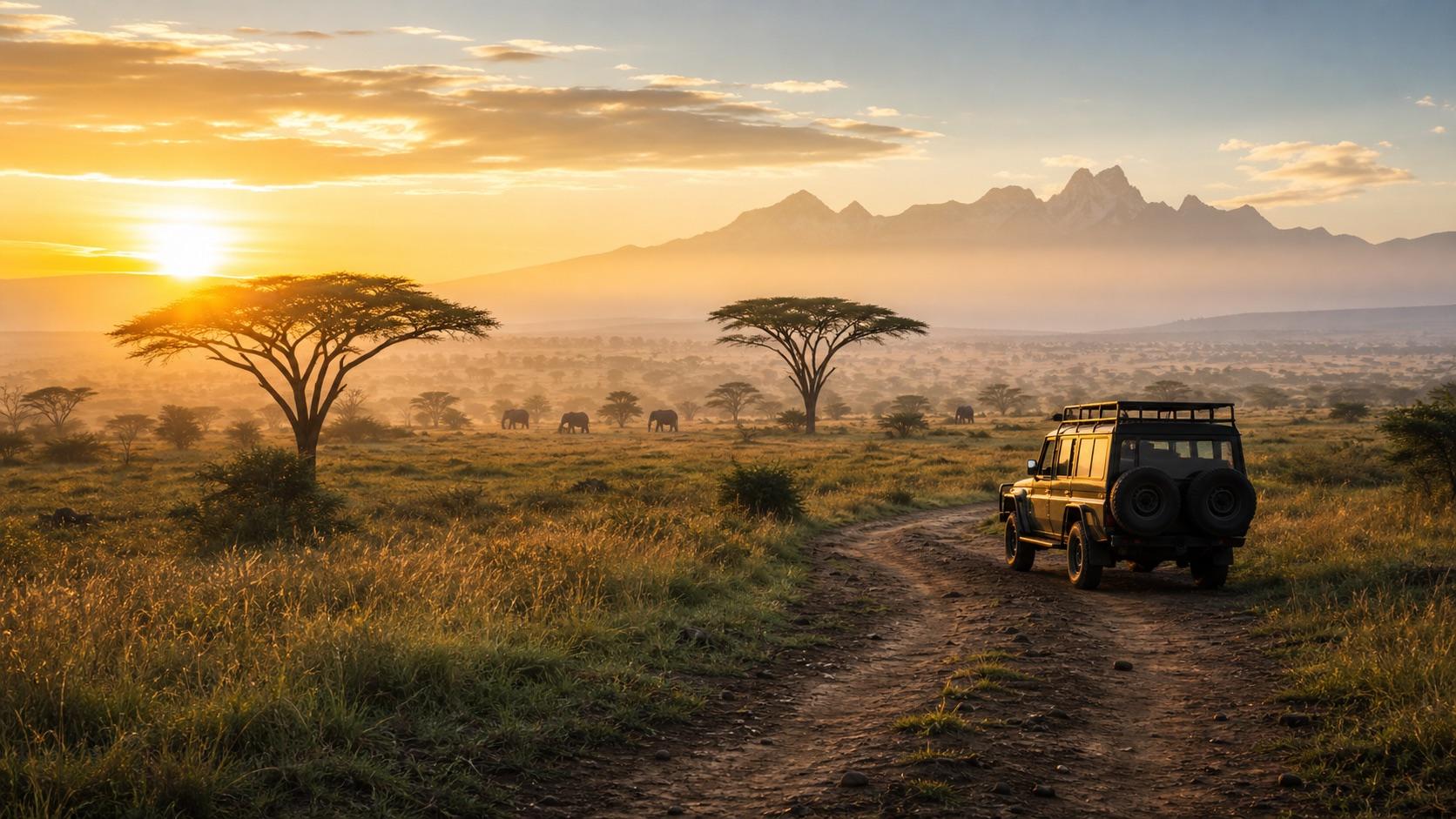
An African safari is more than a holiday spent looking for wild animals. It is an opportunity to experience extraordinary landscapes, observe wildlife behaving naturally, learn about local cultures and discover the importance of protecting Africa’s natural heritage.
Yet a memorable safari rarely happens by accident. Choosing the right destinations, allowing enough time between parks, understanding seasonal differences, selecting suitable accommodation and preparing for the realities of travelling in remote environments can make a considerable difference to your experience.
For first-time visitors, the choices can seem overwhelming. Should you visit Kenya or Tanzania? Is a luxury safari worth the additional cost? Can you combine a traditional wildlife safari with a beach holiday? What should you know before travelling with children, photographing wildlife or trekking to see mountain gorillas?
The answers depend on your interests, budget, travel dates, preferred comfort level and the kind of experience you hope to have.
This guide brings together 35 essential African safari tips to help you plan with confidence. It covers everything from destination selection and budgeting to health preparation, wildlife etiquette, responsible tourism and the practical decisions that can turn a good holiday into a rewarding African adventure.
Whether you are considering Kenya, Tanzania, Uganda, Rwanda or a safari combined with Zanzibar, these principles will help you make more informed choices.
Quick guide: the most important African Safari Tips

Choose destinations around your priorities
Decide whether you most want classic savannah wildlife, the Great Migration, gorilla trekking, birdwatching, cultural experiences or a beach extension.

Allow enough time
Fewer destinations with meaningful time in each often create a better safari than a rushed itinerary involving too many long drives.

Compare the complete cost
Look beyond the advertised rate to understand park fees, accommodation, transport, meals, activities, flights and exclusions.

Put safety and wildlife welfare first
Follow your guide’s instructions, respect park regulations and observe animals without disturbing them.
Part One: Planning your African safari

Tip 1: Decide what you want from your safari before choosing a destination
One of the most common planning mistakes is selecting a famous destination before considering what you actually want to experience.
Start by identifying your priorities. Are you dreaming of seeing lions, elephants, leopards and rhinos? Would you like to witness wildebeest migration, photograph rare birds, visit conservation projects, meet local cultural hosts or track mountain gorillas in a forest?
Different destinations offer different strengths.
-
Kenya: The Maasai Mara, Amboseli, Tsavo, Samburu and Laikipia offer varied savannah wildlife, landscapes and conservation experiences.
-
Tanzania: The Serengeti, Ngorongoro Conservation Area, Tarangire and other northern-circuit destinations offer extensive wildlife-viewing opportunities.
-
Uganda: A combination of savannah safaris, forest wildlife, chimpanzee tracking and mountain gorilla trekking can create a varied itinerary.
-
Rwanda: Gorilla trekking, forest experiences and accessible combinations of wildlife and cultural activities appeal to travellers seeking a different style of African adventure.
-
Zanzibar: A beach extension can add relaxation, coastal scenery, marine activities and cultural exploration to a Tanzania safari.
These destinations are not interchangeable. Match the itinerary to your priorities rather than assuming that every country offers the same experiences.
Explore Astute’s African safari destinations when comparing options.
Tip 2: Choose the right time of year for your priorities
There is no single month that is best for every African safari.
Dry periods can make wildlife easier to spot in many savannah environments because vegetation may be thinner and animals often gather around remaining water sources. However, rainy seasons can bring green landscapes, dramatic skies, seasonal birdlife and opportunities for different photographic experiences.
Migration viewing requires particular care. The movement of wildebeest and other grazing animals depends on rainfall, grazing conditions and the animals’ natural movements. A calendar estimate cannot guarantee a river crossing or a specific sighting.
Gorilla trekking, birdwatching, beach holidays and mountain climbing also have their own seasonal considerations.
Before choosing dates, compare:
-
Expected weather and road conditions.
-
Wildlife priorities and seasonal movements.
-
Accommodation prices and availability.
-
School holidays and destination crowd levels.
-
Whether you prefer green landscapes or drier conditions.
Read Astute’s best time to visit Africa guide for a broader seasonal overview, then consult country-specific advice for your chosen route.
Tip 3: Give your safari enough days
A safari itinerary should account for more than the time spent on game drives. You must also allow for airport transfers, travel between parks, check-in arrangements, possible flight connections and time to recover from long journeys.
A three-day safari can provide a rewarding introduction to one well-chosen wildlife area. A longer holiday may allow you to combine multiple ecosystems or add a cultural or beach experience.
As a general planning framework:
| Available time | Possible safari approach |
|---|---|
| 2–3 days | Concentrate on one accessible park or reserve |
| 4–6 days | Explore one region in greater depth or combine two compatible areas |
| 7–10 days | Build a multi-park safari with a manageable travel pace |
| 11–14 days | Consider a broader itinerary, a second country or a beach extension |
| 15 days or more | Explore a more extensive multi-country journey, including specialist experiences where appropriate |
These are planning guidelines, not fixed rules. Road distances, flight schedules and the locations of the parks will determine what is practical.
For itinerary inspiration, see Astute’s 10 best Kenya safari and tour itineraries and Tanzania safari and tour itineraries.
Tip 4: Set a realistic budget before requesting quotations
Your safari budget should reflect your preferred accommodation, transport arrangements, length of stay, group size and activities.
The main price components may include:
-
Accommodation and meals.
-
Park entrance and conservation fees.
-
Private or shared safari vehicles.
-
Professional driver-guide services.
-
Domestic flights and airport transfers.
-
Specialist activities and permits.
-
International flights, where included.
-
Travel insurance, tips and personal expenses.
A lower advertised price does not necessarily represent better value. Check the complete itinerary and inclusions before comparing quotations.
Ask whether the price is per person or per vehicle, whether it assumes two people sharing a room, and whether park fees and transfers are included. Confirm how single-room supplements, child rates, optional activities and changes to travel dates affect the total.
A private safari may offer more control over departure times and wildlife viewing, while a shared departure can reduce costs. Neither is automatically the right choice for every traveller.
For a more detailed breakdown, consult How Much Does an Africa Safari Cost?, and use Astute’s current safari quotation process to obtain a price based on your actual requirements.
Tip 5: Compare accommodation by location, not just luxury level
A five-star description does not tell you everything about a safari camp’s suitability.
A property may be beautifully appointed but involve lengthy transfers to the areas you most want to explore. Another may offer simpler accommodation but a location that better supports your itinerary.
Consider:
-
Distance and travel time to park gates or wildlife areas.
-
Whether the property is inside a park, in a conservancy or outside a reserve.
-
The activities permitted in its location.
-
Meal arrangements and dietary accommodation.
-
Family facilities, accessibility and room configurations.
-
Electricity, charging facilities and internet access.
-
Whether the experience is compatible with your budget and expectations.
In some conservancies, rules and available activities differ from those in national parks. Ask which activities are actually permitted at the property you are considering.
Choose accommodation that supports the experience you want rather than paying for features you will rarely use.
Tip 6: Book important components early
Advance planning is particularly important for peak-season travel, sought-after camps, family rooms, small aircraft connections and specialist experiences.
Gorilla trekking permits can be limited, while popular camps and migration-focused itineraries may fill well ahead of arrival.
Book flights and accommodation with enough time to coordinate the complete route. Before making non-refundable payments, review cancellation policies, payment schedules and what happens if travel arrangements change.
Do not assume every safari must be booked a year in advance. Availability varies considerably by destination, season, accommodation and party size.
Tip 7: Choose a safari operator carefully
The quality of your planning support can affect everything from the realism of your itinerary to the handling of unexpected changes.
Before committing, establish who will organise the trip, who will operate it on the ground and how assistance is provided if something goes wrong.
Ask for:
-
A clear, day-by-day itinerary.
-
Written inclusions and exclusions.
-
Transparent payment and cancellation terms.
-
Information about guides, vehicles and transfers.
-
Relevant licensing or registration details that can be verified.
-
A reliable contact for assistance during the trip.
-
Written confirmation of specialist permits and activities.
Read reviews critically and check that the company details match the business you are contacting. Avoid paying through suspicious channels or accepting vague promises that cannot be documented.
Astute Africa Safaris offers tailor-made journeys designed around travellers’ interests, budgets and preferred pace. You can begin with the Astute Africa Safaris website to discuss your requirements.
Part Two: Health, safety and travel documents
Tip 8: Check entry requirements using official sources
Visa, electronic travel authorisation, passport and other entry requirements depend on your nationality, destination and itinerary.
Before departure, verify:
-
Passport validity and available blank pages.
-
Visa or electronic authorisation requirements.
-
Any required arrival or departure documentation.
-
Yellow fever certificate requirements for your route.
-
Entry conditions for children and minors.
-
Border-crossing arrangements for multi-country travel.
Do not assume that approval for one East African country automatically grants entry to another. Confirm the rules for every country on your itinerary and check whether a regional travel arrangement is suitable for your nationality and travel plans.
Use official government immigration and embassy websites rather than relying solely on old travel blogs or unofficial visa agents. Requirements can change, so verify them again close to departure.
Tip 9: Arrange a travel-health consultation in good time
Health preparation should be tailored to your destinations, activities, medical history and departure date.
Speak to a qualified travel-health professional about recommended vaccinations, malaria prevention where relevant, existing medication and other precautions. Some vaccines or preventive medicines require advance planning.
The CDC’s African safaris and climbing expeditions guidance is a useful starting point for understanding the health considerations associated with safari travel.
If your trip includes forest trekking, high-altitude hiking, remote camps or several countries, explain the entire itinerary during your consultation.
Carry prescribed medication in its original packaging where practical, with relevant documentation, and ensure you have enough for the full trip plus a reasonable contingency.
Tip 10: Buy travel insurance that matches your activities
Travel insurance is not simply a formality. A remote safari may involve additional costs and logistical challenges if you become ill, miss a flight or need to change your arrangements.
Check whether your policy covers:
-
Emergency medical treatment.
-
Medical evacuation and repatriation.
-
Trip cancellation and interruption.
-
Lost or delayed baggage.
-
Domestic flight disruption.
-
Activities such as trekking, climbing or adventure sports.
-
Pre-existing conditions, where relevant.
Read the policy exclusions and limits carefully. Medical evacuation cover is especially worth examining when travelling far from major hospitals.
Do not assume that a lodge’s emergency arrangements or a separate evacuation membership automatically replaces comprehensive travel insurance.
Tip 11: Follow your guide’s safety instructions
Wild animals are not domesticated, even when they appear calm or are accustomed to vehicles.
Remain in the vehicle unless your guide or an authorised ranger confirms that leaving it is permitted and safe. Never approach, touch, chase or feed wildlife.
Avoid sudden movements and loud noises around animals, and do not ask your guide to drive dangerously close simply to improve a photograph.
The Kenya Wildlife Service advises visitors to prepare for changing park conditions and follow appropriate safety practices. Tanzania National Parks similarly emphasises park rules, responsible driving and avoiding disturbance to wildlife.
Tip 12: Prepare for insects, sun and changing temperatures
Early morning game drives can be surprisingly cold, while midday temperatures may become hot. Forest environments and some higher-altitude areas can be wet and cool even when other parts of your itinerary are warm.
Carry sun protection, a suitable insect repellent and clothing that can be adjusted to changing conditions.
Use repellents according to their labels and any medical advice you have received. Follow local guidance on water safety and avoid drinking untreated water when it is not known to be safe.
Tip 13: Keep important documents accessible but secure
Keep your passport, travel insurance information, booking confirmations, permits and emergency contacts organised.
A practical approach is to keep secure digital copies and a separate backup of essential documents. Carry the identification required by local rules, while keeping originals protected when they are not needed.
Share your itinerary and a suitable emergency contact with someone you trust. Make sure you know how to contact your operator and insurer if plans change.
Tip 14: Understand the practical realities of remote travel
Some camps have limited connectivity, restricted charging hours, scheduled transfers or no immediate access to shops and medical facilities.
Before arrival, ask your accommodation what facilities are available and whether you need to carry cash, medication, power banks or other essentials.
If you are self-driving, verify the vehicle requirements, road conditions, fuel arrangements, park gate times and local driving rules. Do not assume that every road is suitable for an ordinary vehicle or that mobile navigation will always work.
Part Three: Packing and comfort without overpacking

Tip 15: Pack for the activities you will actually do
Your packing list should follow your itinerary, not a generic idea of what an African traveller looks like.
A vehicle-based savannah safari has different requirements from a gorilla trek, a mountain climb or a beach holiday.
Prioritise comfortable clothing, practical footwear, sun protection, essential medication and any equipment required for your activities. Layering is often more useful than packing numerous heavy outfits.
For a detailed country-by-country checklist, read Astute’s dedicated African Safari Packing List Guide.
Tip 16: Choose practical clothing rather than a safari costume
Lightweight, breathable clothing is useful in warm environments, while a fleece or light jacket can be valuable on cold morning drives.
Earthy and muted colours are practical choices for many safari activities, particularly when walking in natural environments. However, there is no universal rule that every traveller must wear khaki, and clothing colour alone does not guarantee better wildlife sightings.
Avoid clothing that is uncomfortable in the heat or unsuitable for your planned activities. Follow any additional clothing guidance from your guide or trekking operator.
Tip 17: Confirm luggage restrictions before flying
Small aircraft often have stricter baggage limits than international airlines. Some require soft-sided bags because of limited aircraft storage.
Weight limits and permitted bag dimensions vary by airline and route, so confirm the actual requirements for every flight rather than relying on a general industry figure.
Consider how much luggage you will need between destinations and whether laundry is available at your accommodation.
Tip 18: Bring useful photography equipment
You do not need professional equipment to enjoy a safari. A smartphone can capture memorable scenes, while a camera with an appropriate zoom lens can help photograph animals from a safe distance.
Useful items may include:
-
Binoculars for every traveller who wants to use them.
-
A camera or smartphone with sufficient storage.
-
Spare batteries or a power bank.
-
Memory cards and a protective camera bag.
-
A lens cloth for dust and fingerprints.
-
A secure way to back up important photographs.
Ask your guide about the best positioning for photographs. Respect wildlife distances and other visitors’ views instead of treating every sighting as a competition for the perfect image.
Tip 19: Prepare for limited connectivity
Mobile coverage and Wi-Fi quality can vary significantly between cities, lodges, parks and remote camps.
Download important booking information, offline maps where appropriate, entertainment and travel documents before leaving reliable internet coverage.
Carry a suitable charging adapter and power bank, and confirm whether your accommodation provides charging facilities in rooms, communal areas or only during certain hours.
Treat digital convenience as a bonus rather than something your safari depends upon.
Part Four: Making the most of wildlife viewing
Tip 20: Be patient when looking for wildlife
Wildlife viewing is not a scripted performance. Animals move, rest, hunt, hide and respond to their environment according to natural behaviour.
A guide may spend time observing tracks, listening for alarm calls or watching a distant movement before approaching an area. These quieter moments can be as valuable as a dramatic sighting.
Rather than measuring success by how many species you tick off, take time to observe behaviour. An elephant feeding, a bird interacting with its mate or a herd moving across the plains can provide a meaningful experience even without a predator encounter.
No ethical operator can guarantee every sighting.
Tip 21: Listen to your guide and ask thoughtful questions
A knowledgeable guide can help you understand animal behaviour, habitats, tracks, bird calls and relationships within an ecosystem.
Ask questions about what you observe and allow your guide time to explain the context. A good wildlife experience is not only about finding animals; it is also about understanding why they behave as they do and how their habitats function.
If you have specialist interests such as photography, birds or conservation, communicate them before the safari begins. That allows your itinerary and guiding arrangements to be better matched to your priorities.
Tip 22: Do not judge a safari only by the Big Five
Lions, leopards, elephants, buffaloes and rhinos are famous safari highlights, but Africa’s wildlife is far more diverse.
Depending on the region, you might encounter giraffes, zebras, antelopes, hyenas, wild dogs, hippos, crocodiles and hundreds of bird species.
Smaller creatures, plants and the wider landscape also contribute to the experience. Birdwatchers and photographers may appreciate destinations that offer different habitats rather than focusing exclusively on large mammals.
Explore Astute’s best birdwatching safari in Kenya if birds and varied ecosystems are important to you.
Tip 23: Choose the right vehicle and style of safari
Your safari may involve a private 4×4, a shared vehicle, a guided walking experience, a boat excursion or a combination of these.
Each has different advantages and restrictions.
-
Private game drives: Greater flexibility over timing, interests and photography stops.
-
Shared game drives: A potentially more affordable way to explore, with less control over the schedule.
-
Walking safaris: A closer look at tracks, plants and smaller details, where permitted and properly guided.
-
Boat safaris: Opportunities to observe water-associated wildlife and birds in suitable locations.
-
Hot-air balloon safaris: A distinctive aerial perspective where the activity is available.
Check the actual inclusions, safety requirements and operating conditions before booking any specialist experience.
Tip 24: Respect wildlife distances and vehicle etiquette
Good wildlife viewing protects both animals and visitors.
Keep your voice low, avoid sudden movements, never feed animals and do not encourage a guide to pursue wildlife off-road where it is prohibited.
At sightings, allow space for other vehicles where possible and avoid blocking an animal’s movement. Follow park regulations concerning drones, walking, photography and vehicle access.
Ethical wildlife observation is about seeing animals without forcing them to change their behaviour for visitors.
Part Five: Culture, conservation and responsible tourism

Tip 25: Approach cultural experiences with respect
Cultural experiences can add depth to a safari, but they should be organised in ways that respect the people involved.
When visiting a community, learn about appropriate greetings, clothing expectations and photography etiquette. Ask permission before taking photographs of individuals, homes or ceremonies, and respect anyone who declines.
Avoid assuming that one community represents an entire country or that cultural traditions are unchanged over time. Communities are diverse, contemporary societies with their own priorities, livelihoods and perspectives.
Look for experiences where local hosts choose how their culture is presented and where the arrangements provide a clear benefit to participants.
Tip 26: Understand how tourism supports conservation
Responsible tourism can contribute to conservation through park and conservation fees, employment, locally owned businesses, community partnerships and support for habitat protection.
However, the benefits vary between destinations and operators. It is worth asking how a particular activity contributes to conservation and local livelihoods rather than assuming that every safari has the same impact.
Look for operators that explain their practices transparently, respect wildlife regulations and work constructively with the communities and conservation organisations connected to their destinations.
For a deeper discussion, read Astute’s article on the real impact of safari tourism in Africa.
Tip 27: Avoid attractions that exploit wildlife
Choose wildlife experiences that prioritise animal welfare and conservation.
Be cautious about activities that permit inappropriate handling, feeding, chasing or close contact with wild animals. Ask how animals are managed and whether the activity supports genuine conservation or primarily commercial entertainment.
If a wildlife attraction cannot explain its practices clearly, consider choosing an alternative.
Do not purchase products made from protected wildlife or support illegal wildlife trade. When in doubt, seek guidance from relevant conservation authorities.
Tip 28: Support local businesses thoughtfully
Buying appropriate locally made crafts, using local services and choosing locally owned accommodation or guiding businesses can help distribute tourism benefits.
Make purchasing decisions respectfully, ask about products when their origins are unclear and avoid buying items made from protected species.
Tipping is generally discretionary unless a specific service or arrangement states otherwise. Practices vary by destination and establishment, so ask your operator for guidance before travelling. If you intend to tip, plan for it in your budget and distribute it in accordance with the guidance provided.
Part Six: Tailoring the experience to your travel style

Tip 29: Plan carefully when travelling with children
A family safari can be an exceptional shared experience, but it should be designed around the ages, interests and needs of the children travelling.
Before booking, check:
-
Minimum ages for game drives and walking activities.
-
Family-room configurations and child policies.
-
Vehicle arrangements and journey lengths.
-
Meal options and availability of familiar foods.
-
Swimming-pool supervision and camp safety rules.
-
Whether child-minding or family activities are available.
-
How much rest time is included between activities.
A shorter drive with a relaxed schedule may be more rewarding for younger children than an itinerary with several long transfers.
Do not assume that every camp permits young children on all activities. Obtain written confirmation of the applicable rules before paying a deposit.
Read Astute’s African safari with children guide for more detailed family planning advice.
Tip 30: Match luxury and budget choices to your priorities
A safari’s quality is not determined by price alone.
Luxury travellers may prioritise private guiding, distinctive accommodation, scenic locations, fine dining, fly-in transfers and more personalised service. Budget-conscious travellers may prefer simpler lodges, campsites where permitted, shared departures or fewer destinations.
Mid-range travel can offer a balance between comfort and cost, depending on the location and season.
Before choosing, identify what matters most to you. If exceptional wildlife viewing is your priority, you may prefer to invest in the location or guide rather than in additional room features. If relaxation and privacy are central to the holiday, a premium property may justify a larger share of the budget.
Compare the actual inclusions and experience rather than relying on labels such as “budget,” “mid-range” or “luxury.”
Tip 31: Consider a solo safari or a small-group experience
Solo travellers should examine single-room supplements, shared departure dates, vehicle arrangements and the type of accommodation offered.
A private safari may offer more independence but can cost more when transport and guiding are not shared. Joining a scheduled group can reduce some costs, although it may limit flexibility.
Solo female travellers may also wish to ask about airport meet-and-greet arrangements, transport after dark, camp security, guide assignments and how to contact the operator during the trip.
Use current official travel advice for your chosen destinations and make arrangements suited to your circumstances. No destination or operator should be described as completely risk-free.
Tip 32: Combine safari with a beach holiday only when the logistics work
An African safari and a beach stay can complement each other beautifully. The key is allowing enough time for both parts of the holiday.
In Kenya, travellers may combine a safari with coastal destinations such as Diani, Watamu, Malindi or Mombasa. In Tanzania, Zanzibar is a popular extension after a northern-circuit safari.
Uganda and Rwanda can also be combined with other regional experiences, but flight connections, border formalities and specialist permit availability need careful planning.
A beach extension should not make the safari portion unnecessarily rushed. Allow for transfer times and check that flight schedules align with the accommodation bookings.
Explore Astute’s Kenya safari and beach holiday itineraries and Tanzania safari itinerary guide for examples.
Tip 33: Add specialist experiences only if they suit your interests
Not every traveller needs to include every possible activity.
Gorilla trekking, chimpanzee tracking, mountain climbing, birdwatching and specialist wildlife photography can be rewarding, but each adds particular requirements, costs or time commitments.
Gorilla trekking, for example, requires attention to permit availability, age requirements, physical demands, health instructions and the rules established by the responsible authorities.
Birdwatching may benefit from a specialist guide and additional time in suitable habitats. Mountain activities may require different equipment, acclimatisation and insurance cover.
Select specialist experiences because they add something meaningful to your trip, not simply to make the itinerary longer.
Part Seven: Practical habits that improve your experience

Tip 34: Keep your itinerary flexible enough to enjoy the unexpected
Safari travel involves natural and logistical variables. Weather, wildlife movement, road conditions and flight schedules can influence what happens on any particular day.
Build reasonable flexibility into your plans, especially when connecting flights or moving between distant destinations.
Do not schedule every hour so tightly that one delay spoils the entire trip. Equally, avoid leaving critical permits, accommodation or transfers to chance.
A well-designed itinerary balances preparation with the freedom to appreciate the experience as it unfolds.
Tip 35: Be present, patient and open to discovery
Some of the most memorable safari moments are not the ones you planned.
You might hear lions calling at night, watch elephants interacting at a waterhole, discover a bird you have never seen or enjoy an unhurried conversation with a guide about the landscape.
Put your camera down occasionally. Listen, observe and take time to appreciate the environment beyond the headline sightings.
Respect the pace of the wilderness, the people who welcome you and the natural processes that make every safari different.
A practical pre-departure checklist
Use this checklist to confirm that the main planning tasks have been addressed before you travel.
Before you leave
0 of 12 complete
Reset checklistCopy checklist
Frequently asked questions about African safaris
1. What is the most important tip for a first-time African safari?
Choose a destination and itinerary that match your interests, budget and available time. A well-paced trip with suitable accommodation and good guiding is usually more satisfying than attempting to visit too many places.
2. How many days do you need for an African safari?
Three to five days can provide a worthwhile introduction to a single wildlife region. Seven to ten days offer more flexibility for several parks, while longer holidays can accommodate multi-country routes, specialist activities or a beach extension. The best duration depends on distances and the experiences you want.
3. Which African country is best for a safari?
There is no single best country for every traveller. Kenya and Tanzania are popular for classic savannah wildlife and migration-related experiences. Uganda and Rwanda are important options for travellers interested in great apes and forest ecosystems, alongside other wildlife experiences. Your priorities should determine the choice.
4. What is the best month for an African safari?
It depends on the country, ecosystem and activities. Many savannah destinations have favourable wildlife-viewing periods during drier months, while greener seasons can offer beautiful scenery and different photographic or birdwatching opportunities. Migration timing is variable, so specific sightings cannot be guaranteed.
5. Are African safaris suitable for children?
Yes, many safaris can be adapted for families. However, age limits, vehicle arrangements, camp rules and activity restrictions differ. Select accommodation and journey lengths suited to your children’s ages and confirm the applicable policies before booking.
6. Is a private safari better than a group safari?
A private safari generally offers greater control over timing, stops and personal interests. A shared safari can be more economical and provide opportunities to meet other travellers. The better option depends on your budget, preferred flexibility and the departure arrangements available.
7. Can you combine Kenya and Tanzania in one safari?
Yes. A Kenya–Tanzania itinerary can combine destinations such as the Maasai Mara, Serengeti, Ngorongoro and Amboseli, depending on your available time and route. Cross-border logistics, flights or road transfers, accommodation and any applicable entry requirements must be planned carefully.
8. Can you combine a safari with Zanzibar or Kenya’s coast?
Yes. Zanzibar is a popular extension to a Tanzania safari, while Kenya’s coast offers options such as Diani, Watamu, Malindi and Mombasa. Allow enough time for transfers and consider the practicalities of flights before finalising your itinerary.
9. What should I avoid doing on safari?
Never feed, chase, touch or deliberately disturb wildlife. Follow your guide’s instructions, remain in designated areas and comply with park regulations. Ask permission before photographing people, respect local customs and avoid attractions that exploit animals.
10. How early should I book an African safari?
Book as soon as your dates and priorities are reasonably clear, especially for peak periods, family accommodation, specialist camps and limited-permit activities. Some trips can be arranged closer to departure, subject to availability. Always verify the cancellation terms before making non-refundable commitments.
Plan your African safari with Astute Africa Safaris

A successful African safari begins with understanding what matters most to you.
Perhaps you want your first encounter with lions in the Maasai Mara, a wildlife journey through Tanzania, a family holiday combining adventure with relaxation, a specialist gorilla trekking experience or a multi-country safari ending beside the Indian Ocean.
The most suitable itinerary will reflect your preferred travel dates, budget, interests and pace. Rather than trying to include everything, focus on the experiences that will make your journey meaningful.
Astute Africa Safaris is a locally owned safari company based in Nairobi, Kenya, offering tailor-made travel experiences across its East African destinations.
When planning your trip, share your preferred dates, number of travellers, approximate budget, accommodation expectations and must-see experiences. These details make it easier to develop a realistic proposal and compare suitable options.
Ready to start planning? Visit Astute Africa Safaris to explore safari options and enquire about a personalised itinerary.
Your African safari should be more than a list of places visited. With thoughtful planning, responsible choices and room for discovery, it can become a journey that stays with you long after you return home.
Leave a comment:
You must be logged in to post a comment.
Comment 01
Astute Africa Safaris,
05 May, 2026REF: Crafting Your Bespoke African Safari Experience with Astute Africa Safaris
Jambo,
Thank you for your interest in exploring the wonders of Africa with Astute Africa Safaris. We pride ourselves on creating immersive, tailor-made journeys that align perfectly with your personal interests, pace, and travel aspirations.
Because every safari is a unique narrative, we do not believe in “one-size-fits-all” pricing. To ensure we provide you with an accurate and competitive quotation that reflects the specific lodges, wildlife experiences, and logistical arrangements you desire, we invite you to connect with our team for a personalized consultation.
Please contact us at info@astuteafricasafaris.com, Whatsapp +254762663272 or fill the inquiry form with a few details regarding your preferred travel dates, group size, and specific interests (e.g., photography, luxury relaxation, or adventure trekking). Once we have these details, we will curate a comprehensive proposal designed specifically for you.
We look forward to the possibility of helping you plan an unforgettable journey.
Warm regards,
Team Astute Africa Safaris